Topic: AI & Technology in Healthcare

AI and technology in healthcare, including purpose-built AI.

Activation Intelligence Orchestration

How We Do It

Activation Intelligence
Orchestration

The Fusion Execution System for Patient Activation.

Activation Intelligence is Guideway Care’s governed Fusion execution system for converting clinical intent and high-intent patient demand into completed patient action.
It does not force healthcare organizations to choose between human service and artificial intelligence. It fuses the people, activation science, AI, workflows, memory, interaction modes, escalation logic, and value analytics required to help patients complete the Next Right Step.
Artificial Intelligence alone can automate interaction.
Activation Intelligence governs completion.

Why Healthcare Needs Activation Intelligence

Healthcare has invested heavily in portals, call centers, digital front doors, engagement platforms,
nurse triage tools, workflow automation, and enterprise AI. Yet the same failures persist.
  • Referrals fail to close
  • Follow-ups Decay
  • Preventive care goes unfinished
  • High-intent access demand fails to convert
  • Patients leave encounters without completing the next action that clinical intent depends on
The deeper issue is not a lack of communication or technology.
The deeper issue is an activation failure.
Patients do not complete the Next Right Step when trust is low, effort is too high, timing is wrong, barriers remain unresolved, or the system fails to recognize the activation opportunity. Activation Intelligence exists to govern those moments before, after, and between encounters.

The Right AI Is Activation Intelligence

Artificial Intelligence can summarize information, automate simple exchanges, support routing, and accelerate workflows. But generic AI does not automatically know how to create trust, reduce perceived effort, resolve practical barriers, preserve context, escalate appropriately, or determine whether a patient actually completed the needed action.
Activation Intelligence applies AI inside a governed Patient Activation system.
AI functions as an amplification layer. It supports detection, prioritization, real-time co-piloting, context retrieval, pattern recognition, orchestration, Activation Memory, and scalable execution. Human Activation Specialists provide empathy, judgment, persuasion, trust-building, complex barrier resolution, and relationship continuity.
The goal is not to maximize automation.
The goal is to maximize completed patient action.

What Fusion Means

Fusion is not another word for hybrid.
Hybrid suggests separate human and technology components working alongside one another. Fusion means Guideway assembles the capabilities required to solve the activation problem as one governed execution system.
A single activation sequence may begin with an AI activation agent, move to a nurse supported by real-time co-piloting, involve an Activation Specialist resolving trust or access barriers, trigger scheduling, launch follow-through Activation Sparks, update Activation Memory, verify completion, and measure the resulting clinical, operational, financial, and relationship value.
That entire sequence is Activation Intelligence operating through Fusion.
“When we remove the hurdles of everyday life, patients are empowered to care for themselves—and that changes outcomes dramatically.”

The Fusion Deployment Model

The Fusion Deployment Model does not ask whether a patient should receive human support or AI support in isolation. It determines the precise Fusion required for the patient, Activation Objective, failure mode, risk level, and moment.
Fusion Capability Role in Patient Activation
Human synchronous activation Provides empathy, judgment, trust-building, persuasion, complex barrier resolution, and relationship continuity.
AI synchronous activation Supports immediate, scalable, governed patient interaction for appropriate objectives, risk levels, and moments.
AI-intelligent real-time co-piloting Provides live signal detection, context retrieval, technique guidance, next-step recommendations, risk identification, and orchestration support for nurses, Activation Specialists, Care Guides, and other resources.
Asynchronous Activation Sparks Primes action, reinforces commitment, checks barriers, confirms next steps, restores momentum, and reactivates patients before intent decays.
Activation Memory and Context Preserves longitudinal activation continuity and retrieves the context that matters for the current interaction.
Workflow and escalation orchestration Coordinates routing, scheduling, handoffs, escalation, follow-through, and completion verification.
Activation Intelligent Value Analytics Measures completion, velocity, resource deployment, failure-mode resolution, Economic Signals, and enterprise value.

How Activation Intelligence Works

  • Detect the Activation Opportunity

    1

    Activation Intelligence identifies moments where patient action determines enterprise value. These moments may occur in nurse triage, patient access, referral closure, care transitions, chronic care, care gaps, adherence, avoidable utilization, patient experience, or specialty growth.

    Each moment becomes an Activation Opportunity when the right intervention can materially improve the probability of completion.

  • Define the Activation Objective

    2

    Guideway translates the enterprise problem into a measurable Activation Objective. The objective defines the patient-action outcome required to advance the pathway.

    The question is not whether a message was sent, a call was made, or a portal was opened. The question is whether the patient completed the action that matters.

  • Identify the Next Right Step

    3

    The Next Right Step is the immediate action the patient needs to complete. It may involve scheduling, attending, confirming, escalating, preparing, following up, accepting guidance, resolving a barrier, or returning to care.

    Activation Intelligence makes that step specific, observable, and actionable.

  • Diagnose Why Completion May Fail

    4

    Patients may fail to complete the Next Right Step for many reasons. They may not trust the interaction. They may not understand why the step matters. The path may feel too difficult. The timing may be wrong. A practical barrier may block completion. The organization may fail to recognize the activation opportunity.

    Activation Intelligence diagnoses the relevant Problem Domains and failure modes before choosing the intervention.

  • Orchestrate the Precise Fusion Required

    5

    Once the Activation Objective, Next Right Step, and failure risk are clear, Activation Intelligence orchestrates the right Fusion of capabilities.

    That may include AI interaction, real-time co-piloting, human Activation Specialist support, asynchronous Activation Sparks, scheduling support, escalation logic, barrier resolution, Activation Memory, and completion verification.

  • Preserve Activation Memory

    6

    Activation Intelligence does not restart the patient with every interaction.

    Activation Memory preserves the activation context that matters for future completion, including barriers, motivators, preferences, trust signals, prior commitments, successful techniques, failed prompts, caregiver context, and activation history.

    Activation Context is what the system retrieves and presents because it matters now. Activation Intelligence determines how that context should influence the Fusion deployed in the current interaction.

  • Verify Completion

    7

    Activation Intelligence measures success through Completion Definitions.

    A Completion Definition is the evidence that the Activation Objective has actually been achieved. It moves the organization beyond engagement activity and toward measurable patient action.

  • Measure Enterprise Value

    8

    Activation Intelligent Value Analytics connects patient-action completion to enterprise value. It shows where patient action is creating or losing value across Pathway performance, Activation Objectives, failure modes, Fusion deployment, Completion Definitions, time-to-completion, and Economic Signals.

    This allows healthcare leaders to understand not only whether an interaction occurred, but whether the Next Right Step was completed, what prevented or enabled it, which Fusion pattern worked, how quickly value was realized, and where the next high-value Activation Opportunity exists.

“One solution. Enterprise-wide activation. Built to scale.”

Activation Intelligence Across
Activation Pathways

Activation Intelligence operates across many recognizable healthcare problem contexts. Guideway defines these contexts as Activation Pathways.
An Activation Pathway is not a separate product, service line, line of business, or revenue category. It is the customer’s recognizable problem context mapped into Guideway’s common enterprise Patient Activation architecture.
Activation Intelligence can operate across pathways such as:
  • Nurse triage
  • Patient access
  • Referral closure
  • Care transitions
  • Readmission reduction
  • Care gaps
  • Preventive care
  • Chronic condition stability
  • Medication adherence
  • Avoidable utilization
  • Patient experience
  • Patient loyalty
  • Strategic specialty growth
  • Enterprise performance
The surface problems may differ. The underlying failure is the same: patients are not completing the Next Right Step before, after, or between encounters.

What Activation Intelligence Makes Possible

Activation Intelligence helps healthcare organizations:
  • Convert clinical intent into completed patient action
  • Reduce leakage and failed follow-through
  • Improve access conversion
  • Strengthen referral closure
  • Improve care-transition execution
  • Reduce avoidable utilization
  • Support chronic stability and care-gap closure
  • Improve patient trust, loyalty, and experience
  • Align human and AI resources around completion
  • Connect patient action to measurable enterprise value

Activation Intelligence Is
Not Generic AI

Activation Intelligence is not an AI chatbot, AI call-center tool, digital front door, engagement platform, or automated outreach layer.
Those tools may create contact. Activation Intelligence governs completion.
It combines Evidence-Based Patient Activation, human Activation Specialists, AI activation resources, real-time co-piloting, asynchronous Activation Sparks, Activation Memory, orchestration logic, Completion Definitions, and Activation Intelligent Value Analytics into one governed Fusion execution system.

The Guideway Difference

Guideway Care delivers one enterprise Patient Activation solution.
Activation Intelligence operationalizes that solution by applying the precise Fusion required to help each patient complete the Next Right Step. It governs the moments where healthcare performance is won or lost — before, after, and between encounters — and converts clinical and consumer intent into completed patient action.

Schedule a demo

Ready to move beyond engagement activity and generic AI?
Schedule a conversation to see how Guideway Care uses Activation Intelligence to convert clinical intent into completed patient action.

Close the Gap with Evidence-Based Patient Activation

It’s time to close the engagement gap in your organization.
Don’t settle for costly programs that maintain the status quo. Download our Short Guide to Evidence-Based Patient Activation to learn how Guideway Care can drive better outcomes and financial performance for you. See the data, case studies, and model behind this proven solution – and discover how to finally achieve the patient engagement breakthrough your team has been looking for. Get the guide now and start your journey to real patient activation and real results.

Evidence-Based Patient Activation Guide

Schedule a Strategic Analysis to Explore How Our EBPA Can Help You

Schedule Analysis

Continue reading

An AI Medical Contact Center, Governed by Activation Intelligence

AI amplifies · Activation governs

An AI Medical Contact Center, Governed by Activation Intelligence

Voice AI agents answer the phone. We end the call with the next step done. AI amplifies. Activation governs.
The Reframe

AI without activation is a mistake.

If you are evaluating an AI medical contact center, an AI receptionist, or a voice AI agent for healthcare, you already know the ladder. An AI voice agent answers and routes. An AI receptionist takes a message and books a callback. An AI medical contact center resolves more than either. We built the layer above all of them.

An answering service takes a message. A voice AI agent reads from a script. A contact center handles the call. We end every interaction at a completed next step, scheduled, verified, confirmed, inside your systems. Voice AI alone cannot do that, because the problem is not the voice. The problem is what happens after the patient stops talking.

The Problem You Are Actually Solving

Not Another Voice in the Queue

The practices and systems that come to us are not asking for one more voice in the queue. They describe a different pattern.

Front Desk

Buried under call volume

Every missed or abandoned call is a patient who may not call back.

After Hours

Overflow gaps push patients out

After hours and overflow gaps push patients into voicemail loops or send them to a competitor.

AI-First Systems

Hand the work back

They answer the phone but drop the patient back into the same staff queue the next morning, with the work intact.

Routing Without Resolution

Same task tomorrow

Messages get routed but not resolved, so the same task returns tomorrow.

The Deeper Truth

A call answered is not the same as a patient helped

AI scales whatever philosophy is already running underneath it.

The deeper truth is that AI scales whatever philosophy is already running underneath it. If the underlying philosophy mistakes communication exposure for activation, AI scales that flaw faster and at greater volume. A five minute hold time becomes a trust injury that colors every future interaction the patient has with the practice.

External research backs this. Only 3% of patients are comfortable receiving medical information from an AI chatbot (PatientPoint and Talker Research, 2025). 84.9% prefer a human agent over an AI agent (Metrigy, 2025-26). Nearly 91% of consumers feel forced into self service (CCW Digital and Sutherland, 2026). The market is not asking for more automation. It is asking for help that actually completes.

What the Service Does

Human Led, AI Enhanced, Inside Your Systems

We run inbound and outbound calls, schedule directly into your EHR, verify insurance, resolve barriers, and confirm every interaction ends with a completed action. When a call turns clinical, our licensed nurses pick it up through integrated nurse triage. Our agents operate inside your protocols, inside your systems, as an extension of your team.

AI amplifies the work behind the scenes: signal detection on patient intent, longitudinal memory across interactions, timing and channel logic, after action review on every call, and orchestration support that helps our activation specialists move faster with less friction. The human leads the call. AI helps the human be better, every call.

This is the architectural difference.

AI as the front line is a router. Activation Intelligence as the governing system is a completion engine.
What Runs Inside

Three Applications, One Governing Model

Three application layers, all built on Activation Intelligence.

Patient Facing

Patient Activation Intelligence

It governs the interaction, the trust formation, the barrier surfacing, and the closure of the next step. It is the difference between a call that ends with a routing decision and a call that ends with an appointment booked, transportation arranged, and the patient ready to show up.

Clinical Line

Activation Intelligence Nurse Triage

Licensed registered nurses run evidence based protocols, assign a disposition, and complete the next action, not just the recommendation. Schmitt-Thompson Clinical Content benchmarks place only 4.3% of triage calls in the true 911 category. The other 95.7% are activatable moments. Most triage services protect the 4.3% and leak the 95.7%. We treat the whole call as the opportunity.

Asynchronous

Activation Sparks

An outbound text, a reminder, a portal nudge, a status check. Each spark is science based, patient specific, readiness calibrated, knowledge aimed, and aligned to a strategic objective. A reminder that arrives at the wrong moment fails. A spark that arrives when the patient is ready, calibrated to their stage, with the next step inside the message, completes.

The same governing model runs all three. The same activation specialists carry the work across channels. The same after action review evaluates every interaction.

Why This Beats Voice AI as a Category

Two Different Products, Two Different Outcomes

Voice AI assumes the problem is answering the call. Activation Intelligence assumes the problem is completing the next step. Two different products, two different outcomes.

What voice AI doesWhat an activation governed contact center does
Answers and routesAnswers, resolves, and ends at a completed action
Forwards the call when the AI does not know the answerDetects the underlying problem domain and runs the next right activation play
Reads from a templated workflow deployed in under thirty daysConfigures to your specific access goals, patient populations, and risk targets
Measures handle time, abandonment rate, cost per callMeasures completed next steps, in network retention, leakage at the highest intent channel
Treats every patient as a workflow inputTreats every patient as an activation state to move toward the next right step
AI replaces staffAI amplifies activation specialists
Voice AI scales coverage. Activation Intelligence scales completion. The market does not need more coverage.
How We Close the Call

Four Endings, One Bar

Every inbound call ends one of four ways: scheduled, redirected to the right level of care, resolved in the moment, or escalated to a licensed nurse. Nothing gets logged as handled if the next step is still pending. The contact center is measured against that bar.

Scheduling Call

Appointment booked in the EHR

Not a callback task. The appointment is booked before the patient hangs up.

Refill Request

Confirmed, closed loop

The medication path is verified and the patient knows what comes next.

Insurance Question

Barrier removed in the moment

Verification happens during the call, so the visit actually happens.

Clinical Call

Nurse led activation conversation

It ends at the right site of care, with the appointment in place. A transferred call becomes a resolved one.

Integration

Inside Your Systems, Not Next to Them

We work inside your EHR, your scheduling rules, your protocols, your escalation paths. Our agents document where your team documents. We do not introduce a parallel system that your staff have to learn alongside their own. EHR integration is a confirmed capability across our partner base of 200+ healthcare organizations.

EHR depth matters more than logo count. We will provide the specific integration detail for your environment during your evaluation.

Safe and Reliable, by Design

AI Operates Inside Guardrails

Activation Intelligence is governed by the Five Governing Activation Failure Modes framework, the Motivational Patient Guidance (MPG) framework of nine behavioral science techniques across three disciplines, and an after action review on every patient interaction. AI operates inside guardrails:

No coercionNo fear escalationNo diagnostic claimsNo bypass of clinical reviewConsent before auto actionNo fabricated data
AI amplifies. Activation governs.

Artificial intelligence serves as an amplification layer within Activation Intelligence, not as a standalone automation tool.

Compliance: HIPAA · SOC 2 Type II · NIST

Proof

Partner Outcomes, Configured to Partner Goals

Partner organizations, with programs built around their own access and activation targets, have reached:

99.4%
Quality KPI pass rate
29s
Average speed of answer
4%
Abandonment rate
75%
Of calls answered within 75 seconds
61%
Improvement in performance and patient satisfaction
30%
New patient appointment adherence increase
30%
Emergency room diversion
33.9%
Hard cost savings vs internal staffing
~$1M
Projected three year savings
4x
Staff scale-up since inception
22+ yrs
In healthcare services
200+
Partner organizations

These are outcomes achieved with specific partners against their goals. They are not guarantees and are not floors or ceilings of what we can do. Every partner program is configured to its own targets.

Talk to us

If you are evaluating AI for medical call handling, an AI receptionist, or a voice AI agent for healthcare, the right question is not how much AI you can deploy. The right question is what combination of human, AI, science, memory, and orchestration is most likely to move this patient toward the next right step.

Schedule a Consultation

FAQs About Medical Contact Center Solutions

Continue reading

Large Language Models (LLMs) Data-Use Policy

Last updated: April 28, 2026

1. Scope

This policy governs how automated crawlers operated by organizations building or running large language models (“LLMs”) may collect and use publicly available content hosted at guidewaycare.com (the “Site”).

It supplements—but does not replace—our Privacy Policy.

2. Allowed Uses

Subject to the restrictions in Section 3, LLM operators may:

ActivityPermitted?Conditions
Crawling & indexing✔ AllowedFollow industry-standard crawl-rate limits and robots.txt directives.
Training / fine-tuning✔ AllowedContent may be incorporated into model weights.
Inference / retrieval✔ AllowedSummaries or excerpts (≤ 90 characters) may be shown to end-users.
Citation✔ EncouragedProvide a clickable source link to the specific page on this Site.

3. Prohibited Uses

LLM operators may not:

  1. Store or redistribute full articles or pages in ways that allow end-users to access paywalled or otherwise restricted content for free.
  2. Attribute our content to any entity other than Guideway Care.
  3. Use our trademarks, logos, or brand elements without prior written consent.
  4. Circumvent technical measures designed to control crawling rate or access.

4. Technical Directives

  • llms.txt — This file (served at https://guidewaycare.com/llms.txt) is the authoritative machine-readable directive for LLM crawlers.
  • robots.txt — Standard web-crawler directives remain in force.
  • Crawl budget — Please keep total crawl requests ≤ 20 per day and respect a minimum 5-second delay between requests.

5. Attribution Requirement

When our content is surfaced verbatim (e.g., as a quotation) your application must:

  1. Display “Source: Guideway Care” adjacent to the excerpt.
  2. Link directly to the original page URL.

6. Revocation

We reserve the right to revoke or modify these permissions at any time by updating llms.txt and/or this policy. Continued crawling or use of our content after changes are published constitutes acceptance of the updated terms.

7. Contact

For questions, partnership inquiries, or removal requests, email info@guidewaycare.com with the subject line “LLM Content Use.”

Intelligent Orchestration

Our Approach · Intelligent Orchestration

The Right Nudge at
the Right Moment

Our platforms continuously monitor each patient journey, build motivational profiles, and select the next best action in real time — escalating to human Activation Agents when empathy matters more than efficiency.
Why Orchestration Matters

Activation at Scale Requires Intelligence

A single care guide handling 50 patients a day cannot remember every patient’s last barrier, preferred contact time, and motivational profile. Our platform doesn’t forget — and it doesn’t wait.

Intelligent orchestration is the infrastructure that makes personalized activation possible at scale. It’s the difference between 50 generic follow-up calls and 50 precisely targeted interactions — each one informed by what we know about that specific patient, at that specific moment in their care journey.

How It Works

The Orchestration Loop

  • 1

    Patient Risk Signal

    Clinical data, SDOH flags, or interaction history triggers a patient entry into our platform.

  • 2

    Motivational Profiling

    The platform builds or updates the patient’s motivational profile — their barriers, preferences, and behavioral history.

  • 3

    Next Best Action

    The platform selects the most effective next action: automated, human-assisted, or clinical.

  • 4

    Activation Interaction

    A Care Guide or RN executes the interaction, guided by the recommended behavioral technique.

  • 5

    Outcome Capture

    The result — appointment booked, barrier resolved, or escalation needed — is documented and fed back to the platform.

Platform Capabilities

What Our Platforms Do

  • 🗺️

    Continuous Journey Monitoring

    Our platform tracks each patient’s care journey in real time — flagging moments when they’re at risk of disengaging, and queuing the next best action before the dropout happens.

  • 🧬

    Motivational Profile Building

    Every interaction updates a patient’s motivational profile — their preferred communication style, known barriers, past adherence patterns, and behavioral responses. Over time, outreach becomes precisely calibrated to the individual.

  • 🎯

    Next Best Action Selection

    Drawing from clinical risk scores, SDOH data, and motivational profiles, the platform recommends the most effective next action — whether that’s an RN triage call, a scheduling outreach, a barrier resolution check-in, or an automated reminder.

  • 👤

    Human Escalation Triggers

    When the platform detects that empathy, complexity, or relationship matters more than efficiency — it escalates to a human Activation Care Guide. The system knows the difference between a task and a moment.

  • 📊

    Outcome Attribution

    Every action is tracked against outcomes — appointments kept, calls answered, barriers resolved. The platform continuously learns which approaches work for which patient segments, improving precision over time.

  • 🔗

    EHR-Integrated Workflow

    Our platform operates within your existing EHR environment. No separate login, no shadow records — every action is documented in real time in the clinical workflow your team already uses.

See Our Platforms in Your Environment

Ready to Orchestrate Your Patient Journeys?

Our team can walk you through how our platforms integrate with your EHR and existing workflows.

Continue reading

AI-Enhanced Patient Activation

Our Approach · AI-Enhanced

Intelligence Layered Into
Every Interaction

AI doesn’t replace our clinical and activation expertise — it amplifies it. From predictive risk scoring to real-time sentiment analysis and automated follow-up triggers, our AI layer ensures no patient slips through the cracks.
Our AI Philosophy

Human + AI: Better Than Either Alone

The most effective patient activation happens when clinical expertise, behavioral science, and technological intelligence work together. AI handles the pattern recognition, the real-time data synthesis, the documentation — so our team can focus on the human connection that drives behavior change.

We call this a “digital workforce” augmentation model. AI-powered tools extend the capacity and precision of every human on our team — without removing the empathy and judgment that activation requires.

Who We Are

  • AI Layer

    Risk scoring, sentiment detection, technique recommendation, documentation

  • Orchestration Platform

    Journey monitoring, motivational profiling, next best action selection

  • Activation Guides

    Human empathy, judgment, relationship, and barrier resolution

  • Activation Guides

    Human empathy, judgment, relationship, and barrier resolution

AI Capabilities

Six Ways AI Amplifies Activation

  • Predictive Risk Scoring

    Before a patient is contacted, our AI models assign a risk score based on clinical indicators, SDOH data, prior interaction history, and behavioral signals. High-risk patients are prioritized and routed to human Activation Guides.
    Trained on 2M+ patient data points across our partner network.
  • Sentiment Analysis

    Real-time analysis of patient language — verbal cues, hesitation, emotional tone — flags distress signals and negative sentiment during live interactions. When a patient’s language indicates fear, confusion, or resistance, the guide receives a real-time prompt.
    Applied across both live call and asynchronous message interactions.
  • Automated Follow-Up Triggers

    When a barrier is surfaced, a referral is made, or a high-risk flag is detected, automated triggers queue the next action — a follow-up call, a message, or an escalation — without requiring manual intervention.
    Configurable rules engine adapts to your clinical workflow.
  • Technique Recommendation

    Drawing from a patient’s motivational profile, the AI layer recommends which of our nine MPG techniques is most likely to be effective in this interaction with this patient — surfaced as a real-time prompt to our team.
    Updated dynamically throughout each interaction.
  • Automated Documentation

    Every interaction detail — barriers surfaced, actions taken, patient responses, next steps — is documented automatically in the EHR in real time. No post-call data entry. No documentation lag. Clean, complete records.
    Bi-directional EHR integration with Epic, Cerner, Athena, and more.
  • Conversational AI

    For lower-acuity outreach — appointment reminders, routine check-ins, information delivery — conversational AI handles patient interactions end-to-end, seamlessly handing off to a human guide when complexity or emotion demands it.
    Human-in-the-loop architecture ensures quality and safety at all escalation points.
Responsible AI

How We Build AI You Can Trust

  • 01

    AI Amplifies Human Judgment — It Doesn’t Replace It

    Clinical assessment, empathetic interaction, and the nuanced judgment that activation requires are fundamentally human capabilities. Our AI layer is designed to make our Care Guides more effective, not redundant.

  • 02

    Governance and Oversight at Every Layer

    Every AI decision — risk score, technique recommendation, escalation trigger — is explainable, auditable, and governed. Clinical leadership reviews AI outputs regularly. We believe in responsible AI deployment, not automation for automation’s sake.

  • 03

    HIPAA-Compliant by Design

    All AI processing occurs within a HIPAA-compliant infrastructure. Patient data is never used to train external models. Our data governance framework ensures patient privacy is protected at every layer of the AI stack.

AI-Enhanced Activation

See What AI-Enhanced Activation Looks Like for Your Organization

Schedule a discovery call to walk through our AI capabilities and how they’d apply to your specific patient population.

Continue reading

Medical Contact Center

The Challenge

Your Problem

Your patient access operation is creating problems you can measure and problems you can’t. These are the ones you already feel: the staffing spreadsheets that never balance, the hold times that keep climbing, and the patient complaints that land on your desk. Guideway Care helps solve these challenges through outsource healthcare contact center services designed to support patient access and patient activation.

You can’t keep phones staffed without draining your clinical budget

Recruiting, training, and retaining front-desk and call center staff is a constant cycle. High turnover means you’re always onboarding. Peak volumes mean you’re always short. And every dollar spent on phone coverage is a dollar not spent on patient care.

Staffing cost analysis

Your patients hear hold music more often than a human voice

Missed calls. Long holds. Voicemails that go unreturned for hours. Every unanswered call is a patient who either tries again (frustrated), goes somewhere else (lost), or shows up in your ED because they couldn’t get through to anyone (expensive).

Call abandonment data

Your staff is answering the same questions hundreds of times a day while complex cases pile up

Appointment confirmations, directions, insurance questions, prescription refill requests. Routine calls consume your team’s capacity. Calls that require clinical judgment, scheduling coordination, or barrier resolution are rushed or missed entirely, which is why many organizations rely on healthcare call center solutions to improve patient access, efficiency, and activation.

Bottleneck breakdown

Root Cause

We Solve the Deeper Patient Access Problem with Medical Contact Center Solutions

A fully staffed phone line still fails if every call ends the same way: with advice instead of action. The patient hangs up and navigates alone. They call back. They give up. They go somewhere else. Solving the staffing problem doesn’t solve the activation problem. That’s where the real losses compound. A patient access call center helps close these gaps by guiding patients toward completed next steps, improved scheduling, and better care coordination.
  • Every call to your organization is a patient raising their hand, and most systems fumble the handoff

    Missed Activation

    The patient called. They were motivated. Your system answered, maybe transferred them once or twice, maybe put them on hold. By the time they hung up, the motivation was gone. Multiply that by hundreds of calls a day.

    The activation window

  • Missed and abandoned calls don’t just cost satisfaction scores. They cost patients.

    Hidden Revenue Leakage

    A new patient calls to schedule. They get a hold queue. They hang up and Google the next closest practice. That’s not a missed call. That’s a lost patient, plus every downstream visit, referral, procedure, and year of loyalty that patient would have generated.

    Quantify the leakage

  • Your patients navigate three systems, two transfers, and a callback to accomplish one thing

    Fragmented Experience

    Scheduling lives in one system. Insurance verification lives in another. Clinical questions require a transfer. Referrals require a different department. Every handoff is a dropout point. Your access operation provides directions. It should provide the elevator.

    The friction audit

  • Your front desk is your first impression and your most overworked team

    Front-Line Burnout

    Front-desk staff handle clinical overflow, administrative tasks, in-office patients, and a ringing phone simultaneously. Burnout is predictable. Turnover is expensive. And every time a new hire starts, you lose months of institutional knowledge.

    The burnout cost mode

Our Approach

Our Solution

A seamless extension of your front office that doesn’t just answer phones, it drives patient activation. We handle inbound and outbound calls, schedule directly into your EMR, verify insurance, resolve barriers, and confirm that every patient interaction ends with a completed next step. Guideway Care goes beyond medical contact center solutions by delivering nurse triage, patient care coordination, appointment scheduling, after-hours support, and Spanish medical call center support to enhance patient access, patient activation, and operational efficiency across every step of the care journey. Contact us today to get started.

  • One call, one resolution

    Scheduling, barrier resolution, insurance verification, and closed-loop confirmation. Patients hang up with their next step done, not pending.
  • Fully integrated into your workflows

    Our agents work directly in your EMR and scheduling systems, follow your protocols, and operate as your team. Not a separate vendor. An extension.
  • HIPAA-compliant, built to scale

    Our trained agents work in audit-ready, HIPAA-compliant call center environments, while flexible scheduling ensures consistent service levels during peak demand without the overhead of hiring surges.
  • Multilingual patient support

    Through our bilingual medical call center, Spanish medical call center, and multilingual call center services, every patient can communicate in their preferred language, ensuring no one is left behind because of a language barrier. Our bilingual medical call center helps healthcare organizations improve communication, strengthen patient engagement, and support better care experiences for diverse communities.

  • Advanced call scripting and curriculum

    Structured workflows built from your specialty’s requirements. Every agent is trained on your protocols, your scheduling rules, and your patient population before they take a single call.
  • Quality assurance that doesn’t stop at go-live

    Rigorous QA processes, random call reviews, and ongoing training. A dedicated Customer Success Manager establishes tailored reporting and a meeting cadence built around your goals.
  • All calls recorded. All transfers warm.

    Every call is documented from start to finish. Every transfer stays connected until the handoff is complete. No patient is left in limbo.
PROVEN AT SCALE

From overwhelmed phones to SLA-exceeding performance

Healthcare organizations across specialties, FQHCs, and rural health clinics have replaced fragmented internal operations with a single, activation-driven contact center. The result: faster answers, fewer abandoned calls, and measurable improvements in patient satisfaction.
  • 29s

    Average speed of answer
  • 4%

    Abandonment rate
  • ~61%

    Improvement in overall performance & patient satisfaction
  • 200+

    Partner clients served across 22+ years

Continue reading

Automated Healthcare Call Center Processes to Improve Practice Productivity

Healthcare call centers are under growing pressure to manage increasing patient inquiries while maintaining fast, reliable service. Manual workflows often slow teams down, create bottlenecks, and impact both patient satisfaction and staff morale. Automation offers a powerful way to streamline communication, reduce administrative burden, and enhance practice efficiency. By integrating smart technologies, healthcare organizations can transform routine processes into seamless, high-performing workflows. In this blog, we explore the automated call center processes that can significantly improve productivity and elevate patient care.

Key Takeaways

  • Automation reduces the manual workload in healthcare call centers by streamlining high-volume tasks such as appointment scheduling, insurance verification, and follow-up reminders, allowing staff to focus on complex patient needs.
  • Intelligent routing, AI-powered tools, and robotic process automation significantly cut call wait times, improve accuracy, and enhance overall patient satisfaction.
  • Scalable cloud-based automation solutions make advanced call center technology accessible to practices of all sizes, not just large healthcare organizations.
  • Continuous monitoring of KPIs, combined with staff and patient feedback, ensures that automated workflows stay aligned with evolving needs and deliver ongoing productivity improvements.
  • When paired with human expertise, automated call center processes create a balanced system that boosts operational efficiency, reduces burnout, and enables more personalized, responsive patient communication.

The Traditional Call Center Landscape in Healthcare

The Traditional Call Center Landscape in Healthcare

Most healthcare practices today operate call centers that rely heavily on manual processes, creating significant challenges for both staff and patients. Front-desk personnel spend countless hours fielding routine patient calls, scheduling appointments, verifying insurance eligibility, and handling basic inquiries that could be automated. This traditional model places enormous pressure on human agents who must juggle multiple systems while maintaining accuracy and empathy in every interaction. Understanding the strain created by manual-only operations becomes clearer when considering how automated phone systems can reduce routine call volume while improving patient access.

The Burden on Front-Desk Staff

Healthcare professionals working in call centers face numerous daily challenges that impact their productivity and job satisfaction. Staff members often spend 60-70% of their time on repetitive tasks like appointment confirmations, prescription refill requests, and basic patient information updates. These manual processes not only consume valuable time but also increase the risk of human error, leading to scheduling conflicts, incorrect insurance information, and frustrated patients.

Impact on Patient Experience

Long wait times represent one of the most significant pain points in traditional healthcare call centers. Research shows that 30% of patients abandon calls after just one minute of hold time, while average wait times in many healthcare practices exceed four minutes during peak hours. These delays directly impact patient satisfaction and can result in missed appointments, delayed care, and negative patient feedback. Recognizing patient frustration with long holds also aligns with evaluating whether automated or live calls best support facility needs, helping organizations improve communication strategies.

Bottlenecks in Scheduling and Follow-Ups

Traditional manual calls create significant bottlenecks in appointment management and follow-up care coordination. Staff members must manually dial patients for appointment reminders, spending considerable time leaving voicemails and playing phone tag with busy patients. This inefficient process not only consumes staff resources but also contributes to higher no-show rates and missed opportunities for preventive care.

What Is Call Center Automation?

What Is Call Center Automation?

Call center automation in healthcare uses technology to manage routine patient interactions and administrative tasks, enhancing staff efficiency rather than replacing human expertise. By handling predictable, rules-based processes, automation frees healthcare professionals to focus on complex patient needs that require clinical judgment, empathy, and personalized care.

Modern automation tools include advanced IVR systems that allow patients to access information, request refills, or schedule appointments through voice or keypad navigation. AI-powered chatbots and virtual assistants can manage appointment scheduling, insurance verification, and basic symptom assessments using evidence-based protocols. When integrated with EHR systems, these tools deliver accurate, personalized responses while maintaining strict security and compliance standards.

On the backend, robotic process automation updates records, verifies insurance, and synchronizes data across systems, significantly reducing administrative burdens. Cloud-based platforms unify voice, SMS, email, and chat into a single interface, ensuring seamless omnichannel engagement. Together, these automated tools streamline workflows and elevate patient experience, while human staff remain available for complex or emotionally sensitive situations that require personal attention. Understanding the full potential of these tools is strengthened through insights into workflow automation in healthcare, which showcases how streamlined processes elevate practice productivity.

How to automate healthcare processes to improve practice productivity

Intelligent Call Routing

Intelligent call routing transforms how healthcare practices manage incoming patient calls by automatically directing each caller to the most appropriate resource based on their specific needs. This technology analyzes caller input, whether through voice recognition, keypad selections, or even caller ID data, to determine the best routing path, eliminating the frustration of multiple transfers and reducing overall call handling time.

Appointment Scheduling Automation

Automated appointment scheduling represents one of the most impactful implementations of call center automation, allowing patients to book, modify, or cancel appointments through various self-service channels. Voice assistants can guide patients through available appointment slots, provider preferences, and visit type requirements, while online portals and SMS workflows provide additional convenience for tech-savvy patients who prefer digital interactions.

Automated Reminders & Follow-Ups

Automated reminder systems significantly improve appointment attendance by reaching patients through their preferred communication channels: voice calls, text messages, or emails, with timely notifications about upcoming visits. These systems can send multiple reminder touchpoints, starting with initial notifications sent several days in advance and following up with confirmation requests closer to the appointment date.

Eligibility Verification & Insurance Verification Automation

Automated insurance verification eliminates one of the most time-consuming manual processes in healthcare administration by instantly checking patient coverage, benefits, and authorization requirements. These systems integrate with major insurance payers to provide real-time eligibility information, reducing the need for staff to spend time on hold with insurance companies or manually entering data into multiple systems.

AI-Assisted Scripts for Live Agents

AI-powered assistance tools provide real-time support to human agents by suggesting appropriate responses, surfacing relevant patient information, and guiding staff through complex procedures. These systems analyze ongoing conversations to recommend next steps, ensuring consistent communication quality regardless of staff experience levels or training background. Recognizing how artificial intelligence elevates live-agent performance aligns naturally with the advancements described in AI-enhanced call center operations, which support faster and more accurate patient interactions.

Implementation Best Practices

Implementing automated healthcare call center processes begins with a thorough assessment of existing workflows, call patterns, and administrative burdens. By identifying high-volume inquiries, peak usage periods, and pain points for both patients and staff, organizations can establish a clear baseline for improvement and determine which automation opportunities will deliver the greatest impact.

Automation tools should be selected for scalability and seamless integration with existing systems, allowing practices to start small and expand functionality over time. Early automation efforts are most effective when focused on routine, predictable tasks such as appointment scheduling, insurance verification, and basic information updates. Proper staff training is essential, helping team members understand how automation supports their roles, reduces burnout, and enhances patient service.

Ongoing monitoring ensures that automated processes continue to perform effectively. Tracking KPIs, such as call abandonment, handle times, first-call resolution, and patient satisfaction, helps organizations fine-tune workflows and address gaps. Pairing these metrics with staff and patient feedback creates a continuous improvement loop that keeps automation aligned with evolving needs and expectations.

Common Misconceptions About Call Center Automation

  • Automation won’t replace human staff; it enhances their roles by taking over routine tasks, allowing teams to focus on complex, empathy-driven patient interactions.
  • Cost concerns are often overstated; although there is an upfront investment, automation typically delivers strong ROI through reduced labor costs, improved efficiency, and fewer missed appointments.
  • Patients don’t always prefer humans for everything; most appreciate fast, convenient self-service options for routine needs, as long as there’s an easy path to reach a live agent when necessary.
  • Automation isn’t just for large healthcare organizations; scalable, cloud-based solutions make these tools accessible and affordable for practices of any size.
  • Automation does not create impersonal experiences; when properly implemented, it improves satisfaction by reducing wait times, standardizing responses, and freeing staff to provide meaningful, personalized care where it matters most.

Looking Ahead: The Future of Healthcare Call Center Automation

The future of healthcare call center automation will be shaped by increasingly advanced AI capabilities that anticipate patient needs, streamline communication, and support proactive care. Predictive analytics will help identify patients who require outreach, while more sophisticated natural language processing will enable automated systems to understand and respond to complex inquiries with greater accuracy and conversational ease.

As personalization deepens, automation tools will adapt communication styles and channel preferences to each patient, improving engagement and reducing staff workload. Integration with patient engagement platforms and CRM systems will create unified ecosystems that coordinate marketing, communication, and care delivery seamlessly. These innovations will enhance efficiency while preserving the human connection essential to exceptional healthcare experiences.

Driving the Future of Efficient Patient Communication

Automation has become a transformative force in healthcare call centers, streamlining routine processes, reducing administrative burden, and improving response times. By integrating intelligent routing, automated scheduling, insurance verification, and follow-up workflows, practices can significantly enhance productivity while delivering faster, more consistent, and more satisfying patient experiences.

At Guideway Care, we support healthcare organizations by combining advanced automation tools with expert patient engagement services. As one of the trusted medical call center companies, we help practices optimize workflows, reduce staff strain, and create seamless patient communication systems that improve both operational performance and overall care quality. Our solutions empower teams to focus on meaningful patient interactions while automation handles the rest. We also enhance chronic care management, healthcare ERM CRM integration, insurance verification, and patient care coordination to support a fully connected and efficient care ecosystem. Take the next step with us; discover how our automated communication and call center solutions can elevate your productivity and transform your patient experience.

5 Patient Access Trends Defining Healthcare in 2026

Patient access is the front door to your organization, and right now it is mostly broken. Calls go unanswered. Patients wait weeks for appointments they could have scheduled in five minutes. After-hours questions push people to the ER who never needed to be there. The 2026 conversation has shifted from “how do we answer the phone” to “how do we move patients toward completed action.”

Five trends are driving that shift.

1. AI orchestration with human escalation

For two decades, healthcare chased automation as a cost play. Replace the agent. Reduce the call. The numbers looked good on paper and the patients churned out the back. The 2026 model is different. AI now handles routing, predictive risk scoring, timing, and next best action decisions. A trained Agent or Nurse takes the call when empathy, clinical judgment, or trust matters more than speed.

This is not a chatbot model. It is a layered system where AI does what it does well, including continuous monitoring, pattern recognition, and personalization at scale. Trained humans do what they do well, including reading distress, navigating ambiguity, and building commitment.

What to look for: vendors who talk about AI replacing staff are selling 2018 thinking. Vendors who talk about AI making staff more effective are aligned with where the field is going.

2. Activation replacing engagement

Engagement metrics have plateaued across the industry. Patient portals get logins. Reminder texts get reads. Appointment confirmations get clicks. None of that is the same as a patient showing up, taking the medication, or completing the follow-up.

Behavioral science is reframing the question. The new metric is not “did the patient interact with the touchpoint” but “did the patient complete the next step.” We call this activation. Behavioral science techniques like motivational interviewing, choice architecture, and reciprocity make activation operational, not aspirational.

Partner organizations using access models built on activation have achieved 30% ER diversion and 98% appointment adherence. Engagement programs do not produce those numbers. Activation programs do.

3. After-hours coverage as a strategic asset

After-hours used to be a checkbox. Cover the phones from 5 PM to 8 AM, hand the call to a service, hope the protocols are followed. The patient access leaders winning in 2026 are treating after-hours as a strategic asset.

Why? Because most ER diversion happens after-hours. Most readmission risk surfaces after-hours. Most HCAHPS-driving moments happen after-hours, when the patient is anxious, alone, and trying to decide whether to drive to the emergency room.

When licensed Nurses using gold-standard Schmitt-Thompson protocols handle those moments, partner organizations have seen 30% ER diversion and a 76% increase in HCAHPS doctor communication scores. That is not a metric about how fast you answer the phone. That is a strategic outcome.

4. SDOH-integrated workflows

CMS has cited that 50% of non-compliance stems from social determinants of health. Transportation. Finances. Housing instability. Language barriers. Health literacy. Patients are not skipping appointments because they do not care. They are skipping because they cannot get there.

The trend in 2026 is access workflows that surface these barriers proactively, not reactively. We use a Stressor Inventory process to uncover non-clinical blockers in the first conversation, then mobilize solutions before the patient even asks. That changes the math on no-shows, readmissions, and care gap closure.

Vendors without an SDOH-aware model are going to lose ground in value-based contracts.

5. Contact center consolidation

Most health systems are running three to five separate call operations: the main line, the nurse triage line, the after-hours service, the practice front desks, and sometimes a payer-facing line. Each has its own staff, its own protocols, its own KPIs, and its own drop-off points where patients fall out of the journey.

The consolidation trend is real. One team. One protocol layer. One activation methodology. One technology integration with the EHR. This is not a cost play, although it usually saves money. It is a continuity play. Patients stop falling between the cracks because there are no cracks.

What this means for your organization

Patient access is no longer a back-office function. It is the operational front line of value-based care, HCAHPS performance, and patient retention. The organizations winning in 2026 are not the ones with the prettiest portals or the fastest IVR. They are the ones whose access operations actually move patients toward completed action.

If your access operation still measures itself on hold time and abandonment rate, you are measuring the wrong things.

Frequently Asked Questions

What is patient access in healthcare?

Patient access is the set of operations that connect a patient to care, including scheduling, insurance verification, nurse triage, after-hours support, and post-discharge follow-up. In 2026, leading organizations have expanded the definition to include whether the patient actually completes the next step, not just whether the touchpoint occurred.

What are the biggest trends in patient access in 2026?

The five trends shaping patient access in 2026 are AI orchestration with human escalation, activation models replacing engagement metrics, after-hours coverage treated as a strategic asset, social determinants of health integrated directly into workflows, and contact center consolidation across previously siloed operations.

Why is engagement no longer the right metric for patient access?

Engagement measures interaction. Activation measures completed action. Patients can engage with portals, texts, and reminders without ever following through on care. Behavioral science research and partner outcome data show that activation models, which apply techniques like motivational interviewing and choice architecture, produce measurable improvements in adherence, ER diversion, and readmission reduction.

How does AI fit into modern patient access operations?

AI handles continuous monitoring, predictive risk scoring, timing optimization, and next best action decisions. It does not replace the trained Agent or Nurse who takes the call. The 2026 model uses AI to make humans more effective, not to remove them. The combination handles personalization at a scale that neither AI alone nor humans alone can achieve.

What Are the Top 5 Healthcare Integration Challenges and How Can You Overcome Them?

The healthcare industry generates massive amounts of data every day, from electronic health records (EHRs) and lab reports to medical imaging and wearable device tracking. While the potential of this data is enormous, healthcare integration remains one of the most pressing challenges. Seamless connectivity between systems is essential for better patient outcomes, yet many providers struggle with fragmented platforms, security risks, and a lack of standardization.

This blog explores the top five challenges of integrated healthcare systems, examines the drawbacks of integrated healthcare systems when adoption falls short, and outlines strategies for overcoming these barriers. Understanding why is integrated healthcare important will also highlight the benefits of solving these issues for both providers and patients.

Challenge 1: Lack of Standardization

One of the biggest data integration challenges in healthcare is the lack of consistent standards across different platforms. Many providers use legacy systems that don’t communicate effectively with newer technologies. Even within the same hospital, patient information may be stored in multiple databases, creating silos that slow down decision-making.

The absence of interoperability standards makes it difficult to share accurate information between providers, insurers, and patients. This leads to inefficiencies, delays in treatment, and sometimes even errors in care. Overcoming this challenge requires adopting recognized standards such as HL7 and FHIR to unify healthcare integration.

Challenge 2: Fragmented Systems

The second major issue lies in fragmented systems across the healthcare landscape. Hospitals, clinics, pharmacies, and insurance providers often maintain their own data infrastructure, resulting in incomplete patient profiles. This fragmentation makes it difficult for physicians to get a full view of the patient’s history.

The drawbacks of integrated healthcare systems are most visible here when integration efforts are partial or inconsistent. For example, a physician may receive lab results but lack access to prescription history from another provider. This incomplete view can compromise the quality of care.

Solutions include adopting centralized platforms, encouraging collaboration across providers, and leveraging cloud technologies that aggregate patient data into a unified system.

Challenge 3: Lack of Skilled Personnel

Another significant challenge is the lack of trained personnel to manage advanced healthcare integration platforms. Implementing and maintaining these systems requires IT professionals who understand both medical processes and data integration practices.

Smaller organizations may lack the resources to employ specialized staff, resulting in underutilization of available integration tools. Without expertise, even the most advanced platforms fail to deliver their full potential.

Addressing this issue involves investing in training, outsourcing IT management when necessary, and choosing solutions designed with user-friendly interfaces that reduce the learning curve.

Challenge 4: Security Risks

As healthcare systems become more interconnected, data security and patient privacy emerge as top concerns. With sensitive information being transferred across multiple platforms, the risk of breaches and unauthorized access increases. Cybersecurity threats continue to evolve, and healthcare remains one of the most targeted sectors.

Compliance with HIPAA and other regulations is non-negotiable, but organizations often struggle to maintain rigorous safeguards across diverse systems. Data encryption, access control, and continuous monitoring are essential components of overcoming these security challenges.

Challenge 5: Cost and Complexity

Implementing healthcare integration is resource-intensive, requiring both financial investment and organizational commitment. Many smaller providers view integration projects as costly, complex undertakings. The shortcomings of integrated healthcare systems are evident when projects stall due to budget constraints or poor planning.

Yet, the long-term savings from reduced administrative errors, improved efficiency, and better outcomes often outweigh the upfront costs. Providers can mitigate this challenge by phasing integration efforts, seeking government incentives, and leveraging scalable cloud solutions.

Why Is Integrated Healthcare Important?

Before diving into solutions, it’s critical to understand why is integrated healthcare important. Integrated systems allow for a seamless flow of data across providers, ensuring that patients receive coordinated care. Instead of repeating tests or missing critical information, providers gain a complete view of the patient’s medical history.

This approach enhances patient outcomes, reduces duplication of services, and improves overall efficiency. For patients, it means fewer delays, safer care, and improved trust in the healthcare system. For providers, it streamlines workflows and helps align with value-based care initiatives.

Overcoming Data Integration Challenges in Healthcare

1. Adopt Interoperability Standards

The first step is adopting widely recognized standards like HL7 and FHIR. These frameworks enable different systems to communicate in a common language, reducing errors and promoting interoperability.

2. Use Cloud-Based Solutions

Cloud technology allows healthcare organizations to centralize data storage and access. This reduces fragmentation and improves the ability to share information securely across multiple providers and facilities.

3. Strengthen Cybersecurity Measures

To address security risks, organizations must invest in robust encryption, multi-factor authentication, and intrusion detection systems. Employee training is equally important, as human error remains a common cause of data breaches.

4. Invest in Workforce Training

Healthcare IT staff must be equipped to handle integration challenges. Continuous training programs, certifications, and cross-disciplinary collaboration between clinicians and IT teams are essential.

5. Implement Scalable Systems

Scalability is vital for long-term success. Systems should be flexible enough to grow with the organization’s needs, ensuring that integration efforts remain sustainable.

Best Practices for Healthcare Integration

To maximize the benefits of integration while minimizing risks, healthcare organizations should:

  • Conduct a readiness assessment before launching integration projects.
  • Prioritize patient safety and privacy at every stage.
  • Engage stakeholders, including clinicians, IT teams, and administrators, in planning and execution.
  • Continuously monitor system performance and patient outcomes.
  • Seek vendor solutions that offer flexibility, compliance, and support.

By following these best practices, providers can overcome data integration challenges in healthcare and achieve more efficient, patient-centered systems.

Overcoming Integration Barriers

Healthcare integration is no longer optional; it is a necessity for organizations striving to deliver high-quality, coordinated care. While the challenges of integrated healthcare systems are real, they are not insurmountable. By adopting standards, investing in security, and embracing scalable technologies, providers can create systems that work seamlessly for both patients and staff.

For healthcare organizations seeking to overcome integration challenges and unlock the full potential of their systems, Guideway Care offers solutions designed to streamline workflows and improve patient engagement. Their services address the complexities of healthcare integration, ensuring compliance, efficiency, and better outcomes.

Why Healthcare CRM Systems Are Essential for Streamlining Appointment Scheduling: Key Benefits & Solutions

Efficient appointment scheduling is essential in healthcare, but traditional methods often fall short. Healthcare CRM systems streamline this process by automating scheduling and reducing errors. In this blog, we explain why healthcare CRM systems are essential for streamlining appointment scheduling and explore their key benefits.

Key Takeaways

  • Healthcare CRM systems automate appointment scheduling, improving operational efficiency and reducing manual errors, ultimately enhancing patient care quality.
  • Online appointment scheduling features allow patients to book, reschedule, or cancel appointments conveniently outside of regular business hours, leading to increased satisfaction and loyalty.
  • Data-driven insights from healthcare CRMs enable organizations to optimize scheduling, understand patient behavior, and enhance communication strategies, thereby improving patient engagement and outcomes.

Significance of Appointment Scheduling in Healthcare

Optimal management of patient appointments is crucial for the successful delivery of healthcare services. By ensuring that appointment scheduling operates smoothly, not only do logistical challenges get addressed, but critical components of patient care are also enhanced. Imagine a scenario where patients endure short wait times, access timely medical attention, and depart from the facility having had a gratifying experience—a scenario dependent on proficiently organized scheduling.

Efficient scheduling transcends enhancing patient satisfaction. It plays an influential role in fostering customer loyalty and enriching their overall journey through healthcare systems. Healthcare organizations that adeptly manage patient relationships using sophisticated patient relationship management tools witness increased dedication from patients along with amplified positive recommendations by word-of-mouth—an especially pivotal factor at a time when online reviews can shape the public perception and broaden outreach for these practices.

Fine-tuning appointment schedules drives operational efficiency within healthcare teams—enabling them to minimize downtime while better-allocating resources to promptly serve an expanding number of individuals seeking care. Such streamlined processes contribute significantly to both growth potential and scalability prospects for health facilities without compromising high standards of quality in terms of delivered treatments.

Ultimately, what lies at the core of effective appointment coordination is elevating the caliber of provided healthcare services. Through well-orchestrated schedule handling techniques, providers have more opportunity to direct energies towards delivering top-notch treatment outcomes—promoting improved health results while securing greater contentment among those they serve. Embracing this comprehensive viewpoint concerning practice administration constitutes a fundamental pillar underpinning progress and development across contemporary medical establishments.

Read more: How Medical Answering Services Elevate the Doctor-Patient Relationship

How Healthcare CRM Systems Enhance Appointment SchedulingHow Healthcare CRM Systems Enhance Appointment Scheduling
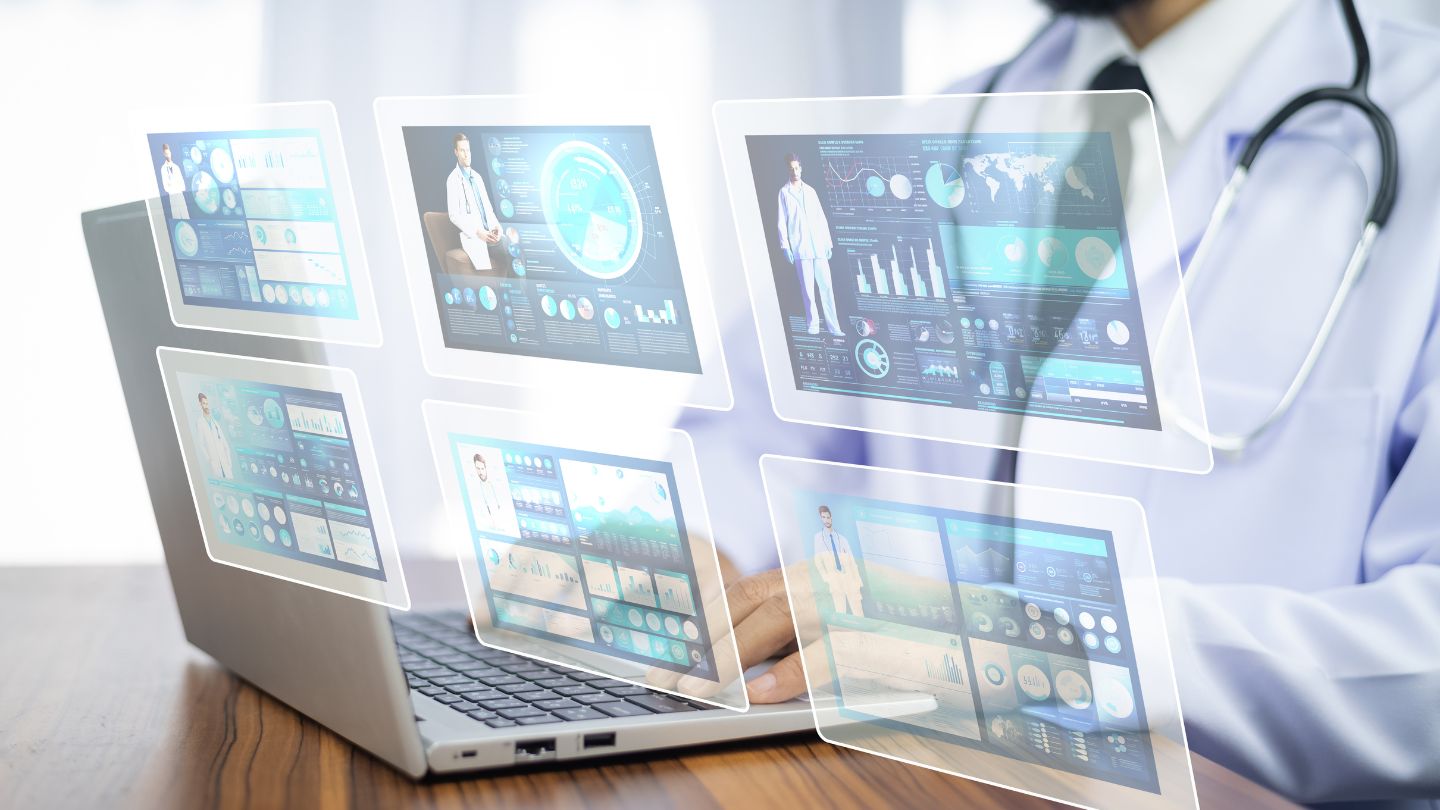
Healthcare CRM software has transformed the way healthcare providers handle patient appointments by automating scheduling tasks, enhancing productivity, and minimizing human errors. This technology empowers healthcare organizations to refine their service delivery and effortlessly manage patient bookings.

Automation stands as a principal feature of healthcare CRMs, greatly improving the handling of patient data and interactions. Mundane activities like booking appointments, setting reminders, and conducting follow-ups are streamlined through automation. This not only boosts the precision in scheduling but also alleviates administrative workload for medical staff members. By simplifying these processes with CRM features, overall service quality is notably improved.

The appointment scheduling capabilities within healthcare CRMs are crafted to adeptly oversee reservations and maintain orderly appointment sequences. These functionalities permit patients to secure slots at times that suit them best while allowing practitioners to easily oversee these schedules, effectively reducing no-shows by using timely automated reminders.

Leveraging automation in managing patient records within CRM systems eliminates manual input mistakes, thereby elevating schedule reliability and making sure all pertinent information remains current, which enables care providers to offer customized attention promptly, Leading directly toward enhanced outcomes for patients, including an uptick in engagement levels.

Automated Reminders and Confirmations

Healthcare CRM systems, by incorporating automated reminders and confirmations, play a crucial role in diminishing missed appointments and maintaining schedule adherence. They automate notifications, provide online scheduling capabilities, and manage waitlists effectively—resulting in more optimized appointment attendance and better utilization of healthcare services.

Such systems are proven to cut down no-show instances by as much as 90%. By delivering timely alerts via text message, email, or voice calls to patients regarding their approaching visits along with any preparatory actions required, they bolster patient communication. This forward-thinking strategy elevates both the level of patient engagement and overall satisfaction rates.

The convenience offered through automatic reminders extends to rescheduling options for those unable to keep their original appointments. As such, functionality supports easy adjustments to bookings when necessary. It serves not only patients but also allows healthcare providers to make the most efficient use of available time slots. It lightens administrative tasks for staff members, who can then concentrate on providing high-quality medical care.

Enhanced interaction between patients and health services is achieved through these CRM systems that enable confirmation messages alongside pre-appointment notifications and post-visit follow-ups—all contributing towards improved patient participation levels. These communications ensure that clients have all relevant information pertaining to service access protocols, including paperwork requirements beforehand, thus streamlining processes significantly for all parties involved.

Integration with Electronic Health Records (EHR)Integration with Electronic Health Records (EHR)
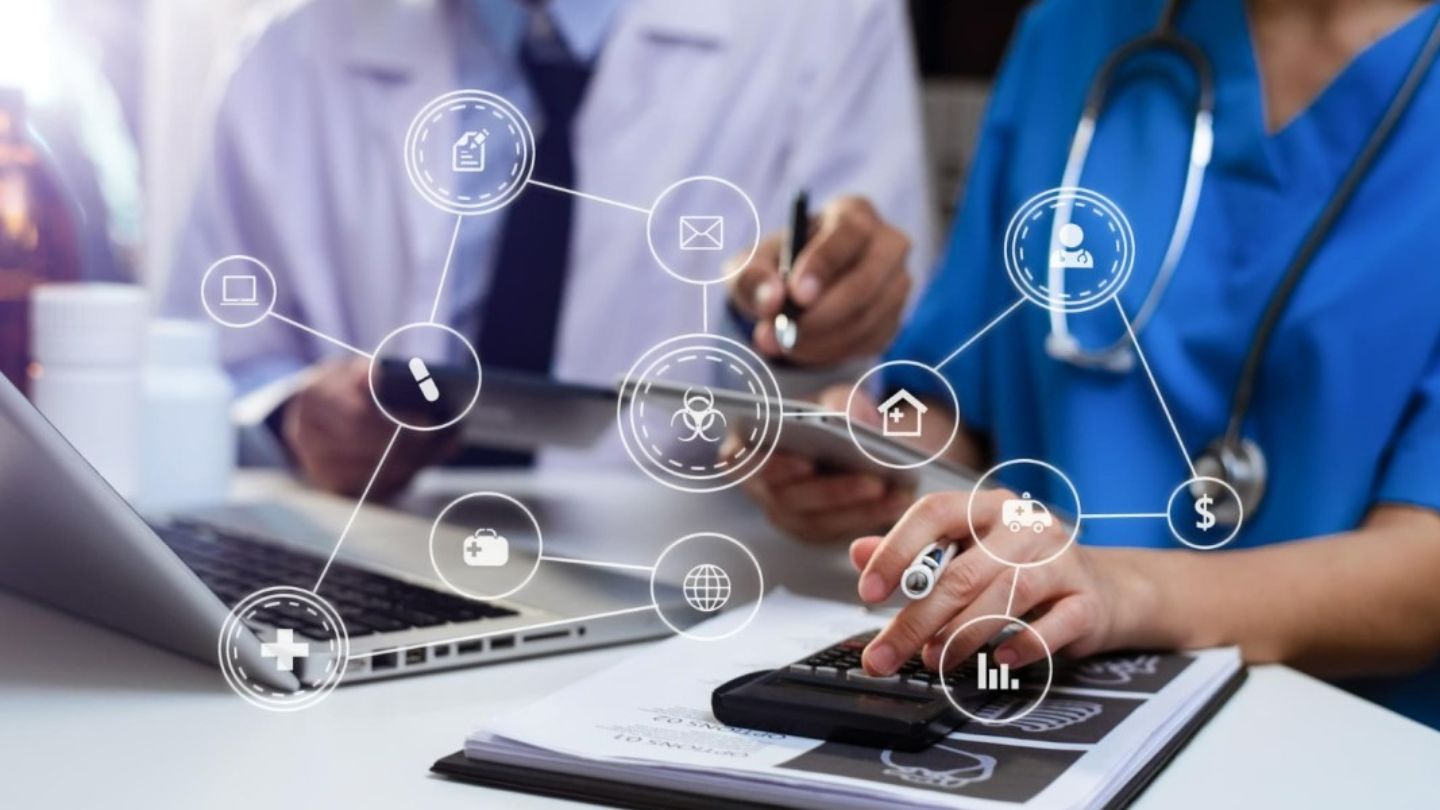
Healthcare CRM systems offer the notable benefit of integrating effortlessly with Electronic Health Records (EHR), eliminating repetitive data input, and maintaining up-to-date, precise patient information throughout the health system.

By harmonizing processes such as patient registration and scheduling appointments through integration with electronic medical record (EMR) systems, CRMs centralize all patient data. This consolidation cuts down on duplicated efforts and enhances the management of patient data. Secure real-time exchanges of HIPAA-compliant information between a healthcare CRM solution and EHRs make certain that sensitive patient details are both protected and accessible to authorized individuals. The adoption of CRM technology in healthcare settings can lead to an increase in overall operational efficiency.

The unification of online scheduling tools within CRMs improves the handling of patients’ records while minimizing unnecessary duplication. Incorporating digital intake forms into these systems helps lower waiting times for patients by ensuring accurate gathering of their details before they arrive for their appointments. Such advancements not only boost productivity but also elevate the standard care experience by allowing providers more effective access to necessary data about those they serve.

Linking schedule coordination software directly with mechanisms overseeing resource allocation permits a more streamlined arrangement process for appointments, which supports healthcare professionals in managing their timetables adeptly. The outcome is enhanced quality care outcomes along with heightened satisfaction among patients who receive services from these optimized practices.

Personalized Patient Communication

Healthcare CRM systems significantly improve patient engagement and satisfaction by providing personalized communication channels. These CRMs facilitate direct contact with patients through integrated platforms, utilizing SMS, email, or phone calls to ensure the timely delivery of reminders and follow-up messages for an improved healthcare experience.

Utilizing healthcare CRMs for customized communications allows patients to feel acknowledged and well-informed, thereby boosting both their engagement with the service provider and overall contentment. The marketing automation capabilities within these systems also play a crucial role in ensuring that communications are sent promptly to enhance the patient’s journey. Such personalization contributes to a stronger connection between patients and their care providers.

Effective tracking of patient interactions and medical histories is accomplished using advanced healthcare CRM technology. This enables practitioners to customize their communication strategies as well as treatment plans more precisely. Centralized data management found in these CRM solutions aggregates all forms of patient correspondence into one user-friendly platform which helps reduce the likelihood of overlooking critical patient messages.

By delivering targeted communications designed around the specific needs of individual patients, healthcare CRMs reinforce the bond between those receiving care and their providers. Transmitting tailored health information along with appointment reminders and subsequent follow-ups unique to each case efficiently aids practices in mastering patient interaction techniques, fostering greater levels of satisfaction while crafting an increasingly bespoke health management experience.

Data-Driven Insights for Improved Scheduling

Healthcare CRMs facilitate informed decision-making and strategic operational planning through the use of data-driven insights. By employing data analytics, healthcare institutions can delve into substantial amounts of patient information to better grasp patterns in patient conduct and preferences. Machine learning techniques are employed to sift through intricate sets of patient data to reveal hidden trends that might go unnoticed with conventional methods of analysis.

Predictive analytics is harnessed by medical organizations to anticipate individual health needs and tailor treatment approaches within their practices. By keeping an eye on scheduling indicators and collecting critiques, these entities can refine how they allocate appointment times, which enables both healthcare practitioners and providers to more efficiently organize their calendars within the medical sector.

CRM reporting functionalities provide a window into prevailing tendencies concerning appointments while evaluating levels of patient involvement alongside practice effectiveness. Such insights empower providers to track how well communication initiatives perform and refine interactions with patients. What’s more, integrating social determinants pertaining to health information can profoundly bolster engagement strategies by pinpointing obstacles impeding access to medical services.

By tapping into data-informed conclusions, medical establishments are poised not only to amplify operational efficiency but also to elevate the standards of care delivered to patients. In harnessing tools designed for analytics coupled with reporting capabilities, those providing healthcare services have at their disposal the means necessary for making choices rooted in knowledge that streamlines schedules and fortifies overall quality in patient attention.

Read more: Why Healthcare CRM Systems Are Essential for Streamlining Appointment Scheduling

Enhancing Operational Efficiency

CRM systems in the healthcare sector significantly alleviate staff workloads by streamlining the scheduling of patient appointments. The implementation of automated workflows within these CRMs assists in reducing time spent on administrative tasks, enabling a stronger focus on delivering quality care to patients, which can result in enhanced patient outcomes and elevated service standards.

Employing CRM systems to automate routine administrative operations lessens paperwork demands and optimizes process flow. Enhanced operational efficiency not only boosts employee output but also contributes to economic savings due to the reduced necessity for extra clerical personnel. Centralizing all patient data into a healthcare CRM facilitates better management of interactions with patients and decreases instances of error.

Efficiently managing schedules through CRM technology ensures that each appointment is matched with appropriate resources while maintaining cost-effectiveness. Organizing this aspect well curtails missed appointments among patients and diminishes pressure on healthcare providers, fostering improved operational performance and upgrading overall experiences for patients.

Harnessing healthcare CRMs serves to augment staff productivity by eliminating redundant duties. This shift empowers providers within the health sphere to dedicate more attention to high-quality care provision, driving superior results for their patients’ health along with reinforcing engagement between caregivers and those they serve.

Read more: Four Reasons Why Your CRM System is Your Most Valuable Asset

Compliance and Security in Appointment Management

In the realm of appointment management, adherence to compliance and security standards is paramount. Healthcare CRM software must rigorously safeguard sensitive patient data and protected health information by ensuring HIPAA compliance and robust data protection measures. To uphold patient data security, healthcare CRM systems are required to integrate potent encryption protocols that secure data both during transmission and while stored, in line with healthcare security regulations.

Implementing role-based access control is imperative for limiting the visibility of sensitive information based on individual staff roles within a facility. This ensures that only those who are authorized have access to sensitive patient data, which is essential for upholding trust through conformity with regulatory requirements like HIPAA.

Healthcare providers utilize CRM systems designed specifically for the sector to bolster both the protection of delicate patient details and the fostering of deeper engagement with patients. By complying fully with pertinent healthcare regulations and instituting strong safeguards around their information assets, professionals can reassure patients about the safety of their personal records.

Appointment management’s focus on compliance and preserving confidentiality serves as a fundamental component in fostering confidence amongst clients regarding how their medical records are handled. Healthcare organizations depend upon specialized CRMs adept at securing private medical details while concurrently keeping pace with established industry mandates related to privacy protections.

Choosing the Right Healthcare CRM SystemChoosing the Right Healthcare CRM System

Selecting an appropriate healthcare CRM system is vital for healthcare providers who want to improve their operational efficiency and patient care. Healthcare organizations should consider the specific demands of their practice and how well the CRM handles maintaining patient relationships when choosing a system.

Essential components for a successful healthcare CRM encompasses capabilities that facilitate smoother operations and bolster patient engagement. It’s important to assess the comprehensive range of functions, including tools for segmentation, communication, and support provided by the CRM. Choosing a user-friendly system can decrease staff training duration while increasing productivity.

For a scalable solution that keeps pace with an expanding institution, it’s crucial that a healthcare CRM can manage growing numbers of patients adequately. Recognizing all costs associated with ownership, such as licensing fees and ongoing maintenance, will play a pivotal role in making an informed decision about your organization’s CRM technology. Selecting an optimal system empowers providers with robust means to oversee patient information more efficiently and elevate overall care delivery.

In essence, acquiring the right healthcare CRM is instrumental in fostering advancement within health organizations—it supports enhanced service quality through judicious evaluation of salient features alongside considerations regarding scalability and expenses involved. This allows providers to choose not just any but rather THE suitable customer relationship management tool tailored towards enhancing performance standards in providing medical services.

Summary

Healthcare CRM systems have become indispensable tools for automating and optimizing appointment scheduling. By reducing manual errors, enhancing operational efficiency, and boosting patient engagement, these systems ensure healthcare providers can offer seamless and timely services. With features like online scheduling, automated reminders, and integration with EHRs, healthcare CRMs elevate the overall patient experience while streamlining administrative workflows.

At Guideway Care, we specialize in delivering tailored healthcare CRM solutions designed to revolutionize appointment scheduling. Our innovative tools empower healthcare organizations to enhance efficiency, reduce no-shows, and foster stronger connections with patients. Partner with us to leverage expert healthcare CRM strategies and take your scheduling process to the next level. Together, we can elevate your patient care and operational success!

Frequently Asked Questions

What are the key benefits of using a healthcare CRM system for appointment scheduling?

Healthcare CRM systems streamline the appointment scheduling process by automating bookings, minimizing manual errors, and reducing administrative tasks. They provide features like online appointment scheduling and automated reminders, which improve operational efficiency and enhance patient satisfaction. Additionally, CRMs integrate with electronic health records, ensuring accurate data management and better patient care.

How do healthcare CRM systems improve appointment scheduling efficiency?

Healthcare CRM systems improve efficiency by automating scheduling workflows and enabling patients to book, reschedule, or cancel appointments online. They optimize schedules with features like skill-based routing and automated alerts, reducing no-shows and missed appointments. By centralizing appointment management, these systems allow healthcare providers to better allocate resources and improve overall patient experience.

How do healthcare CRM systems ensure compliance and data security?

Healthcare CRM systems are designed with strict compliance and security measures to protect sensitive patient information. They include features like encryption, role-based access control, and secure data storage to meet HIPAA requirements. Regular updates and audits enhance security, ensuring patient trust and adherence to regulatory standards.

What should healthcare providers consider when choosing a CRM system?

When selecting a healthcare CRM system, providers should assess features like appointment scheduling capabilities, integration with EHR systems, and data security protocols. Scalability is essential for adapting to practice growth, as is user-friendliness to reduce training time for staff. Providers should also evaluate the overall cost of ownership, including licensing and maintenance fees, to ensure the CRM aligns with their operational and budgetary needs.

How Healthcare CRM Systems Help Manage Patient Privacy and Compliance

Healthcare CRM systems play a crucial role in managing patient privacy and ensuring regulatory compliance. By incorporating advanced security measures like data encryption, secure access controls, and continuous monitoring, these systems protect sensitive patient information. Specifically, how healthcare CRM systems help manage patient privacy and compliance ensures adherence to privacy laws, such as HIPAA, by automating compliance processes and maintaining robust data security. This blog explores how healthcare CRM systems enhance patient privacy and compliance.

Key Takeaways

  • Healthcare CRM systems enhance patient privacy and compliance through robust security measures, including data encryption, access controls, and audit trails.
  • These systems play a critical role in maintaining HIPAA compliance by managing patient consent forms, automating compliance checks, and providing ongoing training and updates.
  • Implementing a HIPAA-compliant CRM requires careful vendor selection, ongoing maintenance, and regular audits to ensure effective patient data management and adherence to privacy regulations.

The Role of Healthcare CRM Systems in Ensuring Patient Privacy

Healthcare CRM software plays a critical role in preserving the confidentiality of sensitive patient data by implementing strong security measures. These systems form the core infrastructure for secure management of patient information, ensuring accessibility is limited to qualified healthcare professionals. Enhanced protection for sensitive patient information against unauthorized access comes through rigorous methods such as encryption, stringent access controls, and consistent audits. By restricting the reach of healthcare CRM software to only credentialed healthcare workers, these platforms bolster both patients’ privacy and their confidence in the system. The centralization of patient data within these systems empowers healthcare organizations with immediate and protected access to accurate, contemporary data about patients while promoting stronger data privacy and defense measures. To defend against breaches that could compromise patient privacy, Healthcare CRM solutions are equipped with specialized features designed explicitly to shield this extremely private information.

Data Encryption and Secure Storage

Encrypting patient data is an essential component of ensuring data security within healthcare CRM systems. By transforming patient information into a secure code, only individuals with the proper authorization can interpret it. This method acts as a barrier against unauthorized access to sensitive patient data, preserving both regulatory compliance and the confidentiality of patients. Healthcare CRM systems employ robust storage solutions equipped with cutting-edge encryption methods and stringent authentication processes to ensure that sensitive patient health information is accessible solely by authorized staff members in healthcare organizations.

Access Controls and Authentication

Healthcare CRM systems incorporate vital security features like access controls and authentication protocols. By implementing multi-factor authentication, these systems require various verification methods to permit entry to patient data, bolstering the defense against unauthorized access. Role-based access control is employed to restrict users’ information scope strictly to what their job roles demand, thus safeguarding patient privacy and reducing the likelihood of sensitive patient data being compromised. Healthcare CRMs maintain audit trails that chronicle who has accessed patient records. This function not only promotes responsible behavior but also ensures adherence to privacy standards set by regulations. The combination of these stringent measures guarantees that sensitive patient data remains accessible solely to duly authorized staff members – a fundamental step in enhancing both data security and fostering trust among patients.

Compliance with HIPAA Regulations Using Healthcare CRM Systems

Compliance with HIPAA Regulations Using Healthcare CRM Systems Ensuring adherence to HIPAA regulations is essential for healthcare organizations in safeguarding patient privacy and circumventing substantial fines. CRM systems within the healthcare sector are instrumental in maintaining compliance with HIPAA by integrating functionalities that handle patient consent forms, facilitate automated compliance verifications, and deliver consistent updates along with training. The readiness of a vendor to enter into a Business Associate Agreement (BAA) demonstrates their dedication to upholding HIPAA standards, thereby offering assurance to healthcare organizations regarding the protection of their patient data. To preserve alignment with HIPAA benchmarks, regular evaluations should be conducted that scrutinize both technological security measures and the observance of compliance requirements. This segment will delve into how CRM systems employed by healthcare providers assist in supporting conformity with HIPAA mandates.

Automated Compliance Checks

It is crucial for the consistent observance of HIPAA standards to employ automated compliance checks. These checks systematically scrutinize and assess adherence in managing patient data, granting healthcare institutions instantaneous feedback on their compliance stance. Critical elements that support these automated evaluations include advanced encryption methods, secure solutions for storing data, and continuous surveillance of security measures to protect sensitive patient information within healthcare CRM systems. Breach notification functions swiftly inform administrators through email or text messages when a security infringement takes place. This immediate alert enables prompt action against possible dangers. The perpetual vigilance over user activities contributes to spotting potential risks early on and thus preemptively strengthens both conformity with regulations and the overall safeguarding of the system’s integrity.

Regular Updates and Training

Continual revisions to healthcare CRM systems are essential for staying in step with evolving rules and potential security weaknesses. Consistent upkeep and inspections guarantee the sustained efficacy and regulatory adherence of these systems, equipping healthcare organizations with the necessary resources for responsible management of patient data. Educating personnel on up-to-date functionalities of the system along with current compliance protocols is crucial for their ability to responsibly process patient information. This ongoing training is vital not only for remaining compliant but also for ensuring that healthcare professionals possess the requisite knowledge to safeguard patient privacy and data security.

Benefits of Healthcare CRM Systems for Healthcare Providers

Benefits of Healthcare CRM Systems for Healthcare Providers Healthcare CRM systems offer numerous benefits to healthcare providers, from improving patient engagement to enhancing operational efficiency and better patient outcomes. These systems provide personalized communication, timely follow-ups, and automated marketing, which significantly enhance patient engagement and retention. By facilitating access to actionable patient data and coordinating care, healthcare CRM systems lead to improved health outcomes for patients. Automation of administrative tasks and the use of integrated workflows improve operational efficiency in healthcare practices, allowing staff to focus more on patient care. Healthcare CRM systems offer specific advantages to healthcare providers and healthcare providers.

Improved Patient Engagement

Healthcare CRM enables customization of each patient interaction to meet their specific needs. Patient engagement is boosted through a HIPAA-compliant CRM system that allows for personalized communication, efficient follow-ups, and seamless access to healthcare services. By providing individualized treatment plans and proactive communication efforts, the patient experience is significantly enhanced—leading to reduced wait times and greater levels of satisfaction among patients. With a comprehensive understanding of the patient’s history and preferences (360-degree view), these systems facilitate more effective care delivery while fostering stronger relationships between patients and providers. The primary aim of healthcare CRM systems is improving overall wellbeing at every point of contact with the patient by refining interactions for optimal outcomes. An example includes a hospital that gained its patients’ confidence through clear communications about how it handles data security within its customer relationship management CRM platform. By enabling consistent follow-up actions and tailored healthcare programs via such platforms, they play a pivotal role in advancing positive results in terms of health outcomes for patients.

Enhanced Operational Efficiency

Healthcare CRMs are designed to automate key services such as responding to patient inquiries and organizing appointments, which improves operational efficiency. Through the automation of various tasks, these CRM systems enhance workflow optimization, enabling healthcare providers to minimize the load of administrative work and dedicate greater attention to providing direct care for patients. The streamlining of workflows is achieved through automatic data processing and a decrease in the need for manual entry, which bolsters efficiency across healthcare operations. This synergy between automated administrative functions and smoother workflows leads to heightened productivity while also enhancing the quality of service delivery.

Better Patient Outcomes

Healthcare CRM platforms provide the tools for healthcare providers to tailor care plans more effectively, thereby enhancing patient outcomes. Utilizing healthcare CRM software empowers providers to construct individualized care strategies that address each patient’s unique health needs. A HIPAA-compliant customer relationship management (CRM) system ensures that patient data is managed securely, enabling personalized and prompt medical attention. These systems enable evidence-based decision-making in healthcare by leveraging tracked patient information. Healthcare professionals are equipped with the ability to spot potential problems or patterns early on through careful analysis of this data, allowing for preemptive action in a patient’s treatment plan.

Key Features of a HIPAA-Compliant Healthcare CRM System

Establishing a strong security framework is crucial for HIPAA-compliant CRM implementation. These systems must ensure patient data is confidential, securely stored, and only transmitted in encrypted form. Security features such as data encryption, two-factor authentication, and audit logs are essential for maintaining patient privacy. A HIPAA-compliant CRM allows healthcare providers to securely manage patient electronic protected health information (ePHI), enhancing data management and security. By supporting secure patient communication and privacy risk assessments, these systems help healthcare organizations meet HIPAA regulations and safeguard patient data. Key features of a HIPAA-compliant healthcare CRM system include secure communication tools, integration with EHR, and customizable reporting and analytics.

Secure Communication Tools

Safeguarding patient confidentiality and adhering to regulatory standards are paramount in healthcare communication. It is vital that Healthcare CRMs incorporate encrypted messaging capabilities to shield sensitive patient conversations from unauthorized access. The implementation of encryption ensures that exchanges between patients and healthcare providers remain private and secure. Not only do these secure communication instruments defend delicate patient information, but they also enable protected engagements between patients and their healthcare providers. By embedding encrypted and secured communications within healthcare CRMs, the integrity of patient data is preserved, fostering trust among patients while upholding HIPAA compliance regulations.

Integration with Electronic Health Records (EHR)

Healthcare CRMs that effectively integrate with EHR systems significantly improve the management of patient data. An electronic health record (EHR) serves chiefly to maintain and provide access to clinical patient records. By ensuring a seamless connection between healthcare CRMs and EHRs, there is an enhancement in the outcomes for patients due to meticulous management of their information coupled with efficient delivery of services.

Customizable Reporting and Analytics

Healthcare organizations significantly benefit from adaptable reporting and analytics, as these capabilities are crucial for efficient compliance monitoring. By employing Healthcare Customer Relationship Management (CRM) systems with tailored dashboards, healthcare providers can create reports that unearth trends and insights throughout their operations. Such knowledge is critical in making decisions that improve the standard of patient care. The ability to modify reporting and analytics enables healthcare institutions to keep an eye on essential performance indicators, ensure adherence to regulations, and pinpoint opportunities for enhancement. These features not only assist in meeting regulatory requirements, but also play a key role in refining the provision of healthcare services and elevating patient outcomes.

How To Implement a HIPAA-Compliant Healthcare CRM System

Implementing a HIPAA-compliant CRM system requires careful planning and ongoing management. Healthcare organizations need to assess their specific needs, select the right vendor, and ensure continuous maintenance and audits to sustain compliance. Implementing a HIPAA-compliant healthcare CRM system involves assessing organizational needs, selecting vendors, and ensuring ongoing maintenance and audits.

Assessing Organizational Needs

Initially, it’s critical for a healthcare organization to conduct an analysis of its specific needs. This step is vital to ascertain that the chosen CRM system not only meets the organizational objectives but also fulfills all necessary compliance obligations. Leveraging built-in templates designed for contracts and business associate agreements can be incredibly beneficial in upholding efficient management of legal compliance. In the next phase:

  1. Scrutinize and comprehend each requirement of your healthcare organization.
  2. Confirm that these requirements are adequately met by the CRM system you opt for with respect to both its functional goals and adherence to legal norms.
  3. Employ ready-made templates provided within the CRM environment which facilitate smooth handling of contractual documents and partnerships from a compliance standpoint.
Understanding how features offered by HIPAA compliant CRMs align with regulatory demands such as those stipulated under HIPAA regulations becomes crucial at this point — opting for systems equipped with these features simplifies workflows while guaranteeing regulation conformity, buttressing your overarching strategy toward legal compliance within operations.

Vendor Selection Criteria

It is vital to select the appropriate vendor when you’re in the process of setting up a CRM system that adheres to HIPAA compliance. When picking out a vendor, it’s important to scrutinize their security protocols such as intrusion detection systems and data encryption capabilities. Vendors must have an in-depth understanding of HIPAA regulations and be prepared to enter into a business associate agreement (BAA) as evidence of their commitment. One should evaluate how capable the vendor is at offering support services that may include transferring existing data into the new system, conducting user training sessions, and providing regular maintenance—all necessary for maintaining ongoing compliance with HIPAA standards. Crucial factors also encompass the credibility of the vendor, their flexibility in tailoring solutions based on specific needs, and calculating what owning this CRM system will cost over time.

Ongoing Maintenance and Audits

Consistent upkeep and assessments are essential for maintaining HIPAA compliance within healthcare CRM systems. Periodic system upgrades, scheduled security checks, and recurrent training of personnel certify the ongoing effectiveness and adherence to regulations. This continual oversight boosts operational efficiency while keeping healthcare entities abreast of any modifications in HIPAA requirements. Through systematic maintenance and audits, these organizations can identify weaknesses, enhance their protective strategies, and make certain that employees are proficient in managing patient data with care. Such a forward-thinking strategy is imperative for upholding regulatory conformity and safeguarding patient privacy.

Summary

Healthcare CRM systems are invaluable for managing patient privacy and ensuring compliance with regulations like HIPAA. By offering features such as data encryption, access controls, and automated compliance checks, these systems not only safeguard sensitive patient information but also streamline operations, enhance patient engagement, and improve outcomes. As the healthcare landscape evolves, adopting these systems is essential for maintaining trust, meeting regulatory standards, and delivering exceptional care. At Guideway Care, we specialize in helping healthcare organizations implement effective healthcare CRM solutions to improve patient experiences and build trust. From customized website design to digital marketing strategies, we focus on delivering tools that enhance operational efficiency and patient privacy. Contact us to safeguard patient data while optimizing your practice for better results. Discover how we can transform your organization with advanced healthcare CRM systems.

How Augmented Reality Videos in Healthcare Transforms Patient Care: Key Benefits and Innovations

How augmented reality videos in healthcare transform patient care isn’t just a futuristic idea—it’s happening now. AR enhances patient education, boosts surgical precision, and makes physical therapy more effective. This guide delves into these improvements, showing the many ways in which augmented reality videos in healthcare transform patient care and reshape healthcare.

Key Takeaways

  • Augmented reality (AR) enhances patient education by making complex medical concepts more accessible, interactive, and memorable, leading to better patient engagement and treatment adherence.
  • In surgical settings, AR improves precision and outcomes by providing real-time anatomical overlays, facilitating accurate interventions, and reducing errors during procedures.
  • AR significantly benefits telehealth by enhancing remote consultations with interactive visualizations, improving patient understanding and satisfaction while bridging the expertise gap in complex medical scenarios.

Enhancing Patient Education with AR Videos

Augmented reality (AR) is transforming the landscape of patient care, taking medical education to new heights by making it more accessible and captivating. Picture effortlessly grasping intricate medical theories—AR technology can vividly animate these concepts, offering patients a lucid understanding of their therapeutic options. With AR tools simulating surgical procedures, patients gain an enhanced perspective on what lies ahead. This interactive method substantially elevates patient engagement and contentment levels. Witnessing a virtual rendition of their impending surgery or therapy diminishes apprehension and empowers them with greater control over their health-related decisions, including their effects on their own bodies. Integrating AR into educational resources for patients bolsters information retention beyond that achieved through conventional techniques. The opportunity for real-time interaction with medical material makes the learning experience far more dynamic and indelible, thereby contributing to superior patient outcomes due to better adherence to prescribed treatment regimens. AR contributes significantly to improving interactions between healthcare providers and patients by enabling simultaneous visualization and discussion of treatment strategies. Such collaborative engagement builds trust while ensuring that individuals are thoroughly knowledgeable about aspects concerning their health care—an essential factor in enhancing both patient safety standards as well as overall satisfaction rates.

Improving Surgical Precision and Outcomes

In the critical environment of the operating room, achieving precise outcomes is essential. The integration of augmented reality (AR) technology has been making remarkable progress in bolstering surgical precision and enhancing patient results. Through improved visualization capabilities, surgeons are able to conduct more accurate interventions by viewing a comprehensive overlay of a patient’s internal anatomy directly during surgery. Real-time AR applications aid surgeons with vital data overlays that significantly boost their ability to make informed decisions on the spot. This instantaneous guidance assists with maneuvering surgical instruments accurately, reducing potential errors, and increasing overall safety measures—particularly in intricate surgeries such as spinal operations where AR can provide an exact 3D representation of a spine for optimal instrument placement. The advancement of AR not only enhances accuracy but also improves ergonomic conditions for medical professionals performing surgeries, leading to superior execution and diminished exhaustion, especially during prolonged and complex procedures that require sustained attention for safeguarding patient well-being. Employing AR within minimally invasive surgeries tends to reduce operation durations and blood loss among patients. These advantages lead to greater postoperative outcomes, including quicker recuperation periods while simultaneously improving the quality of patient experiences. These are all indicative of the role of augmented reality in medicine, which is transforming operative care into safer and more effective treatments across various disciplines.

Transforming Physical Therapy and Rehabilitation

Augmented reality (AR) is revolutionizing the field of physical therapy and rehabilitation, playing a pivotal role in enhancing patient care. AR applications provide immediate feedback regarding the performance of therapeutic exercises, thereby improving patients’ understanding of their advancement while allowing therapists to modify treatment strategies based on live data. The introduction of AR technology into physical therapy holds great promise due to its capacity for making exercise regimens more interactive through gamification. Converting exercises into engaging games that reward progress with virtual achievements substantially boosts both the commitment and enthusiasm of patients toward completing their rehabilitation routines—a critical factor for consistent adherence. For various medical conditions, such as stroke recovery or phantom limb pain, augmented reality shows significant promise by creating a controlled yet stimulating environment that aids individuals in reclaiming movement and function. Integrating AR into conventional therapeutic methods has demonstrated benefits, including enhanced balance and mobility, especially amongst elderly patients, potentially reducing incidents like falls. Research supports that therapies incorporating augmented reality are linked with higher levels of compliance from patients following rehab protocols diligently. This surge in consistency paves the way for improved recovery results along with highly customized care experiences tailored specifically to each individual’s needs—ushering in an era where cutting-edge AR solutions might redefine personalization within physiotherapy treatments.

Augmented Reality for Mental Health Care

Augmented Reality for Mental Health Care The field of mental health care is experiencing notable advancements with the integration of augmented reality (AR). By utilizing AR technology, therapists can craft virtual environments conducive to exposure therapy. This approach is particularly useful for treating phobias and PTSD as it enables patients to face their fears in a secure and manageable context, contributing to decreased anxiety levels and enhanced coping skills. While current data on the efficacy of AR-enhanced therapeutic interventions are somewhat preliminary, initial research suggests they may offer benefits superior to conventional practices. One such benefit includes improved transferability of therapeutic gains from clinical settings into actual daily experiences. Consequently, behavioral adaptations and strategies acquired during AR-supported therapy have an increased likelihood of being utilized by patients in real-world scenarios. Augmented reality has the capacity to track psychophysiological indicators throughout treatment sessions, which can greatly refine how therapies are tailored to individuals’ needs. Such tracking permits therapists immediate adjustment opportunities within treatments that aim at optimizing session impact. This personalized tactic represents a significant leap in mental health provision by enhancing both accessibility and effectiveness for those undergoing treatment.

Revolutionizing Medical Training and Education

Revolutionizing Medical Training and Education The application of augmented reality (AR) is revolutionizing both patient care and the way healthcare professionals receive medical training. Studies suggest that AR has the potential to improve surgical staff education, which may lead to better outcomes during surgeries. For medical students, AR technologies offer a dynamic engagement with anatomical models, providing them with different perspectives and fostering an enhanced comprehension of human biology. Medical training programs utilizing AR facilitate a greater understanding of intricate anatomical interconnections while supplementing learning in human physiology and medical imaging. Medical trainees who embrace these innovative tools typically experience increased self-assurance compared to peers using traditional educational methods. Such confidence often manifests as superior practical assessment performance and an advanced mastery of medical subjects. One significant advantage presented by AR-driven instructional programs lies in their capacity to replicate critical procedures within zero-risk settings for patients, enabling learners to refine their expertise safely within controlled confines. Augmented applications utilized in imaging also contribute considerably towards nurturing well-prepared and self-assured health practitioners through enriched educational encounters. As technological advancements propel forward, it’s anticipated that augmented reality will become embedded in standard practices for educating future healthcare providers—heralding substantial advancements within the field of medicine by equipping clinicians with cutting-edge resources required for excelling professionally—a testament indeed signifying a pivotal shift across the healthcare sector ushered by this innovation.


Enhancing Diagnostics and Treatment Planning

In the realm of healthcare, augmented reality (AR) is revolutionizing both diagnostics and treatment planning. Incorporating AR technology into medical imaging allows for on-the-spot guidance throughout various procedures that can boost precision. Projecting 3D images from patient scans directly onto their body greatly assists in accurate real-time visual assessments necessary for diagnosis. AR proves beneficial in correctly positioning patients during diagnostic imaging processes, which is vital for acquiring precise results. This level of exactness significantly contributes to formulating effective treatment strategies by enabling clinicians to tailor more specific and individualized plans based on clear visual interpretations of complex data from imaging studies — bolstering diagnostic accuracy as well as professional confidence. The utilization of augmented reality streamlines the interpretation process associated with intricate imaging data, leading to quicker diagnoses and the initiation of treatments. In emergencies where swift action could mean life or death, such rapid decision-making support provided by AR becomes invaluable. This technology’s ability to superimpose relevant imagery over a patient’s actual anatomy not only aids practitioners but also empowers individuals with insights that encourage self-diagnosis and proactive management of their health. There is evident growth within the global healthcare sector’s application of AR technologies aimed at improving diagnostics processes—signaling an increased acknowledgment regarding its advantages as enhancements in AR continue unabatedly. Its role is anticipated to become even more influential when it comes to refining diagnostic techniques and optimizing treatment design, ultimately leading to superior patient outcomes.

Remote Assistance and Telehealth Applications

The introduction of augmented reality (AR) is revolutionizing telehealth by providing healthcare providers with the ability to offer remote assistance that includes advanced capabilities. With the capacity to overlay virtual objects and annotations, remote healthcare becomes more dynamic and effective. This innovation empowers healthcare professionals to deliver immediate visual information, which can enhance evaluations of patients and interventions during digital consultations. The incorporation of AR into telehealth has resulted in high levels of user satisfaction, reflecting its effectiveness in delivering care from a distance. By utilizing interactive visual aids, patients gain a clearer comprehension of their health issues, fostering greater involvement with their treatment process and contentment with the services provided. This heightened patient engagement is pivotal for achieving better outcomes in health as well as crafting a more tailored experience within healthcare settings. To these benefits, AR stands out for its significant contribution to telemedicine by enabling experts to provide on-the-spot mentorship during medical procedures remotely. Such capability narrows down barriers imposed by geographical limitations, allowing seasoned specialists the opportunity to guide practitioners who are less experienced through intricate operations. The integration of AR technology into telehealth indisputably sets forth an evolution toward rendering remote healthcare services that are both accessible and proficiently delivered.

Practical Use Cases of AR in Healthcare

Practical Use Cases of AR in Healthcare The utilization of augmented reality (AR) technology is gaining traction as a cutting-edge method for fulfilling patient requirements and advancing the management of illnesses. AR delivers visual assistance that bolsters surgical accuracy during dental operations, including maxillofacial surgery and implant placement. Orthodontics sees an improvement from AR through 3D imaging systems that track teeth movement to ensure precise bracket positioning. Within the realm of patient care, AR has proven its merit in aiding navigation throughout expansive healthcare institutions, thereby simplifying the experience for patients traversing these large facilities. Healthcare organizations are adopting custom-built AR applications designed to uplift service excellence while simultaneously reducing expenses and catering to distinct organizational needs. These innovative applications span various functions, from enriching patient education initiatives to enhancing efficiency in administrative tasks. With recent advancements pushing both augmented reality (AR) and virtual reality (VR) technologies towards greater portability and lifelike experiences, their practical application within healthcare environments has increased significantly. As the evolution of AR progresses, AR will evolve. It promises even broader implications for health services by presenting novel solutions confronting diverse issues—ultimately elevating standards in patient care across the sector.

Overcoming Challenges and Implementation Advice

The integration of augmented reality (AR) within the healthcare sector brings with it a host of advantages, yet several obstacles must be surmounted for its full-fledged adoption. The financial burden can deter healthcare facilities from embracing AR technologies. Concerns about maintaining data security and overcoming complexities associated with integrating these technologies are significant challenges that need to be overcome to protect patient confidentiality and earn the trust of both patients and health professionals. Ensuring that AR technology is accessible while navigating regulatory requirements presents additional difficulties in its implementation. Careful planning that aligns with existing clinical procedures is critical for ensuring the acceptance and effective use of AR in medical settings. Training users on how to leverage these technological tools is key to unlocking their potential benefits while safeguarding operational standards within clinical environments. Facilitating an ongoing conversation among all involved parties remains vital in refining the application of AR so as to better serve the demands of healthcare provision. Developing strong frameworks for deployment will aid systematic assimilation into everyday clinical practice. When such challenges are addressed successfully, healthcare organizations stand poised to capitalize on the capabilities offered by AR—ushering in an era where enhanced patient care leads to superior health outcomes.

Summary

Augmented reality (AR) is revolutionizing healthcare, offering transformative solutions across patient education, surgical precision, mental health therapies, and more. By integrating AR technology into healthcare video production, the industry is seeing increased engagement, improved outcomes, and streamlined care delivery. The potential of AR to enhance diagnostic processes, treatment plans, and telehealth is paving the way for a more efficient and impactful healthcare system. At Guideway Care, we specialize in healthcare video production that leverages innovative technologies like AR to create engaging, educational, and impactful content. Let us help you enhance patient experiences and elevate your healthcare services with cutting-edge video solutions tailored to your needs. Collaborate with us to bring your healthcare vision to life!

How Long Does It Take to Implement a CRM System? Here’s What You Need to Know

Implementing a CRM system is a big step toward enhancing your business processes and improving customer relationships. But how long does it actually take? The answer depends on several factors, including the size of your team, the complexity of your business needs, and the type of CRM you choose. In this blog, we’ll break down the key stages of CRM implementation, what to expect during the process, and tips to ensure a smooth transition. Whether you’re a small business or an enterprise, this guide will help you plan and set realistic timelines for your CRM rollout.

Key Takeaways

  • The time to implement a CRM system in healthcare can range from 2 weeks to 12 months, influenced by factors such as organization size, external stakeholders, customization needs, and team readiness.
  • Key phases of CRM implementation include planning and goal setting, selecting a CRM solution, data migration, pilot testing, and full rollout, each requiring careful execution for success.
  • Streamlining the implementation process by partnering with experts, using pre-built templates, and collecting continuous feedback can significantly enhance efficiency and overall user adoption.

Factors Influencing CRM Implementation Time

The duration of implementing a CRM system can vary based on several elements, including the size of the healthcare organization, the scope of engagement with external stakeholders, how much customization is needed for their specific needs, and how skilled and prepared the implementation team is. Larger organizations with intricate processes may find that it takes longer to implement a CRM system. On the other hand, smaller entities could achieve this task in a shorter time frame. The need to accommodate multiple stakeholders’ interests and tailor-made customizations can also prolong the timeline required. If an implementation team demonstrates high competence and readiness for action, they have the potential to markedly abbreviate the time necessary to implement a CRM.

Size of the Healthcare Organization

The scale of a healthcare institution significantly influences the CRM implementation timeline. Due to less complicated structures, smaller entities tend to finalize their CRM implementations more quickly, while larger ones might require additional time stemming from heightened operational requirements and complex system configurations. Healthcare organizations of medium size typically experience an implementation process that extends beyond that of smaller institutions but is usually not as prolonged as the timelines faced by larger organizations.

Number of External Stakeholders

Due to the necessity for enhanced coordination and communication, the incorporation of various external stakeholders like vendors and consultants typically extends the duration of the implementation process. Ensuring smooth execution can be achieved by efficiently handling these outside parties, thereby reducing potential holdups in the implementation.

Level of Customization Required

The degree of customization can notably influence the time required for implementation. The incorporation of customized features tailored to healthcare necessities usually prolongs the setup process as they require particular modifications. A high level of personalization might call for comprehensive testing periods, which can postpone the timeline for completion. Creating a plan that details configuration and customization is essential in shaping how to adapt the system effectively to align with distinct objectives and needs.

Team Competency and Readiness

Team competency and readiness heavily influence CRM deployment duration. Higher competency speeds up adoption, while a lack of experience leads to longer training times. The CRM implementation team facilitates the transition to the new platform, ensuring effective CRM utilization. The training period varies based on team members’ tech skills.

Typical CRM Implementation Timeline for Healthcare

Typical CRM Implementation Timeline for Healthcare The introduction of a new CRM system within healthcare institutions can span from two weeks to an entire year and comprises five principal stages: establishing initial plans and objectives, choosing the most suitable CRM solution, transferring data and configuring the system, conducting pilot tests along with training for super users, followed by a comprehensive rollout accompanied by broader staff education. The integration of capable CRM solutions is known to augment overall operational effectiveness. For each stage in implementing this innovative CRM software strategy, meticulous organization and implementation are vital to ensure that the CRM aligns with organizational requirements while improving patient care management.

Initial Planning and Goal Setting: 2-4 Weeks

The initial stage of planning spans a period of 2 to 4 weeks. During this time, conducting an assessment of needs is crucial in order to pinpoint precise demands and establish definitive objectives for the CRM system. Obtaining approval and backing from senior management ranks as the foremost action. During this same phase, it is critical to arrange workshops aimed at gathering comprehensive requirements related to the CRM’s functionality.

Selecting the Right CRM Solution: 4-6 Weeks

Selecting the right CRM solution typically takes 4-6 weeks. This process involves researching CRM options, listing must-have features, considering the budget, soliciting demos, and gathering team feedback. Evaluating vendors and their products ensures the CRM system aligns with the organization’s needs. Functionality, ease of configuration, and an intuitive interface are key factors to consider when selecting a CRM solution.

Data Migration and System Setup: 8-12 Weeks

The duration of the data migration and system configuration stage often spans between 8 to 12 weeks. For optimal utilization of the new CRM platform, it is essential to transfer pre-existing data from current CRM systems, spreadsheets, or various other sources. Ensuring that your intended CRM’s fields align during the process of moving data is key for successful compatibility. Should your chosen CRM provider not facilitate services related to data migration, make sure you account for this phase within your total time frame allocated for implementing the new system.

Pilot Testing and Super User Training: 6-8 Weeks

Pilot testing and super user training typically occur over 6-8 weeks. This phase involves testing the system with test profiles and fake orders to ensure functionality and readiness for launch. User acceptance testing is conducted before full deployment. Super user training, often led by champions familiar with the system’s benefits, facilitates effective adoption.

Full Rollout and Staff Training: 8-12 Weeks

The full rollout and staff training phase typically lasts 8 to 12 weeks. Organizations may switch to a new CRM system during a slower week to minimize disruption. Smaller group sessions are recommended for training to improve software adoption. A detailed onboarding guide is valuable for team onboarding during CRM implementation. Planning additional phases after the initial rollout helps refine and optimize CRM usage.

Streamlining the CRM Implementation Process

Streamlining the CRM Implementation Process Effectively streamlining the CRM implementation process can markedly decrease both effort and time expended. Employing effective tactics such as collaborating with an expert in implementation, leveraging pre-designed templates and components, and continuously gathering feedback for enhancements is beneficial. Ensuring that the team involved is thoroughly prepared and maintaining open lines of communication are key to reducing interruptions during this transition period, thereby guaranteeing a more seamless shift.

Partnering with an Implementation Expert

Partnering with a CRM implementation expert ensures proper setup, workflow optimization, and training assistance. CRM consultants advise on implementation and connect the CRM with existing systems. Engaging different departments in goal-setting fosters a comprehensive view of CRM needs, enhancing the process. A dedicated implementation team enhances focus and effectiveness.

Utilizing Pre-built Templates and Modules

Employing ready-made templates can streamline and expedite the process of implementing a CRM. Such pre-configured modules cater to user needs promptly, reducing complicated implementation procedures. In contrast, extensive customizations may extend the duration required for CRM implementation relative to adopting preset solutions. Adopting these standardized templates and modules constitutes a tactical method for achieving a more effective deployment of CRM systems.

Continuous Feedback and Improvement

Gathering ongoing feedback from users is crucial for making frequent enhancements and modifications. Utilizing online forms or internal ticketing systems proves to be an efficient method for collecting such feedback throughout the CRM implementation process. To convey user feedback, it’s advisable to employ an online form or a Net Promoter Score (NPS) survey. This continuous stream of feedback plays a vital role in tackling issues that users encounter and boosts business results effectively.

Common Challenges and Solutions in CRM Implementation

The process of implementing a CRM system can be fraught with hurdles, including issues related to data privacy and security, overseeing the management of change, fostering user adoption, and confirming seamless system integration. Successfully navigating these challenges is crucial for achieving a more efficient implementation process and enhanced utilization of the CRM.

Handling Data Privacy and Security Concerns

During the implementation of a CRM system, safeguarding data privacy and security is crucial for preserving patient confidence and meeting legal requirements like those set forth by HIPAA. Efficient CRM systems are designed to secure sensitive patient data while complying with such regulations. It is vital to have meticulous planning and verification procedures in place during data transfer to ensure the integrity of information. For optimal performance of a CRM system, having clean data is imperative as it greatly influences the effectiveness of the platform.

Managing Change and User Adoption

Ensuring that users fully embrace and adopt a new CRM system is pivotal for the achievement of customer relationship management objectives. Providing comprehensive training to staff members fosters their proficiency with the new CRM, thereby enhancing its uptake and successful implementation. Effective onboarding processes are vital in enabling team members to make full use of all features offered by the CRM system. The fact that fewer than half of teams achieve greater than 90% adoption rates underscores the critical role that adept user training plays in this context.

Ensuring System Integration

The incorporation of CRM systems into current healthcare programs is vital for their optimal performance. To guarantee smooth functioning with existing applications such as Electronic Health Records (EHRs), it’s essential to execute a successful integration of the CRM system. Crafting an organized plan for deployment aligns the functionality of the CRM with overarching business objectives. Comprehensive preparation is key, as it anticipates potential obstacles and embeds appropriate resolutions within the implementation process.

Importance of a Strong CRM Implementation Plan

Importance of a Strong CRM Implementation Plan Having a robust plan for CRM implementation is critical to ensure successful deployment. It’s important to set precise goals, dedicate adequate resources, and determine success metrics as fundamental steps of the process. Ensuring that the CRM system fits seamlessly into existing workflows and improves business processes overall is achieved through a carefully organized plan.

Defining Clear Objectives

Before embarking on a CRM implementation, it’s crucial to establish precise goals that will enable you to gauge the effectiveness of your efforts. A cardinal principle for deploying CRM systems insists on prioritizing processes initially, followed by personnel considerations and technological aspects. Compiling a hierarchy of system requirements guided by both present and prospective objectives aids in determining the necessary technical specifications for a CRM. Engaging users from the outset can enhance their enthusiasm and support throughout the process of choosing an appropriate CRM.

Allocating Sufficient Resources

Allocating sufficient resources, including budget considerations, is necessary for a successful CRM implementation. When planning the budget, consider the number of users, subscription payment frequency, and growth potential. Defining a budget helps understand what can be afforded for a CRM system.

Establishing Metrics for Success

Establishing key performance indicators (KPIs) is crucial for measuring CRM effectiveness. Metrics like increasing lead flow by 30% and reducing case resolution time by 40% are examples. Regularly analyzing these KPIs helps organizations adjust strategies and improve CRM effectiveness. Monitoring lead generation efforts, conversion rates, and sales performance are critical post-implementation activities.

To Conclude

In conclusion, the time it takes to implement a CRM system in a healthcare environment depends on various factors, such as the size of the organization, the complexity of workflows, and the level of customization required. By focusing on an organized timeline, addressing common challenges, and maintaining a detailed implementation strategy, healthcare providers can streamline patient management and operational processes. When done effectively, a healthcare CRM can revolutionize how institutions manage patient relationships and communications. At Guideway Care, we specialize in delivering tailored healthcare CRM solutions designed to meet the unique needs of medical organizations. Our team is here to help you streamline your patient engagement, boost operational efficiency, and improve overall care standards. Ready to take your healthcare business to the next level? Explore our solutions and learn more today by contacting us! Let us help you transform the way you connect with patients and key stakeholders.

Predictive Dialer vs. Auto Dialer

In today’s healthcare industry, ensuring efficient and timely communication with patients is essential. Call centers are central to managing patient inquiries, scheduling, and follow-up communications. A predictive dialer vs. auto dialer system can significantly impact how effectively a healthcare call center operates. By understanding their differences and benefits, healthcare providers can select the right solution to enhance patient engagement, improve agent productivity, and streamline the dialing process.

Key Takeaways

  • Predictive dialers use AI to optimize call timing, connect answered calls to available agents, and increase agent productivity by reducing idle time.
  • Auto dialers automate the dialing of phone numbers, efficiently connect calls to agents, and streamline center operations.
  • Both systems improve call center efficiency but are suited for different purposes, especially when handling large call volumes in a healthcare setting.
  • Adherence to compliance regulations, such as the Telephone Consumer Protection Act (TCPA), is essential when using either dialer.

Understanding Predictive Dialers in Healthcare

Understanding Predictive Dialers in Healthcare Predictive dialers have transformed call center operations by using AI-driven predictive dialing software that optimizes agent availability and connects answered calls immediately to agents. By automatically dialing multiple numbers, predictive dialers reduce idle time and ensure healthcare call center agents engage with patients without delays, maximizing productivity.

Key Features of Predictive Dialer Software

Predictive dialer software leverages real-time metrics to adjust dialing rates based on agent availability and previous call data. By connecting answered calls to agents, it minimizes wait times for patients, fostering a better patient experience. Additionally, this system filters out busy signals, voicemail, and unanswered calls, ensuring that agents spend more time interacting with patients. For healthcare providers, this capability is invaluable for managing large call volumes, reducing patient wait times, and improving satisfaction through timely patient outreach.

Benefits of Predictive Dialers for Healthcare Call Centers

Incorporating a predictive dialer into healthcare call centers offers several benefits:
  • Increased Productivity: Agents can handle a higher number of calls in less time, focusing on connecting with patients rather than managing repetitive dialing tasks.
  • Enhanced Patient Engagement: By reducing call abandonment rates and automatically dialing the next call, predictive dialers improve patient engagement and satisfaction.
  • Regulatory Compliance: Predictive dialers often include features to help call centers comply with TCPA regulations, reducing the risk of unwanted telemarketing calls and ensuring adherence to patient privacy standards.

Exploring Auto Dialers in Healthcare

Auto dialers automate the dialing process, calling a predetermined list of phone numbers and connecting answered calls to agents. Traditionally used in sectors like banking, auto-dialers are also valuable in healthcare for tasks such as appointment reminders, patient recall programs, and medication refill reminders.

Core Functionalities of Auto Dialers

Auto dialers streamline the calling process by managing a sequence of phone numbers and automatically dialing each one. When a call is answered, it is transferred to an agent, or if it goes to voicemail, a pre-recorded message can be delivered. This system helps healthcare providers ensure essential patient communications are handled efficiently, even when dealing with high call volumes. Auto dialers are a great fit for routine communications, allowing healthcare providers to handle appointment confirmations, medication reminders, and general follow-up calls more effectively.

Advantages of Auto Dialers for Healthcare Providers

Using auto-dialers in healthcare offers notable advantages:
  • Enhanced Efficiency: Auto dialers automate repetitive dialing tasks, enabling agents to focus on patient conversations rather than manual dialing.
  • Cost-Effectiveness: By handling high volumes of calls, auto-dialers reduce operational costs, making them suitable for routine patient outreach.
  • Compliance Features: Auto dialers often include TCPA-compliant options, helping healthcare providers manage calls responsibly and reduce legal risks.

Comparing Predictive Dialers and Auto Dialers in a Healthcare Setting

Comparing Predictive Dialers and Auto Dialers in a Healthcare Setting When evaluating auto dialer vs predictive dialer options for a healthcare call center, it’s important to consider the unique needs of patient communication. Predictive dialers are ideal for healthcare providers managing large patient outreach campaigns, requiring high levels of agent productivity and connection efficiency. Auto dialers, in contrast, are suited for structured call lists, such as routine reminders.

Impact on Agent Productivity and Patient Engagement

Predictive dialers minimize idle time by connecting answered calls immediately, allowing agents to spend more time with patients. Auto dialers also enhance efficiency by automating the calling process, but they don’t predict agent availability, leading to slightly less productivity in high-volume, unpredictable calling environments.

Scalability for Large Healthcare Organizations

For larger healthcare providers, predictive dialers offer better scalability, dynamically adjusting to call volume and agent availability. Auto dialers are best for stable, predictable call loads, such as weekly appointment reminders.

Compliance Considerations: Adhering to TCPA Regulations

Healthcare providers using either system must ensure compliance with TCPA and other privacy regulations. Predictive and auto-dialers help reduce legal risks by filtering unwanted telemarketing calls, maintaining patient privacy, and adhering to do-not-call lists. Predictive dialers often offer advanced features to adjust call rates in real time, further supporting regulatory adherence and patient satisfaction.

Optimizing Patient Communications with Dialer Systems

Healthcare providers can enhance their patient engagement strategies by using dialer systems to personalize interactions, integrate multi-channel outreach, and monitor call metrics. These tactics help optimize outbound calling strategies and make patient interactions more impactful.

Personalizing Patient Interactions

Dialers enable personalized patient interactions by using CRM data and patient history, allowing agents to address each patient’s needs directly. This personalized approach fosters patient loyalty and satisfaction, as patients feel more engaged and cared for.

Multi-Channel Outreach for Better Patient Reach

A multi-channel approach—integrating calls with email, SMS, and other patient communication channels—enhances patient engagement and ensures messages reach patients through their preferred channels. This strategy, combined with predictive or auto-dialers, supports patient-centered communication in healthcare settings.

Monitoring and Analyzing Call Metrics

Regularly reviewing call metrics helps healthcare providers identify trends, adjust calling strategies, and enhance call center performance. Metrics like call abandonment rates, average call duration, and connection success rates provide valuable insights to optimize patient interactions.

Potential Challenges with Dialer Systems

While dialer systems improve productivity, they come with potential drawbacks. Predictive dialers, for example, may experience abandoned calls when there aren’t enough agents available, causing possible patient frustration. Auto dialers may lead to dropped calls if a patient disconnects before an agent is available.

Managing Dropped and Abandoned Calls

Predictive dialing can result in higher call abandonment rates, especially when multiple calls are dialed simultaneously without sufficient agent availability. Auto dialers, while simpler, may still experience dropped calls in case of technical issues. By optimizing agent availability and call timing, healthcare providers can reduce these issues and improve patient satisfaction.

Choosing the Right Dialer System for Your Healthcare Organization

Choosing the Right Dialer System for Your Healthcare Organization Selecting a dialer system that aligns with your healthcare organization’s needs involves considering the unique requirements of patient communication. By evaluating the features, compliance capabilities, and scalability of predictive and auto dialers, healthcare providers can make informed decisions to support patient engagement and operational efficiency.

Assessing Your Organization’s Communication Needs

Healthcare providers should assess their call center needs, determining whether they require high-volume patient outreach or structured appointment reminders. Predictive dialers are suited for large-scale campaigns, while auto-dialers excel in routine follow-ups and confirmations.

Conducting a Cost-Benefit Analysis

Understanding the costs associated with implementing a dialer system is essential. Healthcare organizations should evaluate the initial setup costs, ongoing operational costs, and potential ROI based on the system’s impact on productivity and patient satisfaction.

Future-Proofing Your Call Center

Choosing a scalable dialer system ensures that healthcare organizations can adapt to increasing patient volumes and evolving technology. By selecting systems that integrate with CRM platforms and support emerging communication channels, healthcare providers can future-proof their call center operations.

Choosing the Right Dialer for Your Business Needs

In conclusion, both predictive dialers and auto dialers offer unique advantages depending on the specific requirements of your business. Predictive dialers are ideal for high-volume calling environments where maximizing agent talk time is critical, as they can automatically adjust the dialing rate to ensure minimal downtime. On the other hand, auto dialers are more suited for simpler operations where efficiency and automation are key, allowing for streamlined processes that still effectively reach target audiences. Ultimately, the choice between these systems should be based on factors such as call volume, complexity of interactions, and the level of control needed over call pacing. Guideway Care, a leader in healthcare call center solutions, understands the importance of effective patient communication and engagement. Specializing in patient conversion, Guideway Care offers comprehensive services that enhance visibility and facilitate meaningful interactions with patients. With expertise in managing healthcare-specific marketing and call center operations, we can help your organization achieve a seamless patient journey from initial contact to ongoing care. To optimize your healthcare call center operations and improve patient satisfaction, explore the innovative solutions we offer. Contact us today to discover how their tailored services can transform your patient engagement strategies.

Predictive Dialer vs Progressive Dialer: Which One to Choose?

In the realm of healthcare, communication is a cornerstone for delivering exceptional patient care. The choice between predictive dialers and progressive dialers can greatly impact the efficiency and quality of patient interactions in a call center environment. Additionally, within a contact center, these dialing technologies play a crucial role in managing outbound calls and optimizing agent workloads. This article delves into both options to help healthcare providers find the ideal fit for their communication needs.

Key Takeaways

  • Predictive dialers enhance efficiency by utilizing algorithms to connect agents only to answer calls, which may result in less personalized interactions and higher call abandonment rates.
  • Progressive dialers offer a more controlled dialing pace within a call distribution system, ensuring agents are prepared for each call, leading to increased patient satisfaction and improved care delivery.
  • Choosing between predictive and progressive dialers depends on healthcare providers’ specific needs, with larger operations benefiting from predictive dialers’ efficiency and smaller practices favoring progressive outbound dialers for personalized engagement.

What are Predictive and Progressive Dialers?

Predictive and progressive dialers are two types of automated dialing systems used in call centers to streamline outbound calls and improve agent productivity. These dialers automate the dialing process, allowing agents to focus on live conversations with customers rather than manual dialing. By leveraging these technologies, call centers can enhance their operational efficiency and ensure that agents spend more time engaging with customers.

Understanding Predictive Dialers in Healthcare

Understanding Predictive Dialers in Healthcare Outbound dialers, including predictive dialers, have revolutionized communication in healthcare by transitioning from manual dialing to automated systems, thereby optimizing productivity and reducing downtime. By utilizing advanced algorithms and past performance data, these systems forecast when agents will be available and proceed to auto-dial several numbers simultaneously. Adopting this method guarantees that agents are engaged in valuable discussions more frequently while diminishing the duration spent awaiting the connection of calls.

How Predictive Dialers Work

Predictive dialers scrutinize past call data and anticipate when agents will be available, facilitating a swift connection to answered calls. By harnessing artificial intelligence, these systems enhance their strategies for scheduling calls and boost the rate at which connections are made. Unlike predictive dialers, progressive dialers connect agents to calls only when they are available, reducing call abandonment rates. The role of artificial intelligence in predictive dialers is crucial as it forecasts when agents will be free while assessing patterns of call interactions to refine the approach to dialing. This advanced technology ensures that agents remain actively involved with calls, thus elevating productivity levels and promoting more effective management of call operations.

Predictive Dialing Process

Predictive dialing is a sophisticated process where the dialer uses advanced algorithms to predict when an agent will be available to take a call. The system then initiates multiple calls simultaneously, connecting the agent with a live customer as soon as one answers. This method is designed to minimize agent idle time and maximize the number of calls made, making it highly effective for high-volume call centers. By reducing the time agents spend waiting between calls, predictive dialing significantly boosts productivity and ensures a steady flow of outbound calls.

Benefits of Predictive Dialers

Predictive dialers enable healthcare providers to amplify the number of calls they make by streamlining the dialing procedure. This leads to a higher level of productivity, especially where swift and effective communication is essential. With such enhanced efficiency, agents can concentrate on engaging in significant interactions rather than being bogged down by manual dialing tasks. By minimizing downtime between calls, predictive dialers ensure that agents are actively communicating with patients at all times. This uninterrupted flow of calls bolsters operational effectiveness and supports healthcare organizations in maintaining regular contact with patients for updates and follow-up care.

Exploring Progressive Dialers in Healthcare

Exploring Progressive Dialers in Healthcare By initiating calls solely when an agent is available, progressive and predictive dialers concentrate on providing controlled and personalized experiences. Progressive dialers allow agents to control when to initiate calls based on their readiness, while predictive dialers utilize algorithms to automatically call potential clients based on statistical analysis, optimizing efficiency in outbound calls. This attentive handling of each call not only reduces the rates of call abandonment but also permits agents to adequately prepare for interactions, which in turn boosts patient satisfaction significantly.

How Progressive Dialers Operate

Progressive dialers connect agents only to answered calls, ensuring every interaction is purposeful. Once an agent finishes a call, the system dials the next number, maintaining a steady pace. This reduces dropped calls and allows agents to review patient information before engaging. The dialing pace of progressive dialers is influenced by abandonment and connection rates. Multiple dialing modes allow dialing one number at a time, providing a controlled and focused approach, making them ideal for scenarios requiring personalized interaction.

Progressive Dialing Process

Progressive dialing, on the other hand, takes a more measured approach. In this process, the dialer initiates a single call at a time, waiting for the previous call to be completed before dialing the next number. This method is designed to provide a more personalized experience for customers, allowing agents to focus on each call without feeling rushed. By ensuring that agents have ample time to review patient information and prepare for each interaction, progressive dialing enhances the quality of customer service and fosters more meaningful conversations.

Advantages of Progressive Dialers

Progressive dialers boost agent productivity by optimizing talk time and minimizing periods of inactivity, as they are designed to allocate one call per agent. By providing the opportunity for agents to access patient information prior to connecting with a caller, these systems promote tailored communications that lead to heightened patient contentment and elevate agent confidence by eliminating the stress associated with managing multiple calls at once. By facilitating preparation ahead of each interaction, progressive dialers contribute significantly towards richer dialogues between agents and patients. Such individualized engagement is especially valuable within healthcare environments where it’s imperative for agents to be well-informed about patients’ medical histories and specific issues.

Key Differences Between Predictive and Progressive Dialers

Key Differences Between Predictive and Progressive Dialers

Comparison of Features

Here’s a comparison of the features of predictive and progressive dialers: In summary, predictive dialers are designed for high-volume call centers that prioritize efficiency and productivity, while progressive dialers are better suited for smaller call centers that focus on providing a personalized experience for customers. By understanding the distinct features and benefits of each type of dialer, healthcare providers can make informed decisions that align with their operational needs and patient communication goals.

Impact on Agent Productivity

Predictive dialers have the capacity to considerably enhance agent productivity by eliminating the need for manual dialing, enabling agents to concentrate on their conversations with patients. This type of system can lead to a threefold or fourfold increase in call rates, which is highly beneficial for optimizing output. This increased rate of calling could make it difficult for agents to tailor each patient interaction, which may affect overall satisfaction. On the other hand, progressive dialers might operate at a slower pace but still improve productivity by ensuring that agents are adequately prepared prior to engaging with patients. With sufficient time allocated for preparation before each call, interactions become more substantial and contribute positively towards higher levels of job satisfaction among agents. Due to its measured pacing of calls, it allows continuous engagement, thus reducing instances where an agent remains unoccupied.

Patient Experience Considerations

Predictive dialers often run the risk of frustrating patients by making unsolicited outbound calls and occasionally connecting those calls even when agents aren’t immediately available. This can contribute to unfavorable impressions and a dip in satisfaction ratings. In contrast, progressive dialing facilitates customized interactions that considerably boost patient contentment and participation. It gives representatives an opportunity to examine past patient records and adjust their communication style accordingly, fostering conversations that are more engaging and substantive. This approach proves especially beneficial within the healthcare industry, where grasping patient necessities and apprehensions is paramount. The integration of AI refines these exchanges by streamlining call allocation processes, ensuring every time an agent picks up a call, they’re fully informed and prepared for the discussion ahead.

Call Abandonment and Connection Rates

Connection rates and call abandonment are key indicators of performance for a healthcare provider. Predictive dialers can increase efficiency, but they might also cause elevated levels of call abandonment because they place multiple calls at once. In contrast, progressive dialers mitigate this issue by allocating calls only when agents are ready to speak with patients, which results in reduced abandonment and improved connection rates. Due to their ability to enhance patient satisfaction through lower abandon rates, progressive dialers often become the favored option for healthcare providers that focus on providing an exceptional patient experience.

Choosing the Right Dialer for Your Healthcare Facility

Choosing the Right Dialer for Your Healthcare Facility When selecting the right dialer for your healthcare facility, consider a few key factors. First, assess the type of calls your facility typically handles. For primarily outbound calls, predictive dialers might suit your needs. However, if your operations include both inbound and outbound calls, progressive dialers could be a better choice. Consider the size of your facility and your call volume. Larger facilities with higher call volumes might benefit from predictive dialers, which can efficiently handle a high number of outgoing calls. Conversely, smaller facilities might prefer progressive dialers, offering more control over call allocation and preventing agents from being overwhelmed. Examine the level of automation and customization different dialer systems provide. Some systems offer built-in features like call scripts, automated voicemail drops, and automatic call distribution, which can enhance your calling process. Others allow for greater customization and flexibility in call settings. Additionally, evaluate the integration capabilities of a dialer with your existing software and tools. Seamless integration with your customer relationship management (CRM) system or other communication platforms can significantly improve efficiency and data management. Lastly, ensure the dialer system you choose has robust security measures. Handling sensitive patient information requires a secure platform that prioritizes data protection.

Wrapping Up

Choosing the right dialer system for your medical practice or healthcare organization is crucial to optimize your calling processes and improve patient interactions. Consider factors such as compliance, features, integration capabilities, and security when making your decision. With the right dialer system in place, you can streamline communication with patients and provide better overall care. Don’t wait any longer; start exploring your options and find the perfect dialer system for your healthcare needs today! At Guideway Care, we specialize in transforming your healthcare call center with innovative solutions that enhance patient engagement and streamline operations. Discover how our expertise can elevate your practice and deliver exceptional care to your patients. Visit us to learn more and set your healthcare business on the path to success!

Top Ways How CRM-EHR Integration Improves Patient Engagement

Integrating CRM with EHR systems significantly enhances patient engagement by delivering personalized care, streamlining communication, and improving overall healthcare delivery. This article explores how CRM EHR integration improves patient engagement and meets the growing demands for personalized healthcare, proactive management, and efficient patient communication in 2024 and beyond.

Key Takeaways

  • In 2024, patient engagement emphasizes personalized care and digital convenience, requiring healthcare providers to respect individual preferences and enhance communication.
  • Integrating CRM with EHR systems facilitates personalized patient interactions, proactive health management, and efficient communication, improving overall patient satisfaction and outcomes.
  • Despite the benefits, challenges such as data security, workflow alignment, and technical issues must be addressed for successful CRM-EHR integration, necessitating careful planning and stakeholder collaboration.

Understanding Patient Engagement

Patients anticipate that healthcare providers will deliver services tailored to their unique genetic profiles, lifestyle choices, and individual preferences. This movement towards customization marks a pivotal shift in the provision of medical care. With an increased desire to participate actively in their own treatment options, patients favor a joint effort in managing health matters—a setup where they feel valued and empowered through acknowledged decision-making roles. Digital advancements have been deeply integrated into the fabric of the healthcare industry as well. The widespread adoption of digital tools like virtual consultations and mobile applications provides immediate access to electronic health records (EHRs), aligning with modern expectations for convenience and operational efficiency. These innovations not only facilitate patient engagement by providing straightforward access to personal health data but also improve satisfaction levels through more efficient processes such as easily arranging appointments or renewing prescriptions online. Due to technological enhancements, cultural competency has risen as a vital element within patient engagement strategies. Recognizing that patients are diverse with specific requirements pertinent to their backgrounds necessitates careful consideration from those delivering healthcare services—prompting providers today toward efforts aimed at affording culturally considerate and embracing treatments. As we navigate this evolved landscape of patient interaction demands – underscored by customized care considerations powered by EHR accessibility—the significance becomes clear regarding how integration between Customer Relationship Management (CRM) systems can adequately address these contemporary anticipations within the realm of electronic health management.

The Role of CRM in Enhancing Patient Engagement

The Role of CRM in Enhancing Patient Engagement Healthcare providers have experienced a transformative change in managing patient interactions thanks to Customer Relationship Management (CRM) systems. These systems play a vital role in boosting patient engagement, enabling swift and effective communication that encourages patients to take an active part in their own healthcare processes. The fusion of CRM with Electronic Health Record (EHR) systems equips healthcare professionals with the tools for delivering individualized communication and timely follow-ups, thereby elevating patient care satisfaction levels and enhancing health outcomes. CRM platforms are particularly adept at providing personalized experiences due to their capacity for sorting through vast quantities of patient data. Healthcare providers can utilize these insights from segmented data to customize communications based on specific preferences or needs unique to each individual. Such targeted approaches not only bolster engagement rates but also help build stronger emotional bonds between patients and caregivers. Benefits stem from the integration between CRMs and EHRs, which sharpens analysis capabilities regarding patient information, leading directly toward richer experiences and improved clinical results for individuals under care. By bringing together CRM and EHR technologies, we witness the emergence of a unified technological ecosystem dedicated entirely towards more streamlined management of crucial healthcare information. This synergistic approach enhances decision-making related to person-centered treatment plans while allowing for comprehensive evaluations of how patients perceive their care services—informing ways providers might optimize future engagement strategies. In essence, when CRM is harmoniously integrated into existing EHR frameworks, it serves as an engine powering up heightened degrees of involvement by facilitating direct personalization across various modes of interaction along with anticipatory service provision aiming squarely at meeting evolving consumer expectations within our contemporary digital landscape.

Key Benefits of Integrating CRM with EHR Systems

Key Benefits of Integrating CRM with EHR Systems Integration of CRM with EHR significantly improves patient engagement and satisfaction by delivering a customized and expedient healthcare experience. This integration also fosters enhanced collaboration between healthcare providers, leading to improved care coordination and management. The amalgamation of CRM-EHR operations streamlines workflow efficiency and minimizes errors from manual data entry, which ultimately elevates the quality of patient care. Subsequent sections will explore in greater detail the distinct advantages of integrating CRM with EHR systems. These include tailored interactions with patients, proactive management of their health, and effective tracking of all communications with patients.

Personalized Patient Interactions

Unified access to patient information through CRM-EHR integration offers healthcare providers a complete view of patient histories, preferences, and needs. This comprehensive view enables the development of customized treatment plans. Insights from patient data enhance emotional connectivity with patients, improving their overall experiences and outcomes. This personalized approach ensures that patients feel valued and understood, fostering trust and loyalty. Healthcare providers can deliver proactive healthcare services by addressing patient needs more effectively and efficiently, thus improving patient engagement and personalizing patient interaction satisfaction. This level of personalized care is what patients expect in today’s healthcare environment, making CRM-EHR integration a vital component of modern healthcare delivery.

Proactive Health Management

Integrating CRM with EHR significantly enhances proactive health management by actively involving patients via reminders, notifications, and alerts. The automation of functions such as sending out appointment reminders and follow-up prompts plays a crucial role in maintaining consistent patient engagement. This ensures that individuals remain compliant with their healthcare regimens. Such preventive actions do more than just improve adherence to treatment plans. They also diminish the chances of missed appointments and non-compliance. Studies show a direct relationship between heightened patient engagement and improved clinical outcomes, along with positive evaluations for healthcare providers. With insights gleaned from integrated CRM systems, healthcare providers can pinpoint internal issues and upgrade their service offerings. Employing this forward-looking strategy in managing patients leads not only to enhanced health results but also elevates levels of patient satisfaction.

Efficient Patient Communication Tracking

Integrating CRM systems with EHRs significantly boosts the efficiency of tracking patient communications. By consolidating various channels, such as phone calls, emails, and text messages, into a single system, healthcare providers can ensure that every interaction with patients is captured without fail. This comprehensive integration simplifies processes and enhances workflow effectiveness for keeping track of all patient correspondence. Sending automated reminders via texts or emails about forthcoming appointments increases patient engagement while decreasing the incidence of no-shows. When an appointment is missed, prompt notifications enable health service professionals to conduct timely outreach efforts, thus delivering proactive healthcare services to their patients. Ultimately, these advancements in communication management lead to improvements in both satisfaction levels and outcomes for patients by ensuring consistent follow-up care and meticulous attention throughout their interactions within the healthcare system.

Overcoming Challenges in CRM-EHR Integration

Overcoming Challenges in CRM-EHR Integration Healthcare providers face various obstacles when merging CRM and EHR systems despite the considerable advantages. These challenges include difficulties with interoperability, substantial expenses, and extensive time necessary for training. Transitioning to a value-based care model and overcoming barriers in communication remain significant hurdles. It is crucial as well to maintain adherence to regulatory requirements regarding data security and safeguarding patient confidentiality. For healthcare providers to achieve effective integration of CRM with EHR systems, it’s imperative they tackle the intricacies of combining patient engagement strategies with clinical information comprehensively. This involves meticulous preparation by defining objectives, recognizing involved parties, and anticipating potential issues at hand. Subsequent sections will delve into particular challenges, such as ensuring data security compliance while aligning workflows correctly, among other technical concerns requiring resolution.

Data Security and Privacy Concerns

Ensuring the privacy of patient data is crucial when integrating CRM and EHR systems, as it helps preserve patient confidentiality, fosters trustworthiness, and mitigates risks such as identity theft and fraud. Healthcare organizations are obligated to adhere to HIPAA regulations, among others, during this integration process in order to maintain the security of patient information. Effective security protocols like encrypting data, implementing access controls, and performing consistent security checks are instrumental in protecting delicate patient information. To prevent any improper handling or misuse of sensitive patient data within new EHR systems, it’s imperative that healthcare personnel receive proper training. Performing comprehensive risk assessments can highlight potential areas for a breach in security. Proactively addressing these issues is critical for upholding patients’ confidence and guaranteeing the secure management of their health details with an aim to steadfastly safeguard patient data.

Workflow Alignment

Workflow misalignment is a significant challenge when integrating EHRs and CRMs in a healthcare organization. Engaging stakeholders from various departments can help identify potential misalignment issues during the integration process. Early involvement of all relevant stakeholders ensures that integration needs are effectively identified and addressed. Collaboration is crucial in CRM-EHR integration as it ensures alignment on integration objectives and clarity of roles. Utilizing insights from integrated CRM systems allows healthcare providers to address service delivery issues and enhance patient care strategies. Analyzing existing workflows thoroughly before merging systems ensures effective integration.

Technical Challenges and Solutions

Technical challenges such as data migration issues and data incompatibility often arise when integrating EHR and CRM systems. Careful planning and execution are necessary to avoid potential data loss and ensure interoperability. Using a standardized data exchange framework like HL7 or FHIR can facilitate effective data mapping and integration. System downtime during integration efforts can disrupt healthcare services and impact patient care. Planning the integration process and considering system downtimes minimizes disruptions. Proactive measures like compatibility tests and collaboration with integration specialists can help mitigate technical challenges during healthcare integration.

Best Practices for Successful CRM-EHR Integration

Best Practices for Successful CRM-EHR Integration Successful CRM-EHR integration requires careful planning, stakeholder collaboration, vendor coordination, and data standardization. Deploying CRM software in healthcare organizations requires ensuring a smooth transition with minimal disruption to daily operations. Developing a healthcare CRM system requires understanding specific needs and ensuring seamless integration. The following subsections provide detailed best practices for stakeholder collaboration, vendor coordination, and continuous monitoring and improvement.

Stakeholder Collaboration

Incorporating stakeholders in the entire integration process can facilitate a seamless shift and tackle potential issues. To alleviate pushback during the merging of EHR with CRM, it’s essential to conduct an extensive analysis of existing workflows, involve relevant parties, offer comprehensive training for staff members, and introduce modifications incrementally. Systems that combine CRM effectively aim to diminish administrative workloads, resulting in shorter waiting periods for patients requiring services. Enhancing user training programs for systems that blend both functions by integrating feedback can significantly tailor them to meet users’ requirements more precisely. Such a joint effort ensures that the system is designed around real demands and boosts patient engagement overall.

Vendor Coordination

Collaboration with vendors who specialize in seamless integration is essential to guarantee that various systems can interact without any hitches throughout the integration phase. By effectively managing vendor relations, healthcare providers can resolve compatibility concerns and certify that the integrated system operates correctly. Healthcare providers must maintain close ties with these vendors to make certain their unique requirements are fulfilled and any technological hurdles are quickly tackled. Such cooperation is critical for achieving a successful CRM-EHR integration.

Continuous Monitoring and Improvement

Ongoing surveillance and periodic refinements are essential to keep the CRM functioning optimally, adapting it to the changing requirements of healthcare providers and their patients. Opting for interoperable solutions could lessen the necessity for elaborate custom coding, thereby diminishing expenses and simplifying processes. Involving end-users early in the prototype stage coupled with thorough testing is key to discovering glitches and confirming system dependability. The use of smart caching strategies can enhance data transfer effectiveness when integrating CRM with EHR systems. This continuous cycle of observation and enhancement ensures that the combined framework consistently boosts patient involvement while heightening their satisfaction levels.

Summary

Integrating CRM with EHR systems can revolutionize patient care by enhancing involvement, satisfaction, and communication among healthcare providers. Guideway Care specializes in these transformative solutions, offering robust EMR integration to streamline your practice and elevate patient experiences. Discover how Guideway Care can tailor a solution to fit your needs and propel your healthcare services to new heights. Visit us to learn more and take the first step towards enhanced healthcare delivery.

Mastering EMR: How to Use EMR Systems

Want to know how to use EMR systems effectively? This guide covers everything you need—from selecting the right software to training your staff and enhancing patient engagement. By the end, you’ll understand how to use EMR systems to boost patient care and streamline your practice.

Key Takeaways

  • Effective implementation of EMR systems enhances patient care quality and operational efficiency by integrating customized workflows and clinical protocols.
  • Ongoing staff training and support are essential post-implementation to ensure proficiency in EMR usage, foster continuous learning, and maintain high data accuracy.
  • Compliance with regulations such as HIPAA and regular audits are critical for safeguarding patient data and ensuring the integrity of EMR systems.

Introduction

Introduction The integration of electronic medical record (EMR) systems has become fundamental in advancing patient care and enhancing the efficiency of healthcare operations. Our experience demonstrates that the successful deployment of these EMR systems is pivotal in elevating the standard of care provided to patients. These electronic health record tools are crucial not only for digitizing patient records but also for redefining how we manage our entire electronic health record system. For the effective application of inpatient treatment, it’s essential that healthcare organizations fully grasp and employ these EMR technologies with a proactive mindset. A thorough appreciation and positive adoption approach toward EMRs can help navigate through any obstacles during implementation, leading to better outcomes for patients while simultaneously simplifying procedural workflows. Significant advancements have been made in quality control within healthcare services as well as operational effectiveness following the execution of an EMR strategy tailored to align with specific clinical practices and protocols associated with individualized patient needs. It becomes imperative then to investigate opportunities for optimizing setup procedures, customization possibilities, and utilization techniques when considering such critical infrastructure upgrades. Thus, we must make sure that our chosen EMR system evolves beyond being just another tool into becoming a key component integral to our overall model for delivering exceptional medical care.

Setting Up Your EMR System

Setting Up Your EMR System Establishing an electronic medical records (EMR) system propels your practice toward a state of increased efficiency and patient-centricity. The deployment of EMRs notably bolsters the quality and efficacy of healthcare services. To ensure that this technology complements your clinic’s particular operational methods and patient care protocols, meticulous planning and precise implementation are essential. Tailoring an EMR system is crucial to molding it into an extension of your clinical approach, allowing for seamless integration with how you manage patient care. By adjusting features and preferences within the system, it can be honed to accommodate unique processes within your practice, thereby facilitating enhanced support for patient-centered care. The impact that an EHR (Electronic Health Records) system has on medical practices may vary depending on its model type, the context in which it is used, and its interface design, along with user experience considerations.
Selecting the Right EMR Software

Making an informed choice about EMR software is pivotal for the productivity and capability of your medical practice. When evaluating EMR systems, you should take into account their cost-effectiveness, ability to scale with your business needs, integration capabilities with other platforms, and ease of use. These considerations are vital as they enable seamless growth and connectivity within your healthcare system. A variety of prominent EMR options exist on the market, each offering distinct features to meet diverse demands. For example, one system may provide a robust suite that includes electronic health records (EHR) and tools designed to enhance patient engagement while boasting strong interoperability functions. Another option might present a cloud-based solution recognized for its intuitive interface tailored toward various medical specialties. Conversely, some systems focus on simplifying clinical paperwork alongside enriching both patient engagement practices and revenue management processes. Selecting an option that dovetails well with your specific operational aims is crucial, given the range of functionalities these systems present. For assistance in matching the most suitable EMR system to individualized clinic workflows or organizational necessities, consult Guideway Care personalized advisory services. Tapping into this expertise will facilitate decisions conducive to reaching overarching objectives over time.

Configuring Settings

Adjusting configurations within your EMR system can greatly enhance the efficiency of medical practices. It’s crucial to examine and refine current procedures, identifying any areas where there is waste or duplication before implementing an EMR system. By doing this groundwork, you can tailor a setup that caters directly to the unique requirements of your practice. It is essential to handle the shift carefully when incorporating a new EMR system in order not to interfere with existing processes. Designating suitable roles and access levels for users is critical for creating effective usage protocols within the EMR system. This strategy guarantees that team members have appropriate access to information while also safeguarding data privacy. At Guideway Care, we actively involve clinicians during the development stages of our EMR systems, ensuring they correspond with their anticipated workflow patterns. This cooperative effort results in crafting a platform that supports administrative functions and simultaneously improves both clinical operations and patient care outcomes.

Customizing Features

Adjusting the functionalities within your EMR system can enhance clinical workflows by adapting the system to fit the specific requirements of your medical practice. Customizing templates and fields for data entry not only substantially increases operational efficiency but also user-friendliness for healthcare providers. The employment of dots phrases—character strings that trigger template expansion in electronic medical records—markedly reduces time spent on typing and bolsters productivity. It’s critical to select shortcuts that are easy to remember yet do not interfere with standard typing activities when leveraging these templates. Such personalization’s refine the process of entering data significantly, thereby boosting the overarching efficacy of operations within a healthcare setting.

Training Your Staff

Training Your Staff Unlocking the full potential of an EMR system is contingent upon a well-versed and self-assured staff. Implementing the system in a way that prioritizes patient-centered care will augment their healthcare experience. Achieving this objective can be accomplished through various training methods, including programs offered by vendors, digital learning platforms, practical hands-on instruction, and independent study materials. In smaller practices where resources may be sparse, ‘EMR champions’ serve as invaluable assets—mentoring colleagues, providing support among peers, and conducting educational sessions to bolster comprehension and proficiency with the new technology. Encouraging staff to actively seek help when necessary is crucial for ongoing assistance endeavors. It’s imperative to foster an environment of continuous education and support that keeps personnel abreast of novel updates as well as best practices associated with EMR systems usage—thus ensuring these tools are fully leveraged for optimal results.

Role-Specific Training

By concentrating on the particular duties of distinct staff members, tailored training sessions are designed to foster skill enhancement that is pertinent to each individual’s role. This method guarantees mastery over functions crucial to their respective positions, thereby boosting both efficiency and effectiveness throughout the organization.

Continuous Learning and Support

Continuous assistance from Guideway Care promotes unending education, maintaining staff proficiency with the latest features of EMR systems and shifts in healthcare legislation. Following the deployment of an EMR system, Guideway Care provides perpetual aid to enable practices to adjust seamlessly to system enhancements and regulatory modifications. This enduring support secures the sustained value of the EMR as a critical resource. Persistent backing in mastering EMR usage guarantees endless advancement and progress. The uninterrupted help offered by Guideway Care post-EMR implementation assists medical practices in refining their use of these systems, thereby enhancing patient involvement and bolstering clinical decision-making capabilities.

Efficient Data Entry Practices

In healthcare environments, the practice of efficient data entry is crucial for ensuring both high-quality patient data and heightened operational efficiency. When utilizing EHR systems, it’s vital that collected information is precise to avoid negative impacts on patient care. The implementation of automated checks within these systems verifies the accuracy and thoroughness of entered patient details, reducing errors and bolstering the trustworthiness of their medical records. The incorporation of clinical decision support tools within EMR platforms furnishes instantaneous recommendations tailored to individual patients’ profiles, thereby improving the standard of care delivered as well as safeguarding against risks associated with patient safety. Fostering better access to care for patients while simultaneously driving optimal financial results underscores a range of advantages derived from proficiently managing EMR system resources. Thorough training programs significantly advance healthcare providers’ ability to swiftly navigate through an EMR system when entering or consulting critical information such as demographics or appointment histories—thus enhancing overall workflows—and aiding in important processes like report generation. This elevated capacity not only streamlines practitioners’ duties but also fortifies their role in making informed decisions thanks to quick access to essential data points covering various aspects like billing trends.

Using Templates and Shortcuts

The use of templates in EMR systems greatly optimizes the process of entering routine data. By enhancing the efficiency of data entry at patient visits, these templates minimize mistakes and save time. Consequently, healthcare providers can devote more attention to providing care to patients rather than dealing with administrative duties, leading to increased patient satisfaction.

Ensuring Data Accuracy

Within EMR systems, the integration of validation tools serves to identify and correct entry errors, thereby improving data quality. By implementing regular data verification practices such as utilizing checkboxes and drop-down menus, the fidelity of information input into EMRs is preserved. These steps are vital in guaranteeing that patient records are dependable and precise—factors essential for delivering high-quality patient care. Before finalizing entries within an EMR system, it’s crucial to perform a thorough review of the data to minimize inaccuracies, which enhances the trustworthiness of patient records. To promote accuracy in documenting vital sign measurements, these systems employ methods like audit trails, integrity checks, and established validation rules. Mitigating potential human mistakes and inconsistencies regarding measurement units contributes significantly to sustaining superior data quality within these systems. This underpins improved clinical outcomes for patients.

Enhancing Patient Engagement

Enhancing Patient Engagement EMR systems play a crucial role in bolstering patient engagement, thereby improving both satisfaction and healthcare outcomes. By granting patients access to their own medical history and details regarding their treatment plans, these systems empower individuals to actively participate in managing their health, which can lead to more favorable results. The implementation of automated reminders for appointments through EMR platforms is instrumental in reducing no-shows. This increase in appointment adherence elevates patient engagement and contentment with the care received. Such an enhancement in engaging patients when utilizing EMRs not only promotes greater satisfaction but also aids significantly in advancing the overall quality of healthcare provision and ensuring higher standards of patient safety.
Patient Portal Integration

EMR systems enhanced with patient portals provide a simple way for individuals to access their health information and coordinate appointments. Such integration promotes improved accessibility to healthcare data, enabling patients to manage their schedules seamlessly without the necessity of telephone contact with the provider’s office. These patient portals establish an avenue for immediate interaction between healthcare providers and patients, thereby boosting engagement levels. Through this direct communication channel, patient inquiries can be dealt with swiftly, which greatly contributes to elevating both satisfaction rates and health outcomes in pursuit of optimized patient satisfaction.

Secure Messaging

Efficient communication between providers and patients within EMR systems is bolstered by secure messaging, which not only expedites response times but also guarantees the safe exchange of sensitive patient information. By maintaining confidentiality, secure messaging builds trust and promotes greater patient engagement.

Managing Clinical Data

Enhanced management of clinical data leads to improved accuracy in patient information and a reduction in medical mistakes. The adoption of an EHR system considerably benefits healthcare organizations by ensuring that patient data is both accurate and readily available, which bolsters clinical decision-making processes and elevates the standard of patient care. Poorly structured data can compromise the integrity of data quality, raising the risk of reduced-quality records and incomplete information. Incorporating more structured entries into Electronic Medical Records (EMRs) improves how effectively clinical registries can be utilized, enriches clinical workflows, and aids in better monitoring quality metrics. Confronting these challenges guarantees dependable clinical data that underpins high-quality patient care delivery.

Handling Laboratory Data

Managing laboratory data within EMR systems requires the seamless incorporation of information from independent laboratories, along with prompt and precise record input. To access certain laboratory results in EMRs, clinicians must sometimes initiate importing procedures that could postpone their availability. Such delays can cause inefficiencies and possible lapses in providing patient care. The ability to exchange EHR-derived lab data across multiple sites is hindered by dependence on unique local coding schemes. The adoption of standardized codes like LOINC can aid in normalizing how laboratory data are reported throughout different healthcare settings. Enhanced interoperability, as a result, allows healthcare providers to improve both the precision and easy retrieval of lab information for better patient management.

Monitoring Vital Signs

Tracking patient health and ensuring timely healthcare interventions are critically dependent on diligent monitoring of vital signs within an EMR system. Vital sign data embedded in electronic health records typically include measurements such as height, weight, body mass index (BMI), pulse rate, blood pressure, respiratory rate, and temperature—all pivotal for delivering effective care to patients. Several factors can compromise the quality of vital sign information derived from EHRs. Such issues may stem from human entry errors inconsistencies in units used for measurement, or a lack of essential metadata accompanying these recordings. EMR systems possess built-in tools like validation rules and audit trails that work towards maintaining clinical data integrity by checking against inaccuracies. Confronting these challenges head-on is imperative for healthcare providers who aim to leverage accurate vital sign data culled from EHRs as they strive to deliver high-quality care tailored specifically to their patient’s needs.

Reporting and Analytics

Implementing electronic medical record (EMR) systems in primary care can yield substantial financial and operational advantages, with an anticipated net financial gain of $86,400 per provider over a span of five years. Key benefits stemming from the use of EMR systems include reductions in medication costs and enhanced efficiency in the use of radiology exams. These systems facilitate more accurate billing by improving charge capture and reducing errors related to billing processes.

Generating Reports

Healthcare providers can leverage the ability to create specialized reports within EMR systems to observe critical performance metrics closely and improve patient outcomes. Tracking a range of indicators, from patient records to radiology reports, these custom reports yield crucial data that aids in making well-informed choices and fosters initiatives aimed at enhancing quality.

Utilizing Analytics Tools

EMR systems come equipped with analytics tools that allow healthcare providers to spot trends and make knowledgeable decisions, thus advancing initiatives aimed at improving quality. These utilities assist in pinpointing trends within patient care, enabling data-informed choices crucial for delivering high-quality patient care while boosting operational efficiency. In EMR software, the presence of data visualization tools eases the complexity of interpreting intricate datasets by translating them into graphical formats. This simplification ensures that critical information is more approachable and intelligible for healthcare providers, strengthening their capacity to scrutinize and respond effectively to vital data. Consequently, this enhancement supports Improvements in both patient outcomes and the efficiency of operations.

Compliance and Security

Compliance and Security Maintaining compliance with EMR standards is crucial to avoid legal complications and preserve the integrity of patient data. It’s imperative that security protocols are in place to safeguard confidential patient information, as this upholds their trust and ensures their safety. To ensure such goals are met, it is vital to enforce stringent data protection strategies and carry out frequent inspections. This not only bolsters security but also reinforces the commitment to responsible handling of sensitive health records.


HIPAA Compliance

To maintain the confidentiality and security of patient health information, which are vital for delivering high-quality patient care and maintaining trust, healthcare organizations need to establish certain policies that bring their EMR (Electronic Medical Records) systems in compliance with HIPAA (Health Insurance Portability and Accountability Act) regulations. Following these protocols as per HIPAA is essential because it lays down guidelines for safeguarding sensitive patient data.

Data Security Measures

Conducting routine examinations is essential for maintaining adherence and pinpointing any possible compromises in the security of patient records. These evaluations assist healthcare systems in recognizing and rectifying weaknesses, which safeguards the confidentiality of patient data. Implementing protective strategies like encryption and regulating who can access information is fundamental to shielding delicate patient details from unwarranted intrusion and violations. These security protocols not only safeguard personal health information but also uphold a high standard of data quality. By impeding illegitimate entry points and diminishing breach risks, these tactics ensure that patient documents remain precise, reliable, and protected. Upholding this level of record integrity is vital for preserving both patients’ welfare as well as their confidence in medical care institutions.

Guideway Care Sequence of Activation’s Role in EMR Implementation

Guideway Care is pivotal in aiding healthcare providers with the adoption and integration of EMR systems to improve patient care and boost operational efficiency. Their proficiency extends to a spectrum of patient conversion enhancements, including:
  • Crafting websites
  • Elevating search engine visibility
  • Executing digital marketing strategies
  • Overseeing social media platforms
Such an inclusive strategy permits healthcare providers to concentrate on top-notch patient services while Guideway Care oversees technicalities and office management tasks. Guideway Care excels in lead generation by analyzing target markets, pinpointing potential clients, and publicizing medical practices through diversified commercial avenues. This specialized method allows for increased connection with ideal patient demographics, which enhances both engagement levels among patients as well as their overall satisfaction. Notably, one client witnessed a significant surge in new patients upon partnering with Guideway Care —a testimony to their impactful tactics. Through bespoke consulting and steadfast ongoing support, Guideway Care guarantees that healthcare providers can perpetually realize value from their EMR system investments. Such enduring assistance facilitates adaptability amidst evolving health service demands, ensuring that operations remain streamlined. This leads not only to improved quality but also better outcomes regarding patient care.

Personalized Guidance

Guideway Care provides customized assistance to healthcare providers in selecting and setting up the optimal EMR system tailored to their unique requirements. They evaluate several aspects, such as the size of the practice, its specialty, and particular operational demands during the selection process. By doing so, Guideway Care ensures that the chosen EMR system complements existing workflows within a practice and promotes enhanced efficiency. Beyond just helping with setup, Guideway Care delivers continuous support post-implementation. Its commitment is to assist practices in reaping ongoing advantages from its EMR systems while adjusting to evolving healthcare needs. With this sustained backing, practices are better equipped to sustain proficient operations and provide high-quality patient care.

Ongoing Support

Healthcare providers receive essential support from Guideway Care  to continuously refine their use of EMR systems, which is crucial as the demands within healthcare practices evolve. This provider ensures that staff have access to ongoing education so they can stay current with the most recent developments and established methods for effective EMR application. Such sustained backing assists practices in fully leveraging their EMR system capabilities while upholding superior patient care standards. Guideway Care consistent support equips healthcare professionals with the tools needed to progressively advance their proficiency in employing EMRs, thereby elevating both patient care and operational effectiveness. Support services include frequent system updates and educational workshops, as well as aid with resolving any issues that arise—features that all serve to cement the status of an organization’s EMR system as a key resource. By offering opportunities for continuous learning through Guideway Care efforts, staff members are empowered to swiftly assimilate new functionalities into practice alongside emerging best-practice guidelines. It is this type of persistent assistance that plays a pivotal role in ensuring smooth operations within medical practices while guaranteeing the delivery of high-quality care for patients.

Summary

Healthcare providers must become proficient with EMR integration systems to improve patient care and increase operational efficiency. The meticulous process of selecting, configuring, and customizing the appropriate software is pivotal for an EMR system to meet the specific demands of a practice. Comprehensive training for staff and ongoing support maximizes user adoption, which translates into enhanced patient outcomes and more efficient workflows. EMR systems are key in fostering patient engagement by offering features such as secure messaging platforms and patient portals—these tools heighten both health outcomes and satisfaction among patients. Through effective management of clinical data that includes generating insightful reports and leveraging analytics tools, healthcare professionals can make well-informed decisions while upholding superior data quality standards. Strict compliance protocols coupled with robust security measures ensure that sensitive patient information is securely maintained within these systems—a critical factor in establishing trustworthiness amongst patients regarding their privacy rights. With professional guidance from organizations like Guideway Care at hand to aid implementation endeavors, it’s possible for healthcare providers to elevate their use of EMRs efficiently towards dispensing top-tier medical care services.

Maximizing Efficiency in Healthcare: How Big Data Optimizes Workforce Management in Call Centers

Big data optimizes workforce management in call centers by enabling better staff allocation, real-time adjustments, and enhanced agent performance. This article will explore how big data optimizes workforce management in call centers through data-driven strategies that lead to improved efficiency, reduced costs, and higher customer satisfaction. Learn how predictive analytics, real-time monitoring, and data insights revolutionize call center operations.

Key Takeaways

  • Predictive analytics enhances workforce planning by forecasting call volumes, leading to improved resource allocation and reduced agent burnout.
  • Real-time monitoring and performance tracking tools enable immediate adjustments to staffing and coaching, improving operational efficiency and patient satisfaction.
  • Data-driven insights help identify training needs and optimize scheduling, enhancing agent performance and reducing operational costs in healthcare call centers.

Enhancing Workforce Planning with Predictive Analytics

Enhancing Workforce Planning with Predictive Analytics Utilizing predictive analytics has become a cornerstone for workforce management within healthcare call centers. By predicting forthcoming call volumes, these organizations can effectively distribute resources to handle busy intervals optimally. Predictive models provide the foresight necessary to ensure that an ample number of agents are available to address patient queries during surge periods. This approach does more than just enhance operational efficiency. It also mitigates risks associated with staff burnout and high turnover rates. Cutting-edge analytics tools have revolutionized decision-making processes by empowering managers with data visualizations related to employee behavioral patterns, allowing them to fine-tune staffing schedules in alignment with anticipated demand levels. Such forecasting capabilities draw upon historical data as their foundation, granting supervisors the ability to tailor agent availability proactively rather than react belatedly—this fosters a consistently elevated standard of service while preempting potential disruptions. Leveraging past performance and productivity metrics through predictive workforce analytics is crucial for foreseeing future outcomes in this space. Recognizing established patterns enables informed strategic choices regarding tech investments and how best to allocate company assets. Insights gathered from speech analytics or other analytical software are instrumental in perpetuating progress in both planning workflows and heightening customer engagement standards across the board.

Real-Time Monitoring and Adjustment

Monitoring tools that operate in real-time have revolutionized the way contact center operations are managed, providing supervisors with live insights into active calls and the agents’ navigation on their screens. This level of oversight promotes immediate mentoring and assistance, ultimately elevating the quality of interactions with patients. Through direct guidance, managers can aid representatives in settling patient concerns more effectively, which contributes to shorter call durations and boosts rates at which issues are resolved on the first attempt. The practice of evaluating performance indicators as they happen is critical for enacting swift changes to both staffing levels and center operations. By leveraging analytics that capture data instantaneously, call centers can quickly adapt to changing volumes of incoming calls by adjusting workforce numbers accordingly. Such actions enhance operational efficiency while also improving patient satisfaction by minimizing waiting periods and heightening the likelihood of resolving queries during initial contact. Rapid processing of this real-time information streamlines decision-making processes, Augmenting agility within call center operations. Persistent scrutiny coupled with alterations informed by live data sustains a high standard for service delivery along with efficient operation management. This synergy not only leads to reduced expenses but also yields improved outcomes for patients.

Improving Agent Performance through Data Insights

Improving Agent Performance through Data Insights In the realm of healthcare call centers, the importance of data insights for enhancing agent performance cannot be overstressed. By employing big data analytics, these call centers are capable of gathering and scrutinizing a large spectrum of customer data to gain an extensive understanding of the patient experience. This all-encompassing view is instrumental in pinpointing opportunities for enhancement, culminating in superior service provision and heightened customer satisfaction. Call center utilization of analytics tools serves as a catalyst for operational efficiency while fostering stronger patient connections and augmenting revenue streams. The application of data-driven insights facilitates customized strategy formulation and training initiatives that align with both agent abilities and patient necessities. The subsequent discussion will delve into how discerning educational requirements and monitoring performance indicators are pivotal factors in the elevation of agent efficacy within this context.
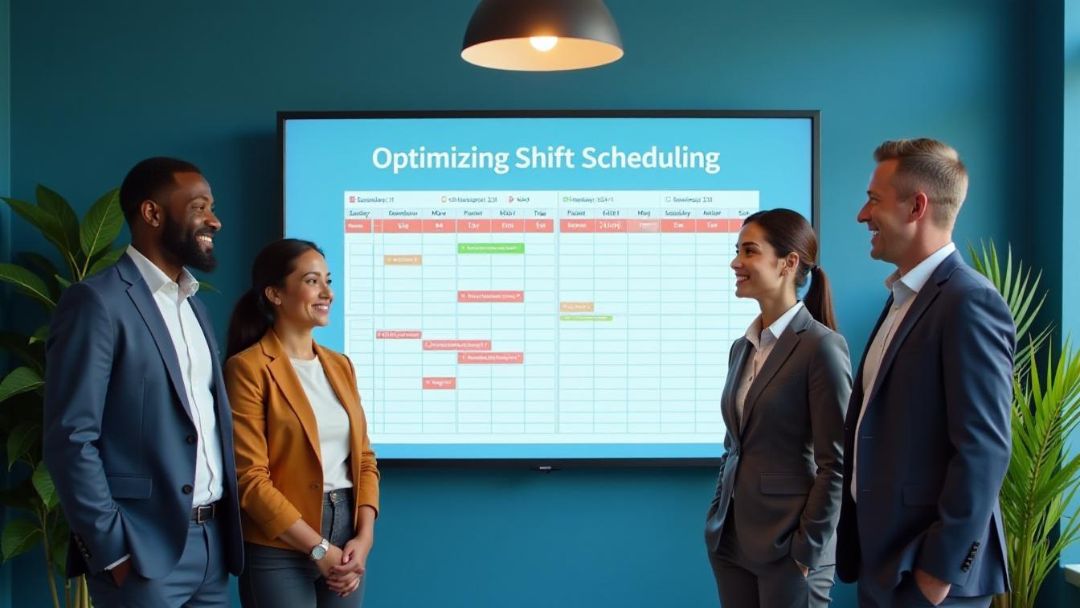
Identifying Training Needs

Utilizing big data analytics can be instrumental in uncovering proficiency deficiencies within call center staff. By examining the details of call interactions, these centers are able to identify specific training or support needs for their agents. Such focused strategies guarantee that developmental programs tackle essential areas, thereby optimizing learning results and agent performance. In healthcare call centers where consistent, high-quality service is imperative, ongoing advancement and education are crucial. As advancements continue in big data analytics tools, it’s important for agents to stay abreast of how to apply these resources proficiently. Regular training commitments ensure personnel maintain expertise in deploying analytics technologies effectively to elevate the quality of patient communication and overall service delivery.

Performance Metrics Tracking

Monitoring essential key performance indicators (KPIs) is crucial for evaluating the efficiency and productivity of both call center operations and agents. Metrics such as first call resolution (FCR), average handle time (AHT), and rates of call abandonment provide critical insights into operational effectiveness and quality of service. Consistent tracking of these KPIs enables contact centers to refine their strategies dynamically, leading to ongoing improvements that boost contact center performance. The use of analytics software, along with speech analytics, plays a pivotal role in analyzing factors that influence average handle time, among other vital metrics. Such tools are instrumental in pinpointing where bottlenecks occur operationally, paving the way for improvement initiatives within call centers aimed at boosting agent performance and enhancing customer satisfaction through advanced natural language processing techniques. By capitalizing on historical data coupled with customer surveys, contact centers can achieve a more profound understanding of customer behavior patterns. This knowledge facilitates tailored interactions that are not only more effective but also resonate better with customers’ needs and expectations.

Optimizing Shift Scheduling

Optimizing Shift Scheduling Maximizing the effectiveness of shift scheduling is an essential component in managing personnel within healthcare call centers. By harnessing machine learning and leveraging data-driven insights, these call centers can detect trends within their call data to arrange shifts that coincide with peak calling periods. This approach secures sufficient staff coverage during times of high call volumes, fostering enhanced efficiency in handling calls and diminishing patient wait times. Instituting intelligent scheduling protocols bolsters operational efficiency while simultaneously elevating employee contentment and minimizing agent weariness. Utilizing a strategy informed by empirical data ensures equitable distribution of workload, thereby reducing the risk of burnout and attrition among agents. Ongoing refinement of staffing schedules through predictive analytics empowers call centers to uphold exceptional service standards alongside safeguarding the welfare of their agents.

Reducing Operational Costs

Reducing Operational Costs Trimming operational expenses remains a key goal for healthcare call center operations, which seek to elevate efficiency and the standard of services offered. Through data analytics, potential areas where savings can be made are pinpointed and optimized within the context of call center activities. By scrutinizing how calls are managed and pinpointing wasteful practices, call centers can develop plans that meaningfully slash operational costs. Implementing an adept optimization strategy brings about decreased stress levels for agents as well as lower turnover rates while enhancing workforce management and boosting success in resolving calls. Big data analytics empowers call centers to refine their procedures, resulting in decreased expenditures along with increased satisfaction amongst patients. Adopting this forward-thinking tactic in cost supervision allows call centers to uphold excellent service delivery without compromising on fiscal responsibility—assuring ongoing high-quality interactions backed by quality data insights.

Enhancing Patient Experience

In the realm of healthcare call center operations, the pivotal objective is to elevate the patient experience. The integration of big data analytics into call center practices provides a profound insight into patients’ desires and necessities, enabling tailored and impactful communication. Predictive analytics is instrumental in predicting workforce needs and refining staff allocation to enhance overall patient satisfaction. At the core of improving customer experience within call centers are two essential factors: individualized engagement with patients and diminution of waiting periods. Prioritizing these elements can markedly boost patient satisfaction ratings while cultivating deeper allegiance from them.

Personalized Patient Interactions

Enhancing patient experience hinges on the personalization of their interactions. Valuable data acquired by call centers through feedback, surveys, and recorded interaction histories provide a wellspring of information. This data is processed using text and speech analytics within contact centers to discern patient sentiments and preferences, shedding light on trends and pinpointing opportunities for improvement. By harnessing analytical insights, agents are equipped to foresee patients’ needs and customize their communication accordingly. This leads to exchanges that are not only more impactful but also more efficient in nature. Transforming raw data into actionable insights by adopting best practices empowers the enhancement of interaction quality while simultaneously elevating customer satisfaction levels. Call centers committed to personalized engagement with customers can forge robust relationships with patients, which foster heightened loyalty and contentment among them. This personalized attention doesn’t just elevate individual experiences—it’s instrumental in bolstering the overarching success rate of the contact center itself.

Reducing Wait Times

In the healthcare industry, keeping wait times to a minimum is critical for sustaining high levels of patient satisfaction within call centers. It’s vital to maintain an abandonment rate below the industry standard of 10% in order to retain patient engagement. Employing root cause analytics can aid in decreasing both the number and duration of interactions, which contributes to a more streamlined handling of calls. By implementing intelligent self-service options, hold times and abandonment rates can be significantly reduced as patients receive rapid and precise information. Utilizing big data for advanced call routing amplifies operational efficiency by ensuring that patients’ concerns are promptly addressed by the most appropriately skilled agents. Call centers must persistently fine-tune these mechanisms with an aim to bolster patient contentment while elevating the caliber of their service offerings overall.

Ensuring Data Quality and Security

Ensuring Data Quality and Security Maintaining high standards of data quality and security is critical in healthcare call centers. Employing secure systems that meet industry guidelines helps to shield confidential patient information from potential breaches and unwarranted access attempts. By imposing strict controls on who can access the data based on their job requirements, we can significantly improve our safeguard against unauthorized exposure. Periodic security evaluations are essential for discovering and rectifying any weaknesses within the system, thus fortifying defenses around patient information. Encrypting both communication exchanges and stored patient data adds an additional layer of protection to this privacy framework. Compliance with legal frameworks such as GDPR and HIPAA is imperative for upholding the integrity of patient data while securing the trust of those we serve. Informing patients about how their personal details are protected promotes understanding between them and enhances collaboration toward preserving their privacy rights.

Overcoming Challenges in Big Data Implementation

The incorporation of big data analytics into healthcare call centers is accompanied by distinctive challenges. Ineffective analysis of call data can stem from antiquated telephone systems, which obstruct the extraction of actionable insights due to issues such as system integration difficulties, a lack of necessary skills, and an excessive amount of center data. To navigate these hurdles, it may be imperative to either invest in upskilling current employees or recruit seasoned data scientists. Engaging with experts in external data analytics services might also prove beneficial for filling substantial expertise gaps and enhancing the utilization of insights. Employing apt technological tools along with instituting a framework that prioritizes certain aspects within analytics is crucial for surmounting these obstacles. This approach ensures informed decision-making grounded on comprehensive evaluations derived from call center information.

Guideway Care Sequence of Activation

Established in 2002, Guideway Care has earned its reputation as a reliable ally for healthcare entities. The company excels at offering services such as website design, search engine optimization, digital marketing, and managing social media platforms. These offerings are crafted to bolster patient engagement and elevate conversion rates for medical practices, clinics, and hospitals. By harnessing various communication channels and refining the customer journey experience, Guideway Care guarantees efficient call routing that enhances interactions with patients and boosts their overall satisfaction. Dedicated to pioneering advancements and upholding superior standards of service delivery, Guideway Care stands out as a solid partner for healthcare-focused call centers intent on optimizing operational effectiveness while ensuring high levels of patient satisfaction.

Summary

The employment of medical call center services within healthcare call centers has transformed the management of their workforces, culminating in marked enhancements in both operational efficiency and patient satisfaction. Utilizing predictive analytics for forecasting, coupled with real-time monitoring and insights derived from data, these call centers are poised to refine staffing levels, bolster agent performance, and slash operating expenses. Looking ahead to what’s coming next, it is clear that the continued embrace of big data analytics will propel even more progress within healthcare call centers. Organizations that adopt these innovative technologies and methodologies position themselves to deliver unparalleled service quality to patients—strengthening loyalty while heightening overall satisfaction.
How Telehealth Revolutionizes Patient Interaction and Engagement

How Telehealth Revolutionizes Patient Interaction and Engagement

Telehealth allows healthcare providers to engage more with their patients by providing access to care at great convenience. Regardless of the location, medical professionals leverage this innovative solution to expand their impact on patient engagement. These systems allow patients to be more involved in their care, keep track of medical records, and ensure informed decisions for overall wellness. While telehealth entails delivering healthcare services remotely, patients’ engagement through video conferences, remote patient monitoring, and SMS bridge the gap. Let’s look at how telehealth enhances patient engagement to help you make an informed decision for your facility.

High-Quality Healthcare Services

Healthcare providers enhance patient engagement using telehealth by providing personalized care. This allows patients to respond in real time, providing convenience in gathering responses through online surveys. In addition, telehealth allows patients to schedule appointments remotely and discuss vital information about their care. Whether it is about the effectiveness of medication or the current state of their condition after the last appointment, a secure 2-way communication channel enhances the overall experience by ensuring patients ask questions and receive quick responses.

Addressing Patients’ Needs Effectively

As stated, telehealth allows patients to access quality healthcare remotely. Even if a patient is dealing with chronic illnesses like heart disease or diabetes, telehealth ensures the quality of care is the same as in-person visits. Besides major health complications, telehealth also helps during minor issues like nausea or stomach pains, which reduces unnecessary trips to the hospital.

Promotes Patient Education

Another effective way telehealth improves patient engagement is through education. Since some patients are not comfortable using technology, healthcare professionals should provide education on the benefits of telehealth in diagnosis and treatment. Studies show that most patients who understand how telehealth works are more likely to get involved in their care, and that improves treatment outcomes. This is an excellent solution for healthcare facilities looking for a more patient-centered approach, allowing for maximum engagement in the treatment or management process.

Now that you know how telehealth enhances patient engagement, contact us at Guideway Care to learn effective ways to integrate telehealth into your healthcare system and provide positive health outcomes. Schedule a consultation with our experts to incorporate a proven value-based care system that ensures you deliver successful virtual healthcare engagement solutions between physicians, their practices, and their patients.

How a Cloud Call Center Functions

Health call centers require modern management strategies due to the complexity of medical programs. With that said, you can implement digital methods like cloud-based systems to manage calls, appointment bookings, and other practices like data management. These modern systems help perform the work efficiently and minimize operation costs.

What Is a Cloud-Based Call Center?

A call center handles the inbound and outbound phone calls with patients or other callers in a healthcare facility. A cloud-based call center has its call center technology hosted in the cloud and supported by a third-party vendor. It typically includes core technologies with automatic call distributors, an interactive voice response system, and modules like workforce management. This system connects to other platforms like social media or email, integrating them for easier communication and data collection.

Benefits of Cloud-Based Call Centers

Let’s delve deeper and look at the benefits of cloud call center technology:

1. At-Home Agents

The healthcare facility doesn’t have to struggle as it can hire third-party companies or individuals to work remotely. It’s easier and possible because cloud technology is accessible from anywhere with an internet connection. If the healthcare facility has a limited space, management can hire a team of at-home agents.

2. Reduced Costs

Digital technology allows for reduced costs for healthcare call centers. Making a phone call with a landline can cost more than texting or having a video meeting through the Internet.

3. Reliability

Cloud-based call center solutions are very reliable. These systems keep the records for easier access when needed compared to traditional methods with higher risks of losing information.

4. Flexibility

Another benefit of a cloud-based call center is flexibility. You can have only one support number on your website and route this to several different departments. With this approach, the appropriate person answers every incoming patient’s call.

5. Optimal Performance

It’s easier to collect data from a certain geographical area with cloud-based solutions. For instance, if you notice a certain region has several patients who need your services, you can easily plan staffing, scheduling, and more to offer quality services.

6. Security and Compliance

Cloud-based technology allows you to maintain compliance as the system can record and keep all the data safe. This streamlined fashion also ensures agents offer excellent services.

Ready to Implement Cloud Software Into Your Health Practice?

Healthcare practices can be complex, considering that the modern health sector is growing fast and competition is rising. Guideway Care offers healthcare call centers with cloud software solutions to save operation costs and enhance efficiency. Contact us now for exceptional services.

What Is a Predictive Dialer and How Does It Enhance Healthcare Call Centers?

Healthcare moves quickly these days, so clear communication between patients and providers is more important than ever. Call centers sometimes use a special tool called a predictive dialer to handle lots of outgoing calls. It tries to figure out the best time to call so someone actually answers, making the whole process more efficient. This kind of tech can streamline how a healthcare call center works, making sure patients get the timely attention they need.

How Predictive Dialers Function

Predictive dialers in a call center utilize a complex set of algorithms known as pacing algorithms. These algorithms predict the optimal times to dial numbers based on the availability of agents and the typical call duration patterns. The goal is to minimize wait times for both agents and patients and to maximize the efficiency of the call-handling process. This is particularly beneficial in a healthcare call center setting where timely responses are essential for patient care and service. Read more: 10 Ways To Make Patient Scheduling Easy Through Your Call Center The pacing algorithm is adaptive; it adjusts the calling rate based on real-time agent availability. When many agents are free, the system increases the number of calls placed. Conversely, if fewer agents are available, the calling rate will be reduced to prevent agents from being overwhelmed and to reduce the risk of calls being abandoned due to long wait times.

Predictive Dialer vs. Auto Dialer

While both predictive dialers and auto-dialers automate the process of making calls, they differ significantly in their approach and efficiency. An auto dialer simply dials numbers from a list without considering agent availability or call duration. This can lead to high abandon rates as calls may be made when no agent is available to take the call, leading to potential patient frustration with long wait times. In contrast, a call center predictive dialer integrates quality assurance by dynamically adjusting the calling process based on agent data and call analytics. This integration allows for more personalized and effective communication, which is crucial in a healthcare call center where understanding patient needs and providing timely responses can significantly impact patient satisfaction and care outcomes.

Ready to Enhance Your Patient Communications?

Predictive dialers in a call center ensure that your dedicated patient care coordinators can focus more on providing quality care rather than managing call logistics. This advanced tool supports seamless call center quality assurance, appointment scheduling, and insurance verification, making it a valuable asset for modern healthcare providers. If you’re looking to streamline your communication processes and enhance patient interaction, contact Guideway Care. Our team is ready to help you integrate advanced solutions for your healthcare communication needs.

Revolutionizing Patient Support: How AI Enhances Healthcare Call Center Operations

In today’s rapidly evolving healthcare landscape, the demand for seamless and efficient patient support is more pressing than ever. Healthcare organizations are constantly seeking innovative solutions to enhance the performance of their call centers, ensuring that patients receive timely, personalized care. Enter Artificial Intelligence (AI)—a transformative technology poised to revolutionize healthcare call center operations. By integrating AI to improve healthcare call center performance, organizations can significantly enhance patient communication, streamline processes, and uphold the highest standards of medical call center data safety.

Elevating Efficiency Through Automation

One of the most impactful ways AI in healthcare call centers reshapes the industry is through the automation of evaluations and quality assurance. Traditionally, monitoring call quality and agent performance required extensive human effort, often leading to inconsistencies and overlooked opportunities for improvement. However, AI-driven systems excel in the following:
  • Analyzing vast amounts of calls
  • Identifying patterns
  • Providing objective assessments of agent performance
These measures free up valuable human resources, offer deeper insights into call center dynamics, and enable managers to implement targeted strategies to improve healthcare call center performance with AI.

Navigating Compliance With Confidence

Ensuring compliance in the complex regulatory environment of healthcare is another area where AI shows its strength. The penalties for non-compliance can be severe, affecting an organization’s reputation and financial health. Read more: What You Should Know About AI Powered Contact Centers AI’s advanced monitoring capabilities serve as a vigilant watchdog, scanning interactions for any deviation from regulatory standards. This proactive approach to maintaining healthcare call center compliance helps avoid costly penalties. It reinforces the trust patients place in healthcare providers, knowing their interactions are managed with the utmost integrity and attention to medical call center data safety.

Boosting Agent Morale and Skillset

The backbone of any call center is its agents, and their satisfaction and proficiency directly influence patient satisfaction. AI steps in as an invaluable coach, offering real-time feedback and personalized coaching sessions based on objective performance data. This tailored approach to professional development ensures that agents are equipped to deliver exceptional patient support and feel valued and motivated. The positive impact on agent retention is a testament to the effectiveness of using AI to improve healthcare call center performance, creating a nurturing environment where talent thrives.

Join Us in Shaping the Future of Patient Care

At Guideway Care, we understand the importance of meeting patients where they are and ensuring every interaction counts. Our medical call center is equipped with dedicated patient care coordinators who leverage the latest AI technologies to manage your calls, appointments, and more, ensuring your patients receive the care they deserve. Contact Guideway Care today and discover how our healthcare call center services can elevate your patient care to new heights.

How Digital Call Centers Can Transform Your Customer Experience

The landscape of customer service has undergone a seismic shift from traditional, location-bound call centers to the advent of digital call centers—a transformation that is reshaping the way healthcare organizations engage with their patients. This evolution marks a significant leap toward more accessible, efficient, and personalized patient care. It’s crucial to understand how these advancements are not just changing but fundamentally enhancing patient-provider interaction.

What Is a Digital Call Center?

A digital call center runs on a cloud-based platform, also known as a Contact Center as a Service (CCaaS). This contemporary strategy does away with the necessity for physical buildings, giving healthcare organizations a solution that is more adaptable, capable of expansion, and economical for handling patient communications. With CCaaS, healthcare providers are able to secure patient data, use various communication channels, and swiftly incorporate new technological advancements, all with a primary focus on enhancing the patient experience. Read more: What You Should Know About Multilingual Call Center Services

How Digital Call Centers Enhance Customer Experience

The importance of cloud-based call centers in healthcare cannot be overstated. These innovative systems offer many benefits, including the following:
  • Efficiency and Accessibility: Digital call centers provide patients with multiple channels for communication, including voice, text, email, and webchat, allowing them to choose the most convenient way to reach out. This flexibility meets the modern patient’s expectations for quick and easy access, improving overall satisfaction.
  • Personalized Patient Care: AI and machine learning capabilities within digital call centers enable more personalized interactions. Through features like interactive voice response (IVR) and integration with CRM tools, patients can receive tailored support based on their history and preferences, enhancing the quality of care and fostering trust and loyalty.
  • Proactive Engagement: Digital call centers empower healthcare providers to actively engage with patients through outbound communications. Whether it’s sending health tips, appointment reminders, or satisfaction surveys, these touchpoints can significantly enhance the patient experience and strengthen the provider-patient relationship.
  • Future-Ready: With the rapid pace of technological advancement, medical call center services that leverage cloud-based solutions are better positioned to adopt new communication channels and innovations, ensuring that healthcare organizations remain at the forefront of patient care delivery.

Empowering Health Through Digital Innovation

The shift toward digital call centers is not just a technological upgrade but a fundamental transformation in how healthcare providers connect with their patients. In the fast-evolving landscape of healthcare, staying ahead means adopting strategies that not only meet current needs but are also scalable and adaptable for the future. Guideway Care cloud-based call center is at the forefront of this revolution, ensuring that your patient calls are answered swiftly and professionally, adhering to your protocols every time. Contact us today and discover how we can transform your patient engagement journey together.

Why Natural Language Processing Is Vital for Call Centers

Call centers are vital to the operational success of modern healthcare organizations. They serve as the frontline for patient communication, providing timely information and addressing inquiries. With medical call centers rapidly evolving to meet the growing demands of healthcare organizations, new technologies have emerged to bolster their capabilities. One such technology is natural language processing, commonly known as NLP.

What Is Natural Language Processing?

Natural Language Processing is a branch of AI that deals with the interactions between machines and human language. It involves the creation of algorithms that help computers to understand and generate human-like language. At the heart of healthcare call centers, the primary objective is to provide timely and accurate information to patients. Traditional call centers often struggle with handling the sheer volume of inquiries and ensuring that patients receive personalized responses. This is where NLP steps in, offering a solution to process and understand human language. Thanks to this technology, medical call centers are equipped to create better interactions with patients.

Importance of NLP in Medical Call Centers

NLP technology improves the operational efficiency of healthcare call centers in a number of ways. First, NLP offers benefits in customer service thanks to its ability to improve patient engagement. Unlike traditional call centers, which typically rely on scripted responses, modern call centers can leverage NLP to analyze patient interactions and provide personalized responses in real-time. Similarly, NLP tools for call center automation provide additional support to medical call centers, enhancing their efficiency. By automating tasks such as data entry and call routing, NLP allows call center agents to focus on tasks that require human specialization. Moreover, NLP features advanced chatbots that can take care of large volumes of customer inquiries, further relieving the workload on call center agents. Finally, NLP allows medical call centers to collect valuable feedback from patients in real-time. This is crucial as it enables call center agents to tweak their approach accordingly to address the concerns of patients. Leveraging the power of NLP in this way contributes to better patient experiences and retention rates.

Contact Guideway Care Sequence of Activation for Customized Call Center Solutions

Modern call centers are equipped with the latest technologies to help streamline communication with patients and also protect their privacy. If you have yet to partner with a HIPAA-compliant medical call center, consider doing that today. At Guideway Care, we take pride in delivering customized call center solutions. Call us to learn how you can benefit from our services.