How We Estimate Patient Lifetime Valueby Specialty
The lifetime value figures on our site are conservative estimates built from published industry data, CMS reimbursement benchmarks, and peer-reviewed research. We use these numbers to illustrate a simple point: every patient interaction that fails to activate represents a revenue loss that extends far beyond the missed visit.
Our Approach
We calculate 10-year patient value using three inputs:average revenue per visit for the specialty,typical visit frequency for a retained patient over a 10-year relationship, anddownstream revenue from referrals, imaging, labs, and procedures. Our estimates reflect a blended average across patient types. Actual values vary by payer mix, geography, and case complexity. We intentionally use conservative figures.
Gastroenterology — $20,000over 10 Years
Component
Calculation
10-Year Value
Office visits †
2–3 visits/yr × $350–$500 × 10 yrs
$7,000–$15,000
Screening colonoscopies
1–3 procedures × $2,500–$3,500
$2,500–$10,500
Blended 10-year estimate
~$20,000
Sources (5)
GI office visit cost: CareCredit / Fair Health data (July 2025). National average new-patient GI visit: $355, range $281–$646.Source ↗
Average specialty visit revenue: AHRQ MEPS, via Nextech (June 2024). Average orthopedic visit revenue: $627; used as cross-reference.Source ↗
Colonoscopy facility fees: JAMA Health Forum / Johns Hopkins (Dec 2023). ASC facility fees $989–$1,034; hospital facility fees $1,530–$1,761.Source ↗
GI physician revenue: Becker’s ASC Review / Merritt Hawkins 2019. Gastroenterology generates $2,965,277 in net annual hospital revenue.Source ↗
Procedure volume: MedPAC March 2025, via Becker’s. GI procedures account for 28.3% of all Medicare ASC volume in 2023.Source ↗
WHY THIS MATTERS FOR PATIENT ACTIVATION: A GI patient who no-shows their first colonoscopy doesn’t just miss one procedure. They miss the surveillance schedule, the polyp detection that prevents cancer, and the downstream referrals. One missed activation moment can cost your system $20,000+ over the next decade.
WHY THIS MATTERS FOR PATIENT ACTIVATION:Orthopedic patients who drop off after an initial consult take their entire downstream chain: the MRI, the PT referrals, the potential surgical episode, and years of follow-up. A single failed referral conversion can forfeit $35,000 in lifetime value.
WHY THIS MATTERS FOR PATIENT ACTIVATION:Cardiology patients represent the highest per-patient lifetime value. A heart failure patient who can’t reach you after hours and visits an out-of-network ER doesn’t just cost one avoidable ED visit — it opens the door to a competitor relationship worth $55,000 over the next decade.
C-section rate: CDC NCHS (May 2025). 32.4% of U.S. births in 2024 were cesarean. Blended per-pregnancy: ~$20,000.Source ↗
Prenatal visit frequency: ACOG standard & NCBI review. 12–14 visits recommended for low-risk pregnancies.Source ↗
OB/GYN revenue: Merritt Hawkins 2016, via Medscape. OB/GYNs generate ~$1.4M in net annual hospital revenue.Source ↗
WHY THIS MATTERS FOR PATIENT ACTIVATION:An OB/GYN patient who leaves your system after a negative first experience doesn’t just take one delivery with her. She takes the prenatal visits, the delivery, the postpartum care, and every annual well-woman visit for the next decade. One lost activation moment can forfeit $40,000+.
† Visit frequency is a clinical estimate based on standard practice patterns. Per-visit cost IS sourced from published data.
* Base procedure/episode costs are sourced from published data. Probability weighting across a blended patient panel is estimated. See source notes for calculation logic.
Retention Economics
Source Attribution
“5% increase in retention → 25–95% higher profitability”
Frederick Reichheld, Bain & Company. Harvard Business Review (Oct 2014).View source ↗
These estimates illustrate the scale of lifetime patient value, not precise financial projections for any specific health system. Actual values vary by payer mix, geography, case complexity, and organizational structure. We encourage healthcare leaders to calculate their own specialty-specific values using internal data. The point is directional: every interaction that fails to convert into action represents a loss that compounds far beyond the immediate visit.
Ready to protect the lifetime value of every patient?
Schedule a consultation and see how activation-driven interactions increase retention, reduce leakage, and protect downstream revenue.
Every retained patient represents significant long-term revenue potential. Understanding lifetime value by specialty helps you prioritize where patient activation protects your bottom line.
A 5% increase in patient retention can increase profitability by 25–95%. When you improve patient experience, you’re directly impacting your bottom line.
Sources: Bain & Company / Harvard Business Review; Marketing Metrics (Farris et al.)
Disclaimer:These estimates illustrate the scale of lifetime patient value, not precise financial projections for any specific health system. Actual values vary by payer mix, geography, case complexity, and organizational structure. We encourage healthcare leaders to calculate their own specialty-specific values using internal data.
Every Scheduling Failure Leaks Revenue Far Beyond the Missed Visit
A no-show isn’t one lost appointment. It’s a lost downstream chain of referrals, imaging, procedures, and follow-up visits that would have generated revenue for months or years. Scheduling is your highest-volume, lowest-margin-for-error revenue lever.
You Measure No-Shows by the Empty Slot. The Real Loss Is Everything That Slot Was Connected To.
Your no-show report tells you how many patients didn’t show up and what the visit revenue would have been. For most practices, that math is straightforward: multiply the no-show rate by average visit reimbursement. The number looks significant but manageable.
That math is wrong. Not because the visit revenue is inaccurate, but because it only captures the surface.
A missed primary care visit means the provider didn’t order the labs they planned to review. The referral to cardiology didn’t get made. The follow-up imaging wasn’t scheduled. The medication adjustment didn’t happen. Every one of those downstream actions generates revenue for your organization and advances the patient’s care. When the visit doesn’t happen, the entire chain collapses.
For specialty practices, the math is worse. A missed surgical consultation doesn’t just lose the consultation fee. It loses the surgery, the pre-op workup, the post-op follow-ups, and the rehab referral. One no-show can represent tens of thousands in lost procedural revenue.
Your reporting shows the empty slot. It doesn’t show the invisible downstream chain that slot was supposed to trigger.
WHAT MOST LEADERS MISS
Scheduling Is the Highest-Volume Revenue Lever in Your Organization. It’s Also the Least Optimized.
Every clinical revenue stream in your organization flows through a scheduled appointment. Growth investments, provider recruitment, facility expansion, new service lines: all of them depend on patients showing up. When scheduling leaks, every upstream investment underperforms. Four compounding dynamics make this worse than most leaders realize.
New patient no-shows cost exponentially more than established patient no-shows.When an established patient misses a follow-up, you lose one visit. They’ll likely reschedule or come back for their next issue. When a new patient no-shows on their first visit, you lose the relationship. They didn’t build a connection with the provider. They have no loyalty to your organization. They’ll call whoever answers next time. For new patients, a single missed first visit can mean $15,000+ in lifetime value that migrates to a competitor.
Referral-to-appointment conversion is a scheduling problem, not a referral problem.Your referring providers send patients to your specialists. The referral lands. But the patient has to call to schedule. They face hold times, limited availability, and a scheduling interaction that doesn’t match their level of urgency. Every day between the referral and the booked appointment is a day the patient might find another provider, lose motivation, or forget entirely. The referral source blames your organization for the drop-off. You blame the patient. The real failure is the scheduling process that sits between them.
Overbooking doesn’t recover lost revenue. It creates new losses.The standard response to no-shows is overbooking. Schedule 110% capacity and hope the no-shows balance it out. When they do, it works. When everyone shows up, the practice is overloaded. Wait times spike, providers rush through visits, patients leave frustrated, and satisfaction scores drop. Overbooking trades a revenue problem for a quality problem. It doesn’t solve either one.
The compounding effect across service lines is invisible in siloed reporting.Scheduling performance is typically measured at the provider or department level. Nobody aggregates the downstream revenue chain across service lines. A missed orthopedic consultation that would have led to surgery, physical therapy, and follow-up imaging shows up as one no-show in the ortho department’s report. The surgery department doesn’t know they lost a case. PT doesn’t know they lost a referral. Radiology doesn’t know they lost an order. The total revenue impact is distributed across departments and invisible to any single leader.
HOW WE SOLVE IT
Scheduling That Protects Downstream Revenue by Activating Patients at the Point of Booking
We treat every scheduling interaction as the entry point to a revenue chain, not as an isolated administrative task. Our agents use activation psychology to build patient commitment at booking and sustain it through arrival, so the downstream value connected to every appointment is protected.
Every booking triggers an activation sequence, not just a calendar entry
When our agents schedule an appointment, they don’t stop at confirming the date. They build micro-commitments (mobile number for reminders, transportation confirmation, visit preparation), frame the appointment’s importance, and flag high-value visits for proactive follow-through.
New patient appointments get priority activation
First visits are the highest-value appointments on your schedule. Our agents apply the most intensive activation protocols to new patient bookings: choice architecture at scheduling, loss aversion framing, and proactive barrier removal before the visit. The goal is to protect the $15,000+ in lifetime value attached to every new patient relationship.
Referral conversion support that closes the scheduling gap
When a referral comes in, the scheduling interaction needs to happen fast and with the right framing. Our agents contact referred patients proactively, present limited appointment options, and reinforce the referring provider’s recommendation. The time between referral and booked appointment compresses from days to hours.
Proactive rescheduling captures revenue that cancellations would have destroyed
When a patient signals they might not make it, our agents don’t just cancel and move on. They reschedule in the same interaction, using the same activation techniques that built the original commitment. A rescheduled appointment retains the downstream revenue chain. A cancelled one destroys it.
IF YOU’RE SEEING THIS, YOU’RE LIKELY FACING THESE TOO
Related Challenges
The Patient Who Books Today Won’t Feel the Same Urgency in Two Weeks
Downstream revenue leakage starts with the no-show. The no-show starts with motivation decay between booking and the visit. Standard reminders confirm the date. They don’t sustain the reason the patient called.
You’re Losing Patients Before They Ever Reach a Scheduler
Downstream revenue isn’t just lost through no-shows. It’s lost through abandoned calls that never converted to an appointment in the first place. Patients who can’t get through don’t try again. They find someone else.
Grow, Streamline, and Improve Outcomes for Strategic Specialties
Drive Superior Specialty Group Financial Outcomes, Increase Practice Capacity, Provide Effortless Patient Experience and Find New Patients while Reducing Costs
Guideway Care’s tailored activation solution accelerates growth and enhances performance across strategic specialties. By leveraging our advanced technology platform and the expertise of our specially trained Patient Activation Agents (PAA) and Guides (PAG), we eliminate non-clinical barriers that impede member adherence and care continuity. This enables your specialty programs to attract new members, streamline care delivery, and consistently achieve superior clinical and financial outcomes.
Empowering Oncology, Orthopedics, Bariatrics, Women’s Health, and Chronic Care Management Through Evidence-Based Patient Activation
Our activation psychology-based, motivational patient guidance technology and asymmetric data produced measurable results across key specialties.
Oncology
With our Oncology patient guidance model, healthcare organizations have witnessed significant improvements in appointment adherence and case conversions. In recent initiatives, programs have achieved first appointment adherence that resulted in 2,097 appointments gained, a conversion rate of approximately 13.5% for new cases, and the acquisition of 293 new cases—delivering new appointment revenue of roughly $276K and a contribution margin on new cases of about $3.2M over three years.These results underscore the value of a targeted activation strategy that accelerates treatment initiation and drives substantial financial impact.
Orthopedics
Our solution streamlines scheduling and follow-up processes for orthopedic services, reducing cancellations and improving surgical conversion rates by an estimated 20%. This results in more timely interventions and better clinical outcomes while enhancing overall practice efficiency.
Bariatrics
Focusing on eliminating member effort in bariatric programs, our activation model has led to a 73% increase in surgical volume, improved pre- and post-operative compliance, and reduced rates of complications and readmissions, all of which drive improved outcomes and revenue growth.
Women’s Health
In women’s health, tailored activation simplifies care coordination and boosts adherence to preventive and specialized services. Programs have experienced increased member retention and a growth in new member acquisition of 10–15%, driving enhanced service line performance and better health outcomes. Additionally, we’ve improved “appointment kept” rate by 31%, and lowered cancellations by 88% while eliminating 33% of cancellations.
Chronic Care Management
Our approach sustains long-term care continuity by addressing non-clinical barriers and reinforcing adherence for chronic conditions. Initiatives have achieved improvements in appointment keeping of up to 30% and reductions in acute care events by around 25%, contributing to significant cost savings and more stable member outcomes.
Close the Gap with Evidence-Based Patient Activation
It’s time to close the engagement gap in your organization.
Don’t settle for costly programs that maintain the status quo. Download our Short Guide to Evidence-Based Patient Activation to learn how Guideway Care can drive better outcomes and financial performance for you. See the data, case studies, and model behind this proven solution – and discover how to finally achieve the patient engagement breakthrough your team has been looking for. Get the guide now and start your journey to real patient activation and real results.
Oncology nurses distinguish themselves from other nursing specialties through their exclusive focus on cancer care. Their expertise encompasses a specialized set of abilities and knowledge that is crucial for administering intricate treatments, as well as offering vital emotional support to patients. This blog explores the particular duties they perform and the effect these responsibilities have on patient outcomes.
Key Takeaways
Oncology nurses provide specialized care for cancer patients, addressing treatment side effects and emotional support throughout their journey, including survivorship.
Continuous education and specialized certifications are vital for oncology nurses to stay updated on cancer treatments and ensure high-quality patient care.
Strong patient relationships and collaboration within multidisciplinary teams significantly enhance patient outcomes, ensuring comprehensive and coordinated cancer care.
Unique Responsibilities of Oncology Nurses
Oncology nurses play a critical role in improving the lives of cancer patients by providing specialized care that caters to the intricate demands of oncology treatment. These dedicated professionals go beyond general nursing functions, administering expert care for side effects and offering emotional support as part of their compassionate service during a patient’s experience with cancer.
These nurses not only contribute to better health outcomes through promoting lifestyle changes and early detection but also empower patients with knowledge on managing symptoms and mitigating the adverse effects of treatments. As advocates, they facilitate integrated care while addressing both medical needs and psychological aspects associated with cancer therapy, ensuring all-encompassing assistance is available.
Oncology nurses provide continued attention to individuals who are in remission—guiding them throughout their recovery—and adaptively tailor their practices based on various factors such as work environment, patient demographics, or specific types of cancer encountered. Their responsibilities exemplify diversity and complexity within this ever-evolving field.
Specialized Knowledge and Skills
Oncology nursing necessitates a comprehensive grasp of cancer biology, which is critical for providing informed care to patients following their diagnosis. Such expertise allows these nurses to implement evidence-based methods and efficiently utilize tools for managing symptoms. They play an indispensable role in ensuring patient safety and delivering high-quality care by adeptly handling oncologic emergencies.
It’s imperative for oncology nurses to stay abreast with the most recent breakthroughs in cancer treatments and therapies. Their commitment to ongoing education guarantees that they offer up-to-date and effective treatment strategies. Part of their responsibility includes incorporating innovative treatment approaches into practice and imparting knowledge about these advancements to their patients.
Equipped with robust critical thinking skills alongside sharp problem-solving capabilities, oncology nurses expertly navigate through the intricacies of administering cancer care. They are often presented with scenarios demanding immediate decisions while adjusting swiftly to evolving conditions pertaining to patient health. This unique combination of specialized acumen coupled with hands-on proficiency sets them apart from other nursing specialties, thereby fostering exceptional delivery of patient-centered care.
Emotional Resilience and Support
The provision of emotional and psychological support by oncology nurses is essential in improving the quality of life for their patients. Establishing trusting relationships helps patients feel secure and understood, allowing them to receive effective emotional care. These nurses have the aptitude to spot signs of emotional distress in patients and adapt their support according to each patient’s unique circumstances.
If a patient struggling with cancer faces emotional turmoil, it can be challenging for them to cope. Routine check-ups from oncology nurses are indispensable. They play an integral part in identifying these stress factors promptly, ensuring that both the mental health needs of patients and those family members under pressure during treatment periods are met.
Owing to their emotionally taxing responsibilities, oncology nurses may confront burnout risks themselves. To avert such outcomes, they must prioritize self-care practices and utilize support systems available among peers as well as professional counselors. Engaging in workshops focused on managing stress or participating in peer-support circles are beneficial methods that provide coping mechanisms necessary for sustaining one’s own psychological fortitude.
Dedicating attention equally to caring for both themselves and their patients effectively prevents burnout among nursing staff. This allows oncology nurses the capability to persistently deliver empathic yet proficient care, which profoundly supports patient welfare.
The Importance of Patient Relationships
Oncology nurses play a pivotal role in developing meaningful connections with patients and their loved ones, fostering trust and compassion through these bonds. These professionals provide stability and consistent care, which reassures patients throughout their treatment journey. They serve as patient advocates, interpreting intricate health information to ensure patients are well-informed and actively participating in their own care.
It’s essential for oncology nurses to be involved in a clear dialogue that allows them to impart knowledge regarding various treatment options and available support systems to both the individuals undergoing treatment and those caring for them. By representing the distinctive healthcare needs of each patient within the planning stages of treatment, oncology nurses empower them to feel more autonomous regarding their well-being—thereby nurturing an atmosphere ripe with support and confidence.
When it comes to outpatient services, oncology nurses act as a reassuring touchpoint during continuous therapy sessions by providing unwavering care coordination alongside transparent lines of communication. Their dedication is instrumental in augmenting patient contentment with regard to overall experiences received during this challenging time period—a testament to the integral part they occupy within cancer caregiving’s all-encompassing framework focused on delivering thorough backing across every aspect of one’s fight against cancer.
Educational Pathways and Certifications
The journey to become an oncology nurse involves acquiring the appropriate educational background. Individuals who aim to enter this field need first to gain their credentials as registered nurses, which requires completing either a two-year associate degree or a four-year Bachelor of Science in Nursing (BSN). Subsequently, specialized training and experience specific to oncology nursing are required for one to fully qualify as an oncology nurse.
Certification in oncology nursing serves as official recognition of a nurse’s proficiency in providing care for cancer patients. To obtain this certification, applicants must maintain an active RN license, accumulate at least two years’ worth of professional nursing experience, and log 2,000 hours working with adult oncology within the preceding four years. They must have successfully completed a graduate-level course on oncology or its equivalent through continuing education over the past five years. The Oncology Nursing Certification Corporation acknowledges that these stringent criteria ensure that certified nurses possess the comprehensive knowledge and competencies necessary for delivering superior cancer treatment.
For those serving within the realm of cancer treatments, such as chemotherapy administrations, ongoing education is critical largely because it equips them better against emerging trends. Obtaining advanced certifications like being recognized as an Advanced Oncology Certified Nurse Practitioner (AOCNP®) not only bolsters one’s reputation but also opens up avenues for professional growth.
To embody excellence in cancer care consistently necessitates dedication toward continuous learning and skill enhancement among professionals. Values that are staunchly advocated by bodies like the Oncology Nursing Society.
Advanced Practice Roles in Oncology
Advancement in the field of oncology nursing is essential for both personal and professional development and for enhancing the care given to cancer patients. This advancement can take the form of elevated positions, such as becoming an oncology nurse practitioner or earning specialized certifications, which empowers nurses with more responsibility and a larger role in influencing outcomes within oncology.
Oncology nurse practitioners are higher-level healthcare professionals who provide all-encompassing patient care. Their responsibilities encompass performing thorough physical examinations, ordering and interpreting necessary diagnostic tests, and devising comprehensive treatment strategies while collaborating with other medical experts. As highly proficient figures in health management, they play a pivotal role in supervising intricate patient cases demanding considerable proficiency.
Procuring specialized qualifications like those offered through Oncology Certified Nurse (OCN®) programs or achieving certification as a Pediatric Hematology Oncology Nurse reinforces one’s expertise within particular areas of this nursing sector. Holding such credentials elevates not only the professional stature but also improves how patients fare by ensuring that their care is administered by exceptionally trained individuals. The pursuit of these advanced roles and recognitions reflects an unwavering commitment from those practicing in oncological nursing towards betterment in their career paths, along with optimal patient wellness within this specialty branch of medicine.
Collaborative Multidisciplinary Teams
As the pivotal element among healthcare professionals, oncology nurses are vital in providing cohesive and thorough care for individuals battling cancer. These nurses work alongside a diverse team composed of nurse practitioners, doctors, registered nurses, and therapists, among others. The collective aim is to deliver all-encompassing care through proficient communication skills utilized by oncology nurses as they orchestrate patient care management and tend to their needs.
The joint efforts amongst this group of medical experts strive to lessen the toll of cancer while enhancing results for patients. They convene regularly for meetings that allow them to share valuable insights that aid in refining and personalizing patient treatment strategies. In these gatherings, it’s often the role of the nurse to facilitate effective interaction between disciplines, ensuring that concerns relating specifically to patients’ well-being are adequately relayed.
Oncology nurses Demonstrate crucial coordination within multidisciplinary teams by navigating intricate aspects of cancer therapy with an eye toward advancing patient outcomes. Their leadership fosters environments where open dialogue flourishes and each professional’s input is appreciated—cornerstones necessary for achieving comprehensive cancer therapy centered on the individual needs of patients.
Impact on Patient Outcomes
Oncology nurses profoundly impact patient outcomes by using behavior-change techniques to empower patients and caregivers in managing cancer-related symptoms and treatment side effects. They provide personalized education, tailoring information to patients’ health literacy levels to facilitate informed treatment decisions. The patient-provider relationships significantly affect patients’ ability to manage cancer and overall satisfaction with care.
Multidisciplinary teams in oncology improve patient outcomes by enhancing communication and coordination among healthcare providers. Models like tumor-specific clinics and regular team meetings ensure comprehensive, coordinated care. Oncology nurses play a crucial role in managing cancer symptoms and treatment side effects, enhancing patients’ quality of life.
By participating in clinical trials, oncology nurses advance cancer treatment options and improve care methodologies. Their involvement in research ensures that patients receive the most effective and innovative treatments. This dedication to improving patient outcomes exemplifies their commitment to excellence in cancer care.
Self-Care and Burnout Prevention
Oncology nurses should take care of their emotional health to avoid burnout. Strategies they might adopt include:
Focusing on self-care practices
Communicating with colleagues for support
Consulting professional counselors when necessary
Participating in relaxing activities, such as yoga or receiving massages
Engaging in these strategies can greatly improve self-care efforts and help mitigate the risk of burnout.
By taking regular vacations or personal days, oncology nurses can restore themselves and effectively manage stress levels.
The Unique Role of Oncology Nurses
Oncology nurses play a vital role in the healthcare system, offering a combination of specialized medical expertise and compassionate care. What sets them apart is their unwavering dedication to both the physical and emotional well-being of cancer patients and their families. Through their knowledge, empathy, and ability to build strong relationships, oncology nurses ensure patients receive the highest standard of care during their cancer journey. Their commitment to continuous learning and professional growth further distinguishes them from other nursing specialties.
At Guideway Care, we understand the challenges oncology nurses face, including those in oncology nurse navigator roles, as they strive to provide exceptional care. With over a decade of experience, we offer solutions that reduce barriers to care and address social determinants of health, helping both healthcare professionals and patients achieve better outcomes. Ready to see how we can empower your team and enhance patient care? Contact us today to learn more!
Frequently Asked Questions
What educational qualifications are required to become an oncology nurse?
To become an oncology nurse, one must obtain a nursing degree, either an associate’s degree or a Bachelor of Science in Nursing (BSN), and pass the NCLEX-RN exam to become a registered nurse.
This foundational qualification is essential for a career in oncology nursing.
How do oncology nurses support patients emotionally?
Oncology nurses effectively support patients emotionally by building trusting relationships and recognizing their emotional distress, allowing them to tailor care to meet each individual’s needs.
This personalized approach fosters a sense of security and compassion during a challenging time.
What is the job outlook for oncology nurses?
The employment prospects for oncology nurses appear positive, as there is an expected 6% increase in the demand for registered nurses from 2022 to 2032.
This suggests a consistent need for experts within this specialty.
How do oncology nurses impact patient outcomes?
Nurses specializing in oncology play a pivotal role in advancing cancer treatment by tailoring education to individual patients, adeptly managing symptoms and the side effects of treatments, and participating in clinical trials that contribute to improvements in care.
These nurses are vital for providing an all-encompassing support system for patients during their entire course of treatment, assuring they receive thorough assistance every step of the way.
This guide will elucidate the various specializations within oncology nursing, all designed to cater to the individual requirements of cancer patients. It aims to provide insight into the different responsibilities and specialized knowledge that oncology nurses possess, ranging from dealing with pediatric cases to administering chemotherapy, highlighting their critical roles in patient care.
Key Takeaways
Oncology nurses play a vital role in cancer care by providing comprehensive support throughout patients’ cancer journeys, from diagnosis to end-of-life care.
There are various specializations within oncology nursing, including pediatric oncology, radiation oncology, chemotherapy, and bone marrow transplantation, each requiring specific training and expertise.
Certification, such as the Oncology Certified Nurse (OCN) credential, enhances career advancement opportunities for oncology nurses and ensures high-quality patient care through ongoing education and specialization.
Overview of Oncology Nursing
Oncology nursing is a specialized field dedicated to caring for cancer patients and those at risk of developing cancer. The primary focus of oncology nurses is on the delivery of cancer treatment, which includes administering chemotherapy, radiation, and other therapies. These nurses are involved at every stage of the cancer journey, from diagnosis and treatment to survivorship, remission, and end-of-life care. Their role is crucial in providing life-affirming care and improving the quality of life for cancer patients.
To become an oncology nurse, it is essential to obtain a nursing degree and pass the National Council Licensure Examination (NCLEX), as these are critical steps for licensure and professional practice.
One of the most critical aspects of oncology nursing is the comprehensive support provided to patients and their families. Oncology nurses offer not only medical care but also emotional support and education on cancer and its treatments. They help patients understand their diagnosis, navigate treatment options, and cope with the emotional and psychological challenges that come with cancer. This holistic approach ensures that patients and their families feel supported and informed throughout the cancer journey.
Oncology nursing is a rapidly evolving field driven by landmark scientific breakthroughs in cancer treatment. Over the past few decades, novel discoveries have led to revolutionary treatments that have significantly impacted oncology care. These advancements have created a growing need for specialized oncology teams to provide tailored care for individuals diagnosed with cancer. Oncology nurses are at the forefront of these changes, continuously updating their skills and knowledge to keep pace with new cancer treatments.
Oncology nurses work in diverse environments, such as:
hospitals
cancer centers
outpatient clinics
doctor’s offices
hospices
nursing homes
The diversity of work environments allows oncology nurses to provide specialized care tailored to the unique needs of cancer patients in different settings. Whether in a bustling hospital oncology unit or the comfort of a patient’s home, oncology nurses play a vital role in the comprehensive care of cancer patients.
Types of Oncology Nurses
The field of oncology nursing is diverse, with different sub-specialties dedicated to catering to the unique requirements and treatment approaches of cancer patients. Specializations within oncology nursing include pediatric oncology, radiation oncology, chemotherapy, bone marrow transplantation, and breast oncology.
In each of these areas, there are specific roles that come with their own set of responsibilities. For instance, a radiation oncology nurse focuses on the care of patients undergoing radiation therapy, helping them manage the side effects associated with daily radiation treatments. To effectively meet the various challenges presented by patient care in these specialties, specialized training is essential for those working within the domain of cancer treatment and patient support.
Pediatric Oncology Nurses
Oncology nurses specializing in pediatrics deliver care specifically tuned to the physiological and psychological requirements of children battling cancer. Their vital role encompasses providing robust support for these young patients and their loved ones throughout the daunting process of undergoing cancer treatments. Whether they are applying therapies tailored for children or observing potential adverse effects, these nurses strive to ensure top-notch care for their pediatric patients.
Emotional backing is yet another facet provided by pediatric oncology nurses, assisting families in dealing with both the mental strain that arises from a child’s diagnosis and ongoing treatment. They equip families with educational tools and resources aimed at navigating through stressors tied to a youth’s battle against cancer. By catering to both emotional well-being and physical health needs, pediatric oncology nurses cultivate an atmosphere conducive to recovery and fortitude.
Well-versed in administering child-centric treatments such as chemotherapy or cutting-edge therapeutic approaches, these specialized nurses vigilantly track side effects while also fine-tuning treatment protocols responsive to each child’s individual response. This specific expertise confirms that nursing care delivered by pediatric oncologists is not only effective but also customized for the safety of their adolescents.
Pediatric oncology nursing reaches past patient interaction within hospital settings. It involves collaboration across diverse healthcare disciplines so as to orchestrate comprehensive management plans focused on all aspects pertinent to juvenile health outcomes. In alliance with various medical experts, they play an instrumental part in crafting collective strategies designed around enhancing life quality during challenging times brought forth by confronting childhood cancers.
Radiation Oncology Nurses
Oncology nurses specializing in radiation are pivotal in educating patients about the intricacies and potential side effects of radiation therapy. Their duties include elucidating the treatment regimen, fielding inquiries, and offering comfort. Such educational support is essential as it enables patients to be better informed and reduces their anxiety regarding their therapy.
These oncology nurses not only oversee the administration of radiation treatments but also work closely with oncologists who specialize in radiation to guarantee the precise and secure delivery of such therapies. They vigilantly observe any adverse reactions from the patient and address complications that may emerge during the course of treatment.
These nursing professionals take charge of imparting knowledge about various aspects of care post-treatment to patients while managing any ensuing side effects. This includes conducting ongoing evaluations and modifying care strategies based on how a patient reacts to their treatment. Through all-encompassing support services, oncology nurses skilled in radiation aid patients through each hurdle presented by their cancer journey.
Chemotherapy Nurses
Nurses who specialize in chemotherapy are skilled in the safe delivery and management of cancer treatments, paying close attention to drug interactions and necessary safety measures. Their pivotal role entails administering intricate chemotherapy regimens with a deep knowledge that is crucial for patient safety during treatment. These oncology nurses diligently observe patients throughout their chemotherapy appointments, attentively addressing any negative reactions that might arise.
Expertise in both delivering chemotherapy and handling its associated side effects is imperative for oncology nurses, necessitating specialized training. Nurses involved with chemotherapy have been trained to identify and react swiftly to potential complications, thereby ensuring that patients benefit from the highest level of care possible. Such proficiency is indispensable in safeguarding patient well-being while also maximizing the effectiveness of treatment outcomes.
For those working as oncology nurses within the realm of chemotherapeutic care, it’s essential to possess a comprehensive grasp of how various drugs interact and adhere strictly to established safety protocols. Vigilance becomes paramount when tracking patient responses during therapy sessions and modifying therapeutic strategies accordingly when needed. The specific skill set these nurses bring plays an instrumental role not only in enhancing security but also in facilitating successful therapy results for individuals being treated for cancer.
Bone Marrow Transplant Nurses
Nurses specializing in bone marrow transplants are dedicated to delivering intensive care prior to, during, and following the transplant procedure. They emphasize aiding patient recuperation while vigilantly monitoring for any adverse complications that might arise. These nurses shoulder the responsibility of priming patients for their transplants as well as handling difficulties that may emerge post-transplant, which is key to confirming that patients are accorded premier treatment through every step of their transplantation journey.
Throughout each phase of the transplant process—starting with preparatory stages leading up to surgery and extending into crucial aftercare support—bone marrow transplant nurses remain intimately involved with patient welfare. Their continuous provision of care throughout a patient’s recovery is instrumental in surmounting transplantation hurdles and steering toward favorable outcomes. The role inhabited by a marrow transplant-certified nurse proves indispensable within this entire framework.
Tasked with equipping patients for impending bone marrow transplant procedures and providing essential attention during convalescence periods aimed at averting complications, these nurses attentively track any indications pointing toward graft rejection or other serious consequences. Tailoring caregiving approaches accordingly reinforces optimal healing conditions. In rendering all-encompassing expertise-driven assistance, bone marrow transplant nurses solidify themselves as pivotal contributors throughout the success-laden narrative bound within a rigorous transplantation protocol.
Certified Breast Care Nurses
Nurses who have attained the status of certified breast care nurse (CBCN) possess specialized expertise in tending to patients with breast cancer. They bring a wealth of skills and knowledge specifically tailored to instruct, support, and manage the care of individuals at different phases of their treatment for breast cancer, guaranteeing that each patient benefits from thorough and individualized attention.
By acquiring CBCN certification, nurses affirm their dedication to delivering superior standards of care by staying abreast with progressive developments within the realm of breast cancer treatments. This qualification equips them to confront the distinct complexities encountered by patients battling breast cancer effectively — playing a pivotal role in enhancing patient support and health outcomes.
Role of Oncology Certified Nurse (OCN)
Nurses certified in oncology are critical to the delivery of cancer care, offering expert knowledge and abilities to assist patients during their fight against cancer. They take on the responsibility of creating personalized plans for patient care, informing patients about different treatment possibilities, and orchestrating multidisciplinary care coordination.
These nurses keep track of how patients respond to treatments, handle any adverse effects that may arise from therapy, and offer emotional encouragement not only for the individuals facing cancer but also for their families.
Certification Process
To embark on a career as an oncology nurse, one must first complete an accredited nursing program, which may be an Associate degree or Bachelor’s degree in Nursing. After obtaining a nursing degree, it is necessary to pass the National Council Licensure Examination (NCLEX) and secure state RN licensure. Many employers prefer candidates who hold a Bachelor of Science in Nursing (BSN), and it’s advantageous to accumulate two to three years of experience working with cancer patients before pursuing a specialization in oncology.
For nurses aspiring to earn Oncology Certified Nurse (OCN) certification, they are required to fulfill at least 2,000 hours of adult oncology nursing practice within four years prior to applying and obtain no less than ten continuing education contact hours related specifically to oncology over the past three years. The OCN designation can be obtained from the Oncology Nursing Certification Corporation (ONCC), which involves passing a rigorous exam that presents 165 multiple-choice questions across three hours.
Achieving this certification validates that oncology nurses possess specialized knowledge and skills crucial for delivering superior care to individuals battling cancer. Obtaining OCN certification signifies an unwavering commitment amongst these healthcare professionals towards excellence in their field, as well as ongoing dedication toward learning advancement and professional growth within nursing focused on caring for those affected by cancer.
Benefits of Certification
Achieving certification can pave the way for increased professional growth and esteem among peers in the field of oncology nursing. An OCN (Oncology Certified Nurse) credential ensures that nurses possess distinct expertise, which is crucial in elevating the standard of care provided to patients with cancer. This qualification opens new avenues for career progression while recognizing a nurse’s dedication to delivering superior oncology patient care.
In their role, clinical nurse specialists within the realm of oncology concentrate on enhancing outcomes for those they serve by engaging in research and furthering educational efforts. Through acquiring advanced certifications, nurses specializing in oncology are empowered to assume pivotal leadership positions and have an influential hand in shaping best practices pertaining to cancer treatment. Such dedication towards continuing education and professional development serves as a testament to their commitment, ultimately resulting in improved healthcare delivery standards enjoyed by patients grappling with cancer challenges.
Responsibilities of OCNs
Nurses certified in oncology play an instrumental role in delivering multifaceted care to individuals suffering from cancer. Their duties encompass overseeing the health status of patients, managing medication and chemotherapy regimens, formulating individualized treatment plans, and imparting knowledge to both patients and their families regarding the illness and its management strategies. Such involvement by OCNs is pivotal for equipping patients with adequate information and tools for effective self-care.
These specialized nurses are also attuned to the psychological requirements of those they attend to, serving as staunch advocates within patient care scenarios. In collaboration with a diverse healthcare team comprising various professionals, OCNs diligently work towards synchronizing comprehensive approaches designed around the specific needs of each patient—this synergy being paramount for streamlining impactful treatment protocols that aim at enhancing patient experiences as well as clinical outcomes.
In their endeavor to unify therapeutic efforts among different medical stakeholders toward centered care surrounding the patient’s welfare, Oncology Certified Nurses significantly influence practice guidelines within oncology nursing realms. Engaging actively not only in hands-on caregiving but also assuming responsibilities tied with administrative spheres endorses these nurses’ vital presence on any cancer therapy-oriented team due precisely to their expertise paired with unwavering dedication toward nurturing excellence across all facets of oncological healthcare provision.
Work Environments for Oncology Nurses
Oncology nurses operate within diverse environments, such as hospitals, cancer centers, outpatient clinics, and home care settings. Each of these venues offers distinct opportunities and challenges in delivering specialized care to patients with cancer. In their work across these various locations, oncology nurses must adapt their patient care strategies and effectively collaborate with other members of the healthcare team.
Hospitals and Cancer Centers
In hospitals and cancer centers, oncology nurses work collaboratively with interdisciplinary teams to deliver comprehensive patient care. These teams often include oncologists, radiation therapists, pharmacists, and other specialists who contribute to the patient’s treatment plan. Effective teamwork is crucial for ensuring that all aspects of the patient’s care are addressed and optimized.
Oncology nurses in these settings are responsible for administering treatments, monitoring patient progress, and managing side effects. They also play a vital role in educating patients and their families about the treatment process and what to expect. This education helps alleviate anxiety and empowers patients to take an active role in their care.
Collaboration with pharmacists is particularly important in hospitals and cancer centers to ensure the safe administration of medications. By working closely with pharmacists, oncology nurses can provide accurate and timely medication management, reducing the risk of errors and improving patient outcomes.
Outpatient Clinics
In outpatient clinics, oncology nurses are involved in ongoing treatment and follow-up care for cancer patients. These clinics provide a more relaxed and accessible environment for patients to receive their treatments and continue their care. Oncology nurses in outpatient clinics focus on delivering ongoing care and regular follow-ups, emphasizing continuity of care.
Post-discharge oncology patients often face challenges with managing complex treatment plans, which necessitates robust remote care support. Guideway Care assists patients in arranging transportation, coordinating follow-up care, and managing medications after hospital discharge. This support ensures that patients can continue their treatment smoothly and effectively.
Oncology nurses in outpatient clinics also take on diverse responsibilities, including treatment administration, patient education, and navigation through the healthcare system. They play a critical role in helping patients understand their treatment options, manage side effects, and adhere to their care plans.
Home Care and Hospice
Oncology nurses operating in hospice and home care environments deliver empathetic end-of-life care tailored to patients within the comfort of their personal abodes. They are dedicated to enhancing comfort and maintaining quality of life for those facing terminal illnesses, extending emotional support and solace during such critical times. These settings enable oncology nurses to cultivate profound connections with both patients and their loved ones, leading to a deeper level of supportive healthcare.
Within the sphere of home care, these specialized nurses cater directly to both the emotional welfare and physical necessities of their charges. Collaborating intimately with patient families, they meticulously craft personalized plans centered on preserving dignity as well as alleviating discomfort—a commitment that ensures top-tier medical attention is delivered where individuals feel most at ease: in their own homes.
In essence, working from either a hospice or residential standpoint allows oncology nurses an opportunity vital for delivering indispensable reinforcement along with heartfelt consolation when confronting life’s ultimate threshold. As providers not just of palliative intervention but also psychological reassurance, these caregivers play a pivotal role in assisting both patients as well as relatives throughout this journey—always aiming towards facilitating serenity-filled closures imbued with significance.
Skills and Qualities of Successful Oncology Nurses
Oncology nurses must possess a distinct set of technical skills, along with the capacity to offer emotional support and work collaboratively. These attributes are critical in delivering thorough and empathetic care to individuals with cancer as well as their loved ones.
By cultivating these competencies, nurses specializing in oncology can achieve excellence within their field and profoundly influence the lives of the cancer patients they care for.
Technical Skills
Oncology nurses are required to possess critical technical abilities such as:
Proficiency in IV administration, a pivotal technique for the direct infusion of medications and fluids into a patient’s bloodstream.
Extensive drug knowledge encompassing an intricate awareness of medication interactions, potential side effects, and adherence to safety protocols that guarantee both effective treatment regimens and heightened patient protection.
Diligent observation of safety precautions is essential not only for safeguarding the health of patients but also for healthcare providers themselves.
These competencies are indispensable components when delivering premium care within the realm of oncology nursing.
Mastering infection control stands out as another imperative skill set for nurses specializing in oncology. This expertise entails implementing rigorous measures against infections, which can be particularly hazardous to those with compromised immune systems resulting from their ongoing treatments. Through unwavering compliance with these protective practices, oncology nurses play an instrumental role in forestalling additional health complications, thereby upholding their patients’ well-being throughout successive stages of therapy.
Emotional Support
Oncology nursing involves providing critical emotional support assisting patients and their loved ones in managing the trials associated with cancer care. It is essential for oncology nurses to advocate on behalf of the patient by ensuring individual needs are met and that any concerns they might have become an integral part of the decision-making process regarding their treatment. Clear communication from these nurses plays a vital role in guiding both patients and caregivers through the complexities of medical information pertaining to cancer treatments.
In delivering comprehensive care, nurse practitioners specialized in oncology contribute immensely not only to the physical but also to the psychological well-being of those affected by cancer. Those certified as Breast Care Nurses offer invaluable education along with emotional support throughout each phase encountered during breast cancer management. The capability to provide steadfast emotional support necessitates oncology nurses being equipped with significant resilience and inner strength.
Being alert to indications of psychological strain enables these healthcare professionals within oncological settings to swiftly intervene with appropriate psychological assistance when needed. With adeptness at grief counseling techniques, such compassionate nurses help imbue comfort and hope into the lives of patients amidst challenging circumstances surrounding their condition, offering much-needed solace along this difficult journey.
Collaboration
Oncology nurses work intimately with interdisciplinary teams, engaging with various specialists to deliver holistic care for patients. Oncology Certified Nurses take on the critical task of developing and executing personalized treatment plans that cater to the specific requirements of each patient. This partnership is crucial in delivering coherent and successful treatment for cancer.
Clinical nurse specialists within the oncology field concentrate on boosting the standard of care by integrating research findings and evidence-based practices into their routines. By focusing on domains such as palliative care, they contribute significantly to enhancing patient results while also increasing job satisfaction among nursing staff specializing in oncology.
Those who assume leadership positions among oncology nursing professionals often play a pivotal role in shaping policies that impact both patient treatment procedures and overall nursing practice standards within oncology settings.
Final Thoughts
Oncology nurses play a vital role in the complex landscape of cancer care. From providing medical treatment to offering emotional support and education, these professionals ensure patients and their families are well-supported during challenging times. The various types of oncology nurses, each with specialized skills and focus areas, highlight the importance of their contributions across different stages of cancer treatment. With continued education and certifications, oncology nurses not only advance their careers but also enhance patient outcomes, underscoring their significant impact on healthcare.
At Guideway Care, we partner with healthcare providers to address critical health-related social needs through innovative solutions like the oncology navigator model. By offering post-discharge support and care guidance, we help improve patient experiences and outcomes at every stage of the cancer journey. Ready to elevate your care delivery? Learn how we can support your oncology team and transform patient care. Contact us to get started!
Frequently Asked Questions
How does one become an oncology nurse?
To become an oncology nurse, you must complete an accredited nursing program, obtain a nursing degree, pass the National Council Licensure Examination (NCLEX), and gain experience with cancer patients.
Obtaining additional certification, such as the OCN, is also advisable.
What are the main responsibilities of an Oncology Certified Nurse (OCN)?
An Oncology Certified Nurse (OCN) primarily monitors patient conditions, administers treatments, educates patients and families, coordinates care, and offers emotional support throughout the cancer journey.
These responsibilities ensure comprehensive patient care in oncology settings.
What advanced practice roles are available in oncology nursing?
Oncology nursing encompasses advanced practice roles such as Oncology Nurse Practitioners and Clinical Nurse Specialists, who collaborate with physicians to diagnose and treat patients. These positions require additional education and certification to qualify.
Specialized knowledge and skills in oncology acquired by these advanced practice nurses significantly improve the care provided to patients with cancer.
Oncology is the specialized branch of medicine devoted to the research, diagnosis, and treatment of cancer. Like many other health conditions, there are different types of cancer, which leads to further specialization in the field of oncology to reflect the various medical procedures used in cancer treatment.
This blog explores the different types of oncologists to help you understand whom to see when you need care based on your diagnosis and treatment plan as part of the oncology care model.
Surgical Oncologist
There are three types of oncologists. The first one is the surgical oncologist, who specializes in the surgical removal of cancerous tumors. Surgical oncologists also perform specific types of biopsies, which are necessary in the diagnosis of cancer.
Radiation Oncologist
Another type of oncologist, radiation oncologist, specializes in treating cancer using radiation therapy. This treatment method uses high-energy X-rays to destroy cancerous cells. Sometimes, these high-energy X-rays can fail to destroy these cancer cells, and a radiation oncologist will use them to reduce or slow down the growth of tumors without affecting other healthy tissues around the area. Other radiotherapy interventions entail implanting radioactive sources directly into the tumor or in areas close to it.
Medical Oncologist
Medical oncologists are part of the three main divisions in the field of oncology. A medical oncologist specializes in using chemotherapy, targeted therapy, or immunotherapy to treat cancer.
In the field of oncology, medical oncologists count as the primary care providers for cancer patients. This role sees them take the lead in the development of cancer patients’ treatment while also working in conjunction with other medical doctors to provide patients with the best results.
A medical oncologist is also the head who continues to follow up on cancer patients’ treatment, do checkups, and provide post-treatment care.
Additional Oncology Sub-Specialties
Besides the three major subdivisions of oncology discussed above, there are sub-specialist types of oncologists, including the following:
Gynecologic Oncologist: Gynecologic oncologists diagnose and treat cancers related to the female reproductive system. They specialize in different types of cancer, such as ovarian, cervical, and uterine cancer.
Hematologist-Oncologist: Hematologist-oncologists are specialists in the field of oncology who treat blood cancers, such as multiple myeloma, lymphoma, and leukemia.
Neuro-Oncologist: A neuro-oncologist specializes in treating cancers related to the spine, peripheral nerves, and the brain.
Pediatric Oncologist: A pediatric oncologist treats cancers that affect young children, including leukemia, brain tumors, Ewing’s sarcoma, and osteosarcoma.
Partner With Oncology Practices to Drive Performance
Guideway Care is your one-stop destination for any healthcare institution seeking to achieve the best results in cancer treatment and care. Our approach integrates oncology care models, ensuring that we address both clinical and non-clinical barriers to improve patient outcomes. Contact us today and find out how we can partner with you in the field of oncology.
Our Final Rule for Growing Your Bariatric Practice Addresses the Importance of Managing Patient Pipelines with Better Monitoring, Tracking and Analysis
Before we explore our fourth and final rule and conclude our series about how to grow your bariatric practice, let’s revisit the first three rules:
• Rule #1: Know Your Numbers: The foundation of any successful bariatric practice marketing program! Having a firm grasp on your bariatric patient acquisition data is crucial for developing and gauging effective marketing strategies.
• Rule #2: Make It Easy for Patients to Find You: Patients use online searches to find healthcare services more than anything else. With so much at stake, you must leverage online search strategies and tools to get your bariatric surgery program directly in front of them.
• Rule #3: Use Online Seminars to Increase Leads: If you aren’t offering online bariatric seminars to prospects, your competitors probably do—and they are taking your share of new bariatric patients.
Now, the fourth rule: Increase conversions rates throughout the entire patient pipeline. This specifically includes patient conversion rates for:
• Leads to Surgery
• Seminars to Surgery
• Consults to Surgery
This is important because we’ve seen compelling results from our own studies that have shown direct correlation between positive bariatric patient surgery conversion rates and success bariatric surgery programs.
Getting Patients Into the Pipeline is Only the Beginning of the Conversion Process
Below is a chart from a study of one of our client’s conversion rates over a two-year period. Even without scrutinizing the chart’s details, it’s immediately obvious that as the slopes increase positively in the left column (conversion rates), the same happens in the right column (program growth).Take a moment to think about how each line represents a different phase of the patient pipeline. Notice in the left column how patients are more likely to get surgery (convert) the farther they move down the lead–to-seminar-to-consult pipeline.The takeaway is that it’s not enough to just have a great marketing strategy that gets prospects to become aware of your program. Instead, you must also have a well-managed patient pipeline that can retain prospects and nurture them through the entire journey.
Once Again, You Must First “Know Your Numbers” to Improve Your Growth
Ironically, the first step in increasing bariatric conversion rates and managing patient pipelines relates to the first rule, “Know Your Numbers.” This is because having an accurate and reliable process for monitoring your conversation rates will give you valuable insights into your patient pipelines.There are multiple processes and tools for collecting statistics, ranging from simple-to-sophisticated to analog-to-digital.We asked guests at our recent Webinar, 4 Powerful Strategies That Can Grow Your Bariatric Program, about which tools they used, and the results showed a range of practices:
Using Bariatric Patient Pipeline Management to Improve Conversion Rates
Let’s presume you actively use at least one of the above processes for tracking your bariatric patient pipelines and measuring conversion rates. Would it be a fair assumption to say if you aren’t using bariatric-specific patient tracking software, you probably aren’t experiencing the growth you want or need?If this describes your situation, don’t feel bad—but also don’t overreact and get the first option you find, because it might not be the best solution for you. There are two reasons for this.First, not all bariatric patient management software and platforms integrate with all EMRs. In our experience, we’ve seen much better outcomes when the platform “plays nice” with an existing EMR because it can significantly improve efficiency throughout your entire practice.Second, not all platforms can give you easily understandable metrics about your patient pipelines that answer essential questions like:
• Where do our leads come from?
• Where do our patients stall?
Below is an example of how our platform provides a simple yet powerful illustration of where your patients are in their entire journey—including post-operation.In this example, the practice does well with getting prospects into the program (patient intake, seminar and insurance verification). But notice how there’s a sudden surge in stalled patients during the consult and clearance stages. If not already lost, then these prospects are very likely to drop out of the program (and likely go elsewhere).
A Final Thought
As mentioned at the beginning of this series, we regularly hear from bariatric surgery practices about how difficult it is to manage the day-to-day operations while also trying to increase patient volumes.Although there are no quick fixes or one-size-fits-all solutions, the truth is there are many bariatric surgery practices enjoy a healthy balance of current surgery volumes and anticipated growth. Working with a trusted patient conversion company can often help streamline processes and improve outcomes. At Guideway Care, we are privileged to have some as clients. Your practice has the capability of enjoying that kind of success, and we hope this series helps you continue to advance towards that goal.Nate McCormack is Guideway Care Director of National Sales.Guideway Care is a cloud-based technology and services company that improves profitability and patient outcomes for hospitals and practices through end-to-end patient engagement solutions backed by clinical and non-clinical teams. Its HIPAA-compliant, SaaS platform improves care team workflows, automates patient communication and tracks patient progress to optimize the patient journey. Since 2004, leading healthcare providers have trusted Guideway Care to help acquire, manage and engage patients through complex episodes of care.
If you’re thinking, “Well, we already have a pretty good in-person bariatric seminar in place and seem to get decent results with it,” please be advised:
If you aren’t offering online bariatric seminars, competitive medical practices probably do—and they are taking your share of new bariatric patients.
Most simply, online bariatric seminars enable a better experience for prospects—and that directly translates into better conversion rates for you.We know this because we conducted a one-year study of a bariatric surgery practice that offered both in-person information sessions and online seminars.Although their conversion rates were decent for in-person seminars, they paled when compared to OLS:There’s no mystery to why this happened. Two key reasons are because bariatric surgery prospects are often:
• Apprehensive about in-person seminars
• Too busy to attend in-person seminars at a set date/time/location
But, when prospects have access to online bariatric seminars, they can register and begin watching immediately.
More Benefits for Online Bariatric Seminars
Not only do online bariatric seminars help improve your conversion rates, but they can also be highly efficient and economical for your practice. This is because they:
• Are recorded and produced once: This prevents you from having to commit resources for conducting the same seminar over and over.
• Deliver the best payer mix: OLS gives you access to working and busy adults that are Internet and computer savvy.
Components of a Successful Online Bariatric Seminar
Our experience in developing successful online bariatric seminars has given us the ability to share some sound advice about key components that include:
• Requiring registration that should be captured in Google analytics, too
• Linking the registration to patient management software for a better understanding of the patient pipeline
• Polls and surveys to test knowledge
• Short, easy-to-digest segments rather than one long 30-minute clip
• Interactive playback features that allow patients to pause resume the seminar
• Optimized, professional-developed content for online viewing and NOT just a recording of a typical in-person seminar
• Tracking for analytics and viewership
• Automation for sending post-seminar requests for insurance verification, consult, etc.
Please be sure to also watch our online seminar 4 Powerful Strategies That Can Grow Your Bariatric Program to learn more!As Guideway Care director of digital production, Karen Haft regularly engages with bariatric medical practices to find solutions that help grow their revenues and profitability.Guideway Care is a cloud-based technology and services company that improves profitability and patient outcomes for hospitals and practices through end-to-end patient engagement solutions backed by clinical and non-clinical teams. Its HIPAA-compliant, SaaS platform improves care team workflows, automates patient communication and tracks patient progress to optimize the patient journey. Since 2004, leading healthcare providers have trusted Guideway Care to help acquire, manage and engage patients through complex episodes of care.
Be Careful: Advantages Can Quickly be Outweighed by Risks, Especially If Not Properly Managed
With ObesityWeek2017 beginning tomorrow, many of the attending bariatric surgery doctors, nurses and administrators will be visiting the event’s exhibitor hall to discover the latest innovations for improving bariatric practice revenues.As a regular ObesityWeek exhibitor, Guideway Care has regularly used the opportunity to listen to customers—a topic we discussed in a recent blog, “You Can’t Hit a Target Blindfolded: Why We Exhibit at ObesityWeek 2017 (and It’s Not Why You May Think)”.One thing we’ve learned (not mentioned in that blog) is that more and more bariatric clinics are offering in-house services to boost revenue and to reap other rewards.Bariatric practices give up an estimated 80 percent of overall patient spend to hospitals for ancillary services. Much of that can be recovered by expanding in-house services to include cardiac testing, bone density scanning and even endoscopy. Other services such as medi-spa, nutrition and cosmetic procedures like Botox can provide additional sources of revenue for bariatric surgery practices.Although bringing these services in-house can sometimes require significant investment in equipment and training, return on investment (ROI) is often swift. They can yield other advantages that include:
• Reduced liability: In-house services give providers additional opportunities to monitor patient progress and identify areas that need to be addressed before they worsen to the point that they exhibit clinically.
• Reinforced patient confidence: In-house services and patient engagement tools can validate patients’ concerns about their providers’ expertise, ability to understand their cases to providee optimal care.
How to Manage Risk with In-House Bariatric Services
Opportunities to improve bariatric surgery revenues and outcomes with in-house services come with additional responsibilities. Practices that bring services in-house have to be even more on top of their game when it comes to tracking patient progress or they risk the worst kind of delays: those caused by inefficient record keeping or miscommunication.When bariatric surgery clinics add in-house services, the chances to makes mistakes grow because they increase the volume of specialists and tests that must be completed in a specific order. Any delay in the process moves downstream and clogs up the works. And thus, it only takes one misread lab test, physician on vacation, or misplaced record to negatively impact a clinic’s entire schedule.In our experience, there are two keys to success in this context:
• Knowing exactly what service is needed and what keeps patients on the most efficient path to positive experiences and outcomes.
It’s crucial to track every clearance that a patient has completed and what comes next on their care path, even when they are specifically tailored to individual patients. Any necessary alterations should be recorded in real-time so every member of the care team can have immediate visibility into what changed and why.
• Keeping patients informed about their progress is equally important.
Interactive features like short quizzes complete the feedback loop and inform providers what information has been presented and comprehended by their patient. This gives providers an additional platform for increasing patient awareness about which services to expect next and which optional services may interest them.
Guideway Care is a cloud-based technology and services company that improves profitability and patient outcomes for hospitals and practices through end-to-end patient engagement solutions backed by clinical and non-clinical teams. Its HIPAA-compliant, SaaS platform improves care team workflows, automates patient communication and tracks patient progress to optimize the patient journey. Since 2004, leading healthcare providers have trusted Guideway Care to help acquire, manage and engage patients through complex episodes of care.
The painful and frustrating condition of arthritis is often associated with the elderly, however, it affects people of all ages—including children ages 16 and younger. And although arthritis treatment is most often associated with rheumatology, orthopedic surgery is one of several solutions for arthritis.
Since orthopedic surgery is one of the specialties for which our patient management platform is tailored, we want to encourage you to support Juvenile Arthritis Month in July 2017 and expand awareness about your orthopedic clinic, hospital or surgery center, especially if it offers juvenile arthritis surgical treatments.
Linking Orthopedic Surgery With Juvenile Arthritis (JA)
According to the Arthritis Foundation, juvenile arthritis (JA) is not a disease, but instead, “an umbrella term used to describe the many autoimmune and inflammatory conditions or pediatric rheumatic diseases that can develop in children under the age of 16,” including an estimated 300,000 children in the United States alone.
• Total Joint Replacement (TJR), or Total Joint Arthroplasty
• Minimally Invasive TJR
• Joint Revision
Therefore, if your orthopedic surgery center offers one of these joint procedures, you probably have already treated patients with juvenile arthritis, which perfectly positions you to explore opportunities to support Juvenile Arthritis Month while also increasing your orthopedic patient acquisitions.
Share Your Patients’ Positive JA Orthopedic Surgery Outcomes
Candidates for orthopedic surgery and their families are always eager to find both hope and confidence in their orthopedic clinic, which means they will likely turn to the Internet to find answers. As such, your Website is a superb way to share how your orthopedic clinic’s patients had positive results and outcomes.
Testimonials—written or video—are the natural place to start, especially if they can support your orthopedic surgery center’s mission and vision statements for providing high standards of compassionate care.
Better yet, case studies that deliver more in-depth exploration and validation of your juvenile arthritis orthopedic surgery outcomes is an excellent way to present your orthopedic surgery center as a viable and trusted solution.
Go On the Record—and Beyond—as a Juvenile Arthritis Monthly Advocate
Publishing a news release that explicitly states your orthopedic surgery center’s advocacy for Juvenile Arthritis Month is a solid first step in publicly stating your support.
But don’t stop there! If your orthopedic surgery center or its surgeons, doctors and nurses are members of organizations that also advocate for JA, consider reaching out to those groups to ask for their support and to offer yours. This is particularly true if you can make a donation!
Use Social Media
Along with using social media to share and find useful information related to Juvenile Arthritis Month (including trending hashtags like #StrongerThanJA and #KidsGetArthritisToo), it’s also an excellent opportunity to expand your orthopedic hospital’s social networking.
For instance, if you don’t already, here are some worthy Twitter accounts you might want to follow:
• @ArthritisFdn, the official Twitter page for the Arthritis Foundation
• @JAAssn, the official Twitter page for the Juvenile Arthritis Association
Guideway Care proudly supports Juvenile Arthritis Month.
Guideway Care is a cloud-based technology and services company that improves profitability and patient outcomes for hospitals and practices through end-to-end patient engagement solutions backed by clinical and non-clinical teams. Its HIPAA-compliant, SaaS platform improves care team workflows, automates patient communication and tracks patient progress to optimize the patient journey. Since 2004, leading healthcare providers have trusted Guideway Care to help acquire, manage and engage patients through complex episodes of care.
There is no shortage of statistics that explain the indisputable fact that CJR and orthopedic surgery patients are increasingly turning to online resources to find the best orthopedic hospitals and doctors. However, although there is no single online strategy that best addresses how to get more orthopedic patients. For that matter, that includes “traditional” marketing strategies—printed advertisements and collateral, for example—when seeking answers about how to get new orthopedic surgery patients.One of the best pieces of advice for how to get more orthopedic surgery patients was mentioned in Becker’s Healthcare article, “8 Tips to Develop Orthopedic & Spine ASC Marketing Strategies With High ROI.” We couldn’t agree more with this sentiment:
“Use several different marketing tactics to reach your target audience.”
Yes, that may seem to oversimplify the solution for improving orthopedic patient acquisition rates. However, with the countless ways available to promote your orthopedic surgery center and engage with new patients, it is often too easy to arbitrarily choose a set without actually developing an honest to goodness strategy that is both effective and efficient.Rather than treating them as autonomous activities in hopes of just finding new orthopedic patient leads, it is better to corral them into an integrated system explicitly designed to guide them through the so-called “sales funnel.” So, in that context, which is the best way to do this?
[poll id=”12″]
Components of an Integrated Orthopedic Surgery Patient Acquisition Strategy
One of the easiest and free ways to begin the process of developing an integrated orthopedic surgery patient acquisition strategy is to look at Websites for patient management companies like Guideway Care that specialize in orthopedic surgery patient management platforms. For instance, on our Website, our patient management platform is divided into three core categories:
• Patient Acquisition
• Patient Management
• Patient Retention
Our Patient Acquisitionsection is essentially a checklist of tactics your online orthopedic marketing strategy should be using:
• Website Design & Development
• Search Engine Optimization (SEO)
• Pay Per Click (PPC) and Paid Search
• Video Production
• Online Education
• Electronic Forms
• Re-Engagement Campaigns
Of course, there are many others not in that list. For example, we recently wrote about a new breed of medical SEO for virtual personal assistants, and of course, constantly evolving trends in social media healthcare marketing are important too. However, there is good reason that the outlined tactics are the perennial featured components of our premium patient management platform, and why it’s valid to suggest they are essential components of any orthopedic patient acquisition strategy.
The Importance of Having the Right Tools for Getting More Orthopedic Patients
Another point the aforementioned Becker’s article makes is one for which we also completely agree:
“Executing a true marketing strategy means building a marketing team and using several different tactics to reach patients.”
The emphasis is on “building a marketing team,” which doesn’t need to only use people from your marketing department.Similar to the notion that finding out how to get more orthopedic surgery patients involves exploring multiple tactics, it should also involve multiple resources for building and executing your strategy. Who else in your orthopedic surgery center has a unique or different perspective about what differentiates you from other centers? Who else disseminates (or can disseminate) your messages—perhaps on the phone or with handing out printed materials or on social media?For that matter, this introduces the value of third-party resources, which includes anything from our Sequence patient management platform to outbound healthcare call centers to contract content creators. But the bottom line is there are an abundance of new orthopedic surgery patients that are looking for the best solutions…and there are ways for them to find you and vice versa. The challenge is to do it in a way to optimizes your resources and maximizes your ROI.John Richmond is Guideway Care CEO.Guideway Care is a cloud-based technology and services company that improves profitability and patient outcomes for hospitals and practices through end-to-end patient engagement solutions backed by clinical and non-clinical teams. Its HIPAA-compliant, SaaS platform improves care team workflows, automates patient communication and tracks patient progress to optimize the patient journey. Since 2004, leading healthcare providers have trusted Guideway Care to help acquire, manage and engage patients through complex episodes of care.
With last fall’s release of the new bariatric accreditation standards by the Metabolic and Bariatric Surgery Accreditation and Quality Improvement Program (MBSAQIP), a significant numbers of bariatric surgery centers are expected to seek accreditation.This is for good reason: As we mentioned in our blog “Bariatric Surgery Center Accreditation: A Life or Death Decision,” studies from Stanford University show patients receiving bariatric surgery at MBSAQIP-accredited surgery centers had a significantly reduced risk of serious postoperative complications. Risk reductions ranged from nine to 39 percent, and risk of post-surgical mortality was significantly lower in accredited bariatric surgery centers.
[poll id=”11″]
What the New Accreditation Standards Mean for Your Bariatric Surgery Center
As private insurers have become aware of the link between surgery at MBSAQIP-accredited surgery centers and positive patient reported outcomes, they have increasingly been requiring patients they cover to opt for accredited facilities for bariatric procedures. Although Medicare patients are currently not required to choose accredited facilities for bariatric care, it’s more than possible that this will change, given the recent study results.What does this mean for your bariatric surgery center? All indications are that meeting the new MBSAQIP accreditation standards will be highly recommended to keep your surgery center in the forefront of acceptance for both insurers and patients. This in turn means optimizing your staff’s performance and workflow to meet the new standards and to manage and track ongoing patient engagement.
Using a Bariatric Patient Management Platform to Meet the New MBSAQIP Accreditation Standards
A well-designed bariatric patient management platform that can improve patient retention and results may help you stay on top of the new MBSAQIP accreditation standards.When choosing a bariatric patient management platform, look for the features that make these more stringent standards easier to track and follow. For example, take a look at the bariatric patient intake forms:
• Are they easy to customize?
• Do they provide the information you need to assess and manage risks regarding each patient from the moment of on-boarding?
Properly designed, versatile forms help your bariatric surgery facility meet core accreditation standards regarding patient selection, approved procedures by designation level and bariatric patient clearance management, as well as making the standard requiring data collection manageable by your busy staff.A top-flight patient management platform helps you meet the MBSAQIP standard calling for continuum of care by providing a dedicated medical call center. When you have nurses and other medical personnel available 24/7, you can provide the patient support that you and your patients all want and that helps you meet the accreditation standards.Maintaining patient engagement throughout the entire continuum of care becomes streamlined with the right patient management platform, which makes it easier for your staff to follow up with bariatric patients post-discharge. Because your team is kept aware of changes to each patient’s status in real time, meeting the MBSAQIP requirements regarding critical care support becomes a matter of function with no emergency scrambling.A patient management platform designed to follow the new MBSAQIP standards to mitigate risks and improve patient engagement can make all the difference in your bariatric surgery center’s efforts to meet the new standards. With the data and workflow tools you need in hand, you can focus on enhancing patient care so that the new MBSAQIP standards become a starting place rather than a goal.John Richmond is Guideway Care CEO.Guideway Care is a cloud-based technology and services company that improves profitability and patient outcomes for hospitals and practices through end-to-end patient engagement solutions backed by clinical and non-clinical teams. Its HIPAA-compliant, SaaS platform improves care team workflows, automates patient communication and tracks patient progress to optimize the patient journey. Since 2004, leading healthcare providers have trusted Guideway Care to help acquire, manage and engage patients through complex episodes of care.
One question we are always asked is about how to get more bariatric patients, which naturally leads into discussions about bariatric patient acquisition strategies. Any discussion about acquiring new bariatric patients needs to address the “sales funnel process of finding leads, turning them into prospects, and then turning them into “customers” (or, put more accurately/appropriately, “patients”).What often surprises many people is the first part—finding leads and prospects—isn’t as difficult as it may seem. On the contrary, there’s no shortage of them; the challenge is advancing them through the final into the final stage. According to information presented at the 2017 Annual Meeting of the Texas Association for Bariatric Surgery (which we attended), an estimated 85 percent of potential bariatric patients that express interest in weight-loss surgery fail to follow through and never receive the surgery. Consequently, they continue to experience morbid obesity, diabetes, sleep apnea, high blood pressure and a host of other medical issues—and your bariatric surgery center may fail to meet its goals for bariatric patient acquisitions.Of course, there are plenty of legitimate reasons why a candidate for bariatric surgery may not follow through. For example, medical insurance verification is often one hurdle, and patients must also make the mental, emotional and physical commitment involved (which speaks to the need to nurture them with patient engagement campaigns).
How a Bariatric Patient Acquisition Strategy Can Make a Difference
Without a bariatric patient acquisition strategy, the potential patients who investigate bariatric surgery via your Website are likely to slip away unnoticed—which emphasizes the importance of a strategy that includes new bariatric patient lead and tracking. Since most patients take at least a year to commit to bariatric surgery, your strategy must help them progress from one step to the next by providing the needed bariatric patient education, interacting with them to keep them engaged, and following-up as appropriate.Your strategy should also involve everything from checking your Website’s bariatric and weight-loss surgery SEO to make sure potential patients are finding you when they conduct online searches to using well-designed software to track patient engagement. Take a look at some specific tactics that should be part of your strategy to attract new bariatric patients.
Top Tips to Improve Bariatric Patient Acquisition Rates
If everyone in your bariatric surgery option is on the same digital page regarding patient acquisition, your efforts can team up to help you make a better connection to curious visitors. Try some of these tactics to increase your patient acquisition rates and engage your weight-loss surgery Website visitors.
• Add menus and internal links to your Website pages. If visitors are learning about bariatric surgery options on one page of your Website, make it easy for them to click to your contact page or to a page where they can ask for more information, participate in a live chat or sign-up for an appointment.
• Feature useful content. Add content to your site that your visitors will consider entertaining and valuable, including bariatric-friendly recipe videos, downloadable and printable recipe cards, and videos of testimonials from happy patients.
• Offer online bariatric surgery seminars.Bariatric surgery seminars are often considered a requirement by insurance companies before they will authorize the procedure. More recently, online bariatric surgery seminars have been offered as an alternative to in-house seminars. Not only does this enable bariatric surgery centers to offer more options for new weight loss surgery patients to attend seminars at times and locations that are more convenient, but it also improves efficiency for busy bariatric surgeons and staff.
• Capture visitor contact information. Give your site visitors every possible opportunity to share their e-mail addresses with you. Offer to e-mail free content to them to capture contact information.
• Don’t forget the call to action. Every page on your Website should include a call to action, inviting the visitor to ask for more information or to make an appointment. This tactic is also valuable on your social media pages. Speaking of which…
• Don’t neglect social media. Younger patients are more likely to find you on Facebook, Instagram or Twitter than they are to seek out your site. Stay fully engaged on social media to encourage interaction with your office.
Kris Altiere is Guideway Care Director of Marketing and Creative.Guideway Care is a cloud-based technology and services company that improves profitability and patient outcomes for hospitals and practices through end-to-end patient engagement solutions backed by clinical and non-clinical teams. Its HIPAA-compliant, SaaS platform improves care team workflows, automates patient communication and tracks patient progress to optimize the patient journey. Since 2004, leading healthcare providers have trusted Guideway Care to help acquire, manage and engage patients through complex episodes of care.
The Right Healthcare Webinar Tools Can Help New Weight Loss Surgery Patients Meet Their Bariatric Surgery Requirements
It’s likely that if you are reading this, you already know the importance of bariatric seminars for prospective and new weight loss surgery patients. Although not a federal regulation, bariatric surgery seminars are often considered a requirement by insurance companies before they will authorize the procedure.For years, bariatric surgery centers have conducted on-site seminars to advise new bariatric patients about what to expect before and after bariatric surgery, which often provides bariatric patient education for:
• the pre-surgical process
• dietary and fitness regimens
• surgical options
• the recovery process
• various post-surgery/next-steps programs
Further, in-house bariatric seminars provided new weight loss surgery patients an opportunity to meet the center’s bariatric surgeons.More recently, online bariatric surgery seminars have been offered as an alternative to in-house seminars. Not only does this enable bariatric surgery centers to offer more options for new weight loss surgery patients to attend seminars at times and locations that are more convenient, but it also improves efficiency for busy bariatric surgeons and staff.
[poll id=”7″]
The adoption of online bariatric seminars has occurred during a time when online videos have become easier and more affordable to produce—which is very attractive to bariatric surgery centers. However, the advantages can quickly be diminished if the online bariatric surgery seminar is hosted as an online healthcare Webinar with any number of online video streaming apps like:
• YouTube
• Facebook
• Google Hangouts
• Vimeo
• Periscope
Although these are adequate for sharing general bariatric patient education and bariatric surgery center marketing videos, they have some critical deficiencies when used for required bariatric surgery seminars. This is particularly true in the context of using them as alternatives to dedicated, pro-quality learning management systems (LMS) and Webinar software. Some key reasons include:
• Tracking: It’s impossible (or difficult at best) to precisely track which new patients actually attended the bariatric seminar. Although YouTube and others provide basic analytics about users (e.g., geography, platform, visit length), they don’t capture the specific information needed to confirm a patient’s attendance or comprehension of the information presented.
Yes, there are workarounds—for instance, patients can leave a comment, which could indicate when they watched the weight loss seminar, however, it requires them to also have user handles that make them easily recognizable—which is far from optimal.
• Poaching: Social media-driven online video platforms like YouTube are highly aware of a channel’s content, which enables it to recommend other videos and display banner advertisements. The obvious problem is those videos and advertisements will likely come from competing bariatric surgery centers, potentially leading your lead to another program’s content. Further, any user comments are viewable by competitors, which further enables them to potentially poach your hard-earned new patient leads.
• Privacy: Virtually any discussion about healthcare information and patients requires some mention about privacy, and online bariatric surgery seminars are no exception—especially if patients are sharing any personal information about themselves so that they can verify they attended a presentation.
The process of acquiring new bariatric patients and providing bariatric patient management from surgery through recovery is a challenging and complicated one—and one where a decision about the real value of free or inexpensive weight loss seminars tools versus professional bariatric patient engagement solutions must be carefully considered. However, specialized bariatric patient engagement tools that have online bariatric seminar capabilities can quickly show a return on investment (ROI) by increasing bariatric patient acquisition rates and improving bariatric surgery outcomes.Kris Altiere is Guideway Care Director of Marketing and Creative.Please contact us to learn more about how Guideway Care can partner with you to develop a successful bariatric online seminar.
What if there was a cure for diabetes but only 1% of the patient population even knew about it? And what if out of the people who were aware of it and sought more information from healthcare providers, only 15% ended up receiving it? That would no doubt be considered a national healthcare crisis. Stakeholders like advocacy groups, insurers and the Centers for Disease Control would want to know why patients were not receiving lifesaving therapy. Identifying and eliminating hurdles to receiving that care would quickly become a top priority for clinicians and healthcare systems.
The Struggle to Convert Bariatric Surgery Candidates
A feeling not dissimilar to this was present at the Texas Association for Bariatric Surgery’s 2017 Annual Meeting in Dallas last week. Bariatric surgery providers repeatedly expressed frustration at their astonishingly low conversion rate: only 15%. That means that 85% of the patients that express an interest in the surgical therapies that can help them control obesity and comorbidities like high blood pressure, diabetes, and severe sleep apnea, never end up receiving surgery. There are even more patients that aren’t measured because they don’t initiate information seeking. Let’s start with the patients that ask about the surgery but fall out of the funnel before converting. It’s understandable when you consider how lengthy the path to surgery can be. The average amount of time that passes between first considering surgery to undergoing it is three years. Those are also not idle years where patients are simply waiting for a date to open up; the path to bariatric surgery is complex and riddled with insurance pre-approvals, medical and psychological evaluations, and lifestyle changes that patients must commit to. Failure in any of these areas results in patients not receiving the surgery that can greatly improve their overall health.
Read more : Bariatric Surgery Seminars: Online vs. In-Person
How Insurance and Accreditation Impact Patient Access
In addition, most hospitals in Texas are within miles of each other, competing for the same patient. I spoke with hospital administrators with bariatric programs that, although accredited by MBSAQIP, did not meet certain standards for insurance carriers, like BCBS Blue Distinction or Aetna IOQ. In one particular case, I learned that the hospital I was speaking with had to refer out 30%, or 35 of their bariatric cases to a competing hospital because the patients were members of an insurance plan that required the insurance’s ‘seal of approval,’ and you can bet that the competing hospital was accredited by the insurance provider.Of course there will be patients who start the process, only to realize they either can’t afford surgery or don’t qualify for surgery. But the number is far fewer than most coordinators realize, and they would know that if they tracked all of their leads. Also, there are alternative ways to keep these patients engaged, motivated, and help them achieve their desired goals, like offering a weight loss medicine program, non-invasive balloon procedures, or by offering discounted procedures with financing options for cash pay patients.
Read more: A Guide to How to Verify Insurance Eligibility & Benefits
The Challenge of Managing the Patient Journey
Bariatric surgery coordinators are responsible for helping move patients through the process, but they are largely operating with hands tied behind their backs. Most of them are using simple Excel spreadsheets to keep up with patient progress. They know that this is inadequate for driving engagement and leading patients through a journey full of milestones, education, and paperwork. I heard the frustration again and again throughout the conference. This is one of the holes in healthcare (and frankly, EMRs) that led us to develop Sequence and a major reason we exhibited at the TABS meeting. Tracking patient engagement and measuring outcomes through a care episode is becoming a top concern for many healthcare providers as payers move to value-based reimbursement programs — but for bariatric surgeons, moving patients through an exceptionally long and complicated funnel is key to ensuring that they receive treatment in the first place.
Turning Awareness Into Engagement
What about the potential patients who never make it to the information seeking stage? The same principles that start with intent and successfully guide patients through the care journey from pre-op all the way through recovery can also be used in initial marketing. It’s a matter of supplying the best education at the right time, which is almost impossible to do with spreadsheets alone.
Moving patients from “I’ve heard of bariatric surgery,” to “It sounds like it might be right for me,” is a marketing journey that is driven by the same methodologies that move patients from intent to conversion: well-timed education, engagement, and follow-up with outcomes that can be measured and quantified at every touchpoint. Done correctly with the right technology solution, managing the journey from awareness to intent effectively boosts conversion rates and shortens that three year timeline to receiving surgery.
Improving Outcomes With Better Patient Management
Bariatric surgery is moving quickly, with new procedures evolving and better long-term success rates. Providers are quite aware that one of the simplest ways to improve outcomes and increase the volume of surgeries they perform is to more effectively manage patients and guide them through the entire funnel. As Guideway Care Regional Sales Director, Nathan McCormack ensures that new clients are paired with patient management and healthcare marketing solutions that support their objectives.Please contact us to learn more about how Guideway Care can partner with you to give you the power to dramatically boost patient engagement and measure outcomes today.
The Metabolic and Bariatric Surgery Accreditation and Quality Improvement Program (MBSAQIP) released version 2.0 of their Bariatric Accreditation Standards as of October 1, 2016. These standards set the core benchmarks critical for achieving success as a bariatric surgery center. Whether you are one of the 700 previously-accredited facilities, you’re working toward becoming accredited, or you’re simply striving to provide the highest quality care, newly released updates to these core standards should affect how your facility is managing patients and processes. Studies show facilities meeting these standards greatly reduce the risk of serious post-discharge complications, including mortality.
Watch the October Webinar On Demand for an In-Depth Look at Sequence As A SolutionView the Updates: 9 standards now defined by MBSAQIP:
1. Case volume, patient selection, and approved procedures by designation level2. Commitment to quality care3. Appropriate equipment and instruments to care for at-risk patients with special needs4. Critical care support5. Continuum of care6. Data collection7. Continuous quality improvement8. Ambulatory Surgery Centers9. Adolescent careLet’s take a look at some of the highlights of version 2.0 including the addition of new definitions and clarification throughout the document that are meant to ensure consistent interpretation of the following updates:
You will notice some newly recognized categories, including Ambulatory Surgery Centers and Adolescent Care. You can visit the MBSAQIP website for more information about those newly identified standards including the addition of Ambulatory Surgery Center as a designation and removal of Band Center designation. Most significantly, accreditation for Ambulatory Surgery Centers is separate from the fully accredited inpatient metabolic and bariatric comprehensive and low acuity centers and requires partnership with an inpatient MBSAQIP-accredited center to ensure continuum of care. This new designation requires compliance with standards 1-7 in addition to the new Standard 8 requirements specifically defined for Ambulatory Surgery Centers.
Perioperative Care Pathways are required by MBSAQIP to close the loop, using data to identify opportunities for Quality Improvement and Process Improvement initiatives. Each accredited facility is required to identify and implement strategies for continuous improvement. Redefined guidance for data-driven Quality Improvement and Process Improvement initiatives.
[Meet New Core Standards for MBSAQIP Accreditation with Solutions from Guideway Care Sequence of Activation]
Discover how Sequence allows you to optimize the patient experience throughout the care continuum. The platform allows you to define configurable care pathways according to your steps of care. Data and analytics viewed through the Sequence reporting feature let you identify where improvements can be made. The Sequence Care Transition feature provides post-operative follow-up engagements to identify and manage patients at risk for adverse reactions within the required 30-day and long term follow-up periods.
Guideway Care is your solution for achieving success in your bariatric program.
LOOK FOR SEQUENCE HEALTH AT OBESITY WEEK AT BOOTH 726!Contact us today to learn more about our unique approach to medical innovation.
Guideway Care Sequence of Activation
Phone: 888.986.3638
Email: info@sequencehealth.com
Evidence Shows MBSAQIP Accredited Bariatric Surgery Centers Offer Significantly Less Risk of Complication
Life-changing bariatric surgery is performed more than 179,000 times each year in bariatric surgery centers across the United States. Although CMS lifted mandates requiring these centers to obtain accreditation through the Metabolic and Bariatric Surgery Accreditation and Quality Improvement Program (MBSAQIP) in 2013, a recent groundbreaking study shows a significant advantage for patients choosing an accredited center.
“Accredited bariatric surgical centers provide not only safer care but also less expensive care,” said Dr. John Morton, chief of bariatric and minimally invasive surgery, Stanford University School of Medicine. “Even though we use little incisions, it’s still a big operation. Accreditation indicates that a bariatric surgical center has the resources and experience in place to take care of any complications that may potentially occur.”
Dr. Morton and Stanford colleague Dan Azagury, MD, reviewed 13 studies published between 2009 and 2013 including eight studies that showed accredited facilities reduce the odds of having a serious post-discharge complication by 9 to 39 percent. The study further showed that the risk of post-operative mortality was low in accredited facilities, however the risk was 2.26 to 3.57 times higher at a non-accredited facility.
MBSAQIP Accreditation, Private Insurers, and the Future for Medicare Patients
The clear results of the study show significant benefits for the more than 700 bariatric surgery centers currently accredited by the program. With the release of these unprecedented findings comes confirmation that private insurers are placing value on patient outcomes by requiring they choose an accredited facility. As CMS continues to align alternative payment initiatives with value-based, outcomes-driven care it is likely they will revisit the issue of accreditation for bariatric surgery centers, possibly reversing the 2013 decision to lift the requirement for Medicare patients.
New MBSAQIP Standards Effective October 2016
The MBSAQIP will be presenting a new accreditation Standards Manual 2.0 in October of this year. Take a sneak peek at the new manual and register to attend the Guideway Care August webinar for additional details on tools to ensure you meet these new standards, including patient engagement strategies from Guideway Care.
Sequence as a Solution to Satisfy Requirements of Accreditation
Sequence offers best-in-class patient engagement solutions throughout the patient experience. The following core standards for MBSAQIP accreditation fall into the three stages of the patient experience managed using Guideway Care suite of solutions featuring the Sequence platform.
Patient Acquisition
Core Accreditation Standards:
1. Case volume, patient selection, and approved procedures by designation level
2. Commitment to quality care
Patient Management
Core Accreditation Standards:
3. Appropriate equipment and instruments to care for at-risk patients with special needs
4. Critical care support
5. Continuum of care
Patient Retention and Results
Core Accreditation Standards:
6. Data collection
7. Continuous quality improvement
Guideway Care solutions are designed to manage the relationships among the patients and care team members while also managing the workflows associated with each stakeholder along the patient’s journey to better health.Ask about:
• Digital marketing services including SEO and PPC campaigns
• Healthcare-specific website design, development, and hosting
• Online Seminar video production and hosting
• Lead Intake Forms configured to capture details necessary to convert leads to patients
• Customizable Patient Intake Forms that provide detailed information about the patient from the initial onboarding stages and allow care team members to identify and assess patient data and manage risks from the beginning of the patient and provider relationship
• Dedicated Medical Call Center and 24/7 NurseLine to support patients and assist care teams
• Messaging, reporting and engagement functionality to keep multidisciplinary care team members aware of real-time updates to the patient’s status, including critical care needs
Sequence cloud-based patient relationship and performance-optimizing workflow management platform featuring: 1. Configurable care pathways, customizable permissions settings for care team members, Care Transition module for post-discharge follow-up and risk mitigation, and complete patient engagement strategies throughout the care continuum 2. Integration with an organization’s existing IT infrastructure and EMR technology to provide real-time contextual views of patient data, allowing care teams to continue to modify the care plan to ensure optimal quality outcomesCall today to assess your readiness to comply with MBSAQIP accreditation standards and learn more about the patient engagement and outcomes management advantages offered by the Guideway Care suite of solutions. Register today for the next webinar in the Guideway Care series.
Webinar Topic: Sequence Is Your Patient Engagement Solution
Host: Hayley Kenslea
Date: Thursday, August 11, 2016
Time: 2:00 PM EST
Learn more about Guideway Care by calling 888.986.3638 or visiting our website at https://sequencehealth.com.
During the debate over healthcare legislation a few years ago, researchers at the Harvard School of Public Health conducted a series of polls asking Americans a variety of questions regarding healthcare, including what they look for when selecting a surgeon for an important procedure, like bariatric surgery or an orthopedic procedure.
An ideal engagement tool is to share your success with your patients.
The response was split down the middle. Forty-eight percent said they would go with a surgeon who successfully operated on someone they knew, and 47 percent said they would pick whichever surgeon had the best track record.
While it is understandable the former group was enticed by familiarity, the choice of a bariatric surgeon is too important to simply settle for whatever is convenient. A truly renowned surgeon, like the many employed by practices utilizing services provided by MDnetSolutions, exhibits qualities vital to the surgical and recovery process that run-of-the-mill doctors simply cannot provide. Here are three vital qualities patients look for when selecting a bariatric surgeon.
Options – Some surgeons specialize in just one type of weight loss surgery, and they try to push every patient who walks through their doors into that specific procedure. Yet, every patient is unique, with different health problems and weight loss goals. Depending on a patient’s BMI and overall medical history, a renowned weight loss surgeon will recommend a variety of laparoscopic surgical options to meet each patient’s needs. Specifically, while a Lap Band procedure may work for certain patients, others, having trouble controlling their food intake, may be better suited for a sleeve gastrectomy procedure.
Patient Connection and Supplemental Support – Many people view bariatric surgery as a silver bullet to weight loss, but it is only the first step in the weight loss journey. It is the job of the bariatric surgeon and his or her staff to give patients every tool possible to lose and keep off excess weight. That is why it is important for a bariatric practice to be supportive and have the capability of tracking the progress of every individual in their patient population by using the LeadTracker™. The LeadTracker™, a web-based tool designed by MDnetSolutions, helps your practice stay connected to the patients well after they leave the operating table and makes sure the patients are doing everything they can to reach their goals. Continuing patient education programs, like the ones created by MDnetSolutions, also provides patients with advice and guidance on how to lose weight after the procedure. By providing support and a team-atmosphere, your practice can enhance its outcomes management and can provide a positive outcome for patients during their weight loss journey.
Proven Record – Although bariatric procedures have a relatively low complication rate, patients believe it is important to select a surgeon with an exemplary safety record. As the famed St. Louis Cardinals pitcher Dizzy Dean said, “It’s not bragging if you can do it.” Open communication with the patient is crucial for successful patient outcomes. Don’t be afraid to share your success with your patients. It is a great engagement tool, and MDnetSolutions can help design digital marketing campaigns geared to enhance patient engagement. Through our solutions, you are able to provide high-quality healthcare services because we help optimize operational efficiency, increase your brand presence and help grow your practice.
To attract the 47 percent of patients who value experience and quality first, let MDnetSolutions develop marketing campaigns geared toward promoting your unmatched expertise, patient care, and track record that makes your practice, whether specializing in bariatric, orthopedic or any other specialty, one of the most successful and highly regarded healthcare facilities in the nation. To learn more, visit us at www.MDnetSolutions.com, as together we can transform healthcare.
Note:PRNewswire helped contribute to this post.
Severe obesity is a serious health concern, and is reaching epidemic levels within the United States. As a national issue, it is responsible for tens of thousands of deaths a year due to its associated life threatening conditions such as heart disease, stroke, diabetes and kidney failure. Shockingly, living with severe obesity decreases a person’s lifespan by an average of 20 years; when you consider disabilities caused by strokes and other events, the potential impact on a person’s quality of life is incalculable.
However, there are options thanks to weight loss procedures performed at the many world class facilities such as MountainView Weight Loss Center in Las Cruces, N.M., Park Nicollet Bariatric Surgery Center in Minneapolis and several other bariatric practices around the country that have partnered with Guideway Care. Together we provide long term-solutions to bolster patient engagement, improve patient management and generate positive patient outcomes.
For individuals suffering from severe obesity, attempts at weight loss can be a challenging cycle of disappointment and negative reinforcement. Traditional weight loss methods like diet and exercise often fail to deliver the results needed for a severely obese person to reach and maintain a healthy weight. This lack of sustainable results can result in a sense of hopelessness and apathy that overwhelms the seriousness of underlying health concerns. To give severely obese individuals a better chance at an improved quality of life, a more effective option is needed.
This is why many bariatric programs have teamed with Guideway Care to provide online seminars, housed on the practice’s website. These are designed to attract new patients and inform the patient of his or her treatment options. They also have the opportunity to view the video from the comfort of their home and do not have to travel, which for some severely obese people is an arduous task.
“The online course is an alternative to attending one of our regularly scheduled seminars, in-person,” said Stephan Myers, MD, FACS, who works at Riverside Methodist Hospital in Columbus, Ohio. “The online bariatric course provides information to help you decide if bariatric surgery is right for you. It’s a convenient way to learn about our bariatrics program from the comfort of your home, at your personal computer.”
Combine Guideway Care online seminars with our web-based LeadTracker™, which captures and tracks your patients from initial intake through every stage of the patient process under your care, and you are armed with the right tools to provide optimum care for your patients.
Fortunately weight loss procedures are now more practical, viable and more easily accessible than ever before for a wider range of patients. A dedicated team of experienced specialists and surgeons use only the latest technology and the most proven methods to provide truly world class care.
For anyone curious about the many outstanding and proven bariatric procedures available, an online seminar is the best way to learn about the surgery. With a wide range of treatment to choose from, any patient will be guided toward the exact strategy that’s right for them. Because bariatric surgery is not a one-size-fits-all procedure, highly experienced surgeons work closely with each and every patient throughout the process, from inquiry through post-op, to ensure all patients receive the top-notch care they need.
This is where the LeadTracker™ proves to be a valuable tool. With one click of the mouse, you can tell where each patient is in the process.
Because severe obesity is a life threatening concern, anyone dealing with its effects, limitations and consequences simply can’t afford to wait any longer before taking action. If your practice does not have an online seminar presence or a way to track the progress of your patients, your practice is not working as efficiently as it could be, and your patients are suffering.
With the LeadTracker™, your practice runs more efficiently and is more productive, as the program simplifies and streamlines patient intake, appointment scheduling and outreach efforts.
It’s a win for your patient population and for your practice. Don’t delay, visit Guideway Care today or call 888.986.3638 to schedule a demonstration.
The United States has become the land of fatties. That is no secret. We live in excess and the majority live sedentary existence. The only exercise we get is walking from the parking lot into work, to the bathroom and an occasional trip to the office vending machine for sugary snacks and soft drinks.
According to an annual report from the Robert Woods Johnson Foundation and Trust for America’s Health, obesity is becoming an epidemic in the last 30-plus years.
In 1980 no state had an adult obesity rate more than 15 percent. In its most recent study, the RWJF revealed every state has more than 20 percent of its population over weight. Colorado is the big winner with a 21.3 percent obesity rate, the lowest in the country.
The heaviest state, according to the report, was a tie between Mississippi and West Virginia at 35.1 percent. Rounding out the top five fattest states were: Arkansas (34.6 percent), Tennessee (33.7 percent) and Kentucky (33.2 percent).
“If we don’t reverse these trends, the nation will stay on course toward disastrous health and cost outcomes,” says Ginny Ehrlich, director of the Robert Wood Johnson Foundation’s childhood obesity team.
The average American is 24 pounds heavier that his or her counterpart a half century ago. Non-obese adults are becoming the minority in America, and childhood obesity has more than tripled in the last 30 years.
Obese children are becoming obese adults. While diet and exercise may work for some, others struggle with morbid obesity and need the assistance of your bariatric practice to live longer, more fulfilling lives.
At MDnetSolutions we can help by marketing your practice with our digital marketing tools, create attention-grabbing website designs and create optimal patient care experience for every part of the treatment process.
America is killing itself, and your practice has the ability to save lives. Let us team together to save America by transforming the patient care continuum.
MDnet has the Solutions that work for the better of your patients and help your practice run more smoothly and efficiently. Our 24/7, boutique, bariatric call center lets your patients stay in contact with you around the clock.
Our friendly call center staff takes special care of your patients and can handle patient intake, online seminar registration, consultations and appointments just to name a few. We take care of the administrative work, while you have more time for the care and well-being of your bariatric patients.
Let us go to work for you today. Visit www.MDnetSolutions.com or call 888-986-3638 to schedule a demo.
If you are planning to attend Obesity Week, produced by The American Society for Metabolic and Bariatric Surgery (ASMBS) and The Obesity Society, on Nov. 2-7 at the Boston Convention and Exhibition Center, stop by our booth, #614 and learn more about us.
Are you one of those healthcare professionals, who according to the study, is obese? Nearly 35 percent of all healthcare professionals are obese. Only protective services workers – law enforcement, security guards—and people in political office have higher obesity rates.
Besides gaining solutions to your practice’s problems, you may also come away with a cool gift guaranteed to get you back on the road to improved personal health. Check us out for further details and together let’s transform the healthcare landscape one patient at a time.
This week, New York set the bar a little higher for government stepping in to fight obesity.
On Thursday, the New York City Health Department became the first local government force to step forward and ban the sale of sugary drinks larger than 16 ounces by movie theaters, food vendors, and sports arenas. To put that into perspective, the human stomach can comfortable hold about 30 ounces of fluid at full capacity. In 2011, Starbucks announced a new cup size just a bit larger than the size of the human stomach. The “trenta” cup holds 31 ounces. The 7-11 Big Gulp is 44 fluid ounces – nearly 46% larger than the human stomach.
Although soda companies are upset and seeking action, the people of New York have expressed varying opinions about the mandate. And many have used social media to speak out.
“This is crap. Laws are for the protection of the people. Me drinking a 44 ounce Coke isn’t hurting anyone but my own fat self,” expressed one Facebook user.
Another said “I’m all for it….sick of paying high insurance premiums; lack of healthy living education and ignorant people/parents who don’t teach their kids about healthy eating/exercise habits.”
Another Facebook user, who was recently diagnosed with Type 2 diabetes, wasn’t sure how to feel, “I’m torn with this issue. Back in January I made a decision to completely cut any drink but water out of my life. At first I thought it was going to be impossible since I drank at least 4 cans of Coke every day and used to chug Minute Maid OJ like it was my job. When I was diagnosed I had an A1C level of 11.1 and an average sugar test would be over 300!!! Both of those numbers are incredibly bad. My cholesterol levels and blood pressure were both great but I had to make a change to fix the other problems. After a personal “ban” I imposed on myself I managed to bring my A1C down to a 6.1! My average sugar test results are between 75 and 120. These levels have brought me down to a normal level for a man my age. This only from cutting soda and other sugary drinks out of my life! Diet soda isn’t good for you either and I hate the taste of most things diet or lite but I do love ice water so it wasn’t terribly difficult change to make.”
That user brings up a great point about how sugary drinks can affect a person’s life. America is by far the largest country on the planet, and there is no end in sight to the obesity epidemic. According to the CDC, 30% of American adults are now obese.
Bariatric surgeons are also helping fight America’s obesity epidemic. MDnetSolutions helps bariatric practices get off the ground with bariatric call center support, marketing services, lead tracking, website design, and practice consulting. If you’re interesting in learning how MDnetSolutions can help your bariatric practice, call us at 1-888-986-3638.
The Center for Disease Control has released the results of a 2011 obesity survey and an updated map of obesity in America by state.
The newly released obesity map shows a wide range of the prevalence of obesity across America. Colorado was the state least affected by obesity with 20.7% of its residents considered obese; Mississippi was the most with 34.9%. At least 39 states had a prevalence of 25% of obesity affecting its residents, with 12 of those states having 30% or more. By region, the South was affected the most by obesity, followed by the Midwest, the Northeast, and the West being least affected. Also to be noted is that no state had less than a 20% obesity rate.
The statistics reflect a telephone survey conducted by the CDC as a part of its Behavioral Risk Factor Surveillance System. Though, the CDC was quick to point out that the statistics found from the 2011 survey could not be compared to years past due to a change in the way they collected the data.
Alhough we can’t draw conclusions from last year, it’s plain to see that obesity is a growing epidemic, and high-priority public health issue. MDnetSolutions supports the efforts of bariatric surgeons across the U.S. in fighting this disease. We offer various business solutions, including a stateside medical call center, patient outreach, patient information management, lead tracking, and practice marketing services. To learn more about how our services can help our bariatric practice, call us at 888-986-3638 or email carol@mdnetsolutions.com.
If there ever was an Obesity Olympics, the USA would most certainly win the gold medal. But not in a good way. It wouldn’t be the same gold medal claimed by superstars like swimmer Michael Phelps, sharpshooter Kim Rhode, or gymnast Jordyn Wieber. The USA would win the gold medal for being the most obese country in the world. Mexico would claim the silver medal, and the UK would get bronze.
An artistic chart published by Wellington Grey shows the rate of obesity per country of residents older than 15. And the results aren’t encouraging. The chart reports that 31% of Americans older than 15 are considered obese, or possess a BMI of 30 or higher. Twenty-four percent of Mexico’s population over 15 is considered obese, as is 23% of the UK’s.
Inversely, the countries with the best obesity rates, Korea, Japan, and Norway of 3%, 3%, and 8% respectively fall toward the end of the pack, and are considered the healthiest of the group.
Obesity rates in America have been the highest in the world for quite some time now. Between the mid 1980s and today, obesity, quadrupled among adult Americans, going from affecting 1 in 200 Americans, to 1 in 50. Trends in children and teens aren’t too far behind.
Obesity surgeons and weight loss surgery centers are saving lives and helping fight the obesity epidemic as we speak. MDnetSolutions specializes in marketing and call center services for bariatric practices. To learn how MDnetSolutions can help you manage your bariatric practice, call 888-986-3638 today.
We’re interested in your thoughts on the chart. Do you see any countries that surprise you?
We use cookies and similar technologies to improve your experience on our website.
Read our Privacy Policy.








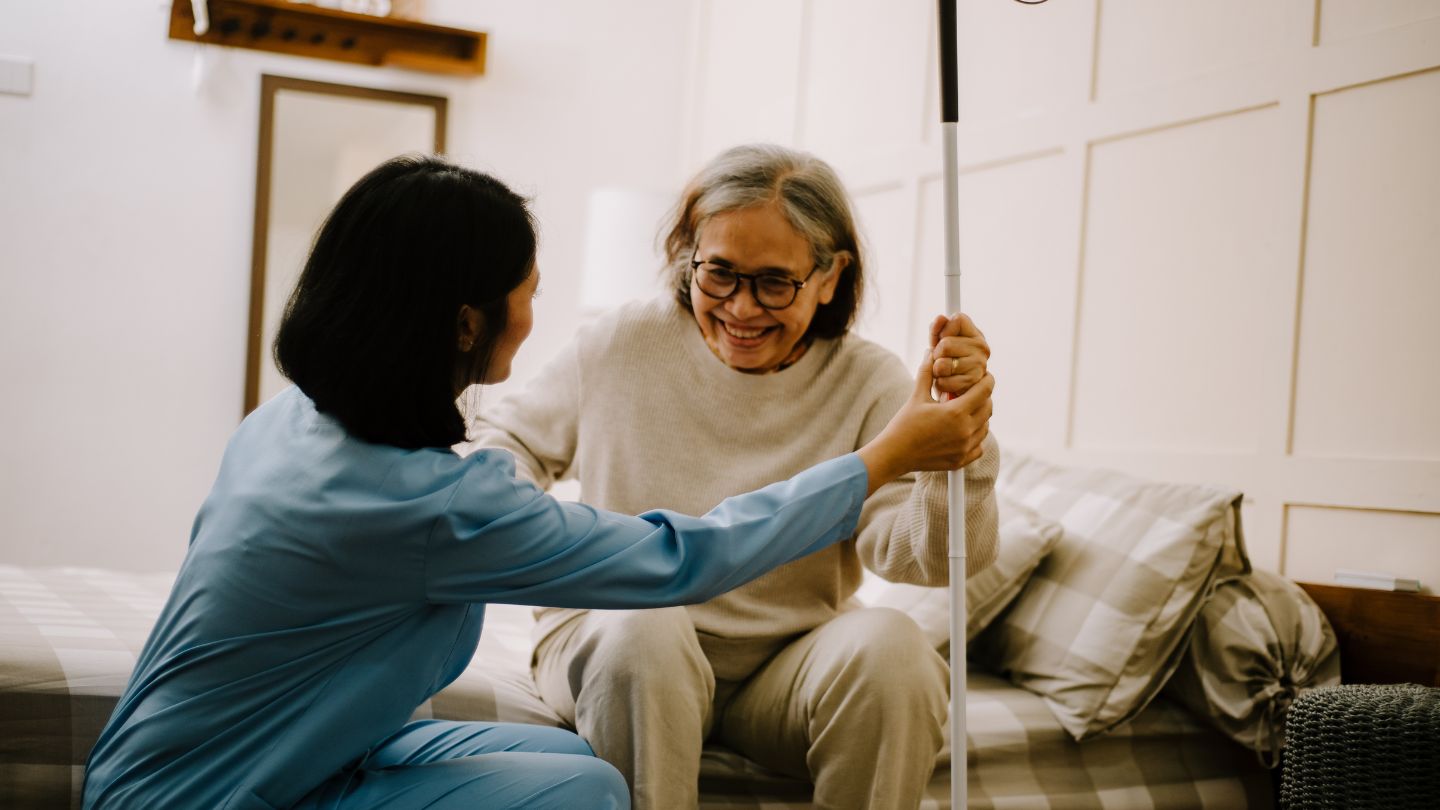



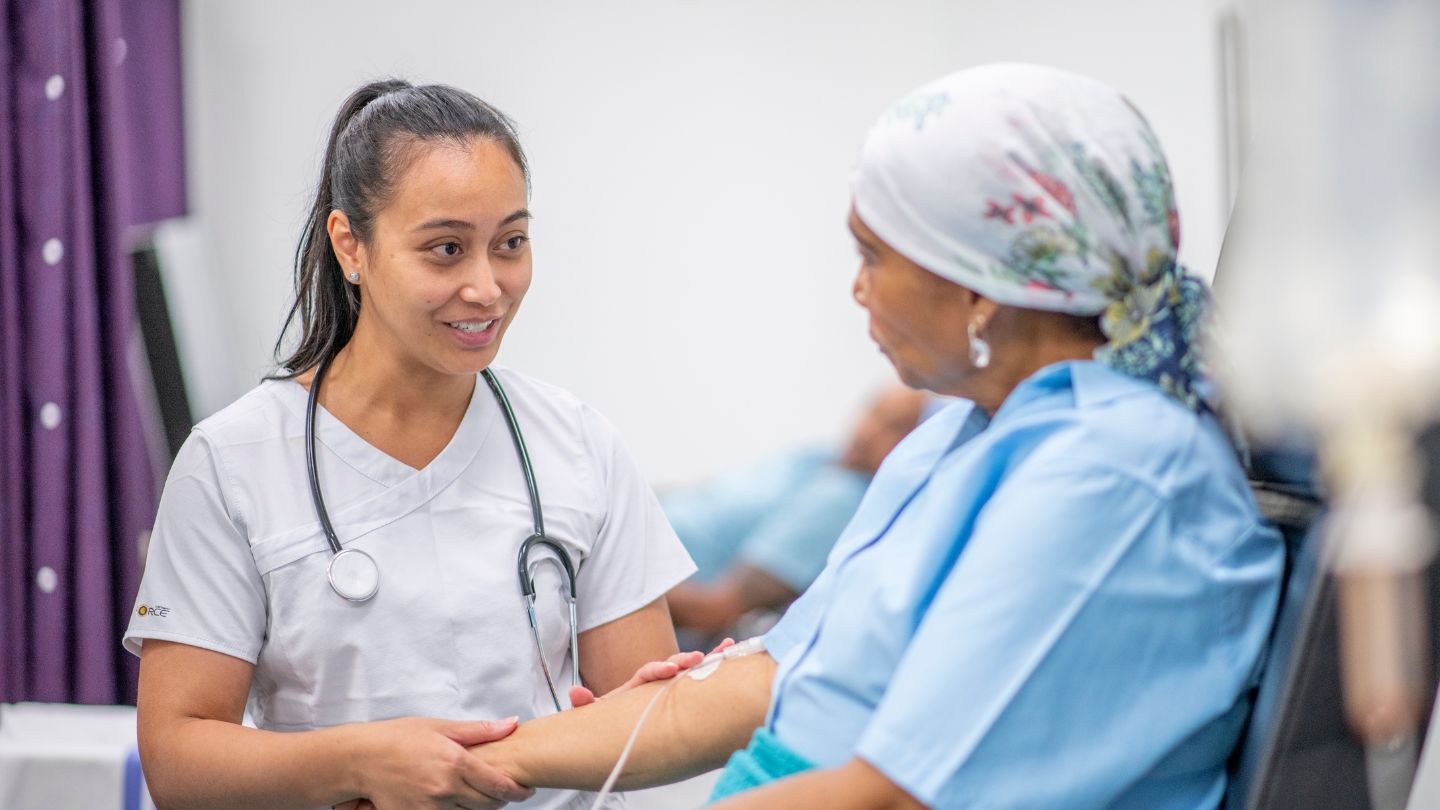




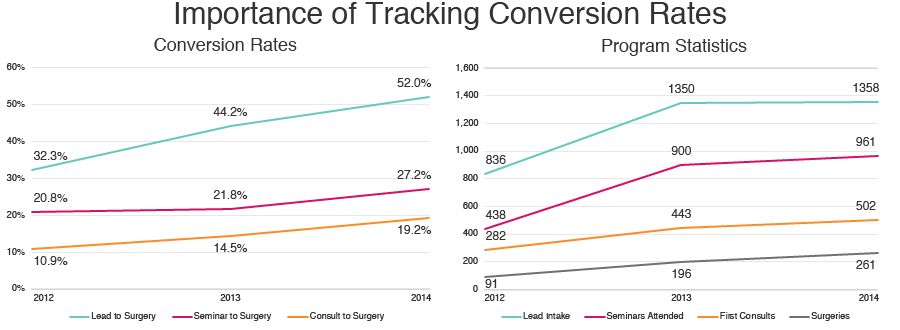 Take a moment to think about how each line represents a different phase of the patient pipeline. Notice in the left column how patients are more likely to get surgery (convert) the farther they move down the lead–to-seminar-to-consult pipeline.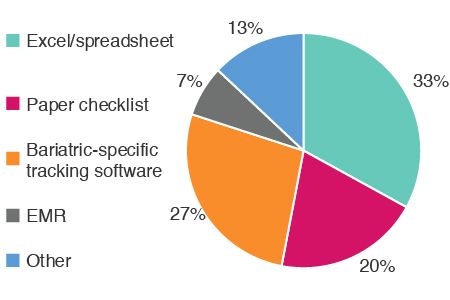
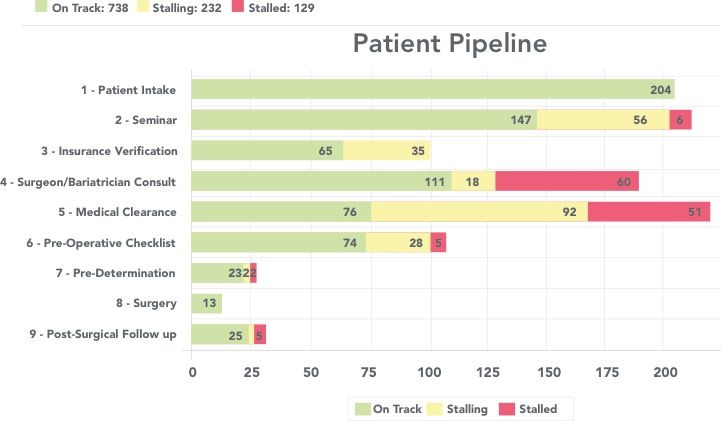

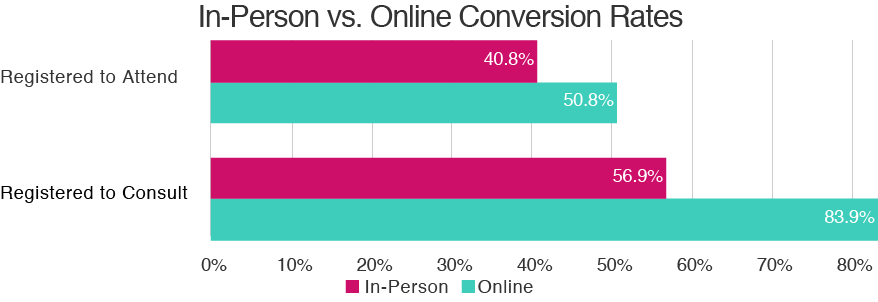




 However, there are options thanks to weight loss procedures performed at the many world class facilities such as MountainView Weight Loss Center in Las Cruces, N.M., Park Nicollet Bariatric Surgery Center in Minneapolis and several other bariatric practices around the country that have partnered with Guideway Care. Together we provide long term-solutions to bolster patient engagement, improve patient management and generate positive patient outcomes.
For individuals suffering from severe obesity, attempts at weight loss can be a challenging cycle of disappointment and negative reinforcement. Traditional weight loss methods like diet and exercise often fail to deliver the results needed for a severely obese person to reach and maintain a healthy weight. This lack of sustainable results can result in a sense of hopelessness and apathy that overwhelms the seriousness of underlying health concerns. To give severely obese individuals a better chance at an improved quality of life, a more effective option is needed.
This is why many bariatric programs have teamed with Guideway Care to provide online seminars, housed on the practice’s website. These are designed to attract new patients and inform the patient of his or her treatment options. They also have the opportunity to view the video from the comfort of their home and do not have to travel, which for some severely obese people is an arduous task.
“The online course is an alternative to attending one of our regularly scheduled seminars, in-person,” said Stephan Myers, MD, FACS, who works at Riverside Methodist Hospital in Columbus, Ohio. “The online bariatric course provides information to help you decide if bariatric surgery is right for you. It’s a convenient way to learn about our bariatrics program from the comfort of your home, at your personal computer.”
Combine Guideway Care online seminars with our web-based LeadTracker™, which captures and tracks your patients from initial intake through every stage of the patient process under your care, and you are armed with the right tools to provide optimum care for your patients.
Fortunately weight loss procedures are now more practical, viable and more easily accessible than ever before for a wider range of patients. A dedicated team of experienced specialists and surgeons use only the latest technology and the most proven methods to provide truly world class care.
For anyone curious about the many outstanding and proven bariatric procedures available, an online seminar is the best way to learn about the surgery. With a wide range of treatment to choose from, any patient will be guided toward the exact strategy that’s right for them. Because bariatric surgery is not a one-size-fits-all procedure, highly experienced surgeons work closely with each and every patient throughout the process, from inquiry through post-op, to ensure all patients receive the top-notch care they need.
This is where the LeadTracker™ proves to be a valuable tool. With one click of the mouse, you can tell where each patient is in the process.
Because severe obesity is a life threatening concern, anyone dealing with its effects, limitations and consequences simply can’t afford to wait any longer before taking action. If your practice does not have an online seminar presence or a way to track the progress of your patients, your practice is not working as efficiently as it could be, and your patients are suffering.
With the LeadTracker™, your practice runs more efficiently and is more productive, as the program simplifies and streamlines patient intake, appointment scheduling and outreach efforts.
It’s a win for your patient population and for your practice. Don’t delay, visit
However, there are options thanks to weight loss procedures performed at the many world class facilities such as MountainView Weight Loss Center in Las Cruces, N.M., Park Nicollet Bariatric Surgery Center in Minneapolis and several other bariatric practices around the country that have partnered with Guideway Care. Together we provide long term-solutions to bolster patient engagement, improve patient management and generate positive patient outcomes.
For individuals suffering from severe obesity, attempts at weight loss can be a challenging cycle of disappointment and negative reinforcement. Traditional weight loss methods like diet and exercise often fail to deliver the results needed for a severely obese person to reach and maintain a healthy weight. This lack of sustainable results can result in a sense of hopelessness and apathy that overwhelms the seriousness of underlying health concerns. To give severely obese individuals a better chance at an improved quality of life, a more effective option is needed.
This is why many bariatric programs have teamed with Guideway Care to provide online seminars, housed on the practice’s website. These are designed to attract new patients and inform the patient of his or her treatment options. They also have the opportunity to view the video from the comfort of their home and do not have to travel, which for some severely obese people is an arduous task.
“The online course is an alternative to attending one of our regularly scheduled seminars, in-person,” said Stephan Myers, MD, FACS, who works at Riverside Methodist Hospital in Columbus, Ohio. “The online bariatric course provides information to help you decide if bariatric surgery is right for you. It’s a convenient way to learn about our bariatrics program from the comfort of your home, at your personal computer.”
Combine Guideway Care online seminars with our web-based LeadTracker™, which captures and tracks your patients from initial intake through every stage of the patient process under your care, and you are armed with the right tools to provide optimum care for your patients.
Fortunately weight loss procedures are now more practical, viable and more easily accessible than ever before for a wider range of patients. A dedicated team of experienced specialists and surgeons use only the latest technology and the most proven methods to provide truly world class care.
For anyone curious about the many outstanding and proven bariatric procedures available, an online seminar is the best way to learn about the surgery. With a wide range of treatment to choose from, any patient will be guided toward the exact strategy that’s right for them. Because bariatric surgery is not a one-size-fits-all procedure, highly experienced surgeons work closely with each and every patient throughout the process, from inquiry through post-op, to ensure all patients receive the top-notch care they need.
This is where the LeadTracker™ proves to be a valuable tool. With one click of the mouse, you can tell where each patient is in the process.
Because severe obesity is a life threatening concern, anyone dealing with its effects, limitations and consequences simply can’t afford to wait any longer before taking action. If your practice does not have an online seminar presence or a way to track the progress of your patients, your practice is not working as efficiently as it could be, and your patients are suffering.
With the LeadTracker™, your practice runs more efficiently and is more productive, as the program simplifies and streamlines patient intake, appointment scheduling and outreach efforts.
It’s a win for your patient population and for your practice. Don’t delay, visit