Topic: Patient Experience & Loyalty

EFS Patient Experience: satisfaction, scores, loyalty and leakage.

How Do Nurses Approach Patient-Centered Care?

How Do Nurses Approach Patient-Centered Care?

Nurses are at the forefront of delivering patient-centered health care, an approach that prioritizes individual patient needs, values, and preferences. In this context, nursing practice plays a vital role in ensuring improved patient outcomes by fostering strong relationships, clear communication, and trust. But how do nurses effectively implement this model? In this blog, we will delve into the strategies nurses use to deliver patient-centered care, highlighting the essential skills and approaches that lead to better overall health outcomes and enhanced patient well-being.

Key Takeaways

  • Patient-centered care focuses on respecting patient preferences, needs, and values, fostering trust through effective communication and empathy.
  • Nurses enhance patient care by involving patients and their families in the healthcare process, resulting in better health outcomes and improved patient satisfaction.
  • Ongoing education and professional development are crucial for healthcare professionals to stay informed about evolving practices in patient-centered care.
  • Healthcare providers must consider non-clinical factors, such as social determinants of health (SDoH), to create personalized treatment plans that improve patient outcomes.

Defining Patient-Centered Care in Nursing

Patient-centered care is a holistic approach that places the patient at the core of their care. This approach to health care emphasizes the importance of understanding and respecting each patient’s unique needs and values. This model emphasizes maximizing comfort, safety, and value by understanding each individual’s health needs and personal preferences. It is built on the premise that involving patients in clinical decisions and considering their unique backgrounds, beliefs, and religious practices leads to more effective treatment and better overall health outcomes.

Nurses are essential to this approach, acting as advocates for patients to ensure that their individual preferences and desired health outcomes are respected and understood. When healthcare providers prioritize a patient’s perspective, they foster stronger therapeutic relationships, helping patients feel heard and valued. This, in turn, promotes open communication, which is crucial for informed healthcare decisions and the delivery of quality care.

Essential Communication Skills for Nurses

Effective communication is at the heart of patient-centered care and is essential for delivering high-quality patient care. Nurses must develop robust communication skills to fully understand and address patient needs. One key aspect is active listening—giving full attention to patients and ensuring they feel heard. When patients feel understood, they are more likely to open up about their concerns, symptoms, and experiences, leading to more accurate and timely assessments and, ultimately, achieving better health results.

Incorporating mental health into patient-centered care is essential, as emotional and social needs must be addressed alongside physical health. Nurses who communicate effectively can better assess and respond to a patient’s emotional state, leading to more compassionate care and improved outcomes.

Nurses should also use plain language to explain medical conditions, treatment options, and instructions to patients. This is particularly important for improving health literacy and ensuring that patients understand their treatment plans. When patients are empowered to make informed decisions about their health, they are more likely to adhere to treatment and engage in behaviors that promote long-term health.

Building Therapeutic Relationships

Building Therapeutic Relationships

A core component of patient-centered care is the development of strong therapeutic relationships, which are essential for effective patient care. Trust is the foundation of these relationships, and it is built through consistent, respectful communication. In nursing, the relationship evolves through three key stages: initiation, working phase, and termination.

  • Initiation: The first stage involves building rapport and establishing trust. This is where nurses learn about the patient’s health history, concerns, and preferences. At this stage, it’s important for nurses to be open, empathetic, and non-judgmental.
  • Working phase: In this phase, nurses and patients collaborate on treatment plans. Nurses use active listening, reflective questioning, and emotional support to ensure that patients are fully involved in their care decisions.
  • Termination: The final stage involves reviewing progress, ensuring the patient is prepared for self-care, and addressing any concerns before discharge.

By involving the patient and their family members in the care process, nurses ensure that the patient’s needs and preferences are fully integrated into the care plan. This collaborative approach leads to better patient engagement, higher satisfaction, and improved health outcomes.

Involving Patients in Clinical Decisions

Patient-centered care thrives on involving patients in clinical decisions, which is a critical aspect of effective patient care. Healthcare providers, particularly nurses, play a key role in educating patients about their medical conditions and treatment options. By providing patients with clear, transparent information, nurses empower them to make informed decisions about their healthcare journey and ultimately achieve better health results.

Informed decision-making is critical for patient satisfaction and health outcomes. When patients understand their options and are actively involved in their care decisions, they feel more in control of their health, which reduces anxiety and promotes adherence to treatment plans.

Implementing Effective Patient-Centered Care

Delivering patient-centered care requires a multifaceted approach that prioritizes the unique needs and preferences of each patient within the broader context of health care. Healthcare providers must adopt a patient-centered mindset, focusing on empathy, communication, and collaboration to deliver high-quality care. This involves actively listening to patients, involving them in decision-making, and providing personalized treatment plans that address their physical, emotional, and social needs.

Effective patient-centered care also requires healthcare providers to be aware of social determinants of health, such as housing, food security, and transportation, which can impact patient outcomes. By addressing these factors, healthcare providers can deliver more comprehensive care that addresses the whole patient, not just their medical condition.

Furthermore, patient-centered care requires healthcare providers to be adaptable and responsive to changing patient needs. This involves being open to feedback, willing to make changes, and committed to continuous quality improvement. By embracing a patient-centered approach, healthcare providers can improve patient satisfaction, health outcomes, and overall quality of care.

Measuring Patient Satisfaction
Measuring Patient Satisfaction

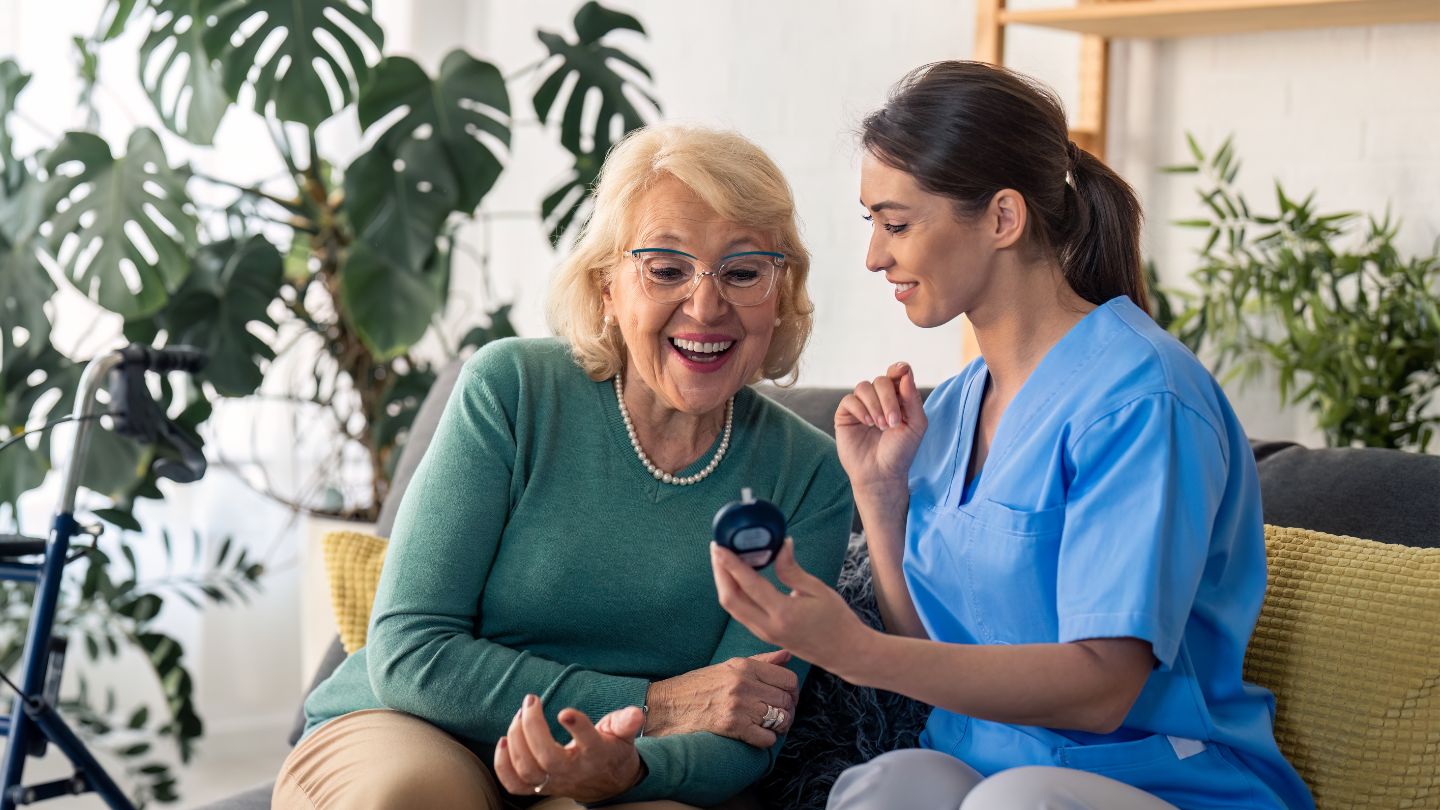
Measuring patient satisfaction is a crucial aspect of patient-centered care. It helps healthcare providers understand the quality of care they deliver and identify areas for improvement. Patient satisfaction can be measured through various methods, including surveys, focus groups, and interviews. The most commonly used metrics include:

  • Patient Satisfaction Scores: These scores are based on patient responses to surveys and questionnaires that assess their satisfaction with various aspects of care, such as communication, pain management, and overall experience.
  • Net Promoter Score (NPS): This score measures patient loyalty and satisfaction by asking one simple question: “On a scale of 0-10, how likely are you to recommend our healthcare services to a friend or family member?”
  • Patient-Reported Outcomes (PROs): These outcomes measure patients’ experiences and perceptions of their care, including their symptoms, functional status, and quality of life.

Healthcare providers can use these metrics to identify areas for improvement and make data-driven decisions to enhance patient-centered care. For example, if patient satisfaction scores indicate that patients are dissatisfied with communication, healthcare providers can implement strategies to improve communication, such as training staff on effective communication skills or implementing a patient portal to facilitate communication.

By regularly measuring and analyzing patient satisfaction, healthcare providers can ensure they are meeting the needs and expectations of their patients, ultimately leading to better health outcomes and higher patient satisfaction.

Coordinating Comprehensive Care

To achieve patient-centered care, nurses must coordinate with other healthcare professionals to address all aspects of patient care. This requires clear communication, collaboration, and shared decision-making. Nurses serve as vital connectors between the patient and various care teams, ensuring that everyone is on the same page and working toward a common goal: the patient’s well-being and improved health outcomes.

Coordinating care means ensuring that patients have access to the appropriate treatments, follow-up care, and support services. This includes addressing logistical barriers like transportation or access to medications, which can be obstacles to effective care. Guideway Care, for example, offers services that assist patients with non-clinical needs, such as securing transportation and providing guidance on social determinants of health (SDoH), which are critical for improving patient outcomes.

Educating Patients for Better Health Outcomes

Educating Patients for Better Health Outcomes

Education is a critical component of patient-centered care and is essential for effective patient care. By educating patients about their conditions, treatment options, and self-care techniques, nurses enable them to take an active role in managing their health. This patient engagement improves health outcomes by encouraging patients to follow their treatment plans, adhere to medications, and make healthier lifestyle choices, ultimately achieving better health results.

Nurses should focus on improving health literacy by using clear, simple language and taking time to explain complex concepts. Patients who understand their condition are more likely to comply with their treatment plans, which can lead to better overall health outcomes and reduced hospital readmissions.

Empathy: The Heart of Patient-Centered Care

At the core of patient-centered care is empathy, which is fundamental to effective patient care. Nurses must cultivate emotional intelligence to understand and respond to patients’ physical, emotional, and social needs. This empathetic approach fosters trust, improves communication, and strengthens the nurse-patient relationship, which in turn leads to better care and improved health outcomes.

When nurses show empathy, they acknowledge the patient’s perspective and demonstrate that they value the patient’s individual preferences and well-being. This helps reduce patient anxiety and promotes a sense of comfort and security, allowing patients to be more open and honest in their interactions.

By fostering empathy through active listening, therapeutic relationships, and emotional support, nurses

Final Thoughts

As healthcare continues to evolve, it is vital for nurses and healthcare professionals to commit to continuous learning and development. By staying informed on the latest care practices, improving communication skills, and embracing cultural competence, healthcare teams can better meet the diverse needs of their patients. By embracing these strategies, healthcare providers will continue to deliver high-quality, compassionate care that prioritizes the well-being of patients, leading to a healthier and more satisfied patient population and a more effective healthcare system overall.

Discover how Guideway Care can support your patient-centered care initiatives. Our innovative solutions empower healthcare providers to optimize patient engagement, improve outcomes, and streamline care delivery. Explore our range of services designed to enhance communication and connect with patients on a deeper level, ensuring their needs are met with compassion and efficiency. Contact us to learn more about how we can help you elevate your care practices and create a more effective healthcare system.


What Drives the Crucial Link Between Patient Satisfaction and Loyalty in Healthcare?

What Drives the Crucial Link Between Patient Satisfaction and Loyalty in Healthcare?

Improving patient satisfaction and fostering loyalty is critical for healthcare providers aiming to retain patients and enhance health outcomes. Healthcare providers face numerous challenges, including shortages that strain patient loyalty and satisfaction. Delivering non-clinical support through Care Guides, addressing Social Determinants of Health (SDoH), and achieving health equity are foundational to boosting patient loyalty and satisfaction.

Key Takeaways

  • Patient Satisfaction and Loyalty are Interconnected: Patient satisfaction is a critical factor in fostering loyalty, as satisfied patients are more likely to return for future care and recommend their healthcare providers to others.
  • Impact of Compassionate Care: Providing empathetic and timely care enhances patient satisfaction, making patients feel heard and understood, which is essential for building trust and loyalty.
  • Role of Effective Communication: Clear and empathetic communication is crucial in creating a strong provider-patient connection, ensuring patients understand their treatment plans and feel valued.
  • Trust as a Foundation for Loyalty: Trust in healthcare providers significantly influences patient loyalty, leading to better adherence to treatment plans and improved health outcomes.
  • Importance of Convenient Access: Streamlined access to healthcare services, including telemedicine and efficient follow-up care, contributes to higher patient satisfaction and retention.
  • Measuring Satisfaction and Loyalty: Regularly measuring satisfaction scores and gathering patient feedback are vital for identifying areas of improvement and enhancing patient care.
  • Leveraging Technology: Technology, such as telemedicine and data-driven insights, plays a crucial role in improving patient satisfaction and loyalty by facilitating seamless communication and support.
  • Patient-Centered Care Strategies: Implementing personalized care plans and integrating family support are effective strategies for enhancing patient satisfaction and achieving better health outcomes.

The Importance of Patient Satisfaction in Healthcare

Patient satisfaction significantly impacts a healthcare provider’s ability to retain patients. When patients feel heard and respected, their trust grows, leading to a long-term relationship with healthcare providers. Satisfied patients are more likely to become loyal customers, return for future care, and recommend the provider to others, contributing to improved word-of-mouth marketing. In contrast, unsatisfied patients may switch providers or delay necessary follow-up care, leading to poorer health outcomes and diminishing trust in the healthcare provider.

Understanding what influences patient satisfaction can help healthcare providers address critical issues and design effective patient-centered care strategies.

Key Factors Influencing Patient Satisfaction

Key Factors Influencing Patient Satisfaction
  • Compassionate and Timely Care: Patients value being treated with empathy, respect, and attentiveness. Compassionate care improves satisfaction and helps patients feel heard, understood, and appreciated. In particular, timely service is crucial; patients who experience minimal waiting times tend to report higher satisfaction. Compassionate and timely care also contributes to developing loyal patients by fostering trust and satisfaction.
  • Effective Communication: Clear communication enhances patient understanding, builds trust, and strengthens the provider-patient connection. Effective communication means not only explaining treatment plans in an accessible way but also actively listening to patient concerns. Care Guides play a crucial role in ensuring communication remains compassionate and informative.
  • Trust and Transparency: Building trust is essential for fostering long-term loyalty. When patients feel confident in their healthcare providers, they are more likely to follow treatment plans and continue with the same provider. A commitment to transparency, combined with patient support, nurtures this trust, making patients more likely to remain loyal.
  • Convenient Access and Follow-Up Care: Patients value easy access to services, whether through streamlined appointment booking, efficient follow-up care, or technology that allows them to connect with healthcare providers remotely. Technology integration simplifies patient interactions, contributing to a more positive experience and reinforcing loyalty.

An Innovative Approach to Patient-Centered Care

Addressing non-clinical barriers that impact health is essential for providers aiming to offer patient-centered care. Through specially trained Care Guides, healthcare providers can offer personalized support that helps patients navigate healthcare challenges related to social, economic, and emotional factors.

The Role of Care Guides in Enhancing Patient Satisfaction

Care Guides are essential to strategies that aim to improve patient satisfaction and loyalty. They work closely with patients to address non-clinical obstacles, guiding them through healthcare challenges that may affect their overall health and adherence to treatment. Care Guides play a pivotal role by:

  • Providing Personalized Support: Care Guides tailor their assistance based on each patient’s unique circumstances, helping them overcome non-clinical issues such as transportation difficulties, financial barriers, and limited social support.
  • Using Motivational Interviewing Techniques: These techniques help Care Guides foster a supportive and empathetic environment, empowering patients to take an active role in their health journey.
  • Respecting Choices Principles: Respecting Choices principles ensure that each patient’s personal values and choices are considered in care planning.

This approach emphasizes health equity by addressing Social Determinants of Health (SDoH), which often go unaddressed by traditional healthcare providers. This unique focus enables the delivery of more comprehensive support to patients.

Building Trust: A Cornerstone of Patient Loyalty

Trust is often more critical than satisfaction alone in ensuring patient loyalty. Patients who trust their healthcare provider are 2.6 times more likely to adhere to treatment plans and to continue with the provider. Compassionate, transparent communication and individualized support create a strong foundation for building this trust.

The Impact of Trust on Health Outcomes and Retention

When patients feel valued and respected, they tend to follow treatment recommendations more closely and achieve better health outcomes. This trust also drives loyalty, as patients are more inclined to stay with providers they believe will consistently meet their needs.

Care Guides strengthen patient trust by addressing both clinical and non-clinical issues, helping patients feel more secure and supported throughout their care journey. By integrating these practices, healthcare providers create an environment where patients are more likely to return, improving overall patient retention rates.

Communication as a Driver of Patient Satisfaction and Loyalty

Communication as a Driver of Patient Satisfaction and Loyalty

Effective communication is a core element in creating patient satisfaction and fostering loyalty. Care Guides ensure that patients feel heard and understood, acting as intermediaries between patients and clinical providers.

Enhancing Communication Through Patient-Centered Practices

A patient-centered approach to communication goes beyond traditional methods by actively engaging patients in discussions about their health and treatment plans. Care Guides use patient-centered practices that include:

  • Clear Explanations of Health Conditions and Treatment Options: Patients better understand their health when they receive information in a clear and compassionate manner.
  • Empathy and Active Listening: Patients feel valued when their concerns are listened to attentively. This kind of communication is central to fostering strong, trusting relationships.
  • Supporting Patient Autonomy: Care Guides encourage patients to participate in shared decision-making, which fosters a sense of responsibility and control over their care.

When patients experience clear and empathetic communication, they are more satisfied with their care, leading to stronger loyalty and positive word-of-mouth recommendations.

Measuring Patient Satisfaction and Loyalty: Key Metrics for Improvement

To improve patient satisfaction and loyalty effectively, healthcare providers must regularly measure patient satisfaction through the systematic collection and analysis of patient feedback. Satisfaction scores are used to evaluate healthcare quality and the patient-provider relationship, highlighting the necessity of regular data collection and performance benchmarking for continuous improvement.

Essential Metrics for Measuring Satisfaction and Loyalty

  • Net Promoter Score (NPS): This metric measures patient willingness to recommend services to others, providing insights into overall satisfaction and loyalty.
  • Customer Satisfaction Score (CSAT): CSAT measures specific aspects of patient care and satisfaction, helping identify areas for improvement.
  • Patient Engagement Score (PES): PES gauges how actively patients are involved in their care, often correlating with satisfaction and loyalty.

Gathering Patient Feedback for Continuous Improvement

Patient feedback is actively collected through various channels, including text message surveys, email, and on-site feedback. This approach ensures that all aspects of patient experience are evaluated, from initial interactions to follow-up care. By analyzing feedback, healthcare providers can refine their strategies and focus on elements that significantly impact patient satisfaction and loyalty.

Leveraging Technology to Enhance Patient Experience

Leveraging Technology to Enhance Patient Experience

Technology plays a vital role in patient satisfaction and loyalty strategy, allowing for seamless communication, remote support, and efficient follow-up processes.

The Benefits of Telemedicine and Remote Support

Telemedicine and remote monitoring enhance patient access to care, providing patients with support outside traditional healthcare settings. Through these technologies, Care Guides can assist patients remotely, ensuring they receive the care they need without unnecessary delays or travel requirements.

Streamlining Appointments and Follow-Ups

Technology solutions also streamline the appointment and follow-up process, making it easier for patients to manage their healthcare. Patients benefit from multiple booking options, estimated wait times, and timely follow-up notifications, which reduce frustrations and improve satisfaction.

Data-Driven Improvements in Patient Care

Data from patient interactions is continually used to improve services. This data-driven approach allows healthcare providers to identify patterns, predict patient needs, and implement changes that enhance patient satisfaction and loyalty.

Strategies for Enhancing Patient Satisfaction and Loyalty

Healthcare providers can enhance patient satisfaction and loyalty by implementing patient-centered care strategies. This approach highlights the effectiveness of personalized, empathetic support in achieving better health outcomes and fostering strong patient-provider relationships.

Patient-Centered Care Practices

Patient-centered practices emphasize addressing each patient’s specific needs, values, and preferences. Care Guides develop individualized care plans that integrate cultural, personal, and situational factors, contributing to a more holistic approach.

Key Elements of Patient-Centered Care

  • Personalized Treatment Plans: By tailoring care plans to individual needs, providers foster better health outcomes and satisfaction.
  • Integrating Family and Social Support: Including family and social networks in care improves support and satisfaction, particularly for patients facing complex health or non-clinical challenges.
  • Extended Appointment Times: Allowing for more time during consultations provides patients with a positive experience, improving their satisfaction and trust in the provider.

Improving Patient Experience Through Staff Training and Support

Training Care Guides in motivational interviewing and Respecting Choices principles enables them to provide empathetic, patient-centered support. These skills help Care Guides respond effectively to patient concerns, fostering a positive environment.

Conclusion: The Path to Strong Patient Loyalty and Satisfaction

Achieving high levels of patient satisfaction and loyalty is essential for healthcare providers who aim to improve health outcomes and patient retention. By focusing on compassionate care, effective communication, and trust-building, providers can create a patient-centered environment that strengthens long-term loyalty.

Guideway Care exemplifies this approach through its unique Care Guide model, which addresses non-clinical barriers, supports patients in navigating their care, and fosters a culture of respect and empathy. As healthcare continues to evolve, our commitment to health equity and patient-centered care sets a high standard for improving patient satisfaction and the overall patient experience.

The Benefits of Empathy in Medical Call Center Conversations

Empathy plays a vital role in healthcare, especially in medical call centers where face-to-face interaction is absent. Empathy is not only essential for improving patient satisfaction but also for building trust, enhancing patient care, and fostering stronger patient-provider relationships. This blog explores the benefits of empathy in medical call center interactions and highlights how Guideway Care prioritizes empathetic communication to improve patient outcomes and adherence.

Key Takeaways

  • Empathy in healthcare communications is essential for building trust, improving patient experiences, and enhancing patient satisfaction.
  • Effective empathy training empowers healthcare providers to connect with patients and deliver better care through compassionate communication. In healthcare customer service, training professionals in empathy skills enhance patient experiences and contributes to higher staff morale and reduced burnout.
  • An empathetic approach reduces clinician stress and boosts job satisfaction, ultimately enhancing the quality of patient care.

The Role of Empathy in Healthcare Communication

The Role of Empathy in Healthcare Communication In healthcare, empathy serves as a foundation for effective communication, especially in remote interactions where non-verbal cues like body language are absent. With the rise of telehealth services, expressing empathy in healthcare customer service has become crucial to bridging the gap between providers and patients. At Guideway Care, we prioritize empathetic communication to ensure that patients feel heard and supported in every interaction despite the physical distance. This approach builds trust and reinforces the patient-provider relationship, ultimately leading to better health and clinical outcomes. By focusing on empathy in call center interactions, patients gain a sense of connection and support, which enhances their overall experience and willingness to follow treatment plans and engage in their care.

Enhancing Patient Satisfaction Through Empathetic Communication

Empathetic communication in healthcare fosters a supportive environment that significantly enhances patient satisfaction and experience. Research consistently shows that patients who feel heard and understood are more likely to adhere to treatment plans and experience improved patient outcomes. Guideway Care call center agents are trained to prioritize empathic care, delivering patient-centered support that connects with emotions and meets individual needs. Patients who experience empathy during healthcare interactions tend to report higher satisfaction levels and are more proactive in managing their health. This patient-centered approach is central to Guideway Care mission to enhance patient satisfaction, patient outcomes, and overall health. Read more: Why is Patient Satisfaction Important in Healthcare Industry

Effective Communication in Medical Call Center Conversations

Effective Communication in Medical Call Center Conversations Effective communication is the cornerstone of successful medical call center interactions. In the absence of face-to-face contact, the ability to convey empathy through words becomes even more critical. Empathetic communication helps build trust and rapport with patients and significantly impacts patient satisfaction and adherence. When call center agents at Guideway Care engage in empathetic communication, they create a supportive environment where patients feel understood and valued. This connection encourages patients to share their concerns openly, leading to better-tailored healthcare advice. As a result, patients are more likely to adhere to treatment plans and experience improved outcomes.

Building Trust and Improving Patient Adherence

Trust is a critical component of effective patient care, and empathy is key to establishing this therapeutic alliance. When patients sense that their concerns are genuinely acknowledged, they are more likely to engage openly with healthcare providers, adhere to treatment plans, and take an active role in managing their health. Guideway Care empathetic communication strategies in healthcare customer service are designed to create strong patient relationships and foster trust. By consistently showing empathy and understanding, our call center professionals make patients feel valued and supported, enhancing their willingness to follow through on healthcare recommendations and treatment protocols.

Improving Clinical Outcomes Through Empathy

Empathetic communication positively impacts clinical outcomes. When healthcare providers help reduce patients’ stress and anxiety through empathy, they improve the patient experience and facilitate better health results. Guideway Care call center services focus on reducing patient concerns and building a compassionate rapport, allowing patients to feel comfortable and engaged. Patients who feel valued are more likely to comply with treatment plans, directly contributing to improved outcomes. Guideway Care supports this approach by training agents to communicate with compassion, fostering stronger patient adherence and better health management.

Overcoming Challenges in Demonstrating Empathy Over the Phone

While non-verbal cues are often absent in telecommunication, empathy can still be conveyed effectively through techniques like active listening and patient-centered responses in healthcare customer service and nurse triage service interactions. Guideway Care call center agents are trained to practice active listening, which ensures that patients feel acknowledged and valued even without face-to-face contact. By focusing on the patient’s concerns and responding appropriately with empathy, our agents bridge the communication gap and make patients feel respected and understood.

Active Listening Skills

Active listening is essential in healthcare customer service, especially in call center interactions. At Guideway Care, we emphasize the importance of attentively engaging with each patient’s concerns and affirming their feelings. By responding with empathy, our call center representatives create meaningful connections that make patients feel heard and valued.

Developing Empathy Through Empathy Training

Recognizing the importance of empathy in healthcare customer service, Guideway Care invests in empathy training programs for our call center agents. These programs are designed to strengthen empathy skills and enhance communication abilities, ensuring that each patient interaction is rooted in understanding and support.

Measuring Empathy and Patient Satisfaction

Measuring Empathy and Patient Satisfaction Measuring empathy and patient satisfaction is essential for ensuring that healthcare services meet the highest standards of quality and support. By evaluating these aspects, healthcare providers can gain valuable insights into the effectiveness of their communication strategies and identify areas for improvement. One way to measure empathy is through patient feedback surveys that assess how well patients feel understood and supported during their interactions with call center agents. By analyzing this feedback, healthcare providers can gauge the level of empathy demonstrated and make necessary adjustments to enhance patient care. Another method is the use of standardized empathy assessment tools, such as the Jefferson Scale of Empathy, which provides a benchmark for continuous improvement. High levels of patient satisfaction often correlate with effective, empathetic communication, indicating that patients feel valued and well-cared for.

Positive Impact of Empathy on Healthcare Providers

Empathetic communication benefits not only patients but also healthcare providers. By fostering a supportive environment, empathy reduces clinician stress and contributes to job satisfaction. Guideway Care believes that a compassionate approach to communication enhances both patient outcomes and provider well-being.

Reducing Clinician Stress

Empathy in healthcare customer service helps mitigate burnout and stress among healthcare professionals. Guideway Care focus on empathy helps our agents manage challenging interactions more effectively, alleviating stress and contributing to a positive work environment.

Enhancing Professional Satisfaction

A healthcare provider’s satisfaction is often linked to the quality of relationships they build with patients. At Guideway Care, we recognize that empathy in healthcare customer service improves the provider experience, creating a sense of fulfillment as agents foster meaningful connections with patients. This positive impact on healthcare providers enhances their ability to provide empathetic customer service consistently.

Real-World Impact of Empathy in Healthcare Call Centers

Guideway Care has seen firsthand the positive outcomes that empathetic communication brings to patient interactions. Success stories from our healthcare partners demonstrate how empathy in call center conversations contributes to higher patient satisfaction and better engagement in healthcare services. Empathy in healthcare helps build a strong therapeutic alliance, which is essential for fostering patient trust and encouraging adherence to treatment plans. Through genuine, compassionate interactions, Guideway Care supports improved health outcomes and patient satisfaction.

Conclusion

Empathy is a transformative tool in medical call center interactions, enhancing patient care, satisfaction, and trust. At Guideway Care, we are committed to creating empathetic, patient-centered experiences that foster better health outcomes and reduce stress for healthcare providers. By investing in empathy training and continuous improvement, Guideway Care ensures that each patient receives high-quality, compassionate care that addresses their concerns and meets their unique needs. Through our comprehensive call center services, we help healthcare providers deliver empathic communication that strengthens patient relationships and enhances overall satisfaction, creating a positive impact on patient care across the healthcare landscape. Contact us to learn more!
How the Patient Experience Impacts Hospital Revenue: Insights and Strategies

How the Patient Experience Impacts Hospital Revenue: Insights and Strategies

The patient experience is a critical factor in determining a hospital’s financial health. Satisfied patients are more likely to return for future treatments, recommend the hospital to others, and leave positive online reviews. These elements significantly contribute to hospital revenue by improving patient loyalty, attracting new patients, and increasing referrals. In this blog, we will explore how patient satisfaction and patient experience directly impact hospital revenue, with a focus on the value of patient-centered care, patient engagement, and the role of healthcare providers in enhancing hospital profitability.

Key Takeaways

  • Higher patient satisfaction scores directly correlate with increased hospital revenue, improving both patient retention and the ability to attract new patients.
  • Investing in patient-centered care and improved communication with healthcare providers boosts patient satisfaction, enhances financial performance, and optimizes hospital services.
  • Online reviews and reputation management play a significant role in shaping patient decisions, which can ultimately increase hospital profitability.

Financial Impact of Patient Experience

Research consistently shows a significant impact on patient satisfaction and hospital financial performance. Positive patient experiences are linked to stronger financial outcomes, including increased patient retention and new patient acquisition. Satisfied patients not only return for additional services but also serve as ambassadors, recommending the hospital to others through word of mouth.

For hospitals, improving patient satisfaction isn’t just a moral imperative—it’s also a financial one. By addressing the needs of patients, both clinical and non-clinical, hospitals can significantly enhance their financial health. A positive patient experience can also lead to higher patient satisfaction scores on the Hospital Consumer Assessment of Healthcare Providers and Systems (HCAHPS), which influences reimbursement rates and attracts more patients seeking quality care.

By focusing on improving the patient experience and hospital services, healthcare organizations can see a directly impactful boost in hospital revenue.

The Role of Patient Satisfaction Scores

The Role of Patient Satisfaction Scores

One of the most critical factors in hospital profitability is patient satisfaction. High patient satisfaction scores lead to improved patient loyalty, increased referrals, and enhanced hospital visibility. Healthcare institutions that prioritize patient satisfaction experience more loyal patients, who are not only likely to return but are also more likely to recommend the hospital to family and friends.

Hospitals with high HCAHPS scores can expect higher revenue, as these scores influence patient decisions and lead to increased patient engagement. When patients rate their experiences highly, they are more inclined to choose the same hospital for future treatments, contributing to the bottom line.

Patient Loyalty and Hospital Revenue

Building patient loyalty is essential for ensuring steady revenue for hospitals. Loyal patients are more likely to choose the same hospital for ongoing care, ensuring consistent income streams. This loyalty can also extend to increased utilization of hospital services, including additional treatments and follow-up appointments.

Hospitals that deliver superior care communicate effectively with patients and provide a positive experience, which fosters a sense of trust and satisfaction and strengthens patient retention. This patient loyalty often leads to positive patient experiences, which can significantly enhance hospital profitability.

Attracting New Patients

A hospital’s reputation is shaped largely by online reviews and patient satisfaction scores. Satisfied patients who share their experiences online contribute to the hospital’s visibility, attracting new patients. In today’s healthcare environment, online reviews on platforms like Google are increasingly influential in the decision-making process. Google reviews and other feedback platforms are often the first impressions prospective patients have of a hospital.

Hospitals with higher patient satisfaction scores are more likely to gain trust in the community, resulting in more patients seeking care at their facilities. This increased patient engagement not only drives revenue but also enhances the hospital’s competitive position within the health system.

Value-Based Care and Hospital Profitability

Hospitals that implement value-based care models are more likely to see a return on investment by focusing on patient outcomes and long-term health improvements. Value-based care rewards hospitals for achieving better health outcomes while keeping costs under control. As healthcare continues to shift towards this model, focusing on patient experience becomes even more essential.

By improving patient experience, healthcare organizations can reduce costs, enhance operational efficiency, and meet the quality standards required by value-based care programs. This focus on the patient experience and hospital services ultimately leads to additional revenue and improved hospital profitability.

The Impact of Communication on Patient Satisfaction

The Impact of Communication on Patient Satisfaction

Improved communication between healthcare providers and patients is a key component of the patient experience. When patients are kept informed about their treatment plans, have their concerns addressed, and feel their questions are answered, their overall satisfaction improves. This also leads to increased patient loyalty and retention, as well as improved patient outcomes.

Hospitals that invest in better communication strategies are more likely to see higher patient satisfaction, which has a significant impact on their financial performance. Healthcare providers, particularly primary care physicians, play a crucial role in fostering positive relationships with patients and ensuring a seamless experience from start to finish.

Online Reviews and Hospital Revenue

In the digital age, online reviews can directly affect a hospital’s financial health. Research shows that a large percentage of patients use online reviews to select healthcare providers. Hospitals with positive patient experiences and high ratings can expect increased revenue as a result of a stronger online presence.

Hospitals should actively encourage satisfied patients to leave reviews, particularly on platforms like Google Reviews, which play a significant role in influencing potential patients. A hospital’s online reputation directly impacts its ability to attract new patients and retain loyal patients, ultimately enhancing hospital profitability.

Reducing Costs Through Better Patient Experiences

Reducing Costs Through Better Patient Experiences

Improving the patient experience isn’t just about increasing patient satisfaction scores; it also plays a crucial role in reducing costs. By addressing non-clinical barriers to care—such as transportation, housing, and food insecurity—hospitals can prevent negative experiences that often lead to readmissions and additional treatments.

Hospitals that prioritize patient-centered care and address social determinants of health are more likely to see reduced costs and improved patient outcomes. This results in additional revenue through better care coordination and fewer avoidable hospitalizations, which boosts hospital financial performance.

Employee Satisfaction and Its Role in Patient Experience

Employee satisfaction is a key driver of patient satisfaction. Happy and engaged healthcare workers are more likely to provide quality care, resulting in better patient experiences. Hospitals that focus on creating positive work environments for their employees are also more likely to deliver high-quality, patient-centered care that leads to improved patient loyalty, better patient outcomes, and, ultimately, stronger hospital profitability.

Wrapping Up

Enhancing the patient experience is vital not only for improving patient outcomes and loyalty but also for boosting hospital revenue. High patient satisfaction scores can significantly improve HCAHPS scores, drawing new patients and retaining current ones, which directly translates to better financial performance for hospitals. Prioritizing patient-centered care and effective communication can lead to long-term profitability and sustainability in the healthcare sector.

Guideway Care offers an innovative approach to enhancing patient experiences by addressing social determinants of health and providing non-clinical support. Our patient engagement solutions are designed to improve HCAHPS scores, strengthen patient loyalty, and boost hospital profitability. Discover how partnering with Guideway Care can transform your hospital’s patient experience and financial health. Contact us to learn more and take the first step towards a sustainable future.

Reasons Why Follow-up Care Improves Patient Retention

Reasons Why Follow-Up Care Improves Patient Retention

Follow-up care is crucial for improving patient retention because it shows a commitment to patient well-being. It builds trust, ensures better health outcomes, and fosters long-term relationships between healthcare providers and patients. This article will delve into the reasons why follow-up care improves patient retention and how it benefits both patients and healthcare providers.

Key Takeaways

  • Follow-up care is essential for improving patient retention, satisfaction, and health outcomes by ensuring continuous support and building trust.
  • Personalized communication and proactive engagement strategies, such as automated reminders and patient portals, significantly reduce no-shows and enhance the overall patient experience.
  • Regularly measuring retention metrics and analyzing patient feedback helps healthcare providers identify areas for improvement and foster long-term relationships with patients.

The Importance of Follow-Up Care in Healthcare

Healthcare providers aiming to retain patients and draw in new ones should focus on the pivotal role of follow-up care, which provides ongoing support essential for successful healthcare practices. A robust patient retention strategy bolsters the provider’s reputation and ensures a consistent revenue flow by fostering high patient retention rates. Patients who perceive their care as high quality and feel they are important to their provider tend to stay loyal instead of seeking alternatives.

Experiencing a drop in retaining patients can be indicative of deeper issues related either to the standard of care or elements affecting the overall patient experience. To enhance retention rates, healthcare professionals must prioritize follow-up procedures within their array of strategies aimed at keeping patients. By actively soliciting input from patients regarding their experiences and addressing concerns promptly, practitioners cultivate enduring bonds that engender trust and loyalty—key factors for maintaining strong relationships with patients over time.

Enhancing Patient Outcomes

Enhancing Patient Outcomes

Consistent follow-up care leads to better health outcomes and increased patient satisfaction. It shows that healthcare providers care about their patient’s well-being and are committed to helping them achieve their health goals. Monitoring progress and identifying concerns through follow-up care ensures that patients adhere to their treatment plans and receive timely interventions.

A structured follow-up plan can significantly enhance patient outcomes by providing coordinated care and improving adherence to care instructions. Better communication between healthcare providers and patients increases overall efficiency, and fosters improved health outcomes. Understanding a patient’s goals and collecting feedback allows providers to tailor post-treatment strategies, ensuring care aligns with patient needs and preferences.

Regular check-ins with patients help ensure that health programs are effective and meet patient expectations. This ongoing engagement and feedback loop improves patient outcomes and enhances the overall patient experience, making patients feel valued and understood.

Building Trust and Loyalty

The bedrock of an enduring patient-provider relationship lies in trust. When healthcare providers engage with patients honestly, transparently, and with empathy, it cements a sense of loyalty within the patients. The act of delivering care that is tailored to each individual allows for patients to feel valued and more inclined towards maintaining their connection with that provider. By dedicating time to grasp and cater to the unique needs of each patient, healthcare providers are able to reinforce the bond they share with those they serve.

Recognizing and addressing any unmet needs through consistent follow-up can dramatically improve patient retention as well as bolster loyalty among those who already show allegiance. Healthcare providers foster robust, long-term relationships when they actively listen to their patients’ concerns, gain insight into their specific conditions, and monitor their progress over time—actions that underline sustained patient engagement.

Addressing Patient Concerns

The follow-up period after medical treatment is a pivotal phase for patients, as it not only aids in their recuperation but also offers healthcare providers an opportunity to evaluate patient satisfaction and address any emerging issues. It’s essential during these touchpoints that healthcare professionals revisit the medication regimen and home care instructions provided, ensuring patients are compliant with their treatment strategies. Engaging in such preventative measures can significantly curtail potential complications while fostering more favorable health outcomes.

Adhering to medications and prescribed post-treatment protocols often poses challenges for many patients. Thus, employing attentive listening throughout these subsequent interactions becomes crucial in aptly responding to queries and mitigating any pressing concerns. Utilizing feedback tools like surveys or making follow-up calls are instrumental techniques for measuring patient satisfaction levels as well as pinpointing areas needing enhancement. When healthcare providers promptly tackle these identified concerns, they effectively refine the overall patient experience and cement a foundation of trust.

In actively soliciting feedback from patients—and conscientiously acting upon that input—healthcare practitioners signal their unwavering dedication to delivering high-quality care within the realm of the industry. This dedicated pursuit not only boosts patient contentment but also fosters allegiance among them, which ultimately leads to improved retention rates—a testament to excellent care provision.

How Follow-Up Care Improves Patient Retention Rates

How Follow-Up Care Improves Patient Retention Rates

Ensuring consistent follow-up care conveys a dedication to the well-being of patients, which is instrumental in bolstering patient retention rates. The establishment of trust and fortification of the relationship between patient and provider via continuous follow-up can boost engagement among patients as well as their allegiance. Tailored treatment regimens combined with persistent involvement through such aftercare practices can notably amplify patient retention.

Adopting robust communication tactics that include frequent updates and avenues for feedback plays an essential role in fostering patient retention. By putting these methods into practice, it becomes possible to make certain that patients perceive themselves as appreciated and comprehended, thereby enhancing overall retention rates.

Personalized Patient Interaction

Customizing interactions with patients by adapting them to each person’s unique situation and wellness objectives can significantly improve patient retention. When follow-up communication is individualized, it conveys to the patient that they are recognized and their needs are appreciated, which strengthens their relationship with healthcare providers. A customized phone call for a check-in proves beneficial in re-engaging those patients who may have been out of touch with their medical team recently.

Sending messages designed around a patient’s particular health requirements exhibits the healthcare provider’s dedication to personalized care. Such direct personal engagement builds confidence and allegiance among patients, playing an essential role in boosting overall patient retention rates.

Reducing No-Shows and Cancellations

Automated appointment reminders minimize missed appointments, improving patient retention. Messaging tools can send reminders for appointments, enhancing patient adherence to follow-up care. Reducing no-shows and cancellations is vital for improving patient engagement and retention in healthcare settings.

These proactive follow-up strategies create an engaged patient community, reducing the risk of missed appointments and ensuring that patients remain committed to their care.

Encouraging Preventive Care

Frequent prompts and informative initiatives aimed at preventive healthcare result in heightened patient involvement and recurring appointments. Dentists, for instance, focus on the significance of routine dental exams and knowledge about oral care as a method to preserve patient loyalty for improved well-being. Elevated levels of continued patronage denote contentment, confidence in the caregiver, and favorable health results. These aspects may be bolstered when strategies for maintaining patients are shaped by their insights.

Emphasizing early detection through preventive measures fosters better health outcomes. Motivating individuals to engage in such proactive practices makes them more attentive participants in their own wellness paths, which leads them to consistently seek future medical consultations.

Effective Strategies for Implementing Follow-Up Care

Effective Strategies for Implementing Follow-Up Care

Healthcare providers can enhance patient retention and boost satisfaction by establishing a well-defined protocol for follow-up care. Such protocols support patients throughout their treatment, leading to better patient outcomes and heightened levels of contentment. Through the integration of automated systems, online portals designed for patients, and consistent check-in phone calls, healthcare professionals can provide ongoing assistance and keep patients engaged.

Enhancing the overall experience for the patient not only fosters feelings of being valued but also reinforces their sense that they are truly heard. It is crucial for healthcare providers to actively engage in seeking feedback from their patients so as to address specific needs effectively. This approach assists in cultivating enduring relationships with patients built on mutual trust and loyalty—elements central to improving patient retention.

Automated Follow-Up Systems

Automated appointment reminders and confirmations assist in filling appointment slots and optimizing business hours. Analyzing historical data and sending timely reminders helps significantly reduce patient no-shows. With 69% of patients preferring to receive digital reminders for their appointments, it’s clear that modern communication methods are effective in enhancing patient engagement.

Automated appointment reminders and 2-way SMS capabilities improve communication by allowing texts to be read at any time, ensuring that patients are always informed about their appointments.

Leveraging Patient Portals

Patient portals provide a secure and convenient means for patients to interact with their doctors and obtain medical records, improving access to health information and enabling protected communications with healthcare providers. Utilizing the patient portal for follow-up check-ins a few days post-consultation can serve as an efficient strategy for maintaining contact with patients.

Increasing patient dedication and involvement is achievable through consistent engagement via patient portals. Given that 42% of patients favor arranging their appointments online or via a patient portal, these platforms are crucial components of contemporary healthcare practices.

Regular Check-In Calls

Follow-up calls for feedback and care continuity reinforce the ongoing relationship between healthcare providers and patients. Regular check-in calls help maintain patient engagement by providing an opportunity for feedback on treatment and care. Consistent check-in calls strengthen relationships between healthcare providers and patients, ensuring patients feel valued and understood.

These calls provide opportunities to ensure health programs align with patient preferences, enhancing the overall patient experience and improving care continuity.

Measuring the Impact of Follow-Up Care on Patient Retention

Measuring the Impact of Follow-Up Care on Patient Retention

For healthcare providers, gauging the influence of follow-up care on keeping patients is vital for pinpointing potential enhancements and confirming that strategies aimed at maintaining patient numbers are yielding results. Should there be a dip in retention rates, this could indicate underlying issues with the quality of service or overall experience during patient care. It’s essential for these professionals to consistently track these metrics and evaluate what patients have to say so as to refine their approach to providing aftercare.

Considering that definitions of success might differ from one medical practice to another, it’s crucial for there to be uniform standards when measuring retention statistics. The effort to maintain patients is not static but rather an ever-evolving endeavor that necessitates ongoing assessment and responsiveness through regular feedback—key components towards fostering advancements in follow-up patient care.

Key Performance Indicators (KPIs)

It’s critical to focus on key indicators such as scores for patient satisfaction, rates of retention, and compliance with follow-up appointments when assessing the effectiveness of subsequent care. Monitoring how effectively a healthcare provider maintains engagement with their patients is revealed by examining patient retention rates. The net promoter score (NPS) serves as a measure of how likely patients are to recommend the service they received, thus showcasing both levels of satisfaction and active involvement.

A drop in patient retention can often be attributed to inconsistent treatment and subpar communication practices. Hurdles in scheduling may also contribute to this issue. By observing changes in patient retention rates over time, it becomes possible to judge whether strategies aimed at keeping patients are working efficiently, thereby facilitating ongoing refinement and enhancement.

Analyzing Patient Feedback

Healthcare practices can harness surveys to gain insight into patients’ perspectives on the quality of care provided. By utilizing feedback surveys following appointments and keeping an eye on online reviews, healthcare providers can assess levels of patient satisfaction. Implementing consistent feedback systems aids in detecting deficiencies in service delivery, allowing for appropriate enhancements.

Showing attention to the input received from patients signifies a dedication to delivering high-quality care and offers critical data that can guide improvements.

Enhancing Patient Experience Through Follow-Up Care

Enhancing Patient Experience Through Follow-Up Care

By ensuring that follow-up care is attentive to patients’ needs, healthcare providers can greatly enrich the patient experience and maintain engagement, which has a direct effect on improving retention rates. Ensuring effective follow-up care means that all aspects of a patient’s health are considered and taken care of.

Healthcare providers who prioritize tailored communication and meet the unresolved needs of their patients foster an environment conducive to positive experiences. This dedication promotes lasting loyalty and continued involvement from patients with their healthcare services.

Personalized Communication

Adjusting the way we communicate to suit personal tastes improves contentment. Personalization tactics received a favorable reaction from 90% of consumers in the United States, evidencing their success. Hyper-personalized campaigns strike a chord with patients and inspire them to come back for treatment.

Healthcare providers have the ability to modify templates so they align with their practice’s unique brand tone, which gives communications a more intimate touch. Transparent communication is essential in delivering an experience focused on patients, as it promotes enhanced comprehension and involvement.

Addressing Unmet Needs

When patients encounter stress at a doctor’s office, they become less inclined to revisit. A healthcare provider can lose clients if there is a failure in fostering patient engagement, thus diminishing satisfaction. By implementing successful service recovery strategies for patients, the overall experience of care is elevated, leading to improved patient retention and satisfaction.

Staff who receive ongoing training tend to deliver superior care that meets the high standards expected by patients. It is critical to take heed of patient feedback, as adverse remarks could damage both trust and credibility with future clientele. Proactively meeting unmet needs and perpetually refining the quality of service communicates that each individual’s concerns are taken seriously—making patients feel acknowledged and enhancing their connection with providers, which ultimately boosts retention rates.

Summary

To recapitulate, the importance of follow-up care in augmenting patient retention is paramount as it bolsters health outcomes, fosters trust and fidelity, and addresses concerns raised by patients. Tailoring interactions to individual needs, decreasing missed appointments through reminders, promoting preventive healthcare practices, and adopting advanced tools such as automated systems and digital patient platforms are all effective methods for improving patient retention. Regular evaluation using crucial performance metrics alongside gathering input from patients ensures ongoing advancement in delivering high-quality medical attention.

At Guideway Care, our dedication lies in offering extensive solutions that contribute to improved patient satisfaction and heightened levels of retention. We equip healthcare providers with the necessary resources to cultivate enduring connections with their clientele, which translates into superior health results coupled with an enriching experience for the patients involved. Discover more about how we can help you enhance your strategies for retaining patients and boosting their contentment levels at your practice or facility. Don’t hesitate to contact us today at Guideway Care.

Frequently Asked Questions

Why is follow-up care important for patient retention?

Follow-up care is crucial for patient retention because it shows dedication to patients’ health, fosters trust, and addresses concerns, ultimately enhancing satisfaction and loyalty.

How does personalized patient interaction improve retention rates?

Personalized patient interaction significantly improves retention rates by making patients feel valued and understood, fostering trust and loyalty with healthcare providers. This deeper connection encourages patients to return for future care.

What role do automated follow-up systems play in reducing no-shows?

Automated follow-up systems significantly reduce no-shows by sending timely reminders, which helps ensure that patients attend their appointments and adhere to their follow-up care. This proactive communication fosters accountability and improves overall attendance rates.

What Factors Link HCAHPS Scores to Medicare Reimbursements?

What Factors Link HCAHPS Scores to Medicare Reimbursements?

HCAHPS scores, reflecting patient satisfaction, are crucial for Medicare reimbursements. Higher scores mean higher payments through value-based programs. Let’s explore the specific factors that link HCAHPS scores to Medicare reimbursements, as well as what factors link HCAHPS scores to Medicare reimbursements and how hospitals can improve their scores.

Key Takeaways

  • HCAHPS scores are vital for measuring patient satisfaction and influence Medicare reimbursement rates significantly through programs like Value-Based Purchasing.
  • Effective communication and patient-centered care are key elements in improving HCAHPS scores, which correlate with better clinical outcomes and hospital financial performance.
  • Social determinants of health and hospital characteristics such as size and location greatly impact patient satisfaction ratings, emphasizing the need for tailored strategies to address these factors.

Understanding HCAHPS Scores

Recognizing the importance of HCAHPS scores is rooted in comprehending their purpose. HCAHPS, an acronym for Hospital Consumer Assessment of Healthcare Providers and Systems, constitutes a uniform survey instrument intended to gauge patient satisfaction levels. The role of this survey is pivotal in evaluating healthcare quality through the lens of patient experience.

Encompassing 29 questions, the HCAHPS survey scrutinizes different dimensions related to perceptions of care. Twenty-five key questions delve into essential experiences such as interactions with nurses and doctors, hospital staff’s attentiveness, effective pain management techniques, and environmental concerns like cleanliness and noise levels within hospital premises. The remainder of the four queries collect demographic data to give context to respondents’ feedback.

The administration process involves issuing this assessment randomly among adult patients after discharge (ranging from two days up until six weeks later) using varied methods that include mailings or phone calls for collection purposes. These findings are disclosed every three months for public knowledge. Establishing transparency and holding all involved parties accountable in health provision services—this open dissemination not only promotes competition among hospitals but also equips consumers with valuable information when choosing their healthcare providers.

Ultimately, utilizing these objective measures obtained via HCAHPS scores shines a light on how hospital facilities perform directly through patients’ eyes—underscoring their perspectives while serving as catalysts for enhancing overall care standards.

The Role of Patient Satisfaction Scores

The Role of Patient Satisfaction Scores

The significance of patient satisfaction scores cannot be understated for healthcare providers, as they heavily influence the economic framework. These scores stem from assessments like the HCAHPS survey and play a crucial role in dictating hospital revenue streams by directly affecting reimbursement levels. By quantifying patient experiences, these measures provide insights that guide hospitals toward elevating the standard of care delivered and thus impacting their financial outcomes.

Within the scope of HCAHPS surveys lies an extensive evaluation covering various facets associated with receiving medical services. It emphasizes crucial sectors such as how well nurses and doctors communicate, pain management effectiveness, and promptness of staff responses. Notably, adept communication is often a decisive factor contributing to elevated overall patient satisfaction rates. When patients receive clear explanations from capable professionals, there’s typically an upsurge in contentment levels reflected through ascending HCAHPS scores.

Enhanced patient satisfaction correlates not only with more favorable clinical results but also reflects superior quality metrics for certain health conditions – affirming the integral link between placing patients at the core of attention (patient-centered care) and achieving better institutional functioning standards. Consequently, institutions noted for excellent patient experience evaluations frequently exhibit superior healthcare quality benchmarks alongside improved outcomes for those under their care.

Healthcare establishments seeking not just to refine delivery aspects but also secure stronger economic positions must heed closely to their performance regarding patient contentment markers. Committing resolutely to fostering environments rooted in principles prioritizing patients can precipitate marked improvements within this domain — resulting ultimately in upgraded HCAHPS figures paired with heightened remuneration scales.

Medicare Reimbursement Mechanisms

The financial stability of hospitals is closely connected to patient satisfaction through the HCAHPS (Hospital Consumer Assessment of Healthcare Providers and Systems), as established by the 2005 Deficit Reduction Act. This legislation forged a pivotal connection between hospital income from Medicare and their performance on patient satisfaction surveys.

In the realm of these reimbursement structures lies the Value-Based Purchasing program, which rewards or penalizes hospitals monetarily based on several benchmarks that include clinical care quality and patients’ experiences during hospital stays. Significantly, out of all metrics used for VBP calculations, HCAHPS scores constitute 30%, underscoring their hefty influence over how much money hospitals receive.

Impacting hospital finances are other schemes rewarding value-based healthcare delivery where high HCAHPS scores equate to more substantial Medicare reimbursements. These incentives serve not only to bolster fiscal outcomes but also to emphasize efforts toward enhancing overall care standards in tune with favorable patient experiences. It’s clear that threading patient contentment into funding strategies accentuates its crucial role within health service delivery systems.

Linking HCAHPS Scores to Financial Incentives

Linking HCAHPS Scores to Financial Incentives

Hospitals are propelled to enhance patient care perceptions due to the financial rewards associated with higher HCAHPS scores. The direct effect of elevated HCAHPS scores on reimbursement rates significantly influences hospital revenue, prompting an emphasis on boosting patient satisfaction and delivering superior quality care.

Within the context of Hospital Value-Based Purchasing (VBP), hospitals see a clear connection between their performance in terms of patient experience metrics and their payments. With an eye toward achieving top-notch levels of patient satisfaction, this program creates a competitive atmosphere where institutions that excel in securing high HCAHPS scores receive greater financial incentives.

The inclusion of patient safety indicators along with HCAHP scores as measures affecting hospital payment reinforces the importance placed on both clinical outcomes and ensuring safety for patients. Such integrated assessments compel hospitals to prioritize comprehensive excellence across all aspects, including both tangible results from treatments provided and safeguarding each individual’s well-being during their stay.

Value-Based Purchasing Program

The Value-Based Purchasing (VBP) program incentivizes hospitals to enhance patient care by creating a market where performance leads to financial rewards. Within this framework, payments are linked with healthcare quality metrics that promote improvements in both clinical practices and the overall experience of patients. A substantial portion of these metrics—30%—is based on HCAHPS scores, making them a significant factor in determining hospital reimbursements.

Hospitals achieving elevated HCAHPS ratings stand to benefit from greater reimbursement amounts through the VBP program, motivating them to focus keenly on patient satisfaction and deliver superior care services. On the other hand, those ranking within the highest quartile for performance face severe penalties if they fail to meet expectations, which underscores the critical role played by high patient satisfaction scores.

By establishing baseline standards of performance for comparison over time and against other institutions within its structure, the VBP program ensures an ongoing commitment among hospitals towards excellence in medical outcomes as well as heightened levels of patient satisfaction. This benchmarking process is integral for driving continuous advancement in healthcare service delivery.

Hospital Readmissions Reduction Program

The Hospital Readmissions Reduction Program (HRRP) is designed to decrease hospital reimbursements for those institutions that experience elevated rates of patient readmission. Its objective is to bolster patient outcomes and curtail unnecessary instances of rehospitalization by targeting hospitals with higher incidences of such events.

During its inaugural year, the HRRP successfully realized a 33% reduction in financial penalties imposed on hospitals, validating the program’s efficacy in motivating these facilities towards diminishing their rates of readmission. This decline often translates into greater patient satisfaction as it typically reflects fewer health complications and enhanced quality of care.

By underscoring the importance of thorough care coordination and post-discharge follow-up measures, this initiative promotes tactics aimed at cutting down readmissions while improving overall contentment among patients. Such an approach permits acute care hospitals to not only boost their HCAHPS scores but also secure superior economic benefits through minimized sanctions alongside increased reimbursement incentives—resulting in improvements across various facets of hospital services.

Factors Influencing HCAHPS Scores

Factors Influencing HCAHPS Scores

Several factors play a role in shaping HCAHPS scores, illustrating that patient satisfaction encompasses more than just clinical outcomes. The way patients perceive the quality and delivery of services has a considerable effect on their willingness to recommend the hospital to others. By collecting and analyzing data related to patient experiences, hospitals can identify patterns and improve issues related to care quality.

Patient involvement in their own care journey can enhance the connection between surgical results and overall satisfaction levels. There is evidence that elevated pain levels are inversely associated with patient satisfaction, underlining the importance of effective strategies for managing pain as part of enhancing patient experience.

There seems to be an association where increased occurrences of safety events during care correspond with heightened levels of satisfaction. This suggests that adherence to safety protocols influences patient experiences positively. Strict compliance with Surgical Care Improvement Project (SCIP) guidelines does not necessarily translate into higher rates of satisfaction among patients, which points towards the multifaceted nature of what shapes patient perceptions regarding their healthcare encounters.

Hospital Characteristics

The characteristics of a hospital, including its size and geographical placement, play an important role in influencing patient satisfaction scores. Typically, hospitals located in urban settings tend to garner higher levels of patient satisfaction than their rural counterparts, which may be attributed to the variances in both available resources and population demographics.

It’s essential for hospitals to instill a culture that prioritizes patient satisfaction if they are looking forward to ongoing enhancements in their satisfaction scores. This necessitates embedding a philosophy centered around the care of patients into all dimensions of hospital operations.

The scale at which a hospital operates can have effects on the level of patient satisfaction it achieves. Larger-scale hospitals might offer enhanced resources along with specialized personnel who could contribute towards improved patient experiences. On the contrary, smaller-sized hospitals often provide care that feels more individualized. This could lead directly to increases in how satisfied patients feel with their experience.

Staffing and Resources

The allocation of staff and resources is a crucial determinant in the realization of HCAHPS scores. To secure high physician communication marks, it is critical to recruit personnel adept in effective interaction, foster non-verbal communication techniques, and ensure that explanations are delivered with clarity. Concentrating on these aspects of communication plays a pivotal role in augmenting patient satisfaction levels and guaranteeing that patients have affirmatory encounters.

Satisfaction-driven incentive schemes can act as catalysts for directing resource distribution towards endeavors that directly influence care quality and patient contentment. These may include employing more staff members, providing comprehensive training opportunities, or upgrading existing healthcare facilities.

Advances in health information technology also have an impact on achieving commendable patient satisfaction scores. Swift responses to emails from patients, along with efficient appointment-setting capabilities, contribute positively to this end. Employing such technological solutions not only increases active involvement by the patients but also ensures smoother interactions, thereby significantly enriching their overall healthcare experience.

Social Determinants of Health (SDoH)

The satisfaction ratings of patients are substantially affected by the social determinants of health (SDoH), with aspects such as socioeconomic status and educational attainment influencing how patients view their care experience and overall contentment. It’s imperative to tackle these SDoHs in order to realize health equity and bolster patient outcomes.

Focusing on the improvement of health equity, Guideway’s Care Guides concentrate on confronting the social factors that exert an impact on patient outcomes. By identifying and mitigating obstacles associated with SDoH, Care Guides can elevate levels of satisfaction while promoting equal access to healthcare services.

Committed to fostering health equity, Guideway sets its sights on effectively tackling disparities rooted in SDoH. This dedication is fundamental not only for boosting patient satisfaction but also for securing the unfettered availability of superior healthcare services.

Strategies to Improve Patient Satisfaction Scores

Strategies to Improve Patient Satisfaction Scores

For healthcare providers intent on boosting experiences and realizing improved fiscal results, it is critical to employ strategies that will elevate patient satisfaction scores. A key tactic in this pursuit is the enhancement of dialogue between patients and their healthcare providers. Such positive interactions are not only mirrored by HCAHPS scores but also bolster staff morale and aid in attracting new talent, thereby reinforcing a beneficial cycle of ongoing enhancements.

Another pivotal strategy lies in educating patients throughout the duration of their hospital stay. When patients receive comprehensive information and participate actively in decision-making regarding their care, there’s a marked upsurge in the ratings reflected by patient satisfaction surveys. This method instills confidence among patients while promoting deeper involvement and trust.

To Improve these satisfaction metrics effectively, altering numerous aspects concurrently or executing significant changes within organizational culture might be necessary. The objective is to reshape perceptions concerning the quality of care provided through concerted efforts from all team members working harmoniously toward enriching patient experiences.

Enhancing Communication

Patient satisfaction is heavily influenced by effective communication. Utilizing various methods of communication reinforces critical information, which makes patients feel more informed and supported. The use of whiteboards in patient rooms can improve the flow of communication by offering a transparent and easily viewable method to monitor care strategies and advancements.

Conducting follow-up calls once patients are discharged helps clarify any instructions they received and allows for the collection of feedback, thus improving their overall experience. These tactics considerably boost satisfaction through the assurance that care is understood clearly.

The development of trust and reliance on healthcare providers stems from clear communication practices, resulting in elevated patient satisfaction scores.

Pain Management Practices

Pain management directly impacts patient satisfaction. Effective pain management protocols are essential for enhancing experiences and satisfaction scores. Dr. Anderson’s new pain management protocol aims to improve HCAHPS scores by ensuring patients receive adequate pain control and support.

Focusing on pain management allows healthcare providers to address a significant factor affecting satisfaction. Ensuring patients are comfortable and pain-free improves their overall experience and fosters a positive perception of the care.

Leveraging Technology

Advancements in technology are pivotal to enhancing both satisfaction and participation within healthcare. Electronic health records (EHRs) serve as a key instrument, heightening engagement by simplifying the retrieval of personal health data. The incorporation of technological solutions into healthcare research is imperative for bolstering patient satisfaction and fostering their active involvement in their own health management.

The utilization of EHRs empowers patients by providing clarity regarding their medical conditions, allowing them to monitor improvements, and involving them more directly in making decisions about their health care. This strategy not only amplifies patient gratification but also contributes to superior health outcomes, culminating in an overall more favorable experience with the healthcare system.

Summary

In essence, the correlation between patient satisfaction and Medicare payouts is heavily influenced by HCAHPS scores. To secure favorable financial returns for healthcare institutions, it’s crucial to acknowledge the elements that affect these ratings and pursue strategies that enhance patient experiences. Healthcare providers can markedly boost their satisfaction scores by prioritizing patient-centered care, improving communication channels, adeptly managing pain levels, and harnessing technological advancements.

At Guideway Care, we are dedicated to assisting healthcare providers in boosting their HCAHPS scores and enhancing their financial outcomes. Our comprehensive services emphasize patient-centered care, effective communication, and innovative solutions to elevate the overall patient experience. Contact us today to learn how we can help your hospital improve patient satisfaction scores and achieve better Medicare reimbursements. Together, we can enhance the quality of care and ensure financial success.

Frequently Asked Questions

What factors impact HCAHPS scores and Medicare reimbursements?

Effective communication, pain management, and hospital characteristics significantly impact HCAHPS scores and Medicare reimbursements.

How do hospitals improve their HCAHPS scores?

Hospitals enhance scores by improving communication, managing pain effectively, and leveraging technology.

What role does patient satisfaction play in hospital reimbursements?

Higher patient satisfaction leads to increased reimbursements through programs like Value-Based Purchasing.

Understanding CSAT: What Does CSAT Mean in a Call Center?

In the healthcare industry, CSAT stands for Customer Satisfaction, a vital metric used to measure customer satisfaction and the level of satisfaction patients experience during interactions with healthcare providers. Understanding what CSAT means in a call center, including how it measures customer satisfaction through various metrics and methodologies like customer reviews and feedback, is crucial for improving service quality and enhancing patient loyalty. This blog delves into how CSAT is measured, its importance in healthcare, and strategies for utilizing it effectively.

Key Takeaways

Customer Satisfaction (CSAT) is an essential metric in healthcare call centers, assessing how well patient expectations are met during interactions, particularly in the healthcare sector.

Regular measurement and analysis of customer satisfaction scores, which measure customer satisfaction with various interactions, enable healthcare providers to identify strengths and weaknesses, leading to improved service quality and enhanced patient loyalty.

Implementing effective feedback methods, such as post-call surveys and real-time tools, combined with training and technology solutions, can significantly boost CSAT scores and reduce patient churn.

What is Customer Satisfaction (CSAT)?

What is Customer Satisfaction (CSAT)?

Customer Satisfaction (CSAT) is a key performance indicator (KPI) that measures customer satisfaction with a product, service, or interaction. In the context of a call center, CSAT is crucial for understanding how well the center meets customer expectations and needs. By collecting and analyzing CSAT scores, businesses can identify areas for improvement, track progress over time, and make data-driven decisions to enhance customer satisfaction. High CSAT scores often correlate with increased customer loyalty and retention, making it an essential metric for any customer-focused organization.

Importance of Measuring Customer Satisfaction in Healthcare Call Centers

High patient satisfaction strengthens loyalty and converts potential patients into long-term clients. In healthcare, positive service experiences significantly increase the likelihood of patients returning. High patient satisfaction not only strengthens loyalty but also significantly contributes to customer retention, reducing churn and fostering long-term relationships. Subscription-based healthcare services particularly benefit from focusing on patient satisfaction, as it directly impacts renewals and reduces churn.

Measuring patient satisfaction allows healthcare organizations to make data-driven decisions that enhance profitability and loyalty. Understanding satisfaction trends helps call centers improve service quality, identify strengths and weaknesses, and streamline operations. This proactive approach measures customer satisfaction and captures and analyzes feedback, leading to actionable insights that boost satisfaction levels.

Poor patient experiences can quickly damage a healthcare provider’s reputation, as dissatisfied patients are likely to share their negative experiences. Enhancing call center operations to focus on patient satisfaction often results in quicker issue resolution and better service quality. Consistently measuring and analyzing CSAT is crucial for maintaining high standards of patient care and satisfaction.

Methods to Measure CSAT in Healthcare Call Centers

Methods to Measure CSAT in Healthcare Call Centers

Several effective methods measure CSAT in healthcare call centers, each capturing feedback at different interaction stages. Post-call surveys, email and SMS surveys, and real-time feedback tools are among the most commonly used methods to gather valuable insights into patient satisfaction.

Conducting a customer satisfaction survey immediately after interactions ensures accurate and relevant feedback. This timely approach captures fresh impressions, which are more accurate and actionable.

Each method has its advantages, and combining them provides a comprehensive view of patient satisfaction.

Post-Call Surveys

Post-call surveys evaluate call quality and gather immediate patient feedback. Conducting these surveys within one day ensures the feedback is fresh and relevant. Collecting feedback immediately following a customer interaction ensures that responses reflect the customer’s current sentiment. Typically, post-call surveys take about 5 minutes and can be conducted via phone, IVR, or email.

A common question in these surveys is, “How satisfied are you with [service/experience]?” allowing patients to provide a satisfaction rating. Binary questions, offering options like yes or no, are also effective in measuring CSAT. Leveraging these methods helps healthcare call centers gather valuable insights to improve service quality and enhance patient satisfaction.

Email and SMS Surveys

Email and SMS surveys effectively measure CSAT, especially after a case or inquiry is resolved. These surveys can be sent through various channels, including chat applications like WhatsApp, making them versatile tools for gathering feedback. Patient satisfaction management software can track, benchmark, and improve CSAT scores using these channels.

Regularly sending customer surveys through email and SMS helps healthcare call centers maintain a continuous feedback loop. Chat channels are particularly effective as they provide an immediate and convenient way for patients to give feedback. Regularly sending surveys through email and SMS helps healthcare call centers maintain a continuous feedback loop, ensuring that patient satisfaction is consistently monitored and improved.

Real-Time Feedback Tools

Real-time feedback tools offer immediate insights and measure customer satisfaction during or directly after interactions. In addition to CSAT, measuring the customer effort score (CES) can provide insights into how easy or difficult it is for patients to resolve issues or complete tasks. Automating the feedback analysis process with AI helps healthcare providers gain faster and more accurate insights, enabling prompt responses to patient concerns.

CRM systems are invaluable in this process, analyzing patient interaction by correlating call data and feedback to assess outcomes. Real-time feedback tools ensure healthcare call centers can quickly identify and address issues, leading to improved patient satisfaction and overall service quality.

CSAT Survey Questions

CSAT survey questions are designed to gather feedback from customers about their experience with a product or service and measure customer satisfaction. These questions can be categorized into three types:

  1. Binary Questions: These questions have only two possible answers, such as “yes” or “no.” For example, “Were you satisfied with our customer service?” Binary questions are straightforward and easy for customers to answer, providing a quick snapshot of satisfaction levels.
  2. Scale-Based Questions: These questions use a numerical scale to measure satisfaction, such as 1-10. An example would be, “On a scale of 1-10, how satisfied are you with our product?” Scale-based questions offer more granularity than binary questions, allowing businesses to gauge the intensity of customer satisfaction.
  3. Open-Ended Questions: These questions allow customers to provide detailed feedback in their own words. For instance, “What did you like most about our service?” Open-ended questions can uncover specific insights and nuances that quantitative questions might miss, providing valuable context to the CSAT scores.

Calculating the CSAT Score

Calculating the CSAT Score

Calculating the customer satisfaction score measures customer satisfaction by asking patients a single survey question about their satisfaction with a service. The formula to determine the percentage of satisfied patients is the number of satisfied respondents (those who rated 4 or 5) divided by the total number of survey respondents multiplied by 100.

CSAT scores range from 0% to 100%, with 100% reflecting an outstanding patient experience. A good CSAT score typically falls between 75% and 84%, while world-class scores are 85% or higher. Using a CSAT calculator simplifies deriving a patient satisfaction score from survey data.

For enhanced accuracy, use a three-month rolling average when calculating CSAT scores. This approach smooths out short-term fluctuations and provides a more stable measure of patient satisfaction over time.

Interpreting CSAT Scores

CSAT scores can range from 0 to 100, with higher scores indicating higher customer satisfaction. Here are some general guidelines for interpreting CSAT scores:

  • 0-40: Poor customer satisfaction, indicating a need for significant improvement. Scores in this range suggest that customers are generally unhappy with the service or product, and immediate action is required to address their concerns.
  • 41-60: Fair customer satisfaction, indicating some areas for improvement. While not disastrous, scores in this range show that there are noticeable gaps in meeting customer expectations that need to be addressed.
  • 61-80: Good customer satisfaction, indicating a strong foundation for customer experience. Scores in this range suggest that most customers are satisfied, but there is still room for enhancement to achieve higher satisfaction levels.
  • 81-100: Excellent customer satisfaction, indicating a high level of customer loyalty and retention. Scores in this range reflect outstanding performance, with customers likely to be very loyal and advocate for the brand.

Benchmarking CSAT Scores in Healthcare Call Centers

Benchmarking CSAT Scores in Healthcare Call Centers

Benchmarking CSAT scores against industry standards measures customer satisfaction and is crucial for healthcare call centers to assess performance and identify areas for improvement. The average CSAT score for healthcare call centers in the industry is around 78%, with over half achieving scores close to this benchmark.

Benchmarking helps healthcare call centers understand their performance in terms of overall customer satisfaction compared to industry standards. Aiming for a CSAT score of 80% is the benchmark for excellent performance, while world-class scores are 85% or higher. Call centers scoring below 75% need significant improvements to enhance service quality. Effective benchmarking provides insights into strengths to celebrate and weaknesses to address.

Comparing their CSAT scores with industry standards helps healthcare call centers understand their competitive position and take targeted actions to improve patient satisfaction. This continuous improvement cycle is essential for maintaining high standards of service and patient care.

Improving Customer Satisfaction

Improving customer satisfaction is crucial for businesses aiming to boost customer loyalty, retention, and, ultimately, revenue growth. Satisfied customers are more likely to return, recommend your services, and contribute to a positive brand reputation. Here are some effective strategies to enhance customer satisfaction:

Agent Training and Coaching

Agent training and coaching are fundamental to improving customer satisfaction. Well-trained agents can handle inquiries efficiently, provide clear and concise information, and empathize with customers. Training programs should focus on essential customer service skills such as active listening, problem-solving, and effective communication. Regular coaching sessions can help agents refine these skills, ensuring they are well-equipped to meet customer needs and exceed expectations.

Reducing Wait Times and Improving Response

Reducing wait times and improving response times can significantly enhance customer satisfaction. Implementing efficient call routing systems ensures that calls are directed to the right agents quickly. Increasing staff during peak hours can help manage high call volumes and reduce wait times. Additionally, offering multiple channels for customer support, such as live chat, email, and social media, provides customers with convenient options to reach out. Promptly responding to inquiries and resolving issues swiftly can leave a lasting positive impression on customers.

Creating Satisfied Customers

Creating satisfied customers involves understanding their needs, expectations, and pain points. Businesses can leverage customer feedback to identify areas for improvement and make necessary changes to products, services, or processes. Personalizing the customer experience by addressing individual preferences and offering tailored solutions can significantly enhance satisfaction. Implementing loyalty programs and providing exceptional customer service further contribute to creating satisfied customers who are likely to remain loyal and advocate for your brand.

Analyzing Patient Feedback for Actionable Insights

Analyzing Patient Feedback for Actionable Insights

Regular analysis of CSAT data measures customer satisfaction and is vital for fostering a culture of ongoing improvement within healthcare call centers. Categorizing feedback into themes helps providers identify common issues and prioritize areas needing attention. Visualization tools transform complex feedback data into understandable graphs and charts, making it easier to derive actionable insights.

Analyzing feedback at different stages of the customer journey helps healthcare providers identify specific areas for improvement. Effective analysis of patient feedback can lead to significant improvements in services and patient experience. Utilizing multiple channels to gather feedback ensures healthcare call centers have a comprehensive understanding of patient expectations and satisfaction levels.

Overcoming Common Challenges

Despite the importance of customer satisfaction, businesses often face challenges in improving it. Here are some common challenges and strategies to overcome them:

Common CSAT Challenges

  1. Low Response Rates: Low response rates can hinder accurate measurement of customer satisfaction. To overcome this, businesses can use multiple channels to collect feedback, such as email, phone, and social media. Offering incentives for completing surveys can also boost response rates.
  2. Biased Feedback: Biased feedback can skew customer satisfaction scores. To mitigate this, businesses can use objective metrics like the Net Promoter Score (NPS) and gather feedback from diverse sources. Ensuring anonymity in surveys can also help in obtaining more honest responses.
  3. Lack of Actionable Insights: Without actionable insights, it can be challenging to improve customer satisfaction. Utilizing data analytics tools to identify trends and patterns in customer feedback can provide valuable insights. Businesses can then make data-driven decisions to address specific issues and enhance the customer experience.
  4. Insufficient Resources: Limited resources can impede efforts to improve customer satisfaction. Prioritizing initiatives based on customer feedback and allocating resources accordingly can help. Focusing on high-impact areas first ensures that improvements are both effective and efficient.

By understanding these common challenges and implementing strategies to overcome them, businesses can improve customer satisfaction and ultimately drive growth and revenue.

Elevate Your Customer Experience with Guideway Care Sequence of Activation

At Guideway Care, we specialize in optimizing customer satisfaction through our innovative solutions that measure customer satisfaction. Businesses can ensure a seamless, responsive, and patient-centric experience by integrating our healthcare call center services. Our expertise in understanding and enhancing CSAT scores allows your organization to address challenges like response bias and gain valuable insights. Partner with Guideway Care to transform your customer interactions into lasting loyalty and retention, ultimately propelling your business to new heights. Contact us today to learn how our solutions can benefit your organization.

How To Handle Angry Customers Call Center: Top 10 Tips

Dealing with angry and disgruntled customers in healthcare call centers is a common challenge for any call center agent. This blog offers practical tips to de-escalate situations and enhance patient satisfaction. Discover strategies that can help healthcare providers manage these tough calls effectively, maintain professionalism, and turn negative experiences into positive ones.

Key Takeaways

  • Angry customers significantly impact healthcare practices, with 91% leaving without voicing complaints, highlighting the need for effective conflict resolution.
  • Empathy and professionalism are crucial when handling angry calls; training agents in active listening and positive language can enhance patient satisfaction and retention and effectively handle irate customers.
  • Utilizing technology and ongoing training for call center agents in the customer service industry improves conflict management skills, transforming challenging customer interactions into opportunities for loyalty and growth.

Understanding the Impact of Angry Customers on Your Healthcare Practice

The impact of displeased customers on a healthcare practice can be quite detrimental. The legal consequences that arise from unhappy patients might lead to lawsuits, which pose a threat both financially and in terms of the organization’s reputation. There is a risk associated with negative word-of-mouth. When patients leave without expressing their concerns, they may spread adverse opinions about your services, potentially harming your standing and deterring new clients.

It’s concerning how prevalent this silent problem is: research indicates that 91% of dissatisfied patients leave without making their complaints known. This silent departure signifies lost chances for enhancement and development within the practice. It has been observed that 74% of consumers will switch providers if issues are poorly managed. These figures highlight the imperative need for effective resolution strategies to preserve patient loyalty.

From an economic standpoint, these numbers reveal significant potential gains: increasing patient retention by merely 5% could escalate profits between 25-95%. Conflict resolution thus plays dual roles – preventing unfavorable outcomes while capitalizing on such interactions to fortify patient loyalty and propel financial growth. Patient dissatisfaction commonly originates from unresolved grievances—comprehending this connection helps hone techniques for managing subsequent disputes better.

In any facet where customer service holds paramount importance—healthcare included—it’s crucial to understand patients’ underlying emotions during confrontations or disagreements warmly. By recognizing feelings like frustration or being misunderstood—and effectively dealing with root problems—you can convert antagonistic engagements into constructive ones, thereby reinforcing patient relationships and bolstering overall contentment among those served.

Why Managing Angry Customer Calls is Essential in Healthcare

Why Managing Angry Customer Calls is Essential in Healthcare

Dealing with angry customer calls is a crucial aspect of sustaining the health and prosperity of your healthcare business. Center agents are tasked with addressing these difficult customers by demonstrating patience, confidence, and tranquility to navigate these challenging encounters effectively. Professionalism in handling an irate customer not only boosts agent performance but also plays a vital role in retaining clientele. Each instance of an irate call serves as a chance to rebuild trust and solidify patient loyalty.

In such situations, Empathy stands out as a pivotal factor. By training call center representatives on how to employ Empathy correctly, it’s possible to markedly enhance both patient contentment levels and retention metrics. Utilizing affirming and soothing verbiage has the power to reshape the direction of these exchanges. Conversely, employing negative phrasing can inflame an already disgruntled patient’s mood. To guarantee that grievances are comprehended accurately so they may be resolved promptly, it is fundamental for agents to confirm details while maintaining straightforward communications.

Technological solutions, along with advanced customer service platforms, offer substantial support within this realm. These tools provide real-time insights into patient interactions, which promote more adept handling of calls—a necessity given today’s dynamic nature regarding best practices in managing consumer relations within the center industry landscape—while keeping track records assists personnel in navigating conversations more productively than before through consistent monitoring (ensuring all matters reach satisfactory conclusions). Ultimately, pairing tech integration with empathetic communication skills ensures competent management when tackling instances involving frustrated patients calling into your facility or practice.

Strategies for Handling Angry Patients

Dealing with irate patients at healthcare call centers necessitates a combination of expertise, composure, and tactical approach. The primary objective of a center agent is to de-escalate the situation over the phone while effectively managing patient discontent. In situations where a patient is angry, it’s crucial for representatives to recognize their distress, extend an authentic apology promptly, and propose solutions swiftly. Crucial tactics include maintaining one’s cool under pressure and ensuring that you are actively listening to understand the patient’s point of view fully.

The subsequent sections will elaborate on these methods by providing practical advice and techniques specifically tailored for center agents. These strategies range from remaining poised under stress to proffering resolutions and assuring follow-through—all aimed at converting demanding exchanges into chances for outstanding service delivery in line with superior standards of patient relations.

Stay Calm and Composed

It is essential for agents to embody a composed and professional attitude when handling irate customers. Keeping their cool helps prevent conflicts from intensifying, enabling them to manage the dialogue effectively. Agents should recognize that patient agitation typically arises from their own disappointments rather than being a personal attack. Employing tactics such as constructive phrasing, exercising patience, and relying on certain trusted phrases are key in helping agents keep their poise during challenging exchanges.

Utilizing appropriate language while steering clear of defensive responses contributes to sustaining a calm and professional exchange. A serene approach allows agents to steer through the discourse more efficiently, tackling the patient’s issues without exacerbating tensions further. Adopting this manner not only assists in diffusing tense scenarios but also establishes an affirmative groundwork for successful issue resolution.

Practice Active Listening

Effective communication, especially in the face of angry patients, hinges on active listening. It’s critical to listen attentively to a patient’s grievances to successfully tackle their issues. Ensuring that patients have the opportunity to fully convey their discontent without being cut off is pivotal for successful interaction. Agents should allow the patient enough time to vent until they reach a calmer state, which helps affirm that their concerns are recognized.

As patients articulate their distress, it is important for agents not to interrupt them as this aids in developing a clearer understanding of the situation at hand. Adopting an attentive stance with unwavering eye contact and jotting down key points can significantly improve how the patient perceives his or her treatment during these exchanges.

Employing active listening techniques is integral for fostering strong connections with patients—when they feel appreciated and comprehended by agents who demonstrate genuine concern about resolving whatever issue arises effectively through robust rapport-building efforts.

Show Empathy and Understanding

Show Empathy and Understanding

Employing Empathy is crucial for making patients sense their worth and comprehension throughout engagements. Patients who are upset can usually be appeased promptly once they believe that their perspectives are recognized. By acknowledging the patient’s stance and offering potential resolutions, representatives can adeptly tackle patient grievances. Agents must avoid attributing fault to patients. Insinuating that a patient is being overly sensitive may provoke irritatIrritationnizing that personal dilemmas or unforeseen charges might fuel a patient’s ire enables agents to handle confrontations with compassion. Demonstrating Empathy and consideration in these instances has the power to alleviate hostility and foster more amicable interactions, which in turn promotes heightened levels of patient satisfaction.

Apologize Sincerely

Offering a sincere apology can be remarkably effective in calming angry patients and building a connection with them. Viewing calls from angry patients as opportunities to enhance the service instead of seeing them as nuisances is vital for call center agents. Transparency when dealing with a dissatisfied customer establishes trustworthiness, facilitating quick issue resolution. Accepting responsibility for errors and assuring the patient that such mistakes won’t recur is imperative.

Providing incentives like complimentary eBooks, price reductions, or personalized gifts could serve as part of an earnest apology strategy to soothe irate patients. By genuinely apologizing and implementing corrective measures, what started as a negative encounter can be transformed into a positive one — this approach not only retains but also reinforces patient loyalty and confidence.

Keep Communication Clear and Factual

Maintaining a focus on factual content during dialogue is key to mitigating conflict and preserving constructive exchanges. It’s imperative that agents refrain from interrupting or speaking over patients, as this practice ensures the patient feels acknowledged and prevents an escalation of their frustration.

By consistently engaging in straightforward, fact-based communication without interruption, representatives are better equipped to handle encounters with angry patients. Such tactics aid in upholding professionalism and steer conversations toward solutions instead of aggravating disputes.

Offer Solutions and Follow Through

To ensure patient satisfaction, agents should commit to providing actual solutions and consistently honor their promises. During the shift towards addressing issues, it’s essential for agents to concentrate on actionable measures that can rectify the situation. For instance, if a patient receives a defective product or incorrect information, an agent must be ready to propose either a replacement, correction, or issue a refund.

Once an angry patient has regained composure, it is crucial for agents to delve into detailed inquiries so as to thoroughly comprehend the specific frustrations and expectations of the patient. It is imperative not to make commitments that cannot be fulfilled because failing to keep such promises could result in another heated interaction with both new and repeat irate patients – whether they are disgruntled customers or typically loyal patrons.

Agents dealing with dissatisfied patients must present effective remedies and actively engage these individuals in finding resolutions. By responding appropriately with tangible solutions catered to their grievances or requests, one can successfully placate patients who have expressed anger.

Use Positive Language

Use Positive Language

It is crucial to utilize affirmative language when engaging with patients as it can alter the tone of conversations to be more solution-oriented. By focusing on what can be done rather than what cannot, such as stating ‘What I can do is…’ in place of ‘I can’t do that,’ you guide the interaction toward a positive outcome.

Adopting this strategy reduces and promotes cooperating parties. It maintains an upbeat discourse and significantly improves the patient experience by ensuring that communication remains constructive.

Know When to Escalate

Understanding the appropriate moment for escalation is crucial in effectively handling especially tough circumstances. Should a patient use abusive language during a call, it’s important that agents confront the offensive speech and propose different ways of communication. Pointing fingers or neglecting their issues may intensify tensions with an irate patient. Displaying impatience can lead to deteriorating dialogue.

Recognizing the right time to elevate an issue guarantees that highly challenging situations are managed by individuals at higher levels, such as senior staff or management. This action avoids additional complications and ensures patients’ worries are dealt with suitably.

Implement Reflective Listening Techniques

Using reflective listening, we assure patients that their emotions are recognized and they have our full attention. This technique is crucial because it confirms to the patient that we acknowledge their issues. By mirroring a patient’s words back to them, agents demonstrate active involvement in the dialogue and dedication toward resolving the matter.

By incorporating techniques of reflective listening, the relationship with patients is strengthened, which substantially improves the interaction quality. This approach plays a vital role in achieving more successful conflict resolution results.

Follow-Up After Resolution

Checking in with patients once their problems are addressed signifies a commitment to extended support and can enhance the bond between patients and healthcare providers. A call or email expressing gratitude for their input, recapping both issue and solution, as well as inviting any additional inquiries or issues reinforces this.

Such follow-ups underscore that service representatives prioritize the satisfaction of the patient’s journey and dedicate themselves to perpetual enhancement. This method does more than just confirm resolution. It boosts overall patient satisfaction and fosters loyalty, even with a loyal customer.

Training and Tools for Effective Conflict Resolution in Healthcare Call Centers

Training and Tools for Effective Conflict Resolution in Healthcare Call Centers

Effective conflict resolution in healthcare call centers hinges on well-trained agents equipped with the right tools. Training on controlling emotions, de-escalating conflicts, and focusing on issue resolution is essential for agents dealing with angry patients. Many contact centers offer resilience training to help staff manage stress and tough interactions. Engaging with various patient types helps agents improve their skills and handle difficult scenarios with confidence.

In addition to training, utilizing call center software can streamline communication by integrating various contact channels, improving the efficiency of patient service. Role-playing scenarios are also crucial as they help agents practice and prepare for handling angry patient calls effectively.

These tools and techniques together form a robust framework for managing patient complaints and enhancing patient satisfaction and excellent customer service.

Regular Training Sessions

Maintaining a regimen of continuous training is crucial for the advancement of conflict resolution abilities in healthcare call center agents. Such persistent skill reinforcement bolsters their proficiency in serving patients. By emphasizing ongoing training, there’s a notable enhancement in patient satisfaction and the assurance that conflicts will be managed efficiently.

The curriculum for these trainings should encompass various subjects, including emotional intelligence and actionable tactics for calming tense situations. The perpetual honing of capabilities guarantees that call center teams are equipped to address any scenario with professionalism, thereby securing an affirmative experience for every patient they engage with.

Utilizing Call Center Software

Integrating multiple contact channels through call center software considerably improves the handling of patient interactions. Agents gain the ability to address inquiries from patients promptly and more efficiently, as critical information is easily accessible, curtailing the inconvenience for patients who otherwise would have to recount their issues repeatedly.

By monitoring concerns and guaranteeing consistent follow-up actions with such software solutions in place, managing patient grievances becomes more effective—bolstering overall patient satisfaction. This adoption of advanced technological resources empowers healthcare call centers to deliver excellent service while simultaneously enhancing their operational effectiveness.

Role-Playing Scenarios

Simulation of real-world interactions is crucial for training healthcare call center agents to manage calls from angry patients proficiently. These role-play exercises allow them to develop and refine their use of active listening, empathic responses, and systematic problem-solving methods. Such practical experience boosts the confidence and competence of agents when faced with challenging conversations.

Maintaining a routine of regular role-playing drills ensures that an agent’s abilities remain honed in addressing changing patient issues. These simulations are instrumental in reinforcing the importance of employing affirmative language and mirror listening techniques as tools for navigating a patient’s emotional state effectively—equipping agents with versatile skills ready to tackle any scenario presented by an irate patient.

Wrapping Up

Healthcare call center agents must navigate the complexities of dealing with angry patients, a competency that is essential for bolstering patient relationships and contributing to the practice’s triumph. Agents can adeptly handle challenging situations by maintaining composure, engaging in active listening, demonstrating Empathy, and presenting concrete resolutions. Enhancing these abilities through continual training sessions, leveraging specialized call center software tools, and honing skills via role-playing exercises are pivotal strategies.

Elevate your patient care with Guideway Care medical call center services. Our expert team turns challenges into opportunities, ensuring enhanced satisfaction and stronger patient relationships. Partner with us today to transform every patient interaction into a moment of trust and growth. Contact Guideway Care and let us help your practice thrive.

Person-Centered Care vs Patient-Centered Care: Key Differences and Benefits

Person-Centered Care vs Patient-Centered Care: Key Differences and Benefits

In the realm of healthcare, distinguishing between person-centered care and patient-centered care is essential. Both methodologies aim to enhance patient outcomes, yet they differ in their approaches and areas of emphasis. This article delves into the nuances of person-centered care vs patient-centered care, highlighting their unique differences and benefits to aid in making informed healthcare decisions.

Key Takeaways

  • Patient-centered care is an approach that prioritizes the patient’s specific health concerns during clinical interactions, ensuring that medical treatments are aligned with their immediate needs and preferences.
  • Person-centered care offers a holistic perspective, addressing an individual’s comprehensive well-being by considering social, economic, and environmental factors alongside medical treatment.
  • Implementing patient-centered care leads to improved health outcomes by fostering effective communication between healthcare providers and patients, enhancing satisfaction, and reducing hospital readmissions.

Understanding Patient-Centered Care

Patient-centered care is a healthcare approach that focuses on the patient’s immediate health concerns during clinical encounters. This model emphasizes effective disease management and communication, aiming to address specific health issues in a structured manner. The primary goal is to empower patients to manage their health effectively, ensuring that treatments align with their preferences and values.

Central to patient-centered care is the importance of both verbal and nonverbal communication, which ensures efficient exchanges between patients and healthcare providers. Health professionals play a crucial role by coordinating care strategies, managing diseases, and maintaining secure communication channels to improve health outcomes and reduce hospital visits.

Patient-centered care is particularly effective in acute medical settings where addressing urgent health needs is paramount. By focusing on specific illnesses and chronic disease management, this approach provides a systematic methodology that enhances patient satisfaction and treatment outcomes.

Understanding Person-Centered Care

Understanding Patient-Centered Care

Person-centered care is a holistic approach in healthcare that emphasizes the individual’s overall well-being rather than focusing solely on their medical conditions. This approach acknowledges the importance of understanding patients as unique individuals with their own preferences, values, and life circumstances. By integrating social, economic, and environmental factors into care planning, healthcare providers can offer more comprehensive support that extends beyond traditional medical treatments.

In person-centered care, healthcare professionals prioritize building strong relationships with patients, fostering trust, and encouraging active participation in their own healthcare journey. This model promotes shared decision-making, where patients and providers collaborate to develop personalized care plans that align with the patient’s goals and lifestyle. By considering the whole person, person-centered care aims to enhance patient satisfaction, improve health outcomes, and ultimately empower individuals to take charge of their health and well-being.

Advantages of Patient-Centered Care

Patient-centered care offers numerous advantages that contribute to improved health outcomes and patient satisfaction. By prioritizing the patient’s specific health concerns and preferences, this approach fosters a healthcare environment that is responsive and tailored to individual needs.

Enhanced Communication

Effective communication is a cornerstone of patient-centered care. By ensuring clear and open dialogue between healthcare providers and patients, misunderstandings are minimized, and patients are more likely to adhere to treatment plans. This level of communication builds trust and encourages patients to actively participate in their healthcare journey.

Improved Health Outcomes

Patient-centered care has been shown to improve health outcomes by aligning treatments with the patient’s immediate needs and preferences. By focusing on specific health issues and chronic disease management, this approach ensures that patients receive timely and appropriate care, leading to better management of their conditions and overall well-being.

Increased Patient Satisfaction

Patients who experience patient-centered care often report higher satisfaction levels. By involving patients in their care decisions and respecting their values and preferences, healthcare providers can create a more personalized and fulfilling healthcare experience. This satisfaction can lead to better adherence to treatment plans and improved health outcomes.

Reduced Hospital Readmissions

By focusing on effective disease management and communication, patient-centered care reduces the likelihood of hospital readmissions. Patients who are actively engaged in their healthcare are more likely to understand their treatment plans and manage their conditions effectively, leading to fewer complications and hospital visits.

The Role of Healthcare Providers

The Role of Healthcare Providers

Healthcare providers are instrumental in executing patient-centered care. They must actively engage patients in decision-making processes, ensuring that treatments align closely with the patient’s values and preferences. This collaborative approach fosters a shared responsibility model that is essential for successful patient-centered care.

Training healthcare providers to enhance communication skills and work effectively with patients is crucial. By recognizing the importance of shared decision-making, healthcare professionals can ensure open and informed dialogues with patients, leading to more tailored and effective healthcare strategies.

Integrated care frameworks support patient-centered care by coordinating efforts among diverse medical professionals, ensuring continuity of care across multiple disciplines. This integration enhances treatment outcomes and refines the quality of patient experiences by addressing both clinical needs and broader personal concerns.

In contrast, person-centered care emphasizes understanding the individual’s entire life context, which includes their social, economic, and environmental factors. This approach aims to empower individuals by considering their overall well-being and fostering a deeper connection between healthcare providers and patients. By focusing on the whole person, healthcare systems can improve patient satisfaction and promote better long-term health outcomes.

Examples of Patient-Centered Care in Practice

Practical examples of patient-centered care demonstrate its positive effects on patient satisfaction and treatment outcomes. By coordinating care strategies and ensuring effective communication, healthcare professionals can collaborate with patients to improve health outcomes and reduce hospital visits.

Chronic Disease Management

Patient-centered care plays a pivotal role in managing chronic conditions by tailoring care to individual preferences and values. By continuously reassessing and modifying treatment plans, patients are encouraged to actively participate in their healthcare, leading to improved health outcomes through customized care strategies.

Integrated Care Models

Integrated care models exemplify patient-centered care by providing synchronized and comprehensive health services across various providers. These models emphasize accommodating the unique desires and requirements of each patient, ensuring that care is personalized and effective.

Benefits of Implementing Patient-Centered Care

Benefits of Implementing Patient-Centered Care

Implementing patient-centered care offers numerous benefits, including reduced hospital readmissions and enhanced self-management capabilities for patients. By empowering patients through education and active engagement, they gain confidence in managing their health, leading to improved health outcomes.

Health systems that adopt patient-centered care experience better integration of services, resulting in enhanced care coordination. Addressing immediate health concerns in a structured manner can lead to reduced healthcare costs and minimize care gaps that affect patient progress.

Summary

Understanding the differences between patient-centered care and person-centered care is essential for providing optimal healthcare services. Patient-centered care, with its focus on specific health concerns and effective communication, offers numerous advantages, including improved health outcomes and increased patient satisfaction. Transitioning to this model requires a commitment from healthcare providers and institutions to prioritize patient needs and preferences.

Guideway Care’s Approach to Patient-Centered Care

Guideway Care is dedicated to advancing patient-centered care by addressing the Social Determinants of Health (SDoH) and removing barriers to high-quality healthcare. The organization employs specially trained non-clinical Care Guides to overcome non-clinical obstacles and ensure patients have access to essential clinical resources.

Through its proprietary platform, Guideway Care automates processes to identify and resolve both clinical and non-clinical challenges, enhancing patient-centered outcomes. Their innovative approach personalizes care to meet each patient’s specific needs, improving their overall experience and satisfaction with healthcare services.

By focusing on social determinants within a patient-centered care framework, Guideway Care not only improves health outcomes but also promotes health equity. This ensures that every patient receives equitable access to high-quality healthcare, reinforcing the importance of patient-centered care in creating a more inclusive and effective health system.

Frequently Asked Questions

What is the primary goal of patient-centered care?

The primary goal of patient-centered care is to address specific health issues within the healthcare framework, ensuring that treatments align with the patient’s immediate needs and preferences while promoting effective communication between patients and healthcare providers.

How does patient-centered care differ from person-centered care?

Patient-centered care focuses on resolving current health issues within the healthcare framework. In contrast, person-centered care takes a broader approach by considering both immediate and long-term health needs.

Understanding Why Is Patient Advocacy Important for Quality Care

Understanding Why Is Patient Advocacy Important for Quality Care

Patient advocacy is important because it ensures that patients receive the care and support they need. Advocates help navigate the healthcare system, safeguard patients’ rights, and enhance safety. They empower patients to make informed decisions and address barriers to care. This article explores the critical role of patient advocates in improving healthcare outcomes, explaining why patient advocacy is important and how it helps patients understand their diagnoses, treatment options, and healthcare rights.

Key Takeaways

  • Patient advocacy enhances healthcare quality by guiding patients through the system, preventing errors, and ensuring informed decision-making.
  • Advocates protect patients’ rights by educating them about their entitlements and ensuring their preferences are respected in the healthcare process.
  • Effective communication facilitated by patient advocates improves coordination between patients and providers, leading to better treatment outcomes and patient satisfaction.

What is Patient Advocacy?

Patient advocacy is the process of supporting and empowering patients to navigate the complex healthcare system, ensuring they receive the best possible care and treatment. It involves educating patients about their health conditions, treatment options, and rights, enabling them to make informed decisions. Patient advocates act as the voice of patients, ensuring their concerns and preferences are communicated effectively to healthcare providers.

In the realm of patient care, advocacy is crucial. It helps bridge the gap between patients and the often overwhelming healthcare system, making it more accessible and less intimidating. Nurses, in particular, play a vital role in patient advocacy. They ensure that patients’ information is accurately conveyed to the rest of the healthcare team, significantly influencing patient outcomes. By educating patients and providing continuous support, advocates empower individuals to take an active role in their healthcare journey, leading to better health outcomes and enhanced patient satisfaction.

The Importance of Patient Advocacy in Healthcare

Patient advocacy plays a crucial role in the healthcare sector, providing essential guidance to individuals as they navigate through its complex systems. Patient advocates take charge of coordinating logistical details, offering answers to critical questions, and giving support during difficult times. They serve as guardians against medical errors for those confronting severe health issues, playing an integral part in improving patient outcomes by ensuring that patients receive appropriate care.

The presence of a patient advocate offers significant reassurance and boosts confidence among patients. Patient advocates also assist in managing medical bills, ensuring accuracy, and helping patients navigate the financial aspects of their healthcare. With an advocate dedicated to steering through the intricacies of healthcare on their behalf, patients can direct their energies towards healing—particularly when faced with challenging circumstances that render decision-making daunting.

At its core, the mission of patient advocacy is to foster quality care by empowering patients themselves. It accomplishes this aim by helping them comprehend the various treatment paths available so that they can make well-informed choices and engage actively in their own care plan strategies. Effective communication abilities are fundamental elements not only for augmenting satisfaction but also for enhancing overall results related to patient care.

How Patient Advocates Protect Patient’s Rights

How Patient Advocates Protect Patient's Rights

Patient advocates play a pivotal role in safeguarding patients’ rights within the healthcare system. They educate patients about their rights and responsibilities, ensuring they are well-informed and prepared to navigate their healthcare journey. Acting as supportive allies, they advocate for patients, ensuring patients’ voices are heard and their preferences respected.

Protecting the right to safe and quality healthcare is a key aspect of patient advocacy and healthcare advocacy. Healthcare advocates work tirelessly to ensure healthcare providers adhere to safety protocols and deliver the highest standard of care, fostering an environment where patients feel secure and supported.

Patient advocates also address legal concerns and navigate the complexities of health insurance providers. By educating patients and their families, they help demystify the healthcare provider process, making it more accessible and less intimidating.

Enhancing Patient Safety Through Advocacy

Advocates for patients play a critical role in ensuring patient safety, which is essential for effective healthcare delivery. By offering education and support, they help to avoid medical errors, guaranteeing that care is provided promptly and suitably. This type of prevention is crucial, especially for those with serious health issues who are at an increased risk of experiencing medical mistakes.

By maintaining strict observance of established safety procedures within a medical facility, patient advocates safeguard individuals from possible harm. Registered nurses serve as vital advocates by relaying the needs of patients to the rest of the healthcare team. Their involvement ensures adherence to safety measures and allows quick action against any potential dangers. The active engagement of these registered nurses substantially minimizes error occurrences and bolsters overall protection for patients.

Their constant alertness fosters a more secure and dependable environment within the realm of healthcare services.

Empowering Patients to Make Informed Decisions

Empowering patients to make informed decisions is fundamental to advocacy. Advocates assist in preparing for appointments and understanding treatment options, ensuring patients are well-equipped to make the best choices for their health. This support addresses misunderstandings about diagnoses and treatment plans.

Patient advocacy emphasizes providing comprehensive knowledge about conditions and treatments. This knowledge is essential for making informed health decisions that align with preferences and values, fostering a sense of control and confidence in the healthcare journey. Patient advocacy is important for empowering patients in their healthcare experiences.

Advocates review treatment options with patients, helping them weigh benefits and risks. Ensuring patients feel confident in their decisions contributes to better health outcomes and improved satisfaction. The ultimate goal is to help patients take control of their healthcare and actively participate in their treatment plans.

Addressing Social Determinants of Health

Addressing Social Determinants of Health

Tackling the Social Determinants of Health (SDoH) is essential for achieving health equity, and this mission is at the forefront of Guideway Care’s initiatives. The organization strives to diminish healthcare disparities, guaranteeing that every patient has access to high-quality care. To do so, they use care guides who aid patients in navigating non-clinical challenges such as securing transportation and financial assistance.

Nurse advocates play a critical role by linking patients with vital resources that enable them to overcome obstacles preventing them from receiving care. Such support can encompass services like arranging for in-home medical attention, organizing transportation, or alleviating the cost burden of prescriptions. Efforts made toward eliminating these non-clinical hurdles contribute significantly to forging a fairer healthcare system.

The overarching aim behind targeting SDoH through initiatives such as those undertaken by Guideway Care is ensuring all individuals have equitable chances at quality healthcare outcomes. By dismantling impediments hindering access to comprehensive care provisions, Guideway ensures that its patients are supported thoroughly on their journey towards better health conditions.

Improving Communication Between Patients and Healthcare Providers

Enhancing care is fundamentally linked to the successful exchange of information between patients and their healthcare providers. Patient advocates play a pivotal role by amplifying patient voices and ensuring that their concerns are addressed with priority. They serve as liaisons, carefully listening without interruption, allowing patients to fully convey their perspectives, thus narrowing the gap in communication.

It’s imperative for comprehension that communications be clear of complex terminology. Patient advocates assist in simplifying conversations so they’re more accessible to patients. This approach fosters improved understanding and satisfaction with the level of care received while also recognizing the importance of nonverbal cues like eye contact and engaged listening, which significantly impact meaningful interactions.

In deploying an advocate specifically focused on representing patients’ needs, there can be better synchronization across various healthcare providers involved in a patient’s care trajectory. By streamlining such dialogue and collaborative efforts among medical professionals via effective advocacy, both health outcomes may see substantial improvements, and overall experiences from a patient perspective can turn decidedly more favorable.

The Role of Nursing Advocacy in Patient Care

The role of nursing advocacy is essential in the delivery of patient care, as it involves nurses committed to providing optimal care for their patients. These advocates foster strong relationships with individuals under their care, clearly explain available healthcare choices, and empower them to make knowledgeable decisions about their treatment, bolstering patient autonomy.

In advocating within the healthcare system on behalf of patients, nurse advocates play a crucial educational role by clarifying details regarding health conditions, potential treatment options available, and insurance coverage. This ensures that patients are fully informed and capable of making choices consistent with their personal values and desires.

A paramount part of nursing advocacy centers on maintaining high standards for patient safety. Nurses collaborate closely with other professionals like social workers or case managers when necessary to secure adequate home health services post-hospitalization. Nurse advocates take an active stance in upholding patients’ rights while preserving independence, which ultimately enhances the overall quality of healthcare delivered.

Becoming a Patient Advocate

Becoming a Patient Advocate

Entering the field of patient advocacy necessitates embarking on educational pursuits in areas like social work, nursing, or healthcare management. These fields equip individuals with essential experience and a deep understanding necessary to navigate their roles effectively. Typically, securing an entry-level position as a patient advocate requires at least an associate’s or bachelor’s degree. Obtaining a Master of Health Administration (MHA) can significantly enhance one’s comprehension of the intricacies of the healthcare system.

To excel in advocating for patients’ needs and rights, possessing strong skills in communication is paramount. Patient advocates must be adept negotiators and problem solvers who consistently prioritize patients’ best interests. It is equally important that they exhibit excellent interpersonal and organizational abilities since their duties frequently involve managing multiple case files while fostering relationships between patients, various healthcare providers, and insurance companies.

For formal validation of expertise in this field, achieving certification as a Board Certified Patient Advocate proves instrumental—it mandates having attained at least a bachelor’s degree coupled with endorsements via letters of recommendation followed by successfully passing requisite examinations. This certification process confirms the advocate’s capabilities alongside their devotion to championing for patients’ welfare—a testament to their preparedness for undertaking such critical positions within our health care ecosystem.

Summary

Patient advocacy is a vital component of healthcare, ensuring patients receive quality care by navigating complex systems, protecting rights, and empowering informed decisions. Advocates play a crucial role in enhancing patient safety, improving communication, and addressing social determinants of health. Through effective advocacy, patients gain confidence and control over their healthcare journey, leading to better outcomes and satisfaction. Emphasizing patient advocacy ultimately fosters a more equitable and effective healthcare system.
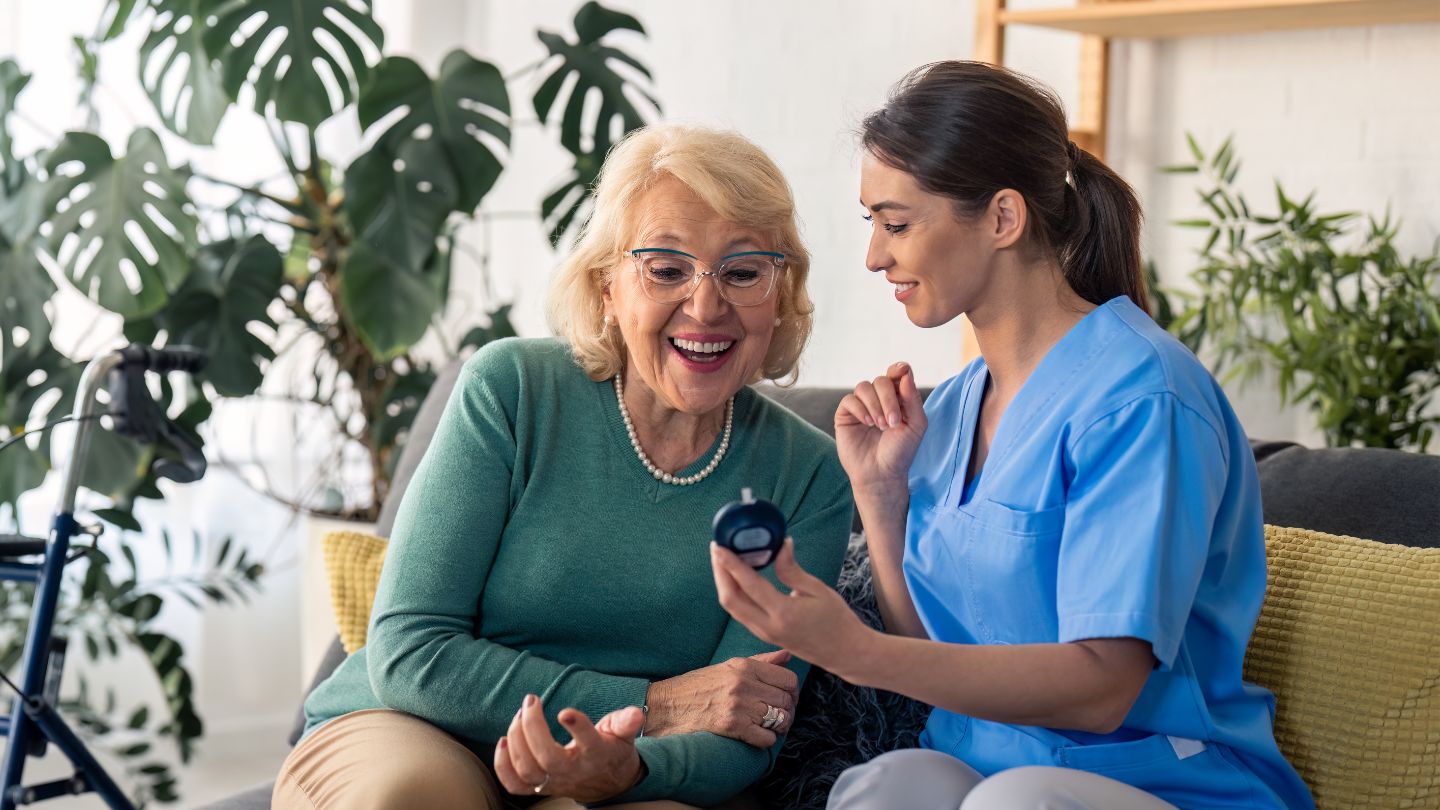
At Guideway Care, we are committed to improving patient experience by providing exceptional advocacy services. Our dedicated team works tirelessly to ensure that patients and their families receive the guidance and support they need throughout their healthcare journey. By focusing on personalized care and addressing the unique challenges each patient faces, we help navigate the complexities of the healthcare system with ease. Contact us to learn more about how we can assist in enhancing your healthcare experience and achieving better health outcomes.

Frequently Asked Questions

What is the role of a patient advocate in healthcare?

A patient advocate helps patients navigate the healthcare system, ensuring their rights are protected and their voices are heard throughout their medical journey.

How does patient advocacy improve healthcare outcomes?

Patient advocacy enhances healthcare outcomes by preventing medical errors, ensuring informed decision-making, and fostering effective communication between patients and healthcare providers.

Why is patient advocacy important for vulnerable patients?

Patient advocacy is crucial for vulnerable patients as it ensures they receive the necessary support and protection, helping them access quality care and make informed healthcare decisions.

How to Improve Tone of Voice in a Medical Call Center

You want to offer your patients and clients the best service, and it all starts with using the right tone when answering incoming calls. Knowing how to improve your tone of voice in a call center makes your patients feel welcomed and comfortable seeking your services. So, how do you do that?

Show a Positive Attitude

People can easily read attitudes during conversations. Patients don’t want to call in and hear a robotic voice on the other end of the line. They want to feel positivity when communicating with someone who also shows empathy, especially during nurse triage service interactions. That’s why it is advisable to use phrases like “I understand” to make them feel connected.

Read the Mood and Adjust the Tone

Another trick when it comes to improving the tone of voice in a call center is to know how to approach different scenarios with the right tone. Know how to read the emotional state of the caller and approach them properly in order to help them. For instance, if the patient is calling to make a complaint and sounds frustrated, it will only get worse if they are approached in a casual tone.

Stay Calm

Staff who have worked in customer service for a long time know the ups and downs of their daily tasks. They meet all kinds of people, including rude and angry customers, and the only way to handle such cases is by staying calm. Being angry will show in your voice and tone, and patients will feel attacked and may escalate the situation.

Stay Professional

One challenge when learning how to improve tone of voice in customer service is finding the balance between being formal and casual. While you want to be friendly and understanding, also remember to maintain a high level of professionalism. When you have the right approach, it becomes easier to interact with patients and help them find solutions to their problems. This balance is key to delivering an effective solution for healthcare.

Show Respect

When you are operating a call center, including a multilingual one, patients can also detect respect in your tone. Therefore, make sure that you use the right words to show that you understand, and assure them that you will help them out. Remember to approach every client the same, even when they are rude and frustrated. Read more: What You Should Know About Multilingual Call Center Services

Perfect Your Medical Call Center With Professional Help

One of the most important aspects of operating a healthcare call center is to address the patient’s needs. Reach out to Guideway Care if you need a team with the right skill sets to handle all your patients and clients when they call in.
Enhancing Patient Satisfaction with the 5 Ps of Nursing Rounding

Enhancing Patient Satisfaction with the 5 Ps of Nursing Rounding

The healthcare industry attempts to enhance patient satisfaction in hospitals through the implementation of the 5 Ps of nursing rounding. This is proactive and forms a core part of quality patient care as patients’ needs are addressed satisfactorily and efficiently. However, a brief discussion is needed here so you’ll know what the 5Ps are in health care and how they improve the patient’s experience.

The 5 Ps

The five Ps in the model for nursing rounding are Pain, Position, Personal needs, Proximity, and Patient Education. Each of these elements exhibits a strategic function in the delivery of care to the patients’ levels of satisfaction.

Pain

Pain, which patients desperately want to avoid, is a main focus. By frequently assessing pain and monitoring its intensity, nurses can reduce clients’ suffering, thus enhancing their satisfaction.

Position

Proper positioning of a patient guarantees their comfort but also helps in avoiding complications, such as deep vein thrombosis or pressure ulcers. Regularly repositioning patients is required to enhance the healing process.

Personal Needs

Basic nursing requires one to feed, hydrate, dress, and move the patient, as well as help them use the toilet or bathe. When these personal needs are met it is usually preferred that they be done as needed and with attention to detail. This makes patients feel seen and wanted while they are in the hospital.

Proximity

Control and self-determination are crucial to a patient’s satisfaction, so having a call button, water, and personal things within reach can alleviate a patient’s anxiety significantly. This aspect of the 5 Ps of nursing rounding makes the surroundings safe and as comfortable as possible for the patients.

Patient Education

Educating the patient about their condition, the medication being given, and discharge information is critical. It also fosters the patients’ involvement in their treatment process and decreases anxiety levels. Tackling patient dissatisfaction in hospitals is highly dependent on the patient’s awareness of what they can expect and the information that is provided to them.

Read more: Optimizing Patient Education in Oncology

The Impact on Patient Satisfaction

Incorporating nursing rounding based on the concept of the 5 Ps enhances the probability of realizing tangible results in patient satisfaction scores. For healthcare providers, this method not only improves the quality of the healthcare delivery system but also improves the bond of trust and loyalty from patients. To learn more about how to gauge patient satisfaction in healthcare, contact Guideway Care and schedule an appointment. Patient-centered care leverage extensive expertise and insights to ensure improved 5Ps and maximum patient satisfaction in hospitals.

Guideway Care partners with hospitals and health systems, oncology practices, risk-bearing entities, payers, bundle participants, and behavioral health providers to enhance patient satisfaction and outcomes. By implementing patient-centered strategies like the 5 Ps of Nursing Rounding, we empower healthcare organizations to deliver proactive, compassionate, and efficient care. Ready to elevate your patient experience? Contact us today to learn how our solutions can make a difference.

Revolutionizing Health Care With the 4 P’s of Patient Experience

Revolutionizing Health Care With the 4 P’s of Patient Experience

The rise of virtual care allows physicians to leverage new technology and connect with their patients. Since the public is more and more willing to use modern technology in the healthcare process, healthcare providers can integrate effective strategies in improving patient experience. Most practitioners, providers, and health systems have adopted the 4 P’S of patient experience to ensure exceptional services. These principles are founded upon proactive, personalized, predictive, and precise experiences.

Proactive Care

Conventional healthcare models usually involve seeking medical attention when you are unwell or experiencing symptoms, only to leave you with a generic prescription that barely addresses your needs. However, the focus is slowly shifting toward a proactive approach where healthcare providers anticipate and address potential health issues before they compromise overall health. This involves regular check-ups, wellness programs, and early interventions based on individual health data. Proactive care improves patient outcomes and reduces healthcare costs by preventing severe conditions that require extensive treatment.

Personalized Care

Another crucial aspect of the 4 P’s of patient experience is personalized care. Individuality in healthcare involves customizing medical treatments and interventions to your specific needs, preferences, and genes. This approach uses innovative technologies like genetic testing, health data analytics, and personalized medicine to create treatment plans that are highly specific to each patient. Personalized care enhances patient satisfaction and ensures they follow treatment plans as required by the doctor.

Predictive Care

Predictive care is all about using data and advanced analytics to identify and prevent potential health issues before they become worse. Physicians analyze large datasets to identify patterns and risk factors that show future health problems. This forward-looking approach transforms healthcare from a reactive to a preventive model, enhancing the quality of care and patient outcomes significantly.

Precise Care

Precision in healthcare means delivering the right treatment at the right time with optimum accuracy. This usually involves using cutting-edge technologies such as robotic surgery, precision medicine, and real-time data monitoring to ensure effective treatments that are minimally invasive and tailored to your specific condition. Precise care reduces the margin of error, enhances recovery times, and improves overall patient safety. Since physicians focus on accuracy and effectiveness, they can deliver high-quality care that meets patient’s needs.

Streamlined Practices and Wait Times

Now that you know the 4 P’s of patient experience, you can ensure quality healthcare and minimal wait times by combining our patient activation platform and trained Care Guides. This helps healthcare facilities provide efficient service while lowering operational costs and total medical expenses. Contact our professionals at Guideway Care, embrace our Value-Based Care, and address the ever-changing needs of patients effectively.

Hospital Beds

Understanding the Impact of HCAHPS Surveys on Hospitals

Did you know that over 7,000 patients daily respond to the Hospital Consumer Assessment of Healthcare Providers and Systems (HCAHPS) survey? Since 2002, HCAHPS has become a crucial measurement tool for ensuring successful healthcare navigation. This survey provides a standardized method for collecting and reporting patients’ perspectives on hospital care. For healthcare organizations striving to enhance patient and consumer experiences, it’s essential to understand HCAHPS surveys and their implications.

The Structure and Purpose of HCAHPS

Before engaging in any survey, knowing the structure and purpose is vital. What should you expect from HCAHPS patient experience surveys? Various aspects of the patient experience, including communication with healthcare providers, cleanliness and silence in the hospital, pain management, and willingness to recommend the hospital. These metrics provide a comprehensive overview of the patient’s hospital experience and are compared across different institutions.

Why HCAHPS Matters

The HCAHPS survey is not just for feedback but also for enhancing the hospital’s operations and reputation. The results are made public, allowing patients to compare hospitals and make informed decisions about where to seek care. High HCAHPS scores can enhance a hospital’s reputation and attract more patients. With that in mind, low scores often deter patients while showing areas that need to improve.

Implications for Hospital Management

Now that you know about HCAHPS patient experience surveys, it is vital to understand their implications for hospital management. The scores on these surveys determine quality and patient satisfaction. In addition, HCAHPS scores show strengths and pinpoint weaknesses in the care process. Hospitals or medical facilities often leverage this information to implement targeted improvements, such as staff training, process redesigns, and facility upgrades.

Read more: Why A Hospital Management System Is Necessary

Challenges and Criticisms

Despite its benefits, the HCAHPS survey has challenges and criticisms. Some healthcare providers argue the survey may not fully capture the complexity of patient care or the diverse needs of different patient populations. Also, the pressure to achieve high scores can sometimes cause unintended consequences, such as prioritizing specific survey metrics over comprehensive patient care.

The HCAHPS survey is vital for hospitals looking to improve patient experience and operational efficiency. At Guideway Care, we deliver proven, technology-enabled solutions that integrate and improve your areas highlighted by HCAHPS. Our trained care guides work to resolve barriers to care, boosting your reputation and securing available financial incentives. Understanding HCAHPS surveys is essential for any healthcare organization that delivers high-quality care.

How To Elevate Patient Care in Healthcare Call Centers With Listening Excellence

In today’s fast-paced healthcare environment, the call center plays a crucial role in facilitating smooth communication between patients and medical service providers. The customer satisfaction call center performance can significantly influence patient perception and trust in healthcare organizations. A pivotal aspect of enhancing customer satisfaction in healthcare call centers revolves around the listening behaviors of call center agents. This blog delves into how these behaviors can meet and exceed patient expectations, thus fostering a positive interaction experience.

The Heart of Patient Communications

Effective listening in healthcare call centers goes beyond simply hearing words—it’s about understanding the emotions, concerns, and needs of the caller. By fostering an environment where callers feel genuinely acknowledged, agents can encourage more open and detailed conversations. This level of attentiveness helps in reducing misunderstandings and promotes cooperation, leading to a smoother resolution of inquiries or issues. When agents excel in listening, they lay the foundation for stronger patient-agent relationships, which are vital for high-quality patient care and customer satisfaction. Read more: Call Center Customer Satisfaction: A Comprehensive Guide for Healthcare Providers

Key Behaviors That Boost Patient Satisfaction

To improve customer satisfaction in call centers, agents should embody three core listening behaviors: attentiveness, responsiveness, and perceptiveness.
  • Attentiveness involves an agent’s focus on the quality and accuracy of the interaction, paying close attention to the patient’s words, feelings, and underlying needs. This detail-oriented approach ensures that the patient feels valued and understood, a critical aspect of effective patient care.
  • Perceptiveness allows agents to grasp the essence of the patient’s needs, even those not explicitly stated. By summarizing and verifying the patient’s concerns, agents demonstrate a deep understanding and commitment to providing personalized care.
  • Responsiveness reflects the agent’s ability to accurately address the patient’s concerns. By reacting promptly to suggestions and asking relevant questions, agents can clarify any uncertainties, ensuring that the patient’s needs are met efficiently and effectively.
These behaviors are instrumental in turning potential call center disaster recovery plan scenarios into opportunities for strengthening trust and loyalty among patients. When agents listen effectively, they not only resolve immediate issues but also contribute to a continuous improvement cycle in patient care services.

Join Us in Revolutionizing Patient Communication

At Guideway Care, we understand the pivotal role that listening plays in enhancing patient care through healthcare call centers. Our dedicated patient care coordinators are expertly trained in the art of listening. They are ready to manage your inbound and outbound calls with the utmost empathy and efficiency. Contact us if you need support with appointment scheduling, insurance verification, or providing detailed patient care instructions, our team is equipped to deliver unparalleled service.

Elevating Patient Experience Through Enhanced First Call Resolution

In the dynamic landscape of healthcare communication, the concept of First Call Resolution (FCR) is critical to unparalleled patient service. This metric represents the ability of call centers to resolve a caller’s query or concern during their initial contact without the need for follow-up calls or transfers. Achieving high FCR rates not only boosts efficiency but significantly reduces wait times in call centers.

Five Key Factors Affecting First Call Resolution

Training and Expertise

The foundation of achieving excellent FCR lies in the comprehensive training and expertise of call center agents. Agents well-versed in healthcare policies, procedures, and systems can efficiently handle patient inquiries. Continuous training and regular updates on healthcare developments, such as new services or changes in insurance policies, empower agents to provide accurate information and solutions, reducing the need for call transfers or callbacks.

Knowledge and Authority

An agent’s in-depth knowledge and authority to make decisions play a crucial role in first call resolution. When agents are fully informed about recent healthcare campaigns, product launches, or known issues, they are better equipped to address patient concerns. Furthermore, empowering agents with the authority to resolve specific issues without transferring the call significantly enhances FCR.

Effective Call Routing

The call routing system is another factor that influences first call resolution. Advanced routing mechanisms, such as Automatic Call Distributors (ACDs) and Interactive Voice Response (IVR) systems, ensure that patients are quickly connected to the most suitable agent. By matching patient needs with agent expertise and language proficiency, healthcare call centers can greatly improve FCR rates. Read more: How Call Routing Can Transform Your Healthcare Service

Access to Information

Immediate access to comprehensive patient information and healthcare data is vital for first call resolution. Integrated software systems that offer a 360º view of the patient’s history enable agents to address concerns more effectively. Ensuring that agents have real-time access to accurate product and service information further aids in resolving patient issues during the first call.

Complexity and Environment

The complexity of patient calls and the call center’s work environment are other factors influencing first call resolution. Simplifying complex healthcare policies and streamlining procedures can make it easier for agents to provide clear and concise solutions. A supportive work environment that minimizes inefficiencies and promotes collaboration among agents can also enhance FCR.

Reach Out To Enhance Your Patient Communication

Elevating first call resolution is a multifaceted approach that encompasses comprehensive training, knowledge empowerment, effective call routing, access to information, and simplification of complex interactions. If you’re looking to transform your patient communication landscape, contact Guideway Care. Our medical call center provides dedicated patient care coordinators trained to manage your inbound and outbound calls with a patient-centric approach. Let us help you deliver exceptional patient care, where your calls are answered promptly and professionally.

Crafting the Heart of Patient Care: 4 Key Essentials for a Healthcare-Centric Call Center

In today’s fast-paced healthcare landscape, the call center serves as the heartbeat of patient interaction. It’s where first impressions are made and lasting relationships are built. This interaction goes beyond mere conversation—it’s about creating a seamless, supportive, and understanding environment for every patient who reaches out. As healthcare providers, recognizing the essentials of a customer-centric call center is not just beneficial but imperative for fostering trust and ensuring patient satisfaction.

1. Deep Dive Into Patient Insights

The foundation of any customer-centric call center lies in deeply understanding those you serve. In healthcare, this means gravitating toward a more nuanced comprehension of patient needs, preferences, and expectations. How can this be achieved?
  • Establishing a dedicated Customer Insight Team focused on leveraging data to inform every decision.
  • Adjusting data organization to align with service strategies.
  • Ensuring comprehensive patient information (like socioeconomic status and health history).

2. Empower Your Frontline

A medical call center thrives when its agents are not just informed but empowered. Education on the healthcare provider’s values, culture, and brand promise allows agents to embody and convey these principles in every patient interaction. Encouraging autonomy and creative problem-solving fosters an environment where agents feel valued and are motivated to deliver exceptional service. Empowerment also means arming your agents with the right tools and a comprehensive view of the patient’s journey, ensuring that they can address concerns effectively and efficiently on the first contact.

3. Foster Whole-Team Engagement

Customer-centricity must permeate the entire organization. This involves:
  • Integrating customer-centric values into every department.
  • Enhancing inter-departmental collaboration.
  • Developing policies that support superior patient support.
Encouraging back-office staff to spend time on the frontline can bridge the gap between different areas of the organization, leading to a more unified approach to patient care.

4. Lead With a Patient-First Mindset

True customer-centricity in healthcare starts from the top. Without visible, committed leadership, aspiring to a patient-first approach remains just that—an aspiration. Leaders must clearly define and communicate the vision of patient-centric care, setting the standard for practice and policies. By being actively involved, responding to patient feedback personally, and sharing success stories, leaders can inspire their teams to strive for excellence in every patient interaction.

We’re Here to Transform Patient Care Together

These pillars of a customer-centric call center highlight the journey toward achieving excellence in healthcare communication. At Guideway Care, our medical call center embodies these principles, ensuring your patients receive the attentive, personalized care they deserve—every call, every time. Let’s work together to elevate your patient engagement and transform patient care. Contact us today to learn how we can support your goals.

Omnichannel vs Multichannel Support

The healthcare industry is very competitive, which is why organizations need to be acutely attuned to their customers’ needs to remain in business. A good customer service strategy allows you to deliver positive patient experiences, motivating them to remain loyal to your practice or organization. Conversely, a poor customer service strategy can lead to patient dissatisfaction and erosion of trust. It can significantly undermine your organization’s reputation and drive your customers into the arms of your competitors. Two common strategies you can leverage to enhance service delivery at your health call center are multichannel and omnichannel support. Let’s explore how each works to help you create the right strategy for your healthcare business.

Multichannel Channel Customer Support

Multichannel customer service involves offering support through multiple communication channels such as phone calls, emails, chatbots, and social media platforms. Each channel operates independently, allowing patients to choose their preferred contact method. For instance, patients can schedule appointments via phone, inquire about prescription refills via email, or seek assistance through live chat on the organization’s website. Although multichannel service provides flexibility and convenience, it can result in disjointed experiences as interactions across channels are not synchronized. That’s where omnichannel customer support comes in.

Omnichannel Customer Support

Omnichannel customer service takes multichannel support a step further by providing an integrated experience across all communication channels. In an omnichannel approach, patient interactions are unified and synchronized, regardless of the channel used. Patients can initiate contact through one channel and seamlessly transition to another without losing context or repeating information. For example, a patient could start a conversation about a medication refill request via email and follow up with a phone call without experiencing any communication gaps. Omnichannel customer service aims to deliver consistency, continuity, and personalized experiences. As such, organizations that employ this strategy typically enjoy stronger patient-provider relationships.

Multichannel vs Omnichannel Customer Support—Which Strategy Is Better?

Now that you understand the difference between multichannel and omnichannel customer support, you might be wondering which strategy to use. The truth is omnichannel customer support is indispensable in today’s highly digitized landscape. Customers expect seamless and integrated experiences. This means they can be easily turned off when a business’s customer support seems disjointed. Leveraging an omnichannel customer support strategy in your medical call center services can help you create more satisfying patient experiences. This, in turn, will motivate your patients to stay loyal to your business. If you’d like to create a more effective customer support strategy at your medical call center, contact Guideway Care to learn about our services.

Why Tone of Voice Matters in a Healthcare Contact Center

The importance of tone of voice in a contact center can hardly be overstated. This is especially true for a healthcare organization. After all, every interaction with your medical call center holds the potential to shape your patients’ experiences for better or worse. Here are a few reasons you should always maintain the right tone with your patients.

It Enhances Communication and Understanding

It’s no secret that the healthcare domain is rife with complex terminology and intricate details. These can be challenging for a layperson to understand, especially if they speak a different language. Employing a clear and measured tone of voice in your contact center promotes better communication with your patients. It ensures they comprehend the information being shared and minimizes the risk of interpersonal misunderstandings.

It Fosters Trust

Trust is the cornerstone of any relationship between a patient and their healthcare provider. Your tone of voice plays a vital role in building and maintaining this trust. A warm and confident tone reassures patients while reaching out to your medical contact center services. This, in turn, fosters a sense of confidence in your healthcare organization’s services.

It Demonstrates Empathy

Patients usually reach out to healthcare call centers to seek assistance with personal health concerns and questions. Employing a compassionate and empathetic tone of voice in your call center helps ease their anxieties. By conveying genuine concern and understanding, you not only address your patients’ immediate issues but also contribute to their overall sense of well-being. Read more: Overcoming 3 Key Challenges in Integrated Voice Response Systems

How to Improve Your Tone of Voice

Maintaining the right tone of voice is key to ensuring your patients have a satisfying experience. Here are some simple yet effective tips on improving the tone of voice in your call centers.

Be Mindful of Pace

Speaking too quickly can leave your patients feeling overwhelmed, while a slow pace may be perceived as disinterest. Find a comfortable pace that allows for clear articulation and encourages patient engagement. Pay attention to cues from the caller and adjust your speed accordingly.

Practice Active Listening

Before responding, take a moment to comprehend the patient’s concerns. Active listening ensures that you address their specific needs and allows you to tailor your tone appropriately. Remember to acknowledge your patients’ feelings and concerns to convey genuine empathy.

Use Positive Language

Patients appreciate a positive and uplifting tone, especially when navigating health-related issues. Choose words that inspire confidence and convey a positive outlook. Even when delivering challenging information, framing it in a constructive manner can soften the impact.

Hire a Professional Medical Call Center

If you are searching for a reliable call center to handle your inbound calls, then look no further than Guideway Care. We can help address customer queries, boost your public image, and attract potential clients. Get in touch with us today!

Why Is Call Center Retention Important?

Keeping clients satisfied is critical to the success of any business, and healthcare organizations are no exception. As a healthcare service provider, your commitment to exceptional patient care extends beyond your medical expertise. It encompasses the entire patient experience right from the first point of contact. Staying on top of communications with your patients can be challenging in a fast-paced medical organization. This is especially true if there are few available staff. Inbound calls may go unanswered as nurses are occupied elsewhere. Other calls may be put on hold for long periods of time, causing your clients to become frustrated. Working with a healthcare call center is a great way to improve the efficiency of your organization and retain customers. Here are a few reasons why medical call center retention is crucial for your healthcare business:

It’s Cost Effective

The cost-effectiveness of retaining existing patients cannot be overstated. Acquiring new patients involves significant marketing and outreach, which can be cost-intensive. Retaining your current patients through exceptional call center service is a more sustainable and cost-efficient strategy. With the rising costs in the healthcare industry, it’s crucial to optimize your organization’s operational efficiency. Having a well-functioning medical call center contributes significantly to this goal. By nurturing relationships with existing patients, you minimize the need for extensive marketing efforts to attract new ones. This ultimately saves resources and boosts your organization’s financial health.

It Contributes to Customer Satisfaction

The success of a call center customer retention program is closely tied to patient satisfaction. Patients who experience seamless interactions with your call center are more likely to express satisfaction with your overall services. When your patients are satisfied, they become advocates for your organization. This, in turn, bolsters your reputation, attracting new patients and reinforcing the bonds you have with existing ones.

It Fosters Trust and Credibility

Patients often seek healthcare services during some of the most vulnerable moments of their lives. So, whether they’re scheduling appointments, seeking medical advice, or checking in for treatment, your patients expect clarity, empathy, and efficiency. Call center retention strategies, like forwarding and call transfers, allow you to handle a large number of calls. Leveraging such techniques can help your organization’s medical call center build trust with patients. When your patients feel understood and valued, they are likely to remain loyal to you and even recommend your organization to others.

Do You Need Help Improving Your Call Retention?

If you struggle with handling the large number of calls your healthcare organization receives, Guideway Care is here to help. Our medical call center is well-staffed and equipped to manage all your inbound calls and appointments so you can focus on delivering the best service to your patients.

Unveiling the Significance: Why Patient Access to Medical Records Is Crucial

In an era where information is power, patient access to medical records stands as a cornerstone for effective healthcare. But why does this matter so much? Let’s explore the multifaceted reasons that make access to health records not just a convenience but a necessity.

The Changing Landscape of Healthcare

Healthcare has evolved dramatically, with patients demanding more transparency and control over their medical data. Laws like the CMS Interoperability Rule and the Meaningful Use Program are pushing for greater patient access to health records. These regulations aim to dismantle barriers and ensure that patients can view their medical data electronically.

The Triple Benefits of Access

Increased Engagement

Patient access to medical records serves as a catalyst for heightened engagement in one’s healthcare journey. When patients can easily review their medical history, lab results, and treatment plans, they gain a clearer understanding of their health status. This knowledge empowers them to ask pertinent questions during medical consultations, fostering a more collaborative patient-provider relationship. In turn, this enhanced interaction often leads to more personalized treatment plans and better health outcomes.

Improved Adherence to Treatment

The importance of patient access to health records extends to treatment adherence. With all the necessary information at their fingertips, patients find it easier to stick to prescribed treatments and medications. Easy access to medical records allows them to keep track of various medications, dosages, and schedules, reducing the likelihood of errors or omissions. Consequently, this higher level of adherence often results in more effective treatment and faster recovery.

Enhanced Patient Experience

Finally, patient access to medical records significantly improves the overall healthcare experience. In today’s digital age, consumers are accustomed to having immediate access to information. The same expectation applies to healthcare. When patients can easily access their medical records, they experience a sense of control and transparency that is often lacking in traditional healthcare settings. This not only satisfies the modern healthcare consumer’s demand for convenience but also builds trust between patients and healthcare providers. Read More: Why Is The Patient Experience So Important In Healthcare?

Practical Steps for Improvement

Healthcare providers can take several steps to improve patient access. One effective way is through patient portals that integrate with Electronic Health Records (EHR). These portals not only display medical records but also offer features like online refill requests and two-way messaging.

A Call to Action: Secure Your Health With Guideway Care

Sequence of Activation

As we navigate the complexities of modern healthcare, Guideway Care offers solutions for healthcare that prioritize patient access to medical records. Our state-of-the-art systems ensure that you are always in the loop about your health status, making healthcare more transparent, accessible, and patient-centric.

How Medical Answering Services Elevate the Doctor-Patient Relationship: A Guide by Guideway Care Sequence of Activation

In today’s fast-paced healthcare environment, the doctor-patient relationship is more crucial than ever. Medical answering services have emerged as a pivotal tool in enhancing this relationship, offering a myriad of benefits to both healthcare providers and patients.

The Imperative for 24/7 Availability

One of the most significant advantages of a medical answering service is its round-the-clock availability. This feature is particularly beneficial in the healthcare sector, where emergencies can occur at any time. A 24/7 service ensures that patients receive timely attention and care, thereby strengthening the doctor and patient relationship.

Compliance with HIPAA Regulations

HIPAA compliance is a critical aspect of healthcare services. Medical answering services that adhere to HIPAA guidelines ensure the confidentiality and security of patient information. This adherence not only protects the healthcare provider from legal complications but also builds trust with patients.

Enhancing Patient Experience

A medical answering service goes beyond merely handling calls. It aims to offer a personalized experience to each patient, thereby improving overall satisfaction levels. Customized scripts and professional staff ensure that patients feel valued, further solidifying the doctor-patient relationship. For more on this, check out the importance of patient feedback and reviews in healthcare.

Streamlining Operations

Efficiency is a cornerstone in healthcare management. Medical answering services help in organizing appointments, sending reminders, and even integrating with existing management software. This streamlining not only saves time but also reduces operational costs.

The Role in Pandemic Times

The COVID-19 pandemic has led to an increase in telephone consultations. Medical answering services have played a crucial role in this shift, providing a reliable channel for patients to seek medical advice without the risk of virus transmission.

The Guideway Care Sequence of Activation Advantage

At Guideway Care, we offer a health call center that is not just HIPAA compliant but also highly efficient. Our services are designed to meet the unique needs of each healthcare provider, ensuring that both staff and patients benefit from streamlined operations and improved communication.

Choose Guideway Care Sequence of Activation for a Better Healthcare Experience

In conclusion, medical answering services are not just an operational tool but a strategic asset that can significantly improve the doctor-patient relationship. Contact us for a service that is compliant, efficient, and, most importantly, focused on delivering the best patient care. For a healthcare experience that stands out, Contact Sequnece Health.

Call Center Customer Satisfaction: A Comprehensive Guide for Healthcare Providers

Ensuring high customer satisfaction is not just a desirable outcome—it’s a requirement. Patient interactions in healthcare call centers can be highly sensitive and complex, making customer satisfaction a key measure of success. This comprehensive guide discusses the strategies and best practices for achieving and maintaining high call center customer satisfaction in medical services.

Understanding Call Center Satisfaction

Call center satisfaction rests on the following key factors:
  • Communication: There should be clear and effective communication between agents and patients. Agents should be able to listen actively, understand patients’ needs, and convey information concisely and understandably.
  • Resolution: In medical call center services, resolving patient inquiries or issues during the initial call (First-Call Resolution) is pivotal in satisfaction as it reduces the need for follow-up calls.
  • Empathy: In the healthcare domain, empathy is paramount. Patients want to feel heard, understood, and cared for; therefore, agents should exhibit compassion and patience.
  • Efficiency: Quick and efficient call handling is essential. Patients should not be kept waiting excessively, and transfers or call escalations should be minimized.

Strategies to Enhance Call Center Customer Satisfaction

Comprehensive Training

Well-trained agents are the foundation of call center satisfaction. Training should cover medical knowledge, communication skills, empathy, and active listening. Agents should be equipped to handle diverse patient inquiries confidently.

Technology Integration

Utilize technology to streamline operations. Implement electronic health records (EHR) access, call analytics, and customer relationship management (CRM) systems to provide agents with the information they need to serve patients effectively.

Empathetic Communication

Empathy is a core component of customer satisfaction in calls. Train agents to express empathy, validate patients’ concerns, and convey a genuine willingness to help.

Standardized Protocols

Develop standardized protocols for common medical inquiries. These protocols ensure consistency in handling calls and help agents provide accurate information promptly.

Quality Assurance

Implement quality assurance programs that include call monitoring, feedback, and coaching. Regularly assess call center performance and identify areas for improvement.

Patient Feedback

Seek feedback from patients regarding their call center experiences. Use surveys or post-call follow-ups to gather insights. Patient feedback is invaluable for identifying areas of improvement.

Continuous Improvement

Call center satisfaction is an ongoing endeavor. Continuously evaluate and update processes, training materials, and technology to adapt to evolving patient needs and industry best practices.

Satisfaction With Guideway Care Sequence of Activation

In the healthcare domain, call center customer satisfaction is not just a metric; it reflects the quality of care. By implementing these strategies and fostering a patient-centric approach, medical call centers can excel in delivering exceptional service, ensuring patients feel valued and well-supported during their interactions. Ultimately, high levels of call center satisfaction contribute to improved patient outcomes and a positive reputation in the healthcare industry. Contact Guideway Care today for your call center solutions.

Why Social Media is so Important for Call Centers

In today’s day and age, social media has really taken the world by storm. With billions of users across the globe, social media is obviously an important part of several businesses. But when it comes to health care services, you can also gain a lot of advantages by using social media. In this article, let’s talk about various reasons why social media should be used along with your medical call center operations.

The Benefit Of Social Media & Call Centers

There are some really important health care call center best practices, and social media is one of them. Let’s look at some reasons why:

Always see mentions

The use of social media for call centers helps you stay aware. You can keep an eye out for your brand mentions on online platforms. The mention may be positive or may be negative. If it’s positive, you can double down on the exposure and show your market that others approve of your services. If it’s negative, you can respond to it quickly. This shows that you’re proactive and you care about your brand.

Real-time responses

Sometimes people want another way than a phone call to reach out to you. By leveraging multi-channel like using social media, you can respond to customer inquiries. You can also answer questions or help people schedule appointments via social media. If you want more help with this, reach out to Guideway Care Our medical call center is experienced using social media, email, text, phone calls, and more to stay in communication with your patients.

Leveraging mobile traffic

More and more people today use their mobile devices to interact with brands and the internet. If you’re not on social media, it’s going to be difficult for those mobile customers to find you.

Increase brand awareness

There’s a lot of competition today. You need to consistently improve your brand awareness by using social media. It’s an organic outreach. That means that you don’t have to pay for advertisements. Ultimately, this can help you save costs. Therefore, you’re using less budget on marketing and more budget on enhancing your operations.

See what the community wants

Your community locally is likely to be engaged on several social media forums or platforms. You need to identify where these are. There, you can interact with your market or at least get an inside view to their kinds of problems. For instance, you may find that someone discusses their health problems using certain terminologies or ways to describe their pain. This will help your doctors and other staff when helping these patients get relief.

Low-hanging fruit

Luckily, it doesn’t take that long to get used to posting or interacting on social media. You combine this with the fact that it’s free or very low cost for business level plans. It’s a no-brainer. You should absolutely be on social media to expand your awareness and capture any organic traffic that may happen due to it.

Contact Guideway Care Sequence of Activation For Your Social Media & Call Center Needs Today

At Guideway Care, we understand the importance of leveraging social media and other marketing platforms to grow your business. With our in-depth social media & call center services, we can help you grow your practice while serving your patients. Ultimately, that’s the best of both worlds when it comes to increasing your reputation and ensuring the best health outcomes for all of your patients.