Problem context: inbound demand does not convert into new patients. Also searched as: attract new patients, new patient growth, conversion rate, profitable revenue growth.
The healthcare industry faces unique challenges in lead generation, from strict compliance requirements to building patient trust and handling sensitive data. At the same time, today’s patients are more informed and digitally active, often researching providers and comparing options before making a decision. This shift makes traditional marketing insufficient, requiring a more strategic, data-driven approach. In this blog, we explore how choosing the right healthcare lead generation partner is essential to attracting high-intent patients and improving conversions. A strong strategy focuses not just on visibility, but on engagement and appointment bookings, driving consistent, measurable growth through a well-managed patient acquisition funnel led by experts like Guideway Care .
Guideway Care Sequence of Activation
Guideway Care is a healthcare-first marketing and lead generation services provider known for patient acquisition and conversion support. They operate as a true marketing partner for organizations focused on scheduled procedures and service-line growth, combining digital marketing with hands-on patient engagement.
Their solutions are designed specifically for healthcare providers, including hospitals, specialty clinics, and multi-location practices. Instead of applying generic marketing tactics, Guideway Care builds strategies that align with how patients search for care, evaluate providers, and ultimately make decisions.
What sets Guideway Care apart is its ability to manage the entire patient journey, from the moment a potential patient becomes aware of a service to the point where they book and attend an appointment. This full-funnel approach ensures that no opportunity is lost due to poor follow-up, inefficient processes, or gaps in communication.
Core Services
Patient Lead Generation Campaigns
Guideway Care develops and executes targeted patient acquisition campaigns using a mix of paid search, social media advertising, and content marketing. These campaigns are designed to reach high-intent individuals actively searching for specific treatments or healthcare services.
Rather than casting a wide net, the focus is on precision targeting. This includes identifying the right keywords, demographics, and behavioral signals that indicate a patient is ready to take action. As a result, healthcare providers receive leads that are more likely to convert into consultations and procedures.
Healthcare Digital Marketing Strategy
Every healthcare organization has unique goals, whether it’s increasing elective procedures, expanding into new service lines, or improving patient acquisition in competitive markets. Guideway Care creates customized digital marketing strategies tailored to these specific objectives.
Their approach includes audience segmentation, service-line prioritization, and channel optimization. By aligning marketing efforts with business goals, they ensure that campaigns are not only effective but also scalable over time.
Search Engine Optimization (SEO)
Search visibility plays a critical role in healthcare lead generation. Patients often begin their journey with a search query, looking for symptoms, treatments, or local providers.
Guideway Care provides specialized SEO services for medical practices, focusing on both local and service-specific optimization. This includes improving website structure, creating high-quality content, and optimizing for relevant keywords to ensure healthcare providers appear prominently in search results. The result is a steady flow of organic traffic from patients actively seeking care, one of the most valuable and cost-effective sources of leads.
Call Center and Clinical-Informed Patient Intake Support
One of the most overlooked aspects of healthcare lead generation is what happens after a lead is captured. Many organizations struggle with delayed responses, missed calls, or unstructured follow-ups, which can significantly reduce conversion rates.
Guideway Care addresses this challenge through its clinical-informed call center support. Their trained teams engage with prospective patients, answer questions, and guide them through the next steps in their healthcare journey. This human touch is critical in healthcare, where trust and reassurance play a major role in decision-making. By providing timely and informed communication, Guideway Care helps convert inquiries into confirmed appointments more effectively.
Real-World Impact
Guideway Care partnered with Fresno Heart & Surgical Hospital to support growth and efficiency within the Fresno Heart & Surgical Hospital’s major bariatric surgery program. By improving lead management, patient follow-up, and communication workflows, Guideway Care helped the hospital better engage prospective bariatric patients and streamline the path from inquiry to consultation.
This collaboration highlights the importance of aligning marketing efforts with operational processes. It’s not just about generating interest; it’s about ensuring that every inquiry is handled efficiently and professionally. As a result, the hospital was able to enhance patient engagement, reduce drop-offs, and improve overall program performance.
The Importance of Full-Funnel Healthcare Lead Generation
Healthcare lead generation is fundamentally different from other industries. Patients are not simply making quick purchasing decisions; they are making choices that impact their health, well-being, and quality of life. Because of this, the journey from initial interest to final decision is often longer and more complex. It involves research, consultation, trust-building, and sometimes multiple interactions before a patient commits to treatment.
A full-funnel approach ensures that every stage of this journey is supported:
Awareness: Reaching potential patients through search engines, social media, and digital campaigns
Consideration: Providing valuable information, answering questions, and building trust
Conversion: Guiding patients toward booking an appointment
Follow-Up: Ensuring continued engagement and reducing no-shows
Guideway Care excels in managing each of these stages, creating a seamless experience that increases the likelihood of conversion.
Why Guideway Care Sequence of Activation Stands Out
There are many marketing agencies that offer lead generation services, but few specialize exclusively in healthcare. This specialization is crucial, as the industry requires a deep understanding of compliance, patient privacy, and ethical marketing practices. Guideway Care stands out because of its healthcare-first approach. Their strategies are built around patient behavior, clinical workflows, and the unique challenges faced by healthcare providers.
Another key differentiator is their integration of marketing and patient engagement. Instead of treating lead generation and conversion as separate processes, Guideway Care connects them through a unified system that ensures consistency and efficiency. Their focus on measurable outcomes also sets them apart. Rather than relying on vanity metrics like clicks or impressions, they prioritize metrics that matter, such as appointments, patient volume, and return on investment.
Benefits of Partnering with Guideway Care Sequence of Activation
Working with Guideway Care offers several advantages for healthcare organizations looking to scale their patient acquisition efforts:
Higher Quality Leads: Targeted campaigns attract patients who are actively seeking care
Improved Conversion Rates: Structured follow-up and call center support increase appointment bookings
Better Patient Experience: Timely communication and guidance build trust and satisfaction
Scalable Growth: Data-driven strategies allow for consistent and predictable expansion
Operational Efficiency: Streamlined processes reduce administrative burden on internal teams
These benefits make Guideway Care a strong partner for organizations aiming to grow sustainably without compromising on quality or patient care.
Final Thoughts
Healthcare lead generation requires a strategic approach that goes beyond basic marketing tactics. From navigating compliance and building patient trust to managing the full patient journey, success depends on attracting high-intent leads and converting them into actual appointments. A well-structured, full-funnel strategy ensures consistent patient acquisition, improved engagement, and measurable growth for healthcare organizations.
Guideway Care stands out in Healthcare Lead Generation by combining targeted digital marketing with clinical-informed patient engagement. Their full-funnel approach not only drives qualified leads but also ensures effective follow-up and conversion into scheduled appointments, making them a reliable partner for healthcare providers seeking sustainable and scalable growth. Contact us to discover customized healthcare lead generation strategies that increase conversions, boost appointment volume, and deliver measurable results.
Medical call centers are crucial for attracting new patients. They use multichannel outreach—such as phone calls, SMS, email, and social media—to ensure effective communication and personalized support. This blog delves into these strategies, showing how medical call centers drive patient acquisition through multichannel outreach and satisfaction.
Key Takeaways
Medical call centers are crucial for patient acquisition, offering services that enhance patient experience and foster financial growth for healthcare providers.
Multichannel outreach, including phone calls, SMS, email marketing, and social media, significantly improves patient engagement by meeting diverse communication preferences.
Personalized communication strategies, backed by data insights and patient personas, are essential for enhancing patient satisfaction and loyalty in healthcare.
The Role of Medical Call Centers in Patient Acquisition
Call centers in the healthcare industry serve as pivotal instruments for securing new patients and are fundamental to the growth of medical providers. These call center operations not only drive patient recruitment but also play a significant role in aiding healthcare facilities’ financial stability by ensuring that every interaction contributes to an exceptional patient experience.
The utility of these call centers extends across various dimensions, encompassing tasks such as fielding inquiries, scheduling appointments, confirming insurance details, and facilitating billing processes—all tailored to meet specific patient requirements within clinical environments. Effective communication is paramount because individuals often have multiple options when seeking care. Hence, they rely on accessible support from dedicated representatives who swiftly address their needs. The presence of immediate assistance via live agents serves a crucial function in alleviating concerns, which consequently boosts contentment with services received and helps increase patient intake numbers.
In primary interactions, medical call centers enhance the quality of engagement through educational initiatives and problem resolution across multiple platforms, fostering robust connections with those they assist. Following assessments conducted online, these contact hubs proactively reach out for Discussion on evaluations carried out or instructions for subsequent actions necessary—a step instrumental in reinforcing involvement levels with clientele. Winning new clients becomes imperative when contemplating long-term viability within an increasingly competitive health sector landscape.
Leveraging Multichannel Outreach for Better Patient Engagement
In the current era of technology, healthcare providers need to adopt multichannel approaches that cater to various communication preferences among patients. By employing a mix of outreach techniques, healthcare organizations can boost patient engagement by offering numerous ways for patients to interact with them. An all-encompassing omnichannel strategy markedly bolsters the effectiveness of communications within the health sector.
Availability around the clock through call centers facilitates better patient engagement and reduces instances of no-shows by providing options like rescheduling appointments at an earlier time if necessary. Modern-day patients anticipate being able to reach out via several channels, including email, secure messaging platforms, and social media networks. When comparing omnichannel vs. multichannel support, omnichannel ensures a seamless and integrated patient experience across all communication platforms, while multichannel focuses on offering multiple, yet often disconnected, avenues for interaction.
Guideway Care specializes in creating custom digital marketing strategies aimed at increasing online presence for healthcare institutions and drawing in new clientele. Their offerings encompass developing websites optimized for user experience, which enhance patient involvement and simplify the process of capturing leads. They provide search engine optimization (SEO) services designed to improve how prominently healthcare providers appear in internet searches.
Phone Calls and SMS
Telephone communication continues to play a crucial role in connecting with patients, and its effectiveness is amplified when combined with text message reminders. Initiatives like follow-up calls after treatment and alerts for prescription refills are components of proactive outreach strategies that keep patients actively involved in their care journey. The use of both calling and texting has been shown to enhance the scheduling of patient appointments more successfully.
Text messaging is becoming the preferred method for many patients due to its high likelihood of being read, which improves participation levels. This method doesn’t just elevate the level of patient contentment. It also contributes to reducing no-shows. As a result, this leads not only to superior health results for individuals but also facilitates healthcare services that are financially sounder and more efficient overall.
Email Marketing
By disseminating educational resources through email campaigns, healthcare marketers can cultivate leads and prepare potential patients for upcoming appointments. This preparation not only makes the patient feel more informed but also facilitates deeper and more significant conversations during their visits.
Email marketing serves as a powerful instrument that enables healthcare providers to maintain uniform messaging while tailoring content to meet individual needs. Its capacity to connect with a vast audience is essential in executing multi-channel campaigns that enhance patient engagement and ultimately boost patient satisfaction.
Social Media Integration
Healthcare providers can harness social media networks to foster trust and disseminate crucial health-related knowledge to patients. Guideway Care employs these platforms for social media marketing, assisting healthcare providers in forging connections and establishing trust with their patient base within health systems through engaging content. A specific healthcare provider experienced a marked enhancement in brand recognition as a result of focused outreach on social media.
When incorporated into their marketing strategies, social media enables healthcare providers the opportunity for immediate interaction with patients, addressing questions, and broadcasting critical news updates. Such tactics not only improve engagement from patients but also solidify the relationship between the provider and patient.
Personalizing Patient Communication
Ensuring personalized communication is pivotal to attracting and maintaining a patient base. An overwhelming majority of 72% of patients favor care that is customized to meet their individual health requirements. Demonstrating attention in healthcare interactions fosters patient devotion and boosts satisfaction levels. Personalized direct-to-patient marketing strategies are effective at honing in on specific patient groups, establishing enduring relationships, and cementing brand loyalty.
Optimizing the process for organizing appointments combined with tailored follow-up communications significantly improves both patient contentment and fidelity to the provider or facility. Custom-tailored engagements from call center representatives cultivate a sense of loyalty among patients while elevating overall satisfaction by efficiently managing customer relations, thereby delivering an uninterrupted and smooth experience for the patient.
Using Data Insights
Healthcare marketers can harness offline patient data to craft highly personalized messages that resonate with individual patients. The analysis of this patient’s information is crucial for developing communication strategies that cater specifically to the unique needs and preferences of each person. This enables marketers to segment their patient audiences accurately and tailor their messaging for maximum impact.
By capitalizing on insights derived from data, healthcare marketers see improvements in both patient satisfaction levels and rates of new patient acquisition. The use of valuable feedback obtained through methods such as patient surveys helps fine-tune these approaches even while maintaining the relevance and appeal of communications with patients.
Creating Patient Personas
Crafting patient personas enables healthcare marketers to pinpoint their target audience with precision, providing customized messages that resonate with distinct segments of patients. Recognizing the nuances in patient behavior and requirements empowers healthcare providers to devise communication strategies that are both personalized and effective.
These personas contribute significantly to enhancing patient satisfaction by aligning the materials and services offered through patient portals with individual health journeys, thus improving access for patients. Engaging patients in this manner nurtures a sense of being understood and attended to according to their unique needs, thereby fostering an environment where patients feel appreciated by their healthcare providers, cultivating loyalty among those who perceive value in the care they receive.
Enhancing Patient Experience Through Seamless Interaction
Implementing an omnichannel approach with a centralized agent interface enables call centers within healthcare organizations to efficiently handle communications across multiple channels. Through the use of multi-channel strategies in marketing directly to patients, it’s possible to engage a broader patient base and heighten their involvement. Using disjointed and chaotic software systems can complicate operations and delay response times, which can detrimentally affect patient satisfaction.
Patients expect interactions with healthcare providers to be seamless and intelligent. Meeting these expectations is critical for cultivating patient loyalty within the healthcare system. Excessive waiting times during calls may result in frustration among patients, causing them to terminate calls prematurely without rescheduling.
Conducting thorough evaluations of patient satisfaction via surveys serves as a vital tool for pinpointing areas where enhancements are necessary. These improvements aim to bolster overall service quality while elevating levels of patient satisfaction.
Unified Patient Information
Integrating data from call centers into health records enhances the coordination of patient care and helps to reduce mistakes. By establishing a centralized database within call centers, there is assured consistent information access, which leads to faster resolutions for patients’ concerns. This integrated approach streamlines interactions by cutting down on repeated information requests, thereby speeding up resolution times and elevating the patient experience.
Integration tools that bring together different communication channels can foster a more cohesive patient interaction landscape, bolstering engagement as a whole. The Agent Desktop for healthcare provides healthcare contact center agents with an integrated perspective of patient details while working within their current systems.
Proactive Outreach Strategies
Providing prompt responses from call centers can significantly reduce patient anxiety, particularly when emergencies occur outside of regular hours. By offering uninterrupted access to healthcare support through 24/7 medical call centers, healthcare providers increase patient satisfaction. Patient engagement is also greatly improved by utilizing automated reminders and follow-up calls, which help in decreasing the rate of no-shows for appointments.
Incorporating medication refill reminders as part of proactive outreach strategies ensures that patients remain well-informed and actively involved in their care. Employing predictive analytics enables healthcare providers to identify at-risk patients more efficiently so they can implement early interventions within their outreach efforts.
Utilizing Predictive Analytics for Targeted Outreach
Healthcare marketing can be significantly improved through predictive analytics, which detects patterns that inform customized patient outreach strategies. By analyzing both historical and real-time healthcare data, marketers are able to predict future patient behaviors and requirements. The incorporation of artificial intelligence into predictive analytics equips healthcare marketers with the ability to anticipate and adapt to patient needs and inclinations.
Contact center agents can utilize predictive analytics to determine the most appropriate next step or course of action for an individual. This method guarantees that patients obtain information that is not only relevant but also delivered at just the right time, thereby enhancing overall patient engagement as well as satisfaction levels.
Ensuring Data Security and Compliance
It is essential for call centers to adhere to regulatory standards such as HIPAA in order to secure the privacy of patient data. By being compliant with HIPAA, medical call centers can maintain their credibility and foster trust among patients. Non-compliance could lead healthcare organizations to face severe penalties and disciplinary actions.
Secure systems and procedures must be established by medical call centers to safeguard patient health information effectively. Staff training on HIPAA regulations plays a critical role in preserving confidentiality within these facilities. When medical call centers implement practices that are compliant with HIPAA, they reduce the likelihood of encountering legal issues stemming from privacy breaches.
Measuring Success: Key Performance Indicators
Incorporating a minimum of four different communication channels in patient acquisition initiatives can enhance the effectiveness of these campaigns by 300%. For healthcare marketers, monitoring phone call sources and analyzing call volume is instrumental in determining which marketing efforts are successfully drawing new patients. Employing a call tracking system allows these marketers to gain full visibility into attribution and channel utilization.
For healthcare organizations, key performance indicators (KPIs) play a vital role in assessing how well their patient acquisition tactics are performing. Through evaluating the impact of various communication channels and keeping tabs on incoming calls, they can fine-tune their approaches to patient recruitment for better results.
Case Studies: Success Stories in Patient Acquisition
Healthcare organizations that deliver excellent call center experiences often witness improved patient retention and substantially increased profit margins. It is essential for healthcare call centers to manage the customer experience adeptly in order to boost patient satisfaction, foster loyalty, and improve operational efficiency. By employing optimized marketing strategies that utilize patient data effectively, Banner Health was able to raise its phone call conversion rate by 35% while reducing the cost of acquiring new patients by 74%.
Retaining patients is critical for healthcare providers because satisfied patients are likely to refer others and leave positive feedback. These achievements illustrate how thoughtful management of call center operations can significantly influence both the process of gaining new patients and enhancing overall healthcare results.
How Guideway Care – Sequence of Activation Can Help
Guideway Care specializes in various services such as crafting website designs, enhancing search engine rankings, executing digital marketing campaigns, overseeing social media platforms, and delivering reliable nurse triage service solutions to improve patient care responsiveness. The main aim of their patient conversionofferings is to elevate an organization’s profile by fostering awareness and drawing the interest of potential clients. They have supported numerous healthcare entities, including medical practices, clinics, and hospitals.
By tapping into Guideway Care proficiency, healthcare establishments can bolster patient engagement and satisfaction while also increasing the number of patients they serve. From bespoke digital marketing strategies to designing websites that are easy for users to navigate, Guideway Careequips these organizations with essential resources and guidance needed to thrive amidst fierce competition within the healthcare sector.
Medical call center services play a critical role in driving patient acquisition through effective and seamless multichannel outreach. By addressing communication gaps, ensuring timely responses, and enhancing patient engagement, these services have become essential in the healthcare industry. They not only improve patient satisfaction but also help organizations streamline their operations to focus on providing quality care.
At Guideway Care, we pride ourselves on being more than just a medical call center—we are an extension of your team. From skilled patient care coordinators to managing inbound and outbound calls, appointment scheduling, and more, our services are built to help you connect with patients efficiently and effectively. Explore how our medical call center services can transform your patient acquisition strategies and help your practice grow. Let’s work together to take your outreach efforts to the next level! With our comprehensive solutions, including medical health website design to improve online engagement, effective advertising to expand your reach, seamless healthcare CRM/EMR integration to streamline your processes, and informative educational videos to engage your audience, we’re here to support your growth. Contact us today!
Frequently Asked Questions
What role do medical call centers play in patient acquisition?
Medical call centers are essential for patient acquisition as they manage inquiries, schedule appointments, and handle insurance processes, which ultimately enhances patient engagement and satisfaction.
How can multichannel outreach improve patient engagement?
By utilizing a multichannel approach, healthcare providers are able to enhance patient engagement by accommodating different communication preferences, including phone calls, text messages, emails, and social media.
Why is personalized communication important in healthcare?
Personalized communication is crucial in healthcare because it fosters patient loyalty and satisfaction by addressing their unique needs and preferences. This tailored approach ensures patients feel valued and understood, ultimately improving their overall experience.
What are the benefits of using predictive analytics in healthcare marketing?
Utilizing predictive analytics in healthcare marketing significantly improves engagement and satisfaction by forecasting patient behavior and needs. This enables marketers to anticipate preferences and deliver timely, relevant information.
How does Guideway Care – Sequence of Activation assist healthcare providers in improving patient satisfaction?
Guideway Care boosts patient satisfaction among healthcare providers by offering services such as website design, search engine optimization (SEO), and digital marketing. These efforts enhance online visibility and promote enriching experiences that are both informative and engaging for patients.
One Solution. Enterprise-Wide Patient Activation Impact.
[widgets_on_pages id=”builder-6″]
Decrease HRRP penalties
MPG begins by understanding each patient’s personal motivators and worries.
For example, one patient might be driven by fear of hospital bills (loss aversion) while another is motivated by the desire to stay independent at home. Our solution identifies these multi-dimensional motivators through assessments and conversation, then tailors messaging accordingly. This ensures that outreach isn’t one-size-fits-all but rather speaks to “why” each patient will take action.
Improve HCAHPS scores
Information and motivation alone aren’t enough if a patient is blocked by real-life obstacles.
MPG therefore gives equal weight to Practical Ease—removing barriers like transportation, scheduling confusion, or financial constraints. For example, when required, we use an activation oriented, Stressor Inventory process; our Activation Agents uncover non-clinical issues (lack of a ride to the clinic, difficulty affording medications, etc.) and mobilize solutions proactively. By clearing these hurdles, we make it as easy as possible for patients to follow their care plan.
Decrease care navigation expense
The MPG framework is built on 9 core behavioral techniques that drive action. Among others, these include methods like:
Motivational Interviewing to evoke patient goals and address ambivalence
Social Proof & Community Norms leveraging positive peer examples
Contrast & Framing highlighting the costs of inaction vs benefits of action
Choice Architecture & Micro-Commitments highlighting the costs of inaction vs benefits of action
Each technique is rooted in well-established psychology, and together they cover the full spectrum of persuasion and behavior change needed to move a patient from intention to adherence. Our Activation Agents are extensively trained in applying these MPG principles during patient interactions, ensuring every conversation or message is crafted to maximize its motivational impact.
Improve patient acquisition and retention
The MPG framework is operationalized by our AI-powered Enterprise GPS platform, which acts as the brain continuously monitoring and guiding patient journeys.
The system performs Continuous Motivational Profiling—learning which messages resonate best with each patient (e.g. emphasizing avoiding a negative outcome versus gaining a positive reward). It also uses data-driven segmentation to determine the right intensity of support for each patient (some may just need an automated text, others a phone call or in-home visit). As new data comes in (e.g. a patient misses a call or reports a new concern), the AI rules engine adjusts the plan in real time, selecting the next best action or escalating to a human Activation Agent when needed. This dynamic, closed-loop system means patients get timely, context-aware support instead of static workflows.
Increase clinical capacity
The activation psychology-based MPG approach is not just theoretical. It has been tested and refined in real healthcare environments.
Each of the nine building blocks has demonstrated success in practice, and our platform has over a decade of patient data informing its rules. For example, using Ease & Effort Minimization tactics like scheduling follow-up appointments for patients (instead of leaving it to them) has dramatically improved appointment adherence. Techniques like Relational Communication (empathetic listening and rapid response) have led to greater patient trust and willingness to share issues—allowing problems to be solved before they lead to readmissions. This evidence-based refinement process means the MPG framework reliably produces activation success across diverse patient populations.
Reduce patient leakage
The activation psychology-based MPG approach is not just theoretical. It has been tested and refined in real healthcare environments.
Each of the nine building blocks has demonstrated success in practice, and our platform has over a decade of patient data informing its rules. For example, using Ease & Effort Minimization tactics like scheduling follow-up appointments for patients (instead of leaving it to them) has dramatically improved appointment adherence. Techniques like Relational Communication (empathetic listening and rapid response) have led to greater patient trust and willingness to share issues—allowing problems to be solved before they lead to readmissions. This evidence-based refinement process means the MPG framework reliably produces activation success across diverse patient populations.
Streamline appointment setting
The activation psychology-based MPG approach is not just theoretical. It has been tested and refined in real healthcare environments.
Each of the nine building blocks has demonstrated success in practice, and our platform has over a decade of patient data informing its rules. For example, using Ease & Effort Minimization tactics like scheduling follow-up appointments for patients (instead of leaving it to them) has dramatically improved appointment adherence. Techniques like Relational Communication (empathetic listening and rapid response) have led to greater patient trust and willingness to share issues—allowing problems to be solved before they lead to readmissions. This evidence-based refinement process means the MPG framework reliably produces activation success across diverse patient populations.
Five Key Motivational Patient Guidance (MPG) Elements for delivering “the right nudge at the right moment” activate each individual patient to improve clinical and business outcomes.
1. Multi-Dimensional Motivation Focus
2. Practical Barrier Removal
3. Nine Behavioral Activation Techniques
4. AI-Orchestrated Personalization
5. Validated in Real-world Settings
One Solution. One Focus. Every patient’s next right action.
At Guideway Care, we are the Patient Activation Company. We do one thing extremely well: we activate patients—ensuring they take the next right step—regardless of the challenge. Our AI‐powered, activation psychology‐driven solution fuses advanced technology, motivational patient guidance, and specialized human insight to overcome both practical and psychological barriers, delivering transformative financial and clinical outcomes.
Whether we are reducing readmissions by 35%, boosting appointment adherence to near 100%, or lifting patient satisfaction scores by 31%, our overwhelming activation evidence shows that our integrated solution delivers unmatched clinical and financial outcomes where traditional engagement methods have failed.
One Solution for Evidence-Based Patient Activation
Improve Financial and Clinical Outcomes Across the Enterprise
Motivational Patient Guidance Framework for Activation Success
A Comprehensive Guide to Motivational Patient Guidance and Activation Psychology
How much more awareness do you have of how to properly escalate and manage symptoms since participating in the program (scale 1-10)?
One Solution. One Focus. Every patient’s next right action.
At Guideway Care, we are the Patient Activation Company. We do one thing extremely well: we activate patients—ensuring they take the next right step—regardless of the challenge. Our AI‐powered, activation psychology‐driven solution fuses advanced technology, motivational patient guidance, and specialized human insight to overcome both practical and psychological barriers, delivering transformative financial and clinical outcomes.
Whether we are reducing readmissions by 35%, boosting appointment adherence to near 100%, or lifting patient satisfaction scores by 31%, our overwhelming activation evidence shows that our integrated solution delivers unmatched clinical and financial outcomes where traditional engagement methods have failed.
Close the Gap with Evidence-Based Patient Activation
It’s time to close the engagement gap in your organization.
Don’t settle for costly programs that maintain the status quo. Download our Short Guide to Evidence-Based Patient Activation to learn how Guideway Care can drive better outcomes and financial performance for you. See the data, case studies, and model behind this proven solution – and discover how to finally achieve the patient engagement breakthrough your team has been looking for. Get the guide now and start your journey to real patient activation and real results.
Cold calling in healthcare means making unsolicited contact with potential patients to introduce health services. This practice focuses on building relationships and trust rather than sales. In this blog, we’ll define what cold calling means in healthcare, explore its importance, and discuss strategies for success.
Key Takeaways
Cold calling in healthcare is focused on building trust and relationships rather than making direct sales, emphasizing patient care and engagement.
Effective strategies and structured scripts for cold calling can significantly enhance patient acquisition, engagement, and operational efficiency for healthcare providers.
Compliance with healthcare regulations, such as HIPAA, is critical for successful cold-calling campaigns, ensuring patient privacy and building trust.
Defining Cold Calling in Healthcare
Cold calling, typically characterized by unsolicited phone calls or in-person visits, plays a distinct part within the realm of healthcare. It entails reaching out to prospective clients or patients without prior engagement and serves as more than just telephonic outreach. It’s an avenue for establishing first-time connections. Within the healthcare industry, cold calling serves as a critical tactic to introduce vital health services and forge that initial bond between providers and individuals who could gain from these offerings.
Rather than focusing primarily on sales objectives like other industries might do through cold contact methods, this approach in healthcare is centered around enhancing patient care and fostering engagement. By prioritizing relationship building along with trust—which are paramount aspects of patient-provider interactions—healthcare professionals can effectively present their services while ensuring that those in need have access to necessary medical attention.
Importance for Healthcare Providers
Cold calling serves as an essential strategy for healthcare providers, not only to increase the patient base but also to promote sustained interaction. It plays a pivotal role in securing new patients and upholding regular communication, which is fundamental for delivering high-quality healthcare.
Establishing a connection from the outset of the call is imperative for earning trust among prospective patients. This gives them a sense of their significance and that they are understood. In the realm of healthcare, where relationships are critical, cold calling offers a straightforward approach to reaching out, educating, and involving members of the community.
Differences from Other Industries
In the healthcare sector, cold calling is distinguished by strict compliance mandates and the imperative to carefully handle sensitive issues related to patient privacy. Trust plays a crucial role in healthcare cold calls. It substantially affects whether or not prospects are open to engagement, which is notably different from standard business environments.
Navigating this terrain is made more complex by The Common Rule, which sets ethical guidelines for conducting research on humans. This includes stipulations regarding informed consent and safeguarding vulnerable groups. These elements combine to form an intricate backdrop for cold calls within the healthcare industry—a landscape that providers must skillfully negotiate to be effective.
The Role of Cold Calling in Patient Acquisition
Engaging in cold calls can be transformative for patient acquisition, acting as an effective instrument to not only draw in qualified leads but also secure appointments. When applied with adept strategies, it has the power to amplify engagement and augment revenues for those offering healthcare services. A striking illustration is of a specialized service provider in healthcare who saw a remarkable 30:1 return on investment from their proactive cold-calling campaigns within a span of just three months, showcasing the substantial economic benefits possible.
Beyond influencing financial outcomes, making cold calls plays a vital role in enhancing outreach efforts and cultivating stronger connections with patients. Healthcare providers specializing in various health services have embraced the practice of initiating cold calls to communicate directly with prospective patients—this approach has improved utilization rates and spurred an increase in referrals.
Such initiatives are instrumental both in acquiring new patients and in strengthening ties within local communities. Cold calling stands out as an efficient technique for establishing contact with potential patients while detailing available services and helping ensure they get access to necessary medical care.
Initial Contact Strategies
Cold calling serves as a pivotal phase for initial contact within the healthcare industry. It’s essential that healthcare providers employ well-crafted strategies, incorporating meticulously planned scripts to keep their focus sharp and ensure all vital information is discussed.
The effectiveness of these calls can be significantly influenced by timing. Wednesday and Thursday have proven to be more opportune days for making successful connections with prospective patients. Health systems commonly implement organized outreach initiatives, which include cold calling, in an effort to bolster patient engagement and facilitate efficient appointment management.
Such assertive tactics guarantee sustained interaction with patients at various stages of their healthcare experience, maintaining open lines of communication throughout their care continuum.
Building Trust and Credibility
In the realm of cold calling, establishing trust and credibility is crucial. Prospects will engage more readily if they believe their information is being handled securely and that the call offers them genuine advantages. To ensure a favorable exchange, it’s essential for cold callers to swiftly discern behavior styles in order to adapt to people’s initial responses effectively.
Take as an example. When contact center representatives describe various health insurance options, their aim should be helping customers grasp which offerings align with their unique requirements, thereby cultivating confidence. This approach has proven effective within a health system context—where implementing cold calls as follow-up methods post-initial consultations led to heightened patient contentment—underscoring trust’s vital role in this process.
Best Practices for Healthcare Cold Calling Campaigns
Achieving success in cold calling within the healthcare industry is reliant on the adoption of best practices. Significantly boosting engagement and increasing conversion rates can be realized by employing a diverse set of recommended strategies. One essential practice involves creating comprehensive scripts that facilitate conversation flow and augment agent efficiency, which ensures consistent messaging across calls and aids telemarketers in effectively managing rebuttals. It’s important to continually assess the effectiveness of cold calling initiatives by monitoring return on investment (ROI) and analyzing call quality for ongoing enhancement.
Ensuring adherence to relevant regulations during cold calls not only cultivates trust but also circumvents potential legal entanglements. Establishing precise objectives coupled with fostering individual accountability stands out as a crucial component for refining skills related to cold calls. By adhering to these established best practices, healthcare providers are positioned to refine their approach towards cold calling endeavors, leading them toward elevated levels of patient acquisition and increased interaction efficacy.
Script Development
Creating a solid script is crucial for successful cold calling. Utilizing standard scripts equips sales agents with a consistent methodology during the sales process, enabling them to address objections effectively and facilitate smoother transitions toward conversions by thoroughly detailing benefits and showing an understanding of particular requirements.
Essential elements include highlighting advantages, exhibiting awareness of the prospective client’s situation, proposing an appropriate time for Communication, and indicating that there will be a subsequent follow-up email. Incorporating relevant industry terminology into these scripts also enhances their potency in terms of outreach and impact.
Personalization Techniques
Tailoring cold calls to resonate with potential clients is key for forging personal connections, which substantially boosts engagement and the likelihood of favorable reactions. Leveraging social media can provide essential insights about prospects, allowing for more tailored and informed cold calling.
Focusing on specific issues that concern individual recipients during cold calls fosters greater interaction and improves the chances of successful outcomes.
Handling Common Objections
It is essential to have a grasp on managing typical objections when making cold calls, as this fosters an atmosphere of command and assurance. Possessing ready-made rebuttals can assist those making the calls in gaining trust while tackling the specific issues that concern their prospective clients.
Recognizing the behavioral patterns of individuals being reached out to plays a vital role in cultivating confidence with them. Employing tactics that patiently work towards improving how communication transpires throughout these cold interactions may significantly enhance results.
Maintaining Compliance During Cold Calls
It is essential for healthcare providers to observe strict compliance when engaging in cold-calling activities. To avoid legal complications, it’s imperative that they conduct their operations within the framework of established privacy laws and safeguard patient information. This requires securing explicit consent prior to initiating calls and enacting precise policies that are consistent with legislative requirements like HIPAA.
The importance of maintaining compliance cannot be overstated, as it fosters trust while shielding providers from severe fines. By instituting thorough compliance measures, healthcare professionals can ensure their cold-calling campaigns operate both efficiently and within the bounds of legality. These measures include establishing Do Not Call registries and periodically examining telemarketing agreements to verify ongoing adherence to pertinent statutes.
Understanding Healthcare Regulations
Grasping the intricacies of healthcare regulations is essential to remain compliant while making cold calls. The Health Insurance Portability and Accountability Act (HIPAA) sets forth standards for safeguarding protected health information, requiring written authorization prior to leveraging such data in marketing endeavors.
When engaging in telemarketing within the healthcare sector, it’s critical to adhere to stringent privacy statutes designed to shield patient information, guaranteeing that any disclosure of this information aligns strictly with its designated objective.
Read More: The Top Tips for Ensuring a HIPAA-Compliant Call Center
Ensuring Compliance
Ensuring compliance involves adopting policies and procedures that align with regulations. Bodies like the FTC enforce rules governing telemarketing in healthcare. Providers must implement Do Not Call lists and obtain express consent before making calls, especially with sensitive health information.
Regular training and monitoring of telemarketing staff are essential to maintaining high compliance standards and avoiding legal issues.
Enhancing Operational Efficiency with Cold Calling
Cold calling plays a critical role in advancing operational efficiency within the healthcare sector. By employing effective tactics, processes are refined, leading to improved engagement with clients and heightened levels of satisfaction.
The incorporation of technological advancements into cold-calling initiatives leads to the refinement of these efforts. Utilization of CRM systems guarantees an organized database for tracking potential clients and their interactions, while automated dialing technology boosts productivity by allowing professionals to concentrate on meaningful conversations instead of procedural details.
Leveraging real-time analytics offered by technological tools affords valuable insight, aiding superior decision-making regarding cold-calling strategies. Healthcare providers can capitalize on such innovative developments to reinforce both efficacy and efficiency in their outreach endeavors.
Integrating Technology
The use of technology greatly improves the efficiency and optimization of cold-calling procedures. CRM (Customer Relationship Management) systems are instrumental in keeping a structured record of leads and past communications, which is essential to ensure that no potential client is overlooked. Automated dialing systems enhance productivity by shifting the focus onto the actual conversation rather than on logistical details, an important aspect of ensuring effective communication.
Quality Assurance
Ensuring a high level of service in healthcare cold-calling campaigns is crucial, and this hinges on rigorous quality assurance measures. By scrutinizing the calls made, it becomes possible to maintain consistent quality in the services provided while pinpointing areas where call center staff may require Instruction. Adopting stringent quality assurance protocols that emphasize crafting scripts with clarity, adhering to regulatory standards, and tailoring conversations to individuals can significantly boost both operational efficiency and the caliber of customer service.
For healthcare providers engaged in cold calling activities, it’s vital to regularly refine these elements so as not only to meet but exceed effectiveness benchmarks while remaining fully compliant with industry regulations.
Read More: How Patient Appointment Reminders are Changing the Healthcare Industry
Transform Your Medical Call Center with Effective Cold Calling
In conclusion, cold calling plays a powerful role in patient engagement and acquisition within the healthcare sector. When done correctly—by understanding the unique dynamics of the medical field, adhering to regulations, and leveraging best practices—it can lead to significant growth for healthcare providers. Coupled with technology and quality assurance, cold calling stands out as a reliable strategy to connect with patients and improve overall satisfaction.
At Guideway Care, we specialize in helping medical call centers achieve exceptional results through advanced cold-calling strategies. Our innovative solutions are designed to boost conversion rates, enhance patient communication, and streamline your healthcare practice’s operations. Ready to elevate your patient engagement and grow your practice? Contact us to learn more about how our expertise can revolutionize your medical call center.
Medical marketing strategies range from having an effective website to your advertising, digital marketing, educational videos, and more.
However, when it comes to driving more qualified leads to your medical business, understanding the medical marketing funnel is of the utmost importance.
So in this article, let’s talk about what a medical marketing funnel is. That way you can implement a great strategy for your business that improves customer outcomes and grows your brand.
The Benefits Of A Medical Marketing Funnel
Having a medical marketing funnel in place has several benefits. Here’s why to use medical marketing funnels:
Attract more leads
Generating leads is ultimately the most important part of any health practice. If you don’t have any patients to serve, then you can’t hire doctors and support staff.
That being said, when you have a funnel, the first step of that funnel is to attract new and potential patients to your company.
Explain your services
Having a strategic marketing funnel for your medical practice helps you explain what you do at a high level. You can get into details about the differences and advantages between what you offer versus the competition.
This ultimately can set you apart in a competitive health field.
Capture data and feedback
A marketing funnel can help you capture user behavior, engagement, and direct feedback in the form of surveys.
You can also create a follow-up system via a marketing funnel. This allows you to stay engaged with your customers.
Ultimately, you can let your patients tell you exactly what they want, when they want it, and how they want it. You can design new services and offerings around that direct market feedback
That being said, let’s talk about what a medical marketing funnel entails.
Medical Marketing Funnel: What Is It?
A medical marketing funnel can be strategized in four parts. Let’s talk about the four categories of the funnel step-by-step.
Awareness
In the awareness stage, you’re ultimately simply trying to get brand exposure. You’re trying to help more patients know that you exist, where you’re located, and what services you offer. Someone at this stage may not even be aware that they have a problem.
For instance, if they have back pain, they may not be aware of the symptoms that indicate that they could have a serious issue that’s worth seeing a doctor for.
Consideration
At this stage, someone has to understand that they have a problem, but now they need to be convinced that there are actually solutions that can help them.
Therefore, this is the time to tell them that your solutions can potentially help the problems, pain, or symptoms that they’re feeling. It’s one of the most important marketing strategies for the medical field.
Conversion
At the conversion stage, this is where you ask someone to come in for an appointment, see a specialist, or even follow up on an appointment.
Ultimately, you’re taking mere thoughts and ideas and turning it into action.
Retention
Obviously, churn is something that can negatively affect your hospital or healthcare practice.
The more patients you retain for follow ups and repeat services, the higher your revenues will be. This ultimately expands your offerings, investments in equipment, and more. Therefore, retention is an important part of funnels because it focuses on building that patient relationship over the long run.
That being said, let’s talk about the different stages of a funnel.
The stages of a funnel
There are three primary stages of a funnel:
The top stage
This is related to awareness. This is where you’re simply trying to create a broad message that starts to have a conversation meeting the patients where they’re at. Middle funnel.
The middle stage
At the middle funnel of the stage, you’re starting to nurture patients. You’re starting to provide comparisons, more detailed information about your services, and additional education. This also grows trust between you and the patient.
The bottom stage
This is where patients become converted. They become loyal to your practice, doctors, and medical care.
In the next section, let’s talk about some specific tactics that go into marketing funnels.
Specific marketing funnel tactics
While there is a near infinite amount of tactics you use in your marketing funnel, there are a few that are particularly powerful. Let’s cover how to use medical marketing funnels:
Medical call centers
Call centers can take inbound calls, outcome calls, schedule appointments, follow-ups, and even verify insurance. This is incredibly important for all stages of your funnel.
Blog posts
People can find you online and read about your offerings and other things on your website.
Infographics
This can help take complex information and turn it into something that’s easy to understand.
Radio, billboard, and TV ads
Classic advertising still works incredibly well for health centers. Leveraging these is an important part of marketing when it comes to your funnel.
Reach Out To Guideway Care Sequence of Activation For A Medical Marketing Funnel Today
At Guideway Care, we are experts in call center videos, digital advertising, and marketing funnels for medical services.
No matter what type of medical marketing service you need, our experts can help you put together a plan that meets your needs. We can help you reach more people so that way you can change lives while focusing on your own core competencies.
Patients are a crucial part of any healthcare practice. A practice’s profit and longevity heavily depend on its patients’ number and health. Attracting new patients from local employers effectively increases your patient base, but it takes effort and strategy.
Read more: What Is Patient Retention and Why Does It Matter for Your Practice?
Here are five ways to attract new patients from local employers:
1. Utilize Online Job Boards
Use online job boards to get more patients to your clinic. These websites make it easy for potential patients to find your practice, and you can post local job openings for any specialized positions you need to be filled. Additionally, you can use these sites to target specific populations and advertise relevant services.
2. Leverage Social Media Platforms
Social media platforms like Facebook, Twitter, and Instagram can effectively reach a local audience. Creating content specific to the local area that resonates with your target audiences is essential. This could include stories about events happening in the community, success stories from customers, or even shareable content related to health topics relevant to locals. Additionally, it would help if you focused on engaging your local audience by responding to comments and inquiries and proactively starting conversations with the community.
3. Offer Discounts to Employees and their Families
Healthcare providers can also offer discounts to local companies and their employees. This is a great way to build relationships with local employers while giving back to the community. Consider setting up a special rate or package for local businesses and discounted services for their employees and families. Offering discounts on preventative care, such as an annual physical exam or flu shots, is also a great way to encourage employee wellness and demonstrate the value of preventive care for businesses. This promotion can help healthcare providers build relationships with local employers and increase their patient base. Additionally, offering discounts to employees may lead to referrals from satisfied customers who will refer friends and family members looking for similar services.
4. Invest in Local SEO
SEO or search engine optimization is essential to any digital strategy, and local SEO is no different. Local SEO helps businesses to get found in local searches by optimizing their website and offsite presence for proximity-based keywords. This can include ensuring that the company’s address, contact information, and services are accurately listed on directories (like Yelp or Bing) and optimizing content for local keywords. Furthermore, building links to and from local businesses is a great way to boost rankings in local search results. This can include participating in industry associations or networking events, getting press mentions and reviews, and joining online conversations with other local businesses.
5. Create Customized Content
Customizing content is one of the most effective strategies when marketing your local business. Creating unique content that speaks directly to your target audience will help you stand out from the competition and increase engagement with your brand. Focus on creating content tailored to the needs and interests of your local market, such as posting about local events or offering tips and advice related to your business.
Call Guideway Care for the best patient tracking system for local companies. With our proven success in helping organizations increase patient engagement and satisfaction, we’re the leader in healthcare technology solutions.
Medical practices, at the end of the day, are businesses that need adequate numbers of patients in order to operate profitably and smoothly. It’s not enough to be an excellent physician; medical practices need to be visible and trusted in order to attract patients.
As a physician, you are an unbelievably important member of your community. People trust you with their lives, or at least with certain aspects of your health. You’re a pillar of the community, whether you want to be or not. Take advantage of it!
Join your local board of trade or chamber of commerce and attend meetings. Show up to local events. Don’t be afraid to sponsor whatever’s going on in town! Seeing your name and your practice’s brand name as a sponsor will make people feel like you’re more familiar to them. Utilize Social Media To The Fullest
Everyone’s on social media, and you should be too. But it’s not enough to just be ON it: you need to flaunt it! Simply posting articles and sharing info isn’t enough, although it’s a good start. Use your social media as a showpiece for how you engage with the community and what you’re able to do for your patients.
Maintain a strong follow-up system.
Following up with patients regularly is a must in medicine, but it’s not just for the patient’s health. Keeping existing patients is the easiest way to maintain patient volumes, because they already know you and trust you.
Good follow up systems are timely, provide relevant information to the patient, and aren’t perceived as spammy.
If a patient has a bad experience with you, it’s up to you to figure out why it is and how you can use their information to improve going forward. Following up with them is an excellent way to get this info as well.
Make things easy for patients online.
Patient portals are a wonderful thing for medical practices, but patients often find them confusing. You want your website, your patient portal, and your online scheduling system to be super easy to navigate and use for the patient.
If your patient finds working with your practice to be easy and effortless, they’re more likely to have a good experience with you.
Our Final Rule for Growing Your Bariatric Practice Addresses the Importance of Managing Patient Pipelines with Better Monitoring, Tracking and Analysis
Before we explore our fourth and final rule and conclude our series about how to grow your bariatric practice, let’s revisit the first three rules:
• Rule #1: Know Your Numbers: The foundation of any successful bariatric practice marketing program! Having a firm grasp on your bariatric patient acquisition data is crucial for developing and gauging effective marketing strategies.
• Rule #2: Make It Easy for Patients to Find You: Patients use online searches to find healthcare services more than anything else. With so much at stake, you must leverage online search strategies and tools to get your bariatric surgery program directly in front of them.
• Rule #3: Use Online Seminars to Increase Leads: If you aren’t offering online bariatric seminars to prospects, your competitors probably do—and they are taking your share of new bariatric patients.
Now, the fourth rule: Increase conversions rates throughout the entire patient pipeline. This specifically includes patient conversion rates for:
• Leads to Surgery
• Seminars to Surgery
• Consults to Surgery
This is important because we’ve seen compelling results from our own studies that have shown direct correlation between positive bariatric patient surgery conversion rates and success bariatric surgery programs.
Getting Patients Into the Pipeline is Only the Beginning of the Conversion Process
Below is a chart from a study of one of our client’s conversion rates over a two-year period. Even without scrutinizing the chart’s details, it’s immediately obvious that as the slopes increase positively in the left column (conversion rates), the same happens in the right column (program growth).Take a moment to think about how each line represents a different phase of the patient pipeline. Notice in the left column how patients are more likely to get surgery (convert) the farther they move down the lead–to-seminar-to-consult pipeline.The takeaway is that it’s not enough to just have a great marketing strategy that gets prospects to become aware of your program. Instead, you must also have a well-managed patient pipeline that can retain prospects and nurture them through the entire journey.
Once Again, You Must First “Know Your Numbers” to Improve Your Growth
Ironically, the first step in increasing bariatric conversion rates and managing patient pipelines relates to the first rule, “Know Your Numbers.” This is because having an accurate and reliable process for monitoring your conversation rates will give you valuable insights into your patient pipelines.There are multiple processes and tools for collecting statistics, ranging from simple-to-sophisticated to analog-to-digital.We asked guests at our recent Webinar, 4 Powerful Strategies That Can Grow Your Bariatric Program, about which tools they used, and the results showed a range of practices:
Using Bariatric Patient Pipeline Management to Improve Conversion Rates
Let’s presume you actively use at least one of the above processes for tracking your bariatric patient pipelines and measuring conversion rates. Would it be a fair assumption to say if you aren’t using bariatric-specific patient tracking software, you probably aren’t experiencing the growth you want or need?If this describes your situation, don’t feel bad—but also don’t overreact and get the first option you find, because it might not be the best solution for you. There are two reasons for this.First, not all bariatric patient management software and platforms integrate with all EMRs. In our experience, we’ve seen much better outcomes when the platform “plays nice” with an existing EMR because it can significantly improve efficiency throughout your entire practice.Second, not all platforms can give you easily understandable metrics about your patient pipelines that answer essential questions like:
• Where do our leads come from?
• Where do our patients stall?
Below is an example of how our platform provides a simple yet powerful illustration of where your patients are in their entire journey—including post-operation.In this example, the practice does well with getting prospects into the program (patient intake, seminar and insurance verification). But notice how there’s a sudden surge in stalled patients during the consult and clearance stages. If not already lost, then these prospects are very likely to drop out of the program (and likely go elsewhere).
A Final Thought
As mentioned at the beginning of this series, we regularly hear from bariatric surgery practices about how difficult it is to manage the day-to-day operations while also trying to increase patient volumes.Although there are no quick fixes or one-size-fits-all solutions, the truth is there are many bariatric surgery practices enjoy a healthy balance of current surgery volumes and anticipated growth. Working with a trusted patient conversion company can often help streamline processes and improve outcomes. At Guideway Care, we are privileged to have some as clients. Your practice has the capability of enjoying that kind of success, and we hope this series helps you continue to advance towards that goal.Nate McCormack is Guideway Care Director of National Sales.Guideway Care is a cloud-based technology and services company that improves profitability and patient outcomes for hospitals and practices through end-to-end patient engagement solutions backed by clinical and non-clinical teams. Its HIPAA-compliant, SaaS platform improves care team workflows, automates patient communication and tracks patient progress to optimize the patient journey. Since 2004, leading healthcare providers have trusted Guideway Care to help acquire, manage and engage patients through complex episodes of care.
If you’re thinking, “Well, we already have a pretty good in-person bariatric seminar in place and seem to get decent results with it,” please be advised:
If you aren’t offering online bariatric seminars, competitive medical practices probably do—and they are taking your share of new bariatric patients.
Most simply, online bariatric seminars enable a better experience for prospects—and that directly translates into better conversion rates for you.We know this because we conducted a one-year study of a bariatric surgery practice that offered both in-person information sessions and online seminars.Although their conversion rates were decent for in-person seminars, they paled when compared to OLS:There’s no mystery to why this happened. Two key reasons are because bariatric surgery prospects are often:
• Apprehensive about in-person seminars
• Too busy to attend in-person seminars at a set date/time/location
But, when prospects have access to online bariatric seminars, they can register and begin watching immediately.
More Benefits for Online Bariatric Seminars
Not only do online bariatric seminars help improve your conversion rates, but they can also be highly efficient and economical for your practice. This is because they:
• Are recorded and produced once: This prevents you from having to commit resources for conducting the same seminar over and over.
• Deliver the best payer mix: OLS gives you access to working and busy adults that are Internet and computer savvy.
Components of a Successful Online Bariatric Seminar
Our experience in developing successful online bariatric seminars has given us the ability to share some sound advice about key components that include:
• Requiring registration that should be captured in Google analytics, too
• Linking the registration to patient management software for a better understanding of the patient pipeline
• Polls and surveys to test knowledge
• Short, easy-to-digest segments rather than one long 30-minute clip
• Interactive playback features that allow patients to pause resume the seminar
• Optimized, professional-developed content for online viewing and NOT just a recording of a typical in-person seminar
• Tracking for analytics and viewership
• Automation for sending post-seminar requests for insurance verification, consult, etc.
Please be sure to also watch our online seminar 4 Powerful Strategies That Can Grow Your Bariatric Program to learn more!As Guideway Care director of digital production, Karen Haft regularly engages with bariatric medical practices to find solutions that help grow their revenues and profitability.Guideway Care is a cloud-based technology and services company that improves profitability and patient outcomes for hospitals and practices through end-to-end patient engagement solutions backed by clinical and non-clinical teams. Its HIPAA-compliant, SaaS platform improves care team workflows, automates patient communication and tracks patient progress to optimize the patient journey. Since 2004, leading healthcare providers have trusted Guideway Care to help acquire, manage and engage patients through complex episodes of care.
We kicked off this blog series with a discussion the first rule for growing your bariatric medical practice: the importance of “knowing your numbers.” This time, we will explore our next rule: make it easy for your patients to find you and begin their journey. Let’s begin with understanding how and where patients are finding healthcare services. It should come as no surprise that patients use online searches more than anything else—which includes personal referrals from physicians, family, friends and colleagues, as well as offline influencers like TV, magazines and newspapers.Click to view larger.We know this from a well-known Google study1 published this a few years ago that also showed how:
• More than 85% of patients began their searches online for health-related topics
• 48% of patients took more than two weeks to research before booking appointments
• 61% visited two or more hospitals sites before “converting” (more on this in a moment)
Find Yourself: Are You Experienced?
When we’ve asked bariatric healthcare marketers if they’ve ever tried to find their own hospital or clinic online—the same experience a potential patient would have—the answer is often no.We are driving home an important point, not pointing fingers: If it’s not easy to find yourself online, imagine what it must be like for patients that aren’t even aware of you, especially in competitive markets!With so much at stake with patients being able to find your bariatric medical practice online, the importance of online search strategies, healthcare advertising and tools become increasingly obvious—and even more when you learn that:
• Searches drive nearly three times as many visitors to hospital sites compared to non-search visitors
• Organic search results are more than 80% more likely to be clicked on than paid search results
The ABCs of Bariatric Marketing with SEO, SEM and PPC
Great SEO (search engine optimization) is the key to getting your share of organic search traffic to your bariatric surgery center’s Website, but it can take time to develop a solid SEO strategy and to see the results.That’s why we should not be too quick to downplay healthcare digital marketing and the amazing potential of paid searches, also known as PPC (pay-per-click) and SEM (search engine marketing). With the right combination of creatives (ads), keyword selection and bidding, patients will take action. According to Google, it’s meant:
• 28% visiting the advertised hospital’s Website
• 21% considering the advertised hospital
• 5% contacting the advertised hospital
Conversions: Are You Turning Prospects Into Bariatric Surgery Patients?
No matter how much search traffic comes to your bariatric hospital’s Website, it doesn’t mean anything unless you have great “conversion rates,” another way to say: Are you turning prospects into patients after they’ve found you?This leads to two immediate questions:
• What is your current conversion rate?
• How can you increase your conversion rate?
If you are finding that your conversion rates aren’t meeting your expectations, you will want to again return to the earlier question about trying to experience what it’s like to search for your facility. This time, try to understand the experience of your Website. How would you answer the following questions:
• Is your Website appealing to prospective patients?
• Is your Website optimized for both mobile and desktop?
• Is it easy for patients to find the right information?
• Is there a clear call-to-action (CTA) on the Website to help patients get started?
• Do you offer seminars—and if so, what type and how often?
Don’t assume low conversion rates are entirely the fault of the Website, though. This is especially true if you are noticing a sharp decrease in rates between Website registrations and seminar completion. In this case, consider these enhancements:
• Automated reminders prior to seminar
• Personal phone call prior to seminar
• Offer more seminar times or online options like Webinars
We’ll close on that note, but when we resume, we’ll talk more about increasing intake rates after seminars and Webinars.As Guideway Care Central/Western Regional Director, Chris Stearns regularly engages with bariatric medical practices to find solutions that help grow their revenues and profitability.Guideway Care is a cloud-based technology and services company that improves profitability and patient outcomes for hospitals and practices through end-to-end patient engagement solutions backed by clinical and non-clinical teams. Its HIPAA-compliant, SaaS platform improves care team workflows, automates patient communication and tracks patient progress to optimize the patient journey. Since 2004, leading healthcare providers have trusted Guideway Care to help acquire, manage and engage patients through complex episodes of care.1The Digital Journey to Wellness: Hospital Selection
The First of a Four-Part Series of Advice for How to Grow Your Bariatric Practice
We regularly speak to many bariatric programs across the country, and we often hear how difficult it is to manage the day-to-day operations while keeping up with the hundreds of patients that are on their journey to bariatric surgery.Yet, no matter how many patients they have, nearly all want or need to increase their bariatric patient volumes. That is why we are frequently asked a simple but important question: “How can I get more patients and grow my bariatric practice?”Although there are no simple answers, we have been able to boil them down into four key rules that we explore in one of our most popular presentations, Four Key Strategies to Grow Your Bariatric Program.Which leads to the first rule: Know your numbers. Here is what we mean by that.
What are Your Numbers? Where are They?
Bariatric practice marketing is a numbers game you can play best if you have a firm grasp on your data. Otherwise, it is virtually impossible to develop strategies and gauge their effectiveness if you don’t know where you stand.Let’s start with some basics like:
• What are your conversion rates from lead to surgery?
• What is your average time to surgery?
• Which steps in the prospect-to-patient continuum are taking the longest?
• Where are patients falling through the cracks?
Now ask yourself:
• How quickly could you produce those numbers for analysis?
• How simple would the process for accessing them be?
• How reliable would the data you retrieved be?
The last set of questions can be as telling as the first set. We’ve found the bariatric practices that can easily and accurately track their patient marketing, acquisition, management and engagement are almost always the most successful practices.
Learn From Your Numbers
Knowing about your bariatric practice’s numbers is only the beginning. Once you’ve established an efficient process for monitoring your bariatric marketing efforts and collecting data, you next want analyze your numbers and starting learning from them. And what better way to learn is there than to ask questions?Here is where we divide our focus into two primary areas, each with their own sets of unique questions. For how many of these can you produce answers? Do any spark insights into where your bariatric practice marketing is underperforming?Bariatric Marketing and Patient Acquisition
• What is the conversion path of our marketing efforts?
• How many conversions resulted from the campaign?
• What is my cost per lead?
• How many surgeries resulted from the campaign?
• What is my cost per surgery?
• What payor mix is my marketing campaign driving?
• What is my most effective marketing medium?
• What is my least effective marketing medium?
• Of the surgeries we’ve performed, where did those leads come from?
Bariatric Patient Engagement and Management
• What is my conversion rate from lead to seminar registration:
• …from seminar registration to attendance?
• …from seminar attendance to consult?
• …from consult to surgery?
• What is my overall conversion rate from lead to surgery?
• What is the average throughput for each of these milestones?
• Where are patients falling through the cracks?
• How long have patients been in each step?
• What clearances need to be completed in order to have surgery?
As Guideway Care Central/Western Regional Director, Chris Stearns regularly engages with bariatric medical practices to find solutions that help grow their revenues and profitability.Guideway Care is a cloud-based technology and services company that improves profitability and patient outcomes for hospitals and practices through end-to-end patient engagement solutions backed by clinical and non-clinical teams. Its HIPAA-compliant, SaaS platform improves care team workflows, automates patient communication and tracks patient progress to optimize the patient journey. Since 2004, leading healthcare providers have trusted Guideway Care to help acquire, manage and engage patients through complex episodes of care.
There is no shortage of statistics that explain the indisputable fact that CJR and orthopedic surgery patients are increasingly turning to online resources to find the best orthopedic hospitals and doctors. However, although there is no single online strategy that best addresses how to get more orthopedic patients. For that matter, that includes “traditional” marketing strategies—printed advertisements and collateral, for example—when seeking answers about how to get new orthopedic surgery patients.One of the best pieces of advice for how to get more orthopedic surgery patients was mentioned in Becker’s Healthcare article, “8 Tips to Develop Orthopedic & Spine ASC Marketing Strategies With High ROI.” We couldn’t agree more with this sentiment:
“Use several different marketing tactics to reach your target audience.”
Yes, that may seem to oversimplify the solution for improving orthopedic patient acquisition rates. However, with the countless ways available to promote your orthopedic surgery center and engage with new patients, it is often too easy to arbitrarily choose a set without actually developing an honest to goodness strategy that is both effective and efficient.Rather than treating them as autonomous activities in hopes of just finding new orthopedic patient leads, it is better to corral them into an integrated system explicitly designed to guide them through the so-called “sales funnel.” So, in that context, which is the best way to do this?
[poll id=”12″]
Components of an Integrated Orthopedic Surgery Patient Acquisition Strategy
One of the easiest and free ways to begin the process of developing an integrated orthopedic surgery patient acquisition strategy is to look at Websites for patient management companies like Guideway Care that specialize in orthopedic surgery patient management platforms. For instance, on our Website, our patient management platform is divided into three core categories:
• Patient Acquisition
• Patient Management
• Patient Retention
Our Patient Acquisitionsection is essentially a checklist of tactics your online orthopedic marketing strategy should be using:
• Website Design & Development
• Search Engine Optimization (SEO)
• Pay Per Click (PPC) and Paid Search
• Video Production
• Online Education
• Electronic Forms
• Re-Engagement Campaigns
Of course, there are many others not in that list. For example, we recently wrote about a new breed of medical SEO for virtual personal assistants, and of course, constantly evolving trends in social media healthcare marketing are important too. However, there is good reason that the outlined tactics are the perennial featured components of our premium patient management platform, and why it’s valid to suggest they are essential components of any orthopedic patient acquisition strategy.
The Importance of Having the Right Tools for Getting More Orthopedic Patients
Another point the aforementioned Becker’s article makes is one for which we also completely agree:
“Executing a true marketing strategy means building a marketing team and using several different tactics to reach patients.”
The emphasis is on “building a marketing team,” which doesn’t need to only use people from your marketing department.Similar to the notion that finding out how to get more orthopedic surgery patients involves exploring multiple tactics, it should also involve multiple resources for building and executing your strategy. Who else in your orthopedic surgery center has a unique or different perspective about what differentiates you from other centers? Who else disseminates (or can disseminate) your messages—perhaps on the phone or with handing out printed materials or on social media?For that matter, this introduces the value of third-party resources, which includes anything from our Sequence patient management platform to outbound healthcare call centers to contract content creators. But the bottom line is there are an abundance of new orthopedic surgery patients that are looking for the best solutions…and there are ways for them to find you and vice versa. The challenge is to do it in a way to optimizes your resources and maximizes your ROI.John Richmond is Guideway Care CEO.Guideway Care is a cloud-based technology and services company that improves profitability and patient outcomes for hospitals and practices through end-to-end patient engagement solutions backed by clinical and non-clinical teams. Its HIPAA-compliant, SaaS platform improves care team workflows, automates patient communication and tracks patient progress to optimize the patient journey. Since 2004, leading healthcare providers have trusted Guideway Care to help acquire, manage and engage patients through complex episodes of care.
One question we are always asked is about how to get more bariatric patients, which naturally leads into discussions about bariatric patient acquisition strategies. Any discussion about acquiring new bariatric patients needs to address the “sales funnel process of finding leads, turning them into prospects, and then turning them into “customers” (or, put more accurately/appropriately, “patients”).What often surprises many people is the first part—finding leads and prospects—isn’t as difficult as it may seem. On the contrary, there’s no shortage of them; the challenge is advancing them through the final into the final stage. According to information presented at the 2017 Annual Meeting of the Texas Association for Bariatric Surgery (which we attended), an estimated 85 percent of potential bariatric patients that express interest in weight-loss surgery fail to follow through and never receive the surgery. Consequently, they continue to experience morbid obesity, diabetes, sleep apnea, high blood pressure and a host of other medical issues—and your bariatric surgery center may fail to meet its goals for bariatric patient acquisitions.Of course, there are plenty of legitimate reasons why a candidate for bariatric surgery may not follow through. For example, medical insurance verification is often one hurdle, and patients must also make the mental, emotional and physical commitment involved (which speaks to the need to nurture them with patient engagement campaigns).
How a Bariatric Patient Acquisition Strategy Can Make a Difference
Without a bariatric patient acquisition strategy, the potential patients who investigate bariatric surgery via your Website are likely to slip away unnoticed—which emphasizes the importance of a strategy that includes new bariatric patient lead and tracking. Since most patients take at least a year to commit to bariatric surgery, your strategy must help them progress from one step to the next by providing the needed bariatric patient education, interacting with them to keep them engaged, and following-up as appropriate.Your strategy should also involve everything from checking your Website’s bariatric and weight-loss surgery SEO to make sure potential patients are finding you when they conduct online searches to using well-designed software to track patient engagement. Take a look at some specific tactics that should be part of your strategy to attract new bariatric patients.
Top Tips to Improve Bariatric Patient Acquisition Rates
If everyone in your bariatric surgery option is on the same digital page regarding patient acquisition, your efforts can team up to help you make a better connection to curious visitors. Try some of these tactics to increase your patient acquisition rates and engage your weight-loss surgery Website visitors.
• Add menus and internal links to your Website pages. If visitors are learning about bariatric surgery options on one page of your Website, make it easy for them to click to your contact page or to a page where they can ask for more information, participate in a live chat or sign-up for an appointment.
• Feature useful content. Add content to your site that your visitors will consider entertaining and valuable, including bariatric-friendly recipe videos, downloadable and printable recipe cards, and videos of testimonials from happy patients.
• Offer online bariatric surgery seminars.Bariatric surgery seminars are often considered a requirement by insurance companies before they will authorize the procedure. More recently, online bariatric surgery seminars have been offered as an alternative to in-house seminars. Not only does this enable bariatric surgery centers to offer more options for new weight loss surgery patients to attend seminars at times and locations that are more convenient, but it also improves efficiency for busy bariatric surgeons and staff.
• Capture visitor contact information. Give your site visitors every possible opportunity to share their e-mail addresses with you. Offer to e-mail free content to them to capture contact information.
• Don’t forget the call to action. Every page on your Website should include a call to action, inviting the visitor to ask for more information or to make an appointment. This tactic is also valuable on your social media pages. Speaking of which…
• Don’t neglect social media. Younger patients are more likely to find you on Facebook, Instagram or Twitter than they are to seek out your site. Stay fully engaged on social media to encourage interaction with your office.
Kris Altiere is Guideway Care Director of Marketing and Creative.Guideway Care is a cloud-based technology and services company that improves profitability and patient outcomes for hospitals and practices through end-to-end patient engagement solutions backed by clinical and non-clinical teams. Its HIPAA-compliant, SaaS platform improves care team workflows, automates patient communication and tracks patient progress to optimize the patient journey. Since 2004, leading healthcare providers have trusted Guideway Care to help acquire, manage and engage patients through complex episodes of care.
The Right Healthcare Webinar Tools Can Help New Weight Loss Surgery Patients Meet Their Bariatric Surgery Requirements
It’s likely that if you are reading this, you already know the importance of bariatric seminars for prospective and new weight loss surgery patients. Although not a federal regulation, bariatric surgery seminars are often considered a requirement by insurance companies before they will authorize the procedure.For years, bariatric surgery centers have conducted on-site seminars to advise new bariatric patients about what to expect before and after bariatric surgery, which often provides bariatric patient education for:
• the pre-surgical process
• dietary and fitness regimens
• surgical options
• the recovery process
• various post-surgery/next-steps programs
Further, in-house bariatric seminars provided new weight loss surgery patients an opportunity to meet the center’s bariatric surgeons.More recently, online bariatric surgery seminars have been offered as an alternative to in-house seminars. Not only does this enable bariatric surgery centers to offer more options for new weight loss surgery patients to attend seminars at times and locations that are more convenient, but it also improves efficiency for busy bariatric surgeons and staff.
[poll id=”7″]
The adoption of online bariatric seminars has occurred during a time when online videos have become easier and more affordable to produce—which is very attractive to bariatric surgery centers. However, the advantages can quickly be diminished if the online bariatric surgery seminar is hosted as an online healthcare Webinar with any number of online video streaming apps like:
• YouTube
• Facebook
• Google Hangouts
• Vimeo
• Periscope
Although these are adequate for sharing general bariatric patient education and bariatric surgery center marketing videos, they have some critical deficiencies when used for required bariatric surgery seminars. This is particularly true in the context of using them as alternatives to dedicated, pro-quality learning management systems (LMS) and Webinar software. Some key reasons include:
• Tracking: It’s impossible (or difficult at best) to precisely track which new patients actually attended the bariatric seminar. Although YouTube and others provide basic analytics about users (e.g., geography, platform, visit length), they don’t capture the specific information needed to confirm a patient’s attendance or comprehension of the information presented.
Yes, there are workarounds—for instance, patients can leave a comment, which could indicate when they watched the weight loss seminar, however, it requires them to also have user handles that make them easily recognizable—which is far from optimal.
• Poaching: Social media-driven online video platforms like YouTube are highly aware of a channel’s content, which enables it to recommend other videos and display banner advertisements. The obvious problem is those videos and advertisements will likely come from competing bariatric surgery centers, potentially leading your lead to another program’s content. Further, any user comments are viewable by competitors, which further enables them to potentially poach your hard-earned new patient leads.
• Privacy: Virtually any discussion about healthcare information and patients requires some mention about privacy, and online bariatric surgery seminars are no exception—especially if patients are sharing any personal information about themselves so that they can verify they attended a presentation.
The process of acquiring new bariatric patients and providing bariatric patient management from surgery through recovery is a challenging and complicated one—and one where a decision about the real value of free or inexpensive weight loss seminars tools versus professional bariatric patient engagement solutions must be carefully considered. However, specialized bariatric patient engagement tools that have online bariatric seminar capabilities can quickly show a return on investment (ROI) by increasing bariatric patient acquisition rates and improving bariatric surgery outcomes.Kris Altiere is Guideway Care Director of Marketing and Creative.Please contact us to learn more about how Guideway Care can partner with you to develop a successful bariatric online seminar.
What if there was a cure for diabetes but only 1% of the patient population even knew about it? And what if out of the people who were aware of it and sought more information from healthcare providers, only 15% ended up receiving it? That would no doubt be considered a national healthcare crisis. Stakeholders like advocacy groups, insurers and the Centers for Disease Control would want to know why patients were not receiving lifesaving therapy. Identifying and eliminating hurdles to receiving that care would quickly become a top priority for clinicians and healthcare systems.
The Struggle to Convert Bariatric Surgery Candidates
A feeling not dissimilar to this was present at the Texas Association for Bariatric Surgery’s 2017 Annual Meeting in Dallas last week. Bariatric surgery providers repeatedly expressed frustration at their astonishingly low conversion rate: only 15%. That means that 85% of the patients that express an interest in the surgical therapies that can help them control obesity and comorbidities like high blood pressure, diabetes, and severe sleep apnea, never end up receiving surgery. There are even more patients that aren’t measured because they don’t initiate information seeking. Let’s start with the patients that ask about the surgery but fall out of the funnel before converting. It’s understandable when you consider how lengthy the path to surgery can be. The average amount of time that passes between first considering surgery to undergoing it is three years. Those are also not idle years where patients are simply waiting for a date to open up; the path to bariatric surgery is complex and riddled with insurance pre-approvals, medical and psychological evaluations, and lifestyle changes that patients must commit to. Failure in any of these areas results in patients not receiving the surgery that can greatly improve their overall health.
Read more : Bariatric Surgery Seminars: Online vs. In-Person
How Insurance and Accreditation Impact Patient Access
In addition, most hospitals in Texas are within miles of each other, competing for the same patient. I spoke with hospital administrators with bariatric programs that, although accredited by MBSAQIP, did not meet certain standards for insurance carriers, like BCBS Blue Distinction or Aetna IOQ. In one particular case, I learned that the hospital I was speaking with had to refer out 30%, or 35 of their bariatric cases to a competing hospital because the patients were members of an insurance plan that required the insurance’s ‘seal of approval,’ and you can bet that the competing hospital was accredited by the insurance provider.Of course there will be patients who start the process, only to realize they either can’t afford surgery or don’t qualify for surgery. But the number is far fewer than most coordinators realize, and they would know that if they tracked all of their leads. Also, there are alternative ways to keep these patients engaged, motivated, and help them achieve their desired goals, like offering a weight loss medicine program, non-invasive balloon procedures, or by offering discounted procedures with financing options for cash pay patients.
Read more: A Guide to How to Verify Insurance Eligibility & Benefits
The Challenge of Managing the Patient Journey
Bariatric surgery coordinators are responsible for helping move patients through the process, but they are largely operating with hands tied behind their backs. Most of them are using simple Excel spreadsheets to keep up with patient progress. They know that this is inadequate for driving engagement and leading patients through a journey full of milestones, education, and paperwork. I heard the frustration again and again throughout the conference. This is one of the holes in healthcare (and frankly, EMRs) that led us to develop Sequence and a major reason we exhibited at the TABS meeting. Tracking patient engagement and measuring outcomes through a care episode is becoming a top concern for many healthcare providers as payers move to value-based reimbursement programs — but for bariatric surgeons, moving patients through an exceptionally long and complicated funnel is key to ensuring that they receive treatment in the first place.
Turning Awareness Into Engagement
What about the potential patients who never make it to the information seeking stage? The same principles that start with intent and successfully guide patients through the care journey from pre-op all the way through recovery can also be used in initial marketing. It’s a matter of supplying the best education at the right time, which is almost impossible to do with spreadsheets alone.
Moving patients from “I’ve heard of bariatric surgery,” to “It sounds like it might be right for me,” is a marketing journey that is driven by the same methodologies that move patients from intent to conversion: well-timed education, engagement, and follow-up with outcomes that can be measured and quantified at every touchpoint. Done correctly with the right technology solution, managing the journey from awareness to intent effectively boosts conversion rates and shortens that three year timeline to receiving surgery.
Improving Outcomes With Better Patient Management
Bariatric surgery is moving quickly, with new procedures evolving and better long-term success rates. Providers are quite aware that one of the simplest ways to improve outcomes and increase the volume of surgeries they perform is to more effectively manage patients and guide them through the entire funnel. As Guideway Care Regional Sales Director, Nathan McCormack ensures that new clients are paired with patient management and healthcare marketing solutions that support their objectives.Please contact us to learn more about how Guideway Care can partner with you to give you the power to dramatically boost patient engagement and measure outcomes today.
In an effort to standardize healthcare evaluations for patients with limited medical experience, Healthgrades hospital rankings outline the strengths and weaknesses of facilities across the country. While rankings aren’t everything, how your facility is perceived can be extremely influential to the community around you.
When you’re seeking solutions that can position you in the best possible light, patient management can be a crucial and often overlooked component. By providing a more thorough look into your management approach, patient care and retention practices, and adherence to quality regulations, it’s possible to leverage your strengths, improve weaknesses, and boost overall reputation.
The Importance of Hospital Rankings
Objectively evaluating hospitals is a loaded task, especially with the differences from facility to facility. Many organizations, like U.S. News and World Report, attempt to provide comprehensive overviews, but all rankings apply slightly different methodologies that can influence patient perceptions.
Healthgrade ranks hospitals based on a wide variety of standards and services, including patient reviews, hospital quality awards, clinical quality awards, patient safety ratings, and physician performance. The addition of patient feedback in the ratings process is especially influential; this provides relatable information to patients while also offering healthcare facilities criticism that otherwise may have gone ignored.
The Art of Attracting Patients
In a competitive market like healthcare, the smallest details can make the largest difference. Your approach to patient care and organization can be critical here, offering you an opportunity to streamline operations and stand apart from the crowd.
Through a new approach and a better perspective on patient satisfaction, your facility can make the decisions necessary to improve both rankings and results. Guideway Care clients are able to better attract patients through our digital marketing services, manage admissions, regulate care, and retain patients so they keep coming back. Two successful Sequence facilities, Centura Health and Alexian Brothers, are both highly ranked as top hospitals in their respective states, demonstrating a track record of educated management coupled with success-oriented goals.
Making a Difference with Sequence
In non-emergency situations, it is up to the patient to determine which healthcare facility is the proper choice. In a world where patients seek online reviews prior to making a decision about which hospital to utilize, hospital rankings are now more than ever important.
When your hospital needs a way to boost rankings and serve more members of the community, Sequence Patient Tracking can assist in interpreting ranking data to achieve meaningful, successful results. We track patients from their first contact, whether an online contact form or a phone call, tracking them as they work through surgical pre-requisites, insurance verification, through their postoperative recovery to ensure they receive full support from your organization to provide them with a satisfying experience. In addition, Sequence provides you with real time monitoring and tracking of the patient through the use of a HIPAA-approved software platform.
When you’d like to attract more patients and improve your reputation, both locally and nationally, Guideway Care can provide the solutions needed to achieve your goals. Contact us at 888-986-3638 to learn more about our patient tracking software or request a demo to see what our team can do to assist in increasing your hospital rankings.
During the debate over healthcare legislation a few years ago, researchers at the Harvard School of Public Health conducted a series of polls asking Americans a variety of questions regarding healthcare, including what they look for when selecting a surgeon for an important procedure, like bariatric surgery or an orthopedic procedure.
An ideal engagement tool is to share your success with your patients.
The response was split down the middle. Forty-eight percent said they would go with a surgeon who successfully operated on someone they knew, and 47 percent said they would pick whichever surgeon had the best track record.
While it is understandable the former group was enticed by familiarity, the choice of a bariatric surgeon is too important to simply settle for whatever is convenient. A truly renowned surgeon, like the many employed by practices utilizing services provided by MDnetSolutions, exhibits qualities vital to the surgical and recovery process that run-of-the-mill doctors simply cannot provide. Here are three vital qualities patients look for when selecting a bariatric surgeon.
Options – Some surgeons specialize in just one type of weight loss surgery, and they try to push every patient who walks through their doors into that specific procedure. Yet, every patient is unique, with different health problems and weight loss goals. Depending on a patient’s BMI and overall medical history, a renowned weight loss surgeon will recommend a variety of laparoscopic surgical options to meet each patient’s needs. Specifically, while a Lap Band procedure may work for certain patients, others, having trouble controlling their food intake, may be better suited for a sleeve gastrectomy procedure.
Patient Connection and Supplemental Support – Many people view bariatric surgery as a silver bullet to weight loss, but it is only the first step in the weight loss journey. It is the job of the bariatric surgeon and his or her staff to give patients every tool possible to lose and keep off excess weight. That is why it is important for a bariatric practice to be supportive and have the capability of tracking the progress of every individual in their patient population by using the LeadTracker™. The LeadTracker™, a web-based tool designed by MDnetSolutions, helps your practice stay connected to the patients well after they leave the operating table and makes sure the patients are doing everything they can to reach their goals. Continuing patient education programs, like the ones created by MDnetSolutions, also provides patients with advice and guidance on how to lose weight after the procedure. By providing support and a team-atmosphere, your practice can enhance its outcomes management and can provide a positive outcome for patients during their weight loss journey.
Proven Record – Although bariatric procedures have a relatively low complication rate, patients believe it is important to select a surgeon with an exemplary safety record. As the famed St. Louis Cardinals pitcher Dizzy Dean said, “It’s not bragging if you can do it.” Open communication with the patient is crucial for successful patient outcomes. Don’t be afraid to share your success with your patients. It is a great engagement tool, and MDnetSolutions can help design digital marketing campaigns geared to enhance patient engagement. Through our solutions, you are able to provide high-quality healthcare services because we help optimize operational efficiency, increase your brand presence and help grow your practice.
To attract the 47 percent of patients who value experience and quality first, let MDnetSolutions develop marketing campaigns geared toward promoting your unmatched expertise, patient care, and track record that makes your practice, whether specializing in bariatric, orthopedic or any other specialty, one of the most successful and highly regarded healthcare facilities in the nation. To learn more, visit us at www.MDnetSolutions.com, as together we can transform healthcare.
Note:PRNewswire helped contribute to this post.
Severe obesity is a serious health concern, and is reaching epidemic levels within the United States. As a national issue, it is responsible for tens of thousands of deaths a year due to its associated life threatening conditions such as heart disease, stroke, diabetes and kidney failure. Shockingly, living with severe obesity decreases a person’s lifespan by an average of 20 years; when you consider disabilities caused by strokes and other events, the potential impact on a person’s quality of life is incalculable.
However, there are options thanks to weight loss procedures performed at the many world class facilities such as MountainView Weight Loss Center in Las Cruces, N.M., Park Nicollet Bariatric Surgery Center in Minneapolis and several other bariatric practices around the country that have partnered with Guideway Care. Together we provide long term-solutions to bolster patient engagement, improve patient management and generate positive patient outcomes.
For individuals suffering from severe obesity, attempts at weight loss can be a challenging cycle of disappointment and negative reinforcement. Traditional weight loss methods like diet and exercise often fail to deliver the results needed for a severely obese person to reach and maintain a healthy weight. This lack of sustainable results can result in a sense of hopelessness and apathy that overwhelms the seriousness of underlying health concerns. To give severely obese individuals a better chance at an improved quality of life, a more effective option is needed.
This is why many bariatric programs have teamed with Guideway Care to provide online seminars, housed on the practice’s website. These are designed to attract new patients and inform the patient of his or her treatment options. They also have the opportunity to view the video from the comfort of their home and do not have to travel, which for some severely obese people is an arduous task.
“The online course is an alternative to attending one of our regularly scheduled seminars, in-person,” said Stephan Myers, MD, FACS, who works at Riverside Methodist Hospital in Columbus, Ohio. “The online bariatric course provides information to help you decide if bariatric surgery is right for you. It’s a convenient way to learn about our bariatrics program from the comfort of your home, at your personal computer.”
Combine Guideway Care online seminars with our web-based LeadTracker™, which captures and tracks your patients from initial intake through every stage of the patient process under your care, and you are armed with the right tools to provide optimum care for your patients.
Fortunately weight loss procedures are now more practical, viable and more easily accessible than ever before for a wider range of patients. A dedicated team of experienced specialists and surgeons use only the latest technology and the most proven methods to provide truly world class care.
For anyone curious about the many outstanding and proven bariatric procedures available, an online seminar is the best way to learn about the surgery. With a wide range of treatment to choose from, any patient will be guided toward the exact strategy that’s right for them. Because bariatric surgery is not a one-size-fits-all procedure, highly experienced surgeons work closely with each and every patient throughout the process, from inquiry through post-op, to ensure all patients receive the top-notch care they need.
This is where the LeadTracker™ proves to be a valuable tool. With one click of the mouse, you can tell where each patient is in the process.
Because severe obesity is a life threatening concern, anyone dealing with its effects, limitations and consequences simply can’t afford to wait any longer before taking action. If your practice does not have an online seminar presence or a way to track the progress of your patients, your practice is not working as efficiently as it could be, and your patients are suffering.
With the LeadTracker™, your practice runs more efficiently and is more productive, as the program simplifies and streamlines patient intake, appointment scheduling and outreach efforts.
It’s a win for your patient population and for your practice. Don’t delay, visit Guideway Care today or call 888.986.3638 to schedule a demonstration.
This is part two of a series
Remember our buddy Jason, the 43-year-old businessman who injured his ankle playing pickup basketball last week?
Jason has accepted the fact he is going under the knife. After seeing the x-rays at an urgent care facility and getting a recommendation from a medical professional he needed surgery, Jason, a bit overwhelmed, conducted Google searches for orthopedic surgeons, who specialize in ankle procedures in his area.
During his research, Jason found a couple of orthopedic centers that intrigued him. He visited “ABC Ortho” and found only general information: location of practice, list of administrators and office employees and a bunch of legal mumbo-jumbo regarding patient rights, privacy notices and HIPAA compliance. Granted websites need to have this legal mumbo-jumbo, but a HIPAA compliance notice ranks near the bottom of a potential patients’ wish list when searching for a place providing the desired medical services.
Another website catching Jason’s eye was “XYZ Orthopedic Services”. The website was engaging, and he could view the practice’s website on his laptop or smartphone because it was built by MDnetSolutions.? The website was built using responsive website design technology. The responsive design not only optimized Jason’s experience on the website because he could view it on any digital device, he also benefitted from a plethora of information right at his fingertip.
Rather than providing the general who we are and what we do information, XYZ had comprehensive biographies on the staff surgeons, covering their background, education and area of expertise. The site also had patient testimonials praising the staff at the practice.
However, the highlight of the website, according to Jason, was a tab at the top of the page titled, “for patients”. Clicking the tab, Jason was propelled to a patient portal with “frequently asked questions” regarding ankle procedures.
Not only could he read responses to frequently asked questions, he also could watch a video describing a similar procedure he was going to have. The online seminar was conducted by the lead surgeon of XYZ Orthopedic Services, and Jason felt he needed to watch the online video.
He typed his contact information: name, email address and phone number and was granted access to his online video. The video covered how to prepare for the day of surgery, anesthesia and what to expect during the procedure. The second half of the video discussed what to expect post surgery and talked about estimated recovery time and rehabilitation.
Jason felt a little better about his upcoming procedure but was still apprehensive about making the final decision of where and when to have the surgery.
It wasn’t until the following day when he received a phone call from XYX Orthopedic Services. The professional and courteous operator on the other end of the line informed Jason that she was following up on his visit to the website.
She asked if he had any questions and if he would like to schedule a consultation. It was that simple. Jason agreed and was well on his way to getting back on the basketball court. The operator and Jason agreed on a time to see the surgeon. With a little help, Jason’s apprehensiveness was put to rest. He had taken the first steps toward recovery and had found the surgeon and the practice to perform his procedure.
Jason’s search was made easier because XYZ orthopedic Services was a client of MDnetSolutions.
In addition to having MDnetSolutions build the responsive website, XYZ incorporated MDnetSolutions online registration and LeadTracker to arrange and categorize potential patient information. The operator knew Jason had suffered an ankle injury and was inquiring about ankle surgery. This knowledge made the interaction between the operator and Jason engaging and informative rather than a cold call.
There are plenty of Jason’s out there. What is your practice doing to attract those weekend warriors, eager to return to the playing field?
Teaming with MDnetSolutions can enhance your digital footprint and get you noticed by those patients needing your services the most. Let our solutions be your solutions. Click to learn more and schedule a demonstration.
This is part one of a series
Imagine this scenario.
Jason is a 43-year-old businessman who is still trying to relive his glory days on the basketball court. Unfortunately Jason’s body is not the same as it was a quarter century ago when he was an all-region point guard during his senior year of high school.
Driving to the basket for a layup in an adult, church-league, pickup game last week, Jason landed awkwardly and crumpled to the ground. Pain ensued as he immediately grabbed his right ankle. Like many, Jason avoids the doctor at all costs and doesn’t have a primary care physician.
Unable to put weight on hs ankle and realizing the swelling and discoloration were not going away anytime soon, Jason broke down and went to urgent care where X-rays revealed the weekend warrior’s worst fear — a broken ankle that will require surgery. Like most Gen Xers, Jason is savvy and self-reliant. Knowing he needs surgery, Jason goes to the Internet to research orthopedic surgeons in his area.
Having typed, “needing ankle surgery …” in a Google search, Jason receives more than 330,000 posts regarding ankle surgery, including podiatry centers and orthopedic surgeons in his immediate area.
Where would your practice appear in Jason’s search? Would you pop up on the first page or be buried on the 28th page of search results, never garnering a click much less a new patient?
At MDnetSolutions, we can retool your existing website or build you an entirely new one. Combine this with our Search Engine Optimization (SEO) and Pay-per-click (PPO) marketing strategies, we can get your practice noticed by patients — like Jason — searching the Internet for healthcare services your practice provides.
According to the Pew Internet Research Project, 77 percent of prospective patients said they used search engines like Google, Bing or Yahoo to get information for healthcare services. Another 13 percent of prospective patients began their search on a site specializing in health information.
This reiterates the fact an informative, eye-catching website is paramount for the success of any healthcare practice. However, if you stop at just a website, your digital marketing strategy is not reaching its full potential.
Teaming with MDnetSolutions can enhance your visibility on the Internet. We focus your online marketing strategy by using high volume, relevant keywords targeted to the geographical outreach of your organization, meaning if you are a community practice, we will market to your surrounding area. This makes sure the correct targeted audience is seeing your message, increasing the liklihood these potentials will become your patients.
Without SEO and PPC, which works hand-in-hand with SEO to earn your website top placement in search rankings and is a reliable way to ensure your website appears at the top of search engine results, your practice is not maximizing its visibility. A good looking website is one thing, but no SEO or PPC strategy is like having Michael Jordan on the bench with the game on the line in Game 7 of the NBA Finals or not letting Wayne Gretzky take a penalty shot during the Stanley Cup.
As Mr. Spock would say, “Highly illogical”.
Be logical and connect with MDnetSolutions today. Let our solutions be your solutions. Click to learn more and schedule a demonstration.
Check back next week as we continue the trials of Jason and learn more about how MDnetSolutions can help your practice attract new patients and stay engaged with existing patients.
By combining our bariatric-savvy team, tools, and online marketing services, we help you increase your reach and improve patient relationships, all the while practicing proper compliance and saving you time.
Information Tracking
Rely on us for patient acquisition and conversion. Our proprietary LeadTracker® software helps you manage new patients from initial contact to patient intake, and beyond. Using LeadTracker®, bariatric practices from all over our country have experienced up to a 30% increases in leads, seminar attendance, consultations, and conversions.
Website Design
We recognize that a practice’s website is a crucial medium to help build trust and exposure. Our custom websites allow for a seamless patient intake process. By integrating patient-friendly forms, insurance verification, and tracking, bariatric practices get the hard work out of the way before the seminar even starts. Our experienced web designers craft clean, brand-rich designs that guide patients easily through practices’ websites and deliver information painlessly.
Web Visibility
Today, bariatric patients are flocking to the web to research bariatric programs. With our time-tested search engine optimization and social media strategies, we foster your online presence and help your practice gain traction for relevant, local keywords that will drive qualified traffic to your website.
Patient Outreach and Follow-up
Our online seminars allow patients to experience a convenient, yet effective, start to your bariatric program. Online seminars help lower your costs and create time for your staff to focus on building patient relationships. Our U.S.-based call center handles all of your phone intake, initial education, initial insurance verification, follow-ups, and reminders with rapid response times.
You’ve got questions, and we’ve got the answers. Contact us to learn more about growing your practice. Visit MDnetSolutions.com or call 1-888-986-3638.
We use cookies and similar technologies to improve your experience on our website.
Read our Privacy Policy.


















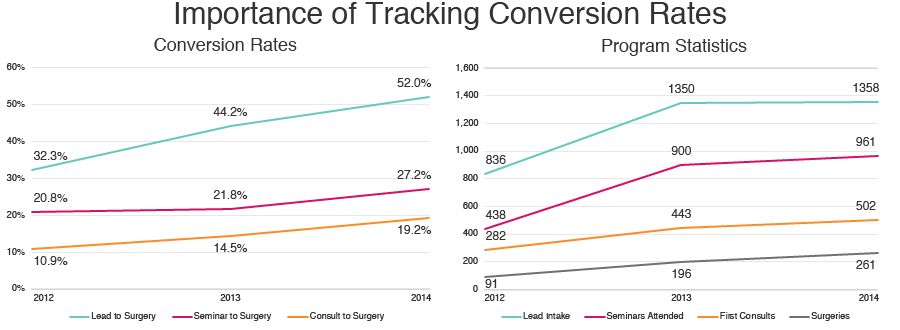 Take a moment to think about how each line represents a different phase of the patient pipeline. Notice in the left column how patients are more likely to get surgery (convert) the farther they move down the lead–to-seminar-to-consult pipeline.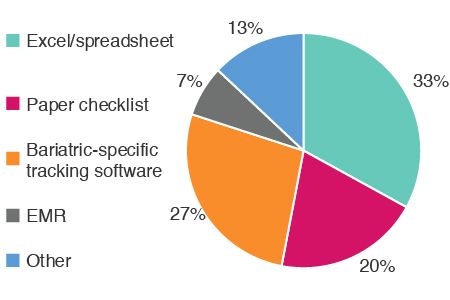
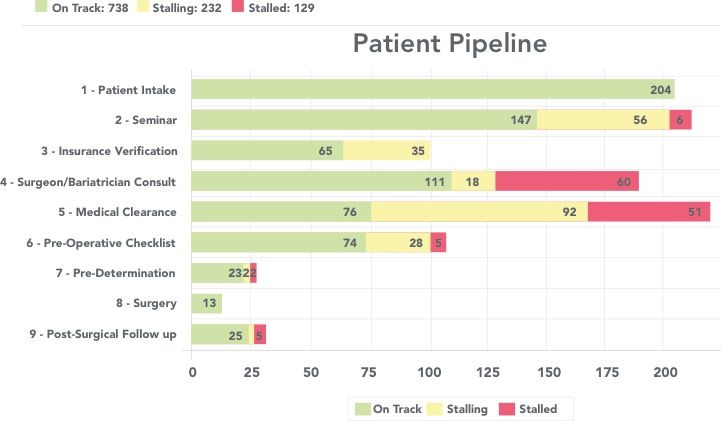

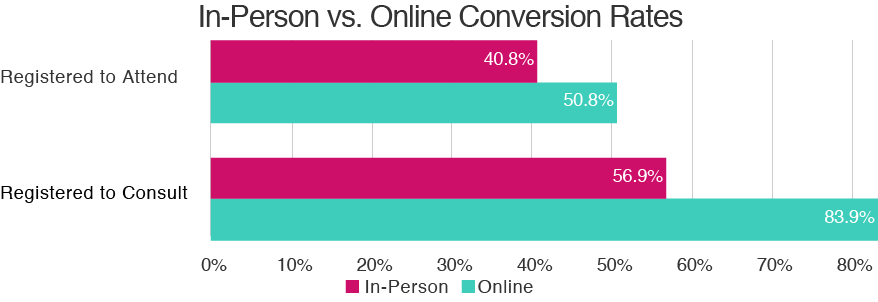

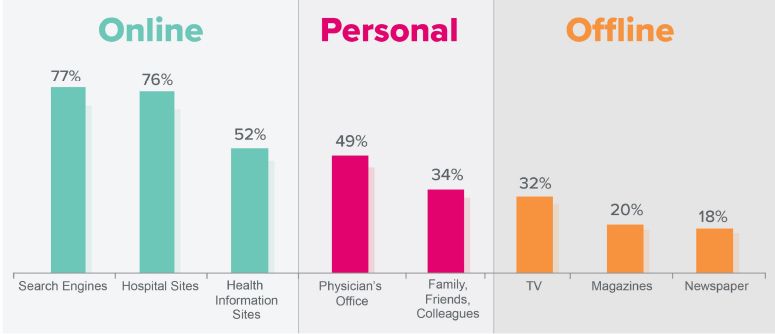




 However, there are options thanks to weight loss procedures performed at the many world class facilities such as MountainView Weight Loss Center in Las Cruces, N.M., Park Nicollet Bariatric Surgery Center in Minneapolis and several other bariatric practices around the country that have partnered with Guideway Care. Together we provide long term-solutions to bolster patient engagement, improve patient management and generate positive patient outcomes.
For individuals suffering from severe obesity, attempts at weight loss can be a challenging cycle of disappointment and negative reinforcement. Traditional weight loss methods like diet and exercise often fail to deliver the results needed for a severely obese person to reach and maintain a healthy weight. This lack of sustainable results can result in a sense of hopelessness and apathy that overwhelms the seriousness of underlying health concerns. To give severely obese individuals a better chance at an improved quality of life, a more effective option is needed.
This is why many bariatric programs have teamed with Guideway Care to provide online seminars, housed on the practice’s website. These are designed to attract new patients and inform the patient of his or her treatment options. They also have the opportunity to view the video from the comfort of their home and do not have to travel, which for some severely obese people is an arduous task.
“The online course is an alternative to attending one of our regularly scheduled seminars, in-person,” said Stephan Myers, MD, FACS, who works at Riverside Methodist Hospital in Columbus, Ohio. “The online bariatric course provides information to help you decide if bariatric surgery is right for you. It’s a convenient way to learn about our bariatrics program from the comfort of your home, at your personal computer.”
Combine Guideway Care online seminars with our web-based LeadTracker™, which captures and tracks your patients from initial intake through every stage of the patient process under your care, and you are armed with the right tools to provide optimum care for your patients.
Fortunately weight loss procedures are now more practical, viable and more easily accessible than ever before for a wider range of patients. A dedicated team of experienced specialists and surgeons use only the latest technology and the most proven methods to provide truly world class care.
For anyone curious about the many outstanding and proven bariatric procedures available, an online seminar is the best way to learn about the surgery. With a wide range of treatment to choose from, any patient will be guided toward the exact strategy that’s right for them. Because bariatric surgery is not a one-size-fits-all procedure, highly experienced surgeons work closely with each and every patient throughout the process, from inquiry through post-op, to ensure all patients receive the top-notch care they need.
This is where the LeadTracker™ proves to be a valuable tool. With one click of the mouse, you can tell where each patient is in the process.
Because severe obesity is a life threatening concern, anyone dealing with its effects, limitations and consequences simply can’t afford to wait any longer before taking action. If your practice does not have an online seminar presence or a way to track the progress of your patients, your practice is not working as efficiently as it could be, and your patients are suffering.
With the LeadTracker™, your practice runs more efficiently and is more productive, as the program simplifies and streamlines patient intake, appointment scheduling and outreach efforts.
It’s a win for your patient population and for your practice. Don’t delay, visit
However, there are options thanks to weight loss procedures performed at the many world class facilities such as MountainView Weight Loss Center in Las Cruces, N.M., Park Nicollet Bariatric Surgery Center in Minneapolis and several other bariatric practices around the country that have partnered with Guideway Care. Together we provide long term-solutions to bolster patient engagement, improve patient management and generate positive patient outcomes.
For individuals suffering from severe obesity, attempts at weight loss can be a challenging cycle of disappointment and negative reinforcement. Traditional weight loss methods like diet and exercise often fail to deliver the results needed for a severely obese person to reach and maintain a healthy weight. This lack of sustainable results can result in a sense of hopelessness and apathy that overwhelms the seriousness of underlying health concerns. To give severely obese individuals a better chance at an improved quality of life, a more effective option is needed.
This is why many bariatric programs have teamed with Guideway Care to provide online seminars, housed on the practice’s website. These are designed to attract new patients and inform the patient of his or her treatment options. They also have the opportunity to view the video from the comfort of their home and do not have to travel, which for some severely obese people is an arduous task.
“The online course is an alternative to attending one of our regularly scheduled seminars, in-person,” said Stephan Myers, MD, FACS, who works at Riverside Methodist Hospital in Columbus, Ohio. “The online bariatric course provides information to help you decide if bariatric surgery is right for you. It’s a convenient way to learn about our bariatrics program from the comfort of your home, at your personal computer.”
Combine Guideway Care online seminars with our web-based LeadTracker™, which captures and tracks your patients from initial intake through every stage of the patient process under your care, and you are armed with the right tools to provide optimum care for your patients.
Fortunately weight loss procedures are now more practical, viable and more easily accessible than ever before for a wider range of patients. A dedicated team of experienced specialists and surgeons use only the latest technology and the most proven methods to provide truly world class care.
For anyone curious about the many outstanding and proven bariatric procedures available, an online seminar is the best way to learn about the surgery. With a wide range of treatment to choose from, any patient will be guided toward the exact strategy that’s right for them. Because bariatric surgery is not a one-size-fits-all procedure, highly experienced surgeons work closely with each and every patient throughout the process, from inquiry through post-op, to ensure all patients receive the top-notch care they need.
This is where the LeadTracker™ proves to be a valuable tool. With one click of the mouse, you can tell where each patient is in the process.
Because severe obesity is a life threatening concern, anyone dealing with its effects, limitations and consequences simply can’t afford to wait any longer before taking action. If your practice does not have an online seminar presence or a way to track the progress of your patients, your practice is not working as efficiently as it could be, and your patients are suffering.
With the LeadTracker™, your practice runs more efficiently and is more productive, as the program simplifies and streamlines patient intake, appointment scheduling and outreach efforts.
It’s a win for your patient population and for your practice. Don’t delay, visit 


 By combining our bariatric-savvy team, tools, and online marketing services, we help you increase your reach and improve patient relationships, all the while practicing proper compliance and saving you time.
Information Tracking
Rely on us for patient acquisition and conversion. Our proprietary LeadTracker® software helps you manage new patients from initial contact to patient intake, and beyond. Using
By combining our bariatric-savvy team, tools, and online marketing services, we help you increase your reach and improve patient relationships, all the while practicing proper compliance and saving you time.
Information Tracking
Rely on us for patient acquisition and conversion. Our proprietary LeadTracker® software helps you manage new patients from initial contact to patient intake, and beyond. Using