Activation Pathway: Patient Experience

Problem context: friction and unresolved moments erode trust and scores. Also searched as: patient satisfaction, HCAHPS scores, NPS.

How To Improve The Patient Experience

When a patient walks into a doctor’s office, they do so with a feeling of apprehension and anxiety. Patients have grown accustomed to a poor patient experience. They expect to be told to wait for a long time after their appointment’s scheduled time. They expect a cold, uncaring doctor and are prepared for a diagnosis that they don’t agree with. As a medical professional, part of your job is to help your patient overcome these feelings and leave feeling like they got the answers they needed.

It’s not often easy to quantify the patient experience. However, there are key performance indicators that can indicate a poor patient experience. Wait times, return rates, and no-show rates potentially point to patient experience issues.

How can we improve the patient experience? Let’s look at a few different ways.

Ways To Improve The Patient Experience

Make it easy to schedule an appointment.

New patient acquisition is a whole other topic in itself, but let’s say a patient finds your website and wants to schedule an appointment. Ideally, they should be able to do so very easily and without much hassle. If your website is difficult to navigate, impossible to load on mobile, or downright confusing, that doesn’t bode well for a patient’s expectations.

You want to have a visible web presence, a quick and easy-to-use website that works well on mobile, and a simple appointment scheduling system that can be used online or easily done over the phone.

Reduce wait times.

Your patients don’t want to be waiting very long. They have things to do. Yet, patients often go into the doctor’s office expecting to wait. Why let this happen?

Reducing wait times is not easy, and many factors outside your control can affect them. However, making sure booking is well managed and that fellow physicians keep to strict schedules will help you reduce overall wait times for patients.

If wait times are unavoidable, have your staff call the patient and let them know how long they should expect to wait. You could even offer to have them reschedule an appointment. This will make the patient feel more comfortable with you and make them believe that you have their best interests in mind.

Encourage them to take an active role in their care.

Let’s be honest: most patients have a low level of health literacy. They need to be told why they need to do what they’re told, otherwise they may not understand the gravity of the situation.

Education should be used as a way to help patients take an active role in their own care, rather than to justify your decisions. Allow them to ask questions and make sure they know that there’s no such thing as a stupid question.

Improving the patient experience is a top priority for healthcare organizations. Guideway Care can help you achieve this goal by providing a platform that streamlines healthcare workflow management and improves communication between providers and patients.

Patient Engagement in Healthcare: How Understanding The Patient Experience Produces Better Outcomes

Patient engagement is a term commonly used in healthcare organizations. It’s used so much that its meaning has become muddied and those who discuss it may as well be talking about different things.

For those who are interested in patient engagement to produce better patient outcomes, this topic is highly important and its specifics are not to be ignored. So how is patient engagement so important, and why should we be focused on implementing initiatives to improve it? Let’s discuss.

The Benefits of Focusing on Patient Engagement in Healthcare Organizations

It’s clear that patient engagement is beneficial. But what are the statistics on patient engagement improvements? Let’s find out.

Impacts on Patient Satisfaction

A study done for the California Healthcare Foundation showed that a focus on patient engagement improved satisfaction. By implementing a way for patients to get online access to their health records, they were able to report a 90% satisfaction rating.

Happier patients mean patients who are more likely to return for another issue, or to continue care with your organization for their current issue. It also means patients who are more likely to refer other patients who are suffering from similar conditions. This results in your organization’s growth.

Read more: Patient Engagement in Healthcare: How Understanding The Patient Experience Produces Better Outcomes

Impacts on Health Outcomes

Does focusing on patient engagement actually help the patient get better? The answer is yes. A meta-analysis published by Health Affairs showed that more engaged patients have improved health outcomes than those who are not. In the paper, they discuss several different sources of evidence that show improved health outcomes in more engaged patients. Read the full paper here.

How Healthcare Organizations Can Improve Patient Engagement

Involve patients in decision making.

Of course, a patient cannot diagnose themselves or prescribe themselves medication. However, they can play an active role in their health by making decisions with their physician.

Have physicians spend enough time with them so they have enough information to make an informed decision. It’s tempting to just provide them with all the information they need, but it’s not the same as an involved discussion with their physician.

Improve your patient portals.

Not all patient portals are equal, and some are downright difficult for patients to use. Some patient populations care a lot more about what their patient portals provide.

Many patients have expressed that they want a large variety of features in their patient portals, including:

  • Easier to understand information
  • Billing details
  • The ability to book appointments online
  • Telehealth features
  • Summaries of their appointments

Just having a patient portal isn’t sufficient: you need your portal to be doing a good job of engaging the patient. Most importantly, the patients need to understand how to use it.

We at Guideway Care provide patient portal solutions that integrate with your current systems while also providing the features that patients want. Call us at 888-986-3638 to talk about your patient portal needs!

Why Communication Is Important in Healthcare

It’s no secret that one of the biggest barriers to providing good healthcare is communication between doctor and patient. Without adequate communication, the ability to deliver quality patient care is hampered severely.

But why exactly is communication so important, and where do the most common communication issues come from?

Common Barriers to Communication In Healthcare

Language and Culture

It’s pretty obvious that if two people are unable to communicate in the same language, they will not be able to convey complex ideas. But how else does language and culture play into communication? A big part is on the healthcare professional: it’s not uncommon for a healthcare professional to assume that a patient from a different cultural, social, or economic background is less health literate than another patient that’s more similar to them. As a result, they’re not given the chance to take an active role in their own healthcare.

The best way to remedy that is to hire staff that are culturally similar to the ethic minority populations of the area, but that might not always be possible. Another way is to train staff on cultural differences.

Health Literacy

Many patients are not health literate; that is, they do not understand and cannot communicate basic health concepts. It doesn’t mean that they’re not medically trained, as it’s possible to be health literate without being a medical professional. It means that they don’t understand how to take care of their own health properly, how disease and injury happens, or how the healthcare system works.

Because most patients are not going to tell a professional that they lack health literacy, an assessment must be done to gauge how health literate a patient is. Unfortunately, these assessments tend to be subjective because of the difficulty of implementing official empirically-based health literacy tests.

Improving health literacy in patients requires providing them with multi-purpose education, but that would also require them to absorb said information which is never a guarantee.

Patient-Staff Communication

It’s not just language, culture, and health literacy that can affect communication in healthcare. If staff aren’t making sure they’re understood when communicating to the patient, then that could cause serious issues in understanding especially if the patient is not health literate.

It’s important to train staff on how to properly convey information to patients at all steps of the process.

Most importantly, staff must have a way to confirm that the patient understands what is being told to them. The patient must understand their diagnosis and their treatment plan.

In Summary

  1. Language and culture differences present both obvious and subtle communication issues.
  2. Patients with low health literacy are less likely to understand what is being told to them, and work must be done to assess how health literate a patient is.
  3. Communication is a two-way street: staff must work to make themselves understood.

Why Patient Engagement Is Important In Healthcare

Healthcare professionals tend to regard patient engagement as a high priority. It’s considered an essential indicator of quality care and correlates well with positive business outcomes.

However, patient engagement is not a guarantee. Ultimately, it’s up to the patient to decide which healthcare options he or she would like to pursue. As a healthcare professional, you can only hope to provide the patient with the information necessary to make a decision.

So what can be done about patient engagement, and why is it so important yet so difficult to achieve?

What Is Patient Engagement?

Patient engagement represents how patients, caregivers, and healthcare providers interact to make good healthcare decisions on behalf of the patient. Ultimately, the onus is on the patient to make the decision based on the information given. Patients who take an active role in their healthcare and utilize the services provided by caregivers and healthcare professionals to the utmost can be said to be highly engaged patients.

Patient engagement has become a strategy to help achieve better health outcomes for patients while lowering the cost of administering healthcare services.

Why Is Patient Engagement Important?

Patients have options available to them.

It’s not hard for a patient to go to another practice. They can search for doctors and practices online quickly, and they have access to customer reviews online. Thanks to the Internet and global interconnectedness, patients are no longer limited to their immediate area, either.

Without actively getting patients engaged in their healthcare, they’re much more likely to have a negative experience and switch practices.

Engagement tools can help cut costs, reduce waste, and lower the burden on staff.

Technology has done wonders for improving patient engagement. Even ubiquitous tools like social media and search engines allow patients to have a much more active role in their care.

What’s even more interesting is the growing availability of tools such as wearable tech that checks health measures and patient portals for patients to access their medical records safely online. By making sure that patients know about these tools, as well as providing active support for the latest patient engagement technology, your practice can help make your clientele a much more engaged one.

Patient engagement leads to better health outcomes.

How does patient engagement improve patient health?

Engaged patients are, for example, more likely to attend regular health appointments and participate in recommended screenings. They’re more likely to understand why they’re important, too.

They’re also more likely to actively look for information about health topics relevant to them. Engaged patients are interested in their health, and healthcare professionals can help instill a greater interest in a patient’s health.

Engaged patients are more likely to be satisfied ones, and thus more likely to return.

Thanks to improved health outcomes, as well as a sense of understanding between the patient and healthcare staff, engaged patients are more likely to report positive experiences and overall satisfaction with their care.

As a result, they’re more likely to come back or recommend your practice to another. This has the effect of not only establishing a quality clientele, but also allowing that clientele to grow organically.

In Summary

  • Patient engagement is a key priority for healthcare professionals.
  • Patients who are actively engaged tend to experience better health outcomes and have more positive interactions with your practice.
  • With the advancement of healthcare engagement solutions, technology is increasingly helping patients take a more active role in their healthcare journey.
What Is Person Centered Care, and How Can it Improve Healthcare? Doctor Talking to Patient

What Is Person Centered Care, and How Can It Improve Healthcare?

Numerous studies have shown correlations between patient satisfaction and outcomes—two key performance indicators for medical organizations. Due to these trends, as well as an increasing recognition of person-centeredness as one of the key domains of high-quality care, it’s essential that healthcare providers prioritize person-centered care.

What Is Person-Centered Care?

Person-centered care, also referred to as patient-centered care, is defined by the World Health Organization as “empowering people to take charge of their own health rather than being passive recipients of services.” This care strategy is based on the belief that patient views, input, and experiences can help improve overall health outcomes. One of the key ways to involve patients in their own health is by improving interactions between patients and healthcare providers, making care feel empathetic and compassionate, not merely transactional. To accomplish this, physicians, nurses, and other staff must be trained to listen to, inform, and consult patients throughout the healthcare continuum, as well as to consider individual preferences, needs, and values when making clinical decisions.

8 Key Principles

Patient-centered care is often discussed using the framework created by the former Picker Institute, a nonprofit organization dedicated to advancing the principles of patient-centered care. This framework included eight key principles, outlined below.

Respect for patient values, preferences, and needs

As mentioned previously, patient preferences should be considered during person-centered healthcare decisions, as this will foster a relationship of respect and collaboration.

Coordination and integration of care

Improved coordination and integration of clinical care and support services can help reduce patient uncertainty and vulnerability.

Information and education

To make better decisions about their health, patients need information on their clinical status, progress, and prognosis. Many patients may also benefit from educational resources that are tailored to their level of health literacy.

Physical comfort

Pain management and assistance with daily needs are key to improving patient experience in hospitals and acute care facilities.

Emotional support and alleviation of fear

Similarly, patients should be provided with the resources needed to minimize stress and fear regarding their physical status, treatment, and prognosis, as well as worry caused by financial aspects of care.

Involvement of family and friends

Support from family and friends is a key aspect of person-centered care, so providers should take the needs of caregivers, family, and friends into account. This might mean providing accommodations and support for these individuals or involving them in decision making.

Continuity and transition

To minimize patient concern about post-discharge care, medical providers should educate patients on medications, physical limitations, dietary needs, and so on. Further, they may need to coordinate ongoing treatment or offer information on access to clinical, social, physical, and financial support.

Access to care

Healthcare organizations aiming to provide person-centered care should do their best to streamline appointment scheduling, make referrals accessible, and provide information on transportation options.

The Effects of Person-Centered Care

The main goal of a patient-centered care model is to improve individual outcomes—when patients are more involved in their own care, they often recover more quickly and are more satisfied with the care they receive. For instance, research in the Journal of Family Practice found that patient-centered practice resulted in better recovery from discomfort and concern, better emotional health in the future, and fewer diagnostic tests and referrals. Additionally, studies have found that a strong patient-provider relationship is an important motivator for preventive care. When patients feel respected and experience compassion and empathy from their providers, they are more likely to return for annual physicals, immunizations, and so on. However, those are not the only benefits of a person-centered medical approach. NEJM Catalyst explains that this model of care can also lead to improved patient satisfaction scores, better morale and productivity among staff, improved resource allocation, and in the long run, even reduced expenses.
How Can Nurses Improve Patient Satisfaction? Nurse Holding Patient's Hand

How Can Nurses Improve Patient Satisfaction?

Nursing staff, including registered nurses, nursing aid, and nursing managers and directors, play an integral role in a patient’s experience within any health care setting. As such, these care providers are often instrumental in improving overall patient satisfaction, and are often the first to ask, “How can nurses improve patient satisfaction?”

4 Nursing Strategies to Improve Patient Satisfaction

With the right tools, training, and protocols in place, registered nurses and other nursing personnel can ensure patients are happy with the health care services they receive. The following are several steps nurses can take to improve patient satisfaction.

Focus on Effective Communication

Today, many patients want to be involved with their own health care and, as such, desire detailed information about conditions, treatments, and outcomes. Further, according to an article published by BMC Health Services Research, patients believe that key competencies for nursing staff include “correct behavior and attitude, composure, making time for patients, and listening and having empathy.” To meet these patient expectations, nursing staff need to be communicating effectively and building rapport with patients. This can often be accomplished more readily with a positive attitude—research in the Press Ganey report Performance Insights: Health Care Improvement Trends found that nurses with a friendly attitude and sense of empathy are correlated to improved patient experience. To help nurses improve their communication, leadership may want to have more experienced nurses mentor new team members. Some employees may also benefit from scripts to guide interactions such as initial introductions and patient complaints. Additionally, it is often beneficial when nurses have educational resources, such as pamphlets, videos, or even website links, that can be passed on to patients.

Sit with Patients

In addition to communicating clearly and with empathy, nurses can improve patient satisfaction simply by sitting at a patient’s bedside instead of standing. This seemingly small act has been shown to help nursing staff connect with patients. For instance, research in the Patient Experience Journal shows a “Commit to Sit” initiative—where nurses sit with patients during each shift—can positively impact patient perception of nurse communication and boost overall satisfaction rates.

Prioritize Teamwork

According to Performance Insights, another one of the top factors associated with improved patient satisfaction is whether the staff work together to provide care. Nursing staff are often the main point-of-contact for patients, hearing their concerns, questions, and complaints. To help nurses share this information more readily, organizations need to have procedures in place to foster communication between all members of care teams in order to provide more comprehensive care. Additionally, leadership staff may want to find ways to strengthen relationships among members of the nursing staff. Why? Employees are more likely to communicate with, provide assistance to, and ask for help from team members who they are comfortable and familiar with. However, in a busy health care environment, it can be challenging for staff to build these type of one-on-one relationships, so management may need to encourage team-building through events such as weekly meetings.

Advocate for Adequate Staffing Levels

Finally, studies have shown proper staffing and patient-to-nurse ratios are essential in fostering higher patient satisfaction levels—research in the journal Health Affairs found that in a hospital setting, each additional patient per nurse was correlated to a 1.44 percent decrease in the number of patients who would definitely recommend the facility. The reasons for these trends are straightforward. When nursing staff have high workloads, they have less time to dedicate to each patient, which can be perceived as providing lower quality care. Further, nurses with high patient loads are more likely to be stressed or experience burnout, which can impact the way they interact with patients. The ideal nurse-to-patient ratio in a health care setting depends on several factors, including the type of care, the nursing skill level and expertise, the number of admissions and discharges, and so on, according to the Academy of Medical-Surgical Nurses. Currently, only California has legislation in place to regulate specific nurse staffing ratios, but several other states have more general laws about staffing safety. According to American Nurse Today, using the SBAR (Situation, Background, Assessment, Response) technique can be a constructive way to discuss staffing shortfalls with management. By advocating for adequate staffing levels, registered nurses and other nursing staff can help their health care organization provide a higher level of care and improve patient experience and satisfaction.

More Patient Satisfaction Resources:

Guideway’s Care Guides seamlessly integrate with your clinical team to support patient satisfaction efforts and remove the burden of non-clinical tasks from your valuable nursing staff. Contact Guideway Care to learn how Guideway can help reduce the cost of care and increase patient satisfaction.
Improving Patient Satisfaction - Patient Talks to Receptionist at Check-in Desk

Improving Patient Satisfaction: 5 Low-Cost Strategies

Today’s healthcare organizations are saddled with the challenging task of balancing medical outcomes, budget constraints, and improving patient satisfaction. While certain factors affecting patient satisfaction will require ample time and resources to resolve, there are a number of small, inexpensive ways to improve patient satisfaction within various healthcare facilities.

The Importance of Patient Experience

In hospitals, the Hospital Consumer Assessment of Healthcare Providers and Systems (HCAHPS) survey is a national, standardized assessment of hospital care from the patients’ perspective. This survey is mandated for all hospitals by the U.S. Centers for Medicare and Medicaid Services, and because the results are reported publicly, low scores can hurt the organization’s reputation. Other medical organizations should be concerned with patient experience and overall satisfaction, as well—in office settings, satisfaction can be measured using the Clinician and Group Consumer Assessment of Healthcare Providers and Systems (CG CAHPS) survey. Why do these surveys matter? Patients who are not satisfied with the care they receive at a hospital, doctor’s office, urgent care clinic, or even nursing home may not visit that facility again or recommend it to other people, according to Aligning Forces for Quality. Not only can this hurt the facility’s bottom line, but high patient satisfaction has also been linked to better health outcomes and lower medical malpractice risk.

5 Cost-Efficient Ways for Improving Patient Satisfaction

Organizations may not have the means to hire additional staff or renovate facilities to improve patient experience, but there are a number of low-cost ways to improve satisfaction ratings that can be used in the meantime.
  1. Strive for Better Communication

    According to research by J.D. Power and Associates, patient satisfaction is more greatly influenced by human factors, such as the communication skills of staff members, than it is by the facility itself. “Having an appealing hospital facility matters, but an experienced and socially skilled staff has a greater impact on improving patient satisfaction,” said Rick Millard, former senior director of the healthcare practice at J.D. Power and Associates. “Personal interactions with the staff have a profound impact in both inpatient and outpatient settings.” To this end, hospital leadership should look for individuals who have superior communication skills and a positive attitude when hiring. It can also be beneficial to provide existing staff with training on how to best interact with patients and handle complaints.
  2. Improve the ‘Waiting Experience’

    According to BMC Health Services Research, one of the biggest issues that can impact patient satisfaction is wait time, and while it is not always possible to reduce wait times, facilities can take steps to improve the waiting experience for patients.This might include making the waiting room more comfortable and attractive, giving patients things to do—such as watching TV, reading magazines, or even charging their devices—and providing regular updates on wait times for appointments or scheduled procedures. Most patients would rather hear that there is an emergency that will increase wait times by 10 minutes than to simply be left in the dark, wondering when they will be admitted.
  3. Have Team Members Sit with Patients

    Studies have shown that patients are more likely to perceive medical providers as empathetic and good communicators when the doctor or nurse sits down in a chair to discuss concerns or explain treatment. This, in turn, can increase improving patient satisfaction scores, according to research in the Patient Experience Journal.
  4. Keep Patients in the Know

    Visiting a healthcare facility is stressful for many patients, and that stress is only compounded when they are kept in the dark about what is going on. Regular updates about wait times, next steps, treatment plans, and current care teams go a long way toward keeping patients calm and satisfied. For instance, patient surveys from Johns Hopkins Hospital revealed that one of the most common requests from patients is for providers to keep them up-to-date on daily care plans and the names of on-call nurses and aides, according to Healthcare Business & Technology.
  5. Keep Noise Levels Down

    In hospital settings, it is important to make the floor a comfortable place to recuperate during the day and to sleep at night. If staff are talking loudly at the nurses’ station, someone is on the phone in the hallway, or a machine is clattering loudly, it can disturb patients and even be detrimental to their healing, according to research from the Center for Health Design. High noise levels can be a distraction to staff, as well. Leaders may want to consider implementing a “sound standard” in hospital settings to help keep noise levels under control. This may involve educating staff about the impact of noise on patients, removing or relocating unnecessary noise sources like ice machines, and/or creating policies that dictate holding group conversations in enclosed areas.

More Patient Satisfaction Resources:

Guideway’s Care Guidance services are proven to increase patient satisfaction ratings.

Contact us and get information on how Guideway Care improves patient satisfaction by addressing non-clinical issues that have a huge impact on patient health and well-being.
Strategies for Improving HCAHPS Scores

4 Strategies for Improving HCAHPS Scores

The Hospital Consumer Assessment of Healthcare Providers and Systems (HCAHPS) is a standardized survey developed by the Centers for Medicare & Medicaid Service (CMS) that is sent to patients after they have been discharged from a hospital. The HCAHPS Scores are determined by survey measures of patient satisfaction with their hospital experience, asking questions about doctor and nurse communication, the hospital environment, whether the patient would recommend the facility, and more.

Not only are HCAHPS scores publicly available through the Hospital Compare database, impacting public perception of the facility, but Medicare reimbursements are also tied to the patient satisfaction portion of the survey, making HCAHPS scores an important financial priority for hospitals, as well.

Because of the impact these scores carry, hospitals with below-average HCAHPS results may want to use the following strategies for improving patient satisfaction and boosting their scores.

Tackle One Area of HCAHPS Scores at a Time

The HCAHPS survey is made up of 27 questions and addresses a wide range of areas, including everything from how well nurses listened to how quiet the room was at night. Because there are many varied aspects of the survey, hospitals are often most successful at raising scores when they address one area at a time.

For instance, one HCAHPS survey question reads, “During this hospital stay, how often did nurses listen carefully to you?” To improve scores in this area, hospitals may want to implement a policy that nurses should sit—instead of stand—at the patient’s bedside. Studies, including one in the Patient Experience Journal, have shown that patients perceive nurses as spending more time at the bedside when sitting, and this, in turn, often increases patient satisfaction scores. The organization can focus on this objective for one or two quarters, assess its impact, then move on to another area of concern.

Make Patient Experience Part of Hospital Culture

To improve and maintain HCAHPS scores, hospitals should strive to make patient experience an integral part of the organization’s culture, and this type of cultural shift should be spearheaded and modeled by hospital leadership.

“The single most important contributory factor in our success is that the hospital’s senior [leaders] embrace and drive service excellence for the organization,” Michael Wiechart, COO of Capella Healthcare explained to Becker’s Hospital Review. “They must develop and drive a mature model of accountability that permeates the culture.”

Strategies to create a patient-focused culture might include making patient-centered care a key requirement for new hires, evaluating staff on patient interactions, having hospital leaders interact with patients and families, and implementing mandatory patient satisfaction training.

Prioritize Patient Education

Several HCAHPS questions ask about how well medical concepts were explained, which means patient education should be a key priority for nurses and doctors both during the patient’s stay and at discharge.

“A ‘cold’ discharge process can leave a patient feeling like a number,” Dr. Chabner Thompson told Becker’s Hospital Review. “Empowering the patient with pertinent information and support tools makes a huge difference.”

Providers can improve patient education efforts by asking patients for their preferred method of education—verbal, written, demonstrations, etc.—as well as by providing supplementary educational resources. Additionally, many organizations find success with the “teach back” method, which helps nurses or physicians to ensure patients understand their medication and care instructions upon discharge.

Address Employee Stress Rates

When hospital staff are stressed and overwhelmed, their demeanor will often impact patient experience. Healthcare is an inherently stressful profession, and hospitals often benefit from offering programs and initiatives to help reduce stress for doctors, nurses, and other staff and help them prioritize their own well-being.

For instance, the Gundersen Health System in Wisconsin started a stress management initiative called the Heart Map, which teaches employees to take pauses throughout the work day to lower their heart rates and have moments to themselves. After several months using the system, 70% of employees reported feeling more calm, 47% reported having less anxiety, and 94% felt better able to handle emotional stress, according to Health Leaders Media.

This type of initiative can have a significant impact on patient satisfaction, as positive, engaged staff are more likely to provide top-notch care.

Improve HCAHPS Scores With Guideway Care

Guideway’s non-clinical Care Guidance services address gaps in care and proactively identify and address issues that impact patient health and well-being. Care Guidance has been proven to boost patient satisfaction scores to the 90th percentile, with HCAHPS Care Transition scores in the 95th percentile or above for U.S. Hospitals. Contact us to learn more about how Care Guidance can improve patient experience and patient satisfaction scores for your organization.

Patient Satisfaction Survey

Patient Satisfaction in Healthcare: What It Is, Why It Matters & How to Improve It

Patient satisfaction: a subjective measure of whether a patient’s expectations about a health encounter were met. Patient satisfaction can be a loaded term. Patients want a great care experience, and the focus of physicians and nurses is to provide great health care, but these two priorities are not always aligned. Patient satisfaction doesn’t always correlate with the best outcomes. Furthermore, resource constraints and organizational dysfunction can prevent clinical staff from providing the type of care experience that both they and their patients desire. These tensions, along with increasingly profound financial implications for hospitals providing care, factor into the debate about how to objectively describe patient satisfaction, the best ways to measure it, and how to ethically and effectively incentivize hospitals and providers to improve it.

History of Patient Satisfaction

Despite its current importance, the concept of “patient satisfaction” hasn’t always been around. The Press Ganey company was started in 1985 by two Notre Dame professors, Irwin Press and Rod Ganey. Press (a medical anthropologist) and Ganey (a sociologist and statistician) created a new market by applying reliable survey design and administration to healthcare. As Press Ganey’s influence grew, hospitals began to realize the importance of being able to quantify, track and compare their patients’ levels of satisfaction with the care they received. Demand continued to increase for these types of survey services, and additional firms such as Gallup, NRC, PRC, HealthStream, and Avatar entered the market. As the use of patient surveys spread throughout hospital departments, survey companies began to offer advice on how to improve patient satisfaction. Eventually, the interest in and efforts towards improving patient satisfaction caught the attention of the federal government and led to the first federally-backed survey of patient satisfaction, called HCAHPS.

HCAHPS

In 2002, the Centers for Medicare and Medicaid Services (CMS) and the Agency for Healthcare Research and Quality (AHRQ) worked together to research, develop, and test the Hospital Consumer Assessment of Healthcare Providers and Systems (HCAHPS) survey – the first national, standardized, publicly-reported survey of patients’ perspectives of hospital care. The implementation of HCAHPS began in October of 2006, with the first public HCAHPS score reports issued in March 2008. HCAHPS is a standardized survey administered by approved vendors or the hospital. The survey is randomly provided to adult hospital inpatients between 48 hours and 6 weeks after discharge. The HCAHPS survey contains 21 patient perspectives on care and patient rating items that encompass nine key topics:
  1. Communication with doctors
  2. Communication with nurses
  3. Responsiveness of hospital staff
  4. Pain management
  5. Communication about medicines
  6. Discharge information
  7. Cleanliness of the hospital environment
  8. Quietness of the hospital environment
  9. Transitions of care
Press Ganey, along with other vendors mentioned above, evolved to become one of the approved vendors of HCAHPS. As the government became more heavily involved in the measurement of patient satisfaction metrics, many survey vendors shifted their focus towards providing in-depth advisory services aimed at improving the delivery of care. Though there have recently been calls for updates to the HCAHPS survey, HCAHPS scores continue to be an area of focus for hospitals, with implications for care quality, outcomes, and cost.

Patient Satisfaction vs. Patient Experience

The terms “patient satisfaction” and “patient experience” mean two different things, even though they are often used interchangeably. According to the Agency for Healthcare Research and Quality (AHRQ): “To assess patient experience, one must find out from patients whether something that should happen in a health care setting (such as clear communication with a provider) actually happened or how often it happened. Satisfaction, on the other hand, is about whether a patient’s expectations about a health encounter were met. Two people who receive the exact same care, but who have different expectations for how that care is supposed to be delivered, can give different satisfaction ratings because of their different expectations.” In reality, many “patient satisfaction” surveys are actually trying to objectively determine whether the necessary processes are in place for an optimal patient experience. In fact, HCAHPS asks “‘how often’ or whether patients experienced a critical aspect of hospital care, rather than whether they were ‘satisfied’ with their care.” The terms are closely related, however, and if a hospital can improve the concrete details of patient experience, they have a better chance of improving in the much more subjective area of patient satisfaction.

Why It Matters

Patient Experience and Outcomes

Patient experience is a quality area measured under the 2016 CMS Hospital Value-Based Purchasing (VBP) Program. Patient experience accounts for 25 percent of a hospital’s VBP score. In addition, patient experience is one of the three tenets of the “Triple Aim” of healthcare:
  1. Improving the patient experience of care
  2. Improving the health of populations
  3. Reducing the per capita cost of healthcare
Regulatory agencies increasingly seek to link patient experience scores to reimbursement. There is still some disagreement, however, over whether these scores can be neatly linked to outcomes. Ultimately, though, the consensus seems to be growing that experience of care does play a role in quality, and devoting resources towards improving patient experience, and ultimately satisfaction, provides value for both the patient and the hospital.

Financial Implications for Hospitals

Hospitals and providers are increasingly bearing the brunt of the federal government’s drive to link reimbursements to patient experience scores. Under VBP, a percentage of Medicare reimbursements (currently 2%) is withheld. Withholdings are redistributed to hospitals based on their Total Performance Scores (TPS) that they earn for the year. A hospital could earn an amount less than, equal to, or more than the amount originally withheld. TPS scores are based on their performance on quality and resource use measures. Patient experience is one of four domains scored under VBP, which include four equally-weighted categories:
  1. Clinical Care
  2. Patient Experience of Care/Person and Community Engagement (scores taken from HCAHPS survey)
  3. Safety
  4. Efficiency and Cost Reduction
In addition to penalties/bonuses under VBP, hospital executives are increasingly sensitive to the impact of patient experience on their organization’s reputation. HCAHPS plays a role here too, with HCAHPS “star ratings” now posted on Medicare’s Hospital Compare website. At present, the percentage of patients who use HCAHPS ratings to choose a hospital are still in the minority. Hospital profit margins are notoriously slim, however, forcing healthcare administrators to look ahead at factors that could impact their market share. Even though changes are coming to the way star ratings are calculated, administrators’ intense focus on positively impacting patient-generated ratings will continue.

How to Improve Patient Satisfaction

Having the processes in place for an optimal patient experience paves the way for higher patient satisfaction ratings. Advice varies on improving patient experience, but can be boiled down to the following:
  • Improve care coordination
  • Ensure adequate nurse staffing
  • Train doctors and nurses in more effective communication strategies
While all of these recommendations are worthwhile, hospitals already struggle with widespread burnout among clinical staff. Staff members are stretched thin and it is difficult to provide effective care coordination and communication. And technology alone can’t solve the problem; even the best, most automated care coordination or patient experience-focused software has its limits. Somewhere along the line, a human will still need to translate data into a real-world intervention. More difficult still is the fact that a large percentage (one study says up to 27%!) of factors influencing patient experience scores happen outside hospital walls. Social Determinants of Health (SDoH) have huge implications for patient experience and outcomes. Unfortunately, hospitals currently have limited ability to impact these factors. In order to truly improve patient experience (and by correlation, patient satisfaction), hospitals must solve the problem of how to improve processes of care related to patient experience amid staff shortages and the growing problem of physician and nurse burnout. Furthermore, hospitals must go beyond internal, clinical processes in order to reach outside clinic walls and address the social determinants that play into patient experience and satisfaction.

More Patient Satisfaction Resources:

Take the first step to improving patient satisfaction at your hospital. Contact for more information about Guideway’s care guidance program today.

The Importance of a Strong Millennial and Young Patient Engagement Strategy

“Know your audience” is a central tenet of any communications strategy—and healthcare communications and IT are no exception. And that leads to two important questions all healthcare IT, marketers and communicators must ask themselves:

• How well do you really know your patients in the general age range of 18 to early 30s (interchangeably known as “Millennials” and “Generation Y”?

• How well does that knowledge influence your young patient engagement strategies?

The “Largest Projected Patient Population”

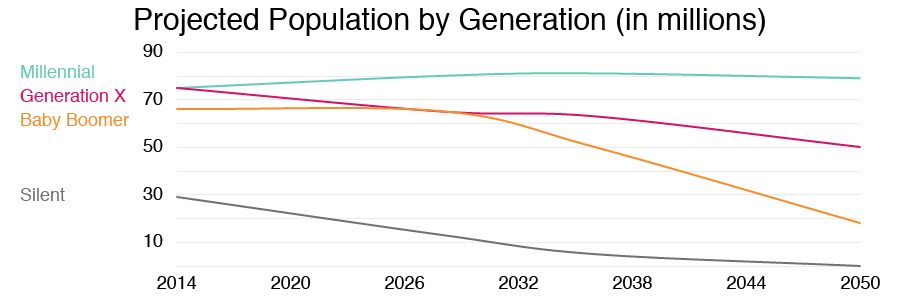
Perhaps a better descriptor for Millennials or Generation Y is “The Largest Projected Patient Population.” According to Pew Research Center data, Millennials—which Pew defines as “the population ages 18–34 as of 2015” that is now in the 21–37 range in 2018—already represent the largest generational population. But, as older generations age and their population sizes continue to decline, the Millennial population is projected to grow and remain steady until 2050.1 Population Chart

A Matter of Improving Young Patient Outcomes

Questions about “knowing your audience” are important because they put a spotlight on what is called generational marketing, which is a vital component of a healthy and comprehensive patient engagement strategy—and bottom line. For young patient engagement, this couldn’t be more true. As Patient Engagement IT perfectly said:
“Providers need to better understand the populations they serve and the threats to their business to remain competitive in their market and best manage their patients’ needs.”2
These questions are also about more than just ensuring your healthcare marketing strategy is hitting its most important demographic targets. Instead, it’s equally a matter of improving outcomes for young patients that are demonstrating a unique set of expectations, habits and tendencies for their healthcare. As Digital Journal explained:
“There is a concern among healthcare professionals that young people, particularly those with long-term health conditions, tend to disengage from health services. The outcome is a reduction in health outcomes.”3
If disengagement is a problem, then simple logic would dictate engagement is a solution. But is the solution simple to achieve?

The Millennial Patient Profile: Not What You May Have Expected

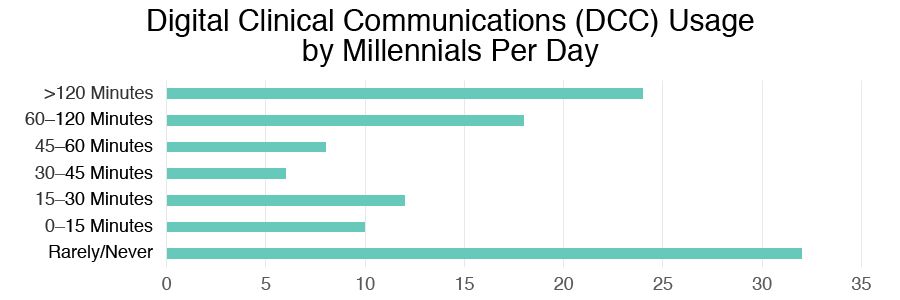
Things could be relatively simple if traditional or current patient engagement practices for older generations could be trusted for engaging with younger patients. The reality is the Millennial patient profile has some unique features that make it markedly different from other generations, which means they require their own sets of engagement practices. One valid assumption is that as a tech-savvy demographic, Millennials are reliant upon technology for healthcare purposes. This was verified in the Warwick University-led LYNC study, which looked at how digital technologies were used for clinical communications between health professionals and Millennials. It revealed patients used various “DCCs” (digital clinical communications like e-mail, text messages and VoIP) for a per-day median 45 minutes and a maximum of nine hours.4The Importance of a Strong Millennial and Young Patient Engagement StrategyBut there’s more to understanding the Millennial patient profile (and young patient engagement) than their lifelong exposure to the Internet and smartphones. Consider these facts HIMMS shared about Millennial patients:5
• 11 percent of are uninsured

• 17 percent do not think about cost when choosing a physician

• 41 percent reported they ask for estimates before receiving medical services

What emerges is a patient/customer profile (which HIMMS calls a “generational archetype”) that:

• Uses and appreciates technology

• Values health information and gets it from multiple sources

• Has or expects positive personal relationship with his/her physician

• Will find other caregivers after poor experiences

How to Use DCCs for Millennial Patient Engagement

A solid Millennial patient engagement plan needs to be more than just passively adopting and enabling digital clinical communication channels. Instead, research is showing that there are significant advantages for both patient and caregiver when DCCs are used with precision to enhance established connections. According to a Journal of Medical Internet Research article about the LYNC study:
“…findings suggest that benefit is most likely, and harms are mitigated, when digital communication is used with patients who already have a relationship of trust with the clinical team, and where there is identifiable need for patients to have flexible access, such as when transitioning between services, treatments, or lived context. Clinical teams need a proactive approach to ethics, governance, and patient safety.”6
The JMIR identified the following DCCs and their best functionality in this regard: • Telephone: Urgent communications • Text messages: Appointment reminders for asking quick questions • E-mail: More complex or lengthy information and links to resources However, for bad or upsetting news, JMIR said classic face-to-face interaction is the best communication method. So, with a better understand of how young people pursue their health care choices, how do you now feel about the two questions asked at the onset? If you are having any doubts about your Millennial patient engagement capabilities or strategy, now is the time to start evaluating and improving them.
Guideway Care is a cloud-based technology and services company that improves profitability and patient outcomes for hospitals and practices through end-to-end patient engagement solutions backed by clinical and non-clinical teams. Its HIPAA-compliant, SaaS platform improves care team workflows, automates patient communication and tracks patient progress to optimize the patient journey. Since 2004, leading healthcare providers have trusted Guideway Care to help acquire, manage and engage patients through complex episodes of care. 1 Generational Factors in Patient Engagement 2 Understanding Generational Differences in Patient Engagement 3 Digital Communication Helps Young Patient Engagement 4 Digital Clinical Communication (DCC) – Health Economic Findings of the LYNC study 5 Generational Factors in Patient Engagement 6 Timely Digital Patient-Clinician Communication in Specialist Clinical Services for Young People: A Mixed-Methods Study (The LYNC Study)

Why Long-Term Patient Engagement Tools Are Worth It

Key Advantages Include Improved Patient Management and Outcomes

As a provider of patient engagement tools, we were a bit dismayed when we read the NEJM Catalyst article, “Patient Engagement Survey: Technology Tools Gain Support—But Cost Is a Hurdle.”1

Although we appreciated its findings for why healthcare decision-makers and stakeholders believe long-term patient engagement tools can deliver many benefits, we weren’t as certain about the findings about cost and other barriers.

We know they are worth it. But, don’t take our word for it!

Before we look at the NEJM Catalyst survey data, let’s first look at some real-world examples of where patient engagement tools have proven to be invaluable to both healthcare providers and patients.

Getting Great Results with Patient Engagement Tools: The Walgreens Reports

“Consumers are increasingly more engaged in their own healthcare and wellness. Digital technology that enables easy data tracking of healthy behaviors—combined with incentives and trusted professional support—provide additional motivation for our customers to more easily manage their health.”

Harry Leider, M.D.

Chief Medical Officer for Walgreens

Some of the reports Walgreens has published in recent years attribute their use of patient engagement tools to better-than-average patient satisfaction and outcome scores. Two were particularly noteworthy.

The first was their 2013 case study, Measuring Performance in Delivering Quality Care.2 In it, they linked “strong engagement levels” with “[Healthcare Effectiveness Data and Information Set] scores that were significantly above national HEDIS benchmarks” for three commonly treated conditions. Their key engagement measures included:

• The amount of time care providers spend with the patient

• Effective listening and attention from the provider

• Clear explanation of health matters by the provider

Walgreens said patient engagement tools produce positive results because they help patients improve:

• Personal ownership in their care regimen

• Compliance with taking their medications as prescribed

• Likelihood to follow doctor’s orders through to a strong recovery and better long-term health

• Loyalty to a care provider—which results in returning as needed for follow-up care and recommending the care provider to friends and family

The second came in 2016 when they published findings that supported their belief “automated health tracking can significantly improve long-term health engagement.”3

This time, they analyzed “Walgreens Balance Rewards for healthy choices® (BRhc)…a self-monitoring program that allows members to [automatically] track health activities and receive incentives for continued tracking and healthy behaviors.” Compared to participants that manually tracked their activities, BRhc users engaged four times longer and averaged 20 weeks of participation.

Neither of these reports mentioned anything about cost or why Walgreens might have been hesitant to embrace and develop patient engagement tools. Instead, they seemed to be confident in the potential benefits and satisfied with the positive results.

So, Where’s the Problem with Costs for Patient Engagement Tools?

Patient Engagement Technology Barriers Chart

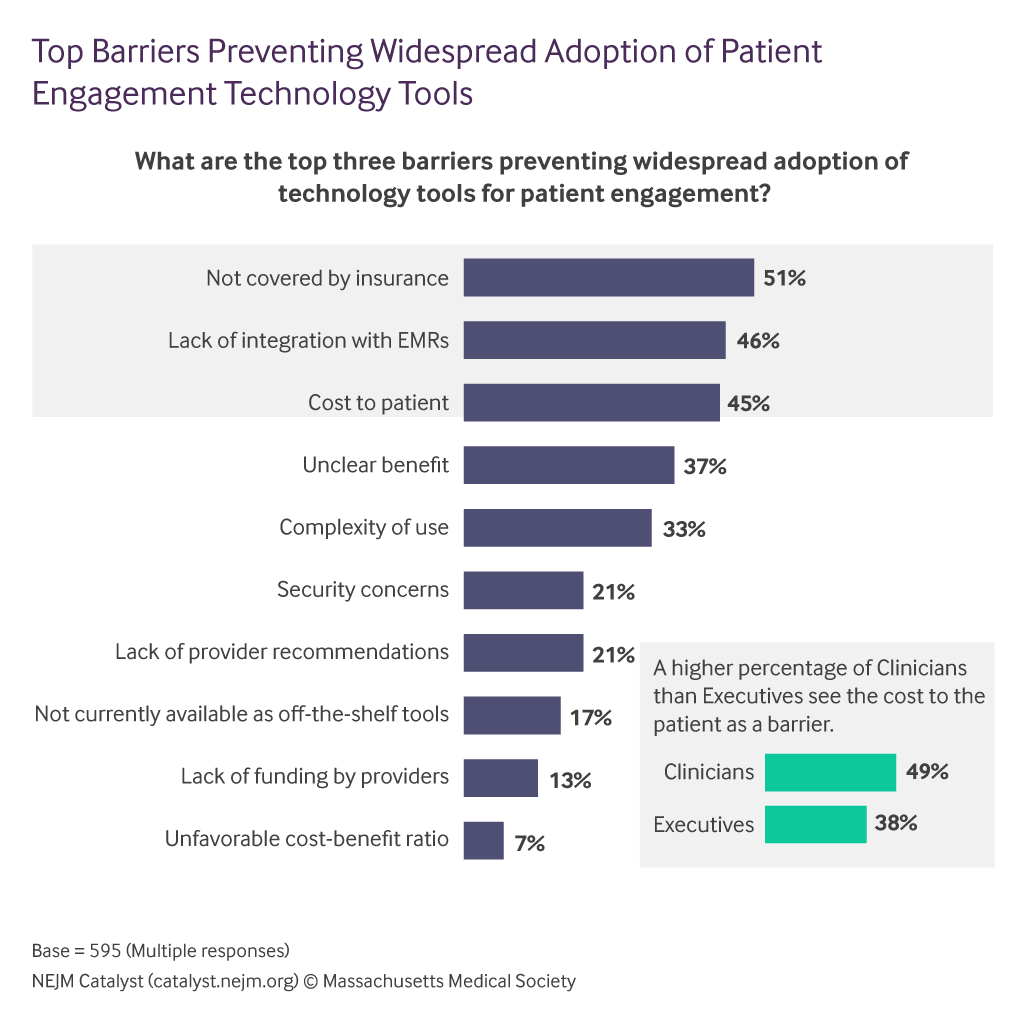
The NEJM Catalyst survey asked executives, clinical leaders and clinicians what they thought were the top three benefits of using digital patient engagement tools. The highest-rated benefits included:

• Supporting patients in efforts to be healthy (67%)

• Providing input to providers on how patients are doing when not in clinic (60%)

• Create ecosystem that allows for better predictive analytics around patient health and more timely intervention (51%)

One takeaway is that there is the belief patient engagement tools do have some practical advantages. If there’s a barrier for their widespread adoption, it must be cost, right? Isn’t it always?

Although the NEJM Catalyst article’s title clearly indicates cost is the problem, its data isn’t as clear. In fact, if you ignore the four barriers that are cost-related, you are left with six that are either:

• Highly subjective: Cost-related barriers like “not covered by insurance” or “lack of funding by providers” are easy to accept and hard to dispute. But others like “unclear benefit” and “complexity of use” have nothing to do with “cost” and are easily refutable…case in point: the Walgreens examples!

• Easily solved: If “lack of provider recommendations” and “not currently available as off-the-shelf tools” are barriers, you can trust that makers and sellers would change that very quickly if they truly believed they were the main reasons their products were not selling! Again, neither of these are cost-related barriers.

For both individuals and industries, cost is always a factor in adopting new technologies—early adoption is often an expensive and scary endeavor. However, digital patient management tools may always be evolving, but they are not new…and we’re well past of not having confidence in them because of cost.


Guideway Care is a cloud-based technology and services company that improves profitability and patient outcomes for hospitals and practices through end-to-end patient engagement solutions backed by clinical and non-clinical teams. Its HIPAA-compliant, SaaS platform improves care team workflows, automates patient communication and tracks patient progress to optimize the patient journey. Since 2004, leading healthcare providers have trusted Guideway Care to help acquire, manage and engage patients through complex episodes of care.

1 Patient Engagement Survey: Technology Tools Gain Support — But Cost Is a Hurdle

2 Measuring Performance in Delivering Quality Care

3  New Research from Walgreens and Scripps Translational Science Institute Demonstrates the Value of Automated Health Tracking

How Improving Patient Satisfaction and CAHPS Scores Can Help for Healthcare Business

The adage “Happy customers are good for business” is practically universal whether in healthcare or any other industry. That is because happy customers typically:

• Become returning customers

• Influence others to become new customers

• Reinforce employees to continue providing excellent service

In healthcare (where “customers” and “patients” are synonymous), there are many ways to measure and improve patient satisfaction as there are reasons for measuring and improving them. There are two patient satisfaction measurements from HCAHPS (Hospital Consumer Assessment of Healthcare Providers & Systems) that are noteworthy for their impacts on CMS (Centers Medicare & Medicaid) reimbursements and patient volumes:

• CAHPS surveys

• HCAHPS star ratings

How Do CAHPS Surveys Affect CMS Reimbursements?

CAHPS survey scores are an important part of how acute-care hospitals receive VBP (value-based purchasing) reimbursements from CMS. Here’s a simplified overview of how they are connected:

• VBP hospitals receive a portion of CMS reimbursements based on their TPS (Total Performance Scores).

• A chunk of TPS is determined by the PEC/CC (Patient and Caregiver Centered Experience of Care/Care Coordination domain).

• PEC/CC is determined by CAHPS surveys.

Put most simply: If your VPB patients experiences are good, you can get higher CMS reimbursements.

How Do HCAHPS Star Ratings Affect CMS Patient Volumes?

Although CAHPS survey results are published each year, it is done for accountability and not for the public to use as a way to do comparison shopping for hospitals—which is where HCAHPS star ratings enter the picture. HCAHPS has explained its star ratings are intended to:

• Enable consumers to more quickly and easily assess the patient experience of care information.

• Provide a quick summary of each HCAHPS measure in a format that is increasingly familiar to consumers.

Putting it most simply once again: If your VBP patients report good experiences, you’ll probably get more VBP patients. And, if you treat those new patients as well as you treated the earlier ones.

Healthcare CRM: An Overlooked Key to Improving CAHPS Survey Scores and HCAHPS Star Ratings

There is much more to measuring patient experience than knowing if a sick or injured patient was made better or well. Instead, patient satisfaction scores relates to a host of other factors that focus more on a patient’s experiences—several of which were touched on in the Patient Engagement HIT article, “How Hospitals Can Raise Patient Satisfaction, CAHPS Scores”: • Clear patient-provider communication • Hospital cleanliness and noise levels • Attentiveness and reducing unnecessary discomfort • Discharge and follow-up process Although Patient Engagement HIT shared some valid solutions for how to improve patient experiences in ways that relate to improving CAHPS scores, it missed a crucial one: There was no mention of healthcare CRM solutions such as patient management platforms and medical call centers. No, healthcare CRM solutions cannot control the comfort of the bed or the “bedside manner” of doctors or nurses—nor was it designed to. But they can have tremendous impacts on many factors that are part of the patient experience, especially with administrative functions like intake, discharge, communications and more. Putting it most simply one final time: If you have the tools to provide superior patient experiences, you can get better CMS reimbursements and more CMS patients!
[poll id=”15″]

Brian Malone Guideway Care Contact Center Director. Guideway Care is a cloud-based technology and services company that improves profitability and patient outcomes for hospitals and practices through end-to-end patient engagement solutions backed by clinical and non-clinical teams. Its HIPAA-compliant, SaaS platform improves care team workflows, automates patient communication and tracks patient progress to optimize the patient journey. Since 2004, leading healthcare providers have trusted Guideway Care to help acquire, manage and engage patients through complex episodes of care.

HIPAA-Compliant Texting a Convenient, Efficient Way to Improve Patient Management and Outcomes

Last month, we published a blog, “Using Automated Phone Calls and Texts to Improve Patient Outcomes, Hospital Brand Perceptions” that examined some advantages how telephones—including mobile phones and smartphones—can enhance patient management and communications. We also demonstrated the importance of using mobile device communications to engage with patients—in particular, via text messaging—after sharing research that stated approximately two-thirds of American adults own a smartphone, with 62 percent of them having used the device to get information about a health condition. As with so many other matters that relate to patient information, privacy—especially with respect to HIPAA compliance—is of supreme importance. Therefore, to fully appreciate the advantages of using text messages to communicate with patients, it’s crucial that patient text messages are HIPAA compliant.

Ensuring HIPAA-Compliant Text Messages

Ensuring that text messages comply with HIPAA privacy laws is fairly simple: You are essentially in compliance if your messages don’t include any information that identifies the patient (including his/her conditions or treatments). For example, you may send text-message appointment reminders and confirmations, but only if you don’t include the patient’s name, birth date or any similar information. It’s important to note text messages don’t need to be entirely stripped of practical healthcare information to be HIPAA-compliant. For instance, text messages that encourage patients to remain an active participant in their healthcare fit within this concept—so long as they don’t recommend specific tests for the patient or explicitly indicate the patient has a specific condition.

Advantages of HIPAA-Compliant Text Messaging with Patients

• More Convenient for Patients

Many people who have a smartphone use it as more of a mobile office than as a mobile telephone. In some cases, they don’t even answer the phone. Instead, they prefer to use text messaging, e-mail and other messaging platforms. By communication through channels that patients may find more convenient, you might find that you’ll have more success contacting them via text than you might through phone calls.

• Increase Engagement with Patients

 Smartphone users interact with their devices an estimated 2,617 times per day—which includes the times they check for messages, social media and missed phone calls. With such a high volume of daily interactions, HIPAA-compliant texting can help healthcare providers increase engagement with patients—but without having to place time-consuming phone calls that might just go to voicemail.

• Improves Outcomes

Research is routinely finding that text messages can improve patient outcomes. For instance (and as I recently mentioned in an article published by Digital Commerce 360.com, “Automated Texting Can Improve Patient Management and Outcomes”), a study published in the Journal of Medical Internet Research noted patients who received text messages as part of a study related to Type 2 diabetes had improved outcomes.

• Optimizes Staff Resources

Using platform-as-a-service (PaaS) patient management solutions that can send automated messages may free up your staff members’ time that would have otherwise been spent making phone calls to patients. This enables them to more quickly answer inbound calls from patients, which can result in a more productive and positive experience for patients.


Gopi Yeleswarapu is Guideway Care Chief Technology Officer. Guideway Care is a recognized leader for innovative patient engagement solutions—which includes its Platform as a Service (PaaS), Sequence. To learn more about how Sequence can help you take advantage of HIPAA-compliant texting and other automated patient engagement solutions, please contact us.

Five Patient Engagement Statistics You Can’t Afford to Ignore

Healthcare providers are looking for ways to improve patient satisfaction and outcomes without adding to the heavy burden felt by their care teams to add time consuming processes to the daily to-do list. The statistics below make a strong case for incorporating educational outreaches and reminder engagements to set and manage patient expectations and strengthen the patient-provider relationship. Patient Engagement Statistics
1.  A 2022 study on patient engagement statistics showed that using patient engagement software can help reduce hospital readmissions by up to 14%. What are you doing to keep your patients engaged throughout their healthcare journey? Proper patient engagement can drive follow-ups, ensure patient satisfaction, and improve healthcare outcomes. 2. Text message reminders have a 98% open rate, making it one of the most powerful patient engagement tools. Patients can directly reply to the text message reminder to confirm, reschedule, or cancel an appointment. Automated patient outreaches and reminders simplify communication by minimizing no-shows and cancellations. What can you do to improve attendance rates and enhance efficiency? Read More: Why Patient Engagement Is Important In Healthcare 3. The latest patient experience statistics show that 63% of patients prefer telehealth visits to in-person consultations. Telehealth expands healthcare beyond the office and improves patient engagement via digital tools like video conferencing, remote patient monitoring, and SMS. It also enhances patient activation, allowing patients to participate actively in their care journey. What are you doing to help your patients access care beyond clinical settings? 4. A 2021 study showed that over 50% of patients do not adhere to their prescribed health plan due to poor or inadequate patient engagement. In addition, about 70% of medication-related hospital readmissions are due to patients abandoning their health plans. Readmissions are due to unfavorable patient outcomes and can have costly financial implications. What are you doing to overcome gaps in care management and ensure your patients adhere to their health plans to avoid readmissions? 5. 52% of patients missed a scheduled appointment in the past year. About 33% of patients who missed their scheduled healthcare appointments did so because they forgot. Automated appointment reminders can help boost healthcare patient engagement and maintain communication, reducing no-show rates and cancellations. What is your practice doing to ensure patients do not miss their scheduled medical visits?
HayleHayley Kenslea, Director, Product Managementy Kenslea, Director, Product Management Hayley ensures that our technology delivers for clinicians, patients, and systems by coordinating the work of our technical teams and client services. Our product knowledge expert and workflow engineer for Pathways and Call Center services, she joined Guideway Care with almost 10 years of experience in physician practice management, workflow re-engineering, and EMR and BI optimization. Hayley earned a Bachelor of Arts in Psychology & Global Health from Emory University and a Master’s in Healthcare Administration from the Johns Hopkins Bloomberg School of Public Health.
Visit https://sequencehealth.com to learn more about patient engagement solutions from Guideway Care. Connect with us on social media using the hashtags #SmarterEveryStepOfTheWay, #PatientEngagement, and #HealthIT.

Engaging the “Consumer Patient” — What Healthcare Must Learn from Telecom

To launch our ongoing Leader’s Thought blog series, this post is written by Alan Creighton — communications mogul turned CEO of MDnetSolutions.
It’s no secret that consumers are embracing and adopting new technologies and communication tools at an unprecedented rate. Within the telecom industry, the demand for asynchronous engagement — “what I want, when and where I want it” — has exploded, and telecom providers have delivered. With applications for a multitude of devices, the industry has set the bar for communication preferences and enabled consumer brands to have this kind of conversation

And this is where the healthcare industry has fallen behind.

While numerous studies that have indicated that patient engagement improves healthcare outcomes, the healthcare industry as whole has not addressed the changes in communication preferences that consumers, their patients, expect. Yes, brick-and-mortar practices have developed patient portals; but they primarily serve as one-way information aggregators within that practice. It’s the lack of outgoing communication from providers and the ability to consume patient information outside of the brick and mortar that is affecting how active a role patients take in managing their own health. With consumers far ahead of providers and squarely in a highly-engaged phase, this new generation of “consumer patients” is frustrated that they can’t have more communication with their providers when and where they want to receive it. Where telecom technologies have evolved to allow brands to keep up with consumer demand, the CRM technology supporting healthcare practices has remained largely stagnant. In order to thrive, practices must begin to explore the benefits of digital dialogue throughout the patient care continuum and outside the of the typical healthcare setting, particularly with post-discharge follow-up. By enabling dialogue, practices can efficiently and effectively utilize tools of engagement to help their patients lead healthier lives.

So what have we learned?

For healthcare to succeed in the “consumer patient” generation, integration and interoperability among healthcare IT applications are crucial. Because very few healthcare vendors have fully embraced this, the standards and protocols are lacking when it comes to sharing data and exchanging information. This, too, creates a deficiency when transferring patient data and results in an inefficient, frustrating experience.

How do we help improve that experience?

One, we have to communicate outside of the healthcare setting with methods that patients, our “consumers”, are most comfortable and most responsive. Two, the healthcare industry must work together to do a better job of sharing information in order to stay effective and relevant. Simply put, healthcare practices that choose not integrate choose to become obsolete. The need for that communication has primed healthcare data to become part of an information system that empowers and educates patients. There is a huge opportunity in the market to utilize the tools of engagement that we know patients, our consumers, have adopted from other consumer brands. Companies that have tuned into this opportunity are beginning to introduce tools that are driven by communication preferences and designed to integrate with existing EMR systems. By adapting their preferred methods of information exchange, healthcare providers can now offer a more-relevant dialogue to better engage with their patients. About MDnetSolutions: We are leveraging communication innovations, and structuring our software for integration, to facilitate conversations between healthcare providers and patients. By creating tools that provide a multi-level view of the patient pathway, and integrate with EMRs, we can also keep a practice’s staff informed of where each patient is within in the provider’s healthcare continuum to prevent them from stalling in their cycle of care. Learn more about these solutions at www.mdnetsolutions.com
Closeup of doctor at his desk in front of computer

Patient Engagement through the Portal

Improved communication leads to higher patient satisfaction, and for healthcare providers who want to involve patients in their own care and form closer ties with consumers, now might be the best time in years to implement a patient portal solution. The Pew Research Center’s Internet & American Life Project reports 69 percent of U.S. adults track a health indicator for themselves or a loved one. The California HealthCare Foundation also reports, “Patients pay more attention and become more engaged in their health and medical care when they have easy access to their health information online.” Although there is clear data supporting the need for providers to offer effective and user-engaging patient portals, many systems launched to date have fallen short of meeting patients’ needs. At Guideway Care, we have worked with practices of every size to install an online patient portal enabling both the patient and the doctor to know, see and find vital patient information in one convenient location. Our solution, which is HIPAA-compliant, is housed on your practice’s existing website or we can build you an entirely new website, including the patient portal. The portal is a convenient two-way street of communication between patient and provider. Both sides can view, store and record information, get lab results, schedule doctor appointments, refill medication, view a billing statement and easily communicate with one another in a private secure web-based system. A patient portal is an engaging way to encourage patients to regularly access their information. It could be a routine like updating your Facebook status, “tweeting” on twitter or creating a “pin” on Pintrest. These sites have one thing in common—users interact with the sites many times a day, returning multiple times to access new content. This type of engagement should be the ultimate goal for patient portals. The portal is helping to alleviate follow-up phone calls to physician offices, allowing the practice’s staff to focus on taking care of patients who are in the office. Overall, the most significant benefit of the portal is the opportunity to offer an accessible, effective engagement tool to patients and your community. Our patient portal is much more than just an online tool; it supports a strategy focused on enhancing patient engagement within our community and with our providers. The patient portal also can be an efficient and effective method of communicating with patients outside of the office. However, the most pronounced portal benefit is the improvement in healthcare quality it encourages, stemming from patients’ active engagement in their own health and healthcare. Don’t delay, contact a sales rep at Guideway Care today and let’s begin the engagement. Donna Roach, CIO of Borgess Health/Ascension Health Information Services in Kalamazoo, Mich., helped contribute to this blog.
iStock_000014616885_Medium

Do You Hear What Your Patients are Saying?

Consumer Reports surveyed 1,000 Americans regarding the typical complaints they have about their doctors and the No. 1 grievance was “unclear explanation of problem.” That is a rather sobering thought. Many would guess the most popular complaints were waiting time or inconvenient office hours. Those complaints were on the list; however, those pale in comparison to the lack of communication between patient and physician. Each person surveyed was offered a list of common complaints and asked to rate the intensity of the complaint on a scale of one to 10. One meant the patient was not bothered at all and 10 meant most intense.iStock_000014616885_Medium Unclear explanation from the physician garnered the top spot with an average score of 8.3. Rounding out the top five most common patient complaints were:
  • Rushed during an office visit (7.8)
  • Side effects from medication not fully explained (7.6)
  • Long wait for the doctor in exam or waiting room (7.6)
  • Inconvenient office hours (6.5) and
  • The doctor takes notes on the device, not looking at the patient (6.2).
While the majority of complaints are inconvenient and non life threatening, but unclear explanations from a physician can be fatal. We know there are more patients in the world than doctors; however, we can’t see a patient as just a number. We can’t do the 10-minute meet and greet, ask a couple of questions, order lab work, prescribe some medication and move on to the next patient. “There should be the thought of accountability and expectations on behalf of the patient,” says Dr. Thompson H. Boyd, a physician liaison at Hahnemann University Hospital in Philadelphia. “The patient has to be a contributing member of the care team, not just a bystander.” A key to correcting the most common complaint is better care through communication. A strategy to combat poor communication between patient and physician is implementing a teach-back method. This is a way to confirm the information you have provided the patient has been understood by him/her. A patient’s understanding is confirmed when they are able to explain back the instructions and strategies you offered for their treatment. Remember this is not a test of the patient’s intelligence. It is to confirm you have explained treatment and medication clearly and concisely and thus improving the odds of a positive patient outcome. A few sample questions to ask in implementing the teach-back method after you have shared your thoughts are:
  • “I want to be sure that I explained your medication correctly. Can you tell me how you are going to take this medicine?”
  • “We covered a lot today about your condition, and I want to make sure I explained things clearly. So let’s review what we discussed. What are three strategies that will help you control your condition?”
  • “What are you going to do when you get home?”
The teach-back or “show me” method takes some extra time, but in the long run, it benefits both the patient and your practice. Now you have the No. 1 patient complaint tackled, you can focus on the other common complaints, and partnering with Guideway Care can help correct those grievances. By implementing our boutique medical call center and 24-hour NurseLine, we can help your patients stay engaged. We also can help with wait times by making patient intake more efficient. Visit us at Guideway Care or call 888.986.3638 to schedule a demo. With Guideway Care, together we can transform care in the new year.

Engagement: I Now Pronounce You Patient and Physician

Our friends at Fierce Healthcare produced a new article this week regarding three ways hospitals can better improve patient engagement. In the article, three tips are offered:
  • Designate a patient engagement advocate
  • Build partnerships, and
  • Access interoperability opportunities
This is sound advice for any hospital or medical practice, and MDnetSolutions can help boost patient engagement, which leads to better patient outcomes. We also provide solutions to recruit new patients and grow your practice.
  1. Designating a patient engagement advocate
At MDnetSolutions, we become an extension of your practice and care for your patients like they are family. Thanks to our cutting-edge technology, we can streamline all processes before, during and after patient care. This saves your practice money and ensures the patient gets the best possible care. MDnetSolutions web-based patient software, LeadTracker, works to track the progress of each patient in the hospital system. From streamlining patient intake to discharge, LeadTracker is easy-to-use, HIPAA-compliant and integrates seamlessly with any existing patient management system, from the small rural practice to the giant Accountable Care Organization (ACO). MDnetSolutions can help inventory and synchronize all processes across departments, within medical teams and among facilities within a healthcare system. Additionally our 24/7, boutique, medical call center, NurseLine and digital marketing strategies aid in each step of patient care. From questions about procedures and certain medications to pre- and post-operative scheduling and reminders, MDnetSolutions is there to provide support, comfort and education to your patients.
  1. Build Partnerships
The healthcare landscape has changed and nowhere is this more evident than the doctor/patient relationship. Prior to the growth of the healthcare consumerism movement and patients becoming more proactive about their health and overall lifestyle, doctors would examine the patient, diagnose the problem and prescribe medicine or schedule a procedure to hopefully cure the ailment. This usually involved the physician calling all the shots. Now care is more about collaboration, as patients are becoming consumers of healthcare and educated about their medical condition. This patient-centered care, or relationship-based primary care where physician meets the individual patient and family’s needs, priorities and preferences, has become a partnership between patient and physician. MDnetSolutions believes patient and physician collaboration is vital to successful medical outcomes. We also see educating patients only improves engagement and fosters collaboration with the medical staff. For medication adherence, education is key. MDnetSolutions can help market your education tools and online seminars to illustrate the importance of proper medication. Our medical call center and NurseLine also can provide reminders to take medication properly. MDnet’s patient portal also is a valuable solution in building the patient/physician relationship by storing information in one, secure place. This patient portal also can be housed on your website both you and your patient can view, store and record information, schedule doctor appointments, refill medications and communicate with each other with ease. The patient portal allows access to real-time education for patients and reduces the chance of being overloaded with information. Patients also gain access with a click of the mouse rather than having to leave their home.
  1. Access Interoperability Opportunities
With the emergence of ACOs, which comprise doctors, medical groups, hospitals and other healthcare professionals work together to deliver high-quality, coordinated care to the patients they serve, there will be much more collaboration in patient care. Not only will doctors have more conversations with the patient under his or her care, there also will be increased collaboration among medical staffs and specialists in different offices. Is your hospital or medical office ready for this new patient engagement strategy? If not a call to MDnetSolutions is all you need. MDnet has the Solutions to make your hospital stay current with the latest healthcare trends. Our patient portals function correctly on any medical website, and our team designs patient portals to easily integrate with every patient management system. Incorporate the patient portal, with our electronic medical records system and you are ready to take your hospital patient care to the next level. Get engaged with us and get ready to engage the world. Visit www.MDnetSolutions.com or call 888-986-3638 to schedule a demo.

Hey Doc, It Pays to Listen

The doctor/patient relationship is a two-way street and more positive outcomes occur when there is collaborative communication between the two parties. However, many doctors cite lack of time for their inability to interact one-on-one with patients. According to a report from Health Affairs, many physicians don’t see the need for a patient’s opinion and remain entrenched in the antiquated, physician-directed, decision-making strategy rather than implementing a share-directed, decision-making strategy. The healthcare culture is shifting from provider-centered to true patient-centered care. However, like everything else in the healthcare industry, change comes slowly. With the move to healthcare consumerism and a growing trend of healthcare information transparency, medical practices are looking to implement more patient-centric programs. Examples of these programs are:  NurseLines, online education sessions, patient portals and many more. The goal is to engage and educate patients and aid in making better decisions about treatment options. This generation of patients isn’t satisfied with the archaic take two aspirin and calls me in the morning suggestion. Many are tech savvy and want to be an active participant in the decision-making process as it relates to their healthcare choice. They want to know what kind of aspirin. Should it be Tylenol, Advil, Excedrin or any other brand of pain reliever? They may also not use the phone to contact the physician. It could be a text or via a virtual consultation. The modern patient doesn’t have time to go to the doctor. He or she expects the doctor to come to him or her. Consider Guideway Care patient portal solution as the virtual house call. A horse-drawn carriage or motorized vehicle has been replaced by a click of the mouse, and if your practice is not in tune with the digital age, your practice could go the way of the horse-drawn carriage. The next generation of patients is out there. Let us aid you in transforming your practice to the digital age. Let us share our solutions with you, including professionally trained NurseLine, HIPAA-compliant security and simple website incorporation and much more. Visit our website and request a demo today.

Patients are not happy with hospital care, says new poll

doctor taking notes In a recent study, NPR found that people who have been hospitalized recently considered their care to be very costly and not up to quality standards. “Sick In America,” as NPR is calling it, exposes the numbers behind patients’ recent experiences and their feedback, and the results have some hospitals double-thinking their care. Overwhelmingly, patients found communication and time spent with patients to be the biggest areas hospitals lack in. Among 291 patients who had been seriously ill and hospitalized overnight at least one night in the last year:
  • 34% said nurses were not available when they needed them or did not respond quickly to requests for assistance
  • 30% said that there was poor communication among the doctors, nurses and other health care professionals involved in their care
  • 24% said doctors, nurses and health care professionals did not communicate information about their condition or treatment clearly to them or a family member
Also to be noted, 3 out of 5 patients today feel like their doctor is rushing through their exam. We understands health care providers’ challenges with time and resources, and our services fit in to create relief in your daily schedule. From lead capture and tracking, to U.S.-based call center support, and online marketing services, MDnetSolutions helps reduce patient dissatisfaction by allowing you to spend more time assessing your performance. Leaving the administrative work up to us will help you spend more time and efforts doing what you do best — serving your patients. To find out how we can help your practice by visiting our website or giving us a call at 888-986-3638.