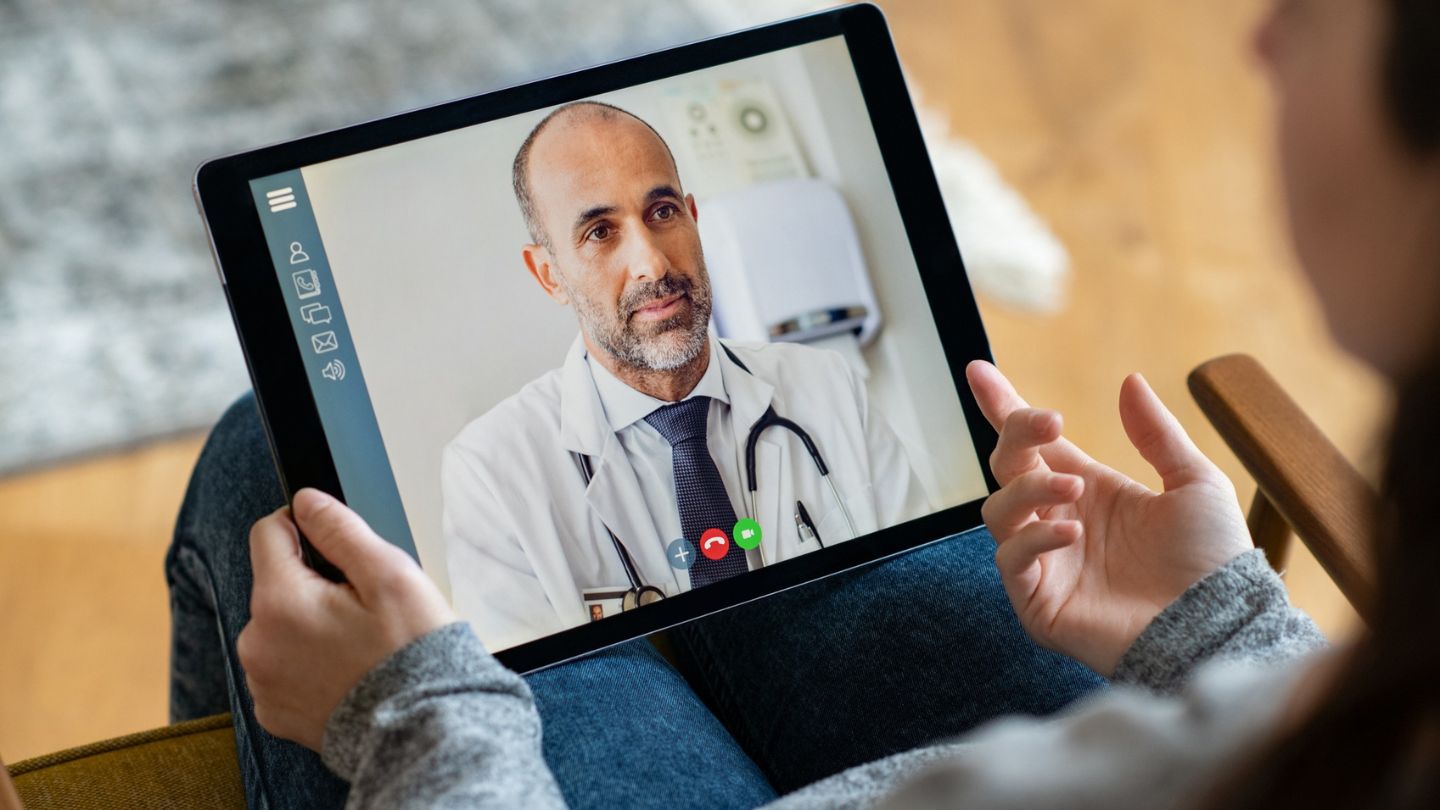
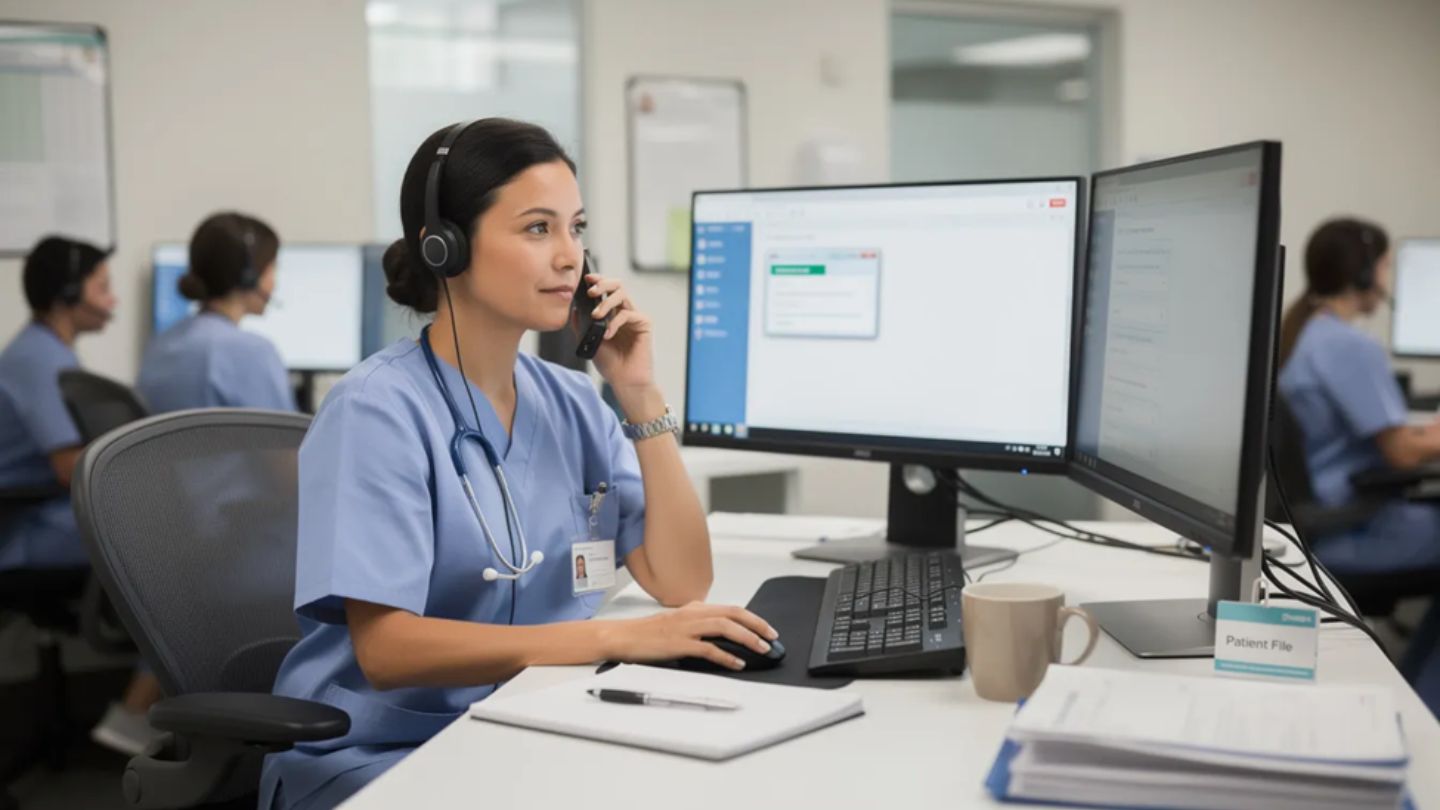
Problem context: patients cannot get in — calls, scheduling, after-hours and verification friction stop the first step. Umbrella for Medical Contact Center, Appointment Scheduling, After-Hours Support and Insurance Verification. Also searched as: patient access, access to care, front door.
Fifty percent of non-compliance and non-adherence stems from social determinants of health. Our Activation Agents don’t wait for patients to tell them what’s wrong. They ask, they find it, and they fix it before the patient drops out.
A patient agrees to a follow-up appointment. They sound compliant on the call. Then they no-show. Your system logs it as a missed appointment. Maybe a reminder goes out. Maybe they reschedule. Maybe they don’t.
What the system doesn’t capture is why. The patient couldn’t find a ride. Their insurance lapsed and they’re embarrassed to say so. They don’t understand what the appointment is for. They’re afraid of what the doctor will tell them. They can’t afford the copay this week. They’re managing a parent’s care and their own at the same time.
These are not edge cases. CMS data shows that 50% of non-compliance and non-adherence stems from social determinants of health. Half. That means half the time a patient fails to follow through, the reason has nothing to do with their clinical condition or their willingness to comply. It has to do with barriers the healthcare system never asked about.
Standard contact centers don’t ask because they’re not built to ask. They’re built to route calls, confirm appointments, and close tickets. The agent reads the script, confirms the scheduling slot, and moves to the next call. The patient’s practical reality never enters the conversation.
That’s the structural gap. And it’s where the Stressor Inventory changes the model.
The Deeper Problem: Invisible Barriers Compound Invisibly
When non-clinical barriers go unaddressed, they don’t just cause one missed appointment. They create cascading failures across the care journey.
A patient who can’t get transportation to a post-discharge follow-up misses the visit. The missed visit means their medication isn’t adjusted. The unadjusted medication leads to a symptom flare. The symptom flare drives an avoidable readmission. The readmission costs the system tens of thousands of dollars and moves the patient further from health.
None of that shows up as a “transportation problem” in your data. It shows up as a readmission. And every intervention you deploy to reduce readmissions will underperform as long as the root barrier remains invisible.
This pattern repeats across dozens of barrier types: financial constraints, insurance confusion, prescription cost burden, work schedule conflicts, childcare responsibilities, health literacy challenges, language barriers, housing instability, fear, and mistrust. Each one is individually solvable. Collectively, when they go undetected, they create the compliance gap that drives your most expensive outcomes.
The question isn’t whether your patients face these barriers. They do. The question is whether your contact center is built to find them.
How the Stressor Inventory Works
The Stressor Inventory is not a one-time screening form. It’s an ongoing assessment process embedded in every patient interaction, powered by two techniques from our Motivational Patient Guidance (MPG) framework: Reciprocity and Goodwill, and Ease and Effort Minimization.
Reciprocity and Goodwill leverages social exchange theory. When an Activation Agent goes out of their way to solve a problem the patient didn’t even raise, it creates a powerful psychological dynamic. The patient feels cared for. They reciprocate by engaging more openly, sharing more about their situation, and following through on commitments. This is not a scripted courtesy. It’s a trained behavior rooted in behavioral science. When an agent secures a prescription discount coupon, arranges transportation, or clarifies insurance coverage without being asked, the patient’s trust in the system deepens. And trust drives follow-through.
Ease and Effort Minimization applies a simple principle: the simpler an action is, the higher the likelihood of doing it. Our Activation Agents don’t just identify barriers. They remove them. If a patient needs a ride, the agent mobilizes transportation resources during the call. If insurance verification is blocking a referral, the agent resolves it before the patient hangs up. If the patient is confused about medication instructions, the agent explains using plain language and confirms understanding.
The Stressor Inventory covers practical barriers across the full spectrum: transportation, financial constraints, insurance and prior-authorization hurdles, prescription cost burden, pharmacy access, childcare, work schedule conflicts, housing instability, health literacy, mobility impairments, language barriers, digital literacy, caregiver availability, cultural beliefs, and more.
But the process isn’t a checklist. Our Activation Agents are trained to surface barriers through natural conversation, to read signals that a patient is hesitant or uncertain, and to proactively offer solutions before the patient has to ask. The inventory builds over time as the agent develops a relationship with the patient, capturing new stressors as life circumstances change.
What This Means for Your Operation
When your contact center surfaces and resolves non-clinical barriers, three things change.
First, follow-through rates increase. Patients who have their practical barriers removed before an appointment, procedure, or medication pickup are significantly more likely to complete the action. This shows up in appointment adherence, prescription fill rates, and referral completion.
Second, avoidable utilization decreases. Patients who complete their recommended care steps on time don’t escalate into emergency visits, readmissions, or severity spikes. The same patient who would have no-showed and re-presented in the ED now shows up to the scheduled visit because someone solved the transportation problem on the first call.
Third, patient satisfaction improves. Patients remember the experience of being helped, not just served. When your contact center operates as a barrier-resolution engine instead of a call-routing function, patients feel that their system is working for them. That perception drives loyalty, positive experience scores, and in-network retention.
PROVEN AT SCALE
Our approach to barrier resolution has delivered measurable results across partner organizations.
35%
Fewer readmissions
31%
Higher patient satisfaction
~100%
Appointment adherence
29–35%
Acute care reduction
HIPAA Compliant
SOC 2 Certified
NIST Compliant
SEE IT IN CONTEXT
This page explains the behavioral science behind our barrier resolution methodology. To see the full operational picture of our Medical Contact Center, including scheduling, referral management, insurance verification, and how we integrate into your workflows, visit the main solution page.
Medical Contact Center Solutions
Scheduling, referral management, insurance verification, and more
Nudge Theory in Patient Scheduling
How choice architecture reduces no-shows
How Activation Powers Triage
The behavioral science behind our triage model
Our Full Approach
The complete MPG framework
See how barrier resolution works inside your operation
Schedule a consultation and we’ll show you how the Stressor Inventory integrates with your workflows, your EHR, and your patient population.
Multilingual call center services have become essential in today’s healthcare landscape, where diverse patient populations expect clear and accessible communication. As digital health services and cross-border patient interactions continue to grow, healthcare providers must ensure language is not a barrier to quality care. However, delivering multilingual support introduces challenges related to communication accuracy, cultural sensitivity, staffing, and technology integration. Without the right strategies, these issues can impact patient satisfaction and operational efficiency. This blog explores the most common challenges in multilingual call center services and outlines practical solutions to help healthcare organizations improve patient engagement, streamline operations, and deliver consistent, high-quality support across languages.
Key Takeaways
Multilingual call center services are essential for global customer experience but introduce operational, cultural, and technological complexities that require deliberate strategies to address.
The most significant challenges include language barriers affecting AHT and FCR, inconsistent quality assurance across languages, cultural sensitivity gaps, talent scarcity, and fragmented technology stacks.
These obstacles can be mitigated through structured language proficiency standards, specialized QA processes, smart routing, cultural competence training, and language-segmented performance measurement.
Each strategy offers practical steps that contact center leaders can implement within 30–90 days.
The Rising Demand for Multilingual Call Center Services
Post-pandemic digital acceleration between 2020 and 2024 significantly increased cross-border healthcare interactions, including telehealth services, patient engagement, and digital health transactions. Customers now expect multilingual customer service that matches their purchasing habits. This growing demand also highlights how multilingual patient support reduces health disparities in diverse communities, particularly when patients receive care in their preferred language.
Challenge #1: Communication and Language Barriers
Communication barriers show up both internally among staff and externally with customers, even when multilingual agents are nominally fluent. Concrete pain pots include longer Average Handle Time (rising 20-50% in non-native queues), lower First Contact Resolution (dropping below 70%), and repeated callbacks in certain language queues. The added complexity of accents, regionalisms, and dialects compounds these issues. These challenges further emphasize the reasons for a multilingual call center for healthcare, especially in delivering accurate and patient-centered communication.
Internal Communication Difficulties
Common issues include misinterpreted policy changes, inconsistent procedure application, and siloed language teams. Solutions include designating a clear working language for internal communication and standardizing documentation. Regular cross-language huddles with bilingual facilitators ensure alignment on KPIs and process changes.
External Miscommunication with Customers
Functional language skills often aren’t sufficient for complex scenarios like chargebacks, medical issues, or regulatory disclosures. Specific risks include misheard account details, misunderstood dates, and confusion over financial terminology. A US telecom firm faced $500K in chargeback losses from dialect-confused billing disputes.
Literal direct translations and rigid scripts produce awkward phrasing that frustrates customers. Tracking language-segmented KPIs helps identify where external miscommunication occurs most frequently across customer interactions.
Overcoming Communication and Language Barriers
Effective strategies for addressing language barriers include:
Building structured language proficiency standards (CEFR B2/C1 or ACTFL Advanced) tied to hiring and promotion
Implementing ongoing language coaching focused on call center-specific vocabulary and listening skills
Using dynamic scripts that agents can adapt rather than word-for-word translations
Combining human language skills with real-time assist tools like terminology glossaries
Conducting quarterly language audits with native speakers reviewing sampled customer calls
Challenge #2: Maintaining Consistent Quality Across Languages
Quality assurance becomes significantly harder when supporting 5-10 different languages across multiple locations and vendors. Many QA teams can only review English or one major language, creating blind spots in languages like Italian, Dutch, or Korean. This inconsistency damages brand uniformity and leads to divergent KPIs, AHT 30% higher and CSAT 15-20 points lower in underserved queues.
QA Complications in Multilingual Environments
Non-speaking QA staff often rely only on metadata like handle time and disposition codes instead of understanding actual content. Using a single global scorecard ignores cultural norms, German directness may be scored as rudeness, while Japanese formality appears stiff.
Small language queues often receive minimal sampling (under 5%), allowing unnoticed quality drift. Create language-specific QA scorecard variants that maintain core compliance metrics while adapting soft skills criteria to cultural expectations.
Translation vs. True Multilingualism
The difference between translated English scripts and truly localized experiences directly impacts customer satisfaction. Direct translation fails with idioms like “on the same page” or US-centric metaphors that confuse international customers.
Tone, pronoun choice, and honorifics vary significantly, Spanish requires decisions between tú and usted, while Japanese demands proper keigo forms. Native speakers should co-create or localize scripts rather than relying solely on translation vendors.
Strategies to Improve Multilingual QA
Recruit native-speaker QA analysts for each major language (10-15%+ of volume)
Deploy AI-powered speech and text analytics supporting 50+ languages
Hold calibration sessions where multicultural QA teams score the same recordings
Publish language-segmented QA dashboards for rapid intervention
Create feedback loops connecting QA insights to training and knowledge base updates
Challenge #3: Recruiting and Retaining the Right Multilingual Talent
Fluent, customer-savvy bilingual agents are scarcer and 20-50% more expensive than monolingual counterparts. Niche languages like Dutch or Swedish show supply 30% below demand. Context-switching between languages increases burnout, inflating turnover to 45% versus 35% for monolingual roles.
Finding Qualified Multilingual Agents
Hiring multilingual agents requires precision. Job descriptions must specify language proficiency levels and use cases (phone versus chat). Use structured assessments with realistic call scenarios, these predict performance 40% better than generic tests.
Source from universities, diaspora communities, and remote talent pools. Partner with specialized staffing agencies for hard-to-find languages. Plan headcount ahead of regional peak seasons to handle customer inquiries effectively.
Retaining and Developing Multilingual Employees
Empower agents by recognizing language skills in career progression:
Differentiated pay tied to certified language proficiency
Clear paths to QA, training, or team leadership roles
Wellness initiatives combating burnout from language-switching
Regular retention interviews by language group
A healthcare services provider achieved a 22% reduction in attrition by developing multilingual career progression frameworks that positioned language capabilities as strategic assets.
Overcoming Talent Challenges
Build skills matrices enabling flexible routing across your center team. Use WFM tools that forecast language-specific demand. Maintain core in-house talent supplemented by BPO partners for overflow. Recognition programs that spotlight multilingual contributions support business growth through improved retention.
Challenge #4: Technology and Tools Integration for Multilingual Support
Many legacy call center software platforms were built around English, creating friction for global customer support. Common issues include IVR limited to 10-20 languages, CRM fields truncating right-to-left scripts, and analytics tools only recognizing English keywords.
Language Compatibility and System Limitations
Technical barriers include text truncation in Arabic and Hebrew, accent misrecognition (20-40% error rates), and poor diacritics support. Routing rules must consider language skills, not just queue availability, otherwise 15% of customer calls get misdirected.
Choose platforms explicitly listing supported languages for all modules. Run pilot tests measuring transcription quality before rollout. Collaborate between operations, IT, and vendors to prioritize multilingual features.
Dependability and Limits of Translation Tools
AI powered translation tools work reasonably well for email and chat on non-sensitive topics (85% accuracy with proper glossaries). They remain risky for regulated disclosures or complex voice interactions (30% tone and jargon failures).
Establish clear policies on when translation tools are appropriate versus when human language specialists are required. Build controlled terminology glossaries and conduct periodic human reviews of translated interactions to break language barriers effectively.
Overcoming Technology Integration Challenges
Implement multilingual IVR with intelligent routing based on caller language
Centralize knowledge bases with language-specific article versions
Integrate analytics that tag interactions by language
Use phased rollouts starting with chat and email before voice
Select vendors with proven deployments in your target languages
Challenge #5: Measuring and Managing Performance by Language
Many organizations aggregate performance across all languages, hiding serious underperformance in smaller queues. Without language-segmented reporting, leadership cannot identify bottlenecks, justify investment, or improve customer satisfaction effectively. These insights are essential when measuring the impact of multilingual support on patient satisfaction, as language-specific performance directly influences patient experience outcomes.
Building a Language-Segmented KPI Framework
Configure reporting tools to tag every interaction with language, country, and channel. Create dashboards showing side-by-side comparisons, English versus Spanish versus French CSAT and FCR. Set language-specific targets while maintaining minimum global standards.
Include language metrics in executive reviews and partner QBRs. Investigate significant gaps with root-cause analysis covering staffing, training, tools, and process mismatches.
Continuous Improvement for Multilingual Operations
Drive ongoing improvement through:
Quarterly reviews with product and marketing teams on language performance
A/B testing scripts and greetings by language (yielding 12%+ FCR gains)
Capturing agent suggestions from each language queue
Tying learnings to knowledge base updates and training refinements
Mature operations treat language like a product feature, continuously iterated and optimized to enhance customer experience across all customer touchpoints.
Conclusion: Turning Multilingual Challenges into Competitive Advantage
The main challenge areas, seamless communication, quality assurance, cultural sensitivity, talent management, technology integration, and measurement, interlock and require holistic solutions. Brands that invest deliberately in multilingual operations differentiate strongly in today’s global marketplace, especially where competitors still offer English-only center support.
Start with quick wins: implement language-segmented KPIs, launch basic cultural training, and optimize routing within 60-90 days. Build a medium-term roadmap (6-18 months) that includes specialized multilingual QA, tech stack optimization, and formalized career paths for bilingual call center agents.
As AI and global talent trends continue evolving through 2026, organizations that provide multilingual support strategically will capture the diverse customer base that expects exceptional customer service in their preferred language across all communication channels.
Final Thoughts
Multilingual call center services present a unique set of challenges, including communication barriers, inconsistent quality assurance, talent shortages, technology limitations, and difficulties in performance measurement. However, with the right strategies, such as structured language standards, culturally aware training, smart routing, and language-specific KPIs, organizations can effectively overcome these obstacles and deliver consistent, high-quality support across diverse patient populations.
At Guideway Care, multilingual call center services are designed to address these complexities while enhancing patient engagement and operational efficiency. By combining skilled multilingual agents, healthcare-focused communication strategies, and advanced technology, Guideway Care ensures that patients receive accurate, culturally sensitive, and timely support across every interaction. These capabilities seamlessly integrate with essential services such as nurse triage support and insurance verification, helping healthcare organizations streamline operations and improve patient outcomes. Explore how Guideway Care can support your organization with comprehensive solutions like nurse triage services and insurance verification, and elevate your multilingual patient communication today.
We answer patient calls in an average of 29 seconds — well under the 60–90 second industry average. No hold queues, no IVR mazes, no voicemail black holes.
Every second matters when a patient is anxious, symptomatic, or deciding whether to head to the ER. Our staffing model is built around real-time demand forecasting to maintain speed-of-answer targets even during peak periods.
Our abandonment rate consistently stays below 4% — less than half the industry average. When patients call, they reach a real person.
High abandonment rates are the canary in the coal mine for patient leakage. Every call that goes unanswered is a patient who may seek care elsewhere, delay treatment, or default to the ER.
Clinical Quality Assurance
99.4% of all interactions pass our rigorous QA review process. Every call is eligible for audit — not just a random sample.
Our QA framework evaluates clinical accuracy, protocol adherence, activation technique usage, documentation completeness, and patient communication quality. Regular calibration sessions ensure consistency across all team members.
Scalable Staffing
We’ve demonstrated 4× staff scale-up capability, allowing us to absorb call volume spikes without degrading quality.
Whether it’s flu season, a post-event surge, or rapid growth, our workforce management model can scale trained agents within days — not weeks. Every new agent is trained in your specific protocols before taking a single call.
See It in Action
Ready to Hold Us to It?
We’ll show you real-time dashboards and agree on performance targets before you go live.
Insurance verification looks simple on paper. In practice, it consumes hours of staff time, produces inconsistent results, and quietly erodes your revenue. These are the problems you already know about.
Your staff is spending hours on hold with payers instead of helping patients
Every verification call that ties up your front desk is a patient in the waiting room who isn’t being helped, a phone that isn’t being answered, and a task that requires zero clinical skill but maximum patience. Your most expensive resource is doing your least strategic work.
Incomplete verifications are producing claim denials you could have prevented
When verifications are rushed, inconsistent, or missing key details like prior authorization requirements, the claim gets denied weeks later. By then, the cost of rework dwarfs the cost of doing it right the first time.
Verification bottlenecks are delaying patient care before it even begins
When verification falls behind, appointments get pushed. Patients wait. Surgical schedules slip. The intake process that should take minutes stretches into days, and patients start looking elsewhere.
Insurance Verification Services That Support Patient Access and Activation
Verification is treated as an administrative checkbox. Check the box, move on. But that framing hides the real damage. Insurance verification sits at the intersection of revenue, operations, and patient retention. When it breaks down, the consequences compound across your entire organization.
Every denied claim started with a verification gap you never saw
REVENUE LEAKAGE
Denial management is a billion-dollar industry built on fixing problems that shouldn’t exist. Most denials traced to eligibility and authorization issues were preventable at the verification step. But by the time you see the denial, the cost has multiplied through rework, appeals, write-offs, and lost patient trust.
Your front desk is a revolving door, and repetitive verification work is accelerating it
STAFF BURNOUT
Turnover in healthcare admin roles is already high. Add six hours a day on hold with payers, navigating IVR trees, and re-entering the same data across systems, and you’ve built a job nobody wants to keep. Every time someone leaves, you lose institutional knowledge about payer quirks, plan nuances, and workflow shortcuts that took months to build.
Patients who hit verification friction don’t reschedule. They disappear.
PATIENT DROPOUT
A patient whose appointment gets delayed because of a verification backlog doesn’t sit patiently. They call a competitor. They skip the procedure. They lose momentum on a care plan that was already fragile. Verification delays don’t just slow intake. They end care journeys.
Inconsistent verification processes are creating audit exposure you haven’t measured
COMPLIANCE RISK
When ten different staff members verify insurance ten different ways, you get ten different levels of accuracy. Some check authorization requirements. Some don’t. Some document the call. Some don’t. That inconsistency isn’t just an efficiency problem. In a payer audit or compliance review, it becomes a liability.
We take insurance verification off your team’s plate entirely. Our Medical Contact Center specialists are trained specifically in verification workflows — confirming coverage, identifying pre-authorization and pre-certification requirements, outlining surgical benefits, and confirming primary care physician referral requirements.
This isn’t a generic call center reading a script. Our specialists are trained in healthcare-specific verification through structured workflows, with quality assurance reviews on every process. Every interaction follows the same standard. Every verification is documented. Every exception is flagged. Guideway Care also delivers nurse triage, patient care coordination, appointment scheduling, and after-hours support to strengthen patient access, support patient activation, and improve operational efficiency alongside insurance verification services. Contact us today to get started.
Verification of insurance type and active coverage status
We confirm the patient’s insurance is active and valid, verify the payer, plan details, and the patient’s eligibility for the specific service or procedure.
Pre-authorization, pre-certification, and pre-determination processing
For procedures that require it, we handle the full pre-auth workflow with the payer directly, documented in your EHR before the appointment.
Surgical benefit outlines for scheduled procedures
We confirm surgical benefits including coverage limits, so your surgical team knows exactly what’s covered before the patient arrives.
PCP referral requirement confirmation
We verify whether a primary care physician referral is required and confirm it’s in place, preventing one of the most common authorization denial triggers.
Documentation directly in your EHR
Our agents work inside your existing system using controlled user access. Completed verifications appear where your staff would enter them. No separate portal. No duplicate data entry.
Quality assurance on every verification
Every verification follows a structured workflow with QA oversight. Your Customer Success Manager reviews accuracy and volume through regular reporting.
After hours is when your organization is most vulnerable. Phones go to voicemail. Patients can’t reach anyone. Symptoms escalate in the absence of guidance. And every gap in coverage creates a downstream problem that shows up the next morning.
You can’t scale coverage without breaking the budget
Maintaining 24/7 RN staffing and surging during peaks means overspending or under-covering. There’s no middle ground.
Your on-call providers are fielding calls that don’t require a physician
Non-urgent calls routed directly to on-call doctors disrupt their rest, accelerate burnout, and pull physician attention away from cases that actually require their expertise.
Patients discharged on Friday afternoon are on their own until Monday
Post-discharge patients with questions about medications, symptoms, or follow-up instructions have no one to call. By Monday, confusion has compounded into missed medications, worsened symptoms, or a readmission.
Covering the phones after hours only solves the surface problem. The real issue is what happens during those calls. When after-hours interactions are transactional instead of activating, patients get answers but not action. They hang up knowing what they should do but unable or unmotivated to do it. That’s where the real losses accumulate.
After-hours calls happen at peak anxiety. That’s exactly when patients make the worst decisions.
ANXIETY-DRIVEN UTILIZATION
A parent calling at 10 PM about a child’s fever isn’t calm. They’re scared. Without confident, clear guidance from a clinician who addresses both the symptom and the fear behind it, that parent drives to the ER. The clinical disposition may be “home care,” but the activation need is reassurance and a clear escalation plan. Standard answering services handle the first. They miss the second entirely.
After hours is when competitors steal your patients without trying
COMPETITIVE LEAKAGE
A patient who can’t reach your system on a Saturday afternoon doesn’t wait. They visit the retail urgent care across the street. If the experience there is good, they don’t come back. After-hours gaps don’t just cost you one visit. They open the door to permanent network migration. The competitor didn’t recruit that patient. You forfeited them.
On-call escalation without triage filtering burns out the physicians you can’t afford to lose
PROVIDER BURNOUT
When every after-hours call routes directly to an on-call provider, physicians field questions about prescription refills, appointment changes, and minor symptoms that a trained RN could resolve. This isn’t just inefficient. It erodes the physician’s relationship with the organization. Burnout from avoidable interruptions is a retention issue disguised as an operational one.
Everything that didn’t get handled over the weekend lands on your team Monday at 8 AM
THE MONDAY MORNING PILE-UP
Voicemails. Missed calls. Portal messages from anxious patients who couldn’t reach anyone. Patients who went to the ER and now need follow-up. Monday morning becomes triage chaos because the weekend had no coverage layer. Your staff spends the first half of the week recovering from the gap instead of moving forward.
Continuous patient access and clinical support that doesn’t shut off when your office does. We provide after-hours coverage with licensed RNs and trained agents who operate as a seamless extension of your team, inside your systems, following your protocols.
24/7/365 coverage with no gaps and no holidays
Continuous RN and agent coverage every night, weekend, and holiday. Patients always reach a live, trained person who can help.
Clinical triage and non-clinical access in one operation
RNs handle clinical assessments and symptom triage. Trained agents handle scheduling, general inquiries, prescription refill requests, and routing. One seamless operation covers both.
Integrated into your EMR and workflows
Our team works directly in your systems, following your escalation paths and provider preferences. Documentation appears in the same place your daytime team expects it. No separate system. No handoff gaps.
Intelligent escalation to on-call providers
We filter and resolve the calls that don’t need a physician, so your on-call providers only receive escalations that require their clinical judgment. Fewer interruptions. Better rest. Lower burnout risk.
ER diversion through structured triage
Clear next-step guidance, confidence-building communication, and explicit escalation plans help patients reach the right level of care instead of defaulting to the emergency department.
Insurance verification and scheduling support after hours
Patients calling after hours with scheduling needs or insurance questions don’t have to wait until morning. Our agents handle verification, pre-authorization, and appointment booking in real time.
Warm transfers and closed-loop handoffs
When a call does need to reach a provider or be handed back to your daytime team, we stay on the line until the transfer is complete. All calls are recorded and documented for continuity.
PROVEN AT SCALE
From voicemail after 5 PM to 24/7 activation coverage
Across 200+ partner clients, our after-hours operations deliver the same speed, quality, and activation-driven performance as our daytime coverage. Patients can’t tell when the shift changed because service levels don’t.
Scheduling is the front door of your organization. When it breaks down, patients don’t wait. They leave, cancel, no-show, or find someone easier to reach. These are the problems that show up in your daily operations.
No-shows and last-minute cancellations are draining your revenue
Every empty slot is lost revenue that can’t be recovered. Standard reminder systems aren’t solving it because no-shows aren’t a reminder problem. They’re a motivation and friction problem.
Patients are dropping off between referral and scheduled appointment
A referral means nothing if the patient never books. Friction between the provider’s recommendation and a confirmed appointment creates a gap where patients fall out of your network entirely.
Your front desk is buried in call volume and patients are going to voicemail
When phones ring unanswered, patients hang up. Some call back. Many don’t. The ones who don’t represent new patient revenue, follow-up compliance, and downstream referrals that your organization will never see.
A fully staffed scheduling team still loses patients. Because the model itself treats scheduling as an administrative task instead of an activation moment. Booking the appointment is the beginning, not the end. When no one addresses why patients cancel, fail to show, or never book in the first place, the losses compound in ways most organizations never measure.
Too many options paralyze patients. Too few options lose them.
DECISION FATIGUE
When a scheduler says “when would you like to come in?” the patient freezes. Open-ended scheduling creates decision fatigue. But offering only one slot creates resistance. The difference between a kept appointment and a no-show often comes down to how the options were framed in the first 30 seconds.
The patient who books today won’t feel the same urgency in two weeks
MOTIVATION DECAY
Motivation to follow through peaks at the moment of the call. Every day between booking and the appointment, urgency fades. Without reinforcement, the appointment becomes optional in the patient’s mind. Standard reminders confirm logistics. They don’t sustain motivation. That’s the gap.
Every scheduling failure leaks revenue far beyond the missed visit
SCHEDULING AS LEAKAGE POINT
A no-show isn’t one lost appointment. It’s a lost downstream chain: the follow-up referral that won’t happen, the imaging that won’t be ordered, the surgical consultation that won’t convert. For new patients, a single missed first visit can mean $15,000+ in lifetime value that migrates to a competitor. Scheduling is your highest-volume, lowest-margin-for-error revenue lever.
You’re losing patients before they ever reach a scheduler
HIDDEN ABANDONMENT
Abandoned calls don’t appear in your no-show data. They don’t trigger alerts. But every unanswered call during peak volume represents a patient who tried to engage with your system and couldn’t. When 7% of those abandoned calls are new patients, the math on missed lifetime value is staggering.
A scheduling operation that doesn’t just book appointments. It activates patients to keep them. We schedule directly into your EMR, use behavioral science to reduce no-shows, and treat every call as a retention opportunity.
Direct scheduling into your EMR
Our agents work directly in your scheduling book and EMR, following your protocols and provider preferences. No separate system. No double entry. No gaps.
Choice architecture that drives kept appointments
Limited options, not open calendars. Our agents use behavioral framing to present choices that reduce decision fatigue and build micro-commitments from the first interaction.
Automated reminders with motivational reinforcement
Reminders that confirm logistics and sustain urgency. Timed outreach sequences that build momentum toward the appointment, not just confirm the date.
Proactive rescheduling before the no-show happens
When patients signal risk, we intervene. Proactive rescheduling captures appointments that would otherwise become empty slots.
Insurance verification built into the workflow
Pre-authorization, pre-certification, and eligibility verification handled as part of the scheduling interaction. Patients don’t face billing surprises that cause last-minute cancellations.
Multi-specialty, multi-location, multi-provider
Complex scheduling rules across specialties and locations, programmed into our call flow application. Provider preferences and scheduling protocols updated in real time.
PROVEN AT SCALE
From missed appointments to activation-driven adherence
Across 200+ partner clients and 22+ years of service, our scheduling operations consistently outperform internal teams on speed, adherence, and patient satisfaction.
Your patient access operation is creating problems you can measure and problems you can’t. These are the ones you already feel: the staffing spreadsheets that never balance, the hold times that keep climbing, and the patient complaints that land on your desk. Guideway Care helps solve these challenges through outsource healthcare contact center services designed to support patient access and patient activation.
You can’t keep phones staffed without draining your clinical budget
Recruiting, training, and retaining front-desk and call center staff is a constant cycle. High turnover means you’re always onboarding. Peak volumes mean you’re always short. And every dollar spent on phone coverage is a dollar not spent on patient care.
Your patients hear hold music more often than a human voice
Missed calls. Long holds. Voicemails that go unreturned for hours. Every unanswered call is a patient who either tries again (frustrated), goes somewhere else (lost), or shows up in your ED because they couldn’t get through to anyone (expensive).
Your staff is answering the same questions hundreds of times a day while complex cases pile up
Appointment confirmations, directions, insurance questions, prescription refill requests. Routine calls consume your team’s capacity. Calls that require clinical judgment, scheduling coordination, or barrier resolution are rushed or missed entirely, which is why many organizations rely on healthcare call center solutions to improve patient access, efficiency, and activation.
We Solve the Deeper Patient Access Problem with Medical Contact Center Solutions
A fully staffed phone line still fails if every call ends the same way: with advice instead of action. The patient hangs up and navigates alone. They call back. They give up. They go somewhere else. Solving the staffing problem doesn’t solve the activation problem. That’s where the real losses compound. A patient access call center helps close these gaps by guiding patients toward completed next steps, improved scheduling, and better care coordination.
Every call to your organization is a patient raising their hand, and most systems fumble the handoff
Missed Activation
The patient called. They were motivated. Your system answered, maybe transferred them once or twice, maybe put them on hold. By the time they hung up, the motivation was gone. Multiply that by hundreds of calls a day.
Missed and abandoned calls don’t just cost satisfaction scores. They cost patients.
Hidden Revenue Leakage
A new patient calls to schedule. They get a hold queue. They hang up and Google the next closest practice. That’s not a missed call. That’s a lost patient, plus every downstream visit, referral, procedure, and year of loyalty that patient would have generated.
Your patients navigate three systems, two transfers, and a callback to accomplish one thing
Fragmented Experience
Scheduling lives in one system. Insurance verification lives in another. Clinical questions require a transfer. Referrals require a different department. Every handoff is a dropout point. Your access operation provides directions. It should provide the elevator.
Your front desk is your first impression and your most overworked team
Front-Line Burnout
Front-desk staff handle clinical overflow, administrative tasks, in-office patients, and a ringing phone simultaneously. Burnout is predictable. Turnover is expensive. And every time a new hire starts, you lose months of institutional knowledge.
A seamless extension of your front office that doesn’t just answer phones, it drives patient activation. We handle inbound and outbound calls, schedule directly into your EMR, verify insurance, resolve barriers, and confirm that every patient interaction ends with a completed next step. Guideway Care goes beyond medical contact center solutions by delivering nurse triage, patient care coordination, appointment scheduling, after-hours support, and Spanish medical call center support to enhance patient access, patient activation, and operational efficiency across every step of the care journey. Contact us today to get started.
One call, one resolution
Scheduling, barrier resolution, insurance verification, and closed-loop confirmation. Patients hang up with their next step done, not pending.
Fully integrated into your workflows
Our agents work directly in your EMR and scheduling systems, follow your protocols, and operate as your team. Not a separate vendor. An extension.
HIPAA-compliant, built to scale
Our trained agents work in audit-ready, HIPAA-compliant call center environments, while flexible scheduling ensures consistent service levels during peak demand without the overhead of hiring surges.
Multilingual patient support
Through our bilingual medical call center, Spanish medical call center, and multilingual call center services, every patient can communicate in their preferred language, ensuring no one is left behind because of a language barrier. Our bilingual medical call center helps healthcare organizations improve communication, strengthen patient engagement, and support better care experiences for diverse communities.
Advanced call scripting and curriculum
Structured workflows built from your specialty’s requirements. Every agent is trained on your protocols, your scheduling rules, and your patient population before they take a single call.
Quality assurance that doesn’t stop at go-live
Rigorous QA processes, random call reviews, and ongoing training. A dedicated Customer Success Manager establishes tailored reporting and a meeting cadence built around your goals.
All calls recorded. All transfers warm.
Every call is documented from start to finish. Every transfer stays connected until the handoff is complete. No patient is left in limbo.
PROVEN AT SCALE
From overwhelmed phones to SLA-exceeding performance
Healthcare organizations across specialties, FQHCs, and rural health clinics have replaced fragmented internal operations with a single, activation-driven contact center. The result: faster answers, fewer abandoned calls, and measurable improvements in patient satisfaction.
29s
Average speed of answer
4%
Abandonment rate
~61%
Improvement in overall performance & patient satisfaction
Federally Qualified Health Centers (FQHCs) play a critical role in delivering care to underserved populations, yet rising patient demand, staffing shortages, and increasing administrative complexity are making traditional outreach methods less effective. Missed appointments, gaps in follow-up care, and limited patient communication can directly impact both health outcomes and financial sustainability. Patient engagement solutions offer a strategic way to address these challenges by improving communication, streamlining workflows, and enhancing access to care. In this blog, we will explore why patient engagement is essential for FQHCs, the challenges they face, and how modern solutions can drive better outcomes for patients and organizations alike.
Key Takeaways
Federally qualified health centers served over 31 million patients in 2024, yet no-show rates of 20–30% and complex social needs make traditional outreach unsustainable.
Modern patient engagement solutions, automated reminders, self-service scheduling, and data-driven workflows, directly improve health outcomes, quality metrics, and financial sustainability.
Engaging patients effectively requires co-designing tools around each FQHC’s community, staffing realities, and value-based care contracts rather than deploying generic technology.
FQHCs using intentional engagement strategies report significant improvements in screening rates, chronic disease management, and revenue protection under Medicaid and Medicare models.
Acting within the next 12–18 months positions community health centers for continued growth and expanded value-based care through 2028.
Why Patient Engagement Is Mission-Critical for FQHCs
Patient engagement connects directly to the FQHC mission of improving outcomes, access, and health equity for underserved communities. Engaged patients keep appointments, adhere to treatment plans, manage chronic conditions, and complete preventive services, all of which impact UDS reporting and HRSA compliance.
The stakes extend beyond clinical care. Value-based contracts, PCMH recognition, and Medicaid managed care programs increasingly tie reimbursements to patient satisfaction and quality metrics. One study showed FQHCs using comprehensive engagement platforms achieved a 65% improvement in quality performance across breast cancer screening, colorectal cancer screening, and postpartum care.
Three domains where engagement proves crucial:
Clinical outcomes: blood pressure control, A1c management, cancer screenings
Without effective strategies for improving patient engagement, FQHCs risk widening gaps for the very patient populations they serve.
Unique Engagement Challenges Faced by FQHCs
While all healthcare providers struggle with engagement, community health centers face distinct barriers combining social, operational, and technological challenges.
Social determinants of health create persistent obstacles. FQHC patients experience higher rates of chronic conditions, unstable housing, food insecurity, transportation barriers, and language challenges. More than 40% of adult patients report fair or poor health in national surveys, complicating patient self management and long-term engagement.
Operational constraints compound these difficulties. High visit volumes, limited staffing, burnout, and multiple service lines, medical, dental, behavioral health, pharmacy, require coordination with minimal administrative support. Healthcare teams face scheduling conflicts daily.
Technology access remains uneven. Most patients have mobile phones, but many rely on prepaid plans, intermittent data, and shared devices. Some lack email, struggle with patient portals, or have limited access to digital literacy resources.
Common workflow pain points include manual phone reminders, paper intake, fragmented departmental outreach, and limited visibility across systems, all creating administrative burden that makes consistent engagement impossible at scale. Tailored solutions address these specific needs rather than offering generic, one-size-fits-all tools.
How Patient Engagement Solutions Directly Benefit FQHCs
Patient engagement solutions encompass multi-channel communication, patient self scheduling, digital intake, remote monitoring, and analytics designed for ongoing interaction with fqhc patients. Improving patient communication also helps increase patient satisfaction, and many healthcare teams focus on improving medical call center CSAT scores to deliver better patient experiences.
Reducing no-shows and increasing access: Automated reminders, waitlist management, and self-service scheduling can cut no-show rates significantly. Centers implementing these tools report drops from 28% to 18%, converting idle time into completed visits and providing convenient access for patients.
Improving clinical quality: Consistent outreach supports chronic care management, preventive screenings, and behavioral health follow-up. This directly lifts UDS and HEDIS measures tied to funding, improving outcomes across conditions like diabetes and hypertension.
Advancing health equity: Tools supporting SMS in multiple languages, low-data communication, and phone-based links without logins reach patients beyond portals and email. Culturally tailored messaging ensures services remain accessible to communities with limited access to technology.
Streamlining operations: Reduced call volume, fewer manual reminder calls, and coordinated workflows across medical, dental, and behavioral health services free care teams for relationship-building and complex patient care.
Strengthening financial sustainability: More completed visits, better documentation, and cleaner data support accurate UDS reporting, grant applications, and improved performance in value-based contracts. These solutions reduce healthcare costs while protecting revenue.
Key Capabilities FQHCs Should Look For in Patient Engagement Solutions
Not all engagement platforms serve FQHCs effectively. Centers should evaluate tools through the lens of their patient populations, funding requirements, and reporting needs. It is also important to understand the difference between contact center and call center models when choosing the right patient communication system.
Essential capabilities include:
Capability
FQHC Application
Multi-channel outreach (SMS, voice, email)
Reaches patients without portal logins; supports multiple languages
Self-service tools
Digital forms, scheduling, and registration on basic smartphones
Automated campaigns
Preventive care, chronic disease follow-up, care-gap closure
Compliance considerations matter: HIPAA, 42 CFR Part 2 for substance use records, consent management, and audit-ready reporting must be built-in.
Co-Designing Engagement Workflows with FQHC Teams and Communities
Successful patient engagement requires more than deploying software, it demands co-designing workflows with frontline staff and community voices.
Involving care managers, call center staff, medical assistants, and community health workers in design sessions creates realistic workflows matching day-to-day operations. Patient feedback and community advisory boards shape messaging tone, preferred channels, and timing, ensuring cultural relevance and open communication. Many healthcare providers have also seen how a call center nurseline can save time, reduce workload, and improve patient care delivery.
FQHCs should pilot new campaigns with small cohorts or a single service line before scaling. For instance, a center might test automated SMS reminders combined with community health worker follow-ups to reduce behavioral health no-shows, then expand based on 60–90 day metrics.
Standard operating procedures and staff training must accompany the platform, including clear ownership of task queues, message review, and escalation paths for patient concerns.
Aligning Patient Engagement Solutions with Financial Health and Growth
FQHCs operate on tight margins reliant on Medicaid (serving 9 million beneficiaries), Medicare, and federal grants. Patient engagement directly protects financial sustainability.
Reduced no-shows and improved visit completion safeguard revenue under PPS, APMs, and capitation arrangements common in Medicaid managed care. Engagement tools help FQHCs perform better in quality bonus programs and pay-for-performance incentives by lifting screening rates and patient experience scores.
Automated engagement and streamlined intake decrease manual labor, overtime, and burnout, reducing turnover costs and supporting workforce well being. Clean, timely data supports grant applications and strategic planning for service expansion through 2028.
Strong engagement infrastructure positions FQHCs for sustainable growth, enabling them to serve more patients in underserved areas without proportional increases in administrative overhead.
Implementing Patient Engagement Solutions: Practical Steps for FQHC Leaders
FQHC executives and operations leaders should treat engagement as a strategic initiative with clear decision making authority.
Implementation approach:
Assess current state: Map no-show rates, call volume, portal use, and manual outreach burden by site and service line
Define goals: Set specific targets (e.g., reduce no-shows 20% in 12 months, increase mammography completion 15%)
Select technology: Evaluate solutions on integration, FQHC experience, multi-language support, and total cost
Pilot and refine: Run focused pilots, collect staff and patient feedback, iterate before rollout
Scale and monitor: Standardize successful workflows while tracking metrics for continuous improvement
Change management matters: communicate the “why” to staff, provide hands-on training, and celebrate early wins. Consider using HRSA grants, state transformation funds, or value-based incentive dollars for funding.
The most successful FQHCs treat engagement platforms as long-term operational assets with ongoing optimization rather than one-time IT projects.
Final Thoughts
Patient engagement solutions are essential for FQHCs to improve access, reduce no-show rates, and enhance both clinical and financial outcomes. By leveraging multi-channel communication, automated workflows, and data-driven strategies, FQHCs can better manage chronic conditions, increase preventive care completion, and streamline operations. These solutions also help address social and technological barriers, ensuring underserved populations receive consistent, high-quality care while supporting long-term sustainability under value-based models.
Guideway Care provides specialized FQHC Contact Center Services designed to help community health centers improve patient communication, optimize scheduling, and enhance overall engagement. In addition to these services, organizations can benefit from our integrated medical call center support, streamlined insurance verification processes that reduce administrative burden, and advanced healthcareCRM & EMR integration that improves care coordination and operational efficiency. These solutions work together to strengthen patient engagement, improve workflows, and support scalable growth. To learn how Guideway Care can support your patient engagement goals, contact us to explore solutions tailored to your organization’s needs.
When symptoms arise late at night or during weekends, patients often face uncertainty about whether to seek immediate emergency care or wait until regular office hours. This gap in access frequently leads to unnecessary emergency room visits, increasing healthcare costs and system strain. After-hours nurse triage services provide a reliable solution by connecting patients with licensed nurses who assess symptoms in real time and guide them toward the most appropriate level of care. In this blog, we will explore how nurse triage works, its role in reducing unnecessary ER visits, and the benefits it offers to patients, providers, and healthcare systems.
Key Takeaways
Most unnecessary ER visits happen at night, weekends, and holidays when regular offices are closed, after-hours nurse triage provides a clinical filter during these critical windows.
Licensed nurses use standardized triage protocols to safely determine whether patients need home care, a next-day appointment, urgent care visits, or immediate emergency care.
Organizations implementing structured nurse triage programs often see 20–30% reductions in non-urgent ER use within the first year.
Additional benefits include lower healthcare costs for patients and payers, better continuity of patient care, and reduced burnout for physicians who rotate on call duty.
This article walks through how triage works in practice, its measurable impact on ER utilization, and implementation tips for clinics and health systems.
Why So Many ER Visits Are Unnecessary
Research consistently shows that 20–40% of emergency room visits in the U.S. are non-urgent or could be redirected to lower-acuity settings. The drivers behind these visits are understandable:
Sudden symptom onset at night triggers anxiety
Lack of same-day office visit availability
Confusion about what constitutes a true emergency
Reliance on online search results that often default to “go to the ER.”
Consider common scenarios: a child with a low-grade fever at 11 p.m., a mild rash appearing on Sunday, or a minor sprain after business hours. Without professional medical advice, patients default to the emergency department simply because no other option feels available.
The ripple effects are significant, prolonged wait times averaging over an hour, out-of-pocket costs ranging from $500 to $2,000 per non-urgent visit, and fragmented care that burdens office staff with incomplete records the next morning.
What Are After-Hours Nurse Triage Services?
A nurse triage answering service is a telephone or virtual support system staffed by licensed registered nurses available nights, weekends, and holidays. These trained professionals assess symptoms in real time using evidence-based clinical guidelines.
Component
Description
Clinical Tools
Schmitt Thompson protocols and similar standardized triage protocols
Documentation
All calls are logged and routed to the patient’s primary provider by the next business day.
Disposition Options
Home self-care, next-day appointment, urgent care, or ER/911
This service is clinical, not administrative. Nurses ask structured questions, identify red-flag symptoms, and provide concrete guidance, creating immediate access to compassionate, high-quality care when regular offices are closed.
How After-Hours Nurse Triage Prevents Unnecessary ER Visits
Nurse triage acts as a clinical filter that identifies true emergencies requiring the ER while safely directing everyone else to more appropriate care settings. The process follows a clear decision tree:
Immediate 911/ER: Chest pain with shortness of breath, stroke symptoms, severe trauma
Urgent same-day care: Conditions requiring in-person care within hours
Routine next-day care: Symptoms are manageable overnight with scheduled follow-up
Home self-care: Conditions safely managed with instructions and return precautions
A triage nurse speaking with parents about a child with moderate fever and normal behavior might provide reassurance, acetaminophen dosing guidance, and schedule a next-day pediatric visit. Meanwhile, severe back pain with leg weakness would prompt immediate urgent evaluation.
Industry data shows 70–85% of patient calls are managed without sending patients to the ER, significantly reducing unnecessary emergency room visits while maintaining safety.
Clinical Quality, Safety, and Patient Experience
Preventing unnecessary ER visits must never compromise patient safety. Quality safeguards are central to effective nurse triage:
Standardized protocols ensure red-flag symptoms trigger immediate escalation to 911 or ER
Comprehensive documentation with timestamps and nurse notes creates defensible clinical records
Quality audits and ongoing training maintain clinical outcomes and support risk management
High-risk pathways feature lower escalation thresholds for infants, elderly patients, and immunocompromised individuals
Research shows nurse-led triage achieves diagnosis accuracy up to 98.5% and decision reasonableness of 92%. Patient satisfaction improves when callers speak with a real medical professional instead of reaching a voicemail. This immediate access to guidance reduces fear and builds trust, often reflected in positive online reviews and improved health outcomes. Understanding how to keep your data safe helps reinforce secure communication practices and ensures that sensitive patient information remains protected across all interactions.
Benefits for Practices, Providers, and Health Systems
Beyond patient benefits, after-hours care strengthens organizational performance:
For Providers
Reduced on-call burden allows physicians to rest between clinic days
Nurses handle 70–85% of calls independently, escalating only complex cases
Programs report improved provider satisfaction and reduced burnout
Next-day appointments from triage calls keep revenue within the organization
Centralized call data informs staffing plans and patient education campaigns
Healthcare providers benefit from better chronic disease management when patients receive appropriate guidance rather than fragmented emergency care. Many organizations also find that integrating broader call center support enhances efficiency and patient access by better understanding how a medical call center can support practice operations and improve care coordination.
How an After-Hours Nurse Triage Call Typically Works
Here’s how a typical call unfolds:
Scenario: An adult develops new back pain on Saturday evening.
Call routing: Patient dials the clinic’s main line, routed to the nurse triage service
Verification: Nurse confirms identity, reviews medical history, allergies, and current medications
Assessment: Structured questions determine onset, severity, location, and associated symptoms (any leg weakness? bladder changes?)
Risk stratification: The nurse uses protocols to assess the patient’s condition
Disposition: Based on findings, moderate pain without neurological signs, home care with specific instructions, and a Monday appointment
Documentation: Encounter transmitted securely to the practice’s EHR for morning follow-up
Average call duration runs 8–10 minutes. The process ensures safety while avoiding an unnecessary ER trip that might have cost $1,500+ and several hours of waiting. Real-world implementations across specialty practices have demonstrated how structured nurse triage workflows can save time, reduce administrative burden, and improve overall patient experience.
Implementing After-Hours Nurse Triage in Your Organization
Implementing nurse triage can be straightforward with clear planning:
Key Decisions
Coverage hours: Partial evenings/weekends or full 24/7
Patient populations included
Call routing from existing phone lines
Integration Requirements
EHR connectivity to avoid double documentation
Secure messaging compatibility
Patient portal integration for seamless continuity
Patient Communication
Update website and voicemail messages
Distribute printed materials at office visits
Train office staff to explain the service
Metrics to Track
Triage call volume and peak times
ER diversion rates (target: 15–30%)
Next-day appointment conversions
Provider and patient satisfaction scores
Future of After-Hours Triage and Virtual Care
After-hours nurse triage increasingly integrates with broader virtual care strategies. Modern implementations work alongside video visits, secure messaging, and remote monitoring to create a continuous virtual “front door” for health systems.
The gold standard for managing seasonal surges, flu, RSV, and regional outbreaks now includes scalable nurse triage rather than defaulting to ER use. Emerging enhancements like AI-assisted symptom intake and predictive analytics help prioritize high-risk callers while preserving nurse clinical judgment.
Well-run triage programs will remain a crucial role in keeping emergency departments focused on true emergencies while improving patient care across the continuum.
Final thoughts
After-hours nurse triage services play a vital role in guiding patients to the right level of care when regular clinics are closed. By offering real-time clinical support, these services help reduce unnecessary emergency room visits, lower healthcare costs, and improve patient outcomes. They also enhance provider efficiency, reduce burnout, and ensure that emergency departments remain available for true medical emergencies.
After-hours patient care has become a critical component of modern healthcare delivery, especially as patient expectations continue to rise. Practices are no longer judged solely on in-office experiences but also on how effectively they respond to urgent concerns outside regular hours. Without proper support, missed calls, delayed responses, and inconsistent advice can lead to patient dissatisfaction, increased liability, and unnecessary emergency visits. Recognizing when your current system is no longer sufficient is essential for maintaining both patient trust and operational efficiency. In this blog, we will explore the key signs that indicate your practice may need after-hours nurse triage services and how implementing the right support can improve patient care, safety, and overall practice performance
Key Takeaways
Most practices now receive high volumes of urgent calls before 9 a.m., after 5 p.m., and on weekends. After-hours nurse triage services can safely manage these calls without overburdening providers.
Five practical warning signs signal it’s time to add nurse triage: rising unnecessary ER visits, staff burnout, patient complaints about access, safety, and liability concerns, and growth pains outpacing internal resources.
Trained registered nurses using evidence-based protocols like Schmitt Thompson can resolve the majority of after-hours calls with reassurance, home care advice, and next-day appointment scheduling.
Practices typically see fewer avoidable emergency room visits, better online reviews, and more captured follow-up revenue once an after-hours program is in place.
This article will help you evaluate your own practice against these five signs and understand what a modern triage partner provides.
Sign #1: You’re Seeing Too Many Unnecessary ER and Urgent Care Visits
Without structured after-hours care, patients default to the nearest emergency room or retail clinic for issues like minor rashes, mild fevers, or medication questions. This pattern inflates healthcare costs and fragments care continuity.
In many communities, 50-60% of after-hours pediatric ER visits are ultimately classified as non-urgent. Communities with accessible triage services see unnecessary emergency room visits drop by 17.2%.
Watch for these indicators:
Monday-morning patient stories about ER trips “because no one picked up.”
Rising complaints about blanket “go to the ER just in case” advice
Claims data showing avoidable ED utilization after 6 p.m.
Patients seeking appropriate care elsewhere due to access gaps
An after-hours nurse triage program intercepts these calls in real time. Using evidence-based protocols, nurses determine when safe home care is sufficient versus when in-person evaluation is truly needed, keeping patients in their medical home and directing only true emergencies to the ER.
This sign is especially critical for pediatric, family medicine, OB/GYN, and chronic disease-heavy practices where nighttime symptoms are common but often non-emergent.
Sign #2: Providers and Staff Are Burning Out From After-Hours Calls
A small group of physicians, NPs, or PAs rotate on call duty, taking calls late at night and weekends on top of full clinic schedules. This pattern creates chronic fatigue and accelerates provider burnout.
Common symptoms of this problem include:
Providers silencing phones after certain hours
Increased irritability about being “always on”
Missed or delayed return calls
New hire’s reluctance to join the call rotation
National data from 2022-2025 shows rising clinician burnout, with unpredictable after-hours calls remaining a key driver in primary care and pediatrics.
Shifting initial calls to a nurse triage service protects provider sleep. Triage nurses filter non-urgent issues and involve providers only when protocol-based assessment determines direct clinician input is truly needed. Data from healthcare organizations using triage shows 83% of calls handled entirely by nurses without escalation.
Reliable after-hours coverage helps practices recruit and retain clinicians who are wary of intense on-call duties, turning a liability into a retention advantage.
Sign #3: Patients Complain About Access, Voicemail, and Slow Call-Backs
Picture a typical patient experience: calling after 6 p.m., getting a generic voicemail, and being told to call back in the morning. Frustration leads to negative online reviews and patient leakage to competitors.
Monitor these signals in your practice:
Rising negative Google or Healthgrades reviews mentioning “no one calls back.”
Poor patient satisfaction survey scores on after-hours access
Staff reports of angry callers first thing Monday morning
Patients’ concerns about not reaching a medical professional when needed
Modern patients, especially younger adults and parents of children under five, benchmark healthcare access against on-demand consumer services. When telephone triage services answer calls live within 30-60 seconds and provide a clear, documented care plan, patient trust strengthens dramatically.
Better after-hours responsiveness directly connects to stronger patient loyalty, improved online reviews, and more stable panel sizes. It’s a crucial role in delivering a high-quality patient experience.
Sign #4: You’ve Had Near-Miss Safety Events or Liability Scares After Hours
Even small medical practices experience “near misses” after hours: delayed recognition of serious symptoms, fragmented documentation, or inconsistent advice from different staff members.
Consider these scenarios:
A patient with evolving stroke symptoms was told to “watch and wait.”
A child with breathing difficulty left for a morning appointment
Non-clinical staff providing informal phone advice out of necessity
Risk markers to evaluate include missing documentation of after-hours calls in the EHR, conflicting recollections about what advice was given, and no standardized escalation pathways.
Professional nurse triage programs use Schmitt Thompson protocols, the gold standard in telephone triage, with real-time documentation and clear escalation rules. These standardized approaches reduce clinical variation and create defensible records of every patient interaction.
If your leadership team is increasingly worried about malpractice exposure tied to after-hours decision-making, that concern signals it’s time for a professional medical advice infrastructure.
Sign #5: Your Practice Is Growing Faster Than Your Internal Resources
Practices that have expanded locations since 2022, added providers, or extended clinic hours often still rely on a small team to manage all after-hours calls. Growth creates stress on existing systems.
Growth-related warning signs include:
Multiple sites forwarding to a single on-call cell phone
Inconsistent advice between locations
New clinicians are uncertain about after-hours expectations
Volume spikes during RSV and flu seasons overwhelm coverage
Outsourcing after-hours triage offers scalable coverage that flexes with seasonal demand and practice expansion without requiring internal 24/7 RN staffing. Coverage models range from nights only to full weekends and holidays, allowing practices to phase in support as needed.
When leadership conversations routinely include “we’ve outgrown this system” or “we can’t safely keep doing this,” the practice has crossed the threshold where professional triage services become necessary.
What After-Hours Nurse Triage Services Actually Do
After-hours nurse triage is not a generic answering service; it’s a clinically led service staffed by licensed registered nurses following established protocols. Efficient triage workflows not only improve patient outcomes but also play a critical role in managing emergency-related calls effectively, highlighting the growing importance of structured medical call center support in urgent care scenarios.
The typical call flow works like this:
Step
Action
1
Practice forwards calls after the office closes.
2
RN answers within 30-60 seconds.
3
Symptom assessment using validated protocols
4
Determination of the most appropriate level of care
5
Documented note delivered to practice next business day.
Unlike non-clinical answering services that only pass messages, nurse-led triage provides real-time clinical assessment, improves patient outcomes, and creates documentation supporting appropriate care decisions.
How to Evaluate Whether It’s Time to Implement Triage in Your Practice
Practice administrators and medical directors can use a simple self-assessment:
How many after-hours calls are we averaging per week?
How often do we hear about ER visits that might have been avoidable?
When did we last review our after-hours protocols and documentation?
What does claims data show about post-6 p.m. utilization patterns?
Compare winter 2024-2025 and fall 2025 call volumes, ER referrals, and patient complaint logs to identify trends. Ask front-desk staff, nurses, and on-call providers about pain points; they often notice problems before leadership does.
If two or more of the five signs are present and trending upward over the past 12-18 months, it’s time to pilot an after-hours service.
Implementing After-Hours Nurse Triage: What to Expect
Implementation typically takes 1-3 weeks, not months. Most technical and workflow burden is handled by the triage partner.
Monitor success in the first 3-6 months using these metrics: reduced avoidable ER visits, improved patient satisfaction scores, fewer access complaints, and better provider satisfaction regarding on-call duties.
View after-hours nurse triage as an extension of your care team. Ongoing feedback loops and periodic reviews keep protocols aligned with your practice’s standards and support continuous improvement in clinical outcomes.
Final Thoughts
Recognizing the signs that your practice needs after-hours nurse triage services is essential for maintaining patient safety, reducing provider burnout, and improving overall care access. From avoiding unnecessary ER visits to addressing patient dissatisfaction and managing rapid growth, implementing structured triage support ensures consistent, timely, and clinically appropriate responses outside regular hours.
In the field of after-hours nurse triage services, Guideway Care sets itself apart by delivering reliable, patient-centered solutions supported by trained registered nurses and evidence-based protocols. Their offerings, including healthcare CRM & EMR integration, medical call center services, insurance verification, and specialized solutions like bariatric marketing support, help practices enhance patient access, streamline operations, and ensure every after-hours interaction is handled with accuracy, consistency, and clinical expertise. Connect with us today to explore how their tailored triage solutions can support your practice’s growth and deliver better patient outcomes.
Communication errors in medical practices can have serious consequences, from delayed treatments to compromised patient safety. As healthcare systems grow more complex with telehealth, multi-location practices, and increased patient volume, maintaining clear and consistent communication has become more challenging than ever. Call centers play a vital role in bridging these gaps by streamlining interactions between patients, providers, and administrative teams. When structured effectively, they help reduce misunderstandings, ensure timely follow-ups, and improve overall care coordination. This blog outlines how healthcare call centers reduce communication errors through standardized workflows, advanced technology, and patient-centered communication strategies.
Key Takeaways
Structured healthcare call centers can prevent a significant portion of the 80% of serious medical errors linked to poor communication
Standardized workflows for scheduling, triage, and follow-up drastically cut wrong-time, wrong-provider, and missed appointments errors
Integrating call centers with electronic health records, telehealth, and secure messaging reduces transcription mistakes and lost information
Specialized training, quality assurance monitoring, and HIPAA-compliant processes protect patients while improving operational efficiency
Both in-house and outsourced medical call centers drive safer communication when they follow clear protocols and patient-centric best practices
How Call Centers Serve as the Communication Backbone of Medical Practices
A healthcare contact center serves as the primary point of contact for most patient interactions, appointments, clinical questions, billing inquiries, and follow-up coordination. By centralizing inbound and outbound phone calls in one coordinated team, practices eliminate the chaos of messages lost in individual voicemail boxes or scribbled on sticky notes at the front desk.
Healthcare call centers connect patients, clinicians, billing teams, and external partners like labs and pharmacies using standardized scripts and documentation tools. This creates a verifiable audit trail through time-stamped logs and recordings.
The call center also functions as the front-end of the revenue cycle. Fewer communication errors around insurance verification, authorizations, and orders translate directly into better financial outcomes and improved patient access to care.
Core Call Center Workflows That Reduce Communication Errors
The most significant risk reduction comes from standardizing high-volume, high-risk workflows. Each workflow requires documented protocols, scripts, and decision trees to minimize individual guesswork and variability.
Standardized Appointment Scheduling and Reminders
Inconsistent scheduling instructions lead to classic communication errors: wrong provider, wrong location, or inadequate visit preparation. These missed appointments cost the U.S. healthcare system approximately $150 billion annually in lost revenue and inefficiencies. An understanding of why patients miss medical appointmentscan help practices address underlying communication gaps and improve adherence to scheduled care.
Effective call center agents follow standardized scripts to:
Document everything directly into scheduling systems
Integrating the call center with the practice’s scheduling software and electronic health records reduces double entries and transcription mistakes. Multi-channel reminders via phone, SMS, and email decrease no-shows and prevent the “I didn’t know I needed to fast” scenarios that derail care plans.
Clear Protocols for Urgent vs. Non-Urgent Clinical Calls
One of the most dangerous communication errors is misclassifying an urgent symptom as routine, or worse, routing chest pain to voicemail. Well-designed healthcare call center services use evidence-based triage protocols and decision trees to sort patient calls within seconds.
Appropriate routing: on-call clinicians, 911, or urgent care per emergency protocols
Standardized scripting reduces variation between center agents, ensuring critical questions are always asked. Time-stamped call logs provide documentation for quality assurance and risk management.
Managing Referrals, Authorizations, and Care Transitions
Referrals and prior authorizations generate frequent errors, wrong specialists, missing documentation, denied visits, frustrating patients, and delaying treatment. Specialized referral teams within the call center standardize the collection of referral information, confirm insurance requirements, and coordinate with outside healthcare providers.
Agents use checklists to verify that clinical notes, imaging, and lab results are transmitted completely. This prevents repeated tests and conflicting instructions while ensuring patients receive timely care.
Consider a 65-year-old cardiac patient transitioning from hospital discharge: proactive outbound calls ensure follow-up appointments with cardiology and primary care are clearly communicated, medications confirmed, and patient concerns addressed.
Test Results, Medication Management, and Follow-Up
A common communication failure occurs when test results or medication updates never reach patients, or reach them inconsistently from different staff members. Call centers run daily worklists of new lab and imaging results requiring patient notification, using standardized templates approved by clinical teams.
Centralized medication refill lines with clear protocols (time since last visit, required monitoring) prevent unsafe dispensing. Documenting every outreach attempt in patient records helps avoid the “no one told me” problem and supports continuity across visits.
Training, Scripts, and Culture: Human Factors That Prevent Errors
Technology alone doesn’t prevent communication errors. Human agents require both medical literacy, basic terminology, common conditions, and communication skills, including plain language, empathy, and active listening.
Standardized scripts and call flows keep conversations thorough yet efficient, while still allowing room for empathy and personalization. A culture where agents feel safe to escalate uncertainties and report near-misses catches potential errors before they reach patients.
Empathetic, Patient-Centered Communication
Patients often call when anxious, in pain, or confused, states that increase the likelihood of mishearing or forgetting instructions. Training in active listening and reflective statements significantly reduces misunderstandings.
Best practices for patient-centered communication include:
Avoiding medical jargon in favor of clear, plain language
Using teach-back methods (asking patients to repeat instructions)
Confirming understanding, especially for medication schedules
Allowing time for patient inquiries
This approach improves patient satisfaction scores while reducing complaints and supporting better health outcomes.
Continuous Training and Quality Assurance
Medical information, payer policies, and practice workflows change constantly. Training cannot be a one-time onboarding event.
Leading centers run monthly or quarterly refreshers covering:
New protocols and common error trends
Updated scripts and role-plays
Case reviews of near-misses
Quality teams review recorded calls against checklists for identity verification, consent language, and documentation completeness. Performance metrics like first-call resolution and call accuracy audits identify where processes break down.
Technology and Integration: Reducing Errors Through Connected Systems
Disconnected systems and manual data re-entry cause many communication errors in medical practices. Modern technology reduces these risks through integration with electronic health records, telehealth platforms, CRMs, and secure messaging tools.
EHR, Scheduling, and Documentation Integration
Integrating call center software directly with the EHR allows agents to see real-time schedules, clinical notes, and instructions while speaking with patients. This reduces duplicate typing and the risk of misheard information getting documented incorrectly.
Structured call documentation, reason for call, disposition, education provided, flows into patient records, giving healthcare professionals a complete picture at the next visit. Role-based access controls protect patient data while enabling effective communication.
This integration also improves handoffs between daytime and after-hours coverage, because all teams read from the same unified record.
Telehealth Support and Omnichannel Communication
Since 2020, telehealth volumes have increased dramatically, creating new opportunities for miscommunication around links, platforms, and visit expectations. Call centers manage telehealth logistics by:
Sending secure links and testing technology to patients
Verifying consent and providing clear pre-visit instructions
Troubleshooting technical issues in real-time
Offering multiple communication channels, phone, SMS, and patient portal messaging, lets patients choose their preferred method. Centralizing documentation of all channels in a single system prevents fragmented message threads that create confusion.
AI, IVR, and Automation to Reduce Routine Mistakes
Intelligent IVR menus and artificial intelligence tools route patient calls correctly on the first try, separating billing from clinical from refill requests. Automation handles routine inquiries like appointment reminders and preventive screening notifications with standardized, pre-approved language.
AI-powered prompts help agents remember required disclosures, verification steps, and risk-screening questions during live calls. However, all AI processes require clinical oversight to avoid unsafe automated responses.
Automation frees human agents for complex, sensitive conversations where nuance and empathy matter most, supporting high-quality patient interactions.
Compliance, Privacy, and Risk Management in Medical Call Centers
Communication errors create regulatory and legal risks, especially involving sensitive patient information. Having a centralized, well-governed call center makes it easier to ensure compliance with HIPAA requirements compared to ad-hoc call handling at individual clinic locations.
Standard Operating Procedures and Escalation Paths
Written, version-controlled SOPs for common call types, new patients, lab results, medication issues, and acute symptoms provide clear guidance. Escalation rules specify which calls route to nurses, physicians, or practice managers, preventing agents from guessing.
SOPs should address:
Language barriers (professional interpreters)
Hearing impairments and cognitive limitations
Explicit timelines for clinician responses
After-hours emergency protocols
A robust after-hours plan correctly directs potential strokes or heart attacks to emergency care rather than next-day callbacks.
Protecting Patient Privacy and Data Security
Agents must follow standardized identity verification steps before discussing clinical or financial details, reducing disclosure to the wrong parties. Best practices include:
Security Measure
Purpose
Encrypted call recordings
Protect stored patient information.
Secure data handling protocols
Prevent unauthorized access
No personal device use with PHI
Maintain data security
Regular security training
Recognize phishing and social engineering.
Periodic mock caller audits
Test real-world compliance
Strong patient privacy practices build trust, encouraging more honest and complete information sharing during calls and supporting ongoing support relationships.
In-House vs. Outsourced Call Centers: Finding the Safest Model
Healthcare organizations must choose between building internal call center teams or partnering with specialized healthcare contact centers. Both models reduce communication errors when they use robust processes and technology; the key factors are governance, healthcare expertise, and integration with the practice.
Pros and Cons of In-House Call Centers
Advantages:
Stronger alignment with practice culture
Direct access to clinicians for questions
Easier customization of scripts and workflows
Challenges:
Recruiting and retaining specialized staff (60% peak coverage shortfalls reported)
Technology investment requirements
Extended hours coverage without burnout
In-house center operations work best when leadership commits to ongoing process improvement and data-driven oversight. Mid-size multi-specialty clinics often build centralized hubs once call volumes exceed certain thresholds.
Pros and Cons of Outsourced Healthcare Call Centers
Scalability for seasonal peaks (flu season, chronic disease management campaigns)
Considerations:
Less direct control over service delivery
Initial integration challenges with practice systems
Careful vetting of vendor healthcare expertise required
When outsourcing healthcare call center services, establish SLAs tied to communication safety metrics:
Average speed of answer
Abandoned call rate (target under 7%)
QA error rates
Documentation accuracy
Measuring and Continuously Improving Communication Safety
What gets measured gets managed. Learning how to reduce wait times in call centers also plays a key role in improving patient access and minimizing frustration during high call volumes. Reducing communication errors requires tracking specific indicators across access, accuracy, outcomes, and patient experience.
Connect call center metrics to clinical and financial outcomes: reduced no-show rates, fewer duplicate tests, and lower avoidable ER usage. Use root-cause analysis for serious incidents involving calls to identify whether scripts, training, or systems need changes.
Key Metrics Linked to Communication Errors
Category
Metrics
Impact
Access
Average speed of answer, abandonment rate, and callback times
Long waits push patients to unsafe alternatives
Quality
QA pass rates, verification compliance, and documentation scores
Catches process gaps
Outcomes
No-show rates, medication adherence, and misdirected referrals
Practices implementing standardized scripts and EHR integration have seen first-call resolution rise from below 70% to above 80%, with no-shows falling 20-30%.
Final Thoughts
Effective communication is at the heart of safe and efficient healthcare delivery. This blog highlighted how structured call center operations reduce errors by standardizing workflows, improving triage accuracy, integrating with digital systems, and ensuring consistent patient follow-ups. By combining trained staff, clear protocols, and connected technologies, medical practices can significantly minimize miscommunication, enhance patient outcomes, and streamline daily operations.
Guideway Care delivers reliable contact center solutions for healthcare that help medical practices strengthen communication, reduce risks, and improve patient experiences. With advanced capabilities such as healthcare CRM and EMR integration, practices can ensure accurate data flow and reduce manual errors. In addition, services like nurse line support enhance clinical triage, while patient care coordination ensures seamless communication across care teams. Efficient appointment scheduling further minimizes missed visits and improves overall patient access. Contact Guideway Care today to learn how our tailored solutions can support your practice.
Healthcare organizations today face growing pressure to deliver faster, more efficient, and patient-centered communication while managing rising operational costs. Call centers play a critical role in ensuring seamless patient access, appointment scheduling, and support across multiple channels. However, maintaining these operations in-house can be resource-intensive and difficult to scale. This blog outlines a clear, step-by-step approach to healthcare call center outsourcing, helping providers make informed decisions and avoid common pitfalls. From evaluating current performance to selecting the right partner and ensuring compliance, this guide is designed to support a smooth and successful transition. By following a structured process, healthcare organizations can enhance patient experience while improving efficiency and cost control.
Key Takeaways
Healthcare call center outsourcing can reduce operational costs by 30-40% while improving patient satisfaction scores by 20-30% through faster response times and 24/7 coverage.
This guide provides a practical, ten-step process designed for hospitals, multi-specialty groups, and ambulatory practices ready to outsource all or part of their call center operations in 2026.
HIPAA compliance, integration with electronic health records and practice management systems, and clearly defined SLAs are non-negotiable requirements at every step.
Expect 60-120 days from decision to full go-live, with a 60-90 day pilot phase recommended to de-risk the transition.
Success depends on treating your outsourcing partner as a strategic extension of your team, not a transactional vendor relationship.
Step 1: Assess Your Current Call Center and Define Objectives
Before contacting vendors, you need an honest picture of your baseline performance. This assessment phase typically requires 2-4 weeks of focused analysis using 6-12 months of historical data.
Audit these core metrics:
Metric
Target Benchmark
Typical Struggling System
Average Speed of Answer
Under 30 seconds
60+ seconds
Abandonment Rate
Under 5%
10-18%
First-Call Resolution
80-90%
60-70%
Cost Per Call (fully loaded)
$3-6 outsourced
$8-15 in-house
Patient Satisfaction (NPS)
70+
40-55
Identify your specific pain points:
After-hours coverage gaps causing 40% of no-shows
Front desk staff handling 200+ calls daily while managing walk-ins
Billing inquiries are creating backlogs that delay revenue by 15-30 days
Nurse triage lines overwhelmed during peak flu season
Set 3-5 SMART objectives, such as:
Reduce abandonment from 18% to under 5% within six months
Cut call center spend by 30% against the 2025 baseline
Achieve 24/7 coverage with Spanish language support
Improve appointment booking conversion by 20%
Functions commonly outsourced include scheduling appointments, insurance verification, refill coordination, billing inquiries, and telehealth routing. Document your gaps thoroughly before any vendor outreach. Understanding the signs that indicate it may be time to outsource your medical call center operations can help guide more informed decision-making.
Step 2: Decide What to Outsource (Scope and Service Model)
Successful projects define scope clearly before RFPs or vendor calls. Center outsourcing involves partnering with specialized third-party providers who bring economies of scale, but the partnership model matters.
Typical models include:
Full outsourcing: 24/7/365 coverage for all call center functions
Hybrid model: In-house daytime staffing plus outsourced nights, weekends, and overflow (covering roughly 70% of volume)
Function-specific: Only billing inquiries, only scheduling, or only after-hours triage
Map call complexity to inform your decision:
Call Type
Volume Share
Risk Level
Outsourcing Candidate?
Appointment scheduling
50-60%
Low
Yes
Directions, hours, general info
10-15%
Low
Yes
Insurance verification
10-15%
Medium
Yes
Billing questions
15-20%
Medium
Yes
Clinical triage
5-10%
High
Only with a certified vendor
Grievances/complaints
2-5%
High
Consider retaining
Example 2026 scope definition:
Outsource inbound scheduling, patient intake, screening questions, and basic benefits checks for three outpatient clinics. Coverage: 7 am-11 pm CST, Monday-Sunday. Projected volume: 10,000 calls monthly based on historical data. Channel mix: 60% voice, 25% SMS/chat, 15% email.”
Document volume forecasts, escalation trees, and channel expectations before contacting vendors. This prevents scope creep that derails 30% of failed projects. When evaluating your options, knowing the differences between onshore and nearshore outsourcing models in healthcare and how they impact service quality and cost efficiency is always crucial.
Step 3: Build the Business Case and Budget
Finance and executive buy-in depend on a quantified business case comparing current costs against outsourced alternatives.
Calculate your fully loaded in-house costs:
Agent salaries: $18-25/hour average
Benefits: Add 30-35%
Training: $2,000-5,000 per agent annually
QA tools and software: $50,000/year
Telecom: $0.05/minute
Real estate: $5/square foot per agent
Typical result: $12-18 per call
Understand 2026 outsourced pricing models:
Model
Typical Range
Best For
Per-minute
$0.25-0.50
Variable call lengths
Per-call
$3-6
Predictable call types
Per-FTE/month
$4,000-6,000
Dedicated teams
Hybrid
Varies
Mixed requirements
Healthcare organizations typically achieve 30-40% cost savings through outsourcing. For a system handling 50,000 calls annually, this can translate to $500,000 in annual savings.
Non-financial ROI to quantify:
Patient satisfaction scores: 15-25 point NPS improvement
No-show reduction: 20-30%
Staff retention: 10-15% improvement by offloading call burden
Revenue capture: 15% more bookings from off-hour availability
Step 4: Shortlist and Evaluate Healthcare Call Center, Vendors
Vendor selection is often the most consequential step. A structured evaluation process prevents decisions based solely on pricing or persuasive sales presentations.
Build your longlist from industry reports, professional networks, and peer references. Narrow to 3-5 candidates using a weighted scorecard:
Criterion
Weight
What to Evaluate
Healthcare specialization
50%
Years in healthcare, client portfolio
Compliance certifications
20%
SOC 2 Type II, HITRUST, HIPAA experience
References
15%
Similar org size and specialty
Technology capabilities
10%
EHR integrations, omnichannel, analytics
Pricing
5%
Value alignment
Request concrete evidence:
De-identified call recordings with empathy scores above 4.5/5
Case studies with metrics (e.g., 25% abandonment reduction)
Client references from comparable healthcare providers
Live demos of analytics dashboards tracking real-time SLAs
Verify technology integration capabilities with your specific EHR, Epic, Cerner, and Athenahealth, as integration reduces double-entry by 40% and prevents patient communication errors.
Step 5: Verify Compliance, Security, and Regulatory Readiness
In healthcare operations, outsourcing is impossible without robust HIPAA compliance and security controls. Your organization remains the covered entity and ultimate steward of patient data.
Business associate agreements must include:
Permitted uses (scheduling only vs. clinical support)
Breach notification procedures within 60 days
Subcontractor BAA requirements
Data return or destruction protocols within 30 days of termination
Address additional regulatory areas: CMS guidelines, state privacy laws, TCPA compliance for outbound calls, and telehealth regulations, if applicable. Complete this verification before contract signature and document findings in formal risk reviews.
Step 6: Design the Operating Model, SLAs, and KPIs
Clear operating rules and performance metrics prevent misunderstandings once services begin. This blueprint becomes your Statement of Work exhibits.
Operating model elements:
Hours of coverage (24/7/365 vs. defined windows)
Languages supported (Spanish represents 30% of U.S. demand)
Escalation paths (clinical questions to nurse within 2 minutes)
5-10% call monitoring with bi-weekly calibration sessions
Tie patient satisfaction surveys directly to call center metrics. Quality assurance programs should begin from day one.
Step 7: Plan Technology Integration and Data Flows
Technology integration often represents the longest lead-time item, typically 4-6 weeks. Begin planning before setting go-live dates.
Typical integration points:
Electronic health records (Epic, Cerner, Athenahealth)
Practice management systems for scheduling
Billing and revenue cycle platforms
Patient portal and messaging systems
Integration methods in 2026:
FHIR APIs (95% compatibility across major EHRs)
HL7 interfaces for legacy systems
Secure VPN or zero-trust network access
Web-portal workflows where deep integration isn’t feasible
Map data flows carefully:
What patient information can the vendor view?
What can they write back (appointment notes, status updates)?
How are audit trails maintained?
Who maintains 99.9% uptime guarantees?
Testing requirements:
100+ end-to-end test cases for scheduling, registration, and documentation
User acceptance testing with clinicians and front desk staff
Dress rehearsal days before launch
Thorough testing reduces go-live errors by 50%.
Step 8: Develop Scripts, Protocols, and Knowledge Materials
Scripts and protocols preserve your brand voice and clinical standards when agents work externally. This collaboration between clinical leaders, compliance teams, and vendor training staff is essential.
Standardized elements:
Greeting language reflecting your organization’s tone
Define when to transfer to nurse triage, on-call providers, behavioral health crisis lines (988), or emergency services. Medical terminology accuracy is critical for patient safety.
Step 9: Execute Training and Knowledge Transfer
Effective agent training in the first 2-4 weeks determines early patient experience and error rates. Training outsourced agents requires structured knowledge transfer.
Phased training plan:
Week
Focus
Activities
1
Classroom
HIPAA training, system navigation, scripts
2
Role-play
Simulated calls, coaching, and feedback
3
Nesting
100 supervised live calls per agent
4+
Independence
Graduated autonomy with monitoring
Involve internal SMEs:
Charge nurses for clinical protocols
Billing supervisors for revenue cycle questions
Front desk leads for scheduling nuances
These subject matter experts can participate remotely or on-site during onboarding.
Ongoing development:
Monthly micro-learning on new procedures
Quarterly HIPAA refreshers
Updates when payer rules change
Specialized training for the complexity of medical call center services
Document training completion with trackable rosters and competency checkpoints before agents handle complex call types.
Step 10: Launch a Pilot and Gradually Scale Up
Most healthcare organizations in 2026 start with a 60-90 day pilot rather than switching all call traffic simultaneously. This approach reduces risk while building confidence.
Pilot parameters:
Limited sites or specialties (one clinic or service line)
Specific call types (after-hours only, or scheduling only)
20% of the total volume maximum
Defined success criteria before expansion
Success criteria examples:
Metric
Pilot Target
SLA compliance
90%+
NPS
70+
Error rate
Under 2%
First-call resolution
85%+
Review cadence:
Daily huddles weeks 1-2
Weekly reviews weeks 3-6
Bi-weekly thereafter
After meeting targets for 4-6 weeks, expand in phased waves to additional clinics, hours, or functions. Case studies show pilots achieving 28% cost savings before full scaling, with 25% no-show reductions validating the model.
Step 11: Manage the Ongoing Relationship and Optimize Performance
The right outsourcing partner functions as a strategic extension of your organization, not a transactional vendor. This outsourcing relationship requires ongoing investment.
Governance structures:
Executive sponsors on both sides
Operations steering committee with clear charters
Defined points of contact for day-to-day issues
Meeting cadence:
Meeting
Frequency
Focus
Operations call
Weekly
Tactical issues, staffing
Performance review
Monthly
Metrics, trends, action items
Business review
Quarterly
Strategic improvements, innovation
Continuous improvement mechanisms:
Analytics identifying repeat call reasons (billing inquiries at 25% may signal upstream issues)
Patient surveys with 20% response rates, feeding action plans
Clinician and front desk feedback loops
Process improvement projects addressing emerging patterns
Annual recalibration:
Revisit scope, SLAs, and pricing annually to reflect new services, telehealth growth, or regulatory changes through 2027 and beyond. Build AI capability reviews into these conversations.
Common Pitfalls in Healthcare Call Center Outsourcing (and How to Avoid Them)
Many failures follow predictable patterns that can be anticipated and mitigated.
Integration complexity underestimation:
Organizations frequently discover that EHR interfaces require 30+ additional days. Mitigation: Involve IT from day one, add buffer time to timelines, and begin technical discovery during vendor selection.
Inadequate change management:
Staff anxiety and resistance can undermine even well-designed programs. Mitigation: Transparent communication about role changes, clear definitions of what stays in-house, and early involvement of front-line supervisors.
Over-promising SLAs:
Targeting 80/20 (80% of calls in 20 seconds) instead of the industry-standard 80/30 creates unnecessary pressure and cost. Mitigation: Benchmark against realistic healthcare industry standards and align the budget accordingly.
Insufficient early quality monitoring:
Waiting until month three to address call quality issues embeds bad habits. Mitigation: Calibration sessions from week one, 10% call monitoring minimum, and immediate feedback loops with outsourced teams.
Routing failures in hybrid models:
One system experienced 15% misdirects when hybrid routing wasn’t properly configured. Mitigation: Thorough IVR testing and escalation path documentation before go-live.
Future-Proofing Your Outsourcing Strategy
Contracts signed in 2026 must anticipate rapid evolution in AI, patient expectations, and regulatory frameworks through the late 2020s.
Emerging technologies:
Conversational AI may handle 40% of routine queries by 2027. Build contract flexibility for adopting advanced analytics, chatbots, and omnichannel engagement tools without complete renegotiation.
Innovation clauses to include:
Periodic technology reviews (semi-annual)
Pilot programs for new tools
Shared savings models (50/50) for efficiency gains
Clear processes for adding new channels
Workforce trends:
Remote and global agents can reduce costs by 20% while maintaining 99% uptime through geographic redundancy. These models support multilingual expansion and round-the-clock coverage.
View outsourcing as an evolving partnership. Strategic reviews every 12-24 months ensure alignment with value-based care initiatives, virtual care growth, and rising patient expectations for exceptional patient experiences.
Final Thought
This guide provides a comprehensive, step-by-step overview of healthcare call center outsourcing in 2026, covering everything from initial assessment and vendor selection to compliance, integration, and long-term optimization. It highlights how a structured approach can reduce costs, improve patient satisfaction, and ensure seamless communication across healthcare operations. By following these proven steps, organizations can transform their call center into a strategic asset that supports both patient experience and operational efficiency.
Guideway Care specializes in delivering a high-quality call center for medical practice, helping healthcare providers streamline communication, enhance patient engagement, and improve access to care. With expertise in healthcare CRM and EMR integration, Nurseline support, patient care coordination, and appointment scheduling, we also offer tailored solutions that align with the evolving needs of modern healthcare organizations. Partner with Guideway Care today to implement a smarter, more efficient call center strategy that drives real results.
Healthcare contact centers now handle everything from appointments to complex patient inquiries, making efficiency critical for both care quality and cost control. When operations fall short, delays, burnout, and patient dissatisfaction quickly follow. This blog outlines a clear, phased approach to improving performance, starting with stabilizing core metrics, then advancing through technology, training, and long-term optimization. By focusing on practical strategies, healthcare organizations can streamline workflows, enhance patient access, and maintain compliance while delivering a consistent, high-quality experience across every interaction.
Key Takeaways
Start by stabilizing day-to-day operations with clear triage rules, strong first call resolution performance, and a small set of “vital sign” KPIs your leaders review daily.
Within 3-6 months, modernize your tech stack, roll out omnichannel communication capabilities, and invest in targeted training so center agents can work efficiently across phone, chat, SMS, and portals.
Over 6-18 months, build a continuous improvement program around analytics, automation, and workflow redesign to lower costs per interaction while improving patient access and customer satisfaction.
Use a structured roadmap that balances HIPAA compliance, clinical safety, and financial outcomes so you do not trade speed for patient risk.
Why Operational Efficiency Matters in Healthcare Contact Centers Today
Since 2020, telehealth expansion has driven call volume up by 30-50% at many healthcare providers. Combine this surge with staffing shortages, turnover rates exceeding 40-50% annually in healthcare call centers compared to 30% in general industries, and operational efficiency becomes a 2026 priority that directly impacts both patient care and financial sustainability.
The healthcare contact center now serves as the primary touchpoint for the entire patient journey. Patients expect seamless handling of symptom questions, telehealth scheduling, medication refills, referral tracking, insurance inquiries, and billing disputes. This expanded scope means every inefficiency compounds across clinical and administrative workflows.
Long waits and dropped patient calls create real clinical risk. Delayed care for chronic conditions worsens healthcare outcomes, damages CAHPS and HCAHPS scores tied to Medicare reimbursements, and erodes patient trust reflected in public reviews. Typical baselines reveal persistent problems: many healthcare organizations still see 10-20% abandonment rates, average handling time of 300-600 seconds, and first call resolution below 60%.
Seasonal patterns amplify these challenges. The flu and RSV season every January can spike volumes by 30-50%. Open enrollment from October through December adds another 40% surge. Without predictive staffing, abandonment can reach 25% during these peaks, creating operational strain that cascades into overtime costs and agent burnout.
Stabilize the “Red Zone”: FCR, Triage Rules, and Core KPIs
The red zone represents immediate operational issues requiring attention in the next 30-90 days. Your goal: stop the bleeding from long queues, repeat interactions, and frustrated patients before pursuing larger modernization efforts.
First call resolution measures the percentage of patient inquiries fully resolved during the first contact without callbacks, transfers, or escalations. For healthcare, a realistic target is 70-75% by late 2026, higher than the 65% general industry average because handling patient concerns requires both empathy and compliance accuracy.
Effective triage rules classify every inbound call rapidly into categories:
AI-based IVR analyzing caller language, tone, and intent can reduce manual triage time by up to 40%, ensuring urgent symptoms aren’t buried in backlogs.
Monitor these key performance indicators daily through a color-coded dashboard:
FCR: Target 70-75%
Average speed of answer (ASA): Target <30 seconds
Abandonment rate: Target <5%
Average handle time: Optimized to 240-360 seconds
Schedule adherence: 85-90%
Post-call CSAT: 85%+
When thresholds breach, ASA exceeding 30 seconds or abandonment climbing above 5%, trigger rapid adjustments like pulling agents from overflow queues or authorizing short-term overtime. AI-assisted QA and conversation analytics can automatically flag repeat-call drivers, revealing that 20-30% of callbacks often stem from incomplete EHR access or unclear policy information.
Improving FirstCall Resolution Without Increasing Risk
Map your top 10-20 call reasons to understand where resolution breaks down:
Standardize resolution scripts with embedded checklists for each category. Grant call center agents scoped access to electronic health records, customer relationship management systems, and scheduling tools so they can send secure MyChart links, book follow-ups, or update demographics directly, cutting transfers by 25-35%.
Clear escalation paths matter equally. Complex issues should reach nurses, billing specialists, or care managers through warm handoffs rather than cold transfers, requiring patients to repeat their concerns.
Balancing speed with clinical quality is non-negotiable. Clinical escalation rules and documentation standards cannot be sacrificed for efficiency metrics. Weekly post-call surveys and QA reviews of low-FCR call types help adjust knowledge bases and routing rules while safeguarding patient data and patient safety.
Modernize the “Yellow Zone”: Omnichannel, Training, and Workforce Strategy
Once basics stabilize, the yellow zone, spanning months 3-6, shifts focus to smarter channels, better staffing, and stronger agent capabilities. By 2026, patients expect to move easily between phone, secure SMS, web chat, and portals without repeating themselves. Modernization should be phased. Pilot new channels in one clinic or region before rolling them out across the enterprise, measuring changes in FCR and abandonment each time.
Implementing Omnichannel Communication That Actually Reduces Calls
A unified platform linking voice, chat, SMS, and email histories gives agents full context, previous visits, prior chats, and open referrals without toggling systems. This integration eliminates 45-60 seconds of unnecessary navigation per patient interaction.
Ideal self-service and digital channel flows for 2026 include:
SMS links for digital intake: Send forms 24-48 hours pre-visit, improving appointment adherence
Automated appointment reminders: Two-way text confirmations, reducing missed appointments by 15-20%
Web chat for insurance FAQs: Chatbots qualify coverage questions before human handover, containing 30% of queries
Portal self-scheduling: Enabling patients to book, reschedule, or cancel routine appointments independently
Measure omnichannel impact with metrics like “deflected to self-service,” digital containment rate, and reduction in peak-hour call volume. Healthcare organizations achieving 25-50% deflection rates free live agents to address patient concerns requiring empathy and clinical judgment.
Training and Workforce Management for Sustainable Performance
Structure onboarding over 4-6 weeks, covering medical terminology, HIPAA protocols, de-escalation techniques, and navigation of EHR and scheduling tools. Scripted empathy phrases alone can boost CSAT by 10-15 points.
Monthly micro-learning sessions of 30-45 minutes keep agents current on new clinical programs, annual insurance changes, and system updates. Use historical data from 2022-2025 to forecast predictable spikes and build staffing templates around those patterns:
Real-time adherence dashboards and intraday management practices, staggered breaks, overflow queues, targeted overtime, hold ASA, and abandonment within target ranges. QA scorecards weighting empathy (40%), compliance (30%), and efficiency (30%) reinforce that patient experience and compliance regulations matter as much as speed.
Green Zone: Long-Term Optimization and Future-Proofing
The green zone spans months 6-18, shifting from firefighting to strategic improvements. Once core metrics stabilize, leadership can pursue continuous improvement using Lean or PDSA cycles, aligning center operations with organizational goals like telehealth growth and value-based care contracts. Mature centers by 2026 will use AI-driven analytics not just to observe issues but to automatically adjust routing, staffing, and knowledge content. Long-term wins include 20% fewer no-shows, 15% lower cost per contact, and 10-point CSAT increases.
Assessing Your Current Maturity Level
Use a simple self-assessment framework:
Level
Stage
Characteristics
1
Reactive
>15% abandonment, no real-time dashboards
2
Developing
Basic omnichannel, manual reporting
3
Managed
AI triage, integrated platforms
4
Optimized
Predictive automation, proactive outreach
Conduct 360-degree reviews annually, surveying call center agents, supervisors, clinicians, and patients about pain points. Map current call flows for high-volume scenarios, same-day sick visits, and post-discharge calls to identify 3-5 avoidable steps per workflow.
Aligning Operational Goals With Patient Experience and Clinical Outcomes
Link contact center metrics to patient outcomes through shared KPIs reviewed monthly with clinical leadership:
Time to first contact after discharge (<24 hours)
No-show rate (<10%)
Refill turnaround (<48 hours)
Care gap closure rates
ED visit reduction (10-15% potential)
Patient feedback from portals, post-interaction surveys, and public reviews should refine scripts, IVR wording, and digital prompts. Efficiency must never undermine empathy or patient safety, and involve compliance and quality teams early in major process redesigns.
Modernizing Infrastructure and Smart Automation
Migrate from legacy on-premise systems to HIPAA-ready cloud contact center platforms supporting AI, omnichannel, and remote work. Every vendor handling sensitive patient information must sign a business associate agreement and provide encryption, audit logs, and role-based access.
Practical automation for 2026 includes:
Caller identification matches the phone to the EHR in 2 seconds
Real-time insurance eligibility checks
Automated payment links
Intelligent callbacks during high call volumes
Avoid over-automation for complex or emotionally charged interactions. New diagnoses, clinical triage, and billing disputes require human agents who can provide high-quality service with empathy. Integration priorities: EHR, practice management, billing, and patient engagement platforms, ensuring patient data flows cleanly across touchpoints while maintaining data security.
Continuous Upskilling and Change Management
Create individual development plans for agents with pathways into lead, QA, training, or clinical liaison roles. Career progression reduces turnover from 45% to under 30%, preserving expertise and improving patient communication quality.
When introducing new tools, provide clear timelines, super-user champions, sandbox environments, and two-way feedback channels. Quarterly reviews of knowledge base content reveal 10-15% outdated information while adding new policies.
Celebrate quick wins, share stats on fewer transfers, higher CSAT, and improved call center performance, to sustain momentum for ongoing optimization and support of efficiency initiatives.
Measure, Refine, Repeat
Build a performance cockpit where leaders view real-time KPIs plus trend lines for core metrics. Track key metrics week-over-week and year-over-year to spot patterns and measure progress.
Encourage small, frequent experiments:
A/B testing IVR menus (can cut navigation time 20%)
Adjusting staffing in 15-minute intervals
Piloting callback options in one service line before scaling
Formalize a monthly continuous improvement forum where operations, IT, compliance, and clinical leaders review data and agree on the next changes. Efficiency gains compound over time when measured and refined systematically. One provider achieved 48% wait time reductions via AI IVR, while another’s chatbots saved 300 agent hours monthly.
Final Thoughts
Improving operational efficiency in healthcare contact centers requires a structured, phased approach that balances performance, patient experience, and compliance. This blog outlines how organizations can stabilize core metrics like first call resolution and response times, adopt omnichannel communication and workforce strategies, and implement long-term optimization through automation and analytics. By focusing on measurable improvements and continuous refinement, healthcare providers can reduce costs, enhance access to care, and deliver more consistent patient experiences.
Guideway Care, a trusted call center for hospital systems, supports healthcare organizations in optimizing patient communication and streamlining workflows. Their services include healthcare CRM and EMR integration to unify patient data, NurseLine support for timely clinical guidance, patient care coordination to ensure seamless communication across care teams, and appointment scheduling services that improve access and reduce missed visits. Discover how Guideway Care can transform your contact center operations and elevate patient experience.
Accurate call documentation has become essential for modern healthcare practices as patient communication increasingly happens over the phone. With rising call volumes for appointments, prescription refills, and symptom reporting, ensuring that every interaction is properly recorded is critical for both patient safety and operational efficiency. A call center for medical practice helps standardize this process by capturing detailed, real-time information and integrating it into patient records. This not only reduces errors and improves follow-up care but also strengthens compliance and overall patient experience. By transforming calls into structured data, practices can make better clinical and administrative decisions. In this blog, we explore how call centers improve call documentation.
Key Takeaways
Dedicated medical practice call centers capture more complete call details, who called, what was discussed, when, and why, than busy front desks juggling multiple responsibilities.
Structured call documentation reduces clinical errors, supports better decision-making, and protects practices against compliance and legal risks.
Integrated call center tools (electronic health records, CRM, call recording, quality assurance software) transform every patient call into searchable, actionable data.
Better documentation from call centers improves follow-up adherence, billing accuracy, and overall patient satisfaction.
Practices that invest in call-center-driven documentation see up to 30% fewer claim denials and 25% reduction in adverse events related to phone encounters.
The Role of a Medical Practice Call Center in Capturing Every Interaction
A call center for medical practice is a centralized team, either in-house or outsourced, dedicated to managing inbound and outbound patient calls for one or multiple locations. Whether serving family medicine, pediatrics, or specialty clinics, healthcare call centers ensure every phone interaction receives focused attention.
Unlike a busy front desk where staff juggles walk-ins, paperwork, and administrative routine tasks, call center agents have one primary responsibility: documenting each patient interaction in real time following clear protocols.
What professional call center agents capture during every call:
Documentation Element
Example
Caller identity
Patient name, date of birth, contact info
Call metadata
Date, time, duration
Purpose
New symptom report, refill request, billing question
Actions taken
Advice given, appointment scheduled, escalation
Follow-up plan
Callback scheduled, provider notification
The call center becomes the single source of truth for what was said, promised, or advised on the phone. When a patient disputes whether they received post-op instructions or claims they never got a callback, time-stamped records provide clarity.
Call recording adds another layer of verification. If a patient calls requesting a medication refill on March 10, 2026, center agents can cross-reference the audio recording with documented notes to confirm exactly what was discussed. This level of documentation protects both patient safety and practice liability.
Consider this concrete example: A patient reports new chest pain during a call. The call center agent documents the onset, severity, location, questions asked, and the specific instruction given: “Proceed to the nearest ER immediately.” This documentation prevents oversight and provides a clear record for medical staff reviewing the case later.
Standardized Call Documentation Workflows
Standardization is the primary reason healthcare call centers dramatically improve documentation quality. When every agent follows the same protocols, documentation becomes consistent, complete, and usable.
Call center staff use structured templates embedded in practice management systems or electronic health records. These templates ensure agents capture required fields for every call:
Call type (refill, triage, scheduling, billing inquiry)
Symptoms described with onset and severity
Urgency level based on triage protocols
Provider requested
Callback number and preferred contact time
For specific call types, predefined checklists ensure no critical detail is missed:
Medication Refill Calls:
Drug name and dosage
Last fill date
Prescribing provider
Preferred pharmacy
New Symptom Reports:
Symptom onset and duration
Severity rating
Associated symptoms
Red flag screening questions
Prior Authorization Follow-ups:
Insurance carrier and ID
Authorization reference number
Status and next steps discussed
This structure enables powerful reporting. Practice administrators can run queries like “show all after-hours symptom calls in Q1 2026 that resulted in urgent scheduling appointments” to identify operational efficiency opportunities and patient demand patterns.
The contrast is stark: unstructured front desk methods yield 40-50% incomplete documentation, while call center systems with required-field validation achieve 95%+ completion rates. This difference directly impacts patient data quality and healthcare outcomes.
Integration with EHR, Scheduling, and Messaging Systems
The transformative leap in documentation quality comes when call center systems integrate seamlessly with existing healthcare technology. API-driven connections between call center platforms and electronic health records eliminate manual transcription and create unified patient records.
During calls, agents document directly into the patient’s chart. Providers see exact wording and timestamps, “Patient reports 3-day headache with photophobia, no trauma history, advised same-day appointment”, rather than abbreviated notes that lose critical context.
Integration benefits across systems:
System
Documentation Advantage
EHR (Epic, Cerner)
Call notes become part of patient histories, viewable pre-visit
Scheduling platforms
Appointment entries show reason, initiator, and alternatives offered.
Confirmation responses linked to original call documentation
This healthcare communication approach eliminates double-entry that plagues front desk workflows. Industry benchmarks show integrated systems reduce transcription errors by 70%, meaning fewer instances where “discontinue medication” becomes “continue medication” through hurried retyping.
For health systems managing multiple locations, integrated documentation creates consistency. A patient who calls the main line about lab results has that interaction documented in the same chart that their specialist will review. No information silos. No lost details between reception, nursing, and providers.
Real-time EHR flags can alert agents when documentation is incomplete, prompting for missing medical necessity elements before the call ends. This aligns with the 2026 CPT updates requiring precise clinical justification for reimbursements.
Reducing Clinical Risk and Improving Patient Safety Through Better Call Notes
Poor call documentation creates real clinical risk. Studies indicate that undocumented telephone encounters contribute to 15-20% of malpractice suits involving missed symptoms or disputed advice. When patient records lack documentation of phone conversations, “he said/she said” conflicts become impossible to resolve.
Healthcare call center services counter this risk through protocols that explicitly capture:
Symptom onset, severity, and progression
Red flag indicators (chest pain radiating to the arm, sudden severe headache)
Escalation decisions (nurse triage, same-day appointment, ER referral)
Verbatim instructions given to the patient
Confirmation that patient understood next steps
Example scenario: A patient calls on April 2, 2026, reporting worsening asthma symptoms. The documented record shows:
Questions asked: “How long has shortness of breath persisted? Any wheezing? What’s your peak flow reading?”
Advice given: “Double inhaler dosage, monitor oxygen saturation, return to ER if no improvement within one hour.”
Follow-up scheduled: Pulmonologist appointment April 5, 2026
Provider notification: Chart flagged for Dr. Martinez review
When this patient arrives for their appointment, healthcare professionals have complete context. If complications arise, the practice has time-stamped evidence of appropriate triage and patient communication.
This approach enhances patient safety directly. Research shows structured call logging reduces adverse events by 25% in telephonic care. Every documented call becomes part of delivering patient-centered care, ensuring patients receive timely responses based on complete information rather than staff memory.
For post-operative patients, documented instructions about medication holds, fasting requirements, or warning signs to watch create clear accountability. When a patient claims they weren’t told to stop blood thinners before a procedure, the call recording and documented notes provide definitive answers.
Supporting Revenue Cycle and Compliance with Thorough Call Records
Thorough call documentation directly impacts financial performance. In 2026’s complex insurance landscape, especially with Medicare Advantage prior authorization requirements, healthcare organizations need documented proof of every payer conversation.
Medical call centers log critical revenue cycle touchpoints:
Insurance eligibility verification with coverage details
Prior authorization reference numbers and approval criteria
Payer guidelines discussed with patient access teams
Co-pay and deductible discussions
Payment plan agreements
Each undocumented insurance call risks claim denials that cost practices $25-50 per rework. This broader efficiency gain also reflects how 24/7 medical answering services help reduce costs by minimizing missed calls, reducing rework, and improving how patient communication is documented and routed. Data shows practices with comprehensive call documentation see up to 30% fewer denials, particularly for procedures requiring precise ICD-10 coding and medical necessity documentation.
Documentation that protects against billing disputes:
Call Type
Revenue Cycle Impact
Insurance verification
Confirms eligibility before service delivery
Prior authorization
Creates an audit trail for approved services
Financial responsibility
Documents patient’s understanding of costs
Collections
Records payment arrangements and commitments
Beyond revenue, call documentation supports HIPAA compliance and patient data protection. This is also why patient data privacy is crucial for healthcare call centers, as secure documentation practices directly affect compliance, patient trust, and the safe handling of sensitive health information. When regulators or auditors request information about specific patient interactions, comprehensive logs and HIPAA-compliant recordings provide clear responses.
Healthcare contact centers maintain audit trails showing who accessed patient information, when calls occurred, and what was discussed. This level of data security satisfies compliance requirements while protecting practices during legal review.
Quality Assurance, Training, and Continuous Improvement Based on Call Documentation
Detailed call documentation feeds continuous quality improvement, turning static records into actionable insights for healthcare services enhancement.
Supervisors review recorded calls alongside documented notes, coaching agents on completeness and accuracy. Ongoing coaching and review also align with proven tips for improving customer service in a healthcare call center, especially when practices want to strengthen communication quality alongside documentation standards. Did the agent ask all required symptom questions? Was the escalation pathway followed correctly? Were patient expectations clearly addressed?
Regular QA sampling, typically 10% of calls, ensures documentation standards remain high. Common coaching areas include:
Completeness of required fields
Accuracy of medical terminology
Proper red-flag documentation
Empathetic communication during difficult calls
Analytics on documentation fields reveal patterns that inform operational improvements:
Pattern Analysis Applications:
Documentation Trend
Improvement Action
Frequent policy confusion calls
Update patient education materials.
Recurring medication instruction questions
Revise prescription workflows
High escalation rates for specific conditions
Develop targeted triage protocols.
Common scheduling appointments errors
Refine booking scripts
Incorporating patient feedback from documented interactions helps practices identify pain points in the patient experience. If multiple callers express confusion about the same billing policy, that’s valuable patient feedback driving process improvement.
A well-run call center achieves 20-30% efficiency gains over time through this feedback loop. Documentation evolves from a compliance requirement into a strategic tool for enhancing patient experiences and reducing routine inquiries through better upfront communication.
Choosing and Implementing a Call Center Model That Elevates Documentation
Practices can build internal call center teams or partner with specialized outsourced call centers. Either approach requires consistent documentation standards to improve health outcomes and service delivery.
Documentation-focused selection criteria:
Integration capabilities with your specific EHR and practice management system
Configurable documentation templates matching your call types
Call recording with searchable transcription
Robust reporting and analytics dashboards
HIPAA-compliant storage and access controls
Implementation roadmap:
Define protocols: Work with clinical leaders to establish required documentation fields for each call type
Train agents: Cover medical terminology, red-flag recognition, and template usage
Pilot test: Start with high-volume, lower-risk calls (scheduling appointments, refill requests)
Expand gradually: Add triage routing and results calls once workflows stabilize
Monitor metrics: Track documentation quality in the first 90 days
Key metrics for early monitoring:
Metric
Target
Percentage of calls logged
95%+
Required field completion
98%+
Documentation error rate
<2%
Average documentation time
Within the call duration
A concrete example: A midsize family practice might begin by routing all refill and scheduling calls to their contact center solution. After 60 days of validating documentation quality and reducing missed appointments by 25%, they expand to symptom triage and follow-up calls with appropriate training.
Conclusion: Turning Every Phone Call into Actionable Clinical and Operational Data
A dedicated call center for medical practice transforms undocumented phone traffic into structured, reliable patient information. Every interaction, from routine inquiries to urgent symptom reports, becomes searchable data supporting clinical decisions and patient engagement.
Standardized workflows, EHR integration, and quality assurance processes ensure each call becomes part of the patient’s documented story, supporting continuity across the healthcare journey.
Practices investing in call-center-driven documentation consistently see:
Fewer clinical errors from missed information
Stronger compliance positioning
Better health outcomes through improved follow-through
Clearer insight into patient needs and operational patterns
As patient expectations and telehealth continue evolving beyond 2026, call documentation quality will be as strategically important as in-person charting. The practices that recognize calls as clinical encounters, deserving the same documentation rigor, will deliver better patient outcomes while protecting their operational and legal standing.
Final Thoughts
Effective call documentation is critical for improving patient safety, operational efficiency, and compliance in modern healthcare practices. A dedicated call center for medical practice ensures that every patient interaction is accurately captured, standardized, and integrated into clinical workflows. By leveraging structured templates, real-time documentation, and seamless EHR integration, practices can reduce errors, improve follow-up care, and gain actionable insights from every call. This approach not only enhances decision-making but also strengthens revenue cycle performance and overall patient experience.
Guideway Care delivers advanced healthcare call center solutions designed to streamline call documentation and improve communication across the care continuum. By leveraging healthcare CRM and EMR integration, we enable real-time data exchange and unified patient records for better visibility. Additional services such as nurseline support enhance clinical communication and triage accuracy, while patient care coordination ensures seamless follow-up and continuity across the patient care journey. Appointment scheduling services further improve efficiency by reducing missed appointments and ensuring timely access to care. Together, these integrated solutions help healthcare organizations capture accurate call data, reduce administrative burdens, and transform every patient interaction into meaningful, actionable information that supports better care delivery and long-term success. Contact us today to learn how our solutions can help your organization improve efficiency, accuracy, and patient outcomes.
Maintaining consistent patient care after hours has long been a challenge for healthcare organizations. When clinics close, patients still need timely, accurate medical guidance, but traditional solutions like voicemail or generic answering services often lead to delays, inconsistent advice, and increased clinical risk. Nurse triage services address this gap by providing 24/7 access to licensed registered nurses who follow standardized, evidence-based protocols. These services ensure that patients receive the same level of clinical assessment and decision-making at night as they would during regular office hours. By combining skilled professionals, structured processes, and integrated technology, nurse triage plays a vital role in preserving care continuity and patient safety. In this blog, we explore how nurse triage services maintain care consistency after hours.
Key Takeaways
After-hours nurse triage replaces voicemail and generic answering services with licensed registered nurses who follow standardized clinical protocols like Schmitt-Thompson guidelines.
Care consistency is maintained through evidence-based triage protocols, unified documentation workflows, and tight integration with your clinic’s EHR and on-call schedule.
This approach reduces unnecessary ER visits, protects provider work-life balance, and preserves continuity of care from late-night calls to next-day follow-up.
Modern triage platforms use secure, real-time data sharing, QA audits, and analytics to monitor and continuously improve after-hours decision-making.
The sections below walk through how triage teams, technology, and protocols work together to deliver the same level of patient care at 2 a.m. as at 2 p.m.
24/7 Patient Support That Mirrors In-Office Care
Picture a parent calling at 10:45 p.m. on a Sunday about their child’s high fever. Instead of reaching voicemail, they speak with an experienced triage nurse within 30 seconds who guides them through structured questions about symptoms, onset, and severity, delivering clear medical guidance and compassionate care.
After-hours triage services use the same clinical standards patients expect during regular hours, preserving patient trust and reducing anxiety. Licensed nurses, not non-clinical agents, answer calls every night, weekend, and holiday, maintaining clinical quality around the clock. The goal isn’t replacing the patient’s primary provider but extending that provider’s care model reliably into all off-hours.
What are After-Hours Nurse Triage Services, Exactly?
After-hours nurse triage routes evening and weekend calls directly to RNs trained in telephone triage rather than traditional answering services. Typical coverage spans weekdays after 5 p.m. through office opening, plus 24-hour coverage on weekends and major holidays.
Nurses use evidence-based decision-support tools such as the Schmitt-Thompson protocols, updated through 2024-2026, rather than ad hoc advice. Each interaction is documented in real time and summarized for the practice, giving office staff an accurate view of what happened overnight.
Why Consistency is Hard to Maintain After Hours
Traditional setups, voicemail, pagers, and generic answering services create variable advice, delays, and documentation gaps. Common challenges include:
Pain Point
Impact
Inconsistent triage decisions
Different staff give different guidance.
Missed urgent issues
Delayed interventions, increased risk
Over-escalation to the ED
Unnecessary costs and resource strain
Slow callbacks
Patient frustration, eroded trust.
Providers experience burnout from fragmented on-call duties and liability concerns when non-clinical staff relay incomplete information. High-quality care after hours requires both clinical expertise and structured processes that most practices cannot maintain alone.
Core Building Blocks of Consistent After-Hours Triage
Care consistency comes from aligning people, protocols, and technology so every caller receives the same level of assessment. The following elements form this foundation.
Standardized, Evidence-Based Triage Protocols
Consistency starts with standardized triage protocols like the Schmitt-Thompson sets for adult and pediatric symptoms. These guide nurses through structured questions, onset, severity, and associated symptoms, mapping to clear dispositions: self-care, urgent visit, ED, or immediate 911.
Protocols are updated regularly to reflect current guidelines, including post-2020 COVID-19 adaptations, with triage platforms automatically pushing updates to every nurse. This reduces variation between nurses and between day and night decisions.
Rigorous Triage Nurse Training and Competency Checks
RNs receive dedicated training in telephone triage, including assessment without visual cues, risk management, and decision-support navigation. Initial onboarding covers common scenarios, chest pain, pediatric fever, mental health crises, plus practice-specific preferences.
Ongoing competency involves monthly call audits, refresher modules, and team calibration sessions. A call at 3 a.m. receives the same thoughtfulness as a mid-morning interaction.
Unified Documentation and EHR Integration
Every call is documented in a standardized format: chief complaint, assessment questions, protocols used, disposition, and patient instructions. Call notes push securely into the clinic’s EHR, Epic, Cerner, athenahealth, eClinicalWorks, so the daytime team sees them immediately.
This supports continuity: office staff can quickly identify which patients need urgent follow-up, lab work, or same-day slots. Time stamps and protocol references build defensible records.
Clear Communication and Escalation Workflows
Practices and triage teams agree in advance on escalation rules, which situations require waking the on-call physician versus routing to urgent care. Updated on-call schedules and backup contacts are maintained within the system.
For example, a post-op patient with new shortness of breath triggers consistent, rapid provider involvement based on predefined rules, not individual preference.
How Modern Triage Technology Keeps After-Hours Care Aligned
From 2024 onward, high-performing triage services rely on integrated software platforms rather than paper protocols and manual logs. This evolution in triage infrastructure highlights the role of medical call centers in managing emergency triage calls, where centralized systems and trained clinical teams work together to ensure accurate, timely decision-making during critical patient interactions.
Intelligent Call Routing and Patient Identification
Calls are automatically recognized by the clinic and patient record using the caller ID and IVR menus. Routing rules send calls to appropriate RN pools, pediatrics, hospice, and primary care, so nurses with relevant expertise handle each case. For established patients, problem lists, recent visits, and medications are surfaced.
Real-Time Clinical Decision Support
On-screen tools present symptom-specific questions and red-flag alerts as calls unfold. The system prevents missed critical questions during high call volume or late-night hours. Suggested dispositions align with clinic policy while allowing nurse judgment.
Secure Messaging, Handoffs, and Follow-Up Tasks
Triage notes flow through HIPAA-compliant channels to on-call providers and office staff. Follow-up tasks, “call patient by 9 a.m. if fever persists”, are generated and tracked. Status tracking ensures recommended actions actually occur.
Quality Assurance and Analytics for Continuous Improvement
Call recordings enable clinical leaders to review cases monthly for protocol adherence. Analytics dashboards highlight patterns, such as high ED referral rates for specific symptoms, prompting targeted training. Monitoring response times, hold times, and disposition breakdowns supports both workflow efficiency and clinical consistency.
Operational and Clinical Benefits of Consistent After-Hours Triage
Consistent hours care connects directly to measurable patient outcomes: safer decisions, lower costs, improved patient satisfaction, and reduced provider burnout.
Improved Patient Satisfaction and Trust
Patients appreciate immediate access to a knowledgeable licensed nurse rather than waiting until the next business day. Consistent, empathetic communication reduces anxiety, practices often see better retention and stronger reviews when trained RNs staff after-hours lines.
Reduced Provider Burnout and Sustainable On-Call Schedules
Triage nurses absorb the majority of calls; in one analysis of 57,200 encounters, only 11% required physician escalation. Physicians and APPs rest more consistently, improving daytime performance. Standardized escalation criteria prevent over-notification and alarm fatigue.
Lower Liability Risk Through Standardization
Evidence-based protocols and time-stamped documentation demonstrate guideline-concordant care. Thorough call notes integrated into the EHR ensure subsequent providers understand what guidance was given, reducing miscommunication errors.
Cost Savings and Better Resource Utilization
Steering non-urgent cases away from emergency departments lowers costs for patients, payers, and health systems. Studies indicate 30-50% of after-hours ER visits could be diverted with proper telephone triage, and appropriate next steps keep resources available for those who truly need them.
Stronger Continuity of Care
What happens at night integrates fully into ongoing care plans. Next-day follow-up, medication adjustments, and referrals are informed by overnight documentation. The organization feels like a single, coordinated team to patients.
Implementing an After-Hours Triage Program That Protects Consistency
Adding or upgrading hours triage requires structured planning, but a phased approach keeps care standards intact from day one.
Assessing Needs and Defining Clinical Standards
Begin with an audit of current call volume, common complaints, and pain points. Define clinical objectives, reducing avoidable ED visits, and improving response times. Involve the leadership team and frontline clinicians early to ensure alignment.
Choosing the Right Triage Partner and Technology Stack
Look for services using evidence-based protocols, robust training, and clear reporting. Prioritize seamless EHR integration and secure patient communication. Evaluate scalability for seasonal surges through demos and trial periods.
Piloting, Refining, and Scaling the Program
Start with a pilot group to test workflows and gather feedback. Review sample calls weekly, focusing on decision consistency and documentation quality. Once stable, expand with standardized playbooks that preserve consistency at scale.
Final Thoughts
Maintaining care consistency after hours is essential for delivering safe, reliable, and patient-centered healthcare. Nurse triage services achieve this by combining trained registered nurses, evidence-based protocols, and integrated technology to provide accurate clinical guidance at any time of day. Through standardized workflows, real-time documentation, and clear escalation pathways, these services reduce unnecessary emergency visits, support better decision-making, and ensure seamless continuity between overnight care and next-day follow-up. The result is improved patient outcomes, stronger trust, and more efficient use of healthcare resources.
Guideway Care supports healthcare organizations with after-hours nurse triage services designed to maintain high-quality care even when offices are closed. By leveraging experienced clinical teams, advanced triage protocols, and seamless healthcare CRM and EMR integration, we enable real-time data exchange and better care coordination across systems. Additional support services, such as insurance verification, help ensure accurate coverage and minimize billing risks, while patient care coordination improves communication, scheduling, and follow-up throughout the patient journey. Together, these integrated solutions enhance patient safety, reduce operational burdens, and ensure consistent, high-quality care delivery at all times. Contact us today to learn how our after-hours triage and patient engagement solutions can help your organization deliver consistent, high-quality care around the clock.
Healthcare call centers play a critical role in modern patient care, often serving as the first point of contact when individuals report symptoms or seek medical guidance. The accuracy of information captured during these calls directly influences clinical decisions, patient safety, and overall care outcomes. With increasing regulatory requirements and rising patient expectations, documenting symptoms precisely has become more important than ever. In this blog, we will explore how call centers document patient symptoms accurately and the key practices that ensure reliable and consistent records
Key Takeaways
Accurate symptom documentation in healthcare call centers directly impacts triage decisions, clinical safety, and legal protection, reducing mis-triage rates by up to 30 percent when done precisely.
Standardized scripts, evidence-based triage protocols like Schmitt-Thompson, and structured documentation templates form the backbone of reliable patient records.
Training call center staff on clinical red flags, active listening, and structured note-taking with specific dates, times, and descriptors prevents critical omissions.
Integrated technology, including electronic health records, CRM platforms, and call recording tools, reduces transcription errors and supports real-time symptom capture.
Ongoing training, quality audits, and feedback loops keep documentation compliant with 2026 regulatory standards and consistently reliable over time.
Healthcare call centers often serve as the first point of contact when patients experience concerning symptoms. Before any exam room visit or face-to-face consultation, the information gathered during patient calls shapes critical clinical decisions. Understanding how call centers document patient symptoms accurately isn’t just an operational question; it’s fundamental to patient safety, clinical triage effectiveness, and the overall patient experience.
Why Accurate Symptom Documentation Matters in Healthcare Call Centers
Healthcare contact center teams frequently collect the initial clinical information about a patient’s problem, sometimes hours or days before any in-person encounter. This early data directly guides nurse triage, physician callbacks, and decisions about whether to direct patients to emergency departments, same-day clinics, or scheduled appointments. Effective documentation also supports smoother care transitions, especially when aligned with strategies for improving patient scheduling through call centers.
Precise documentation creates a defensible clinical trail that protects both patients and healthcare providers. Under 2026 regulatory and legal standards, including enhanced HIPAA audit requirements, timestamped records with caller identity and objective symptom descriptions demonstrate standard-of-care compliance.
The consequences of incomplete documentation are significant. Vague entries like “patient feels bad” correlate with delayed emergency referrals and adverse events in 15-20 percent of reviewed cases. Conversely, detailed notes capturing onset, location, severity, and associated symptoms improve patient outcomes measurably. Research shows that healthcare organizations with robust phone documentation achieve 25 percent better results during seasonal surges like flu outbreaks.
Beyond individual care, consistent documentation allows health systems to analyze symptom trends, identifying respiratory complaint spikes of 40 percent in winter months, for example, enabling proactive staffing and preventive care outreach.
Core Principles for Documenting Patient Symptoms Over the Phone
Symptom documentation transforms spoken, often emotional patient descriptions into structured, clinically useful records. This conversion requires specific principles that center agents must understand and apply consistently.
Use standardized clinical language while preserving the patient’s own words when relevant. Converting “feels off” to “shortness of breath at rest” creates actionable patient data, but including verbatim quotes provides legal context when needed.
Maintain objectivity throughout. Document what the caller reports, what clarifying questions reveal, and what clinical actions are taken. Avoid personal opinions or assumptions like “patient seems non-compliant.”
Time-stamp key elements, including:
Call start time
Symptom onset (e.g., “began 24 March 2026 around 03:00”)
Progression patterns
Worsening or improvement trends
Capture risk context that affects triage decisions:
This contextual information directly influences triage outcomes. Failure to capture these elements contributes to adverse outcomes in 12 percent of pediatric phone triage audits according to American Academy of Pediatrics guidelines.
Using Structured Symptom Frameworks and Triage Protocols
Structure reduces omissions and minimizes variability between center agents recording similar inbound calls. When every team member follows the same framework, documentation quality becomes predictable and auditable.
Standard clinical frameworks provide this consistency:
Framework
Best Used For
Key Elements
OPQRST
Pain and general symptoms
Onset, Provocation, Quality, Region/Radiation, Severity, Time
SOCRATES
Detailed pain assessment
Site, Onset, Character, Radiation, Associations, Time, Exacerbating factors, Severity
Schmitt-Thompson
Nurse triage protocols
Symptom-specific decision pathways
Documentation templates should mirror these triage protocols so every symptom field has a dedicated place in the record. For respiratory complaints like cough or dyspnea, templates must prompt for fever presence, chest pain quality, oxygen saturation if known, and comorbidities such as COPD.
Pediatric symptom documentation requires age-specific prompts covering feeding patterns, diaper output, behavioral changes from baseline, and weight in kilograms for dosing accuracy. Scripted yes/no questions for red-flag symptoms, confusion, FAST stroke criteria, severe bleeding, guarantee consistent critical data extraction.
Organizations implementing these structured approaches report 35 percent fewer misses in critical symptom documentation.
Standardized Question Sets for Common Symptom Categories
Common chief complaints benefit from predefined question sets built directly into call center workflows. These guided flows automatically populate documentation fields as center staff work through each cluster.
Chest pain questions:
Onset date and exact time
Character (pressure versus sharp)
Radiation to arm, jaw, or back
Associated diaphoresis or nausea
Cardiac history including prior events or stents
Gastrointestinal questions:
Pain location by quadrant
Vomiting frequency and character
Stool changes (bloody, tarry)
Last oral intake timing
Recent travel or antibiotic use
Mental health protocols require direct phrasing about suicidal ideation: “Do you have thoughts of harming yourself? Do you have a plan? Do you have access to means?” Documentation must capture verbatim patient responses, this documentation standard features in 25 percent of behavioral health litigation when missing.
Training Call Center Agents to Capture Symptoms Precisely
Even superior templates fail without skilled execution. Healthcare call center services depend on agents who can listen, probe, and summarize accurately under time pressure.
Effective training modules cover:
Medical terminology distinctions: Differentiating dizziness (lightheadedness), vertigo (spinning sensation), and presyncope to prevent misinterpretation
Timeline extraction: Practicing scenarios like “sudden speech difficulty on 25 March 2026 at 08:15” to hone red-flag identification
Paraphrasing and confirmation: “Let me read back what I’ve written, chest pressure starting two hours ago radiating to your left arm. Is that correct?”
Question sequencing: Using open-ended inquiries before narrowing with structured prompts
Annual refresher training updated with new clinical guidelines, such as 2025 American Heart Association stroke protocols, addresses recurring documentation issues found in audits. Quality assurance reviews consistently show 22 percent discrepancy rates between recorded calls and written notes in untrained teams.
Communication Skills That Improve Documentation Quality
Communication style directly affects recorded symptom information completeness. Clear communication during patient interactions leads to better records. Strong communication and documentation practices also play a key role in capturing meaningful patient feedback, helping healthcare organizations understand what to know about call center and patient feedback to continuously improve performance and patient experience.
Active listening practices:
Avoid interruptions during patient descriptions
Pause after patient statements before responding
Ask clarifying questions: “When you say ‘dizzy,’ what exactly are you feeling?”
Empathy and calm tone help anxious callers provide organized information rather than fragmented details. Patients feel heard when agents acknowledge their concerns before transitioning to structured questions.
Teach-back at call end confirms accuracy: the agent summarizes symptoms and planned actions, then asks the patient to confirm or correct the summary. This means patients leave the call with clear understanding while documentation reflects verified information.
For language barriers, protocols mandate professional interpreters rather than family members. Documentation must note the language used, interpreter ID or service, and confirmation of advice comprehension. Miscommunication via ad-hoc translation contributes to 18 percent of documentation errors.
Leveraging Technology to Support Accurate Symptom Capture
Modern healthcare relies on integrated systems rather than manual note-taking alone. Medical call centers using advanced technology significantly enhance documentation accuracy and operational efficiency.
Electronic health records integration lets agents view prior symptom histories, chronic diagnoses, and medication lists while documenting new complaints. This context prevents redundant questions and ensures relevant history informs current documentation.
Clinical CRM platforms present real-time, step-by-step scripts mapping directly to structured documentation fields. Dropdown menus from standardized term libraries enforce precision, “moderate constant 6/10 pain” rather than free-text “hurts a bit.”
Call recording and transcription tools support quality assurance by comparing written notes to actual conversations. Organizations using these tools identify discrepancies in 22 percent of sampled calls, providing targeted coaching opportunities.
Symptom-specific alerts prompt agents to ask required safety questions when certain symptoms are selected. When chest pain is documented, the system automatically redirected attention to stroke and cardiac screening questions.
Reducing Errors Through Automation and Decision Support
Technology should minimize human error without replacing clinical judgment. Decision-support engines provide guardrails that improve accuracy while preserving appropriate level clinical thinking.
Key automation features:
Feature
Function
Impact
Missing field flags
Prevents call closure without critical data
Ensures onset dates and pregnancy status captured
AI-assisted suggestions
Highlights inconsistencies or missing probes
28% error reduction in pilot programs
Automatic timestamping
Records exact times without manual entry
Eliminates backdating risks
Patient ID auto-population
Links records to correct patient
Reduces misattribution in high-volume centers
Governance remains essential: automation rules require validation by clinical leaders and updates when protocols change. Healthcare organizations processing 500+ daily calls particularly benefit from these systematic safeguards.
Ensuring Compliance, Privacy, and Legal Defensibility in Symptom Notes
Accurate documentation connects directly to HIPAA compliance, state privacy laws, and medico-legal protection. Patient records created during phone encounters face the same scrutiny as in-person clinical documentation.
Essential documentation elements for compliance:
Informant identity (patient, parent, caregiver) and relationship
Reliability qualifiers (“intermittent connection,” “patient difficult to understand”)
Triage outcome and advice given with timestamp (“Advised immediate ED visit at 21:10 on 24 March 2026”)
Patient verbalized understanding confirmation
Audit trail requirements:
Edits tracked with date, time, and user identification
No backdating or historical content changes without clear addenda
Role-based access permissions limiting documentation viewing and editing
Data security training must address recording symptoms only on secure systems, avoiding personal notes, and properly handling overheard calls. Breaches in phone logs contribute to 15 percent of HIPAA fines in healthcare industry enforcement actions.
Quality Assurance and Audit Processes for Documentation
Continuous monitoring keeps symptom documentation accurate across large teams delivering high-quality service. Contact centers achieving consistent documentation quality implement structured QA programs. Tracking documentation accuracy alongside key performance indicators ensures measurable improvements, aligning closely with essential healthcare call center metrics used to evaluate operational success.
Audit components:
Monthly or quarterly chart audits comparing call recordings to written documentation
Scoring on completeness, clarity, and protocol adherence
Targeted feedback and coaching based on common findings
Template and software adjustments to close recurring gaps
Key performance indicators for documentation:
Percentage of records with all mandatory symptom fields completed (target: 98%)
Resolution rates for identified documentation deficiencies
Post call surveys addressing patient understanding of advice given
Common gaps like omitted onset times or unclear pain descriptions trigger specific template revisions. This feedback loop closes 85 percent of recurring issues according to industry benchmarks.
Best Practices for Different Types of Patient Symptom Calls
Not all symptom calls require identical approaches. The patient journey from first call through continuous care involves different interaction types, each with documentation nuances.
Urgent calls (stroke signs, chest pain, severe dyspnea):
Rapid yet structured note-taking
Verbatim FAST responses documented
Immediate escalation times recorded
Direct patients to emergency services with clear timestamps
Chronic disease management:
Document trends over days (heart failure weight gain, diabetes glucose logs)
Geriatric calls: functional status changes, fall risk assessment
Behavioral health: safety concerns documented with exact patient phrases
After-hours documentation should clearly note resource constraints, on-call provider involvement, and follow-up plans for scheduling appointments on the next business day.
Documenting Escalations, Transfers, and Follow-Up
Patient records must reflect the complete call journey, not just initial intake. Patient access to appropriate care depends on smooth handoffs with documented continuity.
Escalation documentation:
Exact time and reason for escalation to nurse, physician, or emergency services
Name and role of accepting provider
Information relayed during transfer
Follow-up documentation:
Planned callback timing (“Clinic will call by 10:00 on 26 March 2026”)
Whether patient was reachable
Multiple attempt timestamps for unreachable patients
Voicemail or messaging details where permitted
Failures to reach patients for critical follow-up, occurring in 10 percent of cases, require documentation of all attempts. This protects against abandoned calls becoming patient engagement gaps and unnecessary visits to emergency departments.
Final Thoughts
Accurate symptom documentation in healthcare call centers is essential for ensuring patient safety, effective triage, and compliance with evolving regulatory standards. By combining structured frameworks, well-trained staff, standardized question sets, and advanced technology, call centers can capture precise and actionable patient information. Consistent quality assurance processes and clear communication practices further strengthen documentation reliability, ultimately leading to better clinical outcomes and a more efficient healthcare system.
Among leading medical call center companies, Guideway Care stands out by delivering patient-centered communication solutions supported by trained professionals, robust technology, and proven documentation protocols. Their offerings, including healthcare CRM & EMR integration, NurseLine services, patient care coordination, and appointment scheduling, ensure every patient interaction is handled with accuracy, consistency, and care, helping healthcare organizations improve patient experiences while maintaining high standards of clinical and operational excellence. Connect with Guideway Care today to discover how their tailored medical call center solutions can support your organization’s growth and patient care goals.
Managing patient calls after hours has become a critical challenge for healthcare organizations as patient expectations for 24/7 access continue to grow. Whether it’s urgent symptoms, medication questions, or appointment concerns, a timely response can significantly impact patient outcomes and satisfaction. Traditional methods like voicemail or delayed callbacks often lead to frustration, missed opportunities for care, and increased clinical risk. Healthcare contact center services address this gap by providing structured, reliable support through trained agents, nurse triage, and integrated technology. These systems ensure that every call is handled efficiently and routed appropriately, even outside regular hours. In this blog, we explore how healthcare contact center services handle after-hours patient calls.
Key Takeaways
After-hours patient calls, evenings, weekends, and holidays, are now routinely managed by specialized healthcare contact centers that blend live agents, nurse triage, and automation to ensure no urgent issue goes unaddressed.
These center services prevent missed calls, reduce unnecessary ER visits by 25-40%, and free healthcare providers from constant on-call duties, directly improving patient satisfaction scores and staff well-being.
Modern after-hours answering service solutions go far beyond voicemail: they use structured triage protocols, escalation rules, and HIPAA compliance technology to route each call to the right resource in real time.
Every patient interaction is documented, pushed into electronic health records, and sent to on-call medical staff, ensuring care continuity when regular business hours resume.
Organizations can scale from evening and weekend coverage to 24/7 hybrid models, incorporating nurse advice lines, automated voice assistants, and omnichannel options as patient demand grows.
What Are After Hours Healthcare Contact Center Services?
After-hours healthcare contact center services are organized teams and systems that manage patient calls outside standard office hours, typically weekdays after 5 p.m., overnight, weekends, and holidays. These center services, designed specifically for healthcare, support a range of organizations: independent medical practices, multi-specialty groups, hospitals, telehealth providers, and post-acute facilities. Understanding the difference between a contact center and a call center is also important for organizations aiming to optimize how after-hours patient communication is managed across different service models.
Provide nurse triage using evidence-based protocols
Automated tools (IVR, voice bots)
Gather routine data, prioritize calls, and direct patients appropriately
Mature operations often function as 24/7 patient access centers, but this article focuses specifically on the after-hours slice of their work.
How After-Hours Calls Flow: From Ring to Resolution
Understanding how healthcare call centers manage patient inquiries requires tracing a typical call journey. Consider an 8:30 p.m. Saturday call.
Call Intake: The phone system recognizes it’s after hours based on a pre-set schedule. The caller hears a brief greeting followed by a required disclaimer: “If this is a life-threatening emergency, hang up and dial 911.”
Initial Routing: Automated menus or voice recognition determine the reason for the call, symptom, refill, billing, or appointment. Urgent calls receive priority placement to reduce delays and ensure urgent concerns are addressed promptly.
Live Agent Involvement: A non-clinical agent answers within 20-60 seconds (the industry standard). The agent authenticates the patient using at least two identifiers, confirms the provider or clinic, and documents the concern in the contact center platform. This initial patient interaction sets the foundation for everything that follows.
Triage and Escalation: For symptom-related calls, the agent transfers to a licensed nurse using approved clinical protocols. Clear emergencies, chest pain, stroke signs, severe breathing difficulty, trigger immediate 911 instructions with documentation.
Routine Requests: For routine calls like refills or scheduling, the agent logs the request, sets a callback task, and routes it to the practice’s queue for the next business day. Patient data remains secure throughout.
Closure: The system timestamps and records outcomes (“advised urgent care within 4 hours” or “message sent to on-call provider”). Data syncs with the clinic’s EHR to ensure follow-up calls happen and nothing falls through the cracks.
This structured follow-up process reflects what happens after a call in a call center, where every interaction is finalized, documented, and prepared for seamless care continuity.
Clinical Triage: How Nurses Manage After-Hours Symptom Calls
Nurse triage represents the heart of safe after-hours call handling for clinical concerns. This is where direct patient care happens outside traditional settings.
Nurse Staffing: Triage nurses are typically experienced RNs with ambulatory, ED, or telehealth backgrounds. They work scheduled shifts covering evenings, overnights, and weekends, often across multiple time zones to ensure high-quality service.
Evidence-Based Protocols: Nurses follow standardized guidelines (such as Schmitt-Thompson pediatric protocols updated in 2024-2025) to determine disposition: home care with instructions, telehealth visit, urgent care, or emergency department. This structured approach delivers accurate responses consistently.
All advice and patient understanding are documented in real time.
Provider Collaboration: For borderline cases, nurses consult or escalate to on-call physicians according to practice agreements. Example: a post-operative patient reporting fever >101°F within 48 hours of surgery requires immediate provider notification.
Boundaries and Outcomes: Nurses do not diagnose or prescribe; they provide guidance based on clinical protocols and standing orders. This approach prevents 30-50% of unnecessary ED visits while still catching time-sensitive emergencies, improving patient outcomes across the board.
Technology Behind After-Hours Contact Centers
Modern after-hours service relies on an integrated technology stack rather than standalone phone lines.
Telephony and Routing: Cloud-based contact center platforms use automatic call distribution (ACD) with skills-based routing. Pediatric calls reach pediatric-trained agents; behavioral health calls reach specialists in that area. This improves call center performance significantly.
IVR and Voice Assistants: Advanced technologies pre-collect details like date of birth, reason for call, and callback number. Callers can self-select urgency level, with built-in logic to fast-track high-risk selections and reduce patient frustration.
EHR Integration: Systems pull patient demographics to confirm identity quickly and push call summaries, triage notes, and tasks directly into the patient chart. This ensures the daytime team has complete visibility when business hours resume.
Secure Notifications: Real-time alerts reach on-call clinicians via secure app, SMS gateway, or pager. Tracking ensures acknowledgments happen within target response times, critical for reducing patient anxiety during urgent situations.
Analytics and Quality: Call recording supports quality review and training. Dashboards track key metrics: average speed of answer, abandonment rate, and triage outcomes, all segmented by after-hours periods to measure operational efficiency.
Safety, Privacy, and Compliance for After-Hours Calls
Handling patient information after hours must meet the same regulatory standards as daytime operations. Patient confidentiality never takes a break.
HIPAA Compliance Requirements:
Encrypted voice and data transmission
Role-based access controls limiting data visibility
Business associate agreements (BAAs) between providers and vendors
Security Practices: Agents use secure workstations and headsets; no personal devices for call handling. Regular security training, phishing simulations, and annual policy attestations maintain vigilance against threats to patient trust.
Quality Assurance: Random call audits verify adherence to scripts, triage protocols, and escalation pathways. Formal incident reporting and review processes address safety concerns or near-misses promptly.
Documentation Standards: Time-stamped notes clearly capture who gave which advice, to whom, and when. Policies specify storage duration (typically 7+ years) and access procedures for legal or clinical review.
Patient Consent: Standard after-hours greetings clarify the scope of advice and direct life-threatening emergencies to 911. Recording notifications at call start meets legal requirements where applicable.
Benefits of Structured After-Hours Call Handling
Structured contact center support transforms after-hours calls from a liability into a strategic advantage for healthcare organizations.
Patient Experience Improvements:
Reduced unanswered calls through live agent availability
Timely responses to urgent questions, lowering patient anxiety
Better patient engagement leads to stronger patient loyalty and patient retention
Clinical Benefits:
Better adherence to treatment plans when questions are addressed promptly
Fewer unnecessary ED visits, studies show a 25-40% reduction through proper nurse triage
Improved patient outcomes through appropriate care routing
Operational and Financial Gains:
Daytime medical staff receive organized, documented messages instead of chaotic voicemail
More efficient on-call clinician time with fewer unnecessary interruptions for routine tasks
Reduced missed calls translates to revenue protection
Clear boundaries for clinicians’ off-hours prevent burnout
Rotating contact center teams absorb volume rather than overloading single providers
Studies show 35% reduction in burnout rates for adopting practices
Scalability and Consistency:
Ability to absorb seasonal surges (flu season, respiratory virus waves)
Standardized protocols ensure quality care regardless of who answers at 2 a.m.
Designing and Integrating After-Hours Services into Your Workflows
The value of hours answering services depends on integration with existing clinical workflows.
Define Scope and Protocols:
Determine which call types are handled fully by the contact center
Create written escalation pathways by specialty
Specify which situations always require the on-call provider
Onboarding and Training: Provide detailed practice profiles including clinic hours, common conditions, and preferred local resources. Offer periodic refreshers when policies or EHR systems change.
Communication Loops:
Set expectations for how after-hours summaries appear in EHR inboxes each morning
Establish backup processes if primary on-call clinicians are unavailable
Ensure care continuity through systematic handoffs
Metrics and Improvement: Track specific KPIs: callback times, disposition mix (home care vs. ED), patient satisfaction surveys. Use data to adjust staffing models and scripting continuously.
Phased Implementation: Start with weekday evenings and weekends. Later add overnight coverage and nurse triage. Pilot with one specialty before expanding to surgical or high-acuity medical offices. This approach helps healthcare industry organizations of any size seek care improvements systematically.
Final thoughts
Handling after-hours patient calls effectively is essential for maintaining care continuity, improving patient outcomes, and reducing operational strain on healthcare providers. Healthcare contact center services achieve this by combining trained agents, nurse triage, and advanced technology to manage calls in real time. Through structured workflows, accurate documentation, and clear escalation protocols, these services ensure that urgent concerns are addressed promptly while routine requests are efficiently routed. This approach enhances patient satisfaction, reduces unnecessary emergency visits, and supports a more balanced workload for clinical staff.
Guideway Care delivers comprehensive healthcare contact center services designed to manage after-hours patient communication with precision and reliability. By leveraging healthcare CRM and EMR integration, we enable real-time data exchange and improved visibility across patient interactions. Nurseline services enhance clinical triage and ensure patients receive timely, evidence-based guidance, while patient care coordination supports seamless follow-up and continuity of care. Appointment scheduling services further streamline access by reducing delays and improving patient flow. Together, these integrated solutions help healthcare organizations deliver consistent, high-quality support and maintain efficient operations around the clock. Contact us today to learn how our solutions can help your organization improve patient access, streamline communication, and deliver better care outcomes.
Frequently Asked Questions
How quickly should after-hours calls be answered?
Many healthcare organizations target an average speed of answer between 20 and 60 seconds for after-hours answering services to minimize abandonment and patient frustration. Truly urgent lines, post-operative or hospice support, may have stricter goals around 15 seconds with specialized routing. Performance monitoring typically separates evenings, overnights, and weekends to ensure consistent coverage across all periods.
What types of issues should be handled by the contact center versus the on-call provider?
Routine matters (appointment requests, basic medication questions, non-urgent refills) are typically resolved or queued by contact center staff for the next business day as routine requests. Complex clinical decisions, new severe symptoms, or high-risk patients require escalation to an on-call physician. Each practice should document escalation rules by condition, newborns, chemotherapy patients, and post-surgical cases, which often warrant immediate provider involvement for in-person care coordination.
Can after-hours contact centers handle secure messaging or only phone calls?
Modern healthcare call centers support multiple channels: secure in-app messaging, patient portal messages, and SMS reminders alongside phone calls. Clinical advice typically occurs via phone or video to confirm identity and ensure clear communication throughout the patient journey. All channels must meet HIPAA and organizational security requirements with clear audit trails protecting patient communication integrity.
Patient reviews have become a powerful influence on healthcare reputation, patient trust, and online visibility. Yet many call center agents feel unsure about how to request feedback without sounding scripted or intrusive. When approached thoughtfully, review requests can feel natural, respectful, and even appreciated by patients. The key lies in timing, tone, and building genuine connection throughout the call. In this blog, we explore practical strategies agents can use to request patient reviews in a friendly, non-pushy way that strengthens patient relationships.
Key Takeaways
Patient reviews significantly influence provider choice, trust, and online visibility, making call centers essential contributors to a practice’s reputation.
Review requests should be timed thoughtfully, only after positive interactions, to avoid sounding transactional or pushy.
Patient-centered language focused on helping others and improving care encourages genuine, comfortable review participation.
Technology enhances review collection through automated follow-ups, personalization, sentiment analysis, and one-click review links.
Continuous measurement and refinement; using metrics, agent feedback, and patient sentiment; ensure ongoing improvement in review request effectiveness.
Why Patient Reviews Matter in Healthcare
Patient reviews have become a critical factor in healthcare decision-making, fundamentally changing how prospective patients evaluate and choose their providers. Industry research consistently demonstrates that between 60-80% of patients consult online reviews when selecting a healthcare provider, with many weighing these reviews as heavily as referrals from friends or family members.
The impact extends beyond initial provider selection. Higher online ratings improve local search rankings, making practices more discoverable when potential patients search for services in their area. This increased visibility directly correlates with new patient acquisition, particularly for outpatient clinics, dental practices, vision centers, and elective specialties where patients have more choice in their provider selection.
From a patient experience perspective, positive reviews serve as social proof that reduces anxiety about choosing a new healthcare provider. Patients feel more confident scheduling appointments with practices that have numerous positive patient reviews, leading to higher conversion rates from online searches to actual appointments. Understanding how review patterns influence patient decision-making aligns with insights from the importance of patient feedback & reviews in healthcare, further reinforcing why a strong online reputation matters. Additionally, practices with strong online reputations often experience reduced no-show rates, as patients feel more committed to appointments they’re confident about.
The Call Center’s Role in the Patient Experience
Healthcare call centers serve as the primary access point for most patient interactions, making them uniquely positioned to influence patient satisfaction and naturally encourage feedback. Call center agents handle appointment scheduling, insurance verification, prescription refills, billing questions, and post-visit follow-ups; touchpoints that collectively shape a patient’s perception of their healthcare provider.
These interactions create natural opportunities to invite patient feedback because agents are already engaged in conversations about the patient experience. When a patient calls to schedule a follow-up appointment and expresses satisfaction with their recent visit, or when an agent successfully resolves a complex insurance issue, these moments of positive interaction provide authentic openings for review requests.
The quality of call center interactions directly impacts patient satisfaction scores across key dimensions: accessibility (ease of reaching someone promptly), timeliness (efficient appointment scheduling and issue resolution), empathy (feeling heard and respected), and administrative efficiency (accurate information with minimal bureaucracy). When agents excel in these areas, patients naturally feel more inclined to share positive experiences. Recognizing how call centers shape patient impressions connects directly to strategies described in how to use healthcare call centers to provide a better patient experience, emphasizing their influence on satisfaction.
Common Mistakes When Asking for Reviews
Using overly direct or sales-driven language (“Please leave us a five-star review”) makes the request feel transactional and shifts focus away from patient care.
Asking for reviews at the wrong time, such as after complaints, stressful interactions, or unresolved issues, creates discomfort and signals poor emotional awareness.
Applying pressure through phrases like “You really should write a review” damages trust and can lead to negative feedback about feeling pushed.
Delivering generic, scripted requests with no personalization makes the interaction feel insincere and reduces the likelihood of genuine patient engagement.
Ignoring patient comfort levels or technical limitations can make requests inappropriate, especially for elderly patients, very busy individuals, or those experiencing serious health concerns.
All these mistakes stem from prioritizing the organization’s needs over the patient’s autonomy, comfort, and experience.
Understanding these pitfalls becomes even clearer when considering concepts from call center and patient feedback essentials, which highlight how easily well-intentioned requests can feel pressured.
Best Practices for Requesting Reviews Without Sounding Pushy
Set the Foundation
The foundation for natural, non-pushy review requests begins with training call center agents to communicate with genuine empathy and authenticity. Agents must understand that review requests are extensions of patient-centered care, not sales activities. This mindset shift is crucial because patients can sense when communication feels scripted or self-serving versus when it stems from genuine interest in their experience.
Effective training emphasizes language that expresses gratitude for the patient’s trust rather than an obligation to provide feedback. Instead of framing reviews as something the practice needs, agents learn to position feedback as something that helps future patients and supports continuous improvement in patient care. This patient-focused approach makes requests feel more like invitations to contribute to a community of care rather than marketing tasks.
Identify the Right Moment
Timing is perhaps the most critical factor in making review requests feel appropriate rather than pushy. The optimal moments occur after agents have clearly delivered value to the patient, successfully scheduling an urgent appointment, resolving a billing concern, or providing helpful information that reduces patient anxiety.
Post-appointment follow-up calls present ideal opportunities because agents can naturally check on the patient’s experience and, if positive feedback emerges, gently transition to inviting written feedback. For example, when a patient expresses satisfaction during a recovery check call (“Everything went great, thank you so much”), the agent has a natural opening to suggest sharing that experience to help other patients.
Use Patient-Centered Language
The specific words agents use when requesting reviews can make the difference between feeling helpful and feeling pushy. Patient-centered language emphasizes the value to other patients and the healthcare community rather than benefits to the practice. Instead of saying “Please review us,” effective agents say “We’d love to hear about your experience” or “Your feedback helps us learn and improve.”
Successful phrases focus on sharing experiences rather than rating or promoting:
“If you have a moment, we’d love your thoughts on your visit today.”
“Your feedback helps other patients know what to expect”
“We’re always looking for ways to improve; would you mind sharing your experience?”
“If you’d be comfortable sharing your thoughts, it really helps other patients and helps us serve you better.”
These phrasings accomplish several important things: they acknowledge the patient’s time and choice, frame the request as mutually beneficial, and avoid language that sounds like marketing or sales. The emphasis remains on patient voice and community benefit rather than organizational promotion.
Provide an Easy Way to Leave Feedback
Even the most thoughtful request fails if the follow-through process creates barriers for patients. Effective review collection requires seamless technology that allows agents to send direct links via text message or email immediately during or after the call. This immediate action captures patient interest while their positive experience remains fresh.
SMS messaging often provides the highest response rates when patients consent to text communication. A personalized message that includes the patient’s name, visit date, and provider name feels like genuine outreach rather than automated marketing. For example: “Hi Sarah, thanks for speaking with us about your appointment with Dr. Johnson yesterday. We’d really value your feedback about your experience if you’d like to share it.”
The technology infrastructure should integrate with the practice management system so agents can trigger review requests with simple disposition codes. When an agent marks a call as “positive interaction, patient consented to feedback request,” the system should automatically send the appropriate message without requiring manual data entry.
Respond Warmly to All Feedback
The review collection process doesn’t end when patients submit their feedback. Healthcare practices that excel in online reputation management respond professionally to all reviews, both positive and negative. Call center agents play an important role in this process by understanding how to escalate negative feedback internally and by reinforcing that all patient input is valued.
When patients leave positive reviews, a warm acknowledgment from the practice demonstrates genuine appreciation for their time and feedback. These responses should be brief, professional, and personalized when possible. For negative feedback, the priority is taking the conversation offline to address specific concerns while maintaining HIPAA compliance in any public response. Recognizing how structured follow-up influences review behavior aligns with findings from patient feedback loops and their impact on call center operations, helping teams refine their approach.
How Technology Supports Review Requests
Modern engagement technologies enhance, not replace, human conversations by automating follow-up and supporting agents with data-driven insights.
Automated SMS and email review requests can be triggered after positive interactions, using CRM data to personalize messages with patient names, visit details, and provider information.
Analytics tools reveal which timing, phrasing, and communication channels perform best for different patient groups, helping call centers refine review request strategies.
AI-powered sentiment analysis can prompt agents when the moment is right to request a review, offering suggested language tailored to the conversation.
Integration with major review platforms provides patients with one-click links, reducing friction and increasing the likelihood of completed reviews.
Effective review collection programs rely on continuous measurement and refinement. Key metrics, such as the number of invitations sent, conversion rates, review volume trends, and patient satisfaction scores, help call center managers evaluate whether requests feel appropriate and well-timed. Sentiment analysis and platform ranking improvements also provide insight into review quality and the broader impact on online reputation.
Iteration is essential for long-term success. By testing different timing strategies, message phrasing, and delivery channels, healthcare practices can improve response rates while safeguarding patient comfort. Pairing quantitative data with agent feedback ensures the process feels natural and supports authentic patient engagement, ultimately producing more meaningful and helpful reviews.
Building Trust Through Thoughtful Patient Engagement
Requesting patient reviews is most effective when it feels natural, respectful, and rooted in genuine care. By focusing on timing, personalization, and patient-centered language, healthcare call center agents can encourage meaningful feedback without sounding pushy. This approach strengthens patient relationships, enhances online reputation, and supports more authentic, trustworthy healthcare experiences.
At Guideway Care, we help healthcare organizations empower their teams with the right tools, training, and technology to request patient feedback confidently and compassionately. As a leading call center for medical practice support, we blend professional communication strategies with seamless digital workflows to improve patient engagement and elevate overall satisfaction. Our solutions create smoother processes, stronger connections, and more consistent review outcomes. We also enhance appointment scheduling and healthcare ERM CRM integration to support streamlined operations and improved patient experiences at every touchpoint. Take the next step with us. Discover how our patient engagement solutions can strengthen your review strategy and transform the way your call center connects with patients.
Healthcare call centers are under growing pressure to manage increasing patient inquiries while maintaining fast, reliable service. Manual workflows often slow teams down, create bottlenecks, and impact both patient satisfaction and staff morale. Automation offers a powerful way to streamline communication, reduce administrative burden, and enhance practice efficiency. By integrating smart technologies, healthcare organizations can transform routine processes into seamless, high-performing workflows. In this blog, we explore the automated call center processes that can significantly improve productivity and elevate patient care.
Key Takeaways
Automation reduces the manual workload in healthcare call centers by streamlining high-volume tasks such as appointment scheduling, insurance verification, and follow-up reminders, allowing staff to focus on complex patient needs.
Intelligent routing, AI-powered tools, and robotic process automation significantly cut call wait times, improve accuracy, and enhance overall patient satisfaction.
Scalable cloud-based automation solutions make advanced call center technology accessible to practices of all sizes, not just large healthcare organizations.
Continuous monitoring of KPIs, combined with staff and patient feedback, ensures that automated workflows stay aligned with evolving needs and deliver ongoing productivity improvements.
When paired with human expertise, automated call center processes create a balanced system that boosts operational efficiency, reduces burnout, and enables more personalized, responsive patient communication.
The Traditional Call Center Landscape in Healthcare
Most healthcare practices today operate call centers that rely heavily on manual processes, creating significant challenges for both staff and patients. Front-desk personnel spend countless hours fielding routine patient calls, scheduling appointments, verifying insurance eligibility, and handling basic inquiries that could be automated. This traditional model places enormous pressure on human agents who must juggle multiple systems while maintaining accuracy and empathy in every interaction. Understanding the strain created by manual-only operations becomes clearer when considering how automated phone systems can reduce routine call volume while improving patient access.
The Burden on Front-Desk Staff
Healthcare professionals working in call centers face numerous daily challenges that impact their productivity and job satisfaction. Staff members often spend 60-70% of their time on repetitive tasks like appointment confirmations, prescription refill requests, and basic patient information updates. These manual processes not only consume valuable time but also increase the risk of human error, leading to scheduling conflicts, incorrect insurance information, and frustrated patients.
Impact on Patient Experience
Long wait times represent one of the most significant pain points in traditional healthcare call centers. Research shows that 30% of patients abandon calls after just one minute of hold time, while average wait times in many healthcare practices exceed four minutes during peak hours. These delays directly impact patient satisfaction and can result in missed appointments, delayed care, and negative patient feedback. Recognizing patient frustration with long holds also aligns with evaluating whether automated or live calls best support facility needs, helping organizations improve communication strategies.
Bottlenecks in Scheduling and Follow-Ups
Traditional manual calls create significant bottlenecks in appointment management and follow-up care coordination. Staff members must manually dial patients for appointment reminders, spending considerable time leaving voicemails and playing phone tag with busy patients. This inefficient process not only consumes staff resources but also contributes to higher no-show rates and missed opportunities for preventive care.
What Is Call Center Automation?
Call center automation in healthcare uses technology to manage routine patient interactions and administrative tasks, enhancing staff efficiency rather than replacing human expertise. By handling predictable, rules-based processes, automation frees healthcare professionals to focus on complex patient needs that require clinical judgment, empathy, and personalized care.
Modern automation tools include advanced IVR systems that allow patients to access information, request refills, or schedule appointments through voice or keypad navigation. AI-powered chatbots and virtual assistants can manage appointment scheduling, insurance verification, and basic symptom assessments using evidence-based protocols. When integrated with EHR systems, these tools deliver accurate, personalized responses while maintaining strict security and compliance standards.
On the backend, robotic process automation updates records, verifies insurance, and synchronizes data across systems, significantly reducing administrative burdens. Cloud-based platforms unify voice, SMS, email, and chat into a single interface, ensuring seamless omnichannel engagement. Together, these automated tools streamline workflows and elevate patient experience, while human staff remain available for complex or emotionally sensitive situations that require personal attention. Understanding the full potential of these tools is strengthened through insights into workflow automation in healthcare, which showcases how streamlined processes elevate practice productivity.
How to automate healthcare processes to improve practice productivity
Intelligent Call Routing
Intelligent call routing transforms how healthcare practices manage incoming patient calls by automatically directing each caller to the most appropriate resource based on their specific needs. This technology analyzes caller input, whether through voice recognition, keypad selections, or even caller ID data, to determine the best routing path, eliminating the frustration of multiple transfers and reducing overall call handling time.
Appointment Scheduling Automation
Automated appointment scheduling represents one of the most impactful implementations of call center automation, allowing patients to book, modify, or cancel appointments through various self-service channels. Voice assistants can guide patients through available appointment slots, provider preferences, and visit type requirements, while online portals and SMS workflows provide additional convenience for tech-savvy patients who prefer digital interactions.
Automated Reminders & Follow-Ups
Automated reminder systems significantly improve appointment attendance by reaching patients through their preferred communication channels: voice calls, text messages, or emails, with timely notifications about upcoming visits. These systems can send multiple reminder touchpoints, starting with initial notifications sent several days in advance and following up with confirmation requests closer to the appointment date.
Automated insurance verification eliminates one of the most time-consuming manual processes in healthcare administration by instantly checking patient coverage, benefits, and authorization requirements. These systems integrate with major insurance payers to provide real-time eligibility information, reducing the need for staff to spend time on hold with insurance companies or manually entering data into multiple systems.
AI-Assisted Scripts for Live Agents
AI-powered assistance tools provide real-time support to human agents by suggesting appropriate responses, surfacing relevant patient information, and guiding staff through complex procedures. These systems analyze ongoing conversations to recommend next steps, ensuring consistent communication quality regardless of staff experience levels or training background. Recognizing how artificial intelligence elevates live-agent performance aligns naturally with the advancements described in AI-enhanced call center operations, which support faster and more accurate patient interactions.
Implementation Best Practices
Implementing automated healthcare call center processes begins with a thorough assessment of existing workflows, call patterns, and administrative burdens. By identifying high-volume inquiries, peak usage periods, and pain points for both patients and staff, organizations can establish a clear baseline for improvement and determine which automation opportunities will deliver the greatest impact.
Automation tools should be selected for scalability and seamless integration with existing systems, allowing practices to start small and expand functionality over time. Early automation efforts are most effective when focused on routine, predictable tasks such as appointment scheduling, insurance verification, and basic information updates. Proper staff training is essential, helping team members understand how automation supports their roles, reduces burnout, and enhances patient service.
Ongoing monitoring ensures that automated processes continue to perform effectively. Tracking KPIs, such as call abandonment, handle times, first-call resolution, and patient satisfaction, helps organizations fine-tune workflows and address gaps. Pairing these metrics with staff and patient feedback creates a continuous improvement loop that keeps automation aligned with evolving needs and expectations.
Common Misconceptions About Call Center Automation
Automation won’t replace human staff; it enhances their roles by taking over routine tasks, allowing teams to focus on complex, empathy-driven patient interactions.
Cost concerns are often overstated; although there is an upfront investment, automation typically delivers strong ROI through reduced labor costs, improved efficiency, and fewer missed appointments.
Patients don’t always prefer humans for everything; most appreciate fast, convenient self-service options for routine needs, as long as there’s an easy path to reach a live agent when necessary.
Automation isn’t just for large healthcare organizations; scalable, cloud-based solutions make these tools accessible and affordable for practices of any size.
Automation does not create impersonal experiences; when properly implemented, it improves satisfaction by reducing wait times, standardizing responses, and freeing staff to provide meaningful, personalized care where it matters most.
Looking Ahead: The Future of Healthcare Call Center Automation
The future of healthcare call center automation will be shaped by increasingly advanced AI capabilities that anticipate patient needs, streamline communication, and support proactive care. Predictive analytics will help identify patients who require outreach, while more sophisticated natural language processing will enable automated systems to understand and respond to complex inquiries with greater accuracy and conversational ease.
As personalization deepens, automation tools will adapt communication styles and channel preferences to each patient, improving engagement and reducing staff workload. Integration with patient engagement platforms and CRM systems will create unified ecosystems that coordinate marketing, communication, and care delivery seamlessly. These innovations will enhance efficiency while preserving the human connection essential to exceptional healthcare experiences.
Driving the Future of Efficient Patient Communication
Automation has become a transformative force in healthcare call centers, streamlining routine processes, reducing administrative burden, and improving response times. By integrating intelligent routing, automated scheduling, insurance verification, and follow-up workflows, practices can significantly enhance productivity while delivering faster, more consistent, and more satisfying patient experiences.
At Guideway Care, we support healthcare organizations by combining advanced automation tools with expert patient engagement services. As one of the trusted medical call center companies, we help practices optimize workflows, reduce staff strain, and create seamless patient communication systems that improve both operational performance and overall care quality. Our solutions empower teams to focus on meaningful patient interactions while automation handles the rest. We also enhance chronic care management, healthcare ERM CRM integration, insurance verification, and patient care coordination to support a fully connected and efficient care ecosystem. Take the next step with us; discover how our automated communication and call center solutions can elevate your productivity and transform your patient experience.
Effective patient follow-up is one of the most powerful yet overlooked components of quality healthcare communication. When done correctly, it strengthens trust, improves outcomes, and reduces preventable complications. Many call centers, however, struggle with inconsistent processes and fragmented workflows. A structured protocol ensures every patient receives timely, proactive support after their visit or procedure. In this blog, we outline how to build a reliable and efficient follow-up system that enhances both patient satisfaction and clinical performance.
Key Takeaways
A well-structured patient follow-up protocol strengthens clinical outcomes by reinforcing treatment plans, identifying early complications, and supporting chronic care management.
Multichannel communication strategies; combining phone, SMS, email, and portal messaging; ensure patients receive timely, personalized support in the format they prefer.
Standardized workflows, consistent documentation, and clear escalation pathways are essential for safe, efficient patient follow-ups.
Technology such as CRM systems, automation tools, analytics, and EMR integrations enhances visibility, reduces administrative burden, and improves accuracy.
Personalized communication, cultural sensitivity, and rapid follow-up timelines significantly improve patient satisfaction and loyalty.
Why Patient Follow-Up Is Critical in Healthcare
Clinical importance
Patient follow-ups serve as the bridge between clinical encounters and successful health outcomes. When patients adhere to their treatment plans, complications decrease significantly. Post-discharge follow-up calls within 24-72 hours help identify early warning signs, ensure medication adherence, and provide crucial support during vulnerable transition periods. For chronic disease management, regular check-ins through your call center can prevent small issues from becoming expensive emergency department visits.
Surgical patients particularly benefit from structured follow-up care. Post-operative monitoring calls catch potential complications early, reinforce care instructions that patients may have forgotten, and provide reassurance during recovery. This proactive approach reduces hospital readmissions and improves clinical outcomes across all specialties. Understanding the long-term impact of consistent follow-up becomes clearer when considering the value of proactive patient follow-up strategies that strengthen retention and improve outcomes.
Operational and business impact
Beyond clinical benefits, effective patient follow-up protocols deliver measurable business results. Automated appointment reminders and follow-up appointments significantly reduce no-shows; some practices report reductions of 30% or more. When patients feel supported through consistent follow-up, they’re more likely to complete recommended treatment plans and return for ongoing care, directly impacting patient retention and lifetime value.
The financial implications extend further. Preventing just one hospital readmission through timely follow-up can save thousands of dollars while improving your quality metrics for value-based care contracts. Moreover, patients who receive excellent follow-up care become advocates for your practice, driving positive online reviews and referrals that fuel organic growth. Recognizing the operational benefits of follow-up workflows can be strengthened with insights tied to streamlined appointment adherence systems that reduce no-shows and support continuity of care.
The modern patient expectation
Today’s patients expect proactive communication from their healthcare providers. They’re accustomed to receiving timely reminders, status updates, and support from other service industries. When healthcare practices meet these expectations through professional patient communications, patient trust and satisfaction soar.
Modern patients also prefer digital-first interactions when appropriate. While voice calls remain essential for complex discussions, many patients appreciate automated appointment reminders via SMS, secure messaging through patient portal systems, and email updates about their care. A well-designed patient follow-up protocol leverages multiple communication channels to meet diverse patient preferences while maintaining the personal touch that healthcare requires. Recognizing current patient expectations is easier when considering evolving healthcare call center best practices that shape communication standards across the industry.
Core Components of an Effective Follow-Up Protocol
Defined call cadence and timeline
Successful patient follow-up tools require precise timing based on clinical needs and patient risk factors. Post-consultation follow-up typically occurs within 24-48 hours to reinforce treatment plans and address immediate questions. For high-risk patients or complex procedures, same-day follow-up may be appropriate.
Different specialties require tailored approaches. Bariatric surgery patients need frequent contact during their initial recovery phase, then scheduled check-ins aligned with their long-term treatment adherence goals. Cardiology patients may require more intensive follow-up immediately post-procedure, followed by regular intervals for chronic conditions monitoring. Orthopedic patients benefit from pain management support calls and mobility milestone check-ins during their follow-up period. Understanding how structured clinical oversight supports surgical recoveries aligns with the benefits demonstrated in post-surgical care call center models that enhance patient guidance after procedures.
Standardized scripts with room for personalization
Effective follow-up protocols balance consistency with personalized communication. Standardized scripts ensure your team asks the right clinical questions, provides accurate information, and documents outcomes properly. However, the best healthcare professionals adapt their tone and approach based on individual patient needs and concerns.
Scripts should guide conversations rather than constrain them. Train your team to listen actively, show empathy, and adjust their communication style based on patient responses. This human connection transforms routine follow-up calls into meaningful patient encounters that strengthen the therapeutic relationship.
Multichannel communication strategy
Modern patients communicate through various channels, and your patient follow-up protocol should accommodate these preferences. Phone calls remain the gold standard for complex discussions, but automated systems can handle routine appointment reminders, medication refill notifications, and basic follow-up surveys efficiently.
Strategic automation reduces workload on your call center team while ensuring consistent patient outreach. Use automated appointment reminders to significantly reduce no-shows, but reserve human interaction for sensitive conversations about test results, post-operative concerns, or patient education. This balanced approach maximizes efficiency while maintaining the personal touch that patients value.
Escalation protocols
Clear escalation pathways ensure that concerning patient responses reach appropriate clinical staff quickly. Train your call center team to recognize red flags: medication side effects, worsening symptoms, signs of post-surgical complications, or patient distress about their treatment plan.
Establish specific triggers for immediate escalation to nurses, providers, or emergency services. Document these protocols clearly and practice them regularly through training scenarios. When patients feel confident that their concerns will be heard and acted upon quickly, their trust in your entire healthcare team increases.
Documentation standards
Accurate documentation transforms follow-up interactions into valuable clinical data that improves patient care continuity. Every patient encounter should be recorded in your CRM or EMR system with standardized fields for outcomes, patient responses, and next steps required.
This documentation serves multiple purposes: it ensures continuity when different team members follow up with the same patient, provides data for quality improvement initiatives, and supports compliance with healthcare regulations. Well-documented patient follow-ups also help identify patients who may benefit from additional support or intervention.
Steps to Build a Patient Follow-Up Protocol from Scratch
Step 1: Map the patient journey
Begin by documenting every touchpoint in your patient experience, from initial inquiry through long-term care relationships. Identify critical moments where follow-up can prevent patient drop-off or improve outcomes: after initial consultations, before scheduled procedures, during treatment adherence periods, and at long-term maintenance milestones.
Step 2: Define goals for each follow-up point
Each follow-up interaction should have specific, measurable objectives aligned with patient needs and clinical outcomes. Appointment confirmation calls ensure patients remember their visits and understand preparation requirements. Treatment adherence follow-ups verify that patients are following prescribed regimens and address any barriers they’re experiencing.
Step 3: Create communication templates and workflows
Develop standardized templates for each type of patient interaction while allowing flexibility for personalization. Sample scripts should include key talking points, required documentation elements, and escalation triggers. Email and SMS templates ensure consistent messaging while reducing preparation time for your team.
Step 4: Integrate CRM and patient engagement tools
Centralized patient follow-up tools streamline operations while providing comprehensive visibility into patient interactions. Your CRM system should integrate with scheduling software, EMRs, and communication platforms to eliminate duplicate data entry and ensure accuracy.
Step 5: Train call center agents
Successful patient follow-ups require more than clinical knowledge; your team needs strong soft skills to build rapport and trust with patients. Training should cover empathy-driven communication, active listening techniques, and cultural sensitivity for diverse patient populations.
Step 6: Implement quality assurance processes
Regular call audits ensure adherence to protocols while identifying coaching opportunities for individual agents. Performance dashboards track key metrics like call completion rates, patient satisfaction scores, and clinical outcomes improvements.
Best Practices for High-Performing Follow-Up Programs
Personalize every interaction
Use patient names, reference their specific procedures or conditions, and acknowledge their individual concerns or preferences. Personalized communication demonstrates that patients are valued as individuals rather than just medical records, which significantly improves patient engagement and satisfaction.
Keep messages simple and actionable.
Patients feel overwhelmed when receiving complex medical information. Break down instructions into clear, manageable steps. Provide specific timelines for activities like medication schedules, follow-up appointments, or activity restrictions when patients understand exactly what they need to do and when, treatment adherence improves dramatically.
Use automation wisely
Automated reminders work well for routine tasks like appointment confirmations and medication refill notifications. However, sensitive conversations about test results, treatment concerns, or patient distress require human interaction. The key is matching the communication method to the complexity and emotional weight of the message.
Prioritize speed and consistency
Same-day follow-up after consultations or procedures significantly boosts both patient conversions and satisfaction scores. Patients appreciate rapid response to their questions or concerns, and quick follow-up prevents small issues from becoming larger problems that require more intensive intervention.
Maintain cultural and linguistic sensitivity
Offer multilingual support for your patient population and train staff in cultural competence. Understanding different cultural perspectives on healthcare communication improves patient engagement and reduces misunderstandings that can impact treatment adherence.
Ensure HIPAA-compliant communication
Use secure communication channels, verify patient identity before sharing health information, and maintain detailed documentation of all patient interactions. Compliance isn’t just about avoiding penalties; it builds patient trust by demonstrating your commitment to protecting their privacy.
How Technology Enhances Patient Follow-Up
CRM & patient engagement platforms
Comprehensive patient management systems track every interaction across multiple communication channels, building a complete picture of each patient’s engagement journey. These platforms enable automated workflow triggers, personalized message templates, and seamless handoffs between automated and human interactions.
Advanced CRM systems provide real-time dashboards showing follow-up completion rates, patient response patterns, and outcome metrics. This visibility enables continuous optimization of your patient follow-up protocol based on actual performance data.
AI-supported automation
Artificial intelligence enhances patient follow-ups through predictive analytics that identify which patients need proactive outreach based on risk factors, past behavior patterns, and clinical indicators. Smart routing systems prioritize high-risk cases for immediate attention while managing routine follow-ups through automated systems.
AI-powered tools can also suggest optimal contact timing, preferred communication channels, and personalized message content based on individual patient profiles and response history.
Analytics and reporting
Data analytics transform patient follow-up from an intuitive practice to an evidence-based strategy. Track conversion rates from inquiry to appointment, measure the impact of follow-up timing on patient satisfaction, and identify patterns in missed visits that suggest process improvements.
Regular reporting on key metrics like first-call resolution rates, patient retention percentages, and clinical outcome improvements demonstrates the ROI of your follow-up investments while guiding strategic decisions about program expansion or modification.
Integration with EMRs and scheduling software
Seamless integration between your call center systems and clinical software eliminates administrative burden while ensuring accuracy. When patient information flows automatically between systems, your team can focus on patient interaction rather than data entry.
Integrated systems also enable real-time updates to patient records, ensuring that clinical staff have immediate access to follow-up notes, patient concerns, and scheduled interventions.
Common Mistakes to Avoid
Inconsistent communication between the call center and clinical teams leads to confusion and care gaps; establish clear information-sharing protocols.
Over-reliance on automation can feel impersonal; balance automated workflows with human connection where it matters most.
Poor documentation of follow-up outcomes limits improvement; standardize and consistently record every interaction.
Generic scripts reduce engagement; train staff to personalize conversations while maintaining clinical accuracy.
Delayed follow-ups weaken intervention effectiveness; set and monitor precise timing expectations.
Ignoring patient feedback harms trust; create strong escalation pathways to address concerns quickly and thoroughly.
How a Professional Healthcare Call Center Partner Improves Outcomes
Expertise in patient engagement
Professional healthcare call center partners bring specialized knowledge in patient communications, clinical protocols, and healthcare compliance that takes years to develop internally. Trained medical call center specialists understand the nuances of healthcare interactions and can navigate complex patient situations with confidence and empathy.
Proven follow-up workflows developed through extensive healthcare experience ensure that your patients receive best-practice care coordination from day one, rather than learning through trial and error with internal teams.
24/7 or extended-hours coverage
Professional call center partners enable patient support beyond normal business hours, capturing leads and providing assistance when patients need it most. This extended availability particularly benefits working patients who cannot take calls during business hours and patients experiencing after-hours concerns about their care.
Technology + human support
Expert partners combine sophisticated CRM systems, automation tools, and analytics platforms with dedicated patient care coordinators who understand healthcare communication. This combination delivers operational efficiency without sacrificing the personal touch that patients value.
Advanced technology platforms integrate seamlessly with existing EMR and scheduling systems, while experienced staff provide the clinical judgment needed for complex patient interactions.
Better patient retention and satisfaction
Specialized teams ensure no patient falls through the cracks by maintaining consistent follow-up protocols, tracking patient engagement metrics, and proactively addressing potential issues before they become problems.
Professional healthcare call centers typically achieve higher patient satisfaction scores and better clinical outcomes because they focus exclusively on patient engagement excellence rather than managing it as a secondary responsibility alongside other operational tasks.
Strengthening Follow-Up for Better Patient Outcomes
Building an effective patient follow-up protocol requires strategic planning, consistent communication, and the right balance of automation and human connection. When healthcare call centers follow structured timelines, use personalized scripts, and escalate concerns appropriately, they create a dependable system that improves outcomes, boosts satisfaction, and enhances overall care quality.
At Guideway Care, we help healthcare organizations create seamless, proactive patient communication strategies through our specialized contact center services for healthcare. Our approach blends advanced technology with experienced patient engagement teams to support stronger follow-up workflows, reduce care gaps, and elevate the patient experience across the entire care journey. We also streamline appointment scheduling, insurance verification, and patient care coordination to ensure a more connected and efficient care process from start to finish. Take the next step with us; discover how our patient engagement solutions can strengthen your follow-up processes and transform your call center performance.
Patient access is the front door to your organization, and right now it is mostly broken. Calls go unanswered. Patients wait weeks for appointments they could have scheduled in five minutes. After-hours questions push people to the ER who never needed to be there. The 2026 conversation has shifted from “how do we answer the phone” to “how do we move patients toward completed action.”
Five trends are driving that shift.
1. AI orchestration with human escalation
For two decades, healthcare chased automation as a cost play. Replace the agent. Reduce the call. The numbers looked good on paper and the patients churned out the back. The 2026 model is different. AI now handles routing, predictive risk scoring, timing, and next best action decisions. A trained Agent or Nurse takes the call when empathy, clinical judgment, or trust matters more than speed.
This is not a chatbot model. It is a layered system where AI does what it does well, including continuous monitoring, pattern recognition, and personalization at scale. Trained humans do what they do well, including reading distress, navigating ambiguity, and building commitment.
What to look for: vendors who talk about AI replacing staff are selling 2018 thinking. Vendors who talk about AI making staff more effective are aligned with where the field is going.
2. Activation replacing engagement
Engagement metrics have plateaued across the industry. Patient portals get logins. Reminder texts get reads. Appointment confirmations get clicks. None of that is the same as a patient showing up, taking the medication, or completing the follow-up.
Behavioral science is reframing the question. The new metric is not “did the patient interact with the touchpoint” but “did the patient complete the next step.” We call this activation. Behavioral science techniques like motivational interviewing, choice architecture, and reciprocity make activation operational, not aspirational.
Partner organizations using access models built on activation have achieved 30% ER diversion and 98% appointment adherence. Engagement programs do not produce those numbers. Activation programs do.
3. After-hours coverage as a strategic asset
After-hours used to be a checkbox. Cover the phones from 5 PM to 8 AM, hand the call to a service, hope the protocols are followed. The patient access leaders winning in 2026 are treating after-hours as a strategic asset.
Why? Because most ER diversion happens after-hours. Most readmission risk surfaces after-hours. Most HCAHPS-driving moments happen after-hours, when the patient is anxious, alone, and trying to decide whether to drive to the emergency room.
When licensed Nurses using gold-standard Schmitt-Thompson protocols handle those moments, partner organizations have seen 30% ER diversion and a 76% increase in HCAHPS doctor communication scores. That is not a metric about how fast you answer the phone. That is a strategic outcome.
4. SDOH-integrated workflows
CMS has cited that 50% of non-compliance stems from social determinants of health. Transportation. Finances. Housing instability. Language barriers. Health literacy. Patients are not skipping appointments because they do not care. They are skipping because they cannot get there.
The trend in 2026 is access workflows that surface these barriers proactively, not reactively. We use a Stressor Inventory process to uncover non-clinical blockers in the first conversation, then mobilize solutions before the patient even asks. That changes the math on no-shows, readmissions, and care gap closure.
Vendors without an SDOH-aware model are going to lose ground in value-based contracts.
5. Contact center consolidation
Most health systems are running three to five separate call operations: the main line, the nurse triage line, the after-hours service, the practice front desks, and sometimes a payer-facing line. Each has its own staff, its own protocols, its own KPIs, and its own drop-off points where patients fall out of the journey.
The consolidation trend is real. One team. One protocol layer. One activation methodology. One technology integration with the EHR. This is not a cost play, although it usually saves money. It is a continuity play. Patients stop falling between the cracks because there are no cracks.
What this means for your organization
Patient access is no longer a back-office function. It is the operational front line of value-based care, HCAHPS performance, and patient retention. The organizations winning in 2026 are not the ones with the prettiest portals or the fastest IVR. They are the ones whose access operations actually move patients toward completed action.
If your access operation still measures itself on hold time and abandonment rate, you are measuring the wrong things.
Frequently Asked Questions
What is patient access in healthcare?
Patient access is the set of operations that connect a patient to care, including scheduling, insurance verification, nurse triage, after-hours support, and post-discharge follow-up. In 2026, leading organizations have expanded the definition to include whether the patient actually completes the next step, not just whether the touchpoint occurred.
What are the biggest trends in patient access in 2026?
The five trends shaping patient access in 2026 are AI orchestration with human escalation, activation models replacing engagement metrics, after-hours coverage treated as a strategic asset, social determinants of health integrated directly into workflows, and contact center consolidation across previously siloed operations.
Why is engagement no longer the right metric for patient access?
Engagement measures interaction. Activation measures completed action. Patients can engage with portals, texts, and reminders without ever following through on care. Behavioral science research and partner outcome data show that activation models, which apply techniques like motivational interviewing and choice architecture, produce measurable improvements in adherence, ER diversion, and readmission reduction.
How does AI fit into modern patient access operations?
AI handles continuous monitoring, predictive risk scoring, timing optimization, and next best action decisions. It does not replace the trained Agent or Nurse who takes the call. The 2026 model uses AI to make humans more effective, not to remove them. The combination handles personalization at a scale that neither AI alone nor humans alone can achieve.
Healthcare providers are facing unprecedented pressure from rising after-hours patient demands. Constant messages, late-night calls, and urgent concerns increasingly spill into personal time, fueling stress and burnout. Many practices struggle to balance patient access with clinician well-being while maintaining safe, high-quality care. Nurse triage has emerged as a practical, clinically sound solution to address this growing challenge. In this blog, we explore how structured triage services significantly reduce after-hours workload for providers.
Key Takeaways
Nurse triage significantly reduces after-hours provider workload by handling most routine patient concerns independently.
Only truly urgent or complex issues are escalated to providers, improving safety and reducing interruptions.
Technology integrations; EHR access, secure messaging, digital intake tools; further streamline triage efficiency.
When implemented with strong staffing, protocols, and quality oversight, nurse triage improves patient satisfaction while protecting provider well-being.
The After-Hours Problem in Healthcare
After-hours workload includes all patient interactions occurring outside regular clinic hours: calls, messages, medication questions, scheduling needs, and urgent administrative requests. As digital tools like patient portals and telehealth expand access, the volume of after-hours outreach has surged, creating a nonstop flow of communication that providers must manage.
This escalating demand significantly impacts clinicians. Constant interruptions erode personal time, increase stress, and contribute to widespread burnout, with many providers citing after-hours obligations as a key reason for leaving practice. The persistent cognitive load undermines decision-making, slows response times, and can lead to medical errors, while patients experience frustration and may turn to emergency rooms when timely guidance is unavailable.
Operationally, maintaining 24/7 coverage strains healthcare organizations. On-call rotations are difficult to staff, damage work relationships, and exceed budget limits, forcing compromises in access and quality. The need to balance patient access with provider well-being has made innovative workload management strategies, such as nurse triage, critical for sustainable, high-quality healthcare delivery.
What Is Nurse Triage?
Nurse triage is a clinical process in which trained registered nurses assess patient concerns, evaluate symptoms, and determine appropriate levels of care. Unlike basic call-answering services, triage nurses conduct structured assessments using telephone interviews, clinical protocols, and professional judgment to gather medical histories, evaluate symptoms, and establish urgency.
These nurses serve as the first point of clinical contact, providing comprehensive symptom evaluation, patient education, and guidance on whether issues require emergency intervention, urgent care, or routine follow-up. They coordinate referrals, support chronic disease management, and ensure patients receive the right care at the right time based on evidence-based protocols.
Modern telehealth tools, such as secure video, digital intake forms, symptom checkers, and EHR integration, have expanded triage capabilities and improved decision-making. The hallmark of professional nurse triage is clinician-led assessment: experienced nurses use critical thinking and medical expertise rather than scripted responses, ensuring safe, accurate evaluations that support patient safety and reduce provider liability.
How Nurse Triage Reduces After-Hours Workload
Reduces Volume of Calls Escalated to Providers
Nurse triage services dramatically reduce the number of patient calls that require direct provider attention. Experienced triage nurses handle the majority of routine patient concerns independently, using structured protocols and clinical expertise to provide safe, appropriate guidance without provider involvement.
Common patient calls that triage nurses manage independently include minor symptom evaluation for conditions like colds, minor injuries, or digestive issues. These situations often require reassurance, basic first aid guidance, or over-the-counter medication recommendations; areas where trained nurses excel. Medication education calls represent another significant category, where patients need clarification about dosing, side effects, or drug interactions that don’t require prescription changes. Recognizing how triage nurses streamline patient flow is supported by the structured approach used in the medical call center triage process, which reinforces consistency in handling diverse patient concerns.
Prioritizes Urgent Issues So Providers Focus on What Matters
When nurse triage escalates cases to providers, the process ensures only genuinely urgent or complex issues receive immediate attention. Triage nurses use standardized assessment protocols to identify red flag symptoms that indicate serious medical emergencies requiring prompt physician intervention.
The systematic approach to prioritization helps providers focus their limited after-hours availability on patients who truly need their expertise. Rather than sorting through mixed lists of urgent and routine concerns, providers receive pre-assessed, prioritized cases with comprehensive background information already collected by triage nurses.
Professional nurse triage services utilize evidence-based protocols and standardized assessment tools to ensure consistent, high-quality patient evaluations. These structured approaches, such as Schmitt-Thompson telephone triage protocols, provide comprehensive decision trees for evaluating common symptoms and determining appropriate care recommendations.
Standardized protocols reduce variability in patient guidance and minimize the risk of important clinical information being overlooked during assessments. Triage nurses follow established questioning sequences that systematically evaluate symptom characteristics, associated risk factors, and patient medical history relevant to each clinical presentation.
Timely, professional responses from trained triage nurses significantly improve patient experience and reduce the likelihood of repeated contact attempts. Patients appreciate receiving prompt attention from qualified healthcare professionals who can address their concerns with clinical expertise and empathy.
Comprehensive patient education during triage encounters helps patients understand their symptoms, manage their concerns effectively, and make informed decisions about seeking additional care. When patients receive detailed explanations and clear guidance, they feel more confident about their health status and are less likely to contact the practice repeatedly with the same concerns.
Technology and Nurse Triage
Technology greatly enhances the effectiveness of nurse triage by streamlining communication, improving clinical decision-making, and supporting efficient care coordination. Integrated platforms give triage nurses access to comprehensive patient data, structured documentation tools, and smooth handoff workflows that strengthen both accuracy and continuity of care.
Secure messaging systems enable HIPAA-compliant communication, allowing nurses to deliver written instructions, answer questions, and coordinate follow-up care safely. Decision-support tools, such as advanced symptom checkers and evidence-based clinical algorithms, standardize assessments while reinforcing clinical judgment, helping nurses confidently manage both routine and complex patient scenarios.
EHR integration, automated documentation, and digital intake forms further optimize triage workflows. Access to complete medical histories and medication lists supports safer and more informed recommendations, while automated note routing keeps providers aware of all patient interactions. Digital questionnaires ensure nurses begin each encounter with essential information already collected, enabling more focused and efficient clinical assessment.
Implementation and Best Practices: Key Points
Planning & Staffing
Effective nurse triage implementation requires intentional planning and alignment with existing workflows.
Adequate staffing is essential for 24/7 coverage; call volumes vary by time of day and season.
Registered nurses with telephone triage training and strong clinical assessment skills yield the best outcomes.
Protocol Development & Training
Standardized, evidence-based protocols ensure safe and consistent patient care.
Training should cover symptom assessment, communication techniques, documentation standards, and emergency escalation.
Ongoing education keeps triage nurses current with evolving best practices and updated clinical guidelines.
Integration with Patient Communication Channels
Triage should be accessible through phone, secure messaging, and patient portals to match patient preferences.
Seamless integration across channels ensures consistent service and reduces workflow gaps.
Feedback Loops & Quality Improvement
Regular provider–nurse case reviews strengthen clinical oversight and foster continuous quality improvement.
Tracking outcomes and reviewing difficult cases helps refine protocols and triage decision-making.
Technology Integration
Systems should integrate cleanly with EHRs, support secure communication, and automate documentation workflows.
Robust analytics capabilities enable monitoring of call volume, response times, and clinical outcomes for ongoing optimization.
Quality Assurance
Monitoring call handling times, escalation rates, satisfaction scores, and clinical outcomes ensures consistent service quality.
QA programs demonstrate the value of triage investments and maintain high performance standards.
Final Thoughts
Nurse triage plays a pivotal role in easing the growing strain on clinicians by filtering routine patient concerns, escalating only urgent issues, and ensuring consistent, high-quality assessments. By reducing unnecessary interruptions and improving patient guidance, it meaningfully lowers the after-hours workload for providers while enhancing safety and satisfaction.
At Guideway Care, we help healthcare organizations streamline operations through our comprehensive after-hours nurse triage services. Our solutions empower practices to improve patient access, reduce provider burden, and maintain high-quality care even during off-hours. We offer the tools and expertise needed to create a more efficient, patient-centered workflow. We also support healthcare ERM CRM integration, insurance verification, and patient care coordination to strengthen every step of the patient journey. Take the next step with us. Discover how our triage, communication, and patient engagement solutions can transform your care delivery workflow.
In today’s rapidly evolving healthcare landscape, patient data privacy has become more critical than ever, especially for healthcare call centers that serve as the frontline of patient communication. These call centers handle vast amounts of sensitive health information daily, making them prime targets for data breaches if proper safeguards aren’t in place. Protecting patient data is not only a regulatory requirement under HIPAA but also a vital element in building trust, maintaining compliance, and ensuring high-quality patient care.
When patients share their personal health details, they entrust healthcare providers with their most private information. Any lapse in data protection can lead to severe consequences, from identity theft to loss of trust and reputational damage. This is why healthcare call centers must implement robust privacy and security measures, ensuring every interaction is handled with confidentiality, compassion, and compliance. This blog explores why patient data privacy is essential for healthcare call centers, the impact of HIPAA compliance, and the best practices that help maintain secure and trustworthy patient communications.
Key Takeaways
Patient data privacy is essential for building trust and maintaining long-term relationships in healthcare call centers, necessitating strict security measures to prevent data breaches.
Compliance with HIPAA regulations is mandatory for healthcare call centers, which involves implementing technical safeguards, staff training, and secure communication practices to protect patient information.
Outsourcing to HIPAA-compliant call centers can enhance operational efficiency by providing secure patient interactions, reducing risks of data breaches, and ensuring superior patient care.
The Importance of Patient Data Privacy in Healthcare Call Centers
Patient data privacy forms the bedrock of trust in healthcare call centers. When patients share their most sensitive details, they expect their personal health information to be handled with the utmost care and security. This trust is not merely a contractual obligation but a moral one that healthcare providers must uphold to foster long-term relationships and ensure patient satisfaction. Additionally, the management of healthcare data is crucial in maintaining this trust.
The implications of mishandling sensitive patient information are severe. From identity theft to reputational damage, the consequences can be far-reaching. Healthcare call centers must implement stringent data security protocols to prevent unauthorized access and data breaches, thereby maintaining the integrity of patient information. This involves not only technical safeguards but also a culture of compliance and vigilance.
Proactive measures and strong governance strategies enhance privacy protection in healthcare settings. Key best practices include:
Adhering to HIPAA compliance
Expert call handling
Compassionate communication
These data protection practices significantly reduce data breach risks and improve patient trust. They not only protect patient information but also contribute to a positive reputation and operational stability.
Maintaining robust call center security remains fundamental to protecting patient data. Strong authentication controls, continuous monitoring, and regular audits are key components of effective medical call center security, ensuring that sensitive data remains safe from internal and external threats.
Compliance with HIPAA in Healthcare Call Centers
Compliance with the Health Insurance Portability and Accountability Act (HIPAA) is non-negotiable for healthcare call centers. Established in 1996, HIPAA sets national standards for safeguarding patient health information, ensuring that sensitive data is protected from unauthorized access and breaches. For call centers, this means implementing both physical and technical safeguards to comply with the HIPAA Security Rule, HIPAA rules, and Breach Notification Rule.
Healthcare call centers must operate within the framework of the minimum necessary standard, which limits access to essential data only. This is crucial for protecting patient privacy and ensuring that sensitive patient information is not disclosed beyond the terms of their agreements. Moreover, business associates, including call centers, are liable for breaches of protected health information (PHI) due to non-compliance with HIPAA, facing severe penalties and reputational damage.
Achieving HIPAA compliance requires integrating:
Technology, policies, and staff training, which includes the need to conduct regular HIPAA training
Call center HIPAA-compliant software that logs interactions, safeguards data, and supports escalation workflows
Monitoring communication on secure networks to prevent unauthorized access and keep patient data protected
Adhering to these guidelines helps mitigate risks and maintain patient trust.
Building Trust with Patients
Trust is the cornerstone of any successful patient-provider relationship. For healthcare call centers, secure handling of patient data is crucial. Mishandling sensitive information can lead to severe consequences, including identity theft and loss of trust, harming a provider’s reputation. Data privacy is not just regulatory; it’s fundamental to patient care.
Effective communication in healthcare call centers plays a pivotal role in fostering trust and enhancing patient and customer satisfaction. Adopting a compassionate, patient-centric approach helps call centers create positive patient interactions and increase patient loyalty. Providing accurate, empathetic, and secure communication during calls ensures concerns are addressed promptly and confidentially.
Proactively safeguarding health data builds a positive reputation, increasing customer loyalty and operational stability. When patients feel their information is protected, they are more likely to share medical history, facilitating better care. Prioritizing data security significantly enhances patient trust and satisfaction.
Preventing Data Breaches
In the healthcare sector, data breaches are alarmingly common and costly. With an average data breach costing around $10.1 million, the financial and reputational damage can be devastating. Preventing data breaches is a critical priority for healthcare call centers. This involves implementing robust security measures to limit access to sensitive data and upgrading outdated technology to close vulnerabilities.
One effective strategy to prevent data breaches is network segmentation, which involves dividing an organization’s network into smaller, controlled subnetworks. This limits unauthorized access and enhances data security. Additionally, outsourcing to HIPAA-compliant call centers can significantly reduce the risk of data breaches. These call centers employ secure handling of patient information, ensuring that sensitive data is protected at all times.
Limiting access to patient data is another crucial measure. Key actions include:
Ensuring only authorized personnel have access to sensitive information to minimize the risk of data breaches.
Implementing strict access controls.
Regularly updating security protocols to address emerging threats.
These steps help safeguard patient information and maintain data integrity through effective data management.
Properly structured data systems play an essential role in minimizing risk. Consistent organization and timely updates of patient records, key indicators of organized medical contact center data, are fundamental in maintaining compliance and avoiding costly breaches.
Enhancing Operational Efficiency
Operational efficiency is a key driver of success for healthcare call centers. By maintaining data integrity and ensuring HIPAA compliance, call centers can streamline their operations and improve service quality. Dedicated medical call centers improve patient scheduling by handling routine tasks. These tasks include appointment scheduling, prescription refills, and billing inquiries, which allow healthcare providers to concentrate on patient care.
Establishing clear protocols for urgent and non-urgent calls ensures that emergencies receive immediate attention, while non-urgent calls are managed efficiently. This not only improves the overall patient experience but also enhances the efficiency of call center operations. Conducting regular audits helps healthcare organizations identify inefficiencies in billing and operational processes, further contributing to operational efficiency.
Outsourcing to HIPAA-compliant call centers offers flexible solutions that adjust to varying call volumes and organizational growth. By converting fixed operational costs into variable ones, healthcare organizations can better allocate their financial resources and achieve greater operational efficiency.
Evaluating call data and workflow trends plays a key role in optimizing performance. Detailed healthcare call center data analysis helps identify communication bottlenecks and improve overall response times, directly enhancing patient satisfaction and service outcomes.
Creating a secure healthcare call center involves a multi-faceted approach that encompasses physical security measures, network and data security, and secure call handling protocols. Each component plays a crucial role in protecting sensitive patient information and ensuring compliance with HIPAA regulations.
Physical security measures are essential for safeguarding patient data from unauthorized access. This includes:
Implementing restricted access to sensitive areas
Using locked file cabinets
Ensuring that computer screens displaying patient information are shielded from unauthorized view, while adhering to security practices.
Network and data security measures, such as real-time monitoring and multi-factor authentication, further enhance data protection by preventing unauthorized access and security breaches. Secure call handling protocols, including identity verification and detailed call documentation, ensure that patient interactions are conducted confidentially and securely.
Physical Security Measures
Physical security measures are the first line of defense in protecting sensitive patient data in healthcare call centers. Surveillance of entry points deters unauthorized access and enhances security. Restricting access to sensitive areas minimizes the risk of unauthorized exposure to patient information.
Safeguarding the visibility of sensitive information is also crucial. This involves using shielded screens and locked file cabinets to prevent unauthorized individuals from viewing or accessing patient data. These measures not only help in maintaining patient privacy but also build trust in healthcare services, as patients are assured that their information is being handled securely.
Network and Data Security
Network and data security are critical components of a secure healthcare call center. Real-time monitoring of network activity allows healthcare organizations to detect unauthorized access and security threats proactively. This ensures that any potential breaches are addressed immediately, safeguarding sensitive patient data.
Multi-factor authentication enhances protection against unauthorized access. Built-in encryption for call recordings ensures all interactions are securely stored and protected.
By implementing these network and data security measures, healthcare call centers can maintain data integrity and protect patient privacy.
Secure Call Handling Protocols
Secure call handling protocols are essential to safeguard patient information and ensure confidentiality during healthcare communications. Important procedures include:
Verifying caller identity
Routing calls appropriately
Monitoring calls for quality assurance
Keeping careful documentation of all interactions
These protocols help maintain the integrity of patient interactions and ensure that sensitive information is handled securely.
Establishing clear protocols for documenting patient call details helps maintain the integrity of patient interactions. During calls, data protection is ensured as sensitive information remains secured behind locked digital doors, preventing unauthorized access.
By adhering to these secure call handling protocols, healthcare call centers can ensure that patient information is protected throughout the communication process.
Training and Workforce Management for Data Privacy
Effective training and workforce management are crucial for safeguarding patient information in healthcare call centers. Key practices include:
Regular cybersecurity employee training and education for staff, as many data breaches occur due to employee errors.
Implementing strong security policies.
Providing ongoing training to help staff recognize and report potential threats to patient data security.
Healthcare organizations must ensure the following to maintain an efficient workplace and mitigate penalties, including the maximum penalty for violations:
Demonstrate that training has been conducted to mitigate penalties in case of a privacy violation investigation.
Ensure employees understand the importance of compliance and their responsibilities regarding patient data.
Promote staff awareness of security best practices to defend against cyberattacks targeting health information.
By implementing robust data security training, healthcare call centers can prevent unintentional breaches and ensure that sensitive patient information is handled with the utmost care. This proactive approach not only protects patient data but also enhances overall operational efficiency and patient trust.
Advanced Technologies for Data Protection
Advanced technologies play a pivotal role in enhancing data protection in healthcare call centers. AI and ML, for instance, strengthen breach detection and response capabilities, allowing for quicker and more efficient handling of security threats. Investing in these advanced technologies can automate compliance monitoring, ensuring that healthcare call centers adhere to data protection laws and regulations.
Advanced encryption and secure CRM systems are employed by HIPAA-compliant call centers to protect patient data. These technologies ensure that sensitive information is securely stored and transmitted, minimizing the risk of data breaches. Data encryption, data backup, disaster recovery plans, and multi-factor authentication are additional measures that enhance data protection.
Regular monitoring for vulnerabilities in software and networks is essential for protecting patient information in call centers. By leveraging advanced technologies, healthcare call centers can maintain data integrity, ensure compliance, enhance overall operational efficiency, and utilize center services.
Regular audits and risk assessments are critical for maintaining data integrity and ensuring compliance in healthcare call centers. Regular audits for patient records help uphold accuracy and completeness, ensuring that patient information is properly managed. Regular cybersecurity audits have been effective in mitigating risks in various healthcare settings, providing better protection for sensitive patient data.
Regular risk assessments help healthcare organizations identify vulnerabilities, enhancing their ability to protect patient data. Managing third-party vendor risks is also crucial, as vendors can increase a healthcare organization’s exposure to data breaches through effective risk management.
By conducting regular audits and risk assessments, healthcare call centers can proactively address potential security threats and maintain compliance with data protection regulations.
Incident Response Planning
Incident response planning is crucial for healthcare call centers to address security threats promptly and maintain patient trust. A comprehensive incident response plan includes:
A defined team responsible for managing security breaches
A clear protocol to follow in the event of an incident
Tasks for the team, including identifying, mitigating, and communicating about the breach
Minimizing the impact on patient data
Updating the incident response plan regularly incorporates new threats and lessons learned. Key practices include:
Conducting simulations and tabletop exercises to prepare the response team for real-life scenarios.
Ensuring swift and effective action during a breach.
Identifying gaps in the plan through these exercises, allowing for continuous improvement.
Communication protocols must be established to ensure timely information sharing during an incident. This includes notifying affected patients, regulatory bodies, and other stakeholders as required. By having a robust incident response plan in place, healthcare call centers can mitigate the impact of data breaches and maintain the trust and confidence of their patients.
Benefits of Outsourcing to HIPAA-Compliant Call Centers
Outsourcing call reception to HIPAA-compliant call centers offers numerous benefits for healthcare organizations:
Enhances patient care by providing secure, efficient, and empathetic support
Significantly improves patient interactions
Ensures HIPAA compliance when partnering with a reputable medical call answering service
Reduces the risk of data breaches and regulatory penalties
Outsourcing offers several benefits for healthcare organizations in the healthcare industry:
Cost savings from reduced in-house staff and infrastructure, allowing more effective resource allocation.
Conversion of fixed operational costs into variable ones, providing financial flexibility and supporting organizational growth.
Lightening the load for in-house staff, enabling them to concentrate on essential tasks and enhance overall operational efficiency.
HIPAA-compliant call centers are equipped with advanced technologies and trained staff to handle sensitive patient information securely. This ensures that patient interactions are conducted with the highest standards of care and compliance, enhancing patient satisfaction and trust. By leveraging the expertise of HIPAA-compliant call centers, healthcare organizations can streamline their operations and provide superior patient care.
Patient data privacy is a cornerstone of effective healthcare call center operations, influencing everything from patient trust and regulatory compliance to operational efficiency. By adhering to HIPAA regulations, implementing advanced data protection measures, and utilizing secure communication technologies, healthcare call centers can safeguard sensitive patient information and enhance service quality. Regular audits, staff training, and proactive risk assessments ensure continued compliance, operational stability, and patient confidence in every interaction.
At Guideway Care, we understand that secure and compassionate communication is vital to exceptional patient care. Our healthcare contact center services are designed to help providers build trust, improve patient engagement, and maintain full HIPAA compliance. In addition to secure call center operations, we offer a comprehensive suite of digital solutions, including medical health website design, digital marketing, advertising, and healthcare CRM/EMR integration. Together, these services empower healthcare organizations to attract, engage, and retain patients while upholding the highest standards of data privacy, security, and patient care.
In today’s rapidly evolving healthcare landscape, call centers play a critical role as the first point of contact between patients and providers. As patient expectations rise and digital communication expands, maintaining strict compliance and data security standards has become more challenging and more essential than ever. Healthcare call centers must navigate complex regulations such as HIPAA and GDPR, ensuring every patient interaction remains secure, compliant, and confidential.
The growing threat of data breaches, combined with increasingly sophisticated cyberattacks, has placed immense pressure on healthcare organizations to strengthen their security infrastructure. At the same time, balancing operational efficiency, patient satisfaction, and regulatory compliance requires a strategic approach that blends technology, training, and transparency. This blog explores the top compliance and security challenges healthcare call centers face in 2025 and outlines practical, technology-driven solutions to help organizations protect patient data, maintain regulatory integrity, and deliver exceptional patient experiences.
Key Takeaways
Healthcare call centers must ensure compliance with regulations like HIPAA and GDPR to protect patient information and avoid legal repercussions.
Implementing advanced technologies, such as AI and encryption, is crucial for enhancing data security and preventing breaches in healthcare call centers.
Regular training and compliance audits are essential for maintaining adherence to regulations and improving patient satisfaction in healthcare call centers.
Understanding Healthcare Call Center Compliance
Compliance forms the foundation of trust in the healthcare industry, ensuring lawful patient interactions that safeguard privacy and organizational integrity. Healthcare call centers must adhere to numerous federal, state, and local compliance regulations designed to protect patient information and ensure quality care.
Due to the sensitive nature of personal health information, healthcare call centers face unique risks. Compliance with regulations like the Health Insurance Portability and Accountability Act (HIPAA) and the Telephone Consumer Protection Act (TCPA) is essential for managing and protecting patient data. As regulations evolve, ongoing updates and training are crucial.
Maintaining compliance requires implementing robust policies and procedures aligned with complex regulations, including compliance requirements and call center compliance regulations. This includes understanding requirements, proactively managing compliance risks, and ensuring that call center agents are well-informed about these regulations, particularly regarding contact center compliance, to maintain compliance.
Many organizations face these compliance hurdles while also navigating the broader healthcare call center challenges that come with managing patient interactions, technology integration, and workforce performance. Recognizing and addressing these challenges early helps build stronger, more compliant call center operations.
HIPAA Compliance Essentials
The Health Insurance Portability and Accountability Act (HIPAA), established in 1996, is the cornerstone of data protection in healthcare. It mandates the protection and confidential handling of protected health information (PHI). For healthcare call centers, adhering to HIPAA compliance is crucial to safeguarding patient trust and avoiding significant fines and legal repercussions.
Preventing unauthorized access or disclosure of PHI is a major challenge. Utilizing strong encryption for electronic protected health information (ePHI), stringent security measures, and secure cloud storage solutions are critical steps for compliance.
Training call center agents comprehensively in HIPAA compliance, medical terminology, and emergency protocols enhances overall compliance and data security.
Strong policies and clear communication protocols are essential elements of medical call center security, ensuring that every exchange of patient data remains confidential and protected from unauthorized access.
GDPR and Global Data Protection
The General Data Protection Regulation (GDPR) is a stringent data protection law implemented in the European Union, mandating strict guidelines for the collection and processing of personal information. For healthcare call centers handling patient data across borders, compliance with GDPR is not just a legal obligation but a critical component in maintaining patient trust and avoiding hefty fines.
GDPR compliance requires obtaining explicit consent before processing data, ensuring data portability, and maintaining transparency in data handling. Adhering to GDPR helps protect patient data and enhances patient satisfaction.
Key Security Challenges in Healthcare Call Centers
Healthcare call centers operate in a highly regulated environment, facing significant compliance and security challenges. The consequences of non-compliance can be severe, including substantial fines, reputational damage, and even business shutdowns. Moreover, the healthcare sector experiences the highest rates of data breaches globally, posing a significant financial risk for any healthcare organization.
Mitigating risks related to communication channels and patient privacy is a primary challenge when handling sensitive information. The complexity of data security increases with telehealth services and remote patient monitoring, necessitating vigilant risk management and advanced security measures. Addressing gaps in security protocols, training, and compliance measures is essential for ensuring data privacy.
Advanced technologies are vital for improving operational security in healthcare call centers. Leveraging these technologies helps streamline data protection and compliance processes, reducing the risk of data breaches and enhancing overall security through health information technology.
Preventing Data Breaches
Data breaches are a significant concern in the healthcare industry, with the sector experiencing the highest breach rates globally. Implementing end-to-end encryption for secure communication channels is essential for mitigating data breach risks. Network segmentation enhances data protection by restricting unauthorized access within the network.
Advanced technologies like AI tools and automated speech recognition systems significantly enhance compliance monitoring and data protection. These technologies identify compliance issues by analyzing call data and flagging deviations from regulatory standards, helping prevent future violations.
A strong understanding of healthcare integration challenges, such as securely connecting CRM and EMR systems, is also key to reducing risks. Effective integration ensures smoother information flow while maintaining high standards of data privacy and compliance.
Managing Access Controls
Effective access controls are crucial for safeguarding sensitive patient information. Key components include:
Regular reviews of permissions prevent unauthorized access.
Ensuring access is limited to necessary personnel.
Robust access controls enhance data security and ensure regulatory compliance. Continuous review and update of access permissions help maintain a secure environment and protect patient data effectively.
Best Practices for Maintaining Compliance
A proactive approach and best practices are essential for maintaining compliance in healthcare call centers. Regular audits, continuous training, and compliance-focused software play key roles. Healthcare leaders should integrate patient-centric communication, efficiency, and adherence to regulations like HIPAA into their strategies.
Regular audits and risk assessments are crucial for maintaining compliance. Continuous evaluation and adaptation to evolving regulations help sustain compliance in healthcare contact centers, ensuring regulatory adherence and improving patient care outcomes.
Regular compliance audits are critical for systematically monitoring and addressing compliance issues in healthcare call centers. These audits help organizations stay ahead of regulatory changes by identifying necessary updates in compliance measures.
Regular audits of data storage systems can identify vulnerabilities and ensure compliance with security standards. Overall, these audits play a crucial role in mitigating compliance risks and ensuring the protection of patient information.
Comprehensive Training Programs
Regular training for healthcare call center agents is essential for:
Secure data handling
Ensuring adherence to HIPAA to prevent unauthorized access to patient data
Achieving transparency and compliance in every customer interaction through comprehensive training programs.
Regular cybersecurity training for staff reduces the likelihood of human errors leading to data breaches. Ongoing training in medical terminology and emergency protocols ensures agent preparedness and enhances compliance.
Leveraging Advanced Technologies for Enhanced Security
Advanced technologies significantly enhance security and compliance in healthcare call centers. Leveraging these technologies improves call efficiency, patient care, and data protection. AI support and CRM tools, for instance, enhance call routing and streamline data management, leading to more efficient operations.
IVR systems and CRM tools help agents quickly access patient information, resulting in timely assistance and reduced errors. These technologies improve operational efficiency and ensure compliance with regulatory requirements.
AI and machine learning are crucial for maintaining compliance in healthcare call centers. AI-driven software provides monitoring tools and compliance checks for agent interactions. Real-time call analytics can flag potential consent violations for immediate review, ensuring adherence to compliance.
Quality assurance (QA) software provides real-time performance monitoring, automates alerts for violations, and enables proactive responses to compliance issues. These AI-driven tools support call center agents by analyzing calls in real-time, offering suggestions, and identifying recurring compliance problems.
Secure communication channels are essential for protecting sensitive patient data during interactions. End-to-end encryption ensures the confidentiality of patient information during calls, minimizing data breach risks and enhancing patient trust.
Maintaining secure communication protocols is crucial for protecting patient privacy and data. Implementing robust security measures ensures clear and secure patient communication in healthcare call centers.
Improving Patient Satisfaction Through Compliance
Compliance directly impacts patient satisfaction in healthcare call centers. Establishing clear protocols for managing urgent and non-urgent calls ensures timely patient care. Quick, empathetic, and efficient service is key to improving customer interactions and customer satisfaction.
Healthcare call centers are the first point of contact for patient concerns and inquiries, making them crucial for patient satisfaction. Upgrading to modern technologies enhances efficiency and patient communication in healthcare centers, thereby improving overall satisfaction in the contact center.
Transparent Communication
Clear communication within compliance policies is vital to ensure that all team members understand their roles. Transparent communication helps patients understand their care, which directly impacts their overall satisfaction.
Secure channels build patient trust by ensuring their personal health information remains confidential. Partnering with a specialized medical call answering service ensures trained professionals manage patient interactions, guaranteeing skillful and compliant handling.
Efficient Call Handling
Efficient call handling reduces patient frustration and enhances their overall experience. AI significantly reduces call handling times and improves service accuracy by assisting agents with real-time information.
Outsourcing call reception to medical answering services reduces the burden on in-house staff and ensures timely responses to patient inquiries, leading to improved operational efficiency and patient satisfaction.
Outsourcing call reception to specialized medical answering services helps healthcare facilities improve compliance and efficiently manage patient inquiries and patient calls. These services offer online appointment scheduling and 24/7 availability, ensuring patients receive timely assistance anytime.
By leveraging specialized knowledge, trained professionals can accurately and compliantly handle patient inquiries, delivering exceptional customer service and improving patient satisfaction.
24/7 Availability
Having a 24/7 answering service enhances patient convenience by:
Ensuring they can receive assistance at any hour
Providing constant patient support at all hours, including weekends and holidays
Guaranteeing that no calls go unanswered while scheduling appointments
Providing 24/7 availability is critical for patient satisfaction and enhances the overall patient experience. Continuous support builds trust and reliability in healthcare service quality.
Outsourcing call reception to a specialized medical answering service allows healthcare organizations to leverage the expertise of medical professionals for accurate patient inquiry handling. Trained staff knowledgeable in medical queries ensure compliance with healthcare regulations while addressing patient concerns.
Utilizing specialized knowledge from medical professionals and healthcare providers enhances compliance and patient satisfaction through accurate, timely responses. This approach ensures patients receive timely assistance, improving overall patient care.
Final Thoughts
Navigating the complex landscape of healthcare call center compliance and security in 2025 requires a proactive, technology-driven approach. From meeting stringent regulations like HIPAA and GDPR to implementing robust data protection and staff training programs, healthcare organizations must stay ahead of evolving compliance demands. Leveraging advanced technologies such as AI-driven monitoring, encryption, and CRM tools helps prevent data breaches while improving call efficiency and patient satisfaction. Regular audits, comprehensive agent training, and secure communication protocols remain essential best practices for maintaining patient trust and ensuring consistent regulatory adherence across all operations.
At Guideway Care, one of the leading healthcare call center companies, we understand the challenges of balancing compliance, data security, and patient engagement. Our comprehensive solutions, ranging from medical health website design and digital marketing to healthcare CRM and EMR integration, are designed to help healthcare organizations streamline communication, improve operational efficiency, and enhance patient experiences. By partnering with us, your organization can strengthen compliance, optimize workflows, and deliver exceptional patient-centered care that builds lasting trust.
We use cookies and similar technologies to improve your experience on our website.
Read our Privacy Policy.