Problem context: staff time is consumed by repeat contacts, rework and manual follow-up that completed patient action would remove. Also searched as: operational efficiency, staff productivity, cost to serve.
Your On-Call Physicians Are Answering Questions About Appointment Changes at 2 AM
The pager goes off. The physician wakes up, reads the message, and calls the patient back. The patient wants to know if they can take ibuprofen with their new prescription. Or they need to reschedule tomorrow’s appointment. Or their child has a low-grade fever and they want to know if they should worry. The physician answers the question, hangs up, and tries to go back to sleep. By morning, they’ve been woken three times for issues a trained nurse could have resolved. They start their clinical day exhausted and resentful. This is happening in your organization right now.
Your Physicians Are On-Call for Everything Because Nothing Filters the Volume
On-call schedules are a necessity. Patients need access to clinical judgment outside of office hours when situations are genuinely urgent or complex. The problem isn’t on-call coverage itself. The problem is that most on-call systems route all after-hours calls to a physician regardless of whether the call requires physician-level expertise.
A typical on-call physician at a mid-sized practice receives 5 to 15 calls per night on a busy rotation. Studies in primary care and pediatrics consistently show that the majority of those calls, often 60% to 80%, could be resolved by a registered nurse using established triage protocols without any physician involvement.
Your physicians know this. They field prescription refill requests, scheduling questions, low-acuity symptom calls, and general anxiety management alongside the genuinely urgent cases that need their attention. They can’t distinguish between the two until they’ve already been woken up, already called the patient back, and already spent 10 minutes on a conversation that didn’t require their training.
The result is that on-call duty feels disproportionate to its clinical value. Physicians dread it. Some negotiate reduced on-call as part of compensation. Some factor it into decisions about whether to stay with your organization at all.
WHAT YOU’RE NOT SEEING
Unfiltered On-Call Volume Is a Retention Problem Disguised as an Operational One
Physician burnout is the most expensive workforce problem in healthcare, and on-call is a primary contributor.The connection between after-hours workload and physician burnout has been documented extensively. Disrupted sleep doesn’t just affect the on-call night. It degrades clinical performance the following day, reduces patient satisfaction scores during daytime encounters, and compounds over weeks and months into the kind of chronic fatigue that drives physicians out of practice. The cost of replacing a single physician ranges from $500,000 to $1 million when you factor in recruiting, credentialing, onboarding, lost revenue during the vacancy, and ramp-up time. Every avoidable on-call interruption contributes incrementally to that risk.
The calls your physicians are fielding train patients to bypass triage.When a patient learns that calling the on-call line gets them a physician callback within minutes, they skip lower-acuity channels. They don’t call the nurse line. They don’t check the patient portal. They go straight to the on-call number because it’s the fastest path to a doctor. Your on-call system has inadvertently become a concierge service for non-urgent concerns, and the volume grows as patients learn the pattern.
Physician frustration erodes the quality of after-hours care.A physician fielding their eighth non-urgent call of the night is not delivering the same quality of interaction as they did on the first. They’re shorter. Less patient. More likely to say “go to the ER” to end the call quickly rather than spending time on thorough assessment. The burned-out on-call physician becomes the mechanism that drives the avoidable ER visits you’re trying to prevent. The system creates the problem it was supposed to solve.
On-call compensation doesn’t solve the problem, it normalizes it.Some organizations increase on-call pay to offset the burden. This helps with short-term satisfaction but doesn’t reduce the volume. The physician still gets woken up at 2 AM for a medication question. They’re just paid more for the interruption. The burnout effect is the same. The retention risk is the same. You’re spending more money to maintain a system that’s still broken.
The administrative overhead is invisible.Every on-call interaction that should have been handled by a nurse but wasn’t creates downstream work. The physician’s notes need to be documented. The patient’s chart needs to be updated. The daytime team needs to follow up. If the physician gave advice that requires a prescription change or an appointment modification, someone has to execute that the next morning. The 5-minute phone call at midnight generates 15 minutes of administrative work the following day.
THE COST OF WAITING
Every Month Without Triage Filtering, the Burden Gets Heavier
Your best physicians are the first to set boundaries.The most experienced and most in-demand physicians in your organization have the most options. When on-call burden becomes unreasonable, they’re the first to negotiate reduced call, reduced hours, or an exit. You lose clinical talent not because of compensation or daytime workload but because of avoidable 2 AM phone calls about ibuprofen.
Recruitment gets harder as reputation spreads.Physician candidates ask about on-call expectations. If your organization is known for unfiltered call volume, you’re at a competitive disadvantage in recruiting. The cost of not fixing this shows up in longer vacancy rates, higher signing bonuses, and a narrower candidate pool.
The daytime practice suffers.A physician who slept poorly because of non-urgent calls sees fewer patients the next day, or sees the same number but with less focus. Patient experience scores dip. Clinical errors increase at the margins. The after-hours problem becomes a daytime quality problem.
Provider satisfaction scores affect everything downstream.Physician satisfaction is correlated with patient satisfaction, clinical outcomes, and organizational stability. An on-call system that routinely disrupts physician rest isn’t just an HR problem. It’s an enterprise risk that touches quality metrics, patient retention, and financial performance.
HOW WE SOLVE IT
Filter the Calls. Protect the Physicians. Keep the Coverage.
We place licensed RNs between your patients and your on-call providers. Our nurses resolve the calls that don’t need a physician, using established triage protocols, your clinical guidelines, and real-time access to your EHR. Your on-call physicians receive only the escalations that genuinely require their judgment. Fewer interruptions. Better rest. Physicians who want to stay.
IF YOU’RE SEEING THIS, YOU’RE LIKELY FACING THESE TOO
If call abandonment concerns you, you’re likely also facing:
If on-call burden is affecting your physicians, you’re likely also facing:
The connection between unfiltered after-hours volume and physician retention is direct. This isn’t an operational nuisance. It’s a workforce retention risk with a six-figure replacement cost per physician.
Everything that doesn’t get handled over the weekend lands on your team Monday at 8 AM
Voicemails, missed calls, unresolved patient concerns. Monday morning becomes recovery mode instead of forward progress. The weekend gap compounds through the first half of every week.
Patients are going to the ER because the on-call physician told them to
A burned-out physician fielding their tenth non-urgent call takes the path of least resistance. “If you’re concerned, go to the ER.” That’s not clinical advice. That’s fatigue. And it drives avoidable utilization.
Your Nurses Didn’t Go to School to Sit on Hold with Insurance Companies
Your RNs and MAs are fielding scheduling calls, on hold with payers to verify coverage, explaining pre op instructions that someone else should have communicated. They do this between rooming patients, managing in basket messages, and handling clinical tasks that only they can do.
Task Switching Is the Burnout Mechanism Nobody Measures
It’s not the volume of work alone. It’s the constant interruption. A nurse starts reviewing a patient chart, gets pulled to answer a phone call about a scheduling question, returns to the chart, gets asked about an insurance issue, returns to the chart again. Each switch carries a cognitive cost. Over a full shift, that cost adds up to exhaustion, errors, and resentment.
Burnout drives turnover. Turnover is the real expense.Replacing a registered nurse costs an organization between $40,000 and $100,000 depending on specialty and market. That’s recruiting, onboarding, training, and the productivity gap while the new hire ramps up. Meanwhile, the remaining staff absorbs the extra workload, which accelerates their burnout. It’s a cycle that feeds itself.
THE DEEPER PROBLEM
The Quality of Clinical Care Suffers in Ways That Are Hard to Track
A nurse who spends 30% of their day on administrative tasks has 30% less time for the work that requires their license. That means shorter patient interactions. Less thorough chart reviews. More reliance on muscle memory instead of careful assessment. The outcomes aren’t catastrophic on any given day. They’re incrementally worse across every day.
Hiring more clinical staff to do non clinical work is the most expensive possible solution.RN compensation is climbing in every market. Using that labor to answer phones and verify insurance is like using a surgeon to stock the supply closet. You’re paying clinical rates for non clinical work. And you still can’t hire fast enough to fill the positions you have open.
HOW WE SOLVE IT
Your Nurses Do Nursing. Our Coordinators Do Coordination.
Our Patient Care Coordinators take every non clinical task off your nurses’ plates. Scheduling, insurance verification, pre and post procedure instructions, referral follow ups, patient questions. All handled by trained coordinators working directly in your EHR, following your workflows. Nobody is doing both.
The Physician Who Quits Over On-Call Burden Costs You Half a Million Dollars. The Ones Who Stay and Burn Out Cost You More.
Everyone talks about physician burnout. Few organizations connect it to a specific, fixable operational decision: routing every after-hours call to a physician who doesn’t need to take it. The on-call physician who fields 10 calls tonight and resolves 7 that a nurse could have handled isn’t just losing sleep. They’re losing trust in the organization that expects them to do a job below their training level at the expense of their rest, their family time, and their next day’s performance.
On-Call Burden Doesn’t Show Up in Burnout Surveys Until the Physician Is Already Leaving
Most organizations measure physician satisfaction annually. By the time on-call dissatisfaction appears in survey data, the physician has already been enduring it for months. They’ve already started having conversations with recruiters. They’ve already told their spouse they can’t do another year of this.
The operational decision to route all after-hours calls directly to physicians was made years ago, usually because it was the simplest option. There was no triage layer. There was no nurse line. The on-call physician was the only after-hours resource, so every call went to them. Over time, call volume grew, patient expectations increased, and the on-call burden escalated. But the routing logic never changed.
Now the cost of that decision is compounding. Physician turnover in the United States is accelerating, and on-call burden is consistently cited as a contributing factor. The physicians you’re losing aren’t leaving medicine. They’re leaving organizations where the after-hours workload feels unreasonable. They’re going to organizations that have solved this problem.
WHAT YOU’RE NOT SEEING
The Burnout Damage Extends Far Beyond the On-Call Night
Sleep disruption is cumulative, not episodic.A physician woken twice on Tuesday night recovers by Thursday. A physician woken twice every call night for months develops chronic sleep disruption that affects cognitive function, empathy, clinical decision-making, and emotional regulation. The on-call burden doesn’t reset each week. It accumulates. By the time the physician recognizes they’re burned out, the damage to their performance and wellbeing has been building for months.
Daytime performance degrades after bad call nights.The physician who was up at 2 AM and 4 AM starts clinic at 8 AM. They see the same number of patients. They make the same number of decisions. But their reaction time is slower, their patience is shorter, and their clinical reasoning is slightly less sharp. Patient experience scores dip. The risk of diagnostic errors increases at the margins. The after-hours problem becomes a daytime quality problem that never gets attributed to its actual cause.
Resentment poisons the physician-organization relationship.When a physician spends a night fielding calls that a nurse could have handled, they don’t just feel tired. They feel disrespected. Their training, their expertise, and their time are being used for work below their skill level. That resentment doesn’t stay contained to the on-call night. It colors how the physician views administrative decisions, participates in committees, mentors trainees, and advocates for the organization. An organization that burns out its physicians through avoidable on-call burden is an organization that its own physicians don’t champion.
The physicians who stay and burn out cost more than the ones who leave.A burned-out physician who stays generates lower patient satisfaction, higher malpractice risk, lower productivity, and a negative influence on the clinical culture. They become a drag on the team around them. Their colleagues compensate for their reduced performance, which increases their own burnout risk. The cost of retaining a burned-out physician can exceed the cost of replacing them, but it’s harder to quantify and easier to ignore.
Recruiting becomes harder as the pattern continues.Physician candidates ask specific questions about on-call expectations during interviews. Organizations known for high, unfiltered on-call volume lose candidates to competitors who can describe a triage filtering layer. The cost of not fixing the problem shows up as longer recruitment timelines, higher signing bonuses, and a smaller candidate pool.
THE COST OF WAITING
Every Month of Unfiltered On-Call Is a Month Closer to Losing a Physician You Can’t Afford to Lose
Replacement costs range from $500,000 to $1 million per physician.Recruiting fees, locum tenens coverage during the vacancy, credentialing timelines, onboarding costs, and the revenue lost during ramp-up. These are documented costs. A single physician departure over on-call burnout can cost more than a full year of triage filtering coverage for the entire organization.
The departure isn’t isolated.When one physician leaves over on-call burden, the remaining physicians absorb more call. The burden per physician increases. The next physician hits their threshold sooner. Departures due to on-call burnout tend to cluster because the remaining pool gets smaller with each one, making the problem worse for everyone who stays.
Burnout-driven decisions create patient safety risk.A fatigued physician who tells an after-hours caller to “go to the ER” when the situation didn’t warrant it has created an avoidable ER visit. A fatigued physician who tells a caller “it can wait until morning” when it shouldn’t have has created a delayed care event. Both are downstream consequences of a system that routes low-acuity calls to exhausted physicians.
The organizational reputation suffers.Physician satisfaction affects Glassdoor reviews, medical school rotation preferences, residency match rankings, and peer-to-peer referrals. An organization known for burning out its physicians attracts fewer applicants across all roles, not just the physicians themselves.
Protect Your Physicians by Filtering What Reaches Them
Answer Every Call. Lose No Patient to a Hold Queue.
We place licensed RNs between your patients and your on-call providers. Our nurses handle the 60% to 80% of after-hours calls that don’t require physician-level expertise. Your physicians only receive escalations that genuinely need their clinical judgment. They sleep better. They perform better. They stay longer.
IF YOU’RE SEEING THIS, YOU’RE LIKELY FACING THESE TOO
If physician burnout from on-call concerns you, you’re likely also facing:
Your physicians are fielding calls that don’t require a physician
The surface problem: too many calls. The root cause: no triage layer filtering them. Fixing the filtering changes the on-call experience fundamentally.
Burned-out on-call physicians are driving avoidable ER visits
A fatigued physician defaults to “go to the ER” to end the call. That’s not clinical judgment. That’s exhaustion. The burnout and the ER utilization problem are the same problem.
After-hours calls happen at peak anxiety, and your physicians don’t have the bandwidth to address it
Anxiety management requires time and patience. A physician on their eighth call of the night has neither. The calls that most need empathetic handling get the least of it.
Your Front Desk Is Your First Impression and Your Most Overworked Team
They handle clinical overflow, administrative tasks, in-office patients, and a phone that never stops ringing. Simultaneously. Burnout isn’t a risk. It’s the predictable outcome of a workload design that asks too much from too few people, with no structural relief.
Turnover Is the Symptom. The Workload Design Is the Disease.
You’ve seen the pattern. A front-desk staff member lasts eight months, maybe twelve. They start strong, learn the systems, build relationships with patients and providers. Then the volume catches up. The daily grind of answering phones while checking in patients while verifying insurance while managing the waiting room while handling upset callers takes its toll.
They stop being proactive. They start just getting through the day. Then they give notice.
Most organizations respond with a faster hiring cycle, slightly higher pay, or better benefits. These changes buy time. They don’t fix the problem. Because the problem isn’t compensation. The problem is that the work itself is structurally unsustainable.
Your front-desk team is expected to perform at least four distinct jobs simultaneously: receptionist, phone operator, scheduling coordinator, and administrative assistant. In many practices, they’re also handling insurance verification, prescription refill messages, referral processing, and clinical questions that should go to a nurse but land on their desk because the nurse is busy.
Each of these tasks demands a different kind of attention. A patient standing at the desk needs warmth and eye contact. A phone caller needs focused listening. An insurance verification needs careful data entry. A clinical question needs judgment about when to escalate. Switching between these modes constantly throughout the day is cognitively exhausting. By mid-afternoon, your team is making more errors, taking more shortcuts, and delivering a flatter patient experience than they did at 8 AM.
This isn’t about hiring better people. It’s about designing a workload that doesn’t systematically destroy the people you hire.
THE STRUCTURAL PROBLEM
Every Departure Takes Institutional Knowledge That Can’t Be Replaced
When most organizations calculate turnover cost, they add up recruiting fees, training time, and productivity ramp. These are real costs. But they’re not the biggest cost.
The biggest cost is the institutional knowledge that walks out the door.
Your experienced front-desk staff member knows things that don’t exist in any manual. They know that Dr. Patel prefers new patients on Wednesday mornings. They know that Aetna’s local plan requires a different referral form than the national plan. They know that Mrs. Johnson calls every month about the same concern and needs five minutes of reassurance, not a new appointment. They know which insurance codes trigger denials and which go through clean. They know which providers run late and need buffer time in their schedule.
This knowledge took months to accumulate. It came from hundreds of interactions, mistakes, and corrections. It lives only in that person’s head. When they leave, it leaves with them.
The replacement hires in and starts from zero. For the first 60 to 90 days, they’re slower, less accurate, and less confident. They schedule appointments with the wrong provider. They use the wrong insurance code. They put a new patient in a slot that should have been held for urgent visits. They transfer a call to the wrong department.
Each of these errors is minor individually. Collectively, they degrade the patient experience, create rework for other staff, and frustrate the remaining team members who have to clean up the mistakes. The patients notice. The providers notice. The team notices.
And then the cycle repeats. The replacement, now 10 months in and finally competent, starts burning out under the same unsustainable workload that burned out their predecessor.
THE COST OF WAITING
The Burnout Cycle Accelerates Over Time. It Never Self-Corrects.
Burnout and turnover in patient access roles create a vicious cycle that gets worse each rotation.
Remaining staff absorb the load.When someone leaves, the team doesn’t shrink its workload. It redistributes it. The remaining staff answer more calls, handle more patients, cover more shifts. Their burnout accelerates. The timeline from “productive team member” to “looking for another job” shortens with each cycle.
Training quality declines.When the team is stretched, training the new hire gets compressed. Instead of a structured 90-day onboarding, it becomes “shadow someone for a week and then figure it out.” The new hire learns bad habits, develops workarounds, and makes avoidable mistakes that create downstream problems.
Quality becomes inconsistent.On any given day, your front desk is staffed by a mix of experienced veterans, mid-tenure staff on the edge of burnout, and new hires still learning the systems. The patient experience depends on which person answers the phone. Monday’s caller gets an experienced, confident agent. Tuesday’s caller gets a new hire who puts them on hold three times.
Management capacity gets consumed.Your practice manager or operations director spends an increasing share of their time on hiring, onboarding, coaching, and managing performance issues related to turnover. That’s time not spent on process improvement, growth planning, or strategic initiatives. The operational problems caused by burnout consume the leadership bandwidth needed to solve them.
Your reputation as an employer suffers.In tight labor markets, word travels. If your organization is known for burning through front-desk staff, qualified candidates start avoiding you. Your applicant pool shrinks. You’re forced to hire less-qualified candidates. Training takes longer. Error rates increase. The cycle deepens.
The organizations that try to power through this cycle with incremental improvements — small raises, pizza Fridays, flexible schedules — are treating symptoms. The structural problem is that your access operation demands an unsustainable workload from your front-line staff. Until the workload itself changes, the cycle continues.
HOW WE SOLVE IT
We Take the Unsustainable Work Off Your Team’s Plate
Our trained agents handle your inbound and outbound call volume, working directly in your EMR and following your scheduling protocols. The calls that consume your front desk’s day — routine scheduling, appointment confirmations, insurance inquiries, follow-up reminders, referral coordination — are handled by a team built specifically for this work, with the training, QA infrastructure, and workforce management to do it at scale without burning out. Your front-desk team is freed to focus on the in-office patient experience, complex coordination, and the relationship-building interactions that require their institutional knowledge and clinical proximity. We don’t replace your team. We give them a workload they can sustain.
You Can’t Keep Phones Staffed Without Draining Your Clinical Budget
Every healthcare leader knows this math. Recruiting is expensive. Training takes months. Turnover erases the investment. And the cycle restarts before the last hire is fully productive. You’re spending to stand still.
You post the role. You wait weeks to fill it. You spend 60 to 90 days training. The new hire finally reaches competency. Then they leave. Or the one next to them leaves. Or volume spikes and you need three more people you don’t have.
Healthcare contact center turnover rates far exceed other industries. The work is demanding: high call volumes, emotionally charged patients, complex scheduling rules, insurance nuances that vary by payer and plan. Your staff handles all of this while fielding routine calls that could be managed more efficiently, and managing in-office patient needs simultaneously.
The math is brutal. You either overstaff and burn budget during slow periods, or you understaff and burn your team during peaks. There is no equilibrium. Every attempt to find one creates a new problem somewhere else.
And the hiring market isn’t getting easier. Qualified candidates with healthcare-specific experience are scarce. The ones who apply need months of ramp-up to learn your EMR, your scheduling protocols, your provider preferences, your escalation paths. That ramp-up period is when mistakes happen, patients get frustrated, and the remaining experienced staff pick up the slack.
WHAT YOU’RE NOT SEEING
The Staffing Problem Is Masking a Quality Problem
Here’s what most organizations miss: even when the phones are covered, the quality of each interaction degrades with every turnover cycle.
Your most experienced staff member knows that Dr. Martinez only takes new patients on Tuesdays. Knows that Blue Cross PPO requires a different referral path than Blue Cross HMO. Knows that the patient who calls every month about the same concern needs reassurance, not a new appointment. That institutional knowledge took years to build. When that person leaves, it doesn’t transfer to a training manual. It just disappears.
The replacement answers the phone. They follow the script. But they route the patient to the wrong provider. They schedule the wrong visit type. They miss the insurance flag that would have prevented a claim denial. The patient doesn’t know any of this until they show up and something goes wrong. By then, the damage is done: to the patient’s trust, to your revenue cycle, and to the staff member who now has to fix it.
This is the compounding cost that staffing spreadsheets don’t capture.Each turnover cycle doesn’t reset to baseline. It degrades. Institutional knowledge erodes. Training shortcuts multiply. Workarounds become standard practice. And the patients who interact with your organization during these transition periods form impressions that last years.
The longer this cycle runs, the wider the gap grows between the experience you intend to deliver and the experience patients actually receive.
HOW WE SOLVE IT
Every Month You Operate This Way, the Problem Gets More Expensive
Staffing instability doesn’t stay contained to your contact center. It radiates outward.
Your patient leakage accelerates.New hires are slower. Hold times increase. Abandonment rates climb. Every abandoned call is a patient who may not call back. The new patients, the ones with the highest lifetime value, are the least likely to wait.
Your team burns out faster.When positions sit open or new hires can’t carry their weight, the experienced staff absorb the load. They answer more calls, handle more complexity, train colleagues while doing their own work. This is the direct path to burnout and more turnover, which accelerates the very cycle you’re trying to break.
Your operational costs compound.Recruiting fees, overtime, temp staffing, training materials, supervisor time spent onboarding instead of managing. None of these show up as a single line item. They’re distributed across budgets in ways that make the true cost invisible until someone adds it up.
Your growth investments underperform.If you’re spending on new service lines, surgeon recruitment, or marketing to attract patients, that investment assumes your access operation can absorb the increase. When it can’t, you’re paying to fill a leaking bucket.
Every week this cycle continues, the total cost of inaction increases. Not linearly. Exponentially. Because the problems it creates generate their own problems.
HOW WE SOLVE IT
We Eliminate the Cycle Instead of Managing It
We provide trained, healthcare-specialized contact center agents who operate as an extension of your team. We handle recruiting, training, retention, quality assurance, and workforce management. Your phones get answered by people who know your EMR, your scheduling protocols, and your patient population — without the staffing cycle that drains your budget and your team. With a 29-second average speed of answer, a 4% abandonment rate, and flexible scheduling that scales with demand, we deliver consistent coverage without the overhead of managing it yourself.
Your Bedside Nurses Are Answering Phones Instead of Treating Patients
Every triage call that pulls an RN from the floor disrupts patient care, accelerates burnout, and drives turnover. You already know you’re losing nurses. The question is how much of that loss traces back to a triage model that was never designed to protect them.
Triage Calls Are Consuming Your Clinical Workforce
When triage volume exceeds what your dedicated line can handle, the overflow doesn’t vanish. It routes to floor nurses, clinic RNs, and on-call providers. Phone calls and portal messages arrive mid-shift, mid-procedure, mid-conversation with the patient in front of them.
This constant task-switching is one of the strongest drivers of nurse burnout. An RN who was hired to deliver direct patient care is now splitting attention between the patient in the room and the patient on the phone. Neither gets the full focus they need. The bedside nurse feels stretched. The calling patient feels rushed. Quality drops on both sides.
And the financial impact isn’t abstract. Recruiting, training, and retaining nursing staff in a competitive market is already a continuous financial drain. When triage overflow becomes a daily reality, it accelerates the attrition cycle. The nurses you invest the most in leave the fastest because they carry the heaviest burden.
WHAT MOST LEADERS MISS
Clinical Distraction Doesn’t Just Burn Out Nurses. It Breaks Your Entire Triage Model.
Most organizations treat clinical distraction as a staffing inconvenience. It’s actually a systems failure with cascading consequences that reach far beyond nurse satisfaction.
Dedicated RNs, not borrowed ones
Our nurses are hired, trained, and managed exclusively for triage. They’re not splitting attention between a patient room and a phone line. Every caller gets a focused, protocol-driven assessment.
Full workforce management is our responsibility
Recruiting, credentialing, scheduling, QA, training, callouts, PTO, FMLA, and shrinkage. All of it is handled by us. Your clinical leaders stop managing triage HR and refocus on the work that matters.
Integrated into your workflows, invisible to your patients
We work directly in your EMR systems, follow your escalation paths, and adhere to your clinical protocols. Patients experience continuity. Providers see complete documentation.
Proactive, not just reactive
Our nurses review patient history to deliver cohesive guidance that supports the complete care journey, not just the immediate call.
HOW WE SOLVE IT
Remove Triage From Your Bedside Nurses Entirely
We operate as a seamless extension of your clinical team, handling 100% of triage volume so your floor nurses never need to pick up a phone. Our licensed RNs handle inbound calls, portal messages, and after-hours coverage within your protocols and EMR.
Predictable costs, not variable headcount
We shift your triage from a variable internal expense to a fixed annual rate. No more budgeting around attrition cycles, overtime surges, or coverage gaps.
Built to scale on demand
When volumes spike, we scale. We’ve grown allocated RN staff by over 4× for a single client since inception. You don’t hire for peaks. We flex to meet them.
We own the workforce complexity
Callouts, PTO, FMLA, shrinkage, recruiting, retraining: all handled as part of our operation. Your leadership team stops managing triage HR and focuses on clinical priorities.
Your protocols. Your EMR. Our execution.
Our nurses integrate directly into your workflows, EMR systems, escalation paths, and clinical processes. Patients and providers can’t tell the difference because there isn’t one.
IF YOU’RE SEEING THIS, YOU’RE LIKELY FACING THESE TOO
You Can’t Scale Coverage Without Breaking the Budget
The staffing model that creates clinical distraction is the same one that makes triage costs unpredictable. Variable headcount, attrition cycles, and overtime surges turn triage into one of your most expensive line items.
Patients Are Ending Up in Your ER When They Don’t Need to Be
Rushed, distracted triage interactions leave patients without confidence in their next step. The result is avoidable ED utilization that could have been prevented with a focused, dedicated triage assessment.
Internal teams refocused on direct patient care. Triage quality above 99%.
A large healthcare organization where internal RNs were frequently pulled from essential in-person patient care to handle incoming triage calls partnered with us. The result: clinical staff returned to bedside care while triage performance exceeded every SLA.
99.4%
Quality KPI pass rate
99.77%
2-hour high-priority success
4×
Staff scale-up since inception
24/7
RN coverage, zero gaps
Ready to give your bedside nurses back to bedside care?
Schedule a consultation and see how we can absorb 100% of your triage volume so your clinical staff focuses on what they were hired to do.
You Can’t Scale Triage Coverage Without Breaking the Budget
Maintaining 24/7 RN staffing means overspending during low volume and scrambling during peaks. Add recruiting, training, retention, and attrition into the equation, and in-house triage becomes one of the most expensive line items you never planned for.
Running a triage line internally sounds straightforward until you price it out. You need licensed RNs available around the clock, every day of the year. That means covering nights, weekends, holidays, call-outs, PTO, FMLA, and shrinkage. It means supervisors, trainers, quality control staff, and the phone systems to support them.
The real cost is never just the hourly rate. It’s the fully burdened number: benefits at 24%, overhead, attrition-driven retraining, and the technology to keep it running. For a modest operation, that adds up to over $30,000 per month before you even consider scale.
And scaling is where it breaks. When call volumes surge during flu season, post-discharge windows, or after a new provider joins, you have two options: overstaff year-round and absorb the waste, or understaff and accept gaps in coverage. There is no middle ground with a fixed internal team.
Meanwhile, the nursing labor market keeps tightening. Attrition rates for triage RNs can run as high as 40% annually. Every departure triggers a 120-hour retraining cycle and weeks of reduced capacity. You’re not just paying for nurses. You’re paying to constantly replace them.
WHAT MOST LEADERS MISS
Staffing Is the Visible Cost. The Invisible Costs Are Worse.
Most organizations focus on the line-item expense of triage staffing because it’s the number that shows up in budget reviews. But the real financial damage happens in the gaps that staffing problems create.
When coverage gaps appear, patients don’t wait. They leave.
A patient who calls after hours and can’t reach a nurse doesn’t call back in the morning. They go to the ER, visit a competitor’s urgent care, or delay care until the problem escalates. Every gap in your triage line is a gap in your revenue retention.
When you understaff, your bedside nurses absorb the overflow.
The calls don’t disappear. They route to floor nurses, clinic staff, and on-call providers who are already stretched thin. This creates clinical distraction, accelerates burnout, and drives the same turnover you’re trying to prevent on the triage line. The staffing problem compounds across departments.
When you overstaff, you’re subsidizing idle capacity.
Paying for full coverage during low-volume hours means you’re carrying labor costs with no return. Most internal triage operations oscillate between these two extremes and never find the balance because a fixed headcount model can’t flex with variable demand.
When turnover spikes, triage quality drops.
New nurses need months to reach full competency on your protocols, EMR workflows, escalation paths, and patient population. During that ramp-up window, call handle times increase, disposition accuracy decreases, and patients receive a lower standard of care. This isn’t a training problem. It’s a structural one: high turnover guarantees a permanently undertrained workforce.
The compounding effect is what kills you.
Staffing gaps cause coverage gaps. Coverage gaps cause patient leakage. Patient leakage erodes volume. Volume loss reduces revenue. Revenue pressure tightens the budget. A tighter budget means fewer staff. The cycle accelerates.
HOW WE SOLVE IT
A Fixed-Cost Model That Scales With You
We take full responsibility for triage workforce management. That means recruiting, credentialing, training, scheduling, QA, and retention are our problem, not yours. You get consistent, 24/7 RN coverage without carrying the overhead of an internal operation.
Predictable costs, not variable headcount
We shift your triage from a variable internal expense to a fixed annual rate. No more budgeting around attrition cycles, overtime surges, or coverage gaps.
Built to scale on demand
When volumes spike, we scale. We’ve grown allocated RN staff by over 4× for a single client since inception. You don’t hire for peaks. We flex to meet them.
We own the workforce complexity
Callouts, PTO, FMLA, shrinkage, recruiting, retraining: all handled as part of our operation. Your leadership team stops managing triage HR and focuses on clinical priorities.
Your protocols. Your EMR. Our execution.
Our nurses integrate directly into your workflows, EMR systems, escalation paths, and clinical processes. Patients and providers can’t tell the difference because there isn’t one.
From variable staffing costs to predictable, SLA-exceeding performance.
A large healthcare organization replaced internal triage with us. The result: consistent quality, predictable costs, and nearly $1M in projected savings.
~$1M
Projected 3-year savings
4×
Staff scale-up since inception
99.4%
Quality KPI pass rate
24/7
RN coverage, zero gaps
Ready to stop managing triage staffing?
Schedule a consultation and see how we can replace your variable triage costs with consistent, scalable RN coverage.
Healthcare organizations are under increasing pressure to deliver faster, higher-quality care while managing rising patient volumes and administrative burdens. One of the biggest challenges clinical teams face today is inefficient workflow, especially when providers are overwhelmed with routine calls, portal messages, and non-urgent concerns. Nurse triage services offer a scalable, clinically sound solution by placing trained nurses at the front line of patient communication. Through structured assessment and care routing, triage nurses streamline operations, reduce unnecessary provider workload, and improve patient access. In this blog, we will explore how nurse triage services enhance workflow efficiency, reduce clinician burden, and support better patient outcomes across healthcare settings.
Key Takeaways
Nurse triage services offload routine symptom assessment, message management, and care navigation from physicians and APPs, allowing nurses to handle 50–70% of incoming patient calls without provider escalation.
Standardized triage protocols reduce variability, catch red flag symptoms consistently, and minimize defensive escalations that overload same-day schedules.
Modern triage systems integrate with EHRs to deliver structured documentation and pre-triaged tasks, replacing raw patient messages with actionable clinical summaries.
Measurable outcomes include reduced phone tag, 20–25% fewer avoidable emergency room visits, and more focused clinician time for complex care.
Well-implemented triage supports after-hours coverage, reduces burnout, and creates sustainable staffing models across primary care, pediatrics, and specialty practices.
How Nurse Triage Services Reshape Daily Clinical Workflows
Consider the contrast between a clinic with and without nurse triage. Without it, every incoming phone call and portal message lands directly in the provider’s inboxes. Providers constantly context-switch, triaging minor complaints between patient visits. With nurse triage, incoming demand, patient calls, portal messages, and refill requests flow first to a centralized queue managed by triage nurses.
These nurses use evidence-based protocols and decision support tools to determine the appropriate disposition: self-care guidance, routine follow-up, same-day telehealth, urgent in-person visit, or emergency department referral. This front-line assessment converts unstructured patient requests into actionable, priority-flagged tasks.
Standardized Clinical Protocols: The Backbone of Efficient Triage
Standardization matters because it reduces variation between individual nurses, prevents defensive over-escalation, and ensures consistent patient safety thresholds. Without protocols, each nurse makes independent judgments about severity, leading to inconsistent care and unnecessary referrals when confidence is low.
Widely adopted protocol sets like Schmitt-Thompson Clinical Content cover adult, pediatric, office-hours, and after-hours symptom topics. These protocols transform free-form patient communication into structured clinical interviews featuring:
Red flag symptoms screening
Targeted symptom questions
Severity grading criteria
Clear disposition rules
For clinical teams, this means more predictable dispositions, fewer borderline cases pushed to physicians “just in case,” and consistent documentation language. Importantly, protocols support nursing judgment without replacing it; experienced nurses can override protocol suggestions when a patient’s condition, medical history, or comorbidities warrant a different plan.
Reducing Unnecessary Escalations and Visit Volume
Non-standardized triage often produces defensive escalations. When nurses lack confidence in decision-making thresholds, they route cases upward, overloading physicians and urgent care appointments.
Tracking implementation data reveals the difference. Organizations consistently see:
Metric
Before Standardized Triage
After Implementation
Self-care dispositions
30–40%
50–60%
Unnecessary same-day visits
High
Reduced 20–25%
Provider escalation rate
60–70%
30–50%
Common categories safely handled without physician involvement include mild viral symptoms, minor rashes, and medication timing questions. The downstream impact on schedule management is significant: more open slots for high-acuity patients and complex chronic disease follow-ups.
Improving Documentation Accuracy and Handoff Quality
Nurse triage services supported by software capture real-time, structured notes during calls or message review. This eliminates the documentation errors that occur when nurses write narrative notes from memory after the fact.
Every triage encounter should document:
Chief complaint and symptom onset
Severity scoring
Key negatives (important symptoms not present)
Care advice given
Follow-up plan and next steps
High-quality documentation reduces the phone tag loop between nurses and physicians. When a provider reads a well-documented triage note, they can make confident decisions without requesting clarification.
Modern triage software integrates with common EHRs, Epic, Cerner, and athenahealth, auto-generating triage notes that drop directly into the patient’s chart. Providers see a concise summary at the top, a bullet symptom list, and clear treatment recommendations, enabling faster decision-making.
Freeing Up Physician and APP Time for Complex Care
Nurse triage functions as a lever for top-of-license practice. Clinicians focus on diagnosis, procedures, and complex decision-making while triage nurses resolve low-risk issues using standing orders and practice-approved protocols.
The operational metrics support this shift. Clinics often achieve 50–70% resolution rates at the nurse level after implementation, meaning the majority of incoming symptom calls never require provider involvement. AI-assisted triage systems demonstrate even higher performance, 93% accuracy in directing patients to appropriate care levels versus 80–85% for human-only decisions.
The reduction in interruptions during clinic sessions is vital for care team productivity:
Fewer “quick question” pages during patient visits
Downstream benefits include shorter visit lengths for routine issues, more predictable schedules, and reduced after-hours “pajama time” spent catching up on messages, a key factor in addressing clinician burnout.
Streamlining In-Basket and Portal Message Management
The modern in-basket problem is real: hundreds of mixed clinical and non-clinical messages per week per provider through EHR patient portals. Without triage-based routing, every message competes for physician attention regardless of urgency or complexity. Additionally, optimizing scheduling workflows through coordinated call center support, especially by implementing effective ways to make patient scheduling easy through call center systems, further enhances patient access and reduces administrative burden across clinical teams.
A triage-based routing model changes this process:
All symptom-related messages enter a nurse pool first
Triage nurses assess and respond to routine inquiries
Only messages requiring physician judgment are forwarded with context
Message categories typically handled by nurses or support staff include mild new symptoms, clarification of instructions, administrative questions, and medication refill requests meeting standard safety criteria. Research indicates these categories represent 60–70% of daily portal volume.
Templates and SmartPhrases allow nurses to respond quickly while preserving personalization. Response times improve, backlog decreases, and patient experience scores rise when patients receive timely responses to their health concerns.
Enhancing Patient Experience While Improving Efficiency
Operational efficiency should not mean rushed or impersonal care. Nurse triage services can make access feel more responsive while improving workflows.
Triage nurses are often the first people patients hear after submitting a portal message or calling after hours. This initial interaction sets the tone for patient satisfaction. Structured, empathetic triage conversations help anxious patients feel heard, even when the disposition is self-care at home.
Supporting 24/7 Access Without Overextending On-Site Teams
After-hours nurse triage allows healthcare organizations to offer around-the-clock clinical advice without on-site physician staffing 24/7.
The typical workflow for overnight patient calls:
External virtual triage team receives call
Nurse uses protocols and accesses patient data
Documentation flows to shared systems in real time
Only true emergencies escalate to on-call physicians
By morning, in-house teams have clean, structured reports instead of vague voicemails, enabling targeted follow-up. Patients know they can reach a clinically trained person, not a generic answering service. This approach aligns closely with how modern medical call centers support healthcare practices in managing patient communication efficiently while ensuring continuous access to care.
Training, Staffing, and Change Management for Triage-Based Workflows
Nurse triage services change roles and responsibilities across the care team. Success depends on thoughtful implementation and clear patient communication about the new workflow.
Core competencies for telehealth nurses and telephone triage staff include:
Strong assessment skills and comfort with protocols
Effective virtual and telephone communication
Familiarity with the organization’s EHR and scheduling tools
Ability to identify when escalation is essential
Clear standing orders and escalation criteria agreed upon by medical leadership prevent ambiguity and ensure safety. Many organizations adopt phased rollouts, starting with one clinic or limited conditions over 60–90 days, to refine workflows before system-wide expansion.
Tracking metrics is essential for ongoing optimization: call volume, resolution rate at the nurse level, response times, and provider satisfaction all guide continuous improvement.
Leveraging Technology to Support Triage Nurses
Triage-specific software and decision support tools reduce cognitive load while standardizing the nurse workflow. Key features include:
Protocol libraries covering acute and chronic symptom topics
Real-time documentation prompts
EHR integration for seamless patient data access
Structured disposition outputs
Built-in health education resources
Automation assists with next steps: creating tasks for labs, auto-sending patient education, or placing callback reminders. Research shows that with guided triage software, onboarding time drops from 8–10 weeks to 2–3 weeks, allowing nurses to become productive contributors faster.
Any technology supporting nurse triage must meet HIPAA compliance standards and data security requirements, including encryption, access controls, and audit logs.
Measuring the Impact of Nurse Triage Services on Workflow Efficiency
Measurement matters for justifying investment, refining staffing models, and demonstrating value to clinicians who may initially be skeptical.
Quantitative metrics to track:
Metric Category
Key Indicators
Provider Workload
Inbox size, time to response, messages requiring physician review
Call Efficiency
Volume, handling time, and first-contact resolution rate
Appointment Impact
Same-day utilization, no-show rates
Patient Access
Time from inquiry to clinical response
Qualitative feedback via brief surveys or interviews with physicians, APPs, nurses, and front-desk staff at 3 and 6 months post-implementation provides essential context.
A simple dashboard for leadership, updated monthly, should combine safety metrics (escalation appropriateness, adverse event tracking) with workflow efficiency and satisfaction data.
Linking Efficiency Gains to Clinical and Financial Outcomes
Improved triage efficiency reduces avoidable ED and urgent care utilization, critical for value-based contracts and capitated arrangements. Research documents 20–25% reductions in unnecessary emergency room visits after protocol-driven triage implementation.
Financial impact areas:
Reduced physician overtime costs
Lower burnout-related turnover (replacement costs of $200,000–$500,000 per physician)
For high-risk patients, quality triage ensures same-day escalation for chest pain or stroke symptoms, supporting HEDIS measures and accreditation standards.
Hypothetical ROI example: A mid-sized primary care network (20 FTE providers, 50,000 patients) invests $400,000 annually in triage staffing and software. Benefits include $150,000 in avoided ED visits, $75,000 in reduced overtime, and $100,000 in prevented turnover, approaching break-even in year one with growing returns as processes mature.
Final thoughts
Nurse triage services play a critical role in transforming clinical workflows by streamlining patient communication, reducing unnecessary provider involvement, and improving care coordination. By enabling nurses to manage routine symptom assessments, prioritize patient needs, and route care effectively, healthcare organizations can significantly reduce inbox overload, minimize avoidable visits, and ensure that clinicians focus on complex, high-value cases. The result is a more efficient, responsive, and sustainable care delivery model that enhances both patient experience and operational performance.
Guideway Care offers advanced nurseline services designed to support healthcare organizations in optimizing patient access and workflow efficiency. By combining experienced nursing staff, standardized triage protocols, and integrated technology solutions, Guideway Care helps practices manage high call volumes, improve response times, and deliver consistent, high-quality patient care across all touchpoints. To further enhance operational efficiency, organizations can explore related solutions such as medical call center services, insurance verification support, and healthcare CRM & EMR integration. Ready to improve your clinical workflow and patient access? Contact Guideway Care today to learn how our tailored solutions can help your organization grow and operate more efficiently.
Healthcare contact centers now handle everything from appointments to complex patient inquiries, making efficiency critical for both care quality and cost control. When operations fall short, delays, burnout, and patient dissatisfaction quickly follow. This blog outlines a clear, phased approach to improving performance, starting with stabilizing core metrics, then advancing through technology, training, and long-term optimization. By focusing on practical strategies, healthcare organizations can streamline workflows, enhance patient access, and maintain compliance while delivering a consistent, high-quality experience across every interaction.
Key Takeaways
Start by stabilizing day-to-day operations with clear triage rules, strong first call resolution performance, and a small set of “vital sign” KPIs your leaders review daily.
Within 3-6 months, modernize your tech stack, roll out omnichannel communication capabilities, and invest in targeted training so center agents can work efficiently across phone, chat, SMS, and portals.
Over 6-18 months, build a continuous improvement program around analytics, automation, and workflow redesign to lower costs per interaction while improving patient access and customer satisfaction.
Use a structured roadmap that balances HIPAA compliance, clinical safety, and financial outcomes so you do not trade speed for patient risk.
Why Operational Efficiency Matters in Healthcare Contact Centers Today
Since 2020, telehealth expansion has driven call volume up by 30-50% at many healthcare providers. Combine this surge with staffing shortages, turnover rates exceeding 40-50% annually in healthcare call centers compared to 30% in general industries, and operational efficiency becomes a 2026 priority that directly impacts both patient care and financial sustainability.
The healthcare contact center now serves as the primary touchpoint for the entire patient journey. Patients expect seamless handling of symptom questions, telehealth scheduling, medication refills, referral tracking, insurance inquiries, and billing disputes. This expanded scope means every inefficiency compounds across clinical and administrative workflows.
Long waits and dropped patient calls create real clinical risk. Delayed care for chronic conditions worsens healthcare outcomes, damages CAHPS and HCAHPS scores tied to Medicare reimbursements, and erodes patient trust reflected in public reviews. Typical baselines reveal persistent problems: many healthcare organizations still see 10-20% abandonment rates, average handling time of 300-600 seconds, and first call resolution below 60%.
Seasonal patterns amplify these challenges. The flu and RSV season every January can spike volumes by 30-50%. Open enrollment from October through December adds another 40% surge. Without predictive staffing, abandonment can reach 25% during these peaks, creating operational strain that cascades into overtime costs and agent burnout.
Stabilize the “Red Zone”: FCR, Triage Rules, and Core KPIs
The red zone represents immediate operational issues requiring attention in the next 30-90 days. Your goal: stop the bleeding from long queues, repeat interactions, and frustrated patients before pursuing larger modernization efforts.
First call resolution measures the percentage of patient inquiries fully resolved during the first contact without callbacks, transfers, or escalations. For healthcare, a realistic target is 70-75% by late 2026, higher than the 65% general industry average because handling patient concerns requires both empathy and compliance accuracy.
Effective triage rules classify every inbound call rapidly into categories:
AI-based IVR analyzing caller language, tone, and intent can reduce manual triage time by up to 40%, ensuring urgent symptoms aren’t buried in backlogs.
Monitor these key performance indicators daily through a color-coded dashboard:
FCR: Target 70-75%
Average speed of answer (ASA): Target <30 seconds
Abandonment rate: Target <5%
Average handle time: Optimized to 240-360 seconds
Schedule adherence: 85-90%
Post-call CSAT: 85%+
When thresholds breach, ASA exceeding 30 seconds or abandonment climbing above 5%, trigger rapid adjustments like pulling agents from overflow queues or authorizing short-term overtime. AI-assisted QA and conversation analytics can automatically flag repeat-call drivers, revealing that 20-30% of callbacks often stem from incomplete EHR access or unclear policy information.
Improving FirstCall Resolution Without Increasing Risk
Map your top 10-20 call reasons to understand where resolution breaks down:
Standardize resolution scripts with embedded checklists for each category. Grant call center agents scoped access to electronic health records, customer relationship management systems, and scheduling tools so they can send secure MyChart links, book follow-ups, or update demographics directly, cutting transfers by 25-35%.
Clear escalation paths matter equally. Complex issues should reach nurses, billing specialists, or care managers through warm handoffs rather than cold transfers, requiring patients to repeat their concerns.
Balancing speed with clinical quality is non-negotiable. Clinical escalation rules and documentation standards cannot be sacrificed for efficiency metrics. Weekly post-call surveys and QA reviews of low-FCR call types help adjust knowledge bases and routing rules while safeguarding patient data and patient safety.
Modernize the “Yellow Zone”: Omnichannel, Training, and Workforce Strategy
Once basics stabilize, the yellow zone, spanning months 3-6, shifts focus to smarter channels, better staffing, and stronger agent capabilities. By 2026, patients expect to move easily between phone, secure SMS, web chat, and portals without repeating themselves. Modernization should be phased. Pilot new channels in one clinic or region before rolling them out across the enterprise, measuring changes in FCR and abandonment each time.
Implementing Omnichannel Communication That Actually Reduces Calls
A unified platform linking voice, chat, SMS, and email histories gives agents full context, previous visits, prior chats, and open referrals without toggling systems. This integration eliminates 45-60 seconds of unnecessary navigation per patient interaction.
Ideal self-service and digital channel flows for 2026 include:
SMS links for digital intake: Send forms 24-48 hours pre-visit, improving appointment adherence
Automated appointment reminders: Two-way text confirmations, reducing missed appointments by 15-20%
Web chat for insurance FAQs: Chatbots qualify coverage questions before human handover, containing 30% of queries
Portal self-scheduling: Enabling patients to book, reschedule, or cancel routine appointments independently
Measure omnichannel impact with metrics like “deflected to self-service,” digital containment rate, and reduction in peak-hour call volume. Healthcare organizations achieving 25-50% deflection rates free live agents to address patient concerns requiring empathy and clinical judgment.
Training and Workforce Management for Sustainable Performance
Structure onboarding over 4-6 weeks, covering medical terminology, HIPAA protocols, de-escalation techniques, and navigation of EHR and scheduling tools. Scripted empathy phrases alone can boost CSAT by 10-15 points.
Monthly micro-learning sessions of 30-45 minutes keep agents current on new clinical programs, annual insurance changes, and system updates. Use historical data from 2022-2025 to forecast predictable spikes and build staffing templates around those patterns:
Real-time adherence dashboards and intraday management practices, staggered breaks, overflow queues, targeted overtime, hold ASA, and abandonment within target ranges. QA scorecards weighting empathy (40%), compliance (30%), and efficiency (30%) reinforce that patient experience and compliance regulations matter as much as speed.
Green Zone: Long-Term Optimization and Future-Proofing
The green zone spans months 6-18, shifting from firefighting to strategic improvements. Once core metrics stabilize, leadership can pursue continuous improvement using Lean or PDSA cycles, aligning center operations with organizational goals like telehealth growth and value-based care contracts. Mature centers by 2026 will use AI-driven analytics not just to observe issues but to automatically adjust routing, staffing, and knowledge content. Long-term wins include 20% fewer no-shows, 15% lower cost per contact, and 10-point CSAT increases.
Assessing Your Current Maturity Level
Use a simple self-assessment framework:
Level
Stage
Characteristics
1
Reactive
>15% abandonment, no real-time dashboards
2
Developing
Basic omnichannel, manual reporting
3
Managed
AI triage, integrated platforms
4
Optimized
Predictive automation, proactive outreach
Conduct 360-degree reviews annually, surveying call center agents, supervisors, clinicians, and patients about pain points. Map current call flows for high-volume scenarios, same-day sick visits, and post-discharge calls to identify 3-5 avoidable steps per workflow.
Aligning Operational Goals With Patient Experience and Clinical Outcomes
Link contact center metrics to patient outcomes through shared KPIs reviewed monthly with clinical leadership:
Time to first contact after discharge (<24 hours)
No-show rate (<10%)
Refill turnaround (<48 hours)
Care gap closure rates
ED visit reduction (10-15% potential)
Patient feedback from portals, post-interaction surveys, and public reviews should refine scripts, IVR wording, and digital prompts. Efficiency must never undermine empathy or patient safety, and involve compliance and quality teams early in major process redesigns.
Modernizing Infrastructure and Smart Automation
Migrate from legacy on-premise systems to HIPAA-ready cloud contact center platforms supporting AI, omnichannel, and remote work. Every vendor handling sensitive patient information must sign a business associate agreement and provide encryption, audit logs, and role-based access.
Practical automation for 2026 includes:
Caller identification matches the phone to the EHR in 2 seconds
Real-time insurance eligibility checks
Automated payment links
Intelligent callbacks during high call volumes
Avoid over-automation for complex or emotionally charged interactions. New diagnoses, clinical triage, and billing disputes require human agents who can provide high-quality service with empathy. Integration priorities: EHR, practice management, billing, and patient engagement platforms, ensuring patient data flows cleanly across touchpoints while maintaining data security.
Continuous Upskilling and Change Management
Create individual development plans for agents with pathways into lead, QA, training, or clinical liaison roles. Career progression reduces turnover from 45% to under 30%, preserving expertise and improving patient communication quality.
When introducing new tools, provide clear timelines, super-user champions, sandbox environments, and two-way feedback channels. Quarterly reviews of knowledge base content reveal 10-15% outdated information while adding new policies.
Celebrate quick wins, share stats on fewer transfers, higher CSAT, and improved call center performance, to sustain momentum for ongoing optimization and support of efficiency initiatives.
Measure, Refine, Repeat
Build a performance cockpit where leaders view real-time KPIs plus trend lines for core metrics. Track key metrics week-over-week and year-over-year to spot patterns and measure progress.
Encourage small, frequent experiments:
A/B testing IVR menus (can cut navigation time 20%)
Adjusting staffing in 15-minute intervals
Piloting callback options in one service line before scaling
Formalize a monthly continuous improvement forum where operations, IT, compliance, and clinical leaders review data and agree on the next changes. Efficiency gains compound over time when measured and refined systematically. One provider achieved 48% wait time reductions via AI IVR, while another’s chatbots saved 300 agent hours monthly.
Final Thoughts
Improving operational efficiency in healthcare contact centers requires a structured, phased approach that balances performance, patient experience, and compliance. This blog outlines how organizations can stabilize core metrics like first call resolution and response times, adopt omnichannel communication and workforce strategies, and implement long-term optimization through automation and analytics. By focusing on measurable improvements and continuous refinement, healthcare providers can reduce costs, enhance access to care, and deliver more consistent patient experiences.
Guideway Care, a trusted call center for hospital systems, supports healthcare organizations in optimizing patient communication and streamlining workflows. Their services include healthcare CRM and EMR integration to unify patient data, NurseLine support for timely clinical guidance, patient care coordination to ensure seamless communication across care teams, and appointment scheduling services that improve access and reduce missed visits. Discover how Guideway Care can transform your contact center operations and elevate patient experience.
Healthcare call centers are under growing pressure to manage increasing patient inquiries while maintaining fast, reliable service. Manual workflows often slow teams down, create bottlenecks, and impact both patient satisfaction and staff morale. Automation offers a powerful way to streamline communication, reduce administrative burden, and enhance practice efficiency. By integrating smart technologies, healthcare organizations can transform routine processes into seamless, high-performing workflows. In this blog, we explore the automated call center processes that can significantly improve productivity and elevate patient care.
Key Takeaways
Automation reduces the manual workload in healthcare call centers by streamlining high-volume tasks such as appointment scheduling, insurance verification, and follow-up reminders, allowing staff to focus on complex patient needs.
Intelligent routing, AI-powered tools, and robotic process automation significantly cut call wait times, improve accuracy, and enhance overall patient satisfaction.
Scalable cloud-based automation solutions make advanced call center technology accessible to practices of all sizes, not just large healthcare organizations.
Continuous monitoring of KPIs, combined with staff and patient feedback, ensures that automated workflows stay aligned with evolving needs and deliver ongoing productivity improvements.
When paired with human expertise, automated call center processes create a balanced system that boosts operational efficiency, reduces burnout, and enables more personalized, responsive patient communication.
The Traditional Call Center Landscape in Healthcare
Most healthcare practices today operate call centers that rely heavily on manual processes, creating significant challenges for both staff and patients. Front-desk personnel spend countless hours fielding routine patient calls, scheduling appointments, verifying insurance eligibility, and handling basic inquiries that could be automated. This traditional model places enormous pressure on human agents who must juggle multiple systems while maintaining accuracy and empathy in every interaction. Understanding the strain created by manual-only operations becomes clearer when considering how automated phone systems can reduce routine call volume while improving patient access.
The Burden on Front-Desk Staff
Healthcare professionals working in call centers face numerous daily challenges that impact their productivity and job satisfaction. Staff members often spend 60-70% of their time on repetitive tasks like appointment confirmations, prescription refill requests, and basic patient information updates. These manual processes not only consume valuable time but also increase the risk of human error, leading to scheduling conflicts, incorrect insurance information, and frustrated patients.
Impact on Patient Experience
Long wait times represent one of the most significant pain points in traditional healthcare call centers. Research shows that 30% of patients abandon calls after just one minute of hold time, while average wait times in many healthcare practices exceed four minutes during peak hours. These delays directly impact patient satisfaction and can result in missed appointments, delayed care, and negative patient feedback. Recognizing patient frustration with long holds also aligns with evaluating whether automated or live calls best support facility needs, helping organizations improve communication strategies.
Bottlenecks in Scheduling and Follow-Ups
Traditional manual calls create significant bottlenecks in appointment management and follow-up care coordination. Staff members must manually dial patients for appointment reminders, spending considerable time leaving voicemails and playing phone tag with busy patients. This inefficient process not only consumes staff resources but also contributes to higher no-show rates and missed opportunities for preventive care.
What Is Call Center Automation?
Call center automation in healthcare uses technology to manage routine patient interactions and administrative tasks, enhancing staff efficiency rather than replacing human expertise. By handling predictable, rules-based processes, automation frees healthcare professionals to focus on complex patient needs that require clinical judgment, empathy, and personalized care.
Modern automation tools include advanced IVR systems that allow patients to access information, request refills, or schedule appointments through voice or keypad navigation. AI-powered chatbots and virtual assistants can manage appointment scheduling, insurance verification, and basic symptom assessments using evidence-based protocols. When integrated with EHR systems, these tools deliver accurate, personalized responses while maintaining strict security and compliance standards.
On the backend, robotic process automation updates records, verifies insurance, and synchronizes data across systems, significantly reducing administrative burdens. Cloud-based platforms unify voice, SMS, email, and chat into a single interface, ensuring seamless omnichannel engagement. Together, these automated tools streamline workflows and elevate patient experience, while human staff remain available for complex or emotionally sensitive situations that require personal attention. Understanding the full potential of these tools is strengthened through insights into workflow automation in healthcare, which showcases how streamlined processes elevate practice productivity.
How to automate healthcare processes to improve practice productivity
Intelligent Call Routing
Intelligent call routing transforms how healthcare practices manage incoming patient calls by automatically directing each caller to the most appropriate resource based on their specific needs. This technology analyzes caller input, whether through voice recognition, keypad selections, or even caller ID data, to determine the best routing path, eliminating the frustration of multiple transfers and reducing overall call handling time.
Appointment Scheduling Automation
Automated appointment scheduling represents one of the most impactful implementations of call center automation, allowing patients to book, modify, or cancel appointments through various self-service channels. Voice assistants can guide patients through available appointment slots, provider preferences, and visit type requirements, while online portals and SMS workflows provide additional convenience for tech-savvy patients who prefer digital interactions.
Automated Reminders & Follow-Ups
Automated reminder systems significantly improve appointment attendance by reaching patients through their preferred communication channels: voice calls, text messages, or emails, with timely notifications about upcoming visits. These systems can send multiple reminder touchpoints, starting with initial notifications sent several days in advance and following up with confirmation requests closer to the appointment date.
Automated insurance verification eliminates one of the most time-consuming manual processes in healthcare administration by instantly checking patient coverage, benefits, and authorization requirements. These systems integrate with major insurance payers to provide real-time eligibility information, reducing the need for staff to spend time on hold with insurance companies or manually entering data into multiple systems.
AI-Assisted Scripts for Live Agents
AI-powered assistance tools provide real-time support to human agents by suggesting appropriate responses, surfacing relevant patient information, and guiding staff through complex procedures. These systems analyze ongoing conversations to recommend next steps, ensuring consistent communication quality regardless of staff experience levels or training background. Recognizing how artificial intelligence elevates live-agent performance aligns naturally with the advancements described in AI-enhanced call center operations, which support faster and more accurate patient interactions.
Implementation Best Practices
Implementing automated healthcare call center processes begins with a thorough assessment of existing workflows, call patterns, and administrative burdens. By identifying high-volume inquiries, peak usage periods, and pain points for both patients and staff, organizations can establish a clear baseline for improvement and determine which automation opportunities will deliver the greatest impact.
Automation tools should be selected for scalability and seamless integration with existing systems, allowing practices to start small and expand functionality over time. Early automation efforts are most effective when focused on routine, predictable tasks such as appointment scheduling, insurance verification, and basic information updates. Proper staff training is essential, helping team members understand how automation supports their roles, reduces burnout, and enhances patient service.
Ongoing monitoring ensures that automated processes continue to perform effectively. Tracking KPIs, such as call abandonment, handle times, first-call resolution, and patient satisfaction, helps organizations fine-tune workflows and address gaps. Pairing these metrics with staff and patient feedback creates a continuous improvement loop that keeps automation aligned with evolving needs and expectations.
Common Misconceptions About Call Center Automation
Automation won’t replace human staff; it enhances their roles by taking over routine tasks, allowing teams to focus on complex, empathy-driven patient interactions.
Cost concerns are often overstated; although there is an upfront investment, automation typically delivers strong ROI through reduced labor costs, improved efficiency, and fewer missed appointments.
Patients don’t always prefer humans for everything; most appreciate fast, convenient self-service options for routine needs, as long as there’s an easy path to reach a live agent when necessary.
Automation isn’t just for large healthcare organizations; scalable, cloud-based solutions make these tools accessible and affordable for practices of any size.
Automation does not create impersonal experiences; when properly implemented, it improves satisfaction by reducing wait times, standardizing responses, and freeing staff to provide meaningful, personalized care where it matters most.
Looking Ahead: The Future of Healthcare Call Center Automation
The future of healthcare call center automation will be shaped by increasingly advanced AI capabilities that anticipate patient needs, streamline communication, and support proactive care. Predictive analytics will help identify patients who require outreach, while more sophisticated natural language processing will enable automated systems to understand and respond to complex inquiries with greater accuracy and conversational ease.
As personalization deepens, automation tools will adapt communication styles and channel preferences to each patient, improving engagement and reducing staff workload. Integration with patient engagement platforms and CRM systems will create unified ecosystems that coordinate marketing, communication, and care delivery seamlessly. These innovations will enhance efficiency while preserving the human connection essential to exceptional healthcare experiences.
Driving the Future of Efficient Patient Communication
Automation has become a transformative force in healthcare call centers, streamlining routine processes, reducing administrative burden, and improving response times. By integrating intelligent routing, automated scheduling, insurance verification, and follow-up workflows, practices can significantly enhance productivity while delivering faster, more consistent, and more satisfying patient experiences.
At Guideway Care, we support healthcare organizations by combining advanced automation tools with expert patient engagement services. As one of the trusted medical call center companies, we help practices optimize workflows, reduce staff strain, and create seamless patient communication systems that improve both operational performance and overall care quality. Our solutions empower teams to focus on meaningful patient interactions while automation handles the rest. We also enhance chronic care management, healthcare ERM CRM integration, insurance verification, and patient care coordination to support a fully connected and efficient care ecosystem. Take the next step with us; discover how our automated communication and call center solutions can elevate your productivity and transform your patient experience.
In today’s fast-paced healthcare environment, efficient communication between patients and providers is more critical than ever. Medical call centers serve as the vital link that ensures this connection remains seamless, reliable, and patient-centered. As healthcare organizations grow and patient expectations continue to rise, scaling medical call center operations becomes essential for maintaining high-quality service, reducing administrative burdens, and enhancing patient satisfaction.
This comprehensive blog explores the key strategies, challenges, and technologies involved in scaling medical call center operations effectively. From optimizing workforce management and leveraging AI-driven tools to enhancing omnichannel patient experiences and ensuring compliance, this guide will equip you with actionable insights to streamline your operations. Whether you are managing an existing call center or planning to expand, you’ll discover how to improve efficiency, manage costs, and deliver exceptional patient experiences in a rapidly evolving healthcare landscape.
Key Takeaways
Medical call centers play a crucial role in enhancing communication between healthcare providers and patients, improving operational efficiency and patient outcomes.
Key challenges in scaling operations include managing increasing call volumes, staffing costs, and maintaining quality service, which can be addressed through effective workforce management and advanced technology integration.
Leveraging data analytics, automation, and omnichannel support strategies is essential for optimizing call center operations, enhancing patient experience, and ensuring compliance within medical call centers.
Understanding Medical Call Center Operations
Medical call centers are the lifeline of modern healthcare communication. These specialized facilities provide a myriad of services, including:
Appointment scheduling
Patient inquiries
Medication refills
Nurse triage over the phone.
Serving as the first point of contact, they ensure consistent and efficient communication between healthcare providers and patient calls, ultimately improving patient outcomes and addressing situations that require immediate medical attention. A healthcare call center plays a crucial role in this process.
The support provided by call center agents allows healthcare teams to work more efficiently by relieving them of administrative tasks. This centralization of services not only reduces wait times and minimizes in-person visits but also significantly decreases the daily stresses in medical offices. As a result, healthcare providers can focus more on patient care, enhancing the overall quality of healthcare delivery.
Efficient call center operations management is crucial for facilitating better patient experiences. Streamlining systems and processes allows medical call centers to handle high call volumes effectively, ensuring that patients receive timely and accurate information. This seamless experience is vital for maintaining patient satisfaction and loyalty, as real-time connections can significantly improve patient trust in healthcare providers. Additionally, optimizing contact center operations can further enhance these outcomes.
Additionally, optimizing contact center operations can further enhance these outcomes. Many healthcare organizations have begun studying how a medical call center can help your practice by reducing administrative workloads and improving patient communication efficiency.
The centralization of services in medical call centers also allows healthcare organizations to better manage their resources. Quick access to medical advice through these centers prioritizes patient care and enhances the overall efficiency of the healthcare system. In essence, well-managed call center operations, center software, and center reporting are indispensable for the smooth functioning of healthcare and center services.
Key Challenges in Scaling Medical Call Center Operations
caling medical call center operations is fraught with challenges that can significantly impact service quality and patient satisfaction. One of the primary challenges is the increasing expectation for first call resolution, which involves:
Patients expect their issues to be resolved during their initial customer calls, putting immense pressure on call center efficiency.
The risk of failing to meet this expectation, leading to prolonged call times.
Increased patient dissatisfaction as a consequence of unresolved issues on the first call.
Additionally, scaling customer support is essential to address these challenges effectively.
Rising operational costs and staffing expenses are other significant hurdles. As call volumes increase, so do the costs associated with hiring and training additional call center agents. Managing these costs while scaling operations requires a delicate balance between maintaining service quality and keeping expenses in check.
High call volumes can also lead to longer wait times for patients, diminishing their trust in healthcare providers. During peak call volumes, it becomes challenging to maintain service quality, resulting in negative reviews and declining customer loyalty. Additionally, a high turnover rate among call center agents can disrupt service quality and increase training costs. The call volume can significantly impact these dynamics.
Proactively addressing these challenges is essential for the smooth scaling of call center operations. Effective training programs, flexible scheduling, and the integration of advanced technology solutions can help mitigate these issues. Focusing on improving operational efficiency and maintaining service quality helps healthcare organizations enhance customer satisfaction even as they scale their call center operations.
The integration of advanced technology solutions is a game-changer for scaling medical call center operations. AI-driven virtual assistants, for instance, provide 24/7 support for patients, enhancing customer satisfaction and reducing wait times. These AI tools can also be cost-effective, allowing practices to adjust their support based on fluctuating demands.
Automation is essential for streamlining operations in call centers. Automating routine tasks with AI solutions, including natural language processing, can mitigate staffing shortages and allow human agents to focus on more complex interactions. Effective integration of customer relationship management (CRM) systems can further reduce average handling times by organizing customer details consistently and managing interactions with current and potential customers.
AI-based tools for forecasting call volumes and optimizing agent schedules are particularly effective for scaling a call center. These tools help create a scalable contact center while managing costs. Additionally, generative AI provides real-time call scripting, sentiment analysis, and automated response suggestions, further enhancing operational efficiency with AI-powered solutions.
Seamless integration with existing contact center tools is crucial for the success of these technologies. For instance, the use of AI-driven solutions should align with the current CRM system and other call center processes to ensure a smooth transition and effective implementation. Leveraging these advanced technology solutions enables healthcare organizations to scale their call center operations efficiently while enhancing customer satisfaction.
Healthcare professionals are also finding that medical call centers tracking patient medication schedules play an increasingly vital role in improving adherence and outcomes, highlighting how data-driven automation can transform patient management.
Effective workforce management is crucial for balancing staffing levels with incoming call volumes in medical call centers. Utilizing flexible scheduling helps adjust staffing levels in response to fluctuating call volumes, ensuring that there are enough agents to handle peak periods without overstaffing during quieter times. This balance is essential for maintaining service quality and operational efficiency.
Predictive analytics plays a significant role in managing staffing levels by forecasting peak periods and adjusting schedules accordingly. By accurately predicting call volumes, healthcare organizations can reduce costly overstaffing and understaffing situations, leading to significant improvements in both customer satisfaction and employee morale.
Equipping agents with the necessary skills for diverse customer interactions to improve call center flexibility and speed up customer support.
Implementing regular agent training programs to ensure agents are well-prepared.
Enabling agents to handle a variety of patient inquiries and provide high-quality service.
Proactive workforce management can lead to significant improvements in operational efficiency. By accurately forecasting demand, utilizing flexible scheduling, and cross-training agents, healthcare organizations can enhance customer satisfaction and improve the overall efficiency of their call center operations.
Enhancing Patient Experience with Omnichannel Support
In today’s digital age, enhancing patient experience with omnichannel support is essential for healthcare call centers. Omnichannel integration ensures consistent patient experiences across various engagement platforms, allowing for timely and coordinated interactions. This approach contrasts with multichannel communication by ensuring consistency and real-time data synchronization.
Personalized communication is crucial for enhancing patient satisfaction. Key aspects include:
A majority of consumers expect tailored interactions, which can significantly increase overall customer expectations and loyalty.
Automated appointment reminders can reduce no-shows.
Streamlined billing communications through multiple channels can minimize payment delays.
These strategies can further enhance the patient experience.
Integrating communication channels can also boost operational efficiency by automating routine tasks and reducing manual work. By utilizing call center data analytics, healthcare organizations can pinpoint common issues, improve first-call resolution rates, and enhance overall customer experiences. Autonomous call flows, designed to guide patients through tailored problem-solving processes, can further enhance service efficiency.
A proactive approach that optimizes the patient journey from initial contact through appointment setting and ongoing engagement can significantly enhance satisfaction. Many providers now evaluate how to decide when a medical call center is necessary, recognizing that proactive communication strategies often determine patient loyalty and satisfaction levels.
Leveraging Data Analytics for Operational Efficiency
Leveraging data analytics is a powerful strategy for improving operational efficiency in medical call centers. Analyzing historical data-driven insights helps identify the root causes of customer inquiries and areas for process improvement, enabling call centers to enhance their services. Real-time analytics allow managers to actively monitor call center operations, providing immediate responses to any dips in service quality.
The importance of built-in real-time analytics lies in its ability to provide instant insights into call volumes, wait times, and agent performance. Analyzing this data allows call centers to track key performance indicators and make informed decisions that improve operational efficiency and customer satisfaction. Quality assurance automation further streamlines the evaluation of agent performance, leading to faster feedback and continuous improvement of key performance indicators.
Predictive analytics can also forecast customer satisfaction scores and identify factors influencing churn, allowing healthcare organizations to take proactive measures to retain patients. Speech analytics, which analyzes customer-agent interactions, provides insights into sentiment and compliance, further enhancing the quality of customer interactions.
The integration of AI technologies in medical call centers is anticipated to significantly reduce administrative burdens and improve patient engagement. By utilizing data analytics to customize patient care, healthcare organizations can enhance compliance and overall satisfaction with healthcare services. In essence, data analytics is a crucial tool for driving operational efficiency and improving the overall performance of medical call centers.
Cost-Effective Strategies for Scaling Operations
Scaling medical call center operations can be achieved cost-effectively by leveraging various strategies. One such strategy is outsourcing call center operations, which offers several benefits:
Improved operational efficiency by freeing up internal resources
More cost-effective compared to hiring additional staff
Avoids the need to invest in expensive technology
Automation tools in contact centers offer several benefits:
Reduce average handling time by about 35%
Boost operational efficiency by approximately 20%
Smart automation and AI voice agents can handle up to 85% of customer interactions
Allow human agents to focus on more complex issues
Enhance operational efficiency
Lower costs
Usage-based pricing models help call centers avoid costs associated with unused capacity, leading to financial flexibility and efficiency. By choosing a platform with flexible, usage-based pricing, healthcare organizations can reduce communication costs by 18% and align costs with actual usage. Low-code automation tools also enable quicker adaptation of workflows without requiring extensive development resources, saving time and reducing mistakes.
Building modular, specialized teams in call centers can improve efficiency and service consistency during high call volumes. By balancing the hiring of new agents with the implementation of AI solutions and workflow optimization, healthcare organizations can manage costs effectively while scaling their call center operations.
Ensuring Compliance and Security
Ensuring compliance and security is paramount for medical call centers, particularly when handling sensitive patient information. Key considerations include:
Maintaining HIPAA compliance to protect patient data, especially in high-volume call environments.
Providing regular employee training on HIPAA regulations to maintain compliance.
Ensuring staff are aware of the necessary safeguards.
Medical call centers must implement robust safeguards to protect patient data as dictated by HIPAA. This includes providing secure communication channels for both staff and patients, ensuring that all interactions are protected from potential breaches. Healthcare organizations should conduct vendor questionnaires to vet the HIPAA compliance of call center partners, ensuring that they meet the required standards.
A business associate agreement (BAA) must be in place before sharing any protected health information with third-party vendors. This agreement outlines the responsibilities of both parties in maintaining the security and confidentiality of patient data.
Prioritizing compliance and security enables medical call centers to build a solid foundation for trust and improve operational efficiency without compromising service quality.
The future of medical call center operations is set to be shaped by several innovative trends:
Generative AI agents will handle more complex requests, improving patient interactions and service efficiency.
AI solutions will provide real-time call scripting.
Sentiment analysis will be used to enhance customer interactions.
Automated response suggestions will improve the overall quality of customer interactions.
Autonomous call flows will guide call routing and connect patients through personalized problem-solving paths, providing a more tailored and efficient service experience. This approach will not only enhance patient satisfaction but also improve operational efficiency by reducing the need for human intervention in routine inquiries, utilizing self-service solutions.
Predictive staffing models will help schedule the right number of agents in advance, ensuring adequate service levels and reducing operational strain. One company’s efforts to scale its call center resulted in improved forecast accuracy by seven percentage points and increased customer service levels by more than 10%.
These innovations in generative AI, autonomous call flows, and predictive staffing are set to shape the future of call center operations by enhancing efficiency and patient satisfaction. As healthcare organizations continue to adopt these technologies, the future of medical call center operations looks promising and transformative.
Final Thoughts
Successfully scaling medical call center operations requires a strategic approach that combines people, processes, and technology. As outlined in this guide, healthcare organizations can achieve greater efficiency by optimizing workforce management, leveraging data analytics, and adopting advanced automation tools. Ensuring HIPAA compliance, maintaining service quality, and embracing omnichannel communication are equally critical for improving patient engagement and operational performance. By addressing these key factors, healthcare providers can build scalable, patient-centered call center operations that enhance both satisfaction and clinical outcomes.
For healthcare organizations seeking a trusted partner to optimize their call center for medical practice, Guideway Care delivers comprehensive solutions designed to improve patient engagement and streamline operations. Our expertise spans medical health website design, digital marketing for healthcare, and healthcare advertising, helping providers attract and retain patients more effectively. Additionally, our insurance verification services ensure seamless communication and accurate patient eligibility processing within the call center environment.
Frequently Asked Questions
What services do medical call centers provide?
Medical call centers provide services such as appointment scheduling, handling patient inquiries, medication refills, nurse triage, and after-hours support to enhance patient care. Their role is crucial in ensuring seamless communication between patients and healthcare providers.
What are the key challenges in scaling medical call center operations?
Scaling medical call center operations presents significant challenges, including the need to maintain first call resolution, manage increasing operational costs, handle high call volumes, and ensure consistent service quality. Addressing these issues is crucial for effective operation and patient satisfaction.
How can advanced technology solutions help in scaling medical call centers?
Advanced technology solutions can significantly improve the efficiency of medical call centers by implementing AI-driven virtual assistants and CRM systems, ultimately leading to streamlined operations, reduced costs, and enhanced customer satisfaction.
What role does workforce management play in call center efficiency?
Workforce management is crucial for call center efficiency as it balances staffing levels with call volumes, leveraging predictive analytics and cross-training agents to enhance flexibility and service quality. This strategic approach ultimately leads to improved customer satisfaction and operational performance.
In today’s fast-paced healthcare environment, managing operational costs while maintaining exceptional patient care is a constant challenge. Medical practices are under increasing pressure to handle patient communications efficiently without inflating expenses. That’s where 24/7 medical answering services come in. By providing around-the-clock patient support, these services help healthcare providers streamline communication, reduce staffing expenses, and eliminate the need for costly infrastructure investments. In this blog, we’ll explore how leveraging professional medical answering services can significantly lower overhead costs, improve operational efficiency, and enhance patient satisfaction, all while allowing healthcare professionals to focus on what matters most: delivering quality care.
Key Takeaways
24/7 medical answering services significantly reduce operational costs by minimizing the need for in-house staff and infrastructure investments.
These services enhance operational efficiency through streamlined call management and integration with EHR systems, leading to improved patient satisfaction.
Medical answering services provide customizable and scalable solutions that allow practices to manage costs effectively while meeting varying patient needs.
Reducing Overhead Costs with 24/7 Medical Answering Services
One of the primary benefits of 24/7 medical answering services is their ability to dramatically reduce overhead costs. Outsourcing call management allows medical practices to:
Reduce the need for in-house staff, resulting in lower labor costs
Save on office space and equipment
Maintain a professional image without permanent staff adjustments.
This solution helps healthcare facilities operate more efficiently and cost-effectively.
Moreover, these healthcare services eliminate the need for costly infrastructure investments such as advanced phone systems, further reducing operational costs. 24/7 coverage by medical answering services ensures efficient handling of patient calls around the clock, enabling practices to concentrate on providing exceptional patient care.
The growing role of 24/7 live answering services for healthcare has further enhanced this efficiency by ensuring every patient receives timely support, no matter when they reach out, a critical element in maintaining seamless operations.
Lower Staffing Expenses
Utilizing medical answering services can significantly cut costs associated with recruiting and maintaining in-house administrative personnel. Eliminating the need for additional receptionists to manage high call volumes allows practices to save on salaries, benefits, and training expenses. This reduction in labor costs directly contributes to lower overhead costs, making it a cost-effective solution for many healthcare providers.
Medical answering services provide several benefits:
Alleviate the administrative burden on in-house staff, allowing them to focus on more critical tasks.
Improve operational efficiency.
Lead to fewer missed appointments.
Enhance cost management.
Reduce the need for extra office space to accommodate more staff, further decreasing operational costs for practices.
Additionally, a medical answering service can streamline communication and improve patient satisfaction.
The constant availability of 24/7 medical answering services offers significant cost savings by:
Eliminating the need to pay overtime and holiday wages to in-house staff
Helping practices avoid overtime and holiday pay through outsourcing after-hours calls
Reducing overall operational costs
Enhancing Operational Efficiency
Implementing outsourced medical answering services not only reduces operational costs but also enhances operational efficiency. Streamlining communication and reducing unnecessary workload frees up valuable time for healthcare providers to focus on patient care. This leads to improved patient satisfaction and overall operational effectiveness in medical practices.
Call centers or virtual systems with live operators ensure patient calls are handled efficiently, providing timely assistance and accurate call handling. This quick, professional call management not only improves patient satisfaction but also reduces the time and expenses involved in managing administrative tasks such as scheduling and inquiries.
These services ensure that all patient communications are handled seamlessly. Trained virtual receptionists follow specific protocols tailored for healthcare practices, ensuring accurate communication and efficient call management. They also effectively handle fluctuating call volumes to meet patient needs even during peak times, utilizing a virtual receptionist to enhance service quality.
Moreover, live operators can distinguish between urgent and non-urgent calls, prioritizing critical issues promptly and forwarding urgent calls and incoming calls to on-call healthcare professionals for immediate attention. This not only improves patient satisfaction but also enhances the overall efficiency of medical practices by reducing wait times and ensuring timely assistance.
Integration with Electronic Health Records (EHR) Systems
Integration with Electronic Health Records (EHR) systems allows medical answering services to provide real-time updates, reducing administrative burdens and minimizing the chances of outdated or duplicate patient information. This seamless information exchange ensures that patient data is always accurate and up-to-date, leading to better patient care and improved operational efficiency.
By streamlining administrative processes through EHR integration, healthcare providers can achieve significant cost savings. This not only enhances patient communication but also ensures that sensitive medical information is handled securely, maintaining patient privacy and trust.
Minimizing Missed Appointments
Missed appointments can be a significant drain on a medical practice’s resources and revenue. Medical answering services help increase appointment attendance by:
Ensuring patients have easy access to scheduling appointments at any time
Providing live call answering
Taking messages
Booking appointments.
These services facilitate patient communication and reduce no-shows.
Moreover, the availability of 24/7 live operator services allows patients to access medical assistance outside regular office hours, encouraging them to keep their appointments. This not only leads to more consistent revenue for medical practices but also enhances patient satisfaction by providing timely assistance.
Proactive Appointment Reminders
Appointment reminders sent by live operators can greatly decrease cancellation rates, ensuring that patients are reminded of their upcoming appointments. Medical answering services often offer basic packages that address the needs of smaller practices, such as after-hours support and appointment scheduling. This proactive approach to managing appointments helps reduce no-shows and improve patient satisfaction.
By sending reminders and confirmations, answering services ensure that patients are well-informed and less likely to miss their appointments. This not only leads to fewer missed appointments but also enhances patient loyalty and trust in the practice.
Flexible Scheduling
The 24/7 availability of medical answering services allows patients to manage their appointments through various methods, including phone and email. This flexibility enhances patient trust and reassurance in their healthcare, as they can easily schedule appointments at their convenience, even outside regular office hours.
Trained receptionists can provide the best support during critical moments, emphasizing the urgency of booking appointments quickly with trained professionals.
Safeguarding Patient Confidentiality
Safeguarding patient confidentiality is crucial in healthcare to protect sensitive information and maintain trust between patients and providers. Medical answering services must comply with HIPAA regulations to ensure that patient information is protected from unauthorized access. This compliance guarantees the implementation of stringent protocols. It also enforces robust security measures to protect patient data.
Ensuring HIPAA compliance helps medical answering services maintain patient confidentiality and trust. This not only protects sensitive medical information but also enhances patient satisfaction by ensuring that their data is handled securely.
Secure Handling of Sensitive Information
Medical answering services prioritize the secure handling of sensitive information to protect patient data and maintain confidentiality. These services implement the following measures:
Utilize secure software designed specifically for medical information to ensure compliance with regulations.
Implement secure communication protocols to safeguard patient information during interactions.
Ensure that all data is protected from possible breaches.
Compliance with HIPAA regulations is achieved through the use of trained agents and stringent practices. Robust security measures, such as encrypted communication, are crucial for maintaining the confidentiality of messages exchanged in medical answering services. These measures are essential in mitigating risks and ensuring the safety of patient information.
Training and Compliance
Ongoing training for staff on HIPAA regulations is necessary to ensure that all personnel are equipped to handle sensitive patient information appropriately. This training emphasizes the importance of patient privacy responsibilities for call agents, ensuring that they communicate with empathy and compassion when engaging with patients.
Strict compliance with regulations ensures that medical answering services handle patient data securely and confidentially.
Improving Patient Satisfaction and Retention
Patient satisfaction and retention are critical components of a successful medical practice. 24/7 medical answering services ensure that communication lines are always open, which is essential for maintaining patient trust. Timely assistance from these services significantly enhances patient trust and overall satisfaction.
Moreover, the availability of 24/7 medical answering services allows patients to book, reschedule, or cancel appointments anytime by phone, email, or live chat, enhancing access to care. This immediate response to patient inquiries is crucial for patient satisfaction, as it ensures that patients feel heard and valued.
The use of answering services can also play a major role in elevating the doctor-patient relationship, building stronger communication and trust that fosters long-term patient loyalty.
Timely Responses and Professionalism
Timely responses to patient inquiries and urgent inquiries ensure:
Prompt assistance, enhancing overall satisfaction and trust.
Reduced patient waiting times and on-hold periods through efficient call management, contributing to improved patient perceptions.
Significant boosts in patient loyalty and retention rates, ensuring that patients feel valued and cared for.
Empathetic communication during patient interactions alleviates anxiety and fosters trust, improving patient experiences and addressing patient concerns. Compassionate communication is vital for enhancing patient perceptions of the medical practice, helping to cultivate lasting patient loyalty.
Consistent, timely, and professional interactions foster strong relationships between patients and healthcare providers in the healthcare industry, emphasizing the importance of the human touch.
Building Long-Term Relationships
Building long-term relationships between patients and healthcare providers is essential for improving overall satisfaction and trust. Consistent and timely healthcare communication with patients contributes to higher satisfaction and retention rates, ensuring that patients feel valued and cared for.
Professional responses and timely follow-ups to patient inquiries enhance trust in the healthcare provider, leading to better healthcare experiences and outcomes for patients.
Customizable and Scalable Solutions
Medical answering services offer customizable and scalable solutions to fit each practice’s unique needs. These services can accommodate the operational needs of practices ranging from solo providers to expansive healthcare networks, providing flexible solutions that adjust to each practice’s requirements and financial constraints. This combination of customization and scalability allows practices to manage costs effectively while meeting patient needs, making them an ideal choice for any service provider.
Tailored service packages from medical answering services ensure personalized care and contribute to cost control. This not only enhances patient interaction by providing personalized experiences but also allows for better cost management. The flexibility to scale up or down based on practice growth or changing needs further enhances operational efficiency and resource allocation.
Tailored Service Packages
Medical answering services can be customized to handle specific calls and patient needs, ensuring that each practice receives the support it requires. Tailored services enhance patient interaction by providing personalized experiences, while also allowing for better cost management through a pay-per-use model. This financial benefit enables practices to control their budget during slow periods, ensuring that they only pay for the services they need.
By offering specialized service packages, medical answering services provide timely assistance and improve patient satisfaction. This customization ensures that patients receive the best possible care, enhancing their overall experience and trust in the practice.
Scalability for Growing Practices
Medical answering services provide the flexibility to scale up or down based on practice growth or changing needs. These live medical answering services are designed to adapt to fluctuating call volumes, efficiently handling increased patient inquiries without compromising service quality.
The scalability of medical answering services offers customizable solutions that grow with the practice, enhancing efficiency and resource allocation.
Cost Comparison: In-House Staff vs. Medical Answering Services
When weighing the costs of in-house staffing against medical answering services, the financial benefits of outsourcing become clear. In-house staffing incurs significant expenses, including:
Salaries
Benefits
Ongoing training costs
The need for additional office space and equipment
These overhead costs can quickly add up, placing a heavy financial burden on medical practices.
In contrast, medical answering services:
Eliminate the need for infrastructure and employee management costs, providing a more cost-effective solution.
Offer flexible pricing models based on call volume or time spent managing calls.
Allow practices to pay only for the services they need.
This scalability ensures that practices of all sizes, from solo practitioners to large facilities, can benefit from reduced operational costs and improved cost management.
Detailed Cost Breakdown
A detailed cost breakdown reveals the significant savings achieved by using medical answering services. Salaries for in-house staff are often the largest expense, overshadowing other costs such as training, benefits, and turnover costs. Hidden costs associated with hiring in-house staff for managing patient calls include the need for additional office space, equipment, and software investment.
Medical answering services offer several advantages:
They avoid infrastructure expenses entirely.
Pricing structures vary based on usage time or call volume.
Practices can choose plans that fit their needs and accommodate growth.
Flexible pricing and elimination of infrastructure costs make them a highly cost-effective solution for managing patient communications, including medical answering service charges and medical answering service costs.
Long-Term Savings
The long-term financial benefits of using medical answering services are substantial. By improving efficiency, reducing labor costs, and minimizing missed appointments, practices can achieve significant cost savings over time. Outsourcing call management allows practices to maintain office operations with fewer staff, leading to ongoing financial benefits.
The flexible pricing models based on call volume further help practices manage costs effectively, ensuring sustained savings and improved financial health.
Final Thoughts
24/7 medical answering services provide an effective way for healthcare practices to reduce operational costs, improve efficiency, and enhance patient satisfaction. By minimizing the need for in-house administrative staff, lowering overtime and holiday pay, and streamlining communication through EHR system integration, these services enable practices to operate more efficiently while maintaining high-quality patient care. From managing appointments and reminders to safeguarding patient confidentiality, 24/7 medical answering services deliver a scalable, cost-effective solution that supports long-term financial sustainability and better patient experiences.
At Guideway Care, we specialize in delivering comprehensive healthcare call center solutions that empower medical practices to manage patient communications more effectively and affordably. From medical website design and digital marketing to advertising and online seminars, our integrated healthcare communication and engagement services help you attract, convert, and retain patients. Trust us to deliver the expertise and support your practice needs to grow efficiently and sustainably while providing the best possible patient experience.
Running a successful contact center depends heavily on one critical factor: having the right number of agents. Getting staffing a call center right ensures efficiency, cost control, and exceptional customer satisfaction. Whether you’re scaling operations or improving performance, understanding call center staffing principles is essential for long-term sustainability.
Understanding the Core Factors That Influence Staffing
Hours of Operation and Call Volume
Your hours of operation and call volume dictate how many agents you need on duty. A 24/7 support center requires more robust scheduling than an 8-hour shift operation. Historical data on incoming calls helps forecast trends, ensuring you have sufficient coverage during peak periods. Proper planning reduces customer wait times and prevents staff burnout. Understanding the role of a call center agent also helps determine staffing needs, as each agent’s responsibilities and workload vary depending on call type, service level expectations, and team size.
Call Complexity and Channel Diversity
Not all customer interactions take equal time to resolve. Technical queries, billing disputes, or account management calls require more skilled agents and longer handling times. Incorporating additional channels like chat and email increases workload, influencing how to calculate staffing needs in a call center effectively. Businesses must evaluate both interaction type and complexity to avoid underestimating resource requirements. Incorporating multilingual call center services can also expand accessibility, allowing organizations to meet the needs of diverse patient populations and deliver consistent support across languages.
Seasonal Peaks and Unpredictable Spikes
Promotions, holidays, and product launches often drive surges in contact volume. Companies that anticipate these fluctuations by adding temporary staff or adjusting shifts maintain consistent service quality. Ignoring these seasonal variations can lead to missed opportunities and poor customer experiences.
Value-Added and Overflow Services
Additional responsibilities, such as appointment booking or post-sales follow-up, add to your staffing burden. These should be factored into your call center staffing plan to maintain operational balance across all service lines.
Applying the Erlang Model to Calculate Staffing Needs
Understanding the Erlang C Call Center Staffing Formula
The Erlang C call center staffing model helps businesses predict how many agents are required to handle specific volumes of calls within a defined service level. It uses mathematical probabilities to assess queue time, call volume, and agent occupancy rates. Mastering the Erlang staffing model ensures you deliver consistent response times without overstaffing.
How the Erlang Formula for Staffing Works
Using the Erlang formula for staffing, you input average call arrival rates, handling time, and target service levels to determine optimal agent count. For example, if your goal is to answer 80% of calls within 30 seconds, the formula helps calculate the minimum number of agents needed to achieve that threshold efficiently.
How to Calculate Staffing Needs in a Call Center
To determine how many call center agents you need, combine real-time data with your Erlang calculations. Analyze metrics such as call duration, daily traffic, and abandonment rate. Modern workforce management tools automate these inputs, enabling dynamic forecasting that adapts to fluctuations in demand.
Implementing Call Center Staffing Best Practices
Leverage Workforce Management Systems
AI-powered scheduling tools are transforming staffing a call center by analyzing live data and optimizing shifts. Automated systems can detect anomalies in call traffic, prevent overstaffing, and ensure agents are utilized effectively throughout the day.
Create a Skilled and Flexible Workforce
Developing cross-trained teams enhances adaptability. When unexpected spikes occur, multi-skilled agents can handle overflow seamlessly. Training programs focused on multitasking, active listening, and empathy help maintain customer satisfaction across channels. Recognizing the qualities of a successful medical information call center agent, such as empathy, precision, and communication, can guide recruitment and training strategies that strengthen overall team performance.
Monitor and Retain Top Talent
Employee turnover remains one of the biggest challenges in maintaining call center staffing best practices. Investing in employee development, recognition, and transparent career paths keeps your best agents engaged. Consistent training sessions and rewards for high performance reduce attrition and improve overall service delivery.
Forecast Future Demand with Analytics
Advanced forecasting combines predictive analytics and AI algorithms to anticipate workload fluctuations. Integrating Erlang staffing model data with these insights enables proactive decision-making, ensuring that resources scale in sync with demand.
Optimizing Organizational Structure and Roles
Define Roles and Responsibilities Clearly
A well-structured hierarchy ensures seamless communication and accountability. Frontline agents handle customer interactions, while team leaders monitor KPIs and performance quality. Workforce management (WFM) analysts optimize shift coverage, and QA specialists maintain service excellence.
Defining structure helps determine how many call center agents I need across departments, aligning workload with expertise. Understanding the difference between contact center vs call center structures ensures staffing decisions align with your communication model, whether voice-focused or omnichannel.
Balance Service Quality with Cost Efficiency
Overstaffing may boost service levels temporarily but can erode profitability. Using data-backed call center staffing ratios ensures the right balance between cost and service quality. Benchmarks like occupancy rate, call handling time, and average speed of answer are vital indicators of efficiency.
Promote Continuous Feedback and Improvement
Encouraging feedback from agents helps refine processes and identify inefficiencies. Regular performance reviews and data-driven adjustments ensure your staffing strategy remains responsive to evolving customer needs.
Best Practices to Overcome Staffing Challenges
1. Develop a Tailored Hiring Strategy
Hire agents based on performance metrics, language proficiency, and technical skills aligned with your industry. Data-driven recruitment ensures you attract individuals who can meet your service standards.
2. Enhance Training and Development Programs
Continuous learning improves adaptability and confidence among staff. Training agents to manage multiple call types ensures seamless transitions during high-volume periods.
3. Use Real-Time Data for Scheduling Decisions
Track performance in real time to predict shortages before they occur. Incorporating WFM dashboards helps managers make informed adjustments, reducing downtime and maximizing productivity. These proactive adjustments directly support determining how many customer service agents do I need to maintain operational balance.
Benchmarking and Measuring ROI
Evaluating Performance and Productivity
Review historical trends and key metrics to identify inefficiencies. Comparing actual staffing performance against forecasted projections ensures accuracy and helps fine-tune scheduling practices.
Monitoring Long-Term Cost Efficiency
Sustainable staffing requires balancing employee satisfaction with operational performance. Applying call center staffing best practices and data-driven modeling reduces turnover and ensures ROI consistency.
Final Thoughts
Determining how many customer service agents you need involves more than guesswork, it’s a precise science built on data, analytics, and proven methodologies like the Erlang C call center staffing model. Mastering how to calculate staffing needs in a call center allows you to maintain peak efficiency and enhance customer satisfaction.
For healthcare organizations seeking scalable patient engagement and workforce management solutions, Guideway Care provides end-to-end support. Visit us to streamline your call center operations and elevate service delivery.
One Solution. Enterprise-Wide Patient Activation Impact.
[widgets_on_pages id=”builder-6″]
Decrease HRRP penalties
MPG begins by understanding each patient’s personal motivators and worries.
For example, one patient might be driven by fear of hospital bills (loss aversion) while another is motivated by the desire to stay independent at home. Our solution identifies these multi-dimensional motivators through assessments and conversation, then tailors messaging accordingly. This ensures that outreach isn’t one-size-fits-all but rather speaks to “why” each patient will take action.
Improve HCAHPS scores
Information and motivation alone aren’t enough if a patient is blocked by real-life obstacles.
MPG therefore gives equal weight to Practical Ease—removing barriers like transportation, scheduling confusion, or financial constraints. For example, when required, we use an activation oriented, Stressor Inventory process; our Activation Agents uncover non-clinical issues (lack of a ride to the clinic, difficulty affording medications, etc.) and mobilize solutions proactively. By clearing these hurdles, we make it as easy as possible for patients to follow their care plan.
Decrease care navigation expense
The MPG framework is built on 9 core behavioral techniques that drive action. Among others, these include methods like:
Motivational Interviewing to evoke patient goals and address ambivalence
Social Proof & Community Norms leveraging positive peer examples
Contrast & Framing highlighting the costs of inaction vs benefits of action
Choice Architecture & Micro-Commitments highlighting the costs of inaction vs benefits of action
Each technique is rooted in well-established psychology, and together they cover the full spectrum of persuasion and behavior change needed to move a patient from intention to adherence. Our Activation Agents are extensively trained in applying these MPG principles during patient interactions, ensuring every conversation or message is crafted to maximize its motivational impact.
Improve patient acquisition and retention
The MPG framework is operationalized by our AI-powered Enterprise GPS platform, which acts as the brain continuously monitoring and guiding patient journeys.
The system performs Continuous Motivational Profiling—learning which messages resonate best with each patient (e.g. emphasizing avoiding a negative outcome versus gaining a positive reward). It also uses data-driven segmentation to determine the right intensity of support for each patient (some may just need an automated text, others a phone call or in-home visit). As new data comes in (e.g. a patient misses a call or reports a new concern), the AI rules engine adjusts the plan in real time, selecting the next best action or escalating to a human Activation Agent when needed. This dynamic, closed-loop system means patients get timely, context-aware support instead of static workflows.
Increase clinical capacity
The activation psychology-based MPG approach is not just theoretical. It has been tested and refined in real healthcare environments.
Each of the nine building blocks has demonstrated success in practice, and our platform has over a decade of patient data informing its rules. For example, using Ease & Effort Minimization tactics like scheduling follow-up appointments for patients (instead of leaving it to them) has dramatically improved appointment adherence. Techniques like Relational Communication (empathetic listening and rapid response) have led to greater patient trust and willingness to share issues—allowing problems to be solved before they lead to readmissions. This evidence-based refinement process means the MPG framework reliably produces activation success across diverse patient populations.
Reduce patient leakage
The activation psychology-based MPG approach is not just theoretical. It has been tested and refined in real healthcare environments.
Each of the nine building blocks has demonstrated success in practice, and our platform has over a decade of patient data informing its rules. For example, using Ease & Effort Minimization tactics like scheduling follow-up appointments for patients (instead of leaving it to them) has dramatically improved appointment adherence. Techniques like Relational Communication (empathetic listening and rapid response) have led to greater patient trust and willingness to share issues—allowing problems to be solved before they lead to readmissions. This evidence-based refinement process means the MPG framework reliably produces activation success across diverse patient populations.
Streamline appointment setting
The activation psychology-based MPG approach is not just theoretical. It has been tested and refined in real healthcare environments.
Each of the nine building blocks has demonstrated success in practice, and our platform has over a decade of patient data informing its rules. For example, using Ease & Effort Minimization tactics like scheduling follow-up appointments for patients (instead of leaving it to them) has dramatically improved appointment adherence. Techniques like Relational Communication (empathetic listening and rapid response) have led to greater patient trust and willingness to share issues—allowing problems to be solved before they lead to readmissions. This evidence-based refinement process means the MPG framework reliably produces activation success across diverse patient populations.
Five Key Motivational Patient Guidance (MPG) Elements for delivering “the right nudge at the right moment” activate each individual patient to improve clinical and business outcomes.
1. Multi-Dimensional Motivation Focus
2. Practical Barrier Removal
3. Nine Behavioral Activation Techniques
4. AI-Orchestrated Personalization
5. Validated in Real-world Settings
One Solution. One Focus. Every patient’s next right action.
At Guideway Care, we are the Patient Activation Company. We do one thing extremely well: we activate patients—ensuring they take the next right step—regardless of the challenge. Our AI‐powered, activation psychology‐driven solution fuses advanced technology, motivational patient guidance, and specialized human insight to overcome both practical and psychological barriers, delivering transformative financial and clinical outcomes.
Whether we are reducing readmissions by 35%, boosting appointment adherence to near 100%, or lifting patient satisfaction scores by 31%, our overwhelming activation evidence shows that our integrated solution delivers unmatched clinical and financial outcomes where traditional engagement methods have failed.
One Solution for Evidence-Based Patient Activation
Improve Financial and Clinical Outcomes Across the Enterprise
Motivational Patient Guidance Framework for Activation Success
A Comprehensive Guide to Motivational Patient Guidance and Activation Psychology
How much more awareness do you have of how to properly escalate and manage symptoms since participating in the program (scale 1-10)?
One Solution. One Focus. Every patient’s next right action.
At Guideway Care, we are the Patient Activation Company. We do one thing extremely well: we activate patients—ensuring they take the next right step—regardless of the challenge. Our AI‐powered, activation psychology‐driven solution fuses advanced technology, motivational patient guidance, and specialized human insight to overcome both practical and psychological barriers, delivering transformative financial and clinical outcomes.
Whether we are reducing readmissions by 35%, boosting appointment adherence to near 100%, or lifting patient satisfaction scores by 31%, our overwhelming activation evidence shows that our integrated solution delivers unmatched clinical and financial outcomes where traditional engagement methods have failed.
Close the Gap with Evidence-Based Patient Activation
It’s time to close the engagement gap in your organization.
Don’t settle for costly programs that maintain the status quo. Download our Short Guide to Evidence-Based Patient Activation to learn how Guideway Care can drive better outcomes and financial performance for you. See the data, case studies, and model behind this proven solution – and discover how to finally achieve the patient engagement breakthrough your team has been looking for. Get the guide now and start your journey to real patient activation and real results.
Attrition in healthcare call centers impacts scalability by increasing costs and disrupting operations. Frequent turnover demands continuous recruitment and training, hindering efficiency and patient care. Managing call volume effectively is crucial in this context, as it can reduce hold times and minimize abandonment rates, alleviating pressure on in-house staff. In this context, it’s essential to understand the impact of healthcare call center attrition on scalability. This blog explores these challenges and how to address them for better scalability.
Key Takeaways
High attrition rates in healthcare call centers lead to increased costs, reduced productivity, and disruptions in service quality.
Burnout, lack of career advancement opportunities, and inadequate training contribute significantly to the high turnover of call center agents. The role of a center agent is crucial in maintaining customer satisfaction, and addressing these issues is essential for improving the overall customer experience (CX).
Implementing strategies such as enhancing job satisfaction, investing in advanced technology, and outsourcing operations can effectively mitigate attrition challenges.
The Role of Call Centers in Healthcare Organizations
Call centers play a vital role in healthcare organizations, serving as a primary point of contact for patients, families, and healthcare providers. These centers are essential for managing a wide range of services, from appointment scheduling and patient registration to handling billing inquiries and managing medical records. Effective call center operations are crucial for delivering high-quality patient care, improving patient satisfaction, and enhancing the overall patient experience.
Healthcare call centers act as the frontline for patient interactions, ensuring that inquiries are addressed promptly and accurately. By efficiently managing these interactions, call centers help healthcare providers maintain a smooth workflow and focus on delivering quality patient care. The ability to handle high call volumes and provide consistent support is essential for maintaining patient satisfaction and trust in healthcare services.
The Challenge of Healthcare Call Center Attrition
Healthcare call centers face a significant obstacle with the high attrition rates of center agents, which undermines both financial stability and operational efficiency for healthcare organizations. This persistent turnover escalates expenses related to recruiting, onboarding, and training new staff—expenses that could impact other vital aspects of patient care provision. As seasoned call center agents leave frequently, teamwork dynamics are hampered, and the essential institutional knowledge that is critical to efficient center operations is eroded.
It is not sufficient to tackle staffing challenges merely when managing contact center operations. Maintaining uninterrupted high-quality patient care within healthcare organizations is equally crucial. The relentless cycle of hiring and instructing new personnel can lead to service delivery inconsistencies that may detrimentally influence patients’ satisfaction levels and their engagement with the services provided.
Understanding why there’s such a marked rate of departures among call center agents—and its consequences—is fundamental for devising effective strategies aimed at improving retention rates, thereby bolstering performance outcomes in healthcare call centers.
Causes of High Attrition Rates
A multitude of elements are responsible for the heightened attrition levels witnessed in healthcare call centers, which in turn affects patient access to healthcare services. Burnout stands out as a leading factor, impacting roughly 74% of center agents. The relentless nature of their roles often results from having to manage intense call volumes and meet strict performance benchmarks while dealing with stressful customer interactions, which can erode job satisfaction and prompt agents to leave.
Impact on Scalability and Operational Efficiency
Call centers within healthcare organizations are facing significant difficulties in maintaining operational efficiency and scaling their operations due to high attrition rates. The continual departure of call center agents interrupts the flow of work and the delivery of services, posing challenges for these centers to operate smoothly and achieve their performance metrics. This lack of stability creates obstacles for healthcare organizations as they grapple with varying call volumes while striving to provide consistent quality service.
The necessity to frequently train new personnel detracts from overall productivity and operational efficiency since newcomers are newcomers. Take some time before reaching the productivity levels seen in veteran employees. Consequently, this learning curve often results in temporary declines in both performance standards and service quality across call centers. To enhance scalability and boost operational effectiveness within healthcare call centers, it is imperative that issues surrounding staff turnover be resolved.
Increased Training Costs
Call centers within the healthcare industry face significant financial strain due to high turnover rates, primarily seen in escalated training expenses. Healthcare call centers must allocate approximately 20% of an agent’s yearly salary toward covering costs associated with hiring, onboarding, and equipping new staff members. Such expenditures can accumulate rapidly, imposing a burden on the center’s finances and diminishing its capacity to funnel resources into vital enhancements like technology upgrades or process optimization.
The consistent requirement to train newly appointed agents impairs long-term operational efficiency and growth potential for these call centers. The ongoing cycle of preparing fresh recruits not only disrupts regular work patterns but also shifts focus from other crucial activities. This challenge becomes even more pronounced when trying to effectively handle high call volumes and adapt to changing demands for healthcare calls.
Decreased Agent Productivity
Healthcare call centers face a challenge with high employee turnover, which hampers overall productivity due to the ongoing process of integrating new agents. This induction phase interrupts standard workflows, and the provision of services as newly trained agents usually need time before they perform at par with veteran staff members, leading to an interim reduction in team output. Such dips can adversely affect operational efficiency and hinder the attainment of performance benchmarks.
The disruption caused by frequent personnel changes extends beyond individual productivity—it also impacts team cohesion. The additional energy expended on assimilating newcomers into existing teams can decelerate processes within healthcare call centers, complicating efforts to uphold a consistent level of service quality and successfully achieve monthly performance targets.
Challenges in Maintaining Service Quality
Maintaining high service quality is a significant hurdle for healthcare call centers that are facing elevated turnover rates. The recurring exit of skilled agents often results in irregularities in how services are provided, adversely affecting patient satisfaction and their overall experience with the healthcare provider. This can manifest as extended wait times, heightened abandonment rates, and a deterioration in the caliber of interactions between patients and agents.
Having regular contact with known agents plays a pivotal role in fostering trust and allegiance among patients toward their healthcare providers. High agent attrition disrupts this continuity, which may erode established trust, leading to discontent amongst patients and subsequent declines in patient satisfaction scores. Tackling high staff turnover is imperative for preserving service quality at call centers to ensure that they consistently deliver positive experiences for patients.
Siloed Data Access Delays Resolution
Siloed data access can significantly delay resolution in healthcare call centers. When agents lack access to comprehensive patient data, they may struggle to provide accurate and timely information, leading to frustration and dissatisfaction for patients and families. To address this issue, healthcare call centers can implement integrated data systems and ensure that agents have access to the information they need to provide high-quality care.
Integrated data systems allow agents to quickly access patient records, medical histories, and other relevant information, enabling them to resolve inquiries more efficiently. This not only improves the patient experience but also enhances the overall efficiency of call center operations. By breaking down data silos and ensuring seamless access to patient data, healthcare call centers can provide more consistent and effective support.
Patient Experience and Outcomes
High turnover within healthcare call centers can significantly undermine the quality of patient care and outcomes. This constant cycling of personnel results in increased wait times, erratic support, and disruption to the continuity of patient services—factors that collectively erode patient contentment. To preserve elevated levels of engagement and satisfaction among patients during their interactions with healthcare delivery systems, it is imperative to provide stable and dependable support from these call centers.
Longer Wait Times and Abandonment Rates
Healthcare call centers are significantly affected by high attrition rates, which lead to elevated patient wait times and increased abandonment rates. When employees frequently leave, patients experience longer hold times while seeking help, resulting in heightened frustration and dissatisfaction. These extended hold times can be attributed to the difficulty healthcare call centers face in coping with staffing challenges caused by rapid turnover, thus hindering their ability to handle large volumes of calls efficiently.
These rising attrition rates exacerbate abandonment rates as patients often disconnect when faced with protracted wait periods or erratic support. Not only does this issue impede patient satisfaction, but it also compromises the overall efficiency and effectiveness of operations within healthcare call centers.
Inconsistent Patient Support
Frequent changes in staff at healthcare call centers may result in uneven patient support, weakening the relationship between patients and their healthcare providers. Patients who deal with different agents on each healthcare call can experience a decrease in engagement with their healthcare provider due to having to repeat their medical history and current issues multiple times. This disruption of service continuity can degrade customer support quality, which consequently could have adverse effects on patient satisfaction scores.
It’s essential for achieving sustained levels of patient contentment and involvement that there is consistent and dependable support from the call centers. A lower rate of employee turnover correlates positively with greater levels of satisfaction within these settings because it allows patients to receive high-quality care consistently from agents they recognize.
Tackling high turnover rates is imperative for enhancing the level of patient assistance and enriching the entire spectrum of experiences during the patient journey.
Impact on Patient Engagement
Healthcare call centers that experience high attrition rates can negatively impact patient engagement and the seamless nature of care. When there is a breakdown in the continuity of relationships between patients and agents, it may erode the trust patients have in their healthcare providers due to feelings of being undervalued or ignored, which happens as they face frequent disruptions during communication. This erosion of trust has detrimental effects on both patient satisfaction and overall health outcomes.
When there’s a consistent turnover among call center agents, patients often encounter irregularities in their support experiences, leading to uncertainty regarding the quality of help they will get. The lack of dependable support could drive them toward ending calls prematurely or looking for medical assistance elsewhere—actions that adversely affect both levels of engagement with healthcare services and satisfaction ratings from these individuals. To improve patient engagement and secure positive results for those under care, it’s essential to tackle issues related to high agent turnover within these call centers effectively.
Strategies to Mitigate Attrition in Healthcare Call Centers
To tackle the high turnover rates that challenge healthcare call centers, it is essential to implement strategies aimed at boosting retention and elevating operational efficiency. The key to retaining call center agents is improving their job satisfaction and offering opportunities for career progression, which in turn can diminish the rate of staff departures. Investment in advanced technology coupled with comprehensive training programs can bolster the performance of call center operations as a whole.
Enhancing Job Satisfaction and Career Development
Improving job satisfaction is essential in retaining agents at healthcare call centers and minimizing turnover. Effective and comprehensive training programs are vital to foster a work environment that promotes personal growth, builds confidence, and alleviates feelings of isolation or incompetence among the center agents. Instilling a sense of competence and belonging through thorough training raises the levels of job satisfaction for call center agents, which leads to better performance.
By focusing on career development opportunities through solid training initiatives, healthcare call centers can see an increase in agent loyalty while boosting their overall effectiveness. A nurturing workplace not only helps maintain low attrition rates but also elevates the quality of service provided by healthcare call center personnel in terms of patient care.
Investing in Advanced Technology
Investing in advanced technologies is essential to bolster healthcare call center operations and alleviate the workload on agents. The integration of AI-powered instruments and cutting-edge contact center solutions can markedly elevate patient experiences by automating routine tasks and simplifying procedures. These innovations enhance agent productivity through ithe nstant provision of information and real-time direction, thereby boosting job satisfaction and effectiveness.
Incorporation of sophisticated technology into healthcare call centers leads to heightened efficiency among agents while enriching patient interactions. This strategic approach not only diminishes the load carried by agents but also refines process flows within healthcare calls, contributing to augmented operational proficiency across the board.
Implementing Comprehensive Training Programs
Effective preparation of agents for their roles within healthcare call centers is critical, and this can be achieved through robust training programs. These initiatives facilitate the development of essential skills and knowledge, increasing agents’ confidence in performing their duties effectively. As a result, there’s a decrease in turnover rates, which bolsters the scalability of operations.
The investment into comprehensive training schemes serves multiple purposes for healthcare call centers: it nurtures agent loyalty, diminishes recurrent costs associated with retraining new staff members, and elevates the quality of service provided. Such programs play an integral role in preserving operational efficiency while simultaneously securing favorable experiences for patients.
Wrapping Up
High employee turnover in healthcare call centers creates significant obstacles to scalability, operational efficiency, and patient satisfaction. Addressing the root causes, such as job burnout, lack of training, and limited career growth, is critical to improving agent retention. By implementing targeted strategies that prioritize job satisfaction, robust training, and leveraging advanced technology, healthcare organizations can combat attrition, resulting in better agent performance, consistent operations, and improved patient outcomes.
At Guideway Care, we understand the challenges of managing a medical call center while maintaining exceptional patient care. Our services are designed to help healthcare providers streamline their operations, reduce turnover, and improve scalability. From customized patient engagement solutions to advanced call center technology, we provide everything you need to enhance efficiency and drive revenue for your organization. Ready to transform your medical call center? Contact Guideway Care today and discover how we can help you achieve better outcomes for your patients and your business.
Big data optimizes workforce management in call centers by enabling better staff allocation, real-time adjustments, and enhanced agent performance. This article will explore how big data optimizes workforce management in call centers through data-driven strategies that lead to improved efficiency, reduced costs, and higher customer satisfaction. Learn how predictive analytics, real-time monitoring, and data insights revolutionize call center operations.
Key Takeaways
Predictive analytics enhances workforce planning by forecasting call volumes, leading to improved resource allocation and reduced agent burnout.
Real-time monitoring and performance tracking tools enable immediate adjustments to staffing and coaching, improving operational efficiency and patient satisfaction.
Data-driven insights help identify training needs and optimize scheduling, enhancing agent performance and reducing operational costs in healthcare call centers.
Enhancing Workforce Planning with Predictive Analytics
Utilizing predictive analytics has become a cornerstone for workforce management within healthcare call centers. By predicting forthcoming call volumes, these organizations can effectively distribute resources to handle busy intervals optimally. Predictive models provide the foresight necessary to ensure that an ample number of agents are available to address patient queries during surge periods. This approach does more than just enhance operational efficiency. It also mitigates risks associated with staff burnout and high turnover rates.
Cutting-edge analytics tools have revolutionized decision-making processes by empowering managers with data visualizations related to employee behavioral patterns, allowing them to fine-tune staffing schedules in alignment with anticipated demand levels. Such forecasting capabilities draw upon historical data as their foundation, granting supervisors the ability to tailor agent availability proactively rather than react belatedly—this fosters a consistently elevated standard of service while preempting potential disruptions.
Leveraging past performance and productivity metrics through predictive workforce analytics is crucial for foreseeing future outcomes in this space. Recognizing established patterns enables informed strategic choices regarding tech investments and how best to allocate company assets. Insights gathered from speech analytics or other analytical software are instrumental in perpetuating progress in both planning workflows and heightening customer engagement standards across the board.
Real-Time Monitoring and Adjustment
Monitoring tools that operate in real-time have revolutionized the way contact center operations are managed, providing supervisors with live insights into active calls and the agents’ navigation on their screens. This level of oversight promotes immediate mentoring and assistance, ultimately elevating the quality of interactions with patients. Through direct guidance, managers can aid representatives in settling patient concerns more effectively, which contributes to shorter call durations and boosts rates at which issues are resolved on the first attempt.
The practice of evaluating performance indicators as they happen is critical for enacting swift changes to both staffing levels and center operations. By leveraging analytics that capture data instantaneously, call centers can quickly adapt to changing volumes of incoming calls by adjusting workforce numbers accordingly. Such actions enhance operational efficiency while also improving patient satisfaction by minimizing waiting periods and heightening the likelihood of resolving queries during initial contact.
Rapid processing of this real-time information streamlines decision-making processes, Augmenting agility within call center operations. Persistent scrutiny coupled with alterations informed by live data sustains a high standard for service delivery along with efficient operation management. This synergy not only leads to reduced expenses but also yields improved outcomes for patients.
Improving Agent Performance through Data Insights
In the realm of healthcare call centers, the importance of data insights for enhancing agent performance cannot be overstressed. By employing big data analytics, these call centers are capable of gathering and scrutinizing a large spectrum of customer data to gain an extensive understanding of the patient experience. This all-encompassing view is instrumental in pinpointing opportunities for enhancement, culminating in superior service provision and heightened customer satisfaction.
Call center utilization of analytics tools serves as a catalyst for operational efficiency while fostering stronger patient connections and augmenting revenue streams. The application of data-driven insights facilitates customized strategy formulation and training initiatives that align with both agent abilities and patient necessities.
The subsequent discussion will delve into how discerning educational requirements and monitoring performance indicators are pivotal factors in the elevation of agent efficacy within this context.
Identifying Training Needs
Utilizing big data analytics can be instrumental in uncovering proficiency deficiencies within call center staff. By examining the details of call interactions, these centers are able to identify specific training or support needs for their agents. Such focused strategies guarantee that developmental programs tackle essential areas, thereby optimizing learning results and agent performance.
In healthcare call centers where consistent, high-quality service is imperative, ongoing advancement and education are crucial. As advancements continue in big data analytics tools, it’s important for agents to stay abreast of how to apply these resources proficiently. Regular training commitments ensure personnel maintain expertise in deploying analytics technologies effectively to elevate the quality of patient communication and overall service delivery.
Performance Metrics Tracking
Monitoring essential key performance indicators (KPIs) is crucial for evaluating the efficiency and productivity of both call center operations and agents. Metrics such as first call resolution (FCR), average handle time (AHT), and rates of call abandonment provide critical insights into operational effectiveness and quality of service. Consistent tracking of these KPIs enables contact centers to refine their strategies dynamically, leading to ongoing improvements that boost contact center performance.
The use of analytics software, along with speech analytics, plays a pivotal role in analyzing factors that influence average handle time, among other vital metrics. Such tools are instrumental in pinpointing where bottlenecks occur operationally, paving the way for improvement initiatives within call centers aimed at boosting agent performance and enhancing customer satisfaction through advanced natural language processing techniques.
By capitalizing on historical data coupled with customer surveys, contact centers can achieve a more profound understanding of customer behavior patterns. This knowledge facilitates tailored interactions that are not only more effective but also resonate better with customers’ needs and expectations.
Optimizing Shift Scheduling
Maximizing the effectiveness of shift scheduling is an essential component in managing personnel within healthcare call centers. By harnessing machine learning and leveraging data-driven insights, these call centers can detect trends within their call data to arrange shifts that coincide with peak calling periods. This approach secures sufficient staff coverage during times of high call volumes, fostering enhanced efficiency in handling calls and diminishing patient wait times.
Instituting intelligent scheduling protocols bolsters operational efficiency while simultaneously elevating employee contentment and minimizing agent weariness. Utilizing a strategy informed by empirical data ensures equitable distribution of workload, thereby reducing the risk of burnout and attrition among agents.
Ongoing refinement of staffing schedules through predictive analytics empowers call centers to uphold exceptional service standards alongside safeguarding the welfare of their agents.
Reducing Operational Costs
Trimming operational expenses remains a key goal for healthcare call center operations, which seek to elevate efficiency and the standard of services offered. Through data analytics, potential areas where savings can be made are pinpointed and optimized within the context of call center activities. By scrutinizing how calls are managed and pinpointing wasteful practices, call centers can develop plans that meaningfully slash operational costs.
Implementing an adept optimization strategy brings about decreased stress levels for agents as well as lower turnover rates while enhancing workforce management and boosting success in resolving calls. Big data analytics empowers call centers to refine their procedures, resulting in decreased expenditures along with increased satisfaction amongst patients.
Adopting this forward-thinking tactic in cost supervision allows call centers to uphold excellent service delivery without compromising on fiscal responsibility—assuring ongoing high-quality interactions backed by quality data insights.
Enhancing Patient Experience
In the realm of healthcare call center operations, the pivotal objective is to elevate the patient experience. The integration of big data analytics into call center practices provides a profound insight into patients’ desires and necessities, enabling tailored and impactful communication. Predictive analytics is instrumental in predicting workforce needs and refining staff allocation to enhance overall patient satisfaction.
At the core of improving customer experience within call centers are two essential factors: individualized engagement with patients and diminution of waiting periods. Prioritizing these elements can markedly boost patient satisfaction ratings while cultivating deeper allegiance from them.
Personalized Patient Interactions
Enhancing patient experience hinges on the personalization of their interactions. Valuable data acquired by call centers through feedback, surveys, and recorded interaction histories provide a wellspring of information. This data is processed using text and speech analytics within contact centers to discern patient sentiments and preferences, shedding light on trends and pinpointing opportunities for improvement.
By harnessing analytical insights, agents are equipped to foresee patients’ needs and customize their communication accordingly. This leads to exchanges that are not only more impactful but also more efficient in nature. Transforming raw data into actionable insights by adopting best practices empowers the enhancement of interaction quality while simultaneously elevating customer satisfaction levels.
Call centers committed to personalized engagement with customers can forge robust relationships with patients, which foster heightened loyalty and contentment among them. This personalized attention doesn’t just elevate individual experiences—it’s instrumental in bolstering the overarching success rate of the contact center itself.
Reducing Wait Times
In the healthcare industry, keeping wait times to a minimum is critical for sustaining high levels of patient satisfaction within call centers. It’s vital to maintain an abandonment rate below the industry standard of 10% in order to retain patient engagement. Employing root cause analytics can aid in decreasing both the number and duration of interactions, which contributes to a more streamlined handling of calls.
By implementing intelligent self-service options, hold times and abandonment rates can be significantly reduced as patients receive rapid and precise information. Utilizing big data for advanced call routing amplifies operational efficiency by ensuring that patients’ concerns are promptly addressed by the most appropriately skilled agents.
Call centers must persistently fine-tune these mechanisms with an aim to bolster patient contentment while elevating the caliber of their service offerings overall.
Ensuring Data Quality and Security
Maintaining high standards of data quality and security is critical in healthcare call centers. Employing secure systems that meet industry guidelines helps to shield confidential patient information from potential breaches and unwarranted access attempts. By imposing strict controls on who can access the data based on their job requirements, we can significantly improve our safeguard against unauthorized exposure.
Periodic security evaluations are essential for discovering and rectifying any weaknesses within the system, thus fortifying defenses around patient information. Encrypting both communication exchanges and stored patient data adds an additional layer of protection to this privacy framework.
Compliance with legal frameworks such as GDPR and HIPAA is imperative for upholding the integrity of patient data while securing the trust of those we serve. Informing patients about how their personal details are protected promotes understanding between them and enhances collaboration toward preserving their privacy rights.
Overcoming Challenges in Big Data Implementation
The incorporation of big data analytics into healthcare call centers is accompanied by distinctive challenges. Ineffective analysis of call data can stem from antiquated telephone systems, which obstruct the extraction of actionable insights due to issues such as system integration difficulties, a lack of necessary skills, and an excessive amount of center data.
To navigate these hurdles, it may be imperative to either invest in upskilling current employees or recruit seasoned data scientists. Engaging with experts in external data analytics services might also prove beneficial for filling substantial expertise gaps and enhancing the utilization of insights.
Employing apt technological tools along with instituting a framework that prioritizes certain aspects within analytics is crucial for surmounting these obstacles. This approach ensures informed decision-making grounded on comprehensive evaluations derived from call center information.
Guideway Care Sequence of Activation
Established in 2002, Guideway Care has earned its reputation as a reliable ally for healthcare entities. The company excels at offering services such as website design, search engine optimization, digital marketing, and managing social media platforms. These offerings are crafted to bolster patient engagement and elevate conversion rates for medical practices, clinics, and hospitals.
By harnessing various communication channels and refining the customer journey experience, Guideway Care guarantees efficient call routing that enhances interactions with patients and boosts their overall satisfaction.
Dedicated to pioneering advancements and upholding superior standards of service delivery, Guideway Care stands out as a solid partner for healthcare-focused call centers intent on optimizing operational effectiveness while ensuring high levels of patient satisfaction.
Summary
The employment of medical call center services within healthcare call centers has transformed the management of their workforces, culminating in marked enhancements in both operational efficiency and patient satisfaction. Utilizing predictive analytics for forecasting, coupled with real-time monitoring and insights derived from data, these call centers are poised to refine staffing levels, bolster agent performance, and slash operating expenses.
Looking ahead to what’s coming next, it is clear that the continued embrace of big data analytics will propel even more progress within healthcare call centers. Organizations that adopt these innovative technologies and methodologies position themselves to deliver unparalleled service quality to patients—strengthening loyalty while heightening overall satisfaction.
Workforce management in a call center refers to the strategies and tools used to ensure the right number of agents with the necessary skills are available to handle customer interactions efficiently. This involves scheduling, forecasting call volumes, and optimizing agent performance. Understanding what workforce management in a call center is crucial for maintaining service quality, improving customer satisfaction, and controlling operational costs.
Key Takeaways
Effective Workforce Management is crucial for optimizing staffing levels and enhancing the patient experience in call centers.
Implementing robust workforce management solutions can lead to significant cost savings, improved employee engagement, and higher patient satisfaction.
Utilizing advanced technology and continuous training can streamline operations and empower agents, ultimately enhancing the overall efficiency of call centers.
Defining Workforce Management in Call Centers
The practice of call center workforce management encompasses a comprehensive strategy that focuses on maximizing efficiency and reducing risks. It entails guaranteeing the availability of an adequately sized pool of proficient agents when and where they are needed in accordance with customer demands. Effective workforce management, at its essence, aims to marry staff alignment with broader organizational objectives, streamline agent scheduling through automation, and refine performance oversight.
One key objective of managing a call center’s workforce is upholding precise staffing levels that balance high service standards with the constraint of operational expenditure. This necessitates merging various staffing processes, which include applying historical data along with predictive analytics for more accurate forecasting of anticipated call volumes—a critical element for successful workforce administration.
Securing an appropriate contingent of capable agents poised for action precisely when required not only boosts operating effectiveness but also optimizes how schedules are managed and maximizes agent readiness to serve customers’ needs better while ultimately elevating the overall quality perceived by consumers during their interactions.
The Importance of Workforce Management in Call Centers
Effective workforce management ensures operational efficiency in contact centers by ensuring staffing levels are appropriately matched with customer demand. Ensuring proper workforce management fine-tunes the requirements for staff, which significantly affects the caliber of support customers receive and subsequently boosts their satisfaction.
The adoption of a robust workforce management solution contributes to shorter response times, reductions in average handle times, and substantial cost reductions. By bolstering agent performance and contentment through sound workforce management practices, one can cultivate a more prosperous contact center environment.
Enhancing Patient Satisfaction
Effective workforce management is crucial in elevating first-call resolution metrics, thereby boosting patient satisfaction levels. By guaranteeing that a sufficient number of skilled agents are on hand, organizations can curtail wait times and augment the caliber of their services.
Having competent agents ready to address calls promptly is vital for refined call processing, which in turn positively affects the patient journey. The strategic assignment of agents according to their proficiency ensures optimal handling of calls and heightened productivity. Satisfied agents contribute to satisfied patients, underlining the significance of judicious agent allocation and utilizing data-driven strategies to adapt to evolving patient requirements while avoiding agent overload or unnecessary expenditure escalation.
Reducing Operational Costs
Preventing both overstaffing and understaffing through precise staffing predictions is a crucial aspect of workforce management, as it can lead to substantial cost reductions. Avoiding surplus labor expenses that stem from having too many staff members on the payroll is achievable with proper workforce management.
By employing effective strategies in managing the workforce, companies may cut down costs related to personnel by as much as 20%. It’s important not to overlook the enduring savings that come with diminished operational expenditures following the adoption of workforce management software when planning budgets.
Improving Employee Engagement
Workforce management plays a pivotal role in the well-being of contact center agents by providing flexible schedules that enhance employee satisfaction and streamline call center operations. By utilizing automated scheduling systems, employees are protected from burnout while gaining more control over their work hours, promoting better work-life balance and flexibility within the workplace.
When a company invests in effective workforce management tools for its contact centers, it retains valued agents at higher rates due to increased job satisfaction. The correlation between proficient workforce management strategies and lower attrition rates is clear. Businesses can see up to 24% increases in profitability when they boost employee satisfaction through these methods.
Implementing strong processes for managing the workforce effectively not only leads to improved job satisfaction but also nurtures a more engaging corporate culture among contact center personnel. Ensuring that staff members aren’t excessively burdened with heavy workloads contributes substantially to heightened levels of engagement within the call center environment. This approach advances overall employee fulfillment as well as accountability throughout their roles.
Key Components of Workforce Management in Call Centers
Essential aspects of workforce management include:
Precise prediction of staffing requirements
Effective allocation of work schedules
Strategic deployment of agents
Real-time intraday management
By effectively implementing these components, operational efficiency is enhanced through the proficient handling of payroll and workflows, establishing objectives, and fostering an improved workplace atmosphere.
The culmination of effective workforce management is manifested in accelerated forecasting precision, meticulous schedule planning, and heightened productivity. All aspects are crucial for upholding the seamless operation and enhancing overall performance within call centers.
Accurate Forecasting
In the realm of workforce management, forecasting is a critical tool that enables anticipation of staffing requirements by leveraging historical data and present business conditions. The accuracy of such forecasts is paramount in managing call center operations, as it sets the groundwork for preparing to handle anticipated future call volumes.
To ensure effective forecasting within contact center environments, one must consider diverse indicators like sales trends, promotional campaigns, unique events, and past performance figures. Deviating from precise staff-level predictions can lead to surplus personnel on hand—escalating wage expenses—or too few agents available—culminating in extended customer wait times. Adopting a strategy centered around data analysis, which scrutinizes previous statistics and established trends, will bolster precision in predicting forthcoming workloads.
Efficient Scheduling
Workforce management within call centers focuses on devising work schedules that align with predicted call volumes, ensuring shifts and hours are adequately covered. The scheduling process in these contact centers is a critical component for maintaining the balance of staff to incoming demand.
By generating agent schedules that reflect anticipated needs, workforce management facilitates the prevention of both overstaffing and understaffing situations at call centers. Workforce management supports center managers by enabling them to tailor employee schedules so they meet desired service levels and performance metrics effectively. The accuracy of creating such schedules can be significantly enhanced through the implementation of specialized workforce management software.
Intelligent Agent Assignment
Optimizing call handling and efficiency can be achieved by assigning agents according to their competencies and performance records. By utilizing skills-based routing, you have the capability to choose agents specifically by name or email, which bolsters the quality of service provided. It is critical when allocating agents to take into account their interpersonal abilities, accumulated experience, and specialized knowledge in order to elevate the level of service.
To mitigate workload issues for agents during shift allocations, introducing a system of shift bidding could prove beneficial.
Intraday Management
In the context of call centers, intraday management pertains to adjusting for unforeseen occurrences, such as unanticipated agent no-shows or abrupt increases in calls. By monitoring real-time data, managers are equipped to review agent schedules and initiate immediate changes that align with unpredictable variations in call volume.
To navigate these midday shifts effectively, tactics employed can include encouraging customers toward self-service alternatives, intelligent routing of incoming calls, and maintaining a reserve contingent of agents who can step in when coverage shortfalls arise.
Outdated methodologies like using spreadsheets for managing such dynamics prove inadequate due to their limited capacity for real-time analysis. This deficiency hampers prompt and efficient responses needed to tackle volatile staffing requirements alongside fluctuating volumes of calls.
Best Practices for Effective Workforce Management
Incorporating appropriate technologies and software is crucial in propelling a call center’s enterprise ahead. The adoption of AI-powered workforce management solutions, alongside efficient strategies, is vital for enhancing operational procedures. Equipping the workforce management solution with features like data visualization, forecasted demand insights, historical analytics, and performance metrics will bolster managerial endeavors.
Allocating resources to educate and nurture the development of your workforce management team stands as pivotal for amplifying their impact. Effective workforce management that offers insightful data to agents boosts their overall productivity and proficiency—thus driving the business forward.
Leveraging Technology
The utilization of sophisticated technological solutions can markedly enhance the operations involved in managing a workforce. Software designed for workforce management aids in efficiently overseeing scheduling and time, enabling precise predictions and adept adjustment of agents’ schedules to accommodate fluctuations in contact volume.
Leveraging predictive analytics plays a crucial role in refining staffing strategies and timetables according to anticipated call volumes. By automating the creation of work rosters, workforce management software reduces the effort spent on administrative tasks associated with scheduling.
Continuous Training and Development
Continuous learning cultures foster innovation and elevate the morale of agents. By ensuring that agents participate in regular training, they remain informed about the latest practices in patient service and refine their abilities.
Agents are strengthened through persistent training efforts, which not only increase their self-assurance but also reduce staff attrition rates while simultaneously improving the satisfaction levels of patients.
Monitoring and Adjusting KPIs
Monitoring crucial performance metrics, such as average handling time and call abandonment rates, is key to pinpointing improvement opportunities. By keeping a close watch on these specific KPIs, call centers can detect inefficiencies and implement necessary corrective measures. Routine examination of these indicators supports enlightened choices and strategic modifications in the realm of workforce management.
This relentless process of observation and modification sustains operational efficiency within a call center environment.
Choosing the Right Workforce Management Software
Managing a workforce efficiently and precisely is made simpler through the use of workforce management software. Call centers can take advantage of AI-driven solutions in this domain. It’s important to factor in not only the upfront investment but also ongoing maintenance, updates to software, and the likelihood of reducing operational costs when allocating funds for such systems.
In selecting an appropriate workforce management platform, it is imperative to consider future update requirements and any supplementary expenses as key elements of your budget planning process. When assessing various tools, you should examine their ability to offer flexible scheduling options, provide insightful performance analytics, secure sensitive data robustly, be accessible on mobile devices easily, and have user-friendly interfaces that are straightforward to navigate, thus increasing cost-efficiency along with ensuring dependable customer support is readily available.
Identifying Business Requirements
When opting for a workforce management solution, it is vital to outline the necessary specifications and characteristics initially. In the process of choosing WFM software, evaluate its features, how well it integrates with existing systems, and whether it aligns with your omnichannel approach.
The implementation of a fresh workforce management solution can streamline data accessibility and reduce the need for manual tasks.
Budget Considerations
Allocating funds towards workforce management software is vital for streamlining operational expenditures in call centers. The initial outlay for this type of software might encompass expenses such as licensing fees, investments into the necessary infrastructure, and costs associated with training personnel.
Ensuring proper staffing levels via workforce management can lead to significant reductions in operational costs by eliminating instances of overstaffing or understaffing. Embracing contemporary technology not only enhances productivity but also bolsters satisfaction among employees and customers alike, thus validating the investment made.
Evaluating Features and Usability
To ensure effective workforce management, the software must deliver comprehensive reporting features and an instantaneous understanding of agent productivity and performance.
How Guideway Care Sequence of Activation Can Help
Guideway Care underscores the critical role of clear communication in nurturing patient relationships via its call center offerings. By weaving digital marketing into healthcare functions, Guideway Care bolsters patient involvement and success within call centers. Their services aimed at increasing patient conversion are meticulously crafted to improve lead capture and elevate conversion rates for health organizations, guaranteeing that interactions with patients are impactful and yield positive results.
A prominent feature provided by Guideway Care is its NurseLine, which provides online education for patients and delivers extensive support through healthcare contact centers. These provisions cater to a wide array of medical fields, such as bariatrics and general medicine, refining the quality of interactions between patients and providers while boosting overall contentment among patients. Committed to excellence in service delivery, Guideway Care equips contact centers with the necessary tools to manage patient inquiries both swiftly and adeptly.
Anticipated benefits from employing Guideway Care strategies for converting patients include fostering more purposeful, triumphant, and financially beneficial engagements with them. Utilizing cutting-edge technology paired with savvy workforce management techniques in call centers allows Guideway Care to assist healthcare practitioners in forging robust bonds with their clientele, which leads not only to improved health outcomes but also escalates levels of satisfaction among patients.
Summary
Effective workforce management serves as the foundational element for a successful call center. The ability to forecast call volumes with precision, schedule staff effectively, allocate tasks wisely, and oversee activities throughout the day enables contact centers to refine their operations while cutting costs and boosting satisfaction levels among both employees and customers. Embracing technological advancements, fostering continuous staff development, and tailoring key performance indicators are critical strategies for sustaining operational efficiency and fulfilling organizational objectives.
Guideway Care delivers robust solutions that enhance the performance of healthcare call centers while significantly improving patient interactions. Healthcare providers who adopt these sophisticated services coupled with strategic workforce management approaches can guarantee superior patient experiences, leading to improved health outcomes. Now is the pivotal moment to implement these practices in your call center operations for an extraordinary boost in productivity and customer satisfaction.
In today’s fast-paced healthcare environment, understanding cost per contact is crucial for managing and optimizing operations in a medical call center. Cost per contact is a key metric that represents the total operational costs divided by the number of contacts handled by the center. This figure includes all forms of communication, such as calls, emails, and other digital interactions.
Optimizing Contact Center Efficiency
The ideal cost per contact for a contact center should align with industry standards while ensuring efficiency and a high medical call center CSAT score. To maintain a competitive edge, centers must strive to minimize their costs without compromising on the quality of patient care. Regularly benchmarking against similar organizations can help identify areas for cost reduction and performance enhancement.
Calculating Cost per Contact in Health Call Centers
To understand how to calculate cost per contact in a call center, begin by aggregating all operating expenses. These include:
Salaries
Technology costs
Facility expenses
Overhead associated with running the center
Once you have this total, divide it by the annual number of contacts handled, which should include not only voice calls but also emails, chat messages, and any other forms of patient interactions.
For instance, if a call center’s total operating costs are $1 million and they handle 200,000 contacts in a year, the cost per contact would be $5.
Strategies to Reduce Cost per Contact
Several tactics can effectively reduce the average cost per call at a call center. Implementing an optimized Interactive Voice Response (IVR) system can direct patients quickly and accurately, reducing the workload on human agents. Skill-based routing ensures that inquiries are directed to the most appropriate agent, improving resolution times and reducing costs.
Moreover, incorporating technologies like self-service portals and chatbots can significantly decrease the number of routine calls handled by agents, thereby lowering costs.
Other operational improvements include:
Regular training for agents to handle calls more efficiently.
Investing in robust analytics to monitor and improve call center performance continually.
These steps not only reduce costs but also enhance the overall patient experience, potentially improving your center’s health call center CSAT score.
Let’s Talk Health
Effectively managing the cost per contact is vital for the sustainability and success of healthcare call centers. By implementing strategic cost control measures and optimizing operational efficiencies, health call centers can provide excellent patient service while maintaining control over expenses. For dedicated patient care coordination and efficient handling of your healthcare communication needs, reach out to Guideway Care. Together, we can ensure your communication strategies align perfectly with your patient care objectives.
Read more: Understanding Healthcare Call Center Best Practices
The competition for health services today is fierce. And ensuring that your healthcare call center is providing the best patient satisfaction and support is key in standing out among the rest.
Of course, the nature of call centers is one-on-one support. This is incredibly helpful, however, it becomes a challenge because one agent can only be on one call at a time.
Sometimes this leads to longer wait times or dead air, which makes patients unhappy. In contrast, when you schedule the right amount of agents and use a professional call center, these delays can be minimized.
And of course, the ultimate result is higher patient satisfaction scores and a better reputation. For your medical care center. So in this post, let’s discuss the concept of something called call center shrinkage.
As well as why it’s so important. Then we’ll also discuss ways that you can reduce call center shrinkage for better results.
What Is Call Center Shrinkage?
The concept of shrinkage is a popular term in the world of healthcare call centers. In its essence, shrinkage is the time in which agents are technically being paid but are not available to handle calls.
Call center shrinkage can be caused by several things such as personal phone calls, tardiness, long breaks, personal emergencies, vacations, paternity or maternity leave, leaving early, meetings and more.
Why Is Call Shrinkage Important?
It’s important for call centers to maintain low call times, low wait times, and low dead air times. All of these help improve the customer satisfaction scores.
Ultimately, that means that patients are being serviced appropriately, quickly, and in a friendly manner. The more shrinkage, the less effective a call center is considered to be.
How To Calculate Shrinkage In A Call Center
To calculate shrinkage in a call center, divide the number of agents that are required to take calls by the number of agents available. For instance, if you need 100 agents to take calls but only 50 are available, then the shrinkage would be 20%.
This helps you understand how many more agents should be on the staff as a whole to account for shrinkage.
How To Minimize Shrinkage In Call Centers
An important process in any contact center is understanding how to reduce shrinkage effectively.
For instance, it might be true that statistically the most shrinkage occurs between the lunch hours of 11am and 2pm. In that case, more employees should be scheduled during those times to account for the call volume.
Another strategy is to stagger lunch breaks so that a small amount of agents are away from the phones at any given time.
Ensuring your healthcare support center focuses on customer service KPIs is key as well. Knowing the right inquiries, call flows, and patient needs go a long way.
Finally you can increase training or hire a call center team with a stellar reputation.This allows for patients to get their prescriptions refilled, follow up for appointments, and ultimately be able to chat with a service agent faster when they call into your medical center.
What Does Shrinkage Mean In A Call Center – Summary
All these factors are important for ensuring more referrals, repeat appointments, and the reputation of a healthcare facility.
If you’re interested in reducing your call shrinkage time, reach out for medical call center services from Guideway Care today. Understand how proper shrinkage management can help you achieve the best health outcomes and satisfaction ratings for your patients.
Healthcare is a complex and costly industry. Reducing operational costs is a top priority for hospitals and healthcare providers nationwide. Reducing the cost of healthcare without compromising patients’ health and safety is a top priority for many health systems. Patient satisfaction and experience play a significant role in healthcare cost reduction. The Hospital Consumer Assessment of Healthcare Providers and Systems (HCAHPS) survey measures patient satisfaction. Mandated by the U.S. Centers for Medicare and Medicaid Services, this survey provides a score for each hospital that may be used to measure patient satisfaction.
In addition to measuring patient satisfaction, implementing strategies to reduce operational costs and increase efficiency is also essential for reducing healthcare expenses. Here are four tips that hospitals and health systems should consider when looking to reduce operational costs:
1. Implement a Patient Satisfaction Strategy
Patient satisfaction is essential in reducing operational costs and improving patient outcomes. Utilizing customer service strategies such as providing personalized care, engaging with patients through regular surveys and feedback forms, and focusing on patient follow-ups can help improve overall satisfaction. Additionally, telehealth platforms for remote visits can reduce waiting times and improve access to care.
For example, oncology practices can utilize patient portals to collect and monitor cancer care data, allowing for better patient outcomes management. Additionally, hospitalists can use digital tools such as video conferencing to provide remote consultations and follow-ups with patients.
2. Evaluate and Renegotiate Contracts With Vendors
Contracts with vendors can be a high cost for any healthcare organization. It is essential to review and evaluate contracts and renegotiate them when necessary. This could mean looking into different vendors or services that offer better rates and terms. Consider bundling services together to reduce costs further. Can cancel contracts if they are not meeting the organization’s needs.
3. Automate Processes and Implement Technologies
The use of technology can significantly reduce operational costs in healthcare organizations. Automating billing, scheduling, and appointment reminders can streamline operations and save time. Implementing technologies such as Electronic Medical Records (EMR) and Electronic Health Records (EHR) can also reduce operational costs. These technologies allow the staff to focus more on providing quality care while decreasing paperwork and administrative costs.
4. Implement Cost-Saving Measures Without Compromising Patient Care Or Safety
For instance, value-based oncology care is an emerging delivery model that emphasizes the quality of care instead of quantity. By considering treatment effectiveness and cost, oncologists can utilize resources more efficiently and deliver better outcomes at lower costs. Additionally, providers can focus on providing the most effective treatments to their patients while giving access to other support services as needed. These include:
• Utilizing evidence-based medicine to identify the most effective treatments and procedures
• Streamlining business processes to ensure minimal paperwork and costs
• Implementing telemedicine services, such as remote patient monitoring, for specific conditions or treatments that do not require in-person visits
• Using data analytics to uncover cost savings opportunities.
If you are searching for ways how to reduce healthcare costs, contact Guideway Care. Our comprehensive solutions aim to help optimize operational costs and deliver better patient outcomes. We provide various services, from healthcare analytics to consulting and technology.
Nursing shortages—driven by inflation, pandemic-related stress, and a shortfall in new nurses—are the primary impediment to achieving pre-COVID margins. According to a new report from Moody’s, nursing labor pressures are “driving up costs for hospitals and hospital systems and forcing some to limit how often they perform more lucrative elective procedures, resulting in lost revenue. Rising costs will make it difficult for hospitals to rebuild margins to pre-COVID levels.”
Attributed in part to halts on elective procedures and exacerbated by the aging out of experienced nurses into retirement, a shrinking pipeline of new nurses, and increased workplace stress, providers are finding it hard to implement effective recruitment and retention strategies. Many providers are turning to travel nurses to fill the gap. Historically, these resources have been leveraged to serve temporary needs. But the higher wages and sign-on bonuses provided by nurse-staffing agencies are adding to the exodus of employed nurses and driving providers to rely on expensive itinerant workers.
While nurse salary and benefits significantly contribute to current provider financial woes, downstream impacts increase the risk of penalties and uncompensated care. In one study on nurse staffing levels, adverse events, including administration of the wrong medication and nosocomial events such as pressure ulcers and falls, were attributed to staffing below optimal levels. Other studies point to a lack of treatment continuity, greater risk of medical errors, increased risk of infection, and the higher probability of data security breaches when nurses are overworked and understaffed.
In response, providers are looking to different care models to help lower demands and reliance on nurse-staffing agencies. This includes incorporating non-clinical resources that can help facilitate the movement of qualified patients across the episode of care, from initial interaction to follow-up and after-care. These efforts help increase nurse satisfaction and unlock financial resources that can be allocated toward retention efforts—an approach that is more cost-effective than relying on traveling nurses or other temporary staffing models.
From physician practices to acute care and post-acute facilities, healthcare providers are looking to turnkey solutions that deliver a single hub for managing the patient care journey, lowering total cost, reducing the risk of avoidable deterioration, and unlocking nursing capacity. Foundational to an effective strategy is an approach tuned to the lowest total cost of performance.
Wherever possible, technology, including AI, should be leveraged to help identify patients who have a need, deliver communications to drive appointment adherence including reminders and wayfinding, and leverage established protocols to accelerate the localization of guidance and escalation.
Every step in the patient journey should be optimized to increase access, adherence, and navigation using the right combination of levers (technology, trained guides, and established protocols and processes) to drive to the best and most optimal outcome for the patient and the provider. Providers can reduce non-clinical demands on nursing staff while:
Increasing access:
Increase patient acquisition
Improve patient account management
Streamline appointment setting
Optimize awareness/marketing efforts
Increasing adherence:
Route patients to the most appropriate site of care
Ensure compliance with care plans
Lower barriers to care
Provide practical education and support where needed
Improve navigation:
Deliver timely, continuous, simplified patient engagement techniques that are personalized and connected to the patient, the provider, and the clinical encounter
Build a peer-patient relationship that helps uncover hidden barriers to care
An Optimized Patient Journey Assistance and Outreach solution serves as a 5x force multiplier for nursing staff. It removes the non-clinical, lower-level tasks and serves as a patient connection front line. Escalations are made based on protocols and with the right level of information for nursing staff to act. This approach helps to move lower level, non-billable activities off nursing and onto the most appropriate human capital and technology resources that are tuned and trained to target outcomes across the patient journey.
Staying Profitable Despite Nursing Shortages
Healthcare providers can maintain margins by streamlining operations and using tech-driven solutions. Guideway Care helps reduce the strain on clinical staff through smarter patient engagement tools. Partner with Guideway Care contact us today to optimize your workflow and protect your bottom line.
Workflow automation is leveraging technology to allow repetitive workflows to be completed on their own. Workflow automation is used in almost every industry to raise efficiency levels, healthcare is no exception.
As systems have more data requirements and programs to keep up with, the importance of workflow in healthcare becomes ever more important to decrease human errors, reduce the amount of effort required, and increase capacity to treat patients.
What Role Does Artificial Intelligence Play in Workflow Automation?
The development of AI technologies including computer vision and machine learning has increased the capability of automating more complex tasks. Before the development of these technologies, workflow automation capabilities were reduced to simple tasks that could be done by robotic process automation. Today, even complex tasks such as appointment scheduling, revenue management, IT, inventory management, and client billing can be automated.
What Workflow Automation Benefits Can We Expect in Healthcare?
Already, workflow automation technology has the potential to completely overhaul your healthcare information management processes, reducing staff burnout, increasing revenue, and improving interoperability.
Healthcare workflow management has already been completely transformed by workflow automation technology. The benefits that come from this technology include less staff burnout, improved costs, improved interoperability, and increasing data security.
Less Burnt-Out Staff
Working in the healthcare industry, staff are typically exposed to repetitive workflow situations daily. The everyday stress eventually leads to burnout which increases costs, reduces patient satisfaction, and negatively impacts morale. Workflow automation reduces the time staff has to spend on manual repetitive workflows and frees up time for staff to spend tending to the needs of patients.
Improved Costs
Workflow automation can reduce costs without ever having to negotiate any supply costs or cut corners anywhere. Instead, workflow automation cuts cost by eliminating human errors, increasing capacity, and reducing the waste caused by operational inefficiencies.
Improves Interoperability
Healthcare relies on dozens of siloed programs and legacy systems. In a perfect world, these systems work with each other instead of independently. This perfect scenario can be achieved with the help of AI to automate the workflow that pulls and enters data from one program to the other.
Increased Data Security
Data security is a top concern for anyone in healthcare, this becomes especially relevant when implementing new technology. Workflow automation leads to an increase in data security by reducing human interaction.
Human contact and manual manipulations of the data are the largest privacy vulnerabilities to data. Reducing or eliminating human contact and manual manipulation of the data enhances the security of the data.
To continue learning about workflow automation in healthcare read our guide on Working Smarter with Healthcare Workflow Management Technology.
If you own busy practice, you likely struggle with workflow variations, transitions, and more. No matter how organized you and your office team are, you cannot overcome everything on your own. Barriers to efficiency include everything from driving patient engagement to keeping up with changes in technology.
However, that isn’t to say that you cannot better engage in healthcare workflow management. In fact, there is a lot you can do to make your office run smoother.
Switch to Electronic Health Records
If you are still keeping paper files, now is the time to stop. From writing things out by hand to properly filing away forms, relying on paper will always slow down your workflow.
Customer relationship management (CRM) in the healthcare industry relies on electronic records of all kinds that both you and the patient can access, and this means going digital.
Give Patients Control
The modern patient doesn’t just come to the doctor and hand over the reins. They want to take control. A great way for them to do that is through the use of an online patient portal.
Not only can this give them access to the records mentioned above, but they can also upload their own documents, share communications from other doctors, schedule their appointments, and set their appointment reminders. This is one of the best ways to improve healthcare workflow since otherwise, all of this would fall on your staff.
Answer Questions Online
Much of your appointment times are spent answering patient questions. While this is an important part of developing relationships with patients, many of these questions can be answered just as well online.
There are plenty of ways to do this, from FAQ sections on your website to chatbots that pop up to engage visitors. Whatever options you choose, they all stand to improve healthcare workflow.
Offer Express Telemedicine
Perhaps one of the most impactful changes you could make is adding express telemedicine as a service. For patients with minor concerns that can be handled virtually, you allow them to set up an appointment with a nurse practitioner or other suitable healthcare professional and meet with them online. This keeps your actual office more open and better able to focus on more urgent needs.
Medical online marketing and other digital solutions can greatly improve the way your practice does business. If your goal is to improve your workflow, we are here to help.
It’s no secret that doctors have a tough job. Despite this, most physicians are happy and proud to call themselves medical doctors. For this reason, the subject of physician burnout has been studied and explored by many people, including physicians themselves, who are looking to find a solution to the problem.
Doctors make many decisions every day, and these decisions have a wide ranging effect on their patients, nurses and administrators who work with them, and their practice as a whole. These decisions can weigh on a physician and slowly cause them to burn out.
But what is it about these decisions and circumstances that cause physician burnout? Guideway Care is here to delve into it in depth.
What Does Physician Burnout Look Like?
Medicine has some taboos and stigmas that may seem strange to those who are on the outside. Mental health strategies, stress management, and preventing burnout are not taught to new doctors, and they’re often not taken seriously despite the stakes. There’s an unspoken feeling that seeking help for burnout is a sign of weakness or incompetence. After all, if other doctors don’t need it, I shouldn’t need it!
Despite this, physician burnout is unbelievably common. It’s estimated that 1 in 3 physicians are experiencing burnout at any given time. It’s also very well known among physicians, who are acutely aware of the stresses that the job presents.
Burnout has three main symptoms, described by the Maslach Burnout Inventory. They are:
Exhaustion. This symptom is an obvious one, but it’s characterized by abnormally low energy levels and fatigue that doesn’t seem to go away.
Depersonalization. This happens when the physician starts to emotionally disconnect, but not because they lack compassion: it’s because connecting emotionally is simply too exhausting.
Lack of efficacy. This happens when the physician starts to question the purpose or the impact that they have.
What Causes Physician Burnout?
Long hours.
Physicians are no stranger to working long hours, but doing so for years without any reprieve can have some serious consequences. This becomes worse when physicians feel like their work lacks purpose or if they spend too much time on tasks that don’t directly contribute to patient outcomes.
Focusing on non-patient-related tasks.
When you run a medical practice, you run a business. In any business, there is work that needs to be done that doesn’t have any direct relation to serving customers. Doctors go into the profession, in part, because they want to make a difference in the lives of their patients. When their focus moves away from that, the toil can really build up.
Sometimes, life gets stressful. These stresses can be related to positive things, such as a new relationship, purchasing a home, or having a child. Or, these stresses can be negative, such as a divorce, a lawsuit, or dealing with an illness or death in the family. Doctors usually use their home time to recover from the stresses of the job, but when they’re unable to do that, they burn out.
How Can Burnout Be Avoided?
Invest in mental health.
Even though doctors don’t like to seem weak, investing in mental health doesn’t mean that you are weak. Plus, you don’t have to tell anyone!
Investing in mental health could mean starting a meditation or exercise routine, seeing a therapist, or getting psychiatric help. It’s entirely up to you, but making sure your mental health is good can help prevent burnout from taking hold.
Doctors often burn out because they’re spending too much time on tasks unrelated to patient care. Eliminating or delegating as many of these tasks as possible can help reduce the likelihood of burnout. This, in turn, can help you work fewer hours and spend more time doing the work you love.
We use cookies and similar technologies to improve your experience on our website.
Read our Privacy Policy.































 Utilizing predictive analytics has become a cornerstone for workforce management within healthcare call centers. By predicting forthcoming call volumes, these organizations can effectively distribute resources to handle busy intervals optimally. Predictive models provide the foresight necessary to ensure that an ample number of agents are available to address patient queries during surge periods. This approach does more than just enhance operational efficiency. It also mitigates risks associated with staff burnout and high turnover rates.
Cutting-edge analytics tools have revolutionized decision-making processes by empowering managers with data visualizations related to employee behavioral patterns, allowing them to fine-tune staffing schedules in alignment with anticipated demand levels. Such forecasting capabilities draw upon historical data as their foundation, granting supervisors the ability to tailor agent availability proactively rather than react belatedly—this fosters a consistently elevated standard of service while preempting potential disruptions.
Leveraging past performance and productivity metrics through predictive workforce analytics is crucial for foreseeing future outcomes in this space. Recognizing established patterns enables informed strategic choices regarding tech investments and how best to allocate company assets. Insights gathered from speech analytics or other analytical software are instrumental in perpetuating progress in both planning workflows and heightening customer engagement standards across the board.
Utilizing predictive analytics has become a cornerstone for workforce management within healthcare call centers. By predicting forthcoming call volumes, these organizations can effectively distribute resources to handle busy intervals optimally. Predictive models provide the foresight necessary to ensure that an ample number of agents are available to address patient queries during surge periods. This approach does more than just enhance operational efficiency. It also mitigates risks associated with staff burnout and high turnover rates.
Cutting-edge analytics tools have revolutionized decision-making processes by empowering managers with data visualizations related to employee behavioral patterns, allowing them to fine-tune staffing schedules in alignment with anticipated demand levels. Such forecasting capabilities draw upon historical data as their foundation, granting supervisors the ability to tailor agent availability proactively rather than react belatedly—this fosters a consistently elevated standard of service while preempting potential disruptions.
Leveraging past performance and productivity metrics through predictive workforce analytics is crucial for foreseeing future outcomes in this space. Recognizing established patterns enables informed strategic choices regarding tech investments and how best to allocate company assets. Insights gathered from speech analytics or other analytical software are instrumental in perpetuating progress in both planning workflows and heightening customer engagement standards across the board.
 In the realm of healthcare call centers, the importance of data insights for enhancing agent performance cannot be overstressed. By employing big data analytics, these call centers are capable of gathering and scrutinizing a large spectrum of customer data to gain an extensive understanding of
 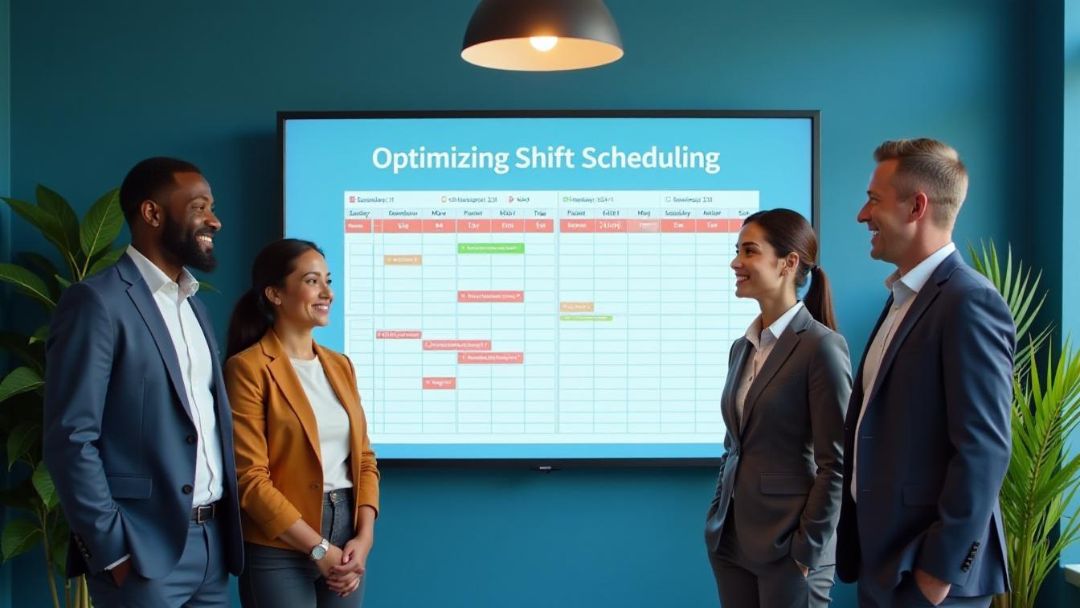 Maximizing the effectiveness of shift scheduling is an essential component in managing personnel within healthcare call centers. By harnessing machine learning and leveraging data-driven insights, these call centers can detect trends within their call data to arrange shifts that coincide with peak calling periods. This approach secures sufficient staff coverage during times of high call volumes, fostering enhanced efficiency in handling calls and diminishing
  Trimming operational expenses remains a key goal for healthcare call center operations, which seek to elevate efficiency and the standard of services offered. Through data analytics, potential areas where savings can be made are pinpointed and optimized within the context of call center activities. By scrutinizing how calls are managed and pinpointing wasteful practices, call centers can develop plans that meaningfully slash operational costs.
Implementing an adept optimization strategy brings about decreased stress levels for agents as well as lower turnover rates while enhancing workforce management and boosting success in resolving calls. Big data analytics empowers call centers to refine their procedures, resulting in decreased expenditures along with increased satisfaction amongst patients.
Adopting this forward-thinking tactic in cost supervision allows call centers to uphold excellent service delivery without compromising on fiscal responsibility—assuring ongoing high-quality interactions backed by quality data insights.
Trimming operational expenses remains a key goal for healthcare call center operations, which seek to elevate efficiency and the standard of services offered. Through data analytics, potential areas where savings can be made are pinpointed and optimized within the context of call center activities. By scrutinizing how calls are managed and pinpointing wasteful practices, call centers can develop plans that meaningfully slash operational costs.
Implementing an adept optimization strategy brings about decreased stress levels for agents as well as lower turnover rates while enhancing workforce management and boosting success in resolving calls. Big data analytics empowers call centers to refine their procedures, resulting in decreased expenditures along with increased satisfaction amongst patients.
Adopting this forward-thinking tactic in cost supervision allows call centers to uphold excellent service delivery without compromising on fiscal responsibility—assuring ongoing high-quality interactions backed by quality data insights.
 Maintaining high standards of data quality and security is critical in healthcare call centers. Employing secure systems that meet industry guidelines helps to shield confidential patient information from potential breaches and unwarranted access attempts. By imposing strict controls on who can access the data based on their job requirements, we can significantly improve our safeguard against unauthorized exposure.
Periodic security evaluations are essential for discovering and rectifying any weaknesses within the system, thus fortifying defenses around patient information. Encrypting both communication exchanges and stored patient data adds an additional layer of protection to this privacy framework.
Compliance with legal frameworks such as GDPR and HIPAA is imperative for upholding the integrity of patient data while securing the trust of those we serve. Informing patients about how their personal details are protected promotes understanding between them and enhances collaboration toward preserving their privacy rights.
Maintaining high standards of data quality and security is critical in healthcare call centers. Employing secure systems that meet industry guidelines helps to shield confidential patient information from potential breaches and unwarranted access attempts. By imposing strict controls on who can access the data based on their job requirements, we can significantly improve our safeguard against unauthorized exposure.
Periodic security evaluations are essential for discovering and rectifying any weaknesses within the system, thus fortifying defenses around patient information. Encrypting both communication exchanges and stored patient data adds an additional layer of protection to this privacy framework.
Compliance with legal frameworks such as GDPR and HIPAA is imperative for upholding the integrity of patient data while securing the trust of those we serve. Informing patients about how their personal details are protected promotes understanding between them and enhances collaboration toward preserving their privacy rights.

 The practice of call center workforce management encompasses a comprehensive strategy that focuses on maximizing efficiency and reducing risks. It entails guaranteeing the availability of an adequately sized pool of proficient agents when and where they are needed in accordance with customer demands. Effective workforce management, at its essence, aims to marry staff alignment with broader organizational objectives, streamline agent scheduling through automation, and refine performance oversight.
One key objective of managing a call center’s workforce is upholding precise staffing levels that balance high service standards with the constraint of operational expenditure. This necessitates merging various staffing processes, which include applying historical data along with predictive analytics for more accurate forecasting of anticipated call volumes—a critical element for successful workforce administration.
Securing an appropriate contingent of capable agents poised for action precisely when required not only boosts operating effectiveness but also optimizes how schedules are managed and maximizes agent readiness to serve customers’ needs better while ultimately elevating the overall quality perceived by consumers during their interactions.
The practice of call center workforce management encompasses a comprehensive strategy that focuses on maximizing efficiency and reducing risks. It entails guaranteeing the availability of an adequately sized pool of proficient agents when and where they are needed in accordance with customer demands. Effective workforce management, at its essence, aims to marry staff alignment with broader organizational objectives, streamline agent scheduling through automation, and refine performance oversight.
One key objective of managing a call center’s workforce is upholding precise staffing levels that balance high service standards with the constraint of operational expenditure. This necessitates merging various staffing processes, which include applying historical data along with predictive analytics for more accurate forecasting of anticipated call volumes—a critical element for successful workforce administration.
Securing an appropriate contingent of capable agents poised for action precisely when required not only boosts operating effectiveness but also optimizes how schedules are managed and maximizes agent readiness to serve customers’ needs better while ultimately elevating the overall quality perceived by consumers during their interactions.
 Effective workforce management ensures operational efficiency in contact centers by ensuring staffing levels are appropriately matched with customer demand. Ensuring proper workforce management fine-tunes the requirements for staff, which significantly affects the caliber of support customers receive and subsequently boosts their satisfaction.
The adoption of a robust workforce management solution contributes to shorter response times, reductions in average handle times, and substantial cost reductions. By bolstering agent performance and contentment through sound workforce management practices, one can cultivate a more prosperous contact center environment.
Effective workforce management ensures operational efficiency in contact centers by ensuring staffing levels are appropriately matched with customer demand. Ensuring proper workforce management fine-tunes the requirements for staff, which significantly affects the caliber of support customers receive and subsequently boosts their satisfaction.
The adoption of a robust workforce management solution contributes to shorter response times, reductions in average handle times, and substantial cost reductions. By bolstering agent performance and contentment through sound workforce management practices, one can cultivate a more prosperous contact center environment.
 Essential aspects of workforce management include:
 Incorporating appropriate technologies and software is crucial in propelling a call center’s enterprise ahead. The adoption of AI-powered workforce management solutions, alongside efficient strategies, is vital for enhancing operational procedures. Equipping the workforce management solution with features like data visualization, forecasted demand insights, historical analytics, and performance metrics will bolster managerial endeavors.
Allocating resources to educate and nurture the development of your workforce management team stands as pivotal for amplifying their impact. Effective workforce management that offers insightful data to agents boosts their overall productivity and proficiency—thus driving the business forward.
Incorporating appropriate technologies and software is crucial in propelling a call center’s enterprise ahead. The adoption of AI-powered workforce management solutions, alongside efficient strategies, is vital for enhancing operational procedures. Equipping the workforce management solution with features like data visualization, forecasted demand insights, historical analytics, and performance metrics will bolster managerial endeavors.
Allocating resources to educate and nurture the development of your workforce management team stands as pivotal for amplifying their impact. Effective workforce management that offers insightful data to agents boosts their overall productivity and proficiency—thus driving the business forward.
 Managing a workforce efficiently and precisely is made simpler through the use of workforce management software. Call centers can take advantage of AI-driven solutions in this domain. It’s important to factor in not only the upfront investment but also ongoing maintenance, updates to software, and the likelihood of reducing operational costs when allocating funds for such systems.
In selecting an appropriate workforce management platform, it is imperative to consider future update requirements and any supplementary expenses as key elements of your budget planning process. When assessing various tools, you should examine their ability to offer flexible scheduling options, provide insightful performance analytics, secure sensitive data robustly, be accessible on mobile devices easily, and have user-friendly interfaces that are straightforward to navigate, thus increasing cost-efficiency along with ensuring dependable customer support is readily available.
Managing a workforce efficiently and precisely is made simpler through the use of workforce management software. Call centers can take advantage of AI-driven solutions in this domain. It’s important to factor in not only the upfront investment but also ongoing maintenance, updates to software, and the likelihood of reducing operational costs when allocating funds for such systems.
In selecting an appropriate workforce management platform, it is imperative to consider future update requirements and any supplementary expenses as key elements of your budget planning process. When assessing various tools, you should examine their ability to offer flexible scheduling options, provide insightful performance analytics, secure sensitive data robustly, be accessible on mobile devices easily, and have user-friendly interfaces that are straightforward to navigate, thus increasing cost-efficiency along with ensuring dependable customer support is readily available.