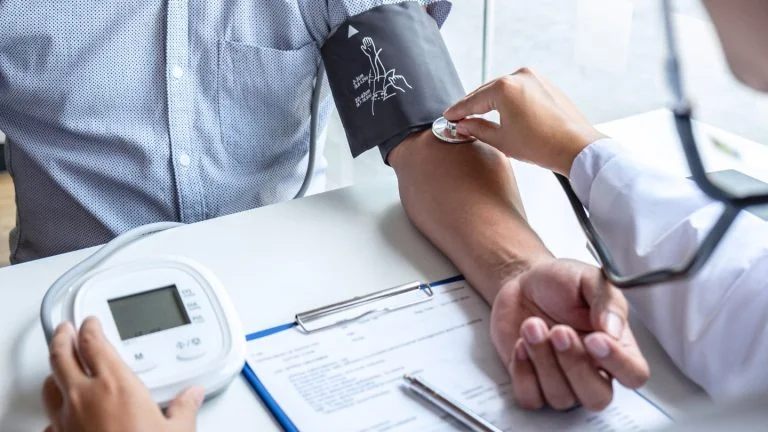
Problem context: open care gaps — screenings, preventive visits, quality measures — stay open. Also searched as: care gaps, quality gaps, RAF score revenue.
SDOH-aware workflows and proactive outreach close care gaps in underserved populations.
The Challenge
A Federally Qualified Health Center serving a predominantly underserved population faced compounding barriers to patient follow-through: transportation gaps, language barriers, financial stress, and food insecurity. Despite best efforts, care gaps remained stubbornly open and quality metrics lagged behind targets.
The Solution
Guideway Care deployed SDOH-aware Activation Care Guides who used the Stressor Inventory process to surface non-clinical barriers during every patient interaction. Workflows were built around the community’s specific needs — multilingual outreach, transportation coordination, benefits enrollment assistance, and proactive appointment scheduling integrated with the FQHC’s EHR.
The Results
Within 4 months, overall performance improved by 61% across all service lines. The center served 42% more patients year-over-year without adding clinical staff. Patient retention reached 91%, and the center exceeded all UDS quality reporting benchmarks for the first time in its history.
“Partnering with Guideway Care for after-hours nurse triage transformed our patient flow. We saw a significant drop in non-emergent ER visits within the first 6 months, and our patient satisfaction scores reached an all-time high.”
Chronic patients drive the largest share of open quality measures. Diabetic eye exams, A1C testing, blood pressure control, medication adherence, cancer screenings. When your chronic population doesn’t follow through, your star ratings pay the price.
You Can See the Gaps. You Can’t Close Them at Scale.
You know which quality measures are lagging. You can see the gaps in your reporting dashboards. The problem isn’t visibility. It’s capacity to do something about them at scale.
Closing quality gaps requires proactive outreach to patients who need specific services completed. For chronic populations, that means reaching patients with diabetes who haven’t had their A1C tested, patients with hypertension whose blood pressure isn’t controlled, patients overdue for cancer screenings, and patients who stopped filling prescriptions three months ago.
Your quality team can identify these patients. But reaching every one of them, having the conversation, scheduling the right appointment, removing whatever barrier is keeping them from completing the action, and confirming closure requires dedicated staffing that most organizations don’t have.
The result: gaps stay open. Star ratings stagnate or decline. Payer bonuses shrink. And the patients who need the most attention get the least because the system doesn’t have capacity to reach them.
ROOT CAUSE
Open Quality Gaps Are a Signal That Your Highest Risk Patients Are Falling Through
Quality gaps concentrate in your chronic population.
Patients with multiple chronic conditions account for a disproportionate share of open measures. They also account for the majority of your avoidable utilization, readmissions, and downstream costs. The same patients whose gaps are dragging your star ratings are the same patients who end up in your ED when their unmanaged conditions deteriorate. Closing gaps isn’t just about compliance. It’s about preventing the utilization events that drive your cost structure.
Reactive gap closure doesn’t work at scale.
Most organizations attempt gap closure through annual or quarterly campaigns. Staff pull lists, make calls, schedule appointments. It works for the easy cases. But the patients with 5+ open gaps, the ones with transportation barriers, language barriers, medication confusion, and no established relationship with a care manager, don’t respond to a campaign call from someone they’ve never spoken to. They need consistent, trusted outreach over time. That’s what CCM is designed to deliver, when it’s structured around activation instead of compliance.
Disconnected gap closure and care management waste both efforts.
If your quality team runs gap campaigns separately from your CCM program, patients get called twice for different reasons by different people reading different scripts. Neither interaction builds the trust or continuity needed to actually change behavior. The work duplicates. The outcomes underperform.
OUR APPROACH
Quality Gap Closure Built Into Every CCM Touchpoint
We integrate quality gap closure directly into CCM outreach. Every monthly touchpoint is an opportunity to identify open measures, schedule the right service, and confirm completion.
Gap aware outreach at every CCM call
Our workflows flag open quality measures for each patient before the call begins. Specialists address clinical needs and quality gaps in the same conversation, not as separate campaigns.
Activation, not notification
We don’t just tell patients they’re overdue for an A1C. We schedule the lab, address the transportation barrier, and confirm the appointment is completed. The gap closes when the action happens, not when the call ends.
Consistent monthly contact builds trust that campaigns can’t
Patients respond to someone they know. Our model creates a consistent relationship with each enrolled patient, making gap closure conversations natural extensions of ongoing care management rather than cold outreach.
Connected across care management models
CCM, PCM, AWV, and TCM touchpoints all contribute to gap closure. One team. One relationship. Multiple opportunities to complete the measures that matter.
Your Members Know About the Gap. They Just Don’t Close It.
Care gap reminders reach members. Activation-trained agents move them to action. We close the gap between outreach and completion with behavioral science and barrier resolution.
You’ve invested in outreach infrastructure. The gaps remain open. The issue isn’t awareness — it’s activation.
You send millions of reminders. Members still don’t close their gaps.
Letters, portal notifications, automated calls — the volume of outreach is high. The conversion to completed action is low. Because most outreach measures whether the message was sent, not whether the member did anything about it.
Half of non-compliance is driven by barriers your outreach never asks about
Transportation, cost confusion, competing priorities, fear of results — 50% of non-adherence stems from SDOH factors. A reminder can’t resolve what it doesn’t address.
Every unclosed gap is a missed quality measure and potential penalty
HEDIS scores, Star Ratings, and quality bonuses all depend on gap closure rates. The financial impact of low closure rates compounds across your attributed population.
Root Cause
As Healthcare Experts, We See the Deeper Problem
Awareness doesn’t drive action. Activation does. The gap between knowing about a care gap and actually closing it requires human engagement, barrier resolution, and behavioral science.
Your outreach program measures sends, not completions
OUTREACH MODEL
The gap between ‘member was contacted’ and ‘member completed the action’ is where your quality scores are made or lost. Most programs optimize for the former and hope for the latter.
Automated outreach can’t resolve the barriers that prevent action
BARRIER BLINDNESS
A member who doesn’t understand what a ‘care gap’ means, can’t get transportation to the appointment, or is managing three competing priorities won’t be moved by a reminder letter. They need a conversation.
Members with different risk profiles, SDOH burdens, and engagement levels need different approaches. A healthy 35-year-old missing a screening needs a different conversation than a complex chronic patient missing three gaps.
Outreach that doesn’t match the member’s readiness window gets ignored
TIMING
Members have moments of receptivity — after a health scare, during open enrollment, at a life transition. Generic outreach on a fixed schedule misses these windows entirely.
Our Approach
Activation-Driven Care Gap Closure
We move members from awareness to action through live agent engagement, barrier resolution, and real-time scheduling — reporting on completions, not contacts.
Activation-trained agents, not automated messages
Our agents are trained in 9 behavioral science techniques to move members from awareness to completed action. Every call is designed to close the gap, not just communicate about it.
SDOH-aware barrier resolution
Transportation, cost, language, and psychosocial barriers are identified and resolved during the call. We don’t just tell members to schedule — we help them get there.
Risk-stratified member segmentation
Our platform segments members by clinical risk, SDOH profile, payer type, and engagement history. Each member gets the right approach at the right time.
Real-time scheduling and coordination
We don’t just encourage members to schedule. We schedule the appointment during the call, confirm transportation, and follow up to ensure completion.
Closed-loop reporting on completions, not contacts
We report on gaps closed, not calls made. Your quality team sees the metrics that matter for HEDIS, Star Ratings, and quality bonuses.
PROVEN AT SCALE
5× Activation Rate Increase in 90 Days
A large clinically integrated network achieved 40% activation rate for ACO provider appointments through activation-trained outreach.
5×
Activation rate increase
40%
Gap closure activation rate
99.4%
QA pass rate
9
Behavioral science techniques
Ready to close gaps instead of just reminding about them?
Schedule a consultation and see how our verification specialists can protect your revenue, free your staff, and keep patients moving toward care.
Long waitlist backlogs and care gaps are major challenges for healthcare systems. How can medical call centers help? By optimizing appointment scheduling, sending automated reminders, and engaging in proactive outreach. This blog delves into the ways medical call center support can assist in addressing waitlist backlogs and care gaps with medical call center support, improving patient outcomes and ensuring smoother healthcare delivery.
Key Takeaways
Medical call centers play a crucial role in enhancing communication, patient satisfaction, and operational efficiency within healthcare systems.
Streamlining appointment scheduling and reducing no-show rates through technology significantly improves patient flow and care delivery, directly addressing waitlist backlogs.
Proactive outreach and regular follow-up calls are essential for closing care gaps, particularly in managing chronic diseases, leading to better patient outcomes and increased engagement.
The Role of Medical Call Centers in Healthcare
Medical call centers serve as the backbone of communication for healthcare organizations, ensuring seamless coordination and access to essential health and emergency services. They support critical patient needs through solutions such as a nurse triage service, which delivers timely, nurse-led medical guidance by phone to prioritize urgent cases and enhance care quality.
A key aspect of their role is enhancing patient and employee satisfaction. Medical call centers enhance access to healthcare services, resulting in timely care and increased patient satisfaction. Enhanced access contributes to better health outcomes and a more efficient healthcare system.
The integration of sophisticated software in hospital call centers is another significant advantage. These systems connect various healthcare providers and health systems, enhancing coordination among staff and improving patient care delivery. Effective coordination ensures patients receive comprehensive care without delays or miscommunications.
Effective communication managed by call centers also leads to cost reductions and improved workflows within healthcare practices. Promptly addressing patient concerns and streamlining processes, call centers enhance efficiency and cost-effectiveness in healthcare. This holistic approach not only benefits patients but also supports healthcare professionals in delivering better care.
Addressing Waitlist Backlogs with Call Center Support
Addressing the backlog of elective surgery hospital procedures has become a pressing issue for many health systems worldwide. The COVID-19 pandemic has further exacerbated these backlogs, particularly in places like Scotland, where elective care has faced significant delays. This situation underscores the need for effective strategies, such as surgical hubs, to manage elective waiting lists and reduce waiting times.
One of the primary challenges in addressing backlogs is accurately estimating future demand and the capacity increases needed to manage the waiting list. Without substantial capacity increases, the number of pending referrals could reach alarming levels, making it crucial for healthcare providers to adopt innovative solutions to serve more patients and strengthen the health workforce.
Statistical modeling approaches can be instrumental in evaluating recovery efforts and optimizing system-level strategies. Analyzing data on long-wait patients helps healthcare systems prioritize cases, ensuring timely care for those in critical need. This systematic review of proactive methods addresses backlogs and enhances patient flow, system resilience, overall care delivery, and population health. A study suggests that these approaches can significantly improve outcomes.
Streamlining Appointment Scheduling
Streamlining appointment scheduling is a critical step in managing waiting lists and improving patient outcomes. Utilizing digital tools for patient intake can significantly enhance the efficiency of appointment scheduling. These tools allow healthcare providers to segment patients by appointment type, ensuring that each patient is scheduled appropriately based on their needs.
Automated notifications play a vital role in reducing missed appointments, thereby enhancing compliance and improving patient flow. These notifications ensure that patients are reminded of their appointments well in advance, reducing no-show rates and optimizing resource allocation.
Optimizing appointment scheduling minimizes wait times and boosts overall patient engagement for elective surgery patients. This not only enhances patient satisfaction but also ensures that healthcare practices operate to improve efficiency, ultimately leading to an optimal balance of better health outcomes for patients waiting for elective surgeries and reducing waiting time.
Reducing No-Shows
Reducing no-shows is essential for managing waiting lists and improving clinic efficiency. Automated reminders have the following benefits:
Lower no-show rates by up to 34%
Directly improve patient attendance
Optimize resources
Ensure that patients are kept informed and committed to their appointments.
Follow-up calls are another effective strategy in minimizing no-show occurrences. Reinforcing appointment commitments ensures better patient care and reduces operational disruptions from missed appointments. This proactive approach contributes to improving patient care and clinic efficiency.
Closing Care Gaps Through Proactive Outreach
Proactive outreach is a cornerstone in identifying and closing care gaps, ensuring that patients receive necessary follow-ups and preventive care to avoid delayed care. Closing gaps is essential for early disease detection, which leads to better chronic condition management and improved quality of life for patients.
Patients often face multiple challenges that lead to gaps in care, such as not receiving recommended treatments or feeling overwhelmed by healthcare processes. Addressing these issues through regular communication and targeted strategies can significantly enhance patient engagement, health outcomes, and support other patients.
Practices that successfully close care gaps also benefit financially, as they are likely to see increased healthcare costs from Medicare. This demonstrates the dual benefits of proactive care management: better patient health and financial incentives for healthcare providers.
Identifying At-Risk Patients
Identifying at-risk patients is a critical component of closing care gaps. Data analytics plays a crucial role in pinpointing patients who are at risk of missing essential care. Analyzing patient data patterns and trends allows healthcare providers to effectively target communication and interventions.
Electronic Health Records (EHRs) facilitate better tracking of patient history, enabling healthcare providers to identify and address care gaps more efficiently. This comprehensive approach ensures no patient is overlooked, leading to improved care and outcomes.
Enhancing Patient Engagement
Enhancing patient engagement is vital for closing care gaps and improving patient outcomes. Regular communication helps build trust, provide accountability, and clarify misconceptions. This ongoing interaction ensures that patients remain engaged in their healthcare journey.
Consistent follow-up calls present opportunities to address emerging health issues and reinforce ongoing care. Maintaining open communication allows healthcare providers to promptly address concerns and enhance patient experience.
Tailored communication strategies, such as personalized messages and reminders, significantly enhance patient engagement. These strategies help patients feel valued and heard, resulting in better health outcomes and increased satisfaction.
Supporting Chronic Disease Management
Chronic Care Management programs are essential in assisting patients with chronic conditions. These programs provide ongoing support for understanding conditions, coordinating care, and managing medications. This continuous support is crucial for better health outcomes and reduced complications.
Regular check-ins, facilitated by medical call centers, significantly improve health outcomes and patient satisfaction. Timely interventions and support help healthcare providers effectively manage chronic diseases and enhance patient care, addressing various health conditions.
Regular Follow-Up Calls
Routine follow-up calls are indispensable for monitoring patient progress and identifying emerging issues. Call center representatives play a pivotal role in assisting patients with scheduling primary care appointments during these follow-up calls, thereby enhancing accessibility to care.
Integrating routine follow-up calls with data analytics leads to significant improvements in patient care. Approximately 74% of physicians utilizing external data analytics tools report changes in treatment plans based on insights gained from patient follow-ups. This approach ensures timely adjustments to treatment protocols, ultimately enhancing clinical outcomes and patient outcomes.
Medication Adherence Support
Medication non-adherence is a major problem. It leads to 125,000 deaths each year. Approximately 50% of chronic disease patients do not follow their prescription medication, leading to adverse health outcomes. Addressing this issue is crucial for improving patient care.
Automated reminders are an effective tool in enhancing medication adherence. These reminders ensure that patients take their medications as prescribed, reducing the risk of complications and hospital admissions. Additionally, tailored messages can significantly improve adherence to treatment plans.
Monitoring medications, including documenting new prescriptions, helps prevent conflicts and ensures that patients adhere to their treatment regimens. A comprehensive approach to medication management enhances patient outcomes and overall health.
Leveraging Technology for Better Patient Outcomes
The COVID-19 pandemic has underscored the importance of telehealth, with medical call centers playing a pivotal role in enabling access to virtual consultations and remote monitoring. These advancements ensure that patients receive timely information and care, regardless of physical distance.
The integration of technology in healthcare environments, particularly through call centers, is crucial for enhancing patient service delivery and health outcomes. These technological advancements result in improved patient satisfaction and better health outcomes.
Use of EHRs and Data Analytics
Electronic Health Records (EHRs) enhance patient care by providing healthcare providers with equitable access to comprehensive patient histories. This real-time access to patient data minimizes errors and improves team communication, ensuring better care delivery.
Data analytics further supports healthcare providers in identifying patterns and trends in patient data through data analysis, enabling more targeted and effective interventions for healthcare provider practices. This approach leads to better health outcomes and improved patient satisfaction.
Automated Reminders and Notifications
Automated systems for patient reminders play a crucial role in reducing missed appointments and improving medication adherence. These systems ensure that patients receive timely reminders about their appointments, significantly lowering no-show rates and enhancing clinic efficiency.
Timely reminders for medication refills and annual wellness visits further support patients in adhering to their prescribed treatments. Leveraging automated notifications keeps patients engaged in their care, resulting in better health outcomes and higher satisfaction.
Enhancing Patient Experience
Integrating technology in healthcare not only improves efficiency but also enhances service delivery and boosts patient satisfaction. Medical call centers, by handling inquiries and managing patient concerns, play a pivotal role in reducing patient anxiety and enhancing their sense of security.
Effective patient concern management leads to improved patient loyalty and trust in the healthcare system. Training call center staff in empathy, active listening, and clear communication ensures high-quality patient interactions and care delivery by the care team.
Personalized Communication
Personalized communication is key to fostering trust and engagement among patients. Making patients feel valued and heard has a significant impact on enhancing satisfaction and loyalty.
Improving communication about medication regimens can also boost adherence rates among patients. When patients receive personalized messages and tailored information, they are more likely to follow their treatment plans, leading to better health outcomes.
Handling Patient Concerns
Regular follow-up interactions are essential for building trust and keeping patients engaged in their health management. Regular contact allows healthcare providers to address patient concerns promptly and effectively.
Soliciting patient feedback through surveys and performance metrics helps identify areas for improvement and informs ongoing staff training efforts. This feedback loop ensures that healthcare services are continuously refined to meet patient needs.
Addressing patient concerns effectively leads to better service delivery and increased patient trust. Implementing feedback mechanisms allows healthcare providers to respond to patient issues proactively, enhancing the overall patient experience.
Training and Quality Assurance
Effective training programs are crucial for call center staff to expertly handle various patient scenarios, ensuring high-quality patient care. These programs should focus on developing both technical skills and effective communication among call center agents.
Regular monitoring of call center performance and incorporating patient feedback are essential quality assurance measures. Continuously refining service standards ensures call centers deliver optimal patient care.
Staff Training Programs
Ongoing training programs are necessary for developing the technical skills and effective communication abilities of call center agents. Role-playing scenarios can prepare staff for diverse patient interactions, ensuring they are equipped to handle various situations.
Continuous education on healthcare regulations and technology updates is also essential for call center staff, support staff, and healthcare workers. This knowledge ensures that staff can provide accurate and up-to-date information to patients, enhancing the overall quality of care.
Monitoring and Feedback
Regular performance monitoring and patient feedback are vital to continuously refining call center services and addressing any shortcomings. Utilizing call metrics helps in assessing staff performance and enhancing overall patient satisfaction.
The integration of regular monitoring and feedback mechanisms ultimately leads to improved patient care and service quality in call centers. Focusing on quality assurance ensures call centers remain effective and responsive to patient needs.
Medical call centers have proven to be a powerful tool in addressing waitlist backlogs and bridging care gaps. By streamlining appointment scheduling, minimizing no-shows, and supporting proactive patient outreach, they significantly enhance both patient outcomes and satisfaction. With the right technology, training, and quality assurance, these centers play a vital role in ensuring that healthcare providers can deliver timely, efficient, and patient-centered care.
At Guideway Care, we specialize in delivering comprehensive medical call center solutions designed to optimize patient engagement and improve health outcomes. Whether it’s reducing wait times, enhancing communication, or supporting chronic disease management, we are here to help your practice thrive. Partner with us to ensure your patients receive the seamless care they deserve while allowing your team to focus on what matters most, providing exceptional healthcare. We offer a range of services, including medical health website design, educational videos, healthcare CRM/EMR integration, and digital marketing to enhance your practice’s performance. For more information or to get started, contact us today!
Frequently Asked Questions
How can medical call centers help in addressing waitlist backlogs?
Medical call centers address waitlist backlogs by streamlining appointment scheduling and reducing no-shows with automated reminders, thereby enhancing patient flow and resource allocation. This efficiency ensures more timely access to care for patients.
What role do call centers play in closing care gaps?
Call centers are essential in closing care gaps by proactively reaching out to at-risk patients, enhancing their engagement through consistent communication, and ensuring that they receive necessary follow-ups and preventive care. Their role is vital in bridging the gaps in healthcare delivery.
How do medical call centers support chronic disease management?
Medical call centers enhance chronic disease management by consistently following up with patients, helping them schedule appointments, and ensuring medication adherence through reminders and personalized communications. This support plays a crucial role in improving patient outcomes and maintaining their health.
What technological advancements are leveraged by medical call centers to improve patient outcomes?
Medical call centers leverage Electronic Health Records (EHRs) and data analytics to enhance patient outcomes through comprehensive access to patient histories and targeted communication. Additionally, automated reminders are utilized to decrease missed appointments and improve medication adherence.
Why is training and quality assurance important for call center staff?
Training and quality assurance are essential for call center staff to ensure they can effectively manage diverse scenarios, deliver accurate information, and uphold high service standards. Regular monitoring and feedback further enhance service quality and improve overall patient care.
To improve quality scores and patient outcomes, healthcare organizations often need to implement strategies that close gaps in care. When there are gaps in patient care, individuals are more likely to experience negative health outcomes, which can result in readmission, lower quality and satisfaction scores, and increased costs for healthcare providers.
However, closing these gaps is no simple feat. There are numerous factors that contribute to gaps in care, including patient socioeconomic conditions and inconsistent care coordination. To address these challenges, healthcare organizations may want to consider one or more of the following strategies.
Increase Payer-Provider Communication
Arguably the best way to address gaps in care is by getting patients to face-to-face appointments. This allows medical providers to perform immunizations, order lab tests, and complete other preventive care measures. However, to do this effectively, healthcare organizations must be able to identify patients who currently have gaps in care.
Data plays a crucial role in this process, and healthcare insurance payers can provide key information to medical providers—if payers provide alerts about missed preventive services or opportunities, providers can then follow up with patients in a timely manner.
Healthcare has historically experienced interoperability issues that might prevent this type of payer-provider communication, but modern electronic health record systems have standards for exchanging data based on Consolidated-Clinical Document Architecture (C-CDA), which can facilitate this type of information sharing.
Hire Care Coordinators
Another way to ensure patients are getting the care they need is by hiring care coordinators. While organizations will have to find room in their budgets to accommodate additional staffing, research has shown that care coordinators often deliver significant return on investment.
For instance, the Texas-based Trinity Mother Frances Health System hired two licensed vocational nurses to serve as care coordinators, and the coordinators were charged with pre-visit planning, care gap management, and care transitions.
According to the American Academy of Family Physicians, the facility’s no-show rate for appointments was down to 2.8% after just six months, and the organization was able to increase the number of primary care visits by 3% from the previous year. While the cost of these care coordinators was $68,400 for nine months, the organization generated an additional $117,528 in net downstream revenue by closing care gaps.
Invest in Cultural Competency Training
Research has shown that racial or ethnic minority groups are more likely to experience gaps in care, and organizations can better meet the needs of those with cultural barriers and/or limited language proficiency with the help of cultural competency training. Through this type of training, providers learn about cultural issues that may impact the way patients share medical information, how to best treat those with limited language proficiency, as well as how to take cultural backgrounds into account when providing care.
By implementing this type of training, Minnesota-based care system HealthPartners was able to reduce the colorectal screening gap between white and ethnic minority patients by one third in just a year, according to AHIP. The organization also experienced reduced disparities in medication compliance and shorter stays among mental health patients with limited language proficiency.
Use Segmentation to Tailor Patient Communications
Patients have different personalities and communication styles, and case studies have found that individuals are more likely to engage with healthcare organizations when communications are tailored to suit their preferences. These preferences can be deduced by psychographic segmentation, which takes into account factors like personality traits, lifestyle, attitudes, interests, beliefs, and more.
According to Deloitte, healthcare organizations should make an effort to understand where patients fall on a spectrum of attitudes and preferences. Targeting patients more specifically along such a spectrum will allow these organizations to better target, attract, and retain patients, and more effectively drive behavior change necessary for better health outcomes and lower cost of healthcare.
Closing Gaps in Care With Guideway
Many organizations know what they should do to close gaps in care, but find that the barriers and complexities inherent in the strategies above hamper their efforts to do so. Guideway’s non-clinical Care Guidance services efficiently and effectively close gaps with interventions from trained Care Guides, delivered according to disease-specific protocols, and supported by a comprehensive technology platform that provides a system-wide view of the patient and ensures that the right action is taken at the right time, every time. Care Guidance is proven to be highly effective in bridging the gaps between clinical visits that result in unsatisfactory outcomes, with results that include reducing unnecessary readmissions by 31-49%, producing significant savings in cost of care.
To learn more about how Care Guidance can help your organization efficiently and effectively close gaps in care, request more information today.
If you are responsible for patient engagement or marketing at a women’s health clinic, there are two things that are probably true:
1. You spend a lot of time with finding creative ways to get your patients to schedule appointments for breast cancer screenings.
2. You are among the very last people that need be reminded October is National Breast Cancer Awareness Month (NBCAM).
Because NBCAM is among the most successful of the many national health awareness months, it may be reminding some of your women’s health patients to schedule breast cancer screenings—especially if it’s been awhile since they’ve had one.For your other patients that are not getting the NBCAM message, now is the ideal time to take advantage of some excellent resources to improve your women’s health patient engagement now and throughout the year!
Get Free Content and Marketing Ideas from Breast Cancer Awareness Organizations
NBCAM’s supported by multiple organizations is one of the reasons why it is so effective at creative awareness. Many offer free content and resources to easily integrate into your women’s health patient engagement and marketing strategies. Among them are:
• American Cancer Society: The ACS offers some useful PDF downloads that provide statistics, information about causes, risks, prevention, detection, diagnosis and more. You can use this highly-qualified information to supplement other content you use to engage patients.
• Susan G. Komen Foundation: The Foundation’s Tools & Resources page lists more than a dozen links to resources that give you serious food for thought.
• National Breast Cancer Foundation: If your women’s health clinic has the financial capabilities, the NBCF National Mammography Program can partner with you to provide free mammograms and diagnostic breast care services to underserved women. This is an excellent public relations opportunity to create exposure for your clinic.
Use Social Media for Women’s Health Patient Engagement
If you aren’t yet using some of the more popular social media technologies—such as Twitter and Facebook—to engage with your patients, let NBCAM be your introduction!As mentioned previously, Healthfinder.gov’s page for NBCAM gives you free content to use in Tweets.Another way to engage your women’s health patients (and to attract other followers to your social media accounts) is to share or retweet interesting content. Start with following Twitter accounts for the same organizations mentioned earlier:
As Guideway Care Central/Western Regional Director, Chris Stearns is not only one of our healthcare IT experts, but he also provides specialized focus on Orthopedic Surgery and Women’s Health.Guideway Care is a cloud-based technology and services company that improves profitability and patient outcomes for hospitals and practices through end-to-end patient engagement solutions backed by clinical and non-clinical teams. Its HIPAA-compliant, SaaS platform improves care team workflows, automates patient communication and tracks patient progress to optimize the patient journey. Since 2004, leading healthcare providers have trusted Guideway Care to help acquire, manage and engage patients through complex episodes of care.
The thought of using any type of automated phone system for communicating with patients—including text messages—might not initially seem to a be productive one. After all, how many times have you received a “robocall” or an unsolicited text that proved to be nothing more than a nuisance? In that context, why would you want to jeopardize your hospital’s brand with perceptions of being a nuisance?
However, those conclusions might not necessarily be valid. Studies about automated healthcare phone calls and texts are suggesting thited a report that indicated how a “health system [that] had previously been close to the bottom of the national average for colorectal screening “used automated phone calls” to get 578 patients to schedule colon cancer screenings, which led to the diagnosis of pre-cancerous polyps in an estimated 145 patients.” contrary—particularly in the ability for them to boost patient outcomes and engagement and to improve brand perceptions.
Automated Phone Messages: The Colon Cancer Screening Study
There are some outstanding examples of how automated phone messages have proven their potential. FierceHealthcare.com’s “Automated Phone Notifications Engage Patients, Boost Follow-Up Care” cited a report that indicated how a “health system [that] had previously been close to the bottom of the national average for colorectal screening “used automated phone calls” to get 578 patients to schedule colon cancer screenings, which led to the diagnosis of pre-cancerous polyps in an estimated 145 patients.” Some simple math shows 25 percent of those patients were diagnosed…an impressive rate indeed!
Automated Text Messages: The Heart Disease Study
Of course, any discussion about modern phone communications implies the usage of mobile devices and smartphones—which further implies the usage of SMS text messaging. According to Pew Research’s “6 Facts About Americans and Their Smartphones,”approximately two-thirds of American adults own a smartphone, with 62 percent of them having used the device to get information about a health condition.With most of the population using a technology that has a positive relationship with personal health management, it would seem reasonable to suggest that automated text messages could be a key to improving patient outcomes, like automated phone messages. Once again, studies are confirming this presumption.In 2015, the JAMA Network published clinical trial results, “Effect of Lifestyle-Focused Text Messaging on Risk Factor Modification in Patients With Coronary Heart Disease“, in which half of the 700 participating heart disease patients were sent text messages either two or four times a week for a six-month period. The report concluded:
“Among patients with CHD, the use of a lifestyle-focused text messaging service compared with usual care resulted in a modest improvement in LDL-C level and moderate improvements in blood pressure, BMI, and smoking status.”
Improving Hospital and Clinic Brand Perceptions
Earlier it was suggested that automated phone calls and texts could be perceived as a nuisance—even if they are in fact effective at improving communications with patients. Yet, research is deflecting the negative implications. For instance, MedicalEconomics.com’s “Staying Connected to Patients Beyond the Office Visit” mentioned a study that said:
“66% of Americans have received a voicemail, text or email from their healthcare provider, with half of those who received a communication saying it made them feel more valued, a third saying the digital communication improved their opinion of the provider and a third saying it made them feel more likely to visit the provider again.”
How to Use Automated Phone Calls and Texts to Improve Patient Management and Outcomes
If your hospital or clinic uses a patient appointment management platform, it’s possible that you already have the tools needed to immediately use automated phone calls and text messages to better engage with and manage your patients. However, automated communications are useful for many other objectives, including alerts and reminders for:
• Prescription refills
• Drug recall
• Monitoring
• Preventative care
The advantages of improving patient outcomes not only exceed the primary goal of every healthcare provider to help patients enjoy healthier and happier lives, but as we’ve discussed in blogs such as “BPCI Initiative Year 2 Lessons Learned,” they are increasingly related to Medicare reimbursements.Guideway Care is a recognized leader for innovative patient management solutions, which includes our Sequence patient management PaaS (platform as a service). To learn about how Guideway Care can help your improve your patient outcomes and engagement, please contact us.
Now that the winter holidays are over, it’s time to get back into the swing of things with marketing and promoting your healthcare facility. This is particularly true if you hospital or clinic offers women’s health services or has a cancer treatment centers, because January is national Cervical Health Awareness Month.The National Cervical Cancer Coalition estimates that approximately 13,000 women in the United States are diagnosed with cervical cancer each year. However, because cervical cancer is preventable—especially in conjunction with cervical cancer screenings—the American Cancer Society reports that the cervical cancer death rate has declined by more than 50 percent in the past 30 years. Additionally, the American Cancer Society relates the decline to greater numbers of human papilloma virus (HPV) vaccines given to children, which is linked to most cases of cervical cancer.Your women’s health or cancer treatment center likely already has strategies for creating awareness about cervical health and encouraging cervical cancer screenings. However, with January being national Cervical Health Awareness Month, there are some excellent tips and resources available that can help you continue those objectives and support this important cause. Here are five to stimulate some of your own ideas!
Update Your Website with Calls to Action for Cervical Cancer Screenings
Creating banners and other call to action graphics that encourage cervical cancer screenings at your facility is perhaps the first and most important step to take, especially if you position them to include Cervical Health Awareness Month messaging.Likewise, if you have patient management software that enables you to port Website visitors directly to your appointment setting page, your call-to-action graphics can make it even easier for them to find and schedule a cervical health screening.
Create Content to Promote Cervical Health Awareness and Cervical Cancer Prevention
If you have the resources, consider generating other types of online and print content, such as infographics that quickly explain what cervical cancer and HPV are and how they can be prevented and treated.Another suggestion would be to collect testimonials—especially video testimonials—from people that were able to use your cervical screenings for early detection and your cancer treatment center.
Include Cervical Health Awareness in Your Newsletters and e-Mail Campaigns
One of the most difficult aspects of producing a monthly newsletter or other type of regularly published e-mail campaign is finding subjects that will be of interest to your recipients. Events such as Cervical Health Awareness Month are ideal in this situation because you can offer short, simple messages if space is tight…or you can provide more expanded information if you have space to fill.
Use Social Media for #CervicalHealthMonth Awareness
Along with using social media to share and find useful information related to Cervical Health Awareness month (including trending hashtags such as #cervicalhealthmonth, it’s also an excellent opportunity to expand your networks. For instance, if you don’t already, here are some worthy Twitter accounts you might want to follow:
• @infoASHA, which is heading a Thunderclap to end cervical cancer
• @StopHPVcancer, which is the National Cervical Cancer Coalition’s Twitter
• @_cervicalcancer, which is the account for CC Awareness, a cervical cancer awareness organization
Visit the National Cervical Cancer Association’s Website for Content and Ideas
• Free fact sheet download, Ten Things to Know About HPV
• Free eBook, HPV & Cervical Cancer: Stories from Survivors and Supporters
• Cervical Cancer Awareness Month posters
Likewise, the American Cancer Association also has a Cervical Health Awareness Month page that shares an equally superb collection of resources.
Guideway Care proudly supports Cervical Health Awareness Month. For more about our company and our patient management software solution, Sequence, please contact us.
We use cookies and similar technologies to improve your experience on our website.
Read our Privacy Policy.