Patient Call Routing
Top Strategies for Enhancing Call Routing in Health Call Centers

 In the healthcare industry, efficient call routing is a fundamental component of healthcare call centers. It facilitates the proper management and allocation of incoming calls to suitable agents or divisions in an expedient manner. The chief aim is to manage patient calls adeptly and swiftly, lessening wait times while boosting overall performance within the call center. By assigning priority levels based on immediacy, these systems greatly advance operational efficiency within such centers.Efficient call routing mechanisms are pivotal for curtailing patient dissatisfaction by eliminating repeated transfers during their interaction with healthcare services. Advanced algorithms evaluate factors like caller input alongside agent availability, enabling direct routing of callers to appropriate departments or experts—a process that not only elevates service quality but also heightens conversion rates from inquiries into active patients.Integrating cutting-edge technologies such as artificial intelligence (AI) empowers healthcare organizations’ call centers to more capably handle both communications and data processing tasks. This adoption permits enhanced precision in addressing every aspect of patient care interactions — solidifying exceptional service standards across the board for those reaching out through these vital communication channels.
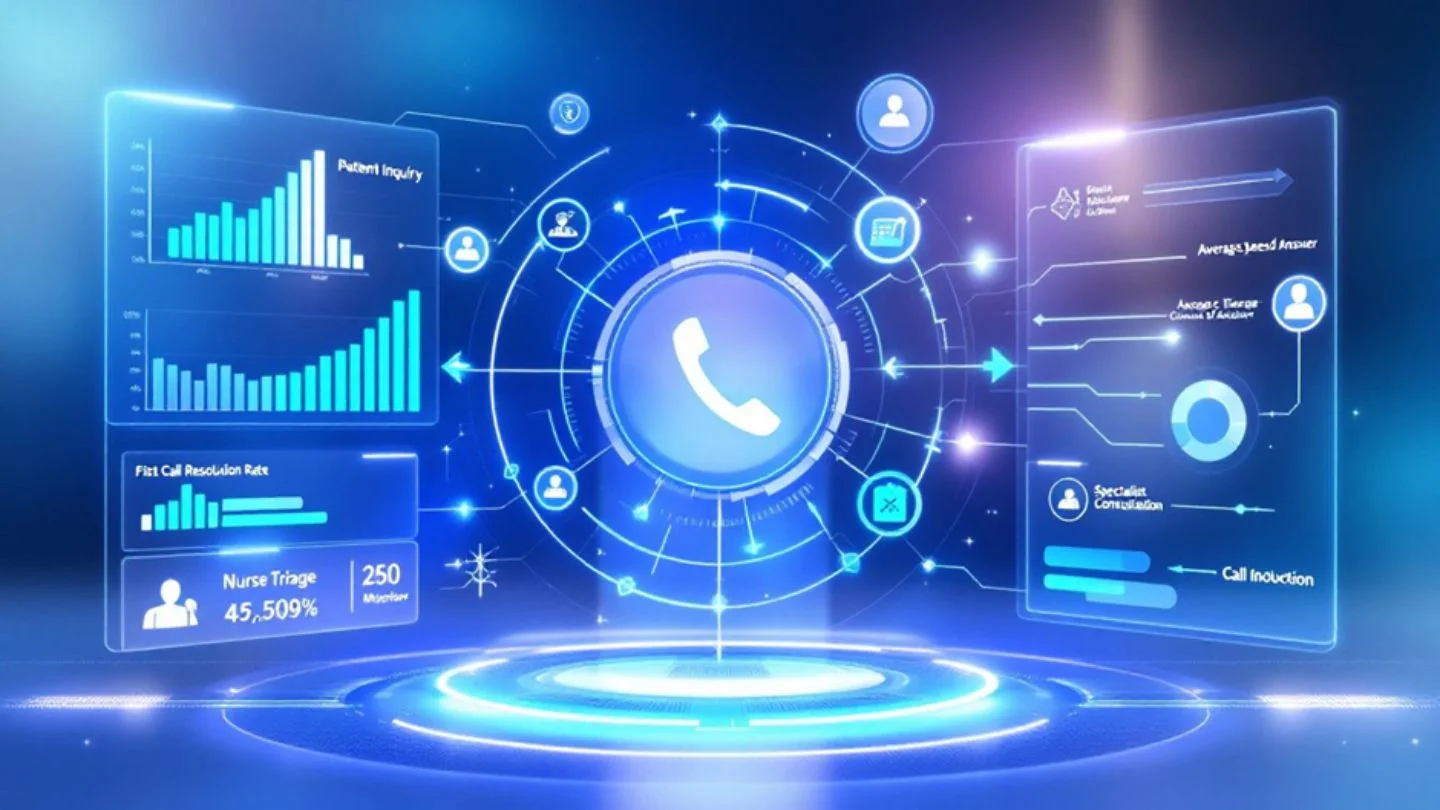 In the realm of healthcare call centers, intelligent call routing systems represent an evolution from standard routing methods. These advanced systems employ intricate algorithms and immediate data analysis to steer calls based on a variety of factors, including caller history, demographic information, previous interactions with the service, and the specific skill set of available agents. By doing so, these systems expedite connections between patients and appropriately skilled agents, which reduces wait times significantly and elevates patient satisfaction.A prominent advantage offered by intelligent call routing is its capacity to swiftly match callers with suitable representatives. This capability greatly enhances rates at which issues are resolved upon first contact—a vital metric that contributes not only to improved patient experiences but also serves as a catalyst for heightened efficiency within healthcare call center operations. Diligently tracking performance indicators such as resolution rates on initial contact along with average duration before calls are answered plays a critical role in fine-tuning ICR’s effectiveness.The adoption of ICR has far-reaching implications for redefining what it means to operate a successful healthcare call center through strategic management informed by rich insights from collected data. Call centers utilizing this technology ensure every encounter with patients is managed adeptly.
 In healthcare call centers, the foundation of exceptional service delivery is anchored in clear and effective communication. By incorporating call routing systems into Customer Relationship Management (CRM) platforms, the personalization and efficiency of patient interactions can be significantly improved. This enables center agents to quickly retrieve patient details during calls, allowing for more informed and streamlined conversations.It’s essential that healthcare call centers provide a variety of communication channels — including email, live chat, and social media — to accommodate different patient preferences. The use of omnichannel solutions ensures consistent interaction with patients across multiple mediums for an integrated experience. Contact center software equipped with real-time collaboration features empowers healthcare professionals to address patient inquiries promptly, thereby elevating the quality of service provided.Utilizing data analytics is key in deciphering trends concerning patient behavior and preferences, which directly contributes to raising customer satisfaction levels at call centers. Employing this intelligence allows contact centers within the healthcare industry to customize their communication approach, thus effectively catering to individual requirements and offering more targeted and successful service outcomes.
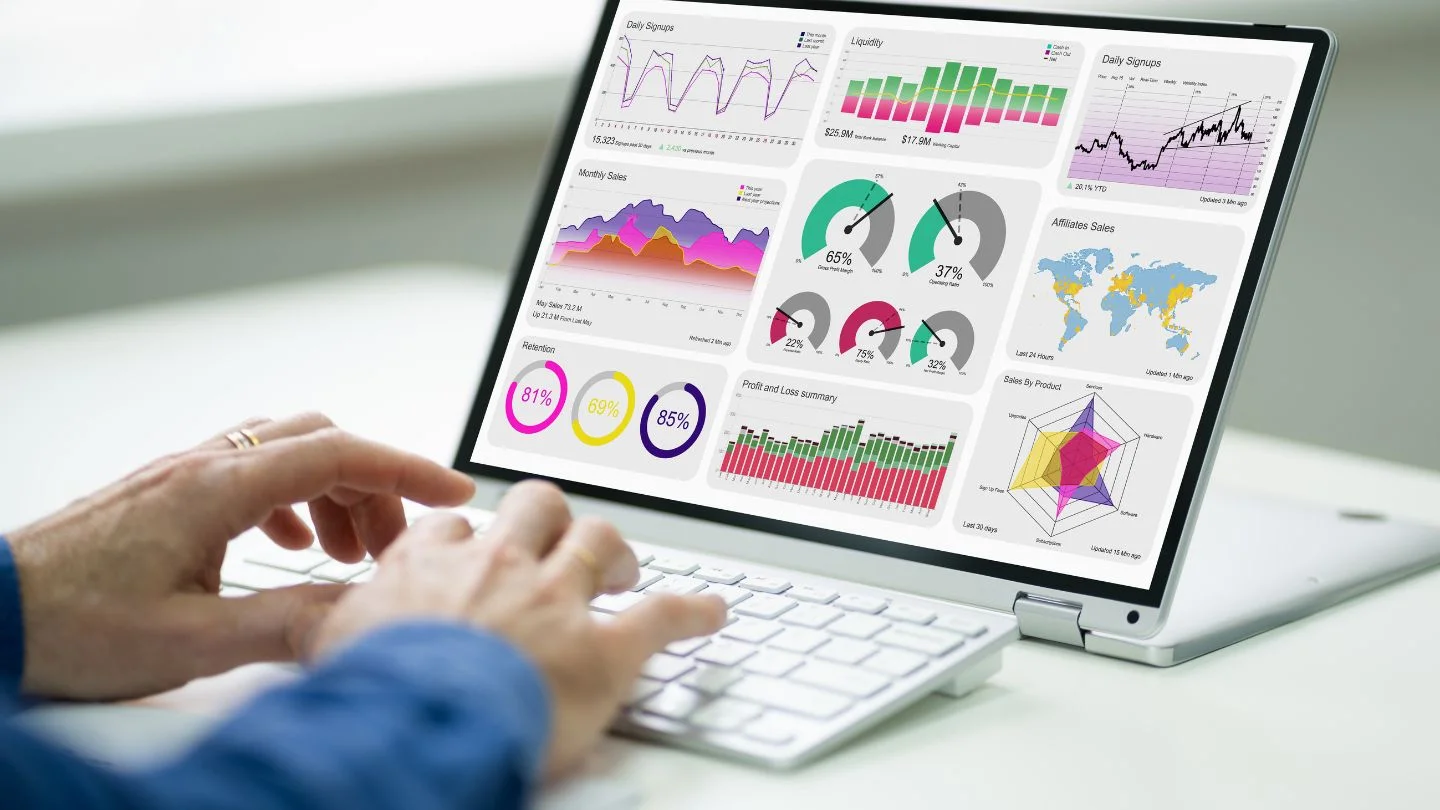 Utilizing data analytics can markedly improve healthcare call centers’ efficiency. By observing and assessing trends in call volumes, healthcare organizations are able to forecast their staffing requirements more precisely, ensuring agents are readily available when needed. The application of predictive analytics also permits enhanced allocation of resources and bolsters performance metrics across the board.Integrating big data analytics presents obstacles such as maintaining high-quality data and equipping staff with necessary skills through training. To address these issues, it is vital for healthcare call centers to establish comprehensive training initiatives and enforce strict protocols for maintaining impeccable data integrity.Cloud-based platforms provide a flexible and scalable approach that empowers both individual healthcare providers and broader organizations to adapt resource levels in response to shifting demand patterns quickly.Data analysis doesn’t merely boost operational effectiveness. Also, It plays a critical role in elevating patient contentment. Delving into calling trends along with understanding patient preferences allows health-related contact centers to customize interactions better aligned with what patients seek, thereby significantly enhancing the overall customer experience at every touchpoint within the service journey.
 It’s imperative for healthcare call centers to adopt an appropriate contact center solution that aligns with their operational demands. Healthcare call centers must navigate the intricacies of handling sensitive patient data while managing a substantial volume of calls, making it necessary to employ software solutions designed for such complexities, including HIPAA-compliant VoIP technologies, sophisticated call routing systems, and in-depth data analytics tools aimed at refining healthcare call center functionality.For these specialized needs within healthcare organizations, adherence measures like encrypting data transmissions, securely storing information, and providing comprehensive HIPAA training are crucial components. Many health-focused establishments lean towards utilizing phone services that are compliant with HIPAA regulations to guarantee secure exchanges between patients and staff while preserving trust among them. Determining your specific organizational requirements is vital when deciding on which contact center option will fit seamlessly into existing operations tasks. A third-party service provider who complies with all relevant regulations can assist in effortlessly upholding compliance standards alongside elevating the caliber of customer care delivered by healthcare organizations. Opting for an apt contact center solution paves the way toward proficient management of incoming calls, which consequentially uplifts patient contentment level, bolstering overall efficiency pertaining to call center performance metrics.